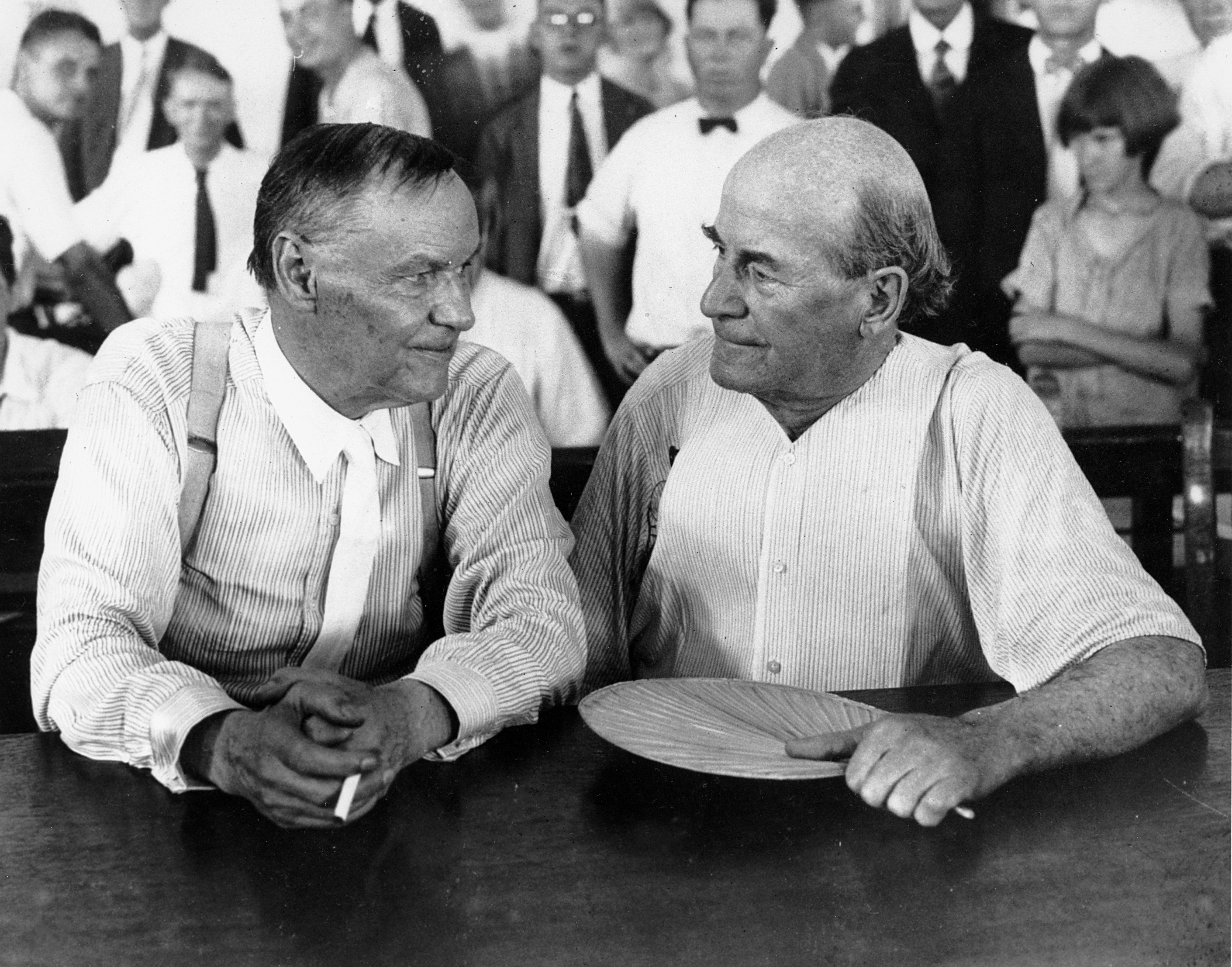
FRIEDMAN FRIDAY About every important quote you could ever find from the mouth of the economic genius Milton Friedman!!

Milton Friedman

American economist, statistician, and writer

The society that puts equality before freedom will end up with neither. The society that puts freedom before equality will end up with a great measure of both.

Underlying most arguments against the free market is a lack of belief in freedom itself.

Milton Friedman (31 July 1912 – 16 November 2006) was an American economist noted for his support for free markets and a reduction in the size of government. In 1976 he was awarded a Nobel Prize in Economics.

Contents

QuotesEdit

Inflation is always and everywhere a monetary phenomenon.

Unanimity is not always feasible. There are some respects in which conformityappears unavoidable, so I do not see how one can avoid the use of the politicalmechanism altogether.

The maintenance of a free society is a very difficult and complicated thing and it requires a self-denying ordinance of the most extreme kind.

In my opinion the least bad tax is the property tax on the unimproved valueof land, the Henry George argument of many, many years ago.

A society which is socialist cannot also be democratic.

  • If we are to use effectively these abstract models and this descriptive material, we must have a comparable exploration of the criteria for determining what abstract model it is best to use for particular kinds of problems, what entities in the abstract model are to be identified with what observable entities, and what features of the problem or of the circumstances have the greatest effect on the accuracy of the predictions yielded by a particular model or theory.
    • “The Methodology of Positive Economics” (1953)
  • The construction of hypotheses is a creative act of inspiration, intuition, invention; its essence is the vision of something new in familiar material. The process must be discussed in psychological, not logical, categories; studied in autobiographies and biographies, not treatises on scientific method; and promoted by maxim and example, not syllogism or theorem.
    • “The Methodology of Positive Economics” (1953)
  • Over the period covered by these data, a drastic change has occurred in the responsibilities undertaken by the state to provide assistance to the aged, unemployed and otherwise dependent. This change has had divergent results on the particular data under discussion. The availability of assistance from the state would clearly tend to reduce the need for private reserves and so to reduce private saving—it is equivalent, in terms of our hypothesis, to a reduction in the variance of transitory components.
    • A Theory of the Consumption Function (1957)
  • I have no right to coerce someone else, because I cannot be sure that I’m right and he is wrong.
    • “Say ‘No’ to Intolerance”, Liberty magazine, vol. 4, no. 6, (July 1991) pp. 17-20.
  • I am convinced that the minimum-wage law is the most anti-Negro law on our statute books—in its effect, not its intent.
    • An Economist’s Protest: Columns in Political Economy (1966), p. 163
  • Inflation is always and everywhere a monetary phenomenon in the sense that it is and can be produced only by a more rapid increase in the quantity of money than in output. … A steady rate of monetary growth at a moderate level can provide a framework under which a country can have little inflation and much growth. It will not produce perfect stability; it will not produce heaven on earth; but it can make an important contribution to a stable economic society.
    • The Counter-Revolution in Monetary Theory (1970)
  • On the level of political principle, the imposition of taxes and the expenditure of tax proceeds are governmental functions. We have established elaborate constitutional, parliamentary and judicial provisions to control these functions, to assure that taxes are imposed so far as possible in accordance with the preferences and desires of the public — after all, “taxation without representation” was one of the battle cries of the American Revolution. We have a system of checks and balances to separate the legislative function of imposing taxes and enacting expenditures from the executive function of collecting taxes and administering expenditure programs and from the judicial function of mediating disputes and interpreting the law. 
    Here the businessman — self-selected or appointed directly or indirectly by stockholders — is to be simultaneously legislator, executive and, jurist. He is to decide whom to tax by how much and for what purpose, and he is to spend the proceeds — all this guided only by general exhortations from on high to restrain inflation, improve the environment, fight poverty and so on and on.
  • The political principle that underlies the market mechanism is unanimity. In an ideal free market resting on private property, no individual can coerce any other, all cooperation is voluntary, all parties to such cooperation benefit or they need not participate. There are no values, no “social” responsibilities in any sense other than the shared values and responsibilities of individuals. Society is a collection of individuals and of the various groups they voluntarily form. 
    The political principle that underlies the political mechanism is conformity. The individual must serve a more general social interest — whether that be determined by a church or a dictator or a majority. The individual may have a vote and say in what is to be done, but if he is overruled, he must conform. It is appropriate for some to require others to contribute to a general social purpose whether they wish to or not. 
    Unfortunately, unanimity is not always feasible. There are some respects in which conformity appears unavoidable, so I do not see how one can avoid the use of the political mechanism altogether.
    • “The Social Responsibility of Business is to Increase its Profits” in The New York Times Magazine (13 September 1970)
  • There was nothing in these views to repel a student; or to make Keynes attractive. Keynes had nothing to offer those of us who had sat at the feet of SimonsMintsKnight, and Viner.
    • Milton Friedman, “Comments on the Critics”, Journal of Political Economy, Vol. 80, No. 5 (Sep. – Oct., 1972)
  • How much attention is paid to agreement between Galbraith and myself in opposing a draft and favoring an all-volunteer armed force, or in opposing tariffs and favoring free trade, or on a host of other issues? What is newsworthy is that Galbraith endorses wage and price controls, while I oppose them.
    • A 1973 Interview with Milton Friedman – Playboy Magazine
  • Although I wish the anarchists luck, since that’s the way we ought to be moving now. But I believe we need government to enforce the rules of the game. By prosecuting anti-trust violations, for instance. We need a government to maintain a system of courts that will uphold contracts and rule on compensation for damages. We need a government to ensure the safety of its citizens–to provide police protection. But government is failing at a lot of these things that it ought to be doing because it’s involved in so many things it shouldn’t be doing.
    • A 1973 Interview with Milton Friedman – Playboy Magazine
  • So the question is, do corporate executives, provided they stay within the law, have responsibilities in their business activities other than to make as much money for their stockholders as possible? And my answer to that is, no they do not.
    • Interview “Milton Friedman Responds” in Chemtech (February 1974) p. 72.
  • The problem in this world is to avoid concentration of power – we must have a dispersion of power.
  • I think the government solution to a problem is usually as bad as the problem and very often makes the problem worse.
    • An Economist’s Protest (1975), p. 6; often quoted as “The government solution to a problem is usually as bad as the problem.”
  • I want people to take thought about their condition and to recognize that the maintenance of a free society is a very difficult and complicated thing and it requires a self-denying ordinance of the most extreme kind. It requires a willingness to put up with temporary evils on the basis of the subtle and sophisticated understanding that if you step in to do something about them you not only may make them worse, you will spread your tentacles and get bad results elsewhere.
  • I say thank God for government waste. If government is doing bad things, it’s only the waste that prevents the harm from being greater.
  • If we have system in which government is in a position to give large favor – it’s human nature to try to get this favor – whether those people are large enterprises, or whether they’re small businesses like farmers, or whether they’re representatives of any other special group. The only way to prevent that is to force them to engage in competition one with the other.
  • One of the great mistakes is to judge policies and programs by their intentions rather than their results.
    • Interview with Richard Heffner on The Open Mind (7 December 1975)
  • In this day and age, we need to revise the old saying to read, “Hell hath no fury like a bureaucrat scorned.
    • “Bureaucracy Scorned” in Newsweek (29 December 1975), later published in Bright Promises, Dismal Performance : An Economist’s Protest (1983)
  • It’s nice to elect the right people, but that isn’t the way you solve things. The way you solve things is by making it politically profitable for the wrong people to do the right things.
  • Make politics an avocation, not a vocation.
    • As quoted in “Milton Friedman: A Tribute” by David R. Hendersonantiwar.com, (Nov. 20, 2006)
  • [A] society which is socialist cannot also be democratic, in the sense of guaranteeing individual freedom.
  • There’s a sense in which all taxes are antagonistic to free enterprise … and yet we need taxes. We have to recognize that we must not hope for a Utopia that is unattainable. I would like to see a great deal less government activity than we have now, but I do not believe that we can have a situation in which we don’t need government at all. We do need to provide for certain essential government functions — the national defense function, the police function, preserving law and order, maintaining a judiciary. So the question is, which are the least bad taxes? In my opinion the least bad tax is the property tax on the unimproved value of land, the Henry George argument of many, many years ago.
    • As quoted in The Times Herald, Norristown, Pennsylvania (1 December 1978)
  • They think that the cure to big government is to have bigger government… the only effective cure is to reduce the scope of government – get government out of the business.
  • Is there some society you know that doesn’t run on greed? You think Russia doesn’t run on greed? You think China doesn’t run on greed? What is greed? Of course, none of us are greedy, it’s only the other fellow who’s greedy. The world runs on individuals pursuing their separate interests. The great achievements of civilization have not come from government bureaus. Einstein didn’t construct his theory under order from a bureaucrat. Henry Ford didn’t revolutionize the automobile industry that way. In the only cases in which the masses have escaped from the kind of grinding poverty you’re talking about, the only cases in recorded history, are where they have had capitalism and largely free trade. If you want to know where the masses are worse off, worst off, it’s exactly in the kinds of societies that depart from that. So that the record of history is absolutely crystal clear that there is no alternative way, so far discovered, of improving the lot of the ordinary people that can hold a candle to the productive activities that are unleashed by the free-enterprise system.
    • from an interview with Phil Donahue (1979): partial transcript from SiP TV ; or find link to full interview in the External links Section
  • Industrial progress, mechanical improvement, all of the great wonders of the modern era have meant little to the wealthy. The rich in ancient Greece would have benefited hardly at all from modern plumbing — running servants replaced running water. Television and radio — the patricians of Rome could enjoy the leading musicians and actors in their home, could have the leading artists as domestic retainers. Ready-to-wear clothing, supermarkets — all these and many other modern developments would have added little to their life. They would have welcomed the improvements in transportation and in medicine, but for the rest, the great achievements of western capitalism have rebounded primarily to the benefit of the ordinary person. These achievements have made available to the masses conveniences and amenities that were previously the exclusive prerogative of the rich and powerful.
    • Free to Choose (1980) p. 148
  • There is no place for government to prohibit consumers from buying products the effect of which will be to harm themselves.
  • “The strongest argument for free enterprise is that it prevents anybody from having too much power. Whether that person is a government official, a trade union official, or a business executive. If forces them to put up or shut up. They either have to deliver the goods, produce something that people are willing to pay for, are willing to buy, or else they have to go into a different business.”
  • Governments never learn. Only people learn.
    • Statement made in 1980, as quoted in The Cynic’s Lexicon : A Dictionary Of Amoral Advice‎ (1984), by Jonathon Green, p. 77
  • With some notable exceptions, businessmen favor free enterprise in general but are opposed to it when it comes to themselves.
  • The broader and more influential organisations of businessmen have acted to undermine the basic foundation of the free market system they purport to represent and defend.
    • Lecture “The Suicidal Impulse of the Business Community” (1983); cited in Filters Against Folly (1985) by Garrett Hardin
  • Every friend of freedom… must be as revolted as I am by the prospect of turning the United States into an armed camp, by the vision of jails filled with casual drug users and of an army of enforcers empowered to invade the liberty of citizens on slight evidence.
    • “An Open Letter to Bill Bennett” in The Wall Street Journal (7 September 1989)
  • Spending by government currently amounts to about 45 percent of national income. By that test, government owns 45 percent of the means of production that produce the national income. The U.S. is now 45 percent socialist.
  • Society doesn’t have values. People have values.
  • The society that puts equality before freedom will end up with neither. The society that puts freedom before equality will end up with a great measure of both.
  • So far, twenty-two people have received the Nobel award in economics. Not one of them has been female—so, to judge only from the past, the most important thing to do if you want to be a Nobel laureate is to be male. I hasten to add that the absence of females is not, I believe, attributable to male chauvinist bias on the part of the Swedish Nobel Committee. I believe that the economics profession as a whole would have been nearly unanimous that, during the period in question, only one female candidate met the relevant standards—the English economist Joan Robinson, who has since died. The failure of the Nobel Committee to award her a prize may well have reflected bias but not sex bias. The economists here will understand what I am talking about. … A second requirement is to be a U.S. citizen. Twelve of the twenty-two recipients of the Nobel Prize were from the United States, four from the United Kingdom, two from Sweden, and one each from four other countries. … Of the twelve Americans who have won the Nobel Prize in economics, nine either studied or taught at the University of Chicago. So the next lesson is to go to the University of Chicago.
    • “Milton Friedman” in William Breit and Roger W. Spencer (ed.) Lives of the laureates
  • The great virtue of a free market system is that it does not care what color people are; it does not care what their religion is; it only cares whether they can produce something you want to buy. It is the most effective system we have discovered to enable people who hate one another to deal with one another and help one another.
    • “Why Government Is the Problem” (February 1, 1993), p. 19
  • The stock of money, prices and output was decidedly more unstable after the establishment of the Reserve System than before. The most dramatic period of instability in output was, of course, the period between the two wars, which includes the severe (monetary) contractions of 1920-1, 1929-33, and 1937-8. No other 20 year period in American history contains as many as three such severe contractions.
    This evidence persuades me that at least a third of the price rise during and just after World War I is attributable to the establishment of the Federal Reserve System… and that the severity of each of the major contractions — 1920-1, 1929-33 and 1937-8 is directly attributable to acts of commission and omission by the Reserve authorities…
    Any system which gives so much power and so much discretion to a few men, [so] that mistakes — excusable or not — can have such far reaching effects, is a bad system. It is a bad system to believers in freedom just because it gives a few men such power without any effective check by the body politic — this is the key political argument against an independent central bank…
    To paraphrase Clemenceau, money is much too serious a matter to be left to the central bankers.
  • I know of no severe depression, in any country or any time, that was not accompanied by a sharp decline in the stock of money and equally of no sharp decline in the stock of money that was not accompanied by a severe depression.
  • Joan Robinson, a leading Keynesian and radical, produced a specimen for me to analyze. I said something like, “This is obviously the writing of a foreigner, so it’s difficult for me to analyze. But I would say it is written by someone who had considerable artistic but not much intellectual talent.” It turned out to be the handwriting of Lydia Lopokova, the world-famous Russian ballerina whom Keynes had married. That was surely my greatest triumph of the year at Cambridge!
    • Two Lucky People
  • In the course of General Westmoreland‘s testimony, he made the statement that he did not want to command an army of mercenaries. I stopped him and said, ‘General, would you rather command an army of slaves?’ He drew himself up and said, ‘I don’t like to hear our patriotic draftees referred to as slaves.’ I replied, ‘I don’t like to hear our patriotic volunteers referred to as mercenaries.’ But I went on to say, ‘If they are mercenaries, then I, sir, am a mercenary professor, and you, sir, are a mercenary general; we are served by mercenary physicians, we use a mercenary lawyer, and we get our meat from a mercenary butcher.’ That was the last that we heard from the general about mercenaries.
    • Two Lucky People: Memoirs, Chicago: University of Chicago Press (1998) p. 380.
  • There’s a smokestack on the back of every government program.

One of the great mistakes is to judge policies and programmes by their intentions rather than their results.

  • The unions might be good for the people who are in the unions but it doesn’t do a thing for the people who are unemployed. Because the union keeps down the number of jobs, it doesn’t do a thing for them.
    • Interview with Brian LambIn Depth Book TV (2000)
  • I think it is only because capitalism has proved so enormously more efficient than alternative methods that it has survived at all. (…) I’m not sure capitalism is the right word. There is a sense in which every society is capitalist. The Soviet Union was capitalist, but it was state capitalism. Latin American societies in the past have been capitalist, but it has been oligarchic capitalism. So what we really need to talk about is not capitalism but free market or competitive capitalism which is the system that we would like to have adopted, not just capitalism.
    • Interview with Parker in Randall E. Parker(ed.), Reflection on the Great Depression (2002)
  • The use of quantity of money as a target has not been a success. I’m not sure that I would as of today push it as hard as I once did.
    • Financial Times [UK] (7 June 2003)
  • There are four ways in which you can spend money. You can spend your own money on yourself. When you do that, why then you really watch out what you’re doing, and you try to get the most for your money. Then you can spend your own money on somebody else. For example, I buy a birthday present for someone. Well, then I’m not so careful about the content of the present, but I’m very careful about the cost. Then, I can spend somebody else’s money on myself. And if I spend somebody else’s money on myself, then I’m sure going to have a good lunch! Finally, I can spend somebody else’s money on somebody else. And if I spend somebody else’s money on somebody else, I’m not concerned about how much it is, and I’m not concerned about what I get. And that’s government. And that’s close to 40% of our national income.
    • Fox News interview (May 2004)
  • I am a libertarian with a small “l” and a Republican with a capital “R”. And I am a Republican with a capital “R” on grounds of expediency, not on principle.
  • You must distinguish sharply between being pro free enterprise and being pro business.
  • I am in favor of cutting taxes under any circumstances and for any excuse, for any reason, whenever it’s possible. … because I believe the big problem is not taxes, the big problem is spending. I believe our government is too large and intrusive, that we do not get our money’s worth for the roughly 40 percent of our income that is spent by government … How can we ever cut government down to size? I believe there is one and only one way: the way parents control spendthrift children, cutting their allowance. For government, that means cutting taxes.
    • As quoted in Conservatives Betrayed: How George W. Bush and other big government Republicans hijacked the conservative cause(2006) by Richard A Viguerie, p. 46
  • Keynes was a great economist. In every discipline, progress comes from people who make hypotheses, most of which turn out to be wrong, but all of which ultimately point to the right answer. Now Keynes, in The General Theory of Employment, Interest and Money, set forth a hypothesis which was a beautiful one, and it really altered the shape of economics. But it turned out that it was a wrong hypothesis. That doesn’t mean that he wasn’t a great man!
  • Thanks to economists, all of us, from the days of Adam Smith and before right down to the present, tariffs are perhaps one tenth of one percent lower than they otherwise would have been. … And because of our efforts, we have earned our salaries ten-thousand fold.
  • If a tax cut increases government revenues, you haven’t cut taxes enough.
    • As quoted in “Milton Friedman’s Last Lunch” at Forbes.com (11 December 2006)
  • The true test of any scholar’s work is not what his contemporaries say, but what happens to his work in the next 25 or 50 years.And the thing that I will really be proud of is if some of the work I have done is still cited in the text books long after I am gone.
    • As quoted in The Power of Choice (January 2007)
  • I’m in favor of legalizing drugs. According to my values system, if people want to kill themselves, they have every right to do so. Most of the harm that comes from drugs is because they are illegal.
    • As quoted in ‪If Ignorance Is Bliss, Why Aren’t There More Happy People? (2009) ‬by John Mitchinson, p. 87

Capitalism and Freedom (1962)Edit

  • To the free man, the country is the collection of individuals who compose it, not something over and above them. He is proud of a common heritage and loyal to common traditions. But he regards government as a means, an instrumentality, neither a grantor of favors and gifts, nor a master or god to be blindly worshipped and served.
    • Introduction
  • The free man will ask neither what his country can do for him nor what he can do for his country. He will ask rather “What can I and my compatriots do through government” to help us discharge our individual responsibilities, to achieve our several goals and purposes, and above all, to protect our freedom? And he will accompany this question with another: How can we keep the government we create from becoming a Frankenstein that will destroy the very freedom we establish it to protect? Freedom is a rare and delicate plant. Our minds tell us, and history confirms, that the great threat to freedom is the concentration of power. Government is necessary to preserve our freedom, it is an instrument through which we can exercise our freedom; yet by concentrating power in political hands, it is also a threat to freedom. Even though the men who wield this power initially be of good will and even though they be not corrupted by the power they exercise, the power will both attract and form men of a different stamp.
    • Introduction
  • There is enormous inertia—a tyranny of the status quo—in private and especially governmental arrangements. Only a crisis—actual or perceived—produces real change. When that crisis occurs, the actions that are taken depend on the ideas that are lying around.That, I believe, is our basic function: to develop alternatives to existing policies, to keep them alive and available until the politically impossible becomes politically inevitable.
    • Preface (1982 edition), p. ix
  • Because we live in a largely free society, we tend to forget how limited is the span of time and the part of the globe for which there has ever been anything like political freedom: the typical state of mankind is tyranny, servitude, and misery. The nineteenth century and early twentieth century in the Western world stand out as striking exceptions to the general trend of historical development. Political freedom in this instance clearly came along with the free market and the development of capitalist institutions. So also did political freedom in the golden age of Greece and in the early days of the Roman era. 
    History suggests only that capitalism is a necessary condition for political freedom. Clearly it is not a sufficient condition.
    • Ch. 1 The Relation Between Economic Freedom and Political Freedom, 2002 edition, page 10
  • Political freedom means the absence of coercion of a man by his fellow men. The fundamental threat to freedom is power to coerce, be it in the hands of a monarch, a dictator, an oligarchy, or a momentary majority. The preservation of freedom requires the elimination of such concentration of power to the fullest possible extent and the dispersal and distribution of whatever power cannot be eliminated — a system of checks and balances.
    • Ch. 1 The Relation Between Economic Freedom and Political Freedom
  • As liberals, we take freedom of the individual, or perhaps the family, as our ultimate goal in judging social arrangements. Freedom as a value in this sense has to do with the interrelations among people
    • Ch. 1 The Relation Between Economic Freedom and Political Freedom
  • The liberal conceives of men as imperfect beings. He regards the problem of social organization to be as much a negative problem of preventing “bad” people from doing harm as of enabling “good” people to do good; and, of course, “bad” and “good”people may be the same people, depending on who is judging them.
    • Ch. 1 The Relation Between Economic Freedom and Political Freedom
  • The basic problem of social organization is how to co-ordinate the economic activities of large numbers of people.
    • Ch. 1 The Relation Between Economic Freedom and Political Freedom
  • Fundamentally, there are only two ways of coordinating the economic activities of millions. One is central direction involving the use of coercion—the technique of the army and of the modern totalitarian state. The other is voluntary co-operation of individuals—the technique of the market place.
    • Ch. 1 The Relation Between Economic Freedom and Political Freedom
  • The existence of a free market does not of course eliminate the need for government. On the contrary, government is essential both as a forum for determining the “rule of the game” and as an umpire to interpret and enforce the rules decided on.
    • Ch. 1 The Relation Between Economic Freedom and Political Freedom, 2002 edition, page 15
  • A major source of objection to a free economy is precisely that it … gives people what they want instead of what a particular group thinks they ought to want. Underlying most arguments against the free market is a lack of belief in freedom itself.
    • Ch. 1 The Relation Between Economic Freedom and Political Freedom, 2002 edition, page 15
  • The widespread use of the market reduces the strain on the social fabric by rendering conformity unnecessary with respect to any activities it encompasses. The wider the range of activities covered by the market, the fewer are the issues on which explicitly political decisions are required and hence on which it is necessary to achieve agreement. In turn, the fewer the issues on which agreement is necessary, the greater is the likelihood of getting agreement while maintaining a free society.
    • Ch. 2 The Role of Government in a Free Society
  • The need for government in these respects arises because absolute freedom is impossible. However attractive anarchy may be as a philosophy, it is not feasible in a world of imperfect men.
    • Ch. 2 The Role of Government in a Free Society
  • The organization of economic activity through voluntary exchange presumes that we have provided, through government, for the maintenance of law and order to prevent coercion of one individual by another, the enforcement of contracts voluntarily entered into, the definition of the meaning of property rights, the interpretation and enforcement of such rights, and the provision of a monetary framework.
    • Ch. 2 The Role of Government in a Free Society
  • Freedom is a tenable objective only for responsible individuals. We do not believe in freedom for madmen or children. The necessity of drawing a line between responsible individuals and others is inescapable, yet it means that there is an essential ambiguity in our ultimate objective of freedom. Paternalism is inescapable for those whom we designate as not responsible.
    • Ch. 2 The Role of Government in a Free Society
  • government which maintained law and order, defined property rights, served as a means whereby we could modify property rights and other rules of the economic game, adjudicated disputes about the interpretation of the rules, enforced contracts, promoted competition, provided a monetary framework, engaged in activities to counter technical monopolies and to overcome neighborhood effects widely regarded as sufficiently important to justify government intervention, and which supplemented private charity and the private family in protecting the irresponsible, whether madman or child—such a government would clearly have important functions to perform. The consistent liberal is not an anarchist.
    • Ch. 2 The Role of Government in a Free Society
  • liberal is fundamentally fearful of concentrated power. His objective is to preserve the maximum degree of freedom for each individual separately that is compatible with one man’s freedom not interfering with other men’s freedom. He believes that this objective requires that power be dispersed. He is suspicious of assigning to government any functions that can be performed through the market, both because this substitutes coercion for voluntary co-operation in the area in question and because, by giving government an increased role, it threatens freedom in other areas.
    • Ch. 3 The Control of Money
  • The Great Depression in the United States, far from being a sign of the inherent instability of the private enterprise system, is a testament to how much harm can be done by mistakes on the part of a few men when they wield vast power over the monetary system of a country.
    • Ch. 3 The Control of Money
  • To paraphrase Clemenceau, money is much too serious a matter to be left to the Central Bankers.
    • Ch. 3 The Control of Money
  • With respect to teachers’ salaries …. Poor teachers are grossly overpaid and good teachers grossly underpaid. Salary schedules tend to be uniform and determined far more by seniority.
    • Ch. 6 The Role of Government in Education
  • Few trends could so thoroughly undermine the very foundations of our free society as the acceptance by corporate officials of a social responsibility other than to make as much money for their stockholders as possible. This is a fundamentally subversive doctrine. If businessmen do have a social responsibility other than making maximum profits for stockholders, how are they to know what it is? Can self-selected private individuals decide what the social interest is? Can they decide how great a burden they are justified in placing on themselves or their stockholders to serve that social interest?
    • Ch. 8 Monopoly and the Social Responsibility of Business and Labor
  • The major disadvantage of the proposed negative income tax is its political implications. It establishes a system under which taxes are imposed on some to pay subsidies to others. And presumably, these others have a vote.
    • Ch. 12 The Alleviation of Poverty
  • The heart of the liberal philosophy is a belief in the dignity of the individual, in his freedom to make the most of his capacities and opportunities according to his own lights, subject only to the proviso that he not interfere with the freedom of other individuals to do the same.
    • Ch. 12 The Alleviation of Poverty
  • An income tax intended to reduce inequality and promote the diffusion of wealth has in practice fostered reinvestment of corporate earnings, thereby favoring the growth of large corporations, inhibiting the operation of the capital market, and discouraging the establishment of new enterprises.
    • Ch. 13 Conclusion
  • As Adam Smith once said, “There is much ruin in a nation”. Our basic structure of values and the interwoven network of free institutions will withstand much. I believe that we shall be able to preserve and extend freedom despite the size of the military programs and despite the economic powers already concentrated in Washington. But we shall be able to do so only if we awake to the threat that we face, only if we persuade our fellowmen that free institutions offer a surer, if perhaps at times a slower, route to the ends they seek than the coercive power of the state. The glimmerings of change that are already apparent in the intellectual climate are a hopeful augury.
    • Ch. 13 Conclusion

A Monetary History of the United States (1963)Edit

Main article: A Monetary History of the United States

  • The contraction from 1929 to 1933 was by far the most severe business-cycle contraction during the near-century of U.S. history we cover and it may well have been the most severe in the whole of U.S. history.

Free to Choose (1980)Edit

  • The key insight of Adam Smith‘s Wealth of Nations is misleadingly simple: if an exchange between two parties is voluntary, it will not take place unless both believe they will benefit from it. Most economic fallacies derive from the neglect of this simple insight, from the tendency to assume that there is a fixed pie, that one party can gain only at the expense of another.
    • Ch. 1 “The Power of the Market”, page 13
  • The price system works so well, so efficiently, that we are not aware of it most of the time. We never realize how well it functions until it is prevented from functioning, and even then we seldom recognize the source of the trouble.
    • Ch. 1 “The Power of the Market”
  • Prices perform three functions in organizing economic activity: first, they transmit information; second, they provide an incentive to adopt those methods of production that are least costly and thereby use available resources for the most highly valued pur poses; third, they determine who gets how much of the product—the distribution of income. These three functions are closely in terrelated.
    • Ch. 1 “The Power of the Market”
  • The price system transmits only the important information and only to the people who need to know.
    • Ch. 1 “The Power of the Market”
  • Whether it is in the slums of New Delhi or in the affluence of Las Vegas, it simply isn’t fair that there should be any losers. Life is unfair — there is nothing fair about one man being born blind and another man being born with sight. There is nothing fair about one man being born of a wealthy parent and one of an impecunious parent. There is nothing fair about Muhammad Ali having been born with a skill that enables him to make millions of dollars one night. There is nothing fair about Marlene Dietrich having great legs that we all want to watch. There is nothing fair about any of that. But on the other hand, don’t you think a lot of people who like to look at Marlene Dietrich’s legs benefited from nature’s unfairness in producing a Marlene Dietrich. What kind of a world would it be if everybody was an absolute identical duplicate of anybody else. You might as well destroy the whole world and just keep one specimen left for a museum. In the same way, it’s unfair that Muhammad Ali should be a great fighter and should be able to earn millions. But would it not be even more unfair to the people who like to watch him if you said that in the pursuit of some abstract idea of equality we’re not going to let Muhammad Ali get more for one nights fight than the lowest man on the totem pole can get for a days unskilled work on the docks. You can do that but the result of that would be to deny people the opportunity to watch Muhammad Ali. I doubt very much he would be willing to subject himself to the kind of fights he’s gone through if he were to get the pay of an unskilled docker.

America’s Drug Forum interview (1991)Edit

If you look at the drug war from a purely economic point of view, the role of the government is to protect the drug cartel. That’s literally true.“America’s Drug Forum” interview (1991)

  • The proper role of government is exactly what John Stuart Mill said in the middle of the 19th century in On Liberty. The proper role of government is to prevent other people from harming an individual. Government, he said, never has any right to interfere with an individual for that individual’s own good. 
    The case for prohibiting drugs is exactly as strong and as weak as the case for prohibiting people from overeating. We all know that overeating causes more deaths than drugs do. If it’s in principle OK for the government to say you must not consume drugs because they’ll do you harm, why isn’t it all right to say you must not eat too much because you’ll do harm? Why isn’t it all right to say you must not try to go in for skydiving because you’re likely to die? Why isn’t it all right to say, “Oh, skiing, that’s no good, that’s a very dangerous sport, you’ll hurt yourself”? Where do you draw the line?
  • It does harm a great many other people, but primarily because it’s prohibited. There are an enormous number of innocent victims now. You’ve got the people whose purses are stolen, who are bashed over the head by people trying to get enough money for their next fix. You’ve got the people killed in the random drug war. You’ve got the corruption of the legal establishment. You’ve got the innocent victims who are taxpayers who have to pay for more and more prisons, and more and more prisoners, and more and more police. You’ve got the rest of us who don’t get decent law enforcement because all the law enforcement officials are busy trying to do the impossible. 
    And, last, but not least, you’ve got the people of Colombia and Peru and so on. What business do we have destroying and leading to the killing of thousands of people in Colombia because we cannot enforce our own laws? If we could enforce our laws against drugs, there would be no market for these drugs.
  • It’s a moral problem that the government is making into criminals people, who may be doing something you and I don’t approve of, but who are doing something that hurts nobody else. Most of the arrests for drugs are for possession by casual users. 
    Now here’s somebody who wants to smoke a marijuana cigarette. If he’s caught, he goes to jail. Now is that moral? Is that proper? I think it’s absolutely disgraceful that our government, supposed to be our government, should be in the position of converting people who are not harming others into criminals, of destroying their lives, putting them in jail. That’s the issue to me. The economic issue comes in only for explaining why it has those effects. But the economic reasons are not the reasons.
  • If you look at the drug war from a purely economic point of view, the role of the government is to protect the drug cartel. That’s literally true.

Money Mischief (1992)Edit

  • The term money has two very different meanings in popular discourse. We often speak of someone “making money,” when we really mean that he or she is receiving an income. We do not mean that he or she has a printing press in the basement churning out greenbacked pieces of paper. In this use, money is a synonym for income or receipts; it refers to a flow, to income or receipts per week or per year. We also speak of someone’s having money in his or her pocket or in a safe-deposit box or on deposit at a bank. In that use, money refers to an asset, a component of one’s total wealth. Put differently, the first use refers to an item on a profit-and-loss statement, the second to an item on a balance sheet
    • Ch. 2 The Mystery of Money
  • One reason why money is a mystery to so many is the role of myth or fiction or convention.
    • Ch. 2 The Mystery of Money
  • Why should they also be accepted by private persons in private transactions in exchange for goods and services?
    The short answer—and the right answer—is that private persons accept these pieces of paper because they are confident that others will. The pieces of green paper have value because everybody thinks they have value. Everybody thinks they have value because in everybody’s experience they have had value…
    • Ch. 2 The Mystery of Money
  • Analysis of the supply of money, and in particular of changes in the supply of money, is simple in principle but extremely complex in practice, both in our hypothetical world and in the current real world. Simple in principle, because the supply of money is whatever the monetary authorities make if, complex in practice, because the decisions of the monetary authorities depend on numerous factors.
    • Ch. 2 The Mystery of Money
  • For both long and short periods there is a consistent though not precise relation between the rate of growth of the quantity of money and the rate of growth of nominal income. If the quantity of money grows rapidly, so will nominal income, and conversely. The relation is much closer for long than for short periods
    • Ch. 2 The Mystery of Money
  • Over short periods, the relation between growth in money and growth in nominal income is often hard to see, partly because the relation is less close for short than for long periods, but mostly because it takes time for changes in monetary growth to affect income. And how long a time is itself variable. Today’s income growth is not closely related to today’s monetary growth; it depends on what has been happening to money in the past. What happens to money today affects what is going to happen to income in the future
    • Ch. 2 The Mystery of Money

Related posts

Milton Friedman on Hayek’s “Road to Serfdom” 1994 Interview 1 of 2

Milton Friedman on Hayek’s “Road to Serfdom” 1994 Interview 2 of 2

_____________________________________________

Friedman Friday” Free to Choose by Milton Friedman: Episode “What is wrong with our schools?” (Part 6 of transcript and video)

December 9, 2011 – 12:53 am

Here is the video clip and transcript of the film series FREE TO CHOOSE episode “What is wrong with our schools?” Part 6 of 6.   Volume 6 – What’s Wrong with our Schools Transcript: FRIEDMAN: But I personally think it’s a good thing. But I don’t see that any reason whatsoever why I shouldn’t have been required […] By Everette Hatcher III | Also posted in Vouchers | Edit | Comments (0)

Milton Friedman – A Conversation On Minimum Wage

Friedman Friday” Free to Choose by Milton Friedman: Episode “What is wrong with our schools?” (Part 5 of transcript and video)

December 2, 2011 – 12:52 am

Here is the video clip and transcript of the film series FREE TO CHOOSE episode “What is wrong with our schools?” Part 5 of 6.   Volume 6 – What’s Wrong with our Schools Transcript: Are your voucher schools  going to accept these tough children? COONS: You bet they are. (Several talking at once.) COONS: May I answer […] By Everette Hatcher III | Also posted in Vouchers | Edit | Comments (0)

Free to Choose by Milton Friedman: Episode “What is wrong with our schools?” (Part 4 of transcript and video)

November 25, 2011 – 12:51 am

Here is the video clip and transcript of the film series FREE TO CHOOSE episode “What is wrong with our schools?” Part 4 of 6.   Volume 6 – What’s Wrong with our Schools Transcript: It seems to me that if one is truly interested in liberty, which I think is the ultimate value that Milton Friedman talks […] By Everette Hatcher III | Also posted in Vouchers | Edit | Comments (0)

Friedman Friday” Free to Choose by Milton Friedman: Episode “What is wrong with our schools?” (Part 3 of transcript and video)

November 18, 2011 – 7:08 am

Friedman Friday” Free to Choose by Milton Friedman: Episode “What is wrong with our schools?” (Part 3 of transcript and video) Here is the video clip and transcript of the film series FREE TO CHOOSE episode “What is wrong with our schools?” Part 3 of 6.   Volume 6 – What’s Wrong with our Schools Transcript: If it […] By Everette Hatcher III | Also posted in Vouchers | Tagged economic market., educational market, private universities, state colleges, value of education | Edit | Comments (0)

Friedman Friday” Free to Choose by Milton Friedman: Episode “What is wrong with our schools?” (Part 2 of transcript and video)

November 11, 2011 – 12:50 am

Here is the video clip and transcript of the film series FREE TO CHOOSE episode “What is wrong with our schools?” Part 2 of 6.   Volume 6 – What’s Wrong with our Schools Transcript: Groups of concerned parents and teachers decided to do something about it. They used private funds to take over empty stores and they […]

By Everette Hatcher III | Also posted in Vouchers | Edit | Comments (1)

Friedman Friday” Free to Choose by Milton Friedman: Episode “What is wrong with our schools?” (Part 1 of transcript and video)

November 4, 2011 – 12:01 am

Here is the video clip and transcript of the film series FREE TO CHOOSE episode “What is wrong with our schools?” Part 1 of 6.   Volume 6 – What’s Wrong with our Schools Transcript: Friedman: These youngsters are beginning another day at one of America’s public schools, Hyde Park High School in Boston. What happens when […]

By Everette Hatcher III | Also posted in Vouchers | Tagged hidden weapons, hyde park high school, hyde park., state of vermont, vivid illustration | Edit | Comments (0)

FRANCIS SCHAEFFER ANALYZES ART AND CULTURE Part 265 MY 8 POSTCARDS IN 2017 FROM NEW ORLEANS TO HUGH HEFNER (PART 6) dated 2-6-17 Featured artist is Margaret Kilgallen


—-

_

I started this series on my letters and postcards to Hugh Hefner back in September when I read of the passing of Mr. Hefner. There are many more to come. It is my view that he may have taken time to look at glance at one or two of them since these postcards were short and from one of Hef’s favorite cities!!!!

Postcards from New Orleans Feb 6, 2017

Image result for NEW ORLEANS POSTCARD MARDI GRA

— Feb 6, 2017 postcard from New Orleans letter Part A   Hugh Hefner Playboy Mansion 16236 Charing Cross RoadLos Angeles, CA 90024   Dear Hugh, Today is Feb 6 so I want to quote from Proverbs 6. Good advice today from anyone in New Orleans like me.

20-23 Good friend, follow your father’s good advice;
    don’t wander off from your mother’s teachings.
Wrap yourself in them from head to foot;
    wear them like a scarf around your neck.
Wherever you walk, they’ll guide you;
    whenever you rest, they’ll guard you;
    when you wake up, they’ll tell you what’s next.
For sound advice is a beacon,
    good teaching is a light,
    moral discipline is a life path. —– Notice especially verse 20 “Good friend, follow your father’s good advice;  don’t wander off from your mother’s teachings.”   HUGH, this is good advice for you since your mother GRACE wanted you to be a Christian missionary!!! I hope you realize that you can still go down that road!!!
       Check out Romans 3:23; 5:8; 10:9-10. Best wishes, Everette Hatcher   —

_____

Image result for edith schaeffer

I wrote to Hefner in an earlier letter these words:

Francis Schaeffer observed concerning Solomon, “You can not know woman by knowing 1000 women.”

__________

Exalting Jesus in Ecclesiastes Daniel Akin, Jonathan Akin and Tony Merida:

Finally, Solomon indulged in sexual pleasure. In addition to 700 wives (1 Kgs 11), he had 300 concubines (cf. Eccl 2:8). A concubine was a woman given to a man simply for the purpose of sexual pleasure. Concubines were objects. Thus, Solomon could out-locker-room-boast basketball all-star Wilt Chamberlain (who once infamously claimed to have been with 20,000 women!) and infamous playboy Hugh Hefner. So many people are on an endless search for sexual pleasure. They may not have a thousand women literally, but they have that many or more in their pornographic internet history or their romance novels. They constantly look for a new illicit experience in order to be satisfied, but like Solomon they come away empty and disappointed—the high only lasts so long. 

Image result for simpleton proverbs 7

_

The Death of Hugh Hefner and the End of the Sexual Revolution

By Michael Brown , CP Op-Ed Contributor | Sep 28, 2017 3:12 PM The views expressed by the author do not necessarily reflect the editorial opinion of The Christian Post or its editors. Expand | Collapse Michael Brown holds a Ph.D. in Near Eastern Languages and Literatures from New York University and has served as a professor at a number of seminaries. He is the author of 25 books and hosts the nationally syndicated, daily talk radio show, the Line of Fire.

Hugh Hefner has died at the age of 91. I hope he found grace and repentance before leaving this world. I also hope that his death will signify the end of the sexual revolution. It has failed miserably on every front. May it never rise again.

The sexual revolution promised freedom but produced bondage. It promised excitement but produced emptiness. It promised thrills and produced STD’s. It was destined to crash and burn from the very first day.

It’s a terrible shame it took so long.

Although Alfred Kinsey’s perverted sex studies, first released in 1948, helped pave the way for the sexual revolution, the real seeds were planted with Playboy’s nude photoshoot of Marilyn Monroe in 1953. Then, those seeds grew with explosive force in the counterculture revolution of the 1960s. And the rest, as they say, is history – a very sad history, for sure.

Today, 8-year-olds are getting exposed to hardcore pornography.

Twelve-year-olds are sexting each other, sometimes committing suicide when their naked pictures circulate through their school.

Condoms have been made available to first graders. (What, pray tell, does a 6-year-old child do with a condom?)

Healthy young men cannot perform without Viagra because of their porn addictions.

Half of all babies born to first time mothers are now conceived out of wedlock.

Thanks for nothing, sexual revolution. You have brought nothing but destruction.

Last year, for a short period of time, Playboy announced that it would no longer carry nude pictures in its magazine or on its website.

But Playboy did not temporarily abandon nude pictorials because society had become more moral. It was abandoning these pictorials because society had become so immoral that Playboy’s relatively mild pornography was no longer a draw.

Pornography of the most sordid kind was freely available everywhere, so who needed pictures of nude women in Playboy? Porn was now ubiquitous.

And what does this porn glut produce? Broken marriages. Sexual addictions. Perverse fleshly appetites. Deadly STD’s. The degrading of women. Lots of bad and lots of evil. Absolutely nothing good.

Consider these stats from a government website: “Adolescents ages 15-24 account for nearly half of the 20 million new cases of STD’s each year. Today, two in five sexually active teen girls have had an STD that can cause infertility and even death. Also, though rates of HIV are very low among adolescents, males make up more than 80 percent of HIV diagnoses among 13- to 19-year-olds.”

This is the reality of the sexual revolution, not that naked woman inviting you into her chat room to satisfy your fantasies.

Sir, that smiling beauty calling to you from your laptop makes you feel wanted. She has what you need. Let your dreams come true!

But here’s what those flirtations will get you. An increased desire for more of the same, followed by an increased desire for something more intense, followed by an embarrassing addiction to hard-core perversion. And it started with that beautiful smile!

Young lady, when that photographer told you were beautiful, he did it for one reason only. Money. And that fleeting high you got the first time men paid to look at you was tinged with embarrassment, then hardness, then drugs to ease the pain.

It’s a trap. It’s a lie. Get out while you can!

Although I didn’t see the episode myself, I was told that many years ago, Hugh Hefner appeared on the Mike Douglas show.

At one point during the interview (and I paraphrase), Douglas said to Hefner, “Hey, you’re daughter has become a beautiful young woman. I guess it’s time for her to pose nude?”

Hefner’s response said it all. “Of course not! My daughter won’t be posing nude.”

And there, in a nutshell, is the bankruptcy of the sexual revolution: It destroys our sons and daughters.

But all hope is not lost. The sexual revolution can be reversed. There is a better way. A much better way. God’s way.

I’ve read a number of studies that all say the same thing: Singles who engage in one-night stands and have multiple sexual partners are the least satisfied sexually. Committed, married couples are the most satisfied sexually.

That’s because we are not just physical animals, fulfilling a bodily function. We are human beings with emotions and values and desires, and sexual intimacy divorced from relational fidelity produces frustration and shame and guilt in the end.

That’s why, in more than 41 years of marriage, it has never dawned on me once to envy the likes of Hugh Hefner, a man who slept with more gorgeous women in a week than most of us have met in a lifetime.

What a pitiful, lost soul, and what a tragic, ugly legacy.

And this brings me back to where we started. I hope he found grace and repentance before leaving this world. I also hope that his death will signify the end of the sexual revolution.

(For supporting data for some of the information cited in this article, see the chapter, “From Playboy to Purity: Reversing the Sexual Revolution,” in Saving a Sick America: A Prescription for Moral and Cultural Transformation.)   Dr. Michael Brown (www.askdrbrown.org) is the host of the nationally syndicated Line of Fire radio program. His latest book is Saving a Sick America: A Prescription for Moral and Cultural Transformation. Connect with him on Facebookor Twitter.   CELEBS

  1.  Playboy founder Hugh Hefner has died at the age of 91.
  2. 26th September 1972: Hef, Barbi and the girls disembark the Big Bunny.Long before the Internet made nudity ubiquitous, Hefner faced obscenity charges in 1963 for publishing and circulating photos of disrobed celebrities and aspiring stars but he was acquitted.(Image: Daily Mirror)14 of 34
  3. 20th February 1971: Hef and Barbi on his private jet.Hefner settled down somewhat in 2012 at age 86 when he took Crystal Harris, who was 60 years younger, as his third wife.(Image: Sunday Mirror)15 of 34
  4. 26th September 1972: Bunnies in London.Hef said that thanks to the impotency-fighting drug Viagra he continued exercising his libido into his 80s(Image: Daily Mirror)16 of 34  
  5. 8th August 1971: The Playboy boss pictured at Heathrow Airport before his flight to Saint-Tropez.Hefner created Playboy as the first stylish glossy men’s magazine and in addition to nude fold-outs, it had intellectual appeal with top writers such as Kurt Vonnegut, Joyce Carol Oates, Vladimir Nabokov, James Baldwin and Alex Haley for men who liked to say they did not buy the magazine just for the pictures.(Image: Daily Mirror)17 of 34
  6. 4th August 1971: Hef and the Big Bunny land in London.”I’ve never thought of Playboy quite frankly as a sex magazine,” Hefner told CNN in 2002. “I always thought of it as a lifestyle magazine in which sex was one important ingredient.”(Image: Daily Mirror)18 of 34
  7. 27th September 1972: Hef addresses the press during at the Hilton Hotel.After writing copy for Esquire magazine, Hefner married and worked in the circulation department of Children’s Activities magazine when he began plotting what would become Playboy magazine.(Image: Daily Mirror)19 of 34  
  8. (Image: Daily Mirror)20 of 34
  9. 25th June 1966: Hef in London.The first issue came out in December 1953 – featuring nude photos of actress Marilyn Monroe – and was a hit.As the magazine took off, it was attacked from the right because of the nudity and from the left by feminists who said it reduced women to sex objects.(Image: Sunday Mirror)21 of 34
  10. 3rd September 1969: The jet set couple at Gatwick.Hefner once declared sex to be “the primary motivating factor in the course of human history” and, using that as a business model Playboy flourished during the sexual revolution and into the 1970s with monthly circulation hitting 7 million.(Image: Daily Herald)22 of 34  
  11. 29th July 1970: Barbi Benton plants a kiss on her man’s cheek.Hef’s girlfriends grew used to sharing him with other women.(Image: Daily Mirror)23 of 34
  12. 25th June 1966:Hef ran into trouble in the 1980s with competition from Penthouse and Hustler – magazines that had much more explicit photos – and Playboy’s social impact faded considerably by the 21st century.The Playboy Clubs closed in 1991 but would be partially revived.(Image: Sunday Mirror)24 of 34
  13. 6th May 1982: Hugh Hefner and his daughter Christie, who is the new president of the Playboy Empire.After suffering a minor stroke in 1985, Hefner made daughter Christie chief executive officer of Playboy Enterprises and she gave the business a makeover before stepping down in 2009.Hefner’s son, Cooper, who was nearly 40 years younger than Christie, assumed a major role in the company in 2014.(Image: Daily Mirror)25 of 34  
  14. 29th July 1970:In-depth interviews with historic figures such as Fidel Castro, Martin Luther King Jr., Malcolm X and John Lennon also were featured regularly in Playboy.(Image: Daily Mirror)26 of 34
  15. 5th September 1969: Pictured as they arrive at the Playboy Club, Hugh Hefner with his girlfriend Barbara Benton, walking along Park Lane.(Image: Daily Mirror)27 of 34
  16. 5th September 1969: Hef was in London to hold a press conference at the London Playboy Club to announce the formation of the Playboy film production company.(Image: Daily Mirror)28 of 34  
  17. 3rd September 1969: Hef and Barbi arrive at Gatwick.(Image: Daily Herald)29 of 34
  18. 6th September 1969: Hef and Barbi relax at the airport.Playboy magazine, starting with its March 2016 issue, did away with full frontal nudity in a rebranding that would have been unimaginable in the publication’s heyday.(Image: Daily Herald)30 of 34
  19. 27th September 1972: The Playboy king with his social secretary during a press conference at the Hilton Hotel.(Image: Daily Mirror)31 of 34  
  20. 8th August 1971: Hef chats to playmate Marilyn Cole and Roman Polanski at Heathrow Airport before his flight to Saint-Tropez.(Image: Daily Mirror)32 of 34
  21. (Image: Daily Mirror)

Featured artist is Margaret Kilgallen

Margaret Kilgallen was born in 1967 in Washington, DC, and received her BA in printmaking from Colorado College in 1989. Early experiences as a librarian and bookbinder contributed to her encyclopedic knowledge of signs, drawn from American folk tradition, printmaking, and letterpress. Kilgallen had a love of “things that show the evidence of the human hand.”

Painting directly on the wall, Kilgallen created room-size murals that recall a time when personal craft and handmade signs were the dominant aesthetic. Strong, independent women—walking, surfing, fighting, and biking—are featured prominently in the artist’s compositions.

Her work has been shown at Deitch Projects and the Drawing Room in New York, Yerba Buena Center for the Arts and the Luggage Store in San Francisco, Forum for Contemporary Art in St. Louis, and the Institute of Contemporary Art in Boston. Kilgallen’s work was presented at UCLA Hammer Museum. She died in June 2001 in San Francisco, where she lived with her husband, Barry McGee.

Related posts:

Ecclesiastes 2 — The Quest For Meaning and the failed examples of Howard Hughes and Hugh Hefner

June 27, 2013 – 12:49 am

Ecclesiastes 2-3 Published on Sep 19, 2012 Calvary Chapel Spring Valley | Sunday Evening | September 16, 2012 | Derek Neider _____________________________ I have written on the Book of Ecclesiastes and the subject of the meaning of our lives on several occasions on this blog. In this series on Ecclesiastes I hope to show how secular […] By Everette Hatcher III | Posted in Current Events | Edit | Comments (0)

FRANCIS SCHAEFFER ANALYZES ART AND CULTURE PART 162 A look at the BEATLES Breaking down the song ALL WE NEED IS LOVE Part C (Featured artist is Grace Slick)

May 4, 2017 – 1:40 am

 Is Love All You Need? Jesus v. Lennon Posted on January 19, 2011 by Jovan Payes 0 On June 25, 1967, the Beatles participated in the first worldwide TV special called “Our World”. During this special, the Beatles introduced “All You Need is Love”; one of their most famous and recognizable songs. In it, John Lennon […] By Everette Hatcher III | Posted in Francis Schaeffer | Edit | Comments (0)

FRANCIS SCHAEFFER ANALYZES ART AND CULTURE Part 158 THE BEATLES (breaking down the song WHY DON’T WE DO IT IN THE ROAD?) Photographer Bob Gomel featured today!

April 6, 2017 – 12:25 am

___________________ Something happened to the Beatles in their journey through the 1960’s and although they started off wanting only to hold their girlfriend’s hand it later evolved into wanting to smash all previous sexual standards. The Beatles: Why Don’t We Do It in the Road? _______ Beatle Ringo Starr, and his girlfriend, later his wife, […] By Everette Hatcher III | Posted in Current Events | Edit | Comments (0)

FRANCIS SCHAEFFER ANALYZES ART AND CULTURE PART 142 Marvin Minsky Part G (Featured artist is Red Grooms)

December 15, 2016 – 7:18 am

__________ Marvin Minsky __ I was sorry recently  to learn of the passing of one of the great scholars of our generation. I have written about Marvin Minsky several times before in this series and today I again look at a letter I wrote to him in the last couple of years. It is my […] By Everette Hatcher III | Posted in Adrian RogersFrancis Schaeffer | Edit | Comments (0)

FRANCIS SCHAEFFER ANALYZES ART AND CULTURE Part 118 THE BEATLES (Why was Tony Curtis on cover of SGT PEP?) (Feature on artist Jeffrey Gibson )

June 30, 2016 – 5:35 am

Why was Tony Curtis on the cover of SGT PEPPERS? I have no idea but if I had to hazard a guess I would say that probably it was because he was in the smash hit SOME LIKE IT HOT.  Above from the  movie SOME LIKE IT HOT __ __ Jojo was a man who […] By Everette Hatcher III | Posted in Current Events | Edit | Comments (0)

FRANCIS SCHAEFFER ANALYZES ART AND CULTURE Part 101 BEATLES,(MANY CHRISTIANS ATTACKED THE BEATLES WHILE FRANCIS SCHAEFFER STUDIED THEIR MUSIC! Part B) Artist featured today is Cartoonist Gahan Wilson

March 3, 2016 – 12:21 am

__ Francis Schaeffer did not shy away from appreciating the Beatles. In fact, SERGEANT PEPPER’S LONELY HEARTS CLUB BAND album was his favorite and he listened to it over and over. I am a big fan of Francis Schaeffer but there are detractors that attack him because he did not have all the degrees that they […]

WOODY WEDNESDAY Open Letter to Woody Allen about Surrealists in Midnight in Paris Part 4

Woody Allen On Bergman

Woody Allen On Bergman

Woody Allen Show

Essay on Woody Allen films

Match point Trailer

Match point

Crimes and misdemeanors

Part 2

Part 3

Woody commenting on Midnight in Paris

December 31, 2017

Letty Aronson, c/o

New York 10001

Dear Mrs. Aronson,

I am looking forward to 2017 and another film from Woody Allen. I have spent the last few years looking at the works of Francis Schaeffer and Woody Allen on my blog http://www.thedailyhatch.org .  As a result, if you google “WOODY ALLEN SCHAEFFER” you will be brought to my blog.

Have you ever wondered why Woody keeps producing a film every year even though he holds to a nihilistic point of view concerning the total pointlessness of it all?

I think I have figured out that reason he keeps going and it may be the same reason that one of the most popular blog post I have ever done was entitled, The Characters referenced in Woody Allen’s “Midnight in Paris” (Part 15, Luis Bunuel).” At my blog http://www.thedailyhatch.org I have had over 1 million views and this post has been in my all-time top 5 most popular posts. But for some reason during the last couple of months it has drawn more attention than ever and that caused me to take a closer look at the content of the post to see if I could identify why so many thousands of people have been curious about it. When I went back and examined the blog post (originally posted on 6-23-11), I discovered WHAT KEEPS WOODY ALLEN GOING STRONG IN HIS FILM MAKING.

Here is a portion of  that blog post:

surrealism definition. A movement in art and literature that flourished in the early twentieth century.Surrealism aimed at expressing imaginative dreams and visions free from conscious rational control. Salvador Dali was an influential surrealist painter; Jean Cocteau was a master of surrealist film.

Wikipedia says concerning Bunuel:

After this apprenticeship, Buñuel shot and directed a 16-minute short, Un Chien Andalou, with Salvador Dalí. The film, financed by Buñuel’s mother,[42] consists of a series of startling images of a Freudian nature,[43] starting with a woman’s eyeball being sliced open with a razor blade. Un Chien Andalou was enthusiastically received by the burgeoning French surrealist movement of the time[44] and continues to be shown regularly in film societies to this day.[45]

The script was written in six days at Dalí’s home in Cadaqués. In a letter to a friend written in February 1929, Buñuel described the writing process: “We had to look for the plot line. Dalí said to me,‘I dreamed last night of ants swarming around in my hands’, and I said, ‘Good Lord, and I dreamed that I had sliced somebody or other’s eye. There’s the film, let’s go and make it.’”[46]

….When his first film (Un Chien Andalou) was released, Buñuel became the first filmmaker to be officially welcomed into the ranks of the Surrealists by the movement’s leader André Breton, an event recalled by film historian Georges Sadoul: “Breton had convoked the creators to our usual venue [the Café Radio]… one summer’s evening. Dalí had the large eyes, grace, and timidity of a gazelle. To us, Buñuel, big and athletic, his black eyes protruding a little, seemed exactly like he always is in Un Chien Andalou, meticulously honing the razor that will slice the open eye in two.”

The SURREALISTS were the same men who started the “Dada Movement” and Francis Schaeffer noted concerning that movement: 

Dada was started in Zurich and came along in modern art. Dada means nothing. The word “Dada” means rocking horse, but it was chosen by chance. The whole concept of Dada is everything means nothing. [In this materialistic mindset Chance and Time have determined the past, and they will determine the future according to Solomon in life UNDER THE SUN (Ecclesiastes 9:11 says this)]…  Dada carried to its logical conclusion the notion of all having come about by chance; the result was the final absurdity of everything, including humanity.

(Surrealists: Man Ray, Jean Arp, Yves Tanguy, André Breton; Tristan Tzara, Salvador Dalí, Paul Eluard, Max Ernst and Rene Clevel, 1930.)

Jean Arp (Hans Arp) 
Jean Arp is associated with the DADA movement. His collages were of torn pieces of paper dropped and affixed where they would land. His use of chance is intended to create free of human intervention. “Dada,” wrote Arp, “wished to destroy the hoaxes of reason and to discover an UNREASONED ORDER.”

Francis Schaeffer in his book THE GOD WHO IS THERE noted:

“It is often said that Søren Kierkegaard, the Dane (1813-55)… is the father of modern secular thinking and of the new theological thinking…. Why is it that Kierkegaard can so aptly be thought of as the father of both? What proposition did he add to Hegel’s thought that made the difference? Kierkegaard came to the conclusion that you could not arrive at synthesis by reason. Instead, you achieved everything of real importance by a leap of faith. So he separated absolutely the rational and logical from faith……from that time on, if rationalistic man wants to deal with the real things of human life (such as purpose, significance, the validity of love) he must discard rational thought about them and MAKE A GIGANTIC, NON-RATIONAL LEAP OF FAITH. The rationalistic framework had FAILED TO PRODUCE AN ANSWER ON THE BASIS OF REASON, and so all hope of a uniform field of knowledge had to be abandoned.”

___

Image result for Søren Kierkegaard

(Francis Schaeffer pictured below)

Image result for francis schaeffer

(Luis Bunuel, Man Ray, Salvador Dali visit with Gil Pender in the movie MIDNIGHT IN PARIS)

Image result for midnight in paris dali

(Luis Buñuel & Salvador Dali, circa 1930 pictured below)

Image result for salvador dali luis bunuel

__

Image result for midnight in paris luis bunuel

The principle of making A GIGANTIC, NON-RATIONAL LEAP OF FAITH is demonstrated by the Surrealists in a  scene in MIDNIGHT IN PARIS  when Salvador Dali introduces his friends Luis Bunuel and Man Ray to Gil Pender and then comments to them “Pender is in a perplexing situation.”

Gil Pender tells the SURREALISTS, “It sounds so crazy to say. You guys are going to think I’m drunk, but I have to tell someone. I’m…from a…a different time. Another era.The future. OK? I come…from the 2000th millennium to here.I get in a car, and I slide through time.”

When they accept this then Gil responds, “Yeah, you’re surrealists!But I’m a normal guy.” In other words the SURREALISTS understand Gil’s predicament and realize that they too have attempted to escape from reason in their own lives (sometimes probing their own dreams in an attempt to find meaning). That is the reason Gil suddenly realizes that  he is getting no where with them. Luis Bunuel did this often in his movies.

Image result for midnight in paris luis bunuel

I am presently going through the characters referenced in Woody Allen’s film “Midnight in Paris.”  Luis Bunuel is a surrealist film director that is responsible for the film “Belle de Jour” which Francis Schaeffer discusses below.

In the book HOW SHOULD WE THEN LIVE? Schaeffer notes:

Especially in the sixties the major philosophic statements which received a wide hearing were made through films. These philosophic movies reached many more people than philosophic writings or even painting and literature. Among these films were THE LAST YEAR AT MARIENBAD by Alain Resnais (1961), THE SILENCE by Ingmar Bergman (1967), JULIET OF THE SPIRITS by Federico Fellini (1965), BLOW UP by Michelangelo Antonioni (1966), BELLE DE JOUR by Luis Bunuel (1967), and THE HOUR OF THE WOLF by Ingmar Bergman (1967).

They showed pictorially (and with great force) what it is like if man is a machine and also what it is like if man tries to live in the area of non-reason. In the area of non-reason man is left without categories. He has no way to distinguish between right and wrong, or even between what is objectively true as opposed to illusion or fantasy….One could view these films a hundred times and there still would be no way to be sure what was portrayed as objectively true and what was part of a character’s imagination. if people begin only from themselves and really live in a universe in which there is no personal God to speak, they have no final way to be sure of the difference between reality and fantasy or illusion (pp. 201-203).

Belle de Jour Presentation

Uploaded on Jul 19, 2006 (run time 14:43)

(You will notice in the last part of the 14 minute clip above, it shows how the movie “Belle de Jour” ends. Even though her husband has been shot three times which was the result of the horrible friends she had associated with, he is pictured in her dreams as recovering from his wheel chair and blindness and he gladly kisses her. Francis Schaeffer  in his film series shows how this film was appealing to “nonreason” to answer our problems.)

(I got this clip from youtube and below is the paragraph by the author of the youtube clip.)

In a film class my partner and I did a video presentation on the film Belle de Jour and the filmmaker Luis Bunuel. Bunuel was a surrealist, so if the video doesn’t quite makes sense, its not supposed to.

__

photo

Catherine Deneuve, “Belle de Jour”, 1967

Francis Schaeffer and C. Everett Koop in their book WHATEVER HAPPENED TO THE HUMAN RACE? asserted concerning Woody Allen:

The thinkers in our society have been admitting for a long time that they have no final answers at all.
Take Woody Allen, for example. Most people know his as a comedian, but he has thought through where mankind stands after the “religious answers” have been abandoned. In an article in Esquire (May 1977), he says that man is left with:
… alienation, loneliness [and] emptiness verging on madness…. The fundamental thing behind all motivation and all activity is the constant struggle against annihilation and against death. It’s absolutely stupefying in its terror, and it renders anyone’s accomplishments meaningless. As Camus wrote, it’s not only that he (the individual) dies, or that man (as a whole) dies, but that you struggle to do a work of art that will last and then you realize that the universe itself is not going to exist after a period of time. Until those issues are resolved within each person – religiously or psychologically or existentially – the social and political issues will never be resolved, except in a slapdash way.
Allen sums up his view in his film Annie Hall with these words: “Life is divided into the horrible and the miserable.”
Many would like to dismiss this sort of statement as coming from one who is merely a pessimist by temperament, one who sees life without the benefit of a sense of humor. Woody Allen does not allow us that luxury. He speaks as a human being who has simply looked life in the face and has the courage to say what he sees. If there is no personal God, nothing beyond what our eyes can see and our hands can touch, then Woody Allen is right: life is both meaningless and terrifying. As the famous artist Paul Gauguin wrote on his last painting shortly before he tried to commit suicide: “Whence come we? What are we? Whither do we go?” The answers are nowhere, nothing, and nowhere.

PEOPLE MIGHT EVEN WONDER WHY WOODY ALLEN KEEPS MAKING FILMS IF HE TRULY HAS A NIHILISTIC OUTLOOK ON LIFE? Woody tells us:

It’s just an accident that we happen to be on earth, enjoying our silly little moments, distracting ourselves as often as possible so we don’t have to really face up to the fact that, you know, we’re just temporary people with a very short time in a universe that will eventually be completely gone. And everything that you value, whether it’s Shakespeare, Beethoven, da Vinci, or whatever, will be gone. The earth will be gone. The sun will be gone. There’ll be nothing. The best you can do to get through life is distraction. Love works as a distraction. And work works as a distraction.You can distract yourself a billion different ways. But the key is to distract yourself.

LET ME OFFER UP ANOTHER REASON WHY WOODY ALLEN KEEPS PRODUCING MOVIES ABOUT LOVE!!!! God created us so we can’t deny that we are created for a purpose and when a person falls truly in love with another person then they have a hard time maintaining   we are only just a product of evolution and our lives have no lasting significance.

Solomon wisely noted in Ecclesiastes 3:11 “God has planted eternity in the heart of men…” (Living Bible). No wonder Bertrand Russell wrote in his autobiography, “It is odd, isn’t it? I feel passionately for this worldand many things and people in it, and yet…what is it all? There must be something more important, one feels, though I don’t believe there is. I am haunted. Some ghosts, for some extra mundane regions, seem always trying to tell me something that I am to repeat to the world, but I cannot understand that message.”

Mark Twain admitted:

It is the strangest thing, that the world is not full of books that scoff at the pitiful world, and the useless universe and the vile and contemptible race–books that laugh at the whole paltry scheme and deride it…Why don’t I write such a book? Because I have a family. There is no other reason.
– Notebook #29, 10 November 1895

The Clemens family from left to right: Clara, Livy, Jean, Sam, and Susy. Photo courtesy of the The Mark Twain House

__

Big time director Woody Allen and wife Soon-Yi Previn along with daughters Bechet and Manzie Tio were at the Beverly Wilshire hotel in Beverly Hills, CA on June 15th, 2012

Francis Schaeffer noted in his book HE IS THERE AND HE IS NOT SILENT:

So just as all men love even if they say love does not exist, and all men have moral motions even though they say moral motions do not exit, so all men act as though they there is a correlation between the external and the internal world, even if they have no basis for that correlation…Let me draw the parallel again. Modern men say there is no love, there is only sex, but they fall in love. Men say there are no moral motions, everything is behavioristic, but they all have moral motions. Even in the more profound area of epistemology, no matter what a man says he believes, actually–every moment of his life–he is acting as though Christianity were true, and it is only the Christian system that tells him why he can, must, and does act the way he does (Chapter 4, HE IS THERE AND HE IS NOT SILENT ).

WOODY ALLEN LOVES HIS FAMILY AND DEEP DOWN HE KNOWS THAT HE WAS PUT ON THIS EARTH FOR A PURPOSE!!!! The surrealists knew it too and they could not accept that life had no meaning and that is why they kept looking for meaning. THAT IS WHY MY BLOG POST HAS BEEN SO POPULAR!!! PEOPLE ARE LOOKING FOR SOME SORT OF MEANING WHEREVER THEY CAN FIND IT!!!

_________

The answer to find meaning in life is found in putting your faith and trust in Jesus Christ. The Bible is true from cover to cover and can be trusted. Below is some of the evidence that shows the Bible is a reliable historical document that we can trust. You can google any of these subjects and see that we don’t have to be adrift but God has spoken to us!!!

1. The Babylonian Chronicleof Nebuchadnezzars Siege of Jerusalem2. Hezekiah’s Siloam Tunnel Inscription. 3. Taylor Prism (Sennacherib Hexagonal Prism)4. Biblical Cities Attested Archaeologically. 5. The Discovery of the Hittites6.Shishak Smiting His Captives7. Moabite Stone8Black Obelisk of Shalmaneser III9A Verification of places in Gospel of John and Book of Acts., 9B Discovery of Ebla Tablets10. Cyrus Cylinder11. Puru “The lot of Yahali” 9th Century B.C.E.12. The Uzziah Tablet Inscription13. The Pilate Inscription14. Caiaphas Ossuary14 B Pontius Pilate Part 214c. Three greatest American Archaeologists moved to accept Bible’s accuracy through archaeology.,

Sincerely,

Everette Hatcher, cell ph 501-920-5733, P.O. Box 23416, Little Rock, AR 72221, everettehatcher@gmail.comhttp://www.thedailyhatch.org

Midnight in Paris trailer

—-


The mass media turned Picasso into a celebrity, and the public deprived him of privacy and wanted to know his every step, but his later art was given very little attention and was regarded as no more than the hobby of an aging genius who could do nothing but talk about himself in his pictures. Picasso’s late works are an expression of his final refusal to fit into categories. He did whatever he wanted in art and did not arouse a word of criticism.

With his adaptation of “Las Meninas” by Velászquez and his experiments with Manet’s Luncheon on the Grass, was Picasso still trying to discover something new, or was he just laughing at the public, its stupidity and its inability to see the obvious.

A number of elements had become characteristic in his art of this period: Picasso’s use of simplified imagery, the way he let the unpainted canvas shine through, his emphatic use of lines, and the vagueness of the subject. In 1956, the artist would comment, referring to some schoolchildren: “When I was as old as these children, I could draw like Raphael, but it took me a lifetime to learn to draw like them.”

In the last years of his life, painting became an obsession with Picasso, and he would date each picture with absolute precision, thus creating a vast amount of similar paintings — as if attempting to crystallize individual moments of time, but knowing that, in the end, everything would be in vain.

The movie MIDNIGHT IN PARIS offers many of the same themes we see in Ecclesiastes. The second post looked at the question: WAS THERE EVER A GOLDEN AGE AND DID THE MOST TALENTED UNIVERSAL MEN OF THAT TIME FIND TRUE SATISFACTION DURING IT?

In the third post in this series we discover in Ecclesiastes that man UNDER THE SUN finds himself caught in the never ending cycle of birth and death. The SURREALISTS make a leap into the area of nonreason in order to get out of this cycle and that is why the scene in MIDNIGHT IN PARIS with Salvador Dali, Man Ray, and Luis Bunuel works so well!!!! These surrealists look to the area of their dreams to find a meaning for their lives and their break with reality is  only because they know that they can’t find a rational meaning in life without God in the picture.

The fourth post looks at the solution of WINE, WOMEN AND SONG and the fifth and sixth posts look at the solution T.S.Eliotfound in the Christian Faith and how he left his fragmented message of pessimism behind. In the seventh post the SURREALISTS say that time and chance is all we have but how can that explain love or art and the hunger for God? The eighth  post looks at the subject of DEATH both in Ecclesiastes and MIDNIGHT IN PARIS. In the ninth post we look at the nihilistic worldview of Woody Allen and why he keeps putting suicides into his films.

In the tenth post I show how Woody Allen pokes fun at the brilliant thinkers of this world and how King Solomon did the same thing 3000 years ago. In the eleventh post I point out how many of Woody Allen’s liberal political views come a lack of understanding of the sinful nature of man and where it originated. In the twelfth post I look at the mannishness of man and vacuum in his heart that can only be satisfied by a relationship with God.

In the thirteenth post we look at the life of Ernest Hemingway as pictured in MIDNIGHT AND PARIS and relate it to the change of outlook he had on life as the years passed. In the fourteenth post we look at Hemingway’s idea of Paris being a movable  feast. The fifteenth and sixteenth posts both compare Hemingway’s statement, “Happiness in intelligent people is the rarest thing I know…”  with Ecclesiastes 2:18 “For in much wisdom is much vexation, and he who increases knowledge increases sorrow.” The seventeenth post looks at these words Woody Allen put into Hemingway’s mouth,  “We fear death because we feel that we haven’t loved well enough or loved at all.”

In MIDNIGHT IN PARIS Hemingway and Gil Pender talk about their literary idol Mark Twain and the eighteenth post is summed up nicely by Kris Hemphill‘swords, “Both Twain and [King Solomon in the Book of Ecclesiastes] voice questions our souls long to have answered: Where does one find enduring meaning, life purpose, and sustainable joy, and why do so few seem to find it? The nineteenth post looks at the tension felt both in the life of Gil Pender (written by Woody Allen) in the movie MIDNIGHT IN PARIS and in Mark Twain’s life and that is when an atheist says he wants to scoff at the idea THAT WE WERE PUT HERE FOR A PURPOSE but he must stay face the reality of  Ecclesiastes 3:11 that says “God has planted eternity in the heart of men…” and  THAT CHANGES EVERYTHING! Therefore, the secular view that there is no such thing as love or purpose looks implausible. The twentieth post examines how Mark Twain discovered just like King Solomon in the Book of Ecclesiastes that there is no explanation  for the suffering and injustice that occurs in life UNDER THE SUN. Solomon actually brought God back into the picture in the last chapter and he looked  ABOVE THE SUN for the books to be balanced and for the tears to be wiped away.

The twenty-first post looks at the words of King Solomon, Woody Allen and Mark Twain that without God in the picture our lives UNDER THE SUN will accomplish nothing that lasts. Thetwenty-second post looks at King Solomon’s experiment 3000 years that proved that luxuries can’t bring satisfaction to one’s life but we have seen this proven over and over through the ages. Mark Twain lampooned the rich in his book “The Gilded Age” and he discussed  get rich quick fever, but Sam Clemens loved money and the comfort and luxuries it could buy. Likewise Scott Fitzgerald  was very successful in the 1920’s after his publication of THE GREAT GATSBY and lived a lavish lifestyle until his death in 1940 as a result of alcoholism.

In the twenty-third post we look at Mark Twain’s statement that people should either commit suicide or stay drunk if they are “demonstrably wise” and want to “keep their reasoning faculties.” We actually see this play out in the film MIDNIGHT IN PARIS with the character Zelda Fitzgerald. In the twenty-fourthtwenty-fifth and twenty-sixth posts I look at Mark Twain and the issue of racism. In MIDNIGHT IN PARIS we see the difference between the attitudes concerning race in 1925 Paris and the rest of the world.

The twenty-seventh and twenty-eighth posts are summing up Mark Twain. In the 29th post we ask did MIDNIGHT IN PARIS accurately portray Hemingway’s personality and outlook on life? and in the 30th post the life and views of Hemingway are summed up.

In the 31st post we will observe that just like Solomon Picasso slept with many women. Solomon actually slept with  over 1000 women ( Eccl 2:8, I Kings 11:3), and both men ended their lives bitter against all women and in the 32nd post we look at what happened to these former lovers of Picasso. In the 33rd post we see that Picasso  deliberately painted his secular  worldview of fragmentation on his canvas but he could not live with the loss of humanness and he reverted back at crucial points and painted those he loved with all his genius and with all their humanness!!! In the 34th post  we notice that both Solomon in Ecclesiastes and Picasso in his painting had an obsession with the issue of their impending death!!!

___________

Related posts:

“Woody Wednesday” ECCLESIASTES AND WOODY ALLEN’S FILMS: SOLOMON “WOULD GOT ALONG WELL WITH WOODY!” (Part 7 MIDNIGHT IN PARIS Part F, SURREALISTS AND THE IDEA OF ABSURDITY AND CHANCE)

December 23, 2015 – 4:15 am

Woody Allen believes that we live in a cold, violent and meaningless universe and it seems that his main character (Gil Pender, played by Owen Wilson) in the movie MIDNIGHT IN PARIS shares that view. Pender’s meeting with the Surrealists is by far the best scene in the movie because they are ones who can […]

“Woody Wednesday” ECCLESIASTES AND WOODY ALLEN’S FILMS: SOLOMON “WOULD GOT ALONG WELL WITH WOODY!” (Part 6 MIDNIGHT IN PARIS Part E, A FURTHER LOOK AT T.S. Eliot’s DESPAIR AND THEN HIS SOLUTION)

December 16, 2015 – 4:56 am

In the last post I pointed out how King Solomon in Ecclesiastes painted a dismal situation for modern man in life UNDER THE SUN  and that Bertrand Russell, and T.S. Eliot and  other modern writers had agreed with Solomon’s view. However, T.S. Eliot had found a solution to this problem and put his faith in […]

“Woody Wednesday” ECCLESIASTES AND WOODY ALLEN’S FILMS: SOLOMON “WOULD GOT ALONG WELL WITH WOODY!” (Part 5 MIDNIGHT IN PARIS Part D, A LOOK AT T.S. Eliot’s DESPAIR AND THEN HIS SOLUTION)

December 9, 2015 – 4:41 am

In MIDNIGHT IN PARIS Gil Pender ponders the advice he gets from his literary heroes from the 1920’s. King Solomon in Ecclesiastes painted a dismal situation for modern man in life UNDER THE SUN  and many modern artists, poets, and philosophers have agreed. In the 1920’s T.S.Eliot and his  house guest Bertrand Russell were two of […]

“Woody Wednesda

RESPONDING TO HARRY KROTO’S BRILLIANT RENOWNED ACADEMICS!! Part 153c Sir BERTRAND RUSSELL’S Life reminds me of this quote by Frank Turek “I don’t have enough faith to be an atheist”

__Image result for bertrand russellRESPONDING TO HARRY KROTO’S BRILLIANT RENOWNED ACADEMICS!! Part 149 HH Sir Bertrand Russell (SHORT)I recently read the book “i don’t have enough faith to be an atheist,” by Frank Turek. I think of the title of that book when I think about what Francis Schaeffer said about the nature of Bertrand Russell’s faith discussed later in this blog post.

On November 21, 2014 I received a letter from Nobel Laureate Harry Kroto and it said:…Please click on this URL http://vimeo.com/26991975and you will hear what far smarter people than I have to say on this matter. I agree with them.Harry KrotoImage result for harry krotoI have attempted to respond to all of Dr. Kroto’s friends arguments and I have posted my responses one per week for over a year now. Here are some of my earlier posts:Arif Ahmed, Sir David AttenboroughMark Balaguer, Horace Barlow, Michael BatePatricia ChurchlandAaron CiechanoverNoam Chomsky,Alan DershowitzHubert Dreyfus, Bart Ehrman, Stephan FeuchtwangDavid Friend,  Riccardo GiacconiIvar Giaever , Roy GlauberRebecca GoldsteinDavid J. Gross,  Brian Greene, Susan GreenfieldStephen F Gudeman,  Alan Guth, Jonathan HaidtTheodor W. Hänsch, Brian Harrison,  Hermann HauserRoald Hoffmann,  Bruce HoodHerbert Huppert,  Gareth Stedman Jones, Steve JonesShelly KaganMichio Kaku,  Stuart Kauffman,  Lawrence KraussHarry Kroto, George LakoffElizabeth Loftus,  Alan MacfarlanePeter MillicanMarvin MinskyLeonard Mlodinow,  Yujin NagasawaAlva NoeDouglas Osheroff,  Jonathan Parry,  Saul PerlmutterHerman Philipse,  Carolyn PorcoRobert M. PriceLisa RandallLord Martin Rees,  Oliver Sacks, John SearleMarcus du SautoySimon SchafferJ. L. Schellenberg,   Lee Silver Peter Singer,  Walter Sinnott-ArmstrongRonald de Sousa, Victor StengerBarry Supple,   Leonard Susskind, Raymond TallisNeil deGrasse Tyson,  .Alexander Vilenkin, Sir John WalkerFrank WilczekSteven Weinberg, and  Lewis Wolpert,In  the first video below in the 14th clip in this series are his words and I will be responding to them in the next few weeks since Sir Bertrand Russell is probably the most quoted skeptic of our time, unless it was someone like Carl Sagan or Antony Flew.  
50 Renowned Academics Speaking About God (Part 1)

Another 50 Renowned Academics Speaking About God (Part 2)

A Further 50 Renowned Academics Speaking About God (Part 3)

__

Quote from Bertrand Russell:

Q: Why are you not a Christian?Russell: Because I see no evidence whatever for any of the Christian dogmas. I’ve examined all the stock arguments in favor of the existence of God, and none of them seem to me to be logically valid.Q: Do you think there’s a practical reason for having a religious belief, for many people?Russell: Well, there can’t be a practical reason for believing what isn’t true. That’s quite… at least, I rule it out as impossible. Either the thing is true, or it isn’t. If it is true, you should believe it, and if it isn’t, you shouldn’t. And if you can’t find out whether it’s true or whether it isn’t, you should suspend judgment. But you can’t… it seems to me a fundamental dishonesty and a fundamental treachery to intellectual integrity to hold a belief because you think it’s useful, and not because you think it’s true._

Image result for francis schaeffer
160 × 200Images may be subject to copyrightLearn More

Francis Schaeffer noted concerning the IMPLICIT FAITH of Bertrand Russell:I was lecturing at the University of St. Andrews one night and someone put forth the question, “If Christianity is so clear and reasonable then why doesn’t Bertrand Russell then become a Christian? Is it because he hasn’t discovered theology?”It wasn’t a matter of studying theology that was involved but rather that he had too much faith. I was surrounded by humanists and you could hear the gasps. Bertrand Russell and faith; Isn’t this the man of reason? I pointed out that this is a man of high orthodoxy who will hold his IMPLICIT FAITH on the basis of his presuppositions no matter how many times he has to zig and zag because it doesn’t conform to the facts.You must understand what the term IMPLICIT FAITH  means. In the old Roman Catholic Church when someone who became a Roman Catholic they had to promise implicit faith. That meant that you not only had to believe everything that Roman Catholic Church taught then but also everything it would teach in the future. It seems to me this is the kind of faith that these people have in the uniformity of natural causes in a closed system and they have accepted it no matter what it leads them into. I think that these men are men of a high level of IMPLICIT FAITH in their own set of presuppositions. Paul said (in Romans Chapter One) they won’t carry it to it’s logical conclusion even though they hold a great deal of the truth and they have revolted and they have set up a series of universals in themselves which they won’t transgress no matter if they conform to the facts or not.Here below is the Romans passage that Schaeffer is referring to and verse 19 refers to what Schaeffer calls “the mannishness of man” and verse 20 refers to Schaeffer’s other point which is “the universe and it’s form.”Romans 1:18-20 Amplified Bible :18 For God’s [holy] wrath and indignation are revealed from heaven against all ungodliness and unrighteousness of men, who in their wickedness repress and hinder the truth and make it inoperative. 19 For that which is known about God is evident to them and made plain in their inner consciousness, because God [Himself] has shown it to them. 20 For ever since the creation of the world His invisible nature and attributes, that is, His eternal power and divinity, have been made intelligible and clearly discernible in and through the things that have been made (His handiworks). So [men] are without excuse [altogether without any defense or justification].We can actually see the two points makes playing themselves out in Bertrand Russell’s own life.Image result for bertrand russell[From a letter dated August 11, 1918 to Miss Rinder when Russell was 46]It is so with all who spend their lives in the quest of something elusive, and yet omnipresent, and at once subtle and infinite. One seeks it in music, and the sea, and sunsets; at times I have seemed very near it in crowds when I have been feeling strongly what they were feeling; one seeks it in love above all. But if one lets oneself imagine one has found it, some cruel irony is sure to come and show one that it is not really found.
The outcome is that one is a ghost, floating through the world without any real contact. Even when one feels nearest to other people, something in one seems obstinately to belong to God and to refuse to enter into any earthly communion—at least that is how I should express it if I thought there was a God. It is odd isn’t it? I care passionately for this world, and many things and people in it, and yet…what is it all? There must be something more important, one feels, though I don’t believe there is. I am haunted—some ghost, from some extra-mundane region, seems always trying to tell me something that I am to repeat to the world, but I cannot understand the message. There was evidence during Bertrand Russell’s own life that indicated that the Bible was true and could be trusted.Here is some below:

TRUTH AND HISTORY (chapter 5 of WHATEVER HAPPENED TO THE HUMAN RACE?, under footnotes #97 and #98) written by Francis Schaeffer and C. Everett Koop

A common assumption among liberal scholars is that because the Gospels are theologically motivated writings–which they are–they cannot also be historically accurate. In other words, because Luke, say (when he wrote the Book of Luke and the Book of Acts), was convinced of the deity of Christ, this influenced his work to the point where it ceased to be reliable as a historical account. The assumption that a writing cannot be both historical and theological is false.The experience of the famous classical archaeologist Sir William Ramsay illustrates this well. When he began his pioneer work of exploration in Asia Minor, he accepted the view then current among the Tubingen scholars of his day that the Book of Acts was written long after the events in Paul’s life and was therefore historically inaccurate. However, his travels and discoveries increasingly forced upon his mind a totally different picture, and he became convinced that Acts was minutely accurate in many details which could be checked.

Tuesday, February 18, 2014

the authenticity and accuracy of Luke’s account in Acts — William M. Ramsay

Here is an interesting story regarding the authenticity and accuracy of Luke’s account in Acts. It is from William Mitchell Ramsay’s book on Paul’s missionary journeys.The following account about Ramsay is from Logos website:William Mitchell Ramsay is perhaps one of the most fascinating biblical scholars from the turn of the twentieth century, and his writings are full of knowledge and insight that can only come from one who has extensively experienced first-hand the archaeology and people of Asia Minor. Perhaps most well-known for his archaeological endeavors, he traveled extensively throughout Asia Minor, studying the missionary journeys of Paul and conducting archaeological research, writing numerous books on the findings and adventures of his studies, including St. Paul the Traveller and Roman Citizen. His original intent in his studies was to disprove Christianity through archaeology, but through his research he realized that the Bible was accurate and converted to Christianity.The following account is from James M. Boice’s commentary on Acts”Acts 14:6 was an important verse in the life of Sir William Ramsay, whom I have mentioned several times in this book. Together with a few other verses, verse 6 produced a change in his thinking that brought him to a strong trust in the reliability of Scripture.Ramsay was a classical scholar, somewhat like Heinrich Schliemann, who discovered the ancient city of Troy. He came from Scotland, and because classical scholars liked to visit the countries they were studying, Ramsay, who was studying Acts, set out for Asia Minor, what is now Turkey. Nobody knew much about Turkey in those days. Travel was difficult. Many of the ancient sites, which particularly interested Ramsay, had been lost for centuries.Ramsay began his research, and one of the things he investigated was the boundary line between the ancient Roman territories of Pisidia and Lycaonia that seemed according to an ancient boundary marker to have been between the cities of Lystra and Derbe. That could have been an incidental and somewhat unimportant matter in itself. Boundaries can be anywhere at all. Why should it matter? But there was a puzzle in the case of this boundary in respect to what Luke had written in Acts. When Luke wrote Acts 14, he said that the apostles left Iconium and fled to “the Lycaonian cities of Lystra and Derbe,” thereby putting Lystra and Derbe in the same province. In other words, Luke differed from the apparent evidence and was therefore assumed to be wrong.Ramsay had been brought up on the liberalism of the nineteenth century. He did not doubt that Luke had made a mistake. He was retracing Paul’s steps, studying the cities he visited and the roads he walked, trying to understand not only where Paul went but also why he went where he did. When Ramsay got to Lystra and Derbe, he discovered that the ancient boundary stone between the two cities suggested they had been in different provinces. But he also discovered that the stone had been moved. It wasn’t where it had been originally. He began to investigate the matter more carefully.
Today, if you read his book St. Paul the Traveler and the Roman Citizen and get to his account of Paul’s ministry in these cities, you will find him pointing out that once again Luke is remarkably accurate. This is because Ramsay discovered Lystra and Derbe were in the same province, the province of Lycaonia, between the years A.D. 37 and 72, but not before those dates and not afterward. That is, they were in the same province in the very years Paul was there, as Luke accurately reports.We find situations like this frequently in serious studies of the Bible. If you want to seem very wise and popular today, you can gain attention by making a career of criticizing the Bible. Show all the places where modern scholarship “proves” that it is wrong—if you are not afraid of looking very foolish about thirty years from now, and perhaps much sooner, when the explanation of the apparent difficulty is found. However, if you want to look wise in the future, though you may be thought foolish now, you should take your stand on the integrity and complete accuracy of this Book. If you do, you will find the same sort of things Ramsay and others discovered.”Posted by Victor at 5:14 PMLabels: ApostlesBibleJames Montgomery BoiceLukeSt. PaulRelated posts:

RESPONDING TO HARRY KROTO’S BRILLIANT RENOWNED ACADEMICS!! Pausing to take a look at the life of HARRY KROTO Part C (Kroto’s admiration of Bertrand Russell examined)

Today we look at the 3rd letter in the Kroto correspondence and his admiration of Bertrand Russell. (Below The Nobel chemistry laureates Harold Kroto, Robert Curl and Richard Smalley) It is with sadness that I write this post having learned of the death of Sir Harold Kroto on April 30, 2016 at the age of […]

RESPONDING TO HARRY KROTO’S BRILLIANT RENOWNED ACADEMICS!! Part 52 The views of Hegel and Bertrand Russell influenced Gareth Stedman Jones of Cambridge!!

On November 21, 2014 I received a letter from Nobel Laureate Harry Kroto and it said: …Please click on this URL http://vimeo.com/26991975 and you will hear what far smarter people than I have to say on this matter. I agree with them. Harry Kroto _________________ Below you have picture of Dr. Harry Kroto:   Gareth Stedman […]

WOODY WEDNESDAY John Piippo makes the case that Bertrand Russell would have loved Woody Allen because they both were atheists who don’t deny the ramifications of atheism!!!

Top 10 Woody Allen Movies __________ John Piippo makes the case that Bertrand Russell would have loved Woody Allen because they both were  atheists who don’t deny the ramifications of atheism!!! Monday, August 06, 2012 (More On) Woody Allen’s Atheism As I wrote in a previous post, I like Woody Allen. I have long admired his […]

John Piippo makes the case that Bertrand Russell would have loved Woody Allen because they both were two atheists who don’t deny the ramifications of atheism!!!

______ Top 10 Woody Allen Movies PBS American Masters – Woody Allen A Documentary 01 PBS American Masters – Woody Allen A Documentary 02 __________ John Piippo makes the case that Bertrand Russell would have loved Woody Allen because they both were two atheists who don’t deny the ramifications of atheism!!! Monday, August 06, 2012 […]

Bertrand Russell v. Frederick Copleston debate transcript (Part 4)

THE MORAL ARGUMENT     BERTRAND RUSSELL But aren’t you now saying in effect, I mean by God whatever is good or the sum total of what is good — the system of what is good, and, therefore, when a young man loves anything that is good he is loving God. Is that what you’re […]

Bertrand Russell v. Frederick Copleston debate transcript (Part 3)

Great debate Fr. Frederick C. Copleston vs Bertrand Russell – Part 1 Uploaded by riversonthemoon on Jul 15, 2009 BBC Radio Third Programme Recording January 28, 1948. BBC Recording number T7324W. This is an excerpt from the full broadcast from cassette tape A303/5 Open University Course, Problems of Philosophy Units 7-8. Older than 50 years, […]

Bertrand Russell v. Frederick Copleston debate transcript and audio (Part 2)

Uploaded by riversonthemoon on Jul 15, 2009 BBC Radio Third Programme Recording January 28, 1948. BBC Recording number T7324W. This is an excerpt from the full broadcast from cassette tape A303/5 Open University Course, Problems of Philosophy Units 7-8. Older than 50 years, out of UK/BBC copyright. Pardon the hissy audio. It was recorded 51 […]

Bertrand Russell v. Frederick Copleston debate transcript and audio (Part 1)

Fr. Frederick C. Copleston vs Bertrand Russell – Part 1 Uploaded by riversonthemoon on Jul 15, 2009 BBC Radio Third Programme Recording January 28, 1948. BBC Recording number T7324W. This is an excerpt from the full broadcast from cassette tape A303/5 Open University Course, Problems of Philosophy Units 7-8. Older than 50 years, out of […]

Bertrand Russell v. Frederick Copleston debate transcript (Part 4)

THE MORAL ARGUMENT     BERTRAND RUSSELL But aren’t you now saying in effect, I mean by God whatever is good or the sum total of what is good — the system of what is good, and, therefore, when a young man loves anything that is good he is loving God. Is that what you’re […]

Bertrand Russell v. Frederick Copleston debate transcript (Part 3)

Fr. Frederick C. Copleston vs Bertrand Russell – Part 1 Uploaded by riversonthemoon on Jul 15, 2009 BBC Radio Third Programme Recording January 28, 1948. BBC Recording number T7324W. This is an excerpt from the full broadcast from cassette tape A303/5 Open University Course, Problems of Philosophy Units 7-8. Older than 50 years, out of […]

__

BREAKING DOWN CARL SAGAN’S LOGIC ON ABORTION Part 31 “Thanks for your recent letter about evolution and abortion. The correlation is hardly one to one” Francis Schaeffer and Adrian Rogers were right about Secular Humanism and the way it destroys the freedoms God has given us in the USA such as the Right To Life for Unborn Babies!!


Carl Sagan pictured below (Humanist of the Yesr in 1982)

Image result for carl sagan

_________

_


I mailed a letter to Carl Sagan on August 30, 1995 and it included a letter that I had published that very day in the Democrat-Gazette. Here is the letter below:

My letter to the editor to the Arkansas Democrat-Gazette was published on August 30, 1995 and appeared under the title THE HUMANIST WORLD VIEW. Here below is the published letter:

George Foehringer (Voices, August 1) is critical of those fundamentalist Christians who use the Bible as their basis for morals, and he praises the “enlightenment brought about by scientists and humanists.”

The Christian philosopher Francis Schaeffer best to this charge when he said, “First, the superior attitude toward Christianity–as if Christianity had all the problems and humanism had all the answers–is quite unjustified.

“The humanists of the enlightenment two centuries ago thought they were going to find all the answers, but as time has passed, this optimistic hope has been proved wrong. 

Second, this humanist world view has also brought us the present devaluation of human life.”

Schaeffer is referring to the humanist view toward abortion and infanticide. 

Adrian Rogers, a former president of the Southern Baptist Convention, has rightly said, “Secular Humanism and so-called abortion rights are inseparably linked together.”

Everette Hatcher III, Little Rock, Arkansas 

This letter I wrote to Sagan on August 30, 1995 prompted Sagan to write me back!!!

Recently I have been revisiting my correspondence in 1995 with the famous astronomer Carl Sagan who I had the privilege to correspond with in 1994, 1995 and 1996. In 1996 I had a chance to respond to his December 5, 1995letter on January 10, 1996 and I never heard back from him again since his cancer returned and he passed away later in 1996. Below is what Carl Sagan wrote to me in his December 5, 1995 letter:

Thanks for your recent letter about evolution and abortion. The correlation is hardly one to one; there are evolutionists who are anti-abortion and anti-evolutionists who are pro-abortion.You argue that God exists because otherwise we could not understand the world in our consciousness. But if you think God is necessary to understand the world, then why do you not ask the next question of where God came from? And if you say “God was always here,” why not say that the universe was always here? On abortion, my views are contained in the enclosed article (Sagan, Carl and Ann Druyan {1990}, “The Question of Abortion,” Parade Magazine, April 22.)

_______________

Francis Schaeffer and Adrian Rogers were right about Secular Humanism and the way it destroys the freedoms God has given us in the USA such as the Right To Life!!!

A Christian Manifesto
by Dr. Francis A. Schaeffer

This address was delivered by the late Dr. Schaeffer in 1982 at the Coral Ridge Presbyterian Church, Fort Lauderdale, Florida. It is based on one of his books, which bears the same title.

Christians, in the last 80 years or so, have only been seeing things as bits and pieces which have gradually begun to trouble them and others, instead of understanding that they are the natural outcome of a change from aChristian World View to a Humanistic one; things such as overpermissiveness, pornography, the problem of the public schools, the breakdown of the family, abortion, infanticide (the killing of newborn babies), increased emphasis upon the euthanasia of the old and many, many other things.

All of these things and many more are only the results. We may be troubled with the individual thing, but in reality we are missing the whole thing if we do not see each of these things and many more as only symptoms of the deeper problem. And that is the change in our society, a change in our country, a change in the Western world from a Judeo-Christian consensus to a Humanistic one. That is, instead of the final reality that exists being the infinite creator God; instead of that which is the basis of all reality being such a creator God, now largely, all else is seen as only material or energy which has existed forever in some form, shaped into its present complex form only by pure chance.

I want to say to you, those of you who are Christians or even if you are not a Christian and you are troubled about the direction that our society is going in, that we must not concentrate merely on the bits and pieces. But we must understand that all of these dilemmas come on the basis of moving from the Judeo-Christian world view — that the final reality is an infinite creator God — over into this other reality which is that the final reality is only energy or material in some mixture or form which has existed forever and which has taken its present shape by pure chance.

The word Humanism should be carefully defined. We should not just use it as a flag, or what younger people might call a “buzz” word. We must understand what we are talking about when we use the word Humanism. Humanism means that the man is the measure of all things. Man is the measure of all things. If this other final reality of material or energy shaped by pure chance is the final reality, it gives no meaning to life. It gives no value system. It gives no basis for law, and therefore, in this case, man must be the measure of all things. So, Humanism properly defined, in contrast, let us say, to the humanities or humanitarianism, (which is something entirely different and which Christians should be in favor of) being the measure of all things, comes naturally, mathematically, inevitably, certainly. If indeed the final reality is silent about these values, then man must generate them from himself.

So, Humanism is the absolute certain result, if we choose this other final reality and say that is what it is. You must realize that when we speak of man being the measure of all things under the Humanist label, the first thing is that man has only knowledge from himself. That he, being finite, limited, very faulty in his observation of many things, yet nevertheless, has no possible source of knowledge except what man, beginning from himself, can find out from his own observation. Specifically, in this view, there is no place for any knowledge from God.

But it is not only that man must start from himself in the area of knowledge and learning, but any value system must come arbitrarily from man himself by arbitrary choice. More frightening still, in our country, at our own moment of history, is the fact that any basis of law then becomes arbitrary — merely certain people making decisions as to what is for the good of society at the given moment.

Now this is the real reason for the breakdown in morals in our country. It’s the real reason for the breakdown in values in our country, and it is the reason that our Supreme Court now functions so thoroughly upon the fact of arbitrary law. They have no basis for law that is fixed, therefore, like the young person who decides to live hedonistically upon their own chosen arbitrary values, society is now doing the same thing legally. Certain few people come together and decide what they arbitrarily believe is for the good of society at the given moment, and that becomes law.

The world view that the final reality is only material or energy shaped by pure chance, inevitably, (that’s the next word I would bring to you ) mathematically — with mathematical certainty — brings forth all these other results which are in our country and in our society which have led to the breakdown in the country — in society — and which are its present sorrows. So, if you hold this other world view, you must realize that it is inevitable that we will come to the very sorrows of relativity and all these other things that are so represented in our country at this moment of history.

It should be noticed that this new dominant world view is a view which is exactly opposite from that of the founding fathers of this country. Now, not all the founding fathers were individually, personally, Christians. That certainly is true. But, nevertheless, they founded the country on the base that there is a God who is the Creator (now I come to the next central phrase) who gave the inalienable rights.

We must understand something very thoroughly. If society — if the state gives the rights, it can take them away — they’re not inalienable. If the states give the rights, they can change them and manipulate them. But this was not the view of the founding fathers of this country. They believed, although not all of them were individual Christians, that there was a Creator and that this Creator gave the inalienable rights — this upon which our country was founded and which has given us the freedoms which we still have — even the freedoms which are being used now to destroy the freedoms.

The reason that these freedoms were there is because they believed there was somebody who gave the inalienable rights. But if we have the view that the final reality is material or energy which has existed forever in some form, we must understand that this view never, never, never would have given the rights which we now know and which, unhappily, I say to you (those of you who are Christians) that too often you take all too much for granted. You forget that the freedoms which we have in northern Europe after the Reformation (and the United States is an extension of that, as would be Australia or Canada, New Zealand, etc.) are absolutely unique in the world.

Occasionally, some of you who have gone to universities have been taught that these freedoms are rooted in the Greek city-states. That is not the truth. All you have to do is read Plato’s Republic and you understand that the Greek city-states never had any concept of the freedoms that we have. Go back into history. The freedoms which we have (the form / freedom balance of government) are unique in history and they are also unique in the world at this day.

A fairly recent poll of the 150 some countries that now constitute the world shows that only 25 of these countries have any freedoms at all. What we have, and take so poorly for granted, is unique. It was brought forth by a specific world view and that specific world view was the Judeo-Christian world view especially as it was refined in the Reformation, putting the authority indeed at a central point — not in the Church and the state and the Word of God, but rather the Word of God alone. All the benefits which we know — I would repeat — which we have taken so easily and so much for granted, are unique. They have been grounded on the certain world view that there was a Creator there to give inalienable rights. And this other view over here, which has become increasingly dominant, of the material-energy final world view (shaped by pure chance) never would have, could not, has, no basis of values, in order to give such a balance of freedom that we have known so easily and which we unhappily, if we are not careful, take so for granted.

We are now losing those freedoms and we can expect to continue to lose them if this other world view continues to take increased force and power in our county. We can be sure of this. I would say it again — inevitably, mathematically, all of these things will come forth. There is no possible way to heal the relativistic thinking of our own day, if indeed all there is is a universe out there that is silent about any values. None, whatsoever! It is not possible. It is a loss of values and it is a loss of freedom which we may be sure will continually grow.

A good illustration is in the public schools. This view is taught in our public schools exclusively — by law. There is no other view that can be taught. I’ll mention it a bit later, but by law there is no other view that can be taught. By law, in the public schools, the United States of America in 1982, legally there is only one view of reality that can be taught. I’ll mention it a bit later, but there is only one view of reality that can be taught, and that is that the final reality is only material or energy shaped by pure chance.

It is the same with the television programs. Public television gives us many things that many of us like culturally, but is also completely committed to a propaganda position that the last reality is only material / energy shaped by pure chance. Clark’s Civilization, Brunowski, The Ascent of Man, Carl Sagan’s Cosmos — they all say it. There is only one final view of reality that’s possible and that is that the final reality is material or energy shaped by pure chance.

It is about us on every side, and especially the government and the courts have become the vehicle to force this anti-God view on the total population. It’s exactly where

I was introduced to when reading a book by Francis Schaeffer called HE IS THERE AND HE IS NOT SILENT written in 1968. 

Image result for francis schaeffer

Francis Schaeffer

I was blessed with the opportunity to correspond with Dr. Sagan, and in his December 5, 1995 letter Dr. Sagan went on to tell me that he was enclosing his article “The Question of Abortion: A Search for Answers”by Carl Sagan and Ann Druyan. I am going to respond to several points made in that article. Here is a portion of Sagan’s article (here is a link to the whole article):

Image result for adrian rogers
(both Adrian Rogers and Francis Schaeffer mentioned Carl Sagan in their books and that prompted me to write Sagan and expose him to their views.


Image result for Ann Druyan

Carl Sagan and Ann Druyan pictured above

Related image


 “The Question of Abortion: A Search for Answers”

by Carl Sagan and Ann Druyan

For the complete text, including illustrations, introductory quote, footnotes, and commentary on the reaction to the originally published article see Billions and Billions.

The issue had been decided years ago. The court had chosen the middle ground. You’d think the fight was over. Instead, there are mass rallies, bombings and intimidation, murders of workers at abortion clinics, arrests, intense lobbying, legislative drama, Congressional hearings, Supreme Court decisions, major political parties almost defining themselves on the issue, and clerics threatening politicians with perdition. Partisans fling accusations of hypocrisy and murder. The intent of the Constitution and the will of God are equally invoked. Doubtful arguments are trotted out as certitudes. The contending factions call on science to bolster their positions. Families are divided, husbands and wives agree not to discuss it, old friends are no longer speaking. Politicians check the latest polls to discover the dictates of their consciences. Amid all the shouting, it is hard for the adversaries to hear one another. Opinions are polarized. Minds are closed.

Is it wrong to abort a pregnancy? Always? Sometimes? Never? How do we decide? We wrote this article to understand better what the contending views are and to see if we ourselves could find a position that would satisfy us both. Is there no middle ground? We had to weigh the arguments of both sides for consistency and to pose test cases, some of which are purely hypothetical. If in some of these tests we seem to go too far, we ask the reader to be patient with us–we’re trying to stress the various positions to the breaking point to see their weaknesses and where they fail.

In contemplative moments, nearly everyone recognizes that the issue is not wholly one-sided. Many partisans of differing views, we find, feel some disquiet, some unease when confronting what’s behind the opposing arguments. (This is partly why such confrontations are avoided.) And the issue surely touches on deep questions: What are our responses to one another? Should we permit the state to intrude into the most intimate and personal aspects of our lives? Where are the boundaries of freedom? What does it mean to be human?

Of the many actual points of view, it is widely held–especially in the media, which rarely have the time or the inclination to make fine distinctions–that there are only two: “pro-choice” and “pro-life.” This is what the two principal warring camps like to call themselves, and that’s what we’ll call them here. In the simplest characterization, a pro-choicer would hold that the decision to abort a pregnancy is to be made only by the woman; the state has no right to interfere. And a pro-lifer would hold that, from the moment of conception, the embryo or fetus is alive; that this life imposes on us a moral obligation to preserve it; and that abortion is tantamount to murder. Both names–pro-choice and pro-life–were picked with an eye toward influencing those whose minds are not yet made up: Few people wish to be counted either as being against freedom of choice or as opposed to life. Indeed, freedom and life are two of our most cherished values, and here they seem to be in fundamental conflict.

Let’s consider these two absolutist positions in turn. A newborn baby is surely the same being it was just before birth. There ‘s good evidence that a late-term fetus responds to sound–including music, but especially its mother’s voice. It can suck its thumb or do a somersault. Occasionally, it generates adult brain-wave patterns. Some people claim to remember being born, or even the uterine environment. Perhaps there is thought in the womb. It’s hard to maintain that a transformation to full personhood happens abruptly at the moment of birth. Why, then, should it be murder to kill an infant the day after it was born but not the day before?

As a practical matter, this isn’t very important: Less than 1 percent of all tabulated abortions in the United States are listed in the last three months of pregnancy (and, on closer investigation, most such reports turn out to be due to miscarriage or miscalculation). But third-trimester abortions provide a test of the limits of the pro-choice point of view. Does a woman’s “innate right to control her own body” encompass the right to kill a near-term fetus who is, for all intents and purposes, identical to a newborn child?

——-

End of Sagan Excerpt

Image result for c. everett koop


C. Everett Koop pictured above and Peter Singer below


James D.Watson


Carl Sagan


Image result for adrian rogers

(Adrian Rogers pictured above)

Image result for pine bluff arkansas 1983
Pine Bluff, Arkansas
Image result for jefferson county hospital, pine bluff, arkansas
My wife was born in main hospital in Pine Bluff, Arkansas


Image result for carl sagan humanist of the year 1982
Carl Sagan was elected the HUMANIST OF THE YEAR in 1982 by the AMERICAN HUMANIST ASSOCIATION

____________

Pt 1 of 2 Listen to this Important Message by Francis Schaeffer

Published on Sep 30, 2013This message “A Christian Manifesto” was given in 1982 by the late Christian Philosopher Francis Schaeffer when he was age 70 at D. James Kennedy’s Corral Ridge Presbyterian Church.
Listen to this important message where Dr. Schaeffer says it is the duty of Christians to disobey the government when it comes in conflict with God’s laws. So many have misinterpreted Romans 13 to mean unconditional obedience to the state. When the state promotes an evil agenda and anti-Christian statues we must obey God rather than men. Acts
I use to watch James Kennedy preach from his TV pulpit with great delight in the 1980’s. Both of these men are gone to be with the Lord now. We need new Christian leaders to rise up in their stead.
To view Part 2 See Francis Schaeffer Lecture- Christian Manifesto Pt 2 of 2 video
The religious and political freedom’s we enjoy as Americans was based on the Bible and the legacy of the Reformation according to Francis Schaeffer. These freedoms will continue to diminish as we cast off the authority of Holy Scripture.
In public schools there is no other view of reality but that final reality is shaped by chance.
Likewise, public television gives us many things that we like culturally but so much of it is mere propaganda shaped by a humanistic world and life view.

_____________________________ 

I was able to watch Francis Schaeffer deliver a speech on a book he wrote called “A Christian Manifesto” and I heard him in several interviews on it in 1981 and 1982. I listened with great interest since I also read that book over and over again. Below is a portion of one of Schaeffer’s talks  on a crucial subject that is very important today too.  

A great talk by Francis Schaeffer:A Christian Manifesto
by Dr. Francis A. SchaefferThis address was delivered by the late Dr. Schaeffer in 1982 at the Coral Ridge Presbyterian Church, Fort Lauderdale, Florida. It is based on one of his books, which bears the same title._________Infanticide and youth enthansia ———So what we find then, is that the medical profession has largely changed — not all doctors. I’m sure there are doctors here in the audience who feel very, very differently, who feel indeed that human life is important and you wouldn’t take it, easily, wantonly. But, in general, we must say (and all you have to do is look at the TV programs), all you have to do is hear about the increased talk about allowing the Mongoloid child — the child with Down’s Syndrome — to starve to death if it’s born this way. Increasingly, we find on every side the medical profession has changed its views.

Image result for Mongoloid child -- the child with Down's Syndrome  FRANCIS SCHAEFFER

The view now is, “Is this life worth saving?”I look at you… You’re an older congregation than I am usually used to speaking to. You’d better think, because — this — means — you! It does not stop with abortion and infanticide. It stops at the question, “What about the old person? Is he worth hanging on to?” Should we, as they are doing in England in this awful organization, EXIT, teach older people to commit suicide? Should we help them get rid of them because they are an economic burden, a nuisance? I want to tell you, once you begin chipping away the medical profession… The intrinsic value of the human life is founded upon the Judeo-Christian concept that man is unique because he is made in the image of God, and not because he is well, strong, a consumer, a sex object or any other thing. That is where whatever compassion this country has is, and certainly it is far from perfect and has never been perfect. Nor out of the Reformation has there been a Golden Age, but whatever compassion there has ever been, it is rooted in the fact that our culture knows that man is unique, is made in the image of God. Take it away, and I just say gently, the stopper is out of the bathtub for all human life. 

Image result for Mongoloid child -- the child with Down's Syndrome  FRANCIS SCHAEFFER

Related posts:

Francis Schaeffer’s prayer for us in USA

November 29, 2012 – 7:30 am

 Francis Schaeffer: “Whatever Happened to the Human Race” (Episode 1) ABORTION OF THE HUMAN RACE Published on Oct 6, 2012 by AdamMetropolis The 45 minute video above is from the film series created from Francis Schaeffer’s book “Whatever Happened to the Human Race?” with Dr. C. Everett Koop. This book  really helped develop my political views […]By Everette Hatcher III | Posted in Founding FathersFrancis SchaefferProlife | Edit | Comments (1)

Francis Schaeffer’s “How should we then live?” Video and outline of episode 10 “Final Choices” (Schaeffer Sundays)

January 8, 2012 – 12:54 am

E P I S O D E 1 0   Dr. Francis Schaeffer – Episode X – Final Choices 27 min FINAL CHOICES I. Authoritarianism the Only Humanistic Social Option One man or an elite giving authoritative arbitrary absolutes. A. Society is sole absolute in absence of other absolutes. B. But society has to be […]By Everette Hatcher III | Posted in Francis Schaeffer | Tagged francis crickhitler and stalinjohn kenneth galbraithrobert theobaldyoutube | Edit | Comments (0)

Francis Schaeffer’s “How should we then live?” Video and outline of episode 9 “The Age of Personal Peace and Affluence” (Schaeffer Sundays)

January 1, 2012 – 12:51 am

E P I S O D E 9 Dr. Francis Schaeffer – Episode IX – The Age of Personal Peace and Affluence 27 min T h e Age of Personal Peace and Afflunce I. By the Early 1960s People Were Bombarded From Every Side by Modern Man’s Humanistic Thought II. Modern Form of Humanistic Thought Leads […]By Everette Hatcher III | Posted in Francis Schaeffer | Tagged free speech movementparis riotspersonal peace.sproul plazawww youtube | Edit | Comments (0)

Francis Schaeffer’s “How should we then live?” Video and outline of episode 8 “The Age of Fragmentation” (Schaeffer Sundays)

December 25, 2011 – 12:45 am

E P I S O D E 8 Dr. Francis Schaeffer – Episode VIII – The Age of Fragmentation 27 min I saw this film series in 1979 and it had a major impact on me. T h e Age of FRAGMENTATION I. Art As a Vehicle Of Modern Thought A. Impressionism (Monet, Renoir, Pissarro, Sisley, […]By Everette Hatcher III | Posted in Francis Schaeffer | Tagged airplane designhttp www youtubemarcel duchamp artpost impressionismvan gogh gauguin | Edit | Comments (0)

Francis Schaeffer’s “How should we then live?” Video and outline of episode 7 “The Age of Non-Reason” (Schaeffer Sundays)

December 18, 2011 – 12:41 am

E P I S O D E 7 Dr. Francis Schaeffer – Episode VII – The Age of Non Reason I am thrilled to get this film series with you. I saw it first in 1979 and it had such a big impact on me. Today’s episode is where we see modern humanist man act […]By Everette Hatcher III | Posted in Francis Schaeffer | Tagged french existentialismhumanist philosophershumanistic philosophynatural freedomwww youtube | Edit | Comments (0)

Francis Schaeffer’s “How should we then live?” Video and outline of episode 6 “The Scientific Age” (Schaeffer Sundays)

December 11, 2011 – 12:37 am

E P I S O D E 6 How Should We Then Live 6#1 Uploaded by NoMirrorHDDHrorriMoN on Oct 3, 2011 How Should We Then Live? Episode 6 of 12 ________ I am sharing with you a film series that I saw in 1979. In this film Francis Schaeffer asserted that was a shift in […]By Everette Hatcher III | Posted in Francis Schaeffer | Tagged biblical foundations.biblical influencefrench proseneo darwinismwww youtube | Edit | Comments (0)

Francis Schaeffer’s “How should we then live?” Video and outline of episode 5 “The Revolutionary Age” (Schaeffer Sundays)

December 4, 2011 – 12:33 am

E P I S O D E 5 How Should We Then Live? Episode 5: The Revolutionary Age I was impacted by this film series by Francis Schaeffer back in the 1970′s and I wanted to share it with you. Francis Schaeffer noted, “Reformation Did Not Bring Perfection. But gradually on basis of biblical teaching there […]By Everette Hatcher III | Posted in Francis Schaeffer | Tagged christian foundationsfreedom of pressfreedom of religionlex rexwww youtube | Edit | Comments (0)

Francis Schaeffer’s “How should we then live?” Video and outline of episode 4 “The Reformation” (Schaeffer Sundays)

November 27, 2011 – 12:26 am

Dr. Francis Schaeffer – Episode IV – The Reformation 27 min I was impacted by this film series by Francis Schaeffer back in the 1970′s and I wanted to share it with you. Schaeffer makes three key points concerning the Reformation: “1. Erasmian Christian humanism rejected by Farel. 2. Bible gives needed answers not only as to […]By Everette Hatcher III | Posted in Francis Schaeffer | Tagged authority of the biblechristian humanismold testament prophetsschool of athens.thomas cromwell | Edit | Comments (0)

“Schaeffer Sundays” Francis Schaeffer’s “How should we then live?” Video and outline of episode 3 “The Renaissance”

November 20, 2011 – 10:03 am

Francis Schaeffer’s “How should we then live?” Video and outline of episode 3 “The Renaissance” Francis Schaeffer: “How Should We Then Live?” (Episode 3) THE RENAISSANCE I was impacted by this film series by Francis Schaeffer back in the 1970′s and I wanted to share it with you. Schaeffer really shows why we have so […]By Everette Hatcher III | Posted in Francis Schaeffer | Edit | Comments (0)

Francis Schaeffer’s “How should we then live?” Video and outline of episode 2 “The Middle Ages” (Schaeffer Sundays)

November 13, 2011 – 12:13 am

  Francis Schaeffer: “How Should We Then Live?” (Episode 2) THE MIDDLE AGES I was impacted by this film series by Francis Schaeffer back in the 1970′s and I wanted to share it with you. Schaeffer points out that during this time period unfortunately we have the “Church’s deviation from early church’s teaching in regard […]By Everette Hatcher III | Posted in Francis Schaeffer | Tagged byzantine artconservative evangelicalismgothic architecture.gregorian chantsnaturalism in art | Edit | Comments (0)

Francis Schaeffer’s “How should we then live?” Video and outline of episode 1 “The Roman Age” (Schaeffer Sundays)

November 6, 2011 – 12:01 am

Francis Schaeffer: “How Should We Then Live?” (Episode 1) THE ROMAN AGE   Today I am starting a series that really had a big impact on my life back in the 1970′s when I first saw it. There are ten parts and today is the first. Francis Schaeffer takes a look at Rome and why […]By Everette Hatcher III | Posted in Francis Schaeffer | Edit | Comments (0)

Francis Schaeffer: “Whatever Happened to the Human Race” (Episode 5) TRUTH AND HISTORY

November 8, 2012 – 7:56 am

Francis Schaeffer: “Whatever Happened to the Human Race” (Episode 5) TRUTH AND HISTORY Published on Oct 7, 2012 by AdamMetropolis This crucial series is narrated by the late Dr. Francis Schaeffer and former Surgeon General Dr. C. Everett Koop. Today, choices are being made that undermine human rights at their most basic level. Practices once […]By Everette Hatcher III | Posted in Francis Schaeffer | Edit | Comments (0)

Francis Schaeffer: “Whatever Happened to the Human Race” (Episode 4) THE BASIS FOR HUMAN DIGNITY

November 7, 2012 – 7:06 am

The opening song at the beginning of this episode is very insightful. Francis Schaeffer: “Whatever Happened to the Human Race” (Episode 4) THE BASIS FOR HUMAN DIGNITY Published on Oct 7, 2012 by AdamMetropolis This crucial series is narrated by the late Dr. Francis Schaeffer and former Surgeon General Dr. C. Everett Koop. Today, choices […]By Everette Hatcher III | Posted in Francis Schaeffer | Edit | Comments (0)

Francis Schaeffer: “Whatever Happened to the Human Race” (Episode 3) DEATH BY SOMEONE’S CHOICE

November 6, 2012 – 8:01 am

Francis Schaeffer: “Whatever Happened to the Human Race” (Episode 3) DEATH BY SOMEONE’S CHOICE Published on Oct 6, 2012 by AdamMetropolis This crucial series is narrated by the late Dr. Francis Schaeffer and former Surgeon General Dr. C. Everett Koop. Today, choices are being made that undermine human rights at their most basic level. Practices […]By Everette Hatcher III | Posted in Francis Schaeffer | Edit | Comments (0)

Francis Schaeffer: “Whatever Happened to the Human Race?” (Episode 2) SLAUGHTER OF THE INNOCENTS

November 5, 2012 – 6:31 am

Francis Schaeffer: “Whatever Happened to the Human Race?” (Episode 2) SLAUGHTER OF THE INNOCENTS Published on Oct 6, 2012 by AdamMetropolis This crucial series is narrated by the late Dr. Francis Schaeffer and former Surgeon General Dr. C. Everett Koop. Today, choices are being made that undermine human rights at their most basic level. Practices […]By Everette Hatcher III | Posted in Francis Schaeffer | Edit | Comments (0)

Francis Schaeffer: “Whatever Happened to the Human Race” (Episode 1) ABORTION OF THE HUMAN RACE

November 2, 2012 – 8:52 am

It is not possible to know where the pro-life evangelicals are coming from unless you look at the work of the person who inspired them the most. That person was Francis Schaeffer.  I do care about economic issues but the pro-life issue is the most important to me. Several years ago Adrian Rogers (past president of […]By Everette Hatcher III | Posted in Francis Schaeffer | Edit | Comments (0)

The following essay explores the role that Francis Schaeffer played in the rise of the pro-life movement. It examines the place of How Should We Then Live?, Whatever Happened to the Human Race?, and A Christian Manifesto in that process.

November 2, 2012 – 8:46 am

This essay below is worth the read. Schaeffer, Francis – “Francis Schaeffer and the Pro-Life Movement” [How Should We Then Live?, Whatever Happened to the Human Race?, A Christian Manifesto] Editor note: <p> </p> [The following essay explores the role that Francis Schaeffer played in the rise of the pro-life movement.  It examines the place of […]By Everette Hatcher III | Posted in Francis Schaeffer | Edit | Comments (0)

Who was Francis Schaeffer? by Udo Middelmann

November 2, 2012 – 8:11 am

Great article on Schaeffer. Who was Dr. Francis A. Schaeffer? By Francis Schaeffer The unique contribution of Dr. Francis Schaeffer on a whole generation was the ability to communicate the truth of historic Biblical Christianity in a way that combined intellectual integrity with practical, loving care. This grew out of his extensive understanding of the Bible […]By Everette Hatcher III | Posted in Francis Schaeffer | Edit | Comments (0)


Related posts:

Taking on Ark Times Bloggers on various issues Part F “Carl Sagan’s views on how God should try and contact us” includes film “The Basis for Human Dignity”

April 8, 2013 – 7:07 am

I have gone back and forth and back and forth with many liberals on the Arkansas Times Blog on many issues such as abortion, human rights, welfare, poverty, gun control  and issues dealing with popular culture. Here is another exchange I had with them a while back. My username at the Ark Times Blog is Saline […] By Everette Hatcher III | Posted in Francis SchaefferProlife | Edit | Comments (0)

Carl Sagan v. Nancy Pearcey

March 18, 2013 – 9:11 am

On March 17, 2013 at our worship service at Fellowship Bible Church, Ben Parkinson who is one of our teaching pastors spoke on Genesis 1. He spoke about an issue that I was very interested in. Ben started the sermon by reading the following scripture: Genesis 1-2:3 English Standard Version (ESV) The Creation of the […] By Everette Hatcher III | Posted in Adrian RogersAtheists ConfrontedCurrent Events | TaggedBen ParkinsonCarl Sagan | Edit | Comments (0)

Review of Carl Sagan book (Part 4 of series on Evolution)

May 24, 2012 – 1:47 am

Review of Carl Sagan book (Part 4 of series on Evolution) The Long War against God-Henry Morris, part 5 of 6 Uploaded by FLIPWORLDUPSIDEDOWN3 on Aug 30, 2010 http://www.icr.org/ http://store.icr.org/prodinfo.asp?number=BLOWA2http://store.icr.org/prodinfo.asp?number=BLOWASGhttp://www.fliptheworldupsidedown.com/blog _______________________ I got this from a blogger in April of 2008 concerning candidate Obama’s view on evolution: Q: York County was recently in the news […] By Everette Hatcher III | Posted in Atheists ConfrontedCurrent EventsPresident Obama | EditComments (0)

Review of Carl Sagan book (Part 3 of series on Evolution)

May 23, 2012 – 1:43 am

Review of Carl Sagan book (Part 3 of series on Evolution) The Long War against God-Henry Morris, part 4 of 6 Uploaded by FLIPWORLDUPSIDEDOWN3 on Aug 30, 2010 http://www.icr.org/ http://store.icr.org/prodinfo.asp?number=BLOWA2http://store.icr.org/prodinfo.asp?number=BLOWASGhttp://www.fliptheworldupsidedown.com/blog______________________________________ I got this from a blogger in April of 2008 concerning candidate Obama’s view on evolution: Q: York County was recently in the news […] By Everette Hatcher III | Posted in Atheists ConfrontedCurrent EventsPresident Obama | EditComments (0)

Carl Sagan versus RC Sproul

January 9, 2012 – 2:44 pm

At the end of this post is a message by RC Sproul in which he discusses Sagan. Over the years I have confronted many atheists. Here is one story below: I really believe Hebrews 4:12 when it asserts: For the word of God is living and active and sharper than any two-edged sword, and piercing as far as the […] By Everette Hatcher III | Posted in Adrian RogersAtheists ConfrontedCurrent EventsFrancis Schaeffer | Tagged Bill ElliffCarl SaganJodie FosterRC Sproul | Edit | Comments (0)

Review of Carl Sagan book (Part 4 of series on Evolution)jh68

November 8, 2011 – 12:01 am

Review of Carl Sagan book (Part 4 of series on Evolution) The Long War against God-Henry Morris, part 5 of 6 Uploaded by FLIPWORLDUPSIDEDOWN3 on Aug 30, 2010 http://www.icr.org/ http://store.icr.org/prodinfo.asp?number=BLOWA2http://store.icr.org/prodinfo.asp?number=BLOWASGhttp://www.fliptheworldupsidedown.com/blog _______________________ This is a review I did a few years ago. THE DEMON-HAUNTED WORLD: Science as a Candle in the Dark by Carl […] By Everette Hatcher III | Posted in Atheists ConfrontedCurrent Events | Edit | Comments (0)

Review of Carl Sagan book (Part 3 of series on Evolution)

November 4, 2011 – 12:57 am

Review of Carl Sagan book (Part 3 of series on Evolution) The Long War against God-Henry Morris, part 4 of 6 Uploaded by FLIPWORLDUPSIDEDOWN3 on Aug 30, 2010 http://www.icr.org/ http://store.icr.org/prodinfo.asp?number=BLOWA2http://store.icr.org/prodinfo.asp?number=BLOWASGhttp://www.fliptheworldupsidedown.com/blog______________________________________ I was really enjoyed this review of Carl Sagan’s book “Pale Blue Dot.” Carl Sagan’s Pale Blue Dot by Larry Vardiman, Ph.D. […] By Everette Hatcher III | Posted in Atheists ConfrontedCurrent Events | Edit | Comments (0)

Atheists confronted: How I confronted Carl Sagan the year before he died jh47

May 19, 2011 – 10:30 am

In today’s news you will read about Kirk Cameron taking on the atheist Stephen Hawking over some recent assertions he made concerning the existence of heaven. Back in December of 1995 I had the opportunity to correspond with Carl Sagan about a year before his untimely death. Sarah Anne Hughes in her article,”Kirk Cameron criticizes […] By Everette Hatcher III | Posted in Atheists Confronted | Edit | Comments (2)

FRANCIS SCHAEFFER ANALYZES ART AND CULTURE Part 18 “Michelangelo’s DAVID is the statement of what humanistic man saw himself as being tomorrow” (Feature on artist Paul McCarthy)

April 25, 2014 – 8:26 am

In this post we are going to see that through the years  humanist thought has encouraged artists like Michelangelo to think that the future was extremely bright versus the place today where many artist who hold the humanist and secular worldview are very pessimistic.   In contrast to Michelangelo’s DAVID when humanist man thought he […]

MUSIC MONDAY My letter to the famous producer Rick Rubin who appears in the video “God’s Gonna Cut You Down” by Johnny Cash

____

March 16, 2016

Rick Rubin c/o Def Jam Recordings

New York, NY 10019

Dear Rick,

Thank you for encouraging Johnny Cash to do his last few albums. They have been such a blessing.

I understand that you are Jewish. If Johnny Cash was here today, I bet he would share something like this below from the scriptures. Johnny was a student of the whole Bible. He wrote the book THE MAN IN WHITE about the apostle Paul and it took him 10 years to write and in that book you can tell that he spent much time in research asking Jewish leaders what life was like for the Jews in the 1st century in Palestine while being occupied by the Romans.

I know that you will spending lots of time in the scriptures and I wanted to share with you some key scriptures that talk about the Messiah. Rusty Wright of Probe Ministries wrote the article below:

Many crime victims feel forsaken by God. So do many divorced people, war prisoners, and starving refugees. But this young man’s cry of desperation carried added significance because of its historical allusion.

The words had appeared about a thousand years earlier in a song written by a king. The details of the song are remarkably similar to the suffering the young man endured. It said, “All who see me mock me; they hurl insults, shaking their heads …. They have pierced my hands and my feet…. They divide my garments among them and cast lots for my clothing.”{2}

Historians record precisely this behavior during the young man’s execution.{3} It was as if a divine drama were unfolding as the man slipped into death.

Researchers have uncovered more than 300 predictions or prophesies literally fulfilled in the life and death of this unique individual. Many of these statements written hundreds of years before his birth-were beyond his human control. One correctly foretold the place of his birth. {4} Another said he would be born of a virgin. {5} He would be preceded by a messenger who would prepare the way for his work, {6} He would enter the capital city as a king but riding on a donkeys back {7} He would be betrayed for thirty pieces of Silver, {8} pierced, {9} executed among thieves, {10} and yet, though wounded, {11} he would suffer no broken bones.{12}

Peter Stoner, a California mathematics professor, calculated the chance probability of just eight of these 300 prophecies coming true in one person. Using conservative estimates, Stoner concluded that the probability is 1 in 10 to the 17th power that those eight could be fulfilled by a fluke.

He says 1017silver dollars would cover the state of Texas two feet deep. Mark one coin with red fingernail polish. Stir the whole batch thoroughly. What chance would a blindfolded person have of picking the marked coin on the first try? One in 1017, the same chance that just eight of the 300 prophecies “just happened” to come true in this man, Jesus. {13}

In his dying cry from the cross Jesus reminded His hearers that His life and death precisely fulfilled God’s previously stated plan. According to the biblical perspective, at the moment of death Jesus experienced the equivalent of eternal separation from God in our place so that we might be forgiven and find new life.

He took the penalty due for all the crime, injustice, evil, sin, and shortcomings of the world-including yours and mine.

Though sinless Himself, He likely felt guilty and abandoned. Then-again in fulfillment of prophecy {14} and contrary to natural law-He came back to life. As somewhat of a skeptic I investigated the evidence for Christ’s resurrection and found it to be one of the best-attested facts in history. {15} To the seeker Jesus Christ offers true inner peace, forgiveness, purpose, and strength for contented living.

SO WHAT?

“OK, great,” you might say, “but what hope does this give the crime or divorce victim, the hungry and bleeding refugee, the citizen paralyzed by a world gone bad?” Will Jesus prevent every crime, reconcile every troubled marriage, restore every refugee, stop every war? No. God has given us free will. Suffering–even unjust suffering–is a necessary consequence of sin.

Sometimes God does intervene to change circumstances. (I’m glad my assailant became nervous and left.) Other times God gives those who believe in Him strength to endure and confidence that He will see them through. In the process, believers mature.

Most significantly we can hope in what He has told us about the future. Seeing how God has fulfilled prophecies in the past gives us confidence to believe those not yet fulfilled. Jesus promises eternal life to all who trust Him for it: “Whoever hears my word and believes him who sent me has eternal life and will not be condemned; he has crossed over from death to life.”{16}

He promised He would return to rescue people from this dying planet.{17}

He will judge all evil.{18}

Finally justice will prevail. Those who have chosen to place their faith in Him will know true joy: “He shall wipe away every tear from their eyes; and there shall no longer be any death; there shall no longer be any mourning, or crying, or pain.”{19}

Does God intend that we ignore temporal evil and mentally float off into unrealistic ethereal bliss? Nor at all. God is in the business of working through people to turn hearts to Him, resolve conflicts, make peace. After my assailant went to prison, I felt motivated to tell him that I forgave him because of Christ. He apologized, saying he, too, has now come to believe in Jesus.

But through every trial, every injustice you suffer, you can know that God is your friend and that one day He will set things right. You can know that He is still on the throne of the universe and that He cares for you. You can know this because His Son was born (Christmas is, of course, a celebration of His birth), lived, died, and came back to life in fulfillment of prophecy. Because of Jesus, if you personally receive His free gift of forgiveness, you can have hope!

Will you trust Him?

Notes

1. Matthew 27:46.

2. Psalm 22.

3. Matthew 27:35-44; John 20:25.

4. Micah 5:2; Matthew 2:1.

5. Isaiah 7:14; Matthew 1:18, 24-25; Luke 1:26-35.

6. Malachi 3:1; Isaiah 40:3; Matthew 3:1-2.

7. Zechariah 9:9; John 12:15; Matthew 21: 1-9.

8. Zechariah 11:12; Matthew 26:15.

9. Zechariah 12:10; John 19:34, 37.

10. Isaiah 53:12.

11. Matthew 27:38; Isaiah 53:5; Zechariah 13:6; Matthew 27:26.

12. Psalm 34:20; John 19:33, 36.

13. Peter Stoner, Science Speaks, pp. 99-112.

14. Psalm 6:10; Acts 2:31-32.

15. Josh McDowell, Evidence That Demands a Verdict, pp. 185-273.

16. John 5:24.

17. 1 Thessalonians 4:13-18.

18. Revelation 20:10-15.

19. Revelation 21:4 NAS.

©1994 Rusty Wright. Used by permission. All rights reserved.

Reprinted with permission from Pursuit magazine (© 1994, Vol. III, No. 3)


About the Author

Rusty Wright, former associate speaker and writer with Probe Ministries, is an international lecturer, award-winning author, and journalist who has spoken on six continents. He holds Bachelor of Science (psychology) and Master of Theology degrees from Duke and Oxford universities, respectively. www.RustyWright.com

You and I have something in common and it is the song GOD’S GONNA CUT YOU DOWN. You were in the video and my post about that video entitled, People in the Johnny Cash video “God’s Gonna Cut You Down” is the most popular post I have done in recent years. It ranked #1 for all of 2015 and I have over 1,000,000 hits on my http://www.thedailyhatch.org blog site. The ironic thing is that I never knew what a big deal Johnny Cash was until he had died. I grew up in Memphis with his nephew Paul Garrett and we even went to the same school and church. Paul’s mother was Johnny Cash’s sister Margaret Louise Garrett.

Stu Carnall, an early tour manager for Johnny Cash, recalled, “Johnny’s an individualist, and he’s a loner….We’d be on the road for weeks at a time, staying at motels and hotels along the way. While the other members of the troupe would sleep in, Johnny would disappear for a few hours. When he returned, if anyone asked where he’d been, he’d answer straight faced, ‘to church.'”

Have you ever taken the time to read the words of the song?

You can run on for a long time
Run on for a long time
Sooner or later God’ll cut you down
Go tell that long tongue liar
Go and tell that midnight rider
Tell the rambler,
The gambler,
The back biter
Tell ’em that God’s gonna cut ’em down
Well my goodness gracious let me tell you the news
My head’s been wet with the midnight dew
I’ve been down on bended knee talkin’ to the man from Galilee
He spoke to me in the voice so sweet
I thought I heard the shuffle of the angel’s feet
He called my name and my heart stood still
When he said, “John go do My will!”

 Well you may throw your rock and hide your hand

Workin’ in the dark against your fellow man
But as sure as God made black and white
What’s down in the dark will be brought to the light
You can run on for a long time
Run on for a long time
Sooner or later God’ll cut you down
___
Johnny Cash sang this song of Judgment because he knew the Bible says in  Romans 6:23, “For the wages of sin is death; but the GIFT OF GOD IS ETERNAL LIFE THROUGH JESUS CHRIST OUR LORD.” The first part of this verse is about the judgment sinners must face if not pardoned, but the second part is about Christ who paid our sin debt!!! Did you know that Romans 6:23 is part of what we call the Roman Road to Christ. Here is how it goes:
  • Because of our sin, we are separated from God.
    For all have sinned and fall short of the glory of God.  (Romans 3:23)
  • The Penalty for our sin is death.
    For the wages of sin is death, but the gift of God is eternal life in Jesus Christ our Lord. (Romans 6:23)
  • The penalty for our sin was paid by Jesus Christ!
    But God demonstrates His own love toward us, in that while we were yet sinners, Christ died for us. (Romans 5:8)
  • If we repent of our sin, then confess and trust Jesus Christ as our Lord and Savior, we will be saved from our sins!
    For whoever calls on the name of the Lord shall be saved.  (Romans 10:13)
    …if you confess with your mouth the Lord Jesus and believe in your heart that God has raised Him from the dead, you will be saved. For with the heart one believes unto righteousness, and with the mouth confession is made unto salvation. (Romans 10:9,10)

The answer to find meaning in life is found in putting your faith and trust in Jesus Christ. The Bible is true from cover to cover and can be trusted.

Thanks for your time.

Everette Hatcher, everettehatcher@gmail.com, http://www.thedailyhatch.org, cell ph 501-920-5733, Box 23416, LittleRock, AR 72221

PS:If one repents and puts trust in Christ alone for eternal life then he or she will be forgiven. Francis Schaeffer noted, “If Satan tempts you to worry over it, rebuff him by saying I AM FORGIVEN ON THE BASIS OF THE WORK OF CHRIST AS HE DIED ON THE CROSS!!!

Johnny Cash – God’s Gonna Cut You Down

Johnny Cash’s version of the traditional God’s Gonna Cut You Down, from the album “American V: A Hundred Highways”, was released as a music video on November 9 2006, just over three years after Cash died. Producer Rick Rubin opens the music video, saying, “You know, Johnny always wore black. He wore black because he identified with the poor and the downtrodden…”. What follows is a collection of black and white clips of well known pop artists wearing black, each interacting with the song in their own way. Some use religious imagery. Howard sits in his limo reading from Ezekiel 34, a Biblical passage warning about impending judgment for false shepherd. Bono leaning on a graffiti-filled wall between angel’s wings and a halo, pointing to the words, “Sinners Make The Best Saints. J.C. R.I.P.” A number of artists wear or hold crosses.

Faces in Johnny Cash God's Gonna Cut You Down music video

Artists appear in this order: Rick Rubin, Iggy Pop, Kanye West, Chris Martin, Kris Kristofferson, Patti Smith, Terence Howard, Flea (Red Hot Chili Peppers), Q-Tip, Adam Levine (Maroon 5), Chris Rock, Justin Timberlake, Kate Moss, Sir Peter Blake (Sgt Peppers Artist), Sheryl Crow, Denis Hopper, Woody Harrelson, Amy Lee of Evanescence, Tommy Lee, Natalie Maines, Emily Robison, Martie Maguire (Dixie Chicks), Mick Jones, Sharon Stone, Bono, Shelby Lynne, Anthony Kiedis, Travis Barker, Lisa Marie Presley, Kid Rock, Jay Z, Keith Richards, Billy Gibbons, Corinne Bailey Rae, Johnny Depp, Graham Nash, Brian Wilson, Rick Rubin and Owen Wilson. The video finishes with Rick Rubin traveling to a seaside cliff with friend Owen Wilson to throw a bouquet of flowers up in the air.

  • American singer and civil rights activist Odetta recorded a traditional version of the song. Musician Sean Michel covered the song during his audition on Season 6 of American Idol. Matchbox Twenty also used the song before playing “How Far We’ve Come” on their “Exile in America” tour.

  • The New Jersey rock band The Gaslight Anthem have also covered the song.[citation needed] Canadian rock band Three Days Grace has used the song in the opening of their live shows, as well as the rock band Staind . Bobbie Gentry recorded a version as “Sermon” on her album The Delta Sweete. Guitarist Bill Leverty recorded a version for his third solo project Deep South, a tribute album of traditional songs. Tom Jones recorded an up-tempo version which appears on his 2010 album Praise & BlamePow woW recorded a version with the Golden Gate Quartet for their 1992 album Regagner les Plaines and performed a live version with the quartet in 2008. A cover of the song by Blues Saraceno was used for the Season 8 trailer of the TV series DexterPedro Costarecorded a neo-blues version for the Discovery channel TV show Weed Country (2013). Virginia based folk rock band Carbon Leaf covered the song many times during their live shows.
  • Chart positions[edit]

    Moby version: “Run On”[edit]

    Chart (1999) Peak
    position
    UK Singles Chart 33

    Johnny Cash version[edit]

    Chart (2006) Peak
    position
    UK Singles Chart 77

  • American Idol contestant ministers in Chile

  • SANTIAGO, Chile (BP)–Sean Michel smiled through his distinctive, foot-long beard as he slid the guitar strap over his shoulder and greeted the crowd at El Huevo nightclub with what little Spanish he knows. The former American Idol contestant and his band then erupted into the sounds of Mississippi Delta blues-rock.But unlike other musicians who played that night, the Sean Michel band sang about every person’s need for God and the salvation that comes only through faith in Jesus Christ.”We came down [to Chile] to open doors that other ministries couldn’t,” said Jay Newman, Michel’s manager. “To get in places that only a rock band could — to create a vision for new church-planting movements among the underground, disenfranchised subcultures of Chile.”The Sean Michel band recently traveled through central Chile playing more than 15 shows in bars, churches, schools and parks. The group consists of Southern Baptists Sean Michel, lead singer; Alvin Rapien, lead guitarist; Seth Atchley, bass guitarist; and Tyler Groves, drummer.”Although we’re a blues rock ‘n’ roll band, we’re an extension of the church,” Michel said. “We’re kind of like ‘musicianaries,’ if you will.”MISSIONS-MINDED MUSICIANSThe band formed after Michel and Newman met as students at Ouachita Baptist University in Arkadelphia, Ark. While there, the two began recording and selling Michel’s music as a way to raise money for mission trips to Africa and Asia.”We were just trying to raise money for a mission trip, but we’d also seen God speaking to people through the music,” Michel said. “So we were like, ‘Well, maybe we need to do something with this,’ and we became a music ministry. But it’s always been rooted in missions and … in the Great Commission.”Michel graduated from Ouachita in 2001, Newman in 2004. In 2007, Newman talked Michel into auditioning for American Idol. The exposure Michel received through the television show gained a wider audience for their ministry.”The whole American Idol thing was so weird,” Michel said. “We just kind of went on a whim. But the Lord used it in a big way.”During his tryout, Michel belted out a soulful rendition of Johnny Cash’s “God’s Gonna Cut You Down.” The video of the audition went viral on the Internet.

    Soon he was doing radio interviews in which he identified himself as a Christian and directed listeners to the band’s Gospel-laden MySpace page. On their next mission trip to Asia, Michel and Newman found that being recognizable gave them access to venues they couldn’t have entered before.

    The band is now an official extension of First Southern Baptist Church of Bryant, Ark., where the musicians have long been active members serving in the music and youth ministries. Every mission trip they have taken has involved working with International Mission Board (IMB) missionaries.

    “We’re Southern Baptist,” Michel said. “That’s who we roll with.”

    TOUR DE FAITH

    “With short-term mission trips, you can plan, but you just got to be willing for your plans to change,” said Michel. When the band arrived in Chile, they were surprised to find that their schedule wasn’t nearly as full as expected. Almost no public venues had booked shows, and many rock-wary churches had declined to host the band.

    “The biggest barrier we had was the pastors,” said Cliff Case, an IMB missionary in Santiago, Chile, and a 1984 graduate of Ouachita Baptist. “The older pastors on two or three different occasions gave excuses for not doing it. It was a real frustration in that sense.”

    Disappointed by the lack of interest, the band prayed for God’s help. They met Jose Campos — or Pépe, as the band came to know him. Campos works with music and youth for the Ministry of the Down and Out, an independent Christian ministry that seeks to reach the often-overlooked demographics of Santiago.

    Campos was able to use his connections to book shows for the band in venues they wouldn’t have known about otherwise.

    “Had we met Pépe (Campos) two or three weeks before the group came, there’s no telling how many shows we might have done,” said Case, who met Newman at Ouachita when Case and his wife, Cinthy, were missionaries-in-residence there.

    Campos booked the show at El Huevo, possibly Chile’s most popular club. Playing there has given the band musical credibility among Chilean rockers. And, one Chilean church reported that a youth accepted Christ after hearing Newman talk before a show. The band already is contemplating a return tour next year.

    OPENING NEW DOORS

    Sharing the Gospel through their songs is only the beginning for the Sean Michel band. Their vision is to be a catalyst to help churches — and missionaries — connect with the lost people of their communities.

    “God is not saving the world through rock bands,” Michel said. “He’s saving the world through the church. And it will always be through the local body.”

    The band wants to see churches take ministry beyond the church doors.

    “If you’re going to want to legitimately reach lost people, you’re going to have to get out,” Michel said. “Go out into the dark places. Those are the places we need to be to reach out.”

    The band’s ministry in Chile opened new doors for IMB missionaries to reach the young, musical subculture of Chilean society.

    “They laid the groundwork for more opportunities,” Case said. “Now we have a network of who to talk to and how to get organized. We can focus on how to use the work they’re doing so we can win people to the Lord and plant some churches.”


    Tristan Taylor is an International Mission Board writer living in the Americas.

  • Related posts:
  • Johnny Cash (Part 4)

    I got to hear Johnny Cash sing in person back in 1978.  Here is a portion of an article about his Christian Testimony. The Man Came Around   “Being a Christian isn’t for sissies,” Cash said once. “It takes a real man to live for God—a lot more man than to live for the devil, […]

  • Johnny Cash a Christian?

    I got to see Johnny Cash perform in Memphis in 1978 and I actually knew his nephew very well. He was an outspoken Christian and evangelical. Here is an article that discusses this. Johnny Cash’s Complicated Faith Dave Urbanski <!– var fbShare = { google_analytics: ‘true’, } tweetmeme_source = ‘RELEVANTMag’; –> Unwrapping the enigma of […]

    Johnny Cash (Part 3)

    I got to hear Johnny Cash sing in person back in 1978.  Here is a portion of an article about his Christian Testimony. The Man Came Around   A Walking Contradiction Cash’s daughter, singer-songwriter Rosanne Cash, once pointed out that “my father was raised a Baptist, but he has the soul of a mystic. He’s […]

    Johnny Cash (Part 2)

    I got to hear Johnny Cash sing in person back in 1978 at a Billy Graham Crusade in Memphis. Here is a portion of an article about his Christian Testimony. The Man Came Around Cash also made major headlines when he shared his faith on The Johnny Cash Show, a popular variety program on ABC […]

    Johnny Cash (Part 1)

    I got to hear Johnny Cash sing in person back in 1978. Here is a portion of an article about his Christian Testimony. The Man Came Around Johnny Cash was not ashamed of his Christian faith—though it was sometimes a messy faith—and even got some encouragement from Billy Graham along the way. Dave Urbanski | […]

  • People in the Johnny Cash video “God’s Gonna Cut You Down”

    Wikipedia noted: Johnny Cash recorded a version of “God’s Gonna Cut You Down” on American V: A Hundred Highways in 2003, with an arrangement quite different from most known gospel versions of the song. A music video, directed by Tony Kaye,[1] was made for this version in late 2006. It featured a number of celebrities, […]

BREAKING DOWN CARL SAGAN’S LOGIC ON ABORTION Part 30 “Should it be murder to kill an infant the day after it was born but not the day before?” In 1983, ADRIAN ROGERS told about an ABORTION case in PINE BLUFF, ARKANSAS that almost became an INFANTICIDE case and on August 30, 1995 I mailed it to CARL SAGAN and it prompted Sagan to correspond with me on issue of abortion!


Carl Sagan pictured below:

Image result for carl sagan

_________

_

Recently I have been revisiting my correspondence in 1995 with the famous astronomer Carl Sagan who I had the privilege to correspond with in 1994, 1995 and 1996. In 1996 I had a chance to respond to his December 5, 1995letter on January 10, 1996 and I never heard back from him again since his cancer returned and he passed away later in 1996. Below is what Carl Sagan wrote to me in his December 5, 1995 letter:

Thanks for your recent letter about evolution and abortion. The correlation is hardly one to one; there are evolutionists who are anti-abortion and anti-evolutionists who are pro-abortion.You argue that God exists because otherwise we could not understand the world in our consciousness. But if you think God is necessary to understand the world, then why do you not ask the next question of where God came from? And if you say “God was always here,” why not say that the universe was always here? On abortion, my views are contained in the enclosed article (Sagan, Carl and Ann Druyan {1990}, “The Question of Abortion,” Parade Magazine, April 22.)

I was introduced to when reading a book by Francis Schaeffer called HE IS THERE AND HE IS NOT SILENT written in 1968. 

Image result for francis schaeffer

Francis Schaeffer

I was blessed with the opportunity to correspond with Dr. Sagan, and in his December 5, 1995 letter Dr. Sagan went on to tell me that he was enclosing his article “The Question of Abortion: A Search for Answers”by Carl Sagan and Ann Druyan. I am going to respond to several points made in that article. Here is a portion of Sagan’s article (here is a link to the whole article):

Image result for adrian rogers
(both Adrian Rogers and Francis Schaeffer mentioned Carl Sagan in their books and that prompted me to write Sagan and expose him to their views.


Image result for Ann Druyan

Carl Sagan and Ann Druyan pictured above

Related image


 “The Question of Abortion: A Search for Answers”

by Carl Sagan and Ann Druyan

For the complete text, including illustrations, introductory quote, footnotes, and commentary on the reaction to the originally published article see Billions and Billions.

The issue had been decided years ago. The court had chosen the middle ground. You’d think the fight was over. Instead, there are mass rallies, bombings and intimidation, murders of workers at abortion clinics, arrests, intense lobbying, legislative drama, Congressional hearings, Supreme Court decisions, major political parties almost defining themselves on the issue, and clerics threatening politicians with perdition. Partisans fling accusations of hypocrisy and murder. The intent of the Constitution and the will of God are equally invoked. Doubtful arguments are trotted out as certitudes. The contending factions call on science to bolster their positions. Families are divided, husbands and wives agree not to discuss it, old friends are no longer speaking. Politicians check the latest polls to discover the dictates of their consciences. Amid all the shouting, it is hard for the adversaries to hear one another. Opinions are polarized. Minds are closed.

Is it wrong to abort a pregnancy? Always? Sometimes? Never? How do we decide? We wrote this article to understand better what the contending views are and to see if we ourselves could find a position that would satisfy us both. Is there no middle ground? We had to weigh the arguments of both sides for consistency and to pose test cases, some of which are purely hypothetical. If in some of these tests we seem to go too far, we ask the reader to be patient with us–we’re trying to stress the various positions to the breaking point to see their weaknesses and where they fail.

In contemplative moments, nearly everyone recognizes that the issue is not wholly one-sided. Many partisans of differing views, we find, feel some disquiet, some unease when confronting what’s behind the opposing arguments. (This is partly why such confrontations are avoided.) And the issue surely touches on deep questions: What are our responses to one another? Should we permit the state to intrude into the most intimate and personal aspects of our lives? Where are the boundaries of freedom? What does it mean to be human?

Of the many actual points of view, it is widely held–especially in the media, which rarely have the time or the inclination to make fine distinctions–that there are only two: “pro-choice” and “pro-life.” This is what the two principal warring camps like to call themselves, and that’s what we’ll call them here. In the simplest characterization, a pro-choicer would hold that the decision to abort a pregnancy is to be made only by the woman; the state has no right to interfere. And a pro-lifer would hold that, from the moment of conception, the embryo or fetus is alive; that this life imposes on us a moral obligation to preserve it; and that abortion is tantamount to murder. Both names–pro-choice and pro-life–were picked with an eye toward influencing those whose minds are not yet made up: Few people wish to be counted either as being against freedom of choice or as opposed to life. Indeed, freedom and life are two of our most cherished values, and here they seem to be in fundamental conflict.

Let’s consider these two absolutist positions in turn. A newborn baby is surely the same being it was just before birth. There ‘s good evidence that a late-term fetus responds to sound–including music, but especially its mother’s voice. It can suck its thumb or do a somersault. Occasionally, it generates adult brain-wave patterns. Some people claim to remember being born, or even the uterine environment. Perhaps there is thought in the womb. It’s hard to maintain that a transformation to full personhood happens abruptly at the moment of birth. Why, then, should it be murder to kill an infant the day after it was born but not the day before?

As a practical matter, this isn’t very important: Less than 1 percent of all tabulated abortions in the United States are listed in the last three months of pregnancy (and, on closer investigation, most such reports turn out to be due to miscarriage or miscalculation). But third-trimester abortions provide a test of the limits of the pro-choice point of view. Does a woman’s “innate right to control her own body” encompass the right to kill a near-term fetus who is, for all intents and purposes, identical to a newborn child?

——-

End of Sagan Excerpt

When I was in high school the book and film series named WHATEVER HAPPENED TO THE HUMAN RACE? came out and it featured Doctor C. Everett Koop and Francis Schaeffer and they looked at the issues of abortion, infanticide, and youth euthanasia and they looked at comments from such scholars as Peter Singer and James D. Watson.

Image result for c. everett koop


C. Everett Koop pictured above and Peter Singer below


Peter Singer, an endowed chair at Princeton’s Center for Human Values, said, “Killing a disabled infant is not morally equivalent to killing a person. Very often it is not wrong at all.”

James D.Watson


In May 1973, James D. Watson, the Nobel Prize laureate who discovered the double helix of DNA, granted an interview to Prism magazine, then a publication of the American Medical Association. Time later reported the interview to the general public, quoting Watson as having said, “If a child were not declared alive until three days after birth, then all parents could be allowed the choice only a few are given under the present system. The doctor could allow the child to die if the parents so choose and save a lot of misery and suffering. I believe this view is the only rational, compassionate attitude to have.”

Carl Sagan

On August 30, 1995 I mailed a letter to Carl Sagan that probably prompted this discussion on abortion and it enclosed a lengthy story from Adrian Rogers about an abortion case in Pine Bluff, Arkansas that almost became an infanticide case:

An excerpt from the Sunday morning message (11-6-83) by Adrian Rogers in Memphis, TN.

I want to tell you that secular humanism and so-called abortion rights are inseparably linked together. We have been taught that our bodies and our children are the products of the evolutionary process, and so therefore human life may not be all that valuable to begin with. We have come today to where it is legal and even considered to be a good thing to put little babies to death…15 million little babies put to death since 1973 because of this philosophy of Secular Humanism.

How did the court make that type of decision? You would think it would be so obvious. You can’t do that! You can’t kill little babies! Why? Because the Bible says! Friend, they don’t give a hoot what the Bible says! There used to be a time when they talked about what the Bible says because there was a time that we as a nation had a constitution that was based in the Judeo-Christian ethic, but today if we say “The Bible says” or “God says “Separation of Church and State. Don’t tell us what the Bible says or what God says. We will tell you what we think!” Therefore, they look at the situation and they decide if it is right or wrong purely on the humanistic philosophy that right and wrong are relative and the situation says what is right or what is wrong.

This little girl just 19 years old went into the doctor’s office and he examined her. He said, “We can take take of you.” He gave her an injection in her arm that was to cause her to go into labor and to get rid of that protoplasm, that feud, that little mass that was in her, but she wasn’t prepared for the sound she was about to hear. It was a little baby crying. That little baby weighed 13 ounces. His hand the size of my thumbnail. You know what the doctor did. The doctor put that little baby in a grocery sack and gave it to Maria’s two friends who were with her in that doctor office and Said, “It will stop making those noises after a while.”

Image result for adrian rogers

(Adrian Rogers pictured above)

Image result for pine bluff arkansas 1983
Pine Bluff, Arkansas

They took that grocery sack and Maria home and one hour passed and two hours passed and that baby was still crying and panting for his life in that grocery sack. They took that little baby down to the hospital there in Pine Bluff, Arkansas, and they called an obstetrician and he called a pediatrician and they called nurses and they began to work on that little baby. Today that baby is alive and well and healthy, that little mass of protoplasm. That little thing that wasn’t a human being is alive and well. I want to tell you they spent $150,000 to save the life of that baby. NOW CAN YOU EXPLAIN TO ME HOW THEY CAN SPEND $150,000 TO SAVE THE LIFE OF SOMETHING THAT SOMEBODY WAS PAYING ANOTHER DOCTOR TO TAKE THE LIFE OF? The same life!!! Are you going to tell me that is not a baby? Are you going to tell me that if that baby had been put to death it would not have been murder? You will never convince me of that. What has happened to us in America? We have been sold a bill of goods by the Secular Humanists!

Image result for carl sagan humanist of the year 1982
Carl Sagan was elected the HUMANIST OF THE YEAR in 1982 by the AMERICAN HUMANIST ASSOCIATION

Carl Sagan asked, “Does a woman’s “innate right to control her own body” encompass the right to kill a near-term fetus who is, for all intents and purposes, identical to a newborn child?”

____________

Pt 1 of 2 Listen to this Important Message by Francis Schaeffer

Published on Sep 30, 2013

This message “A Christian Manifesto” was given in 1982 by the late Christian Philosopher Francis Schaeffer when he was age 70 at D. James Kennedy’s Corral Ridge Presbyterian Church.
Listen to this important message where Dr. Schaeffer says it is the duty of Christians to disobey the government when it comes in conflict with God’s laws. So many have misinterpreted Romans 13 to mean unconditional obedience to the state. When the state promotes an evil agenda and anti-Christian statues we must obey God rather than men. Acts
I use to watch James Kennedy preach from his TV pulpit with great delight in the 1980’s. Both of these men are gone to be with the Lord now. We need new Christian leaders to rise up in their stead.
To view Part 2 See Francis Schaeffer Lecture- Christian Manifesto Pt 2 of 2 video
The religious and political freedom’s we enjoy as Americans was based on the Bible and the legacy of the Reformation according to Francis Schaeffer. These freedoms will continue to diminish as we cast off the authority of Holy Scripture.
In public schools there is no other view of reality but that final reality is shaped by chance.
Likewise, public television gives us many things that we like culturally but so much of it is mere propaganda shaped by a humanistic world and life view.

_____________________________ 

I was able to watch Francis Schaeffer deliver a speech on a book he wrote called “A Christian Manifesto” and I heard him in several interviews on it in 1981 and 1982. I listened with great interest since I also read that book over and over again. Below is a portion of one of Schaeffer’s talks  on a crucial subject that is very important today too.  

A great talk by Francis Schaeffer:A Christian Manifesto
by Dr. Francis A. SchaefferThis address was delivered by the late Dr. Schaeffer in 1982 at the Coral Ridge Presbyterian Church, Fort Lauderdale, Florida. It is based on one of his books, which bears the same title._________

Infanticide and youth enthansia ———So what we find then, is that the medical profession has largely changed — not all doctors. I’m sure there are doctors here in the audience who feel very, very differently, who feel indeed that human life is important and you wouldn’t take it, easily, wantonly. But, in general, we must say (and all you have to do is look at the TV programs), all you have to do is hear about the increased talk about allowing the Mongoloid child — the child with Down’s Syndrome — to starve to death if it’s born this way. Increasingly, we find on every side the medical profession has changed its views.

Image result for Mongoloid child -- the child with Down's Syndrome  FRANCIS SCHAEFFER

The view now is, “Is this life worth saving?”I look at you… You’re an older congregation than I am usually used to speaking to. You’d better think, because — this — means — you! It does not stop with abortion and infanticide. It stops at the question, “What about the old person? Is he worth hanging on to?” Should we, as they are doing in England in this awful organization, EXIT, teach older people to commit suicide? Should we help them get rid of them because they are an economic burden, a nuisance? I want to tell you, once you begin chipping away the medical profession…

The intrinsic value of the human life is founded upon the Judeo-Christian concept that man is unique because he is made in the image of God, and not because he is well, strong, a consumer, a sex object or any other thing. That is where whatever compassion this country has is, and certainly it is far from perfect and has never been perfect. Nor out of the Reformation has there been a Golden Age, but whatever compassion there has ever been, it is rooted in the fact that our culture knows that man is unique, is made in the image of God. Take it away, and I just say gently, the stopper is out of the bathtub for all human life. 

Image result for Mongoloid child -- the child with Down's Syndrome  FRANCIS SCHAEFFER

Related posts:

Francis Schaeffer’s prayer for us in USA

November 29, 2012 – 7:30 am

 Francis Schaeffer: “Whatever Happened to the Human Race” (Episode 1) ABORTION OF THE HUMAN RACE Published on Oct 6, 2012 by AdamMetropolis The 45 minute video above is from the film series created from Francis Schaeffer’s book “Whatever Happened to the Human Race?” with Dr. C. Everett Koop. This book  really helped develop my political views […]By Everette Hatcher III | Posted in Founding FathersFrancis SchaefferProlife | Edit | Comments (1)

Francis Schaeffer’s “How should we then live?” Video and outline of episode 10 “Final Choices” (Schaeffer Sundays)

January 8, 2012 – 12:54 am

E P I S O D E 1 0   Dr. Francis Schaeffer – Episode X – Final Choices 27 min FINAL CHOICES I. Authoritarianism the Only Humanistic Social Option One man or an elite giving authoritative arbitrary absolutes. A. Society is sole absolute in absence of other absolutes. B. But society has to be […]By Everette Hatcher III | Posted in Francis Schaeffer | Tagged francis crickhitler and stalinjohn kenneth galbraithrobert theobaldyoutube | Edit | Comments (0)

Francis Schaeffer’s “How should we then live?” Video and outline of episode 9 “The Age of Personal Peace and Affluence” (Schaeffer Sundays)

January 1, 2012 – 12:51 am

E P I S O D E 9 Dr. Francis Schaeffer – Episode IX – The Age of Personal Peace and Affluence 27 min T h e Age of Personal Peace and Afflunce I. By the Early 1960s People Were Bombarded From Every Side by Modern Man’s Humanistic Thought II. Modern Form of Humanistic Thought Leads […]By Everette Hatcher III | Posted in Francis Schaeffer | Tagged free speech movementparis riotspersonal peace.sproul plazawww youtube | Edit | Comments (0)

Francis Schaeffer’s “How should we then live?” Video and outline of episode 8 “The Age of Fragmentation” (Schaeffer Sundays)

December 25, 2011 – 12:45 am

E P I S O D E 8 Dr. Francis Schaeffer – Episode VIII – The Age of Fragmentation 27 min I saw this film series in 1979 and it had a major impact on me. T h e Age of FRAGMENTATION I. Art As a Vehicle Of Modern Thought A. Impressionism (Monet, Renoir, Pissarro, Sisley, […]By Everette Hatcher III | Posted in Francis Schaeffer | Tagged airplane designhttp www youtubemarcel duchamp artpost impressionismvan gogh gauguin | Edit | Comments (0)

Francis Schaeffer’s “How should we then live?” Video and outline of episode 7 “The Age of Non-Reason” (Schaeffer Sundays)

December 18, 2011 – 12:41 am

E P I S O D E 7 Dr. Francis Schaeffer – Episode VII – The Age of Non Reason I am thrilled to get this film series with you. I saw it first in 1979 and it had such a big impact on me. Today’s episode is where we see modern humanist man act […]By Everette Hatcher III | Posted in Francis Schaeffer | Tagged french existentialismhumanist philosophershumanistic philosophynatural freedomwww youtube | Edit | Comments (0)

Francis Schaeffer’s “How should we then live?” Video and outline of episode 6 “The Scientific Age” (Schaeffer Sundays)

December 11, 2011 – 12:37 am

E P I S O D E 6 How Should We Then Live 6#1 Uploaded by NoMirrorHDDHrorriMoN on Oct 3, 2011 How Should We Then Live? Episode 6 of 12 ________ I am sharing with you a film series that I saw in 1979. In this film Francis Schaeffer asserted that was a shift in […]By Everette Hatcher III | Posted in Francis Schaeffer | Tagged biblical foundations.biblical influencefrench proseneo darwinismwww youtube | Edit | Comments (0)

Francis Schaeffer’s “How should we then live?” Video and outline of episode 5 “The Revolutionary Age” (Schaeffer Sundays)

December 4, 2011 – 12:33 am

E P I S O D E 5 How Should We Then Live? Episode 5: The Revolutionary Age I was impacted by this film series by Francis Schaeffer back in the 1970′s and I wanted to share it with you. Francis Schaeffer noted, “Reformation Did Not Bring Perfection. But gradually on basis of biblical teaching there […]By Everette Hatcher III | Posted in Francis Schaeffer | Tagged christian foundationsfreedom of pressfreedom of religionlex rexwww youtube | Edit | Comments (0)

Francis Schaeffer’s “How should we then live?” Video and outline of episode 4 “The Reformation” (Schaeffer Sundays)

November 27, 2011 – 12:26 am

Dr. Francis Schaeffer – Episode IV – The Reformation 27 min I was impacted by this film series by Francis Schaeffer back in the 1970′s and I wanted to share it with you. Schaeffer makes three key points concerning the Reformation: “1. Erasmian Christian humanism rejected by Farel. 2. Bible gives needed answers not only as to […]By Everette Hatcher III | Posted in Francis Schaeffer | Tagged authority of the biblechristian humanismold testament prophetsschool of athens.thomas cromwell | Edit | Comments (0)

“Schaeffer Sundays” Francis Schaeffer’s “How should we then live?” Video and outline of episode 3 “The Renaissance”

November 20, 2011 – 10:03 am

Francis Schaeffer’s “How should we then live?” Video and outline of episode 3 “The Renaissance” Francis Schaeffer: “How Should We Then Live?” (Episode 3) THE RENAISSANCE I was impacted by this film series by Francis Schaeffer back in the 1970′s and I wanted to share it with you. Schaeffer really shows why we have so […]By Everette Hatcher III | Posted in Francis Schaeffer | Edit | Comments (0)

Francis Schaeffer’s “How should we then live?” Video and outline of episode 2 “The Middle Ages” (Schaeffer Sundays)

November 13, 2011 – 12:13 am

  Francis Schaeffer: “How Should We Then Live?” (Episode 2) THE MIDDLE AGES I was impacted by this film series by Francis Schaeffer back in the 1970′s and I wanted to share it with you. Schaeffer points out that during this time period unfortunately we have the “Church’s deviation from early church’s teaching in regard […]By Everette Hatcher III | Posted in Francis Schaeffer | Tagged byzantine artconservative evangelicalismgothic architecture.gregorian chantsnaturalism in art | Edit | Comments (0)

Francis Schaeffer’s “How should we then live?” Video and outline of episode 1 “The Roman Age” (Schaeffer Sundays)

November 6, 2011 – 12:01 am

Francis Schaeffer: “How Should We Then Live?” (Episode 1) THE ROMAN AGE   Today I am starting a series that really had a big impact on my life back in the 1970′s when I first saw it. There are ten parts and today is the first. Francis Schaeffer takes a look at Rome and why […]By Everette Hatcher III | Posted in Francis Schaeffer | Edit | Comments (0)

Francis Schaeffer: “Whatever Happened to the Human Race” (Episode 5) TRUTH AND HISTORY

November 8, 2012 – 7:56 am

Francis Schaeffer: “Whatever Happened to the Human Race” (Episode 5) TRUTH AND HISTORY Published on Oct 7, 2012 by AdamMetropolis This crucial series is narrated by the late Dr. Francis Schaeffer and former Surgeon General Dr. C. Everett Koop. Today, choices are being made that undermine human rights at their most basic level. Practices once […]By Everette Hatcher III | Posted in Francis Schaeffer | Edit | Comments (0)

Francis Schaeffer: “Whatever Happened to the Human Race” (Episode 4) THE BASIS FOR HUMAN DIGNITY

November 7, 2012 – 7:06 am

The opening song at the beginning of this episode is very insightful. Francis Schaeffer: “Whatever Happened to the Human Race” (Episode 4) THE BASIS FOR HUMAN DIGNITY Published on Oct 7, 2012 by AdamMetropolis This crucial series is narrated by the late Dr. Francis Schaeffer and former Surgeon General Dr. C. Everett Koop. Today, choices […]By Everette Hatcher III | Posted in Francis Schaeffer | Edit | Comments (0)

Francis Schaeffer: “Whatever Happened to the Human Race” (Episode 3) DEATH BY SOMEONE’S CHOICE

November 6, 2012 – 8:01 am

Francis Schaeffer: “Whatever Happened to the Human Race” (Episode 3) DEATH BY SOMEONE’S CHOICE Published on Oct 6, 2012 by AdamMetropolis This crucial series is narrated by the late Dr. Francis Schaeffer and former Surgeon General Dr. C. Everett Koop. Today, choices are being made that undermine human rights at their most basic level. Practices […]By Everette Hatcher III | Posted in Francis Schaeffer | Edit | Comments (0)

Francis Schaeffer: “Whatever Happened to the Human Race?” (Episode 2) SLAUGHTER OF THE INNOCENTS

November 5, 2012 – 6:31 am

Francis Schaeffer: “Whatever Happened to the Human Race?” (Episode 2) SLAUGHTER OF THE INNOCENTS Published on Oct 6, 2012 by AdamMetropolis This crucial series is narrated by the late Dr. Francis Schaeffer and former Surgeon General Dr. C. Everett Koop. Today, choices are being made that undermine human rights at their most basic level. Practices […]By Everette Hatcher III | Posted in Francis Schaeffer | Edit | Comments (0)

Francis Schaeffer: “Whatever Happened to the Human Race” (Episode 1) ABORTION OF THE HUMAN RACE

November 2, 2012 – 8:52 am

It is not possible to know where the pro-life evangelicals are coming from unless you look at the work of the person who inspired them the most. That person was Francis Schaeffer.  I do care about economic issues but the pro-life issue is the most important to me. Several years ago Adrian Rogers (past president of […]By Everette Hatcher III | Posted in Francis Schaeffer | Edit | Comments (0)

The following essay explores the role that Francis Schaeffer played in the rise of the pro-life movement. It examines the place of How Should We Then Live?, Whatever Happened to the Human Race?, and A Christian Manifesto in that process.

November 2, 2012 – 8:46 am

This essay below is worth the read. Schaeffer, Francis – “Francis Schaeffer and the Pro-Life Movement” [How Should We Then Live?, Whatever Happened to the Human Race?, A Christian Manifesto] Editor note: <p> </p> [The following essay explores the role that Francis Schaeffer played in the rise of the pro-life movement.  It examines the place of […]By Everette Hatcher III | Posted in Francis Schaeffer | Edit | Comments (0)

Who was Francis Schaeffer? by Udo Middelmann

November 2, 2012 – 8:11 am

Great article on Schaeffer. Who was Dr. Francis A. Schaeffer? By Francis Schaeffer The unique contribution of Dr. Francis Schaeffer on a whole generation was the ability to communicate the truth of historic Biblical Christianity in a way that combined intellectual integrity with practical, loving care. This grew out of his extensive understanding of the Bible […]By Everette Hatcher III | Posted in Francis Schaeffer | Edit | Comments (0)


Related posts:

Taking on Ark Times Bloggers on various issues Part F “Carl Sagan’s views on how God should try and contact us” includes film “The Basis for Human Dignity”

April 8, 2013 – 7:07 am

I have gone back and forth and back and forth with many liberals on the Arkansas Times Blog on many issues such as abortion, human rights, welfare, poverty, gun control  and issues dealing with popular culture. Here is another exchange I had with them a while back. My username at the Ark Times Blog is Saline […] By Everette Hatcher III | Posted in Francis SchaefferProlife | Edit | Comments (0)

Carl Sagan v. Nancy Pearcey

March 18, 2013 – 9:11 am

On March 17, 2013 at our worship service at Fellowship Bible Church, Ben Parkinson who is one of our teaching pastors spoke on Genesis 1. He spoke about an issue that I was very interested in. Ben started the sermon by reading the following scripture: Genesis 1-2:3 English Standard Version (ESV) The Creation of the […] By Everette Hatcher III | Posted in Adrian RogersAtheists ConfrontedCurrent Events | TaggedBen ParkinsonCarl Sagan | Edit | Comments (0)

Review of Carl Sagan book (Part 4 of series on Evolution)

May 24, 2012 – 1:47 am

Review of Carl Sagan book (Part 4 of series on Evolution) The Long War against God-Henry Morris, part 5 of 6 Uploaded by FLIPWORLDUPSIDEDOWN3 on Aug 30, 2010 http://www.icr.org/ http://store.icr.org/prodinfo.asp?number=BLOWA2http://store.icr.org/prodinfo.asp?number=BLOWASGhttp://www.fliptheworldupsidedown.com/blog _______________________ I got this from a blogger in April of 2008 concerning candidate Obama’s view on evolution: Q: York County was recently in the news […] By Everette Hatcher III | Posted in Atheists ConfrontedCurrent EventsPresident Obama | EditComments (0)

Review of Carl Sagan book (Part 3 of series on Evolution)

May 23, 2012 – 1:43 am

Review of Carl Sagan book (Part 3 of series on Evolution) The Long War against God-Henry Morris, part 4 of 6 Uploaded by FLIPWORLDUPSIDEDOWN3 on Aug 30, 2010 http://www.icr.org/ http://store.icr.org/prodinfo.asp?number=BLOWA2http://store.icr.org/prodinfo.asp?number=BLOWASGhttp://www.fliptheworldupsidedown.com/blog______________________________________ I got this from a blogger in April of 2008 concerning candidate Obama’s view on evolution: Q: York County was recently in the news […] By Everette Hatcher III | Posted in Atheists ConfrontedCurrent EventsPresident Obama | EditComments (0)

Carl Sagan versus RC Sproul

January 9, 2012 – 2:44 pm

At the end of this post is a message by RC Sproul in which he discusses Sagan. Over the years I have confronted many atheists. Here is one story below: I really believe Hebrews 4:12 when it asserts: For the word of God is living and active and sharper than any two-edged sword, and piercing as far as the […] By Everette Hatcher III | Posted in Adrian RogersAtheists ConfrontedCurrent EventsFrancis Schaeffer | Tagged Bill ElliffCarl SaganJodie FosterRC Sproul | Edit | Comments (0)

Review of Carl Sagan book (Part 4 of series on Evolution)jh68

November 8, 2011 – 12:01 am

Review of Carl Sagan book (Part 4 of series on Evolution) The Long War against God-Henry Morris, part 5 of 6 Uploaded by FLIPWORLDUPSIDEDOWN3 on Aug 30, 2010 http://www.icr.org/ http://store.icr.org/prodinfo.asp?number=BLOWA2http://store.icr.org/prodinfo.asp?number=BLOWASGhttp://www.fliptheworldupsidedown.com/blog _______________________ This is a review I did a few years ago. THE DEMON-HAUNTED WORLD: Science as a Candle in the Dark by Carl […] By Everette Hatcher III | Posted in Atheists ConfrontedCurrent Events | Edit | Comments (0)

Review of Carl Sagan book (Part 3 of series on Evolution)

November 4, 2011 – 12:57 am

Review of Carl Sagan book (Part 3 of series on Evolution) The Long War against God-Henry Morris, part 4 of 6 Uploaded by FLIPWORLDUPSIDEDOWN3 on Aug 30, 2010 http://www.icr.org/ http://store.icr.org/prodinfo.asp?number=BLOWA2http://store.icr.org/prodinfo.asp?number=BLOWASGhttp://www.fliptheworldupsidedown.com/blog______________________________________ I was really enjoyed this review of Carl Sagan’s book “Pale Blue Dot.” Carl Sagan’s Pale Blue Dot by Larry Vardiman, Ph.D. […] By Everette Hatcher III | Posted in Atheists ConfrontedCurrent Events | Edit | Comments (0)

Atheists confronted: How I confronted Carl Sagan the year before he died jh47

May 19, 2011 – 10:30 am

In today’s news you will read about Kirk Cameron taking on the atheist Stephen Hawking over some recent assertions he made concerning the existence of heaven. Back in December of 1995 I had the opportunity to correspond with Carl Sagan about a year before his untimely death. Sarah Anne Hughes in her article,”Kirk Cameron criticizes […] By Everette Hatcher III | Posted in Atheists Confronted | Edit | Comments (2)

FRANCIS SCHAEFFER ANALYZES ART AND CULTURE Part 18 “Michelangelo’s DAVID is the statement of what humanistic man saw himself as being tomorrow” (Feature on artist Paul McCarthy)

April 25, 2014 – 8:26 am

In this post we are going to see that through the years  humanist thought has encouraged artists like Michelangelo to think that the future was extremely bright versus the place today where many artist who hold the humanist and secular worldview are very pessimistic.   In contrast to Michelangelo’s DAVID when humanist man thought he […]

BREAKING DOWN CARL SAGAN’S LOGIC ON ABORTION Part 29 “Legislative prohibitions on abortion arouse the suspicion that their real intent is to control the independence and sexuality of women” (My 1995 correspondence with Sagan) SCHAEFFER IMPACT:This move toward local control was a result of Reagan Revolution and Francis Schaeffer energizing Pro-life community to protect human life!

Whatever Happened To The Human Race? | Episode 1 | Abortion of the Human…

_

Adrian Rogers pictured above.


Carl Sagan pictured below:

_________

. _

Recently I have been revisiting my correspondence in 1995 with the famous astronomer Carl Sagan who I had the privilege to correspond with in 1994, 1995 and 1996. In 1996 I had a chance to respond to his December 5, 1995letter on January 10, 1996 and I never heard back from him again since his cancer returned and he passed away later in 1996. Below is what Carl Sagan wrote to me in his December 5, 1995 letter:

Thanks for your recent letter about evolution and abortion. The correlation is hardly one to one; there are evolutionists who are anti-abortion and anti-evolutionists who are pro-abortion.You argue that God exists because otherwise we could not understand the world in our consciousness. But if you think God is necessary to understand the world, then why do you not ask the next question of where God came from? And if you say “God was always here,” why not say that the universe was always here? On abortion, my views are contained in the enclosed article (Sagan, Carl and Ann Druyan {1990}, “The Question of Abortion,” Parade Magazine, April 22.)

I was introduced to Carl Sagan when reading a book by Francis Schaeffer called HE IS THERE AND HE IS NOT SILENT written in 1968. 

Image result for francis schaeffer

Francis Schaeffer

I was blessed with the opportunity to correspond with Dr. Sagan, and in his December 5, 1995 letter Dr. Sagan went on to tell me that he was enclosing his article “The Question of Abortion: A Search for Answers”by Carl Sagan and Ann Druyan. I am going to respond to several points made in that article. Here is a portion of Sagan’s article (here is a link to the whole article):

Image result for adrian rogers
(Both Adrian Rogers and Francis Schaeffer mentioned Carl Sagan in their books and that prompted me to write Sagan and expose him to their views.)

__

Image result for carl sagan ann

Carl Sagan and Ann Druyan pictured above

 “The Question of Abortion: A Search for Answers”

by Carl Sagan and Ann Druyan

For the complete text, including illustrations, introductory quote, footnotes, and commentary on the reaction to the originally published article see Billions and Billions.

The issue had been decided years ago. The court had chosen the middle ground. You’d think the fight was over. Instead, there are mass rallies, bombings and intimidation, murders of workers at abortion clinics, arrests, intense lobbying, legislative drama, Congressional hearings, Supreme Court decisions, major political parties almost defining themselves on the issue, and clerics threatening politicians with perdition. Partisans fling accusations of hypocrisy and murder. The intent of the Constitution and the will of God are equally invoked. Doubtful arguments are trotted out as certitudes. The contending factions call on science to bolster their positions. Families are divided, husbands and wives agree not to discuss it, old friends are no longer speaking. Politicians check the latest polls to discover the dictates of their consciences. Amid all the shouting, it is hard for the adversaries to hear one another. Opinions are polarized. Minds are closed.


Is it wrong to abort a pregnancy? Always? Sometimes? Never? How do we decide? We wrote this article to understand better what the contending views are and to see if we ourselves could find a position that would satisfy us both. Is there no middle ground? We had to weigh the arguments of both sides for consistency and to pose test cases, some of which are purely hypothetical. If in some of these tests we seem to go too far, we ask the reader to be patient with us–we’re trying to stress the various positions to the breaking point to see their weaknesses and where they fail.

In contemplative moments, nearly everyone recognizes that the issue is not wholly one-sided. Many partisans of differing views, we find, feel some disquiet, some unease when confronting what’s behind the opposing arguments. (This is partly why such confrontations are avoided.) And the issue surely touches on deep questions: What are our responses to one another? Should we permit the state to intrude into the most intimate and personal aspects of our lives? Where are the boundaries of freedom? What does it mean to be human?

Of the many actual points of view, it is widely held–especially in the media, which rarely have the time or the inclination to make fine distinctions–that there are only two: “pro-choice” and “pro-life.” This is what the two principal warring camps like to call themselves, and that’s what we’ll call them here. In the simplest characterization, a pro-choicer would hold that the decision to abort a pregnancy is to be made only by the woman; the state has no right to interfere. And a pro-lifer would hold that, from the moment of conception, the embryo or fetus is alive; that this life imposes on us a moral obligation to preserve it; and that abortion is tantamount to murder. Both names–pro-choice and pro-life–were picked with an eye toward influencing those whose minds are not yet made up: Few people wish to be counted either as being against freedom of choice or as opposed to life. Indeed, freedom and life are two of our most cherished values, and here they seem to be in fundamental conflict.

Let’s consider these two absolutist positions in turn. A newborn baby is surely the same being it was just before birth. There ‘s good evidence that a late-term fetus responds to sound–including music, but especially its mother’s voice. It can suck its thumb or do a somersault. Occasionally, it generates adult brain-wave patterns. Some people claim to remember being born, or even the uterine environment. Perhaps there is thought in the womb. It’s hard to maintain that a transformation to full personhood happens abruptly at the moment of birth. Why, then, should it be murder to kill an infant the day after it was born but not the day before?

As a practical matter, this isn’t very important: Less than 1 percent of all tabulated abortions in the United States are listed in the last three months of pregnancy (and, on closer investigation, most such reports turn out to be due to miscarriage or miscalculation). But third-trimester abortions provide a test of the limits of the pro-choice point of view. Does a woman’s “innate right to control her own body” encompass the right to kill a near-term fetus who is, for all intents and purposes, identical to a newborn child?

We believe that many supporters of reproductive freedom are troubled at least occasionally by this question. But they are reluctant to raise it because it is the beginning of a slippery slope. If it is impermissible to abort a pregnancy in the ninth month, what about the eighth, seventh, sixth … ? Once we acknowledge that the state can interfere at any time in the pregnancy, doesn’t it follow that the state can interfere at all times?

Abortion and the slippery slope argument above

This conjures up the specter of predominantly male, predominantly affluent legislators telling poor women they must bear and raise alone children they cannot afford to bring up; forcing teenagers to bear children they are not emotionally prepared to deal with; saying to women who wish for a career that they must give up their dreams, stay home, and bring up babies; and, worst of all, condemning victims of rape and incest to carry and nurture the offspring of their assailants. Legislative prohibitions on abortion arouse the suspicion that their real intent is to control the independence and sexuality of women…

And yet, by consensus, all of us think it proper that there be prohibitions against, and penalties exacted for, murder. It would be a flimsy defense if the murderer pleads that this is just between him and his victim and none of the government’s business. If killing a fetus is truly killing a human being, is it not the duty of the state to prevent it? Indeed, one of the chief functions of government is to protect the weak from the strong.

If we do not oppose abortion at some stage of pregnancy, is there not a danger of dismissing an entire category of human beings as unworthy of our protection and respect? And isn’t that dismissal the hallmark of sexism, racism, nationalism, and religious fanaticism? Shouldn’t those dedicated to fighting such injustices be scrupulously careful not to embrace another?

Why do we set humans above animals?

There is no right to life in any society on Earth today, nor has there been at any former time… : We raise farm animals for slaughter; destroy forests; pollute rivers and lakes until no fish can live there; kill deer and elk for sport, leopards for the pelts, and whales for fertilizer; entrap dolphins, gasping and writhing, in great tuna nets; club seal pups to death; and render a species extinct every day. All these beasts and vegetables are as alive as we. What is (allegedly) protected is not life, but human life.

Adrian Rogers sermon on the Bible and Animal Rights is a perfect answer to Sagan!!

And even with that protection, casual murder is an urban commonplace, and we wage “conventional” wars with tolls so terrible that we are, most of us, afraid to consider them very deeply… That protection, that right to life, eludes the 40,000 children under five who die on our planet each day from preventable starvation, dehydration, disease, and neglect.

Those who assert a “right to life” are for (at most) not just any kind of life, but for–particularly and uniquely—human life. So they too, like pro-choicers, must decide what distinguishes a human being from other animals and when, during gestation, the uniquely human qualities–whatever they are–emerge.

The Bible talks about the differences between humans and animals

Despite many claims to the contrary, life does not begin at conception: It is an unbroken chain that stretches back nearly to the origin of the Earth, 4.6 billion years ago. Nor does human life begin at conception: It is an unbroken chain dating back to the origin of our species, hundreds of thousands of years ago. Every human sperm and egg is, beyond the shadow of a doubt, alive. They are not human beings, of course. However, it could be argued that neither is a fertilized egg.

In some animals, an egg develops into a healthy adult without benefit of a sperm cell. But not, so far as we know, among humans. A sperm and an unfertilized egg jointly comprise the full genetic blueprint for a human being. Under certain circumstances, after fertilization, they can develop into a baby. But most fertilized eggs are spontaneously miscarried. Development into a baby is by no means guaranteed. Neither a sperm and egg separately, nor a fertilized egg, is more than a potential baby or a potential adult. So if a sperm and egg are as human as the fertilized egg produced by their union, and if it is murder to destroy a fertilized egg–despite the fact that it’s only potentially a baby–why isn’t it murder to destroy a sperm or an egg?

Hundreds of millions of sperm cells (top speed with tails lashing: five inches per hour) are produced in an average human ejaculation. A healthy young man can produce in a week or two enough spermatozoa to double the human population of the Earth. So is masturbation mass murder? How about nocturnal emissions or just plain sex? When the unfertilized egg is expelled each month, has someone died? Should we mourn all those spontaneous miscarriages? Many lower animals can be grown in a laboratory from a single body cell. Human cells can be cloned… In light of such cloning technology, would we be committing mass murder by destroying any potentially clonable cells? By shedding a drop of blood?

For the complete text, including illustrations, introductory quote, footnotes, and commentary on the reaction to the originally published article see Billions and Billions.

——

carl Sagan asserted, “Legislative prohibitions on abortion arouse the suspicion that their real intent is to control the independence and sexuality of women.”

A popular argument is if these young women should avoid having these “unwanted” children then we would have less child abuse, but really it comes down to our respect for life!!!

Image result for c. everett koop

220 × 278Images may be subject to copyright. Learn More

Child abuse has been rising dramatically in the last forty years.

In 1972 there were 60,000 reported child-abuse incidents in the U.S.  In
1976, the number had soared to over 500,000!  Child Abuse is now the fifth most frequent cause of death among children.  (Francis Shaeffer and Dr.  C.  Everett Koop, “Whatever Happened to the Human Race?”, Crossway Books, Westchester, IL.)

In the film and book Whatever Happened to the Human Race? you will see Dr. C. Everett Koop make this comment (in 1979):

.There are those who try and justify abortions by saying that abortions get rid of unwanted children and therefore will cut down on child abuse, but consider this, since 1973 there have been 6 million abortions in the USA and there are therefore 6 million fewer children than there would have been without the liberal abortion ruling and yet child abuse has increased in incidents year by year from that date.

There was push back after the 1973 Roe vs Wade decision because Francis Schaeffer energizes the evangelicals in the USA! 

https://albertmohler.com/2016/10/27/will-live-now-francis-schaeffers-live-40-years/

Great summary article

ARTICLE

How Will We Live Now? Francis Schaeffer’s “How Should We Then Live” After 40 Years

The year 1976, the very year that many Americans came to know that evangelicals even existed, continues to reverberate throughout evangelical Christianity. The towering giants of the evangelical world at that time seemed to see our world in increasingly hopeful terms. The urgent cultural crises of the 1960s appeared to be in recession.

As we now know, it was not really so. In 1973 the Supreme Court handed down the Roe v. Wade decision legalizing abortion on demand nationwide. Larger intellectual currents were setting the stage for a massive shift in the culture. Evangelicals were wearing “I Found It” buttons and building massive megachurches, but the culture was shifting toward a hostile secularism that would not be fully apparent for a generation.

Still, some saw it coming. I turned 17 years old in 1976, facing my last year of high school and trying to figure out the world around me. An apologetic crisis had troubled me for a couple of years by then, and I needed help. I was already facing some of the issues and questions that would explode onto the American scene in coming decades.

Thankfully, I did get help, and from multiple sources. D. James Kennedy introduced me to the writings of Francis Schaeffer. I devoured He Is There and He Is Not Silent and Escape from Reason and The God Who Is There. At that point, I had not met Francis Schaeffer, but his writings were a form of theological rescue for me. I did not fully grasp all that Schaeffer presented in his books, but I did get his main points, and they gave me a way of understanding how the Christian faith related to and answered the questions of the world around me.

I was asking huge questions. At the same time, I was captivated by a world that had opened to me through two British television series, both like nothing that had been presented in that medium before. I watched every minute of Lord Kenneth Clark’s magnificent series Civilisation and then Jacob Bronowski’s The Ascent of Man. Bronowski’s telling of the human story and the rise of modern science was fascinating to me, but I knew that much of what he was presenting flatly contradicted Christianity.

Civilisation, on the other hand, raised no such alarm. I was hanging on every word and image as Kenneth Clark told the story of Western civilization and illustrated every epoch with his masterful explanation of painting and architecture, literature and music. I was hooked, and I wanted to see the cathedrals and abbeys and museums and libraries that Lord Clark showed me on television for the very first time.

But Kenneth Clark was also telling a story — a story with art and aesthetic values at the center. I knew of the Protestant Reformation, but I did not know enough to understand that Lord Clark was telling the story of the civilization and culture of the West from a humanistic worldview.

In 1976 Francis Schaeffer released How Should We Then Live? The Rise and Decline of Western Thought and Culture, and I bought one of the first copies. I read it from cover to cover with intensity, knowing that Schaeffer was telling the story of Western civilization as well.

How Should We Then Live? was both a book and a multi-episode video project, just like Lord Clark’s Civilisation. This was not a coincidence. Schaeffer was deliberately answering both Bronowski and Clark in his project, but Clark most directly. He was telling a very different story.

The subtitle of the book made that clear — The Rise and Decline of Western Thought and Culture. That was virtually the opposite of Lord Clark’s story. Schaeffer did not disagree with every argument of Clark’s Civilisation, but he did disagree with many of Clark’s arguments and, more importantly, with a humanistic interpretation of the main story.

The main title of the book struck me as odd. It still does. It is correct, in terms of English usage, but I found it an odd way to ask the question. Then again, Schaeffer was odd. He famously dressed as if he had come down from the Swiss mountains in a previous century. In one sense he had. Francis Schaeffer and his wife, Edith, had founded and then directed L’Abri Fellowship, a ministry in the Swiss mountains, drawing disaffected and confused young people from around the world, mostly the United States, and presenting them with the gospel of Christ and, strangely and wonderfully enough, answering their questions with a rational and demonstrative apologetic for biblical Christianity. While other leaders were building the evangelical empire, the Schaeffers took in scores of long-haired and intellectually agitated young people, engaging their minds and interpreting the culture.

I read How Should We Then Live? cover to cover in the first weeks of my senior year of high school. According to my library log, started when I was 13, this was the 80th book I had bought with my own money. At $12.95, back then it seemed to cost a fortune. I knew it was worth the price, but Schaeffer’s book troubled me. Who was right about the main story of Western civilization, Francis Schaeffer or Lord Kenneth Clark? I wasn’t sure when I first read the book. Lord Clark pointed to the continual rise of the culture over centuries, right down to the present. Schaeffer saw modern culture as overwhelmingly opposed to God and disintegrating, cut off from any ability to make transcendent judgments or truth claims. He saw the looming humanism as a direct challenge to Christianity. I realized then that Lord Clark believed the same, and yet he saw the new humanism as a liberation from ancient but persistent religious beliefs. To my chagrin, I had not realized the presuppositions behind Kenneth Clark’s story of civilization.

The collision between Kenneth Clark and Francis Schaeffer, confronted in my first reading of How Should We Then Live?, introduced me to the great collision of worldviews that became such a central interest and urgency of my life. On the one hand, I felt embarrassed that I had not recognized the problems with Lord Clark’s storyline. On the other hand, I knew that I desperately wanted to understand the intersection of ideas, morality, art, culture, architecture, music, science, philosophy, and biblical Christianity.

Schaeffer did not tell the story perfectly. Some of his generalizations were too broad and some crucial details were missing. Later critics would target Francis Schaeffer as the architect of an unsustainable effort to rebuild evangelical Christianity in a recovery of Reformation theology and biblical authority. More liberal critics have argued that Schaeffer established a dead end from which evangelicalism has not yet recovered.

I see the truth as very different from that assessment. Later generations of evangelical scholars have accomplished far more than Francis Schaeffer in terms of academic scholarship and influence in many disciplines within the academy. But Francis Schaeffer was both asking and answering the most urgent questions long before the renaissance of modern evangelical scholarship.

Years before words like “worldviews” and “truth claims” entered the common evangelical vocabulary, Schaeffer was introducing the terms and stressing their importance. He knew that the great conflict of worldviews was underway, and he cared deeply about a generation of young people who were even then deciding between Christianity or intellectual revolution.

Schaeffer also believed that our worldview inevitably determines our moral judgments and understanding of reality. He was right when he challenged Lord Kenneth Clark to an intellectual duel, even if Lord Clark might scarcely have cared if Francis Schaeffer existed. Schaeffer did not set out to convince Lord Clark that he was wrong about the trajectory of civilization in the West; he wanted Christians to understand what was at stake.

Schaeffer was absolutely right when he began How Should We Then Live? with these words: “There is a flow to history and culture.” Yes, there is such a flow, and Christians had better know which way the culture is flowing.

“People have presuppositions, and they will live more consistently on the basis of those presuppositions than even they themselves may realize,” Schaeffer wrote, and he was talking this way when most evangelicals were unaware of the storm of worldviews that was coming. He perceived the presuppositions of the looming humanistic and secular worldview as showing up first in art and high culture. He was right. While most evangelicals were watching Gunsmoke and taking their kids to the newly opened Walt Disney World, Schaeffer was listening and watching as a new worldview was taking hold of the larger culture.

He was also right that the greatest threats to evangelical faithfulness were the promise of personal peace and affluence. He was prophetic in criticizing the Christian church for a legacy of racism and the abuse of economic abundance. He was right when he looked to developments like Roe v. Wade and knew that something seismic had shifted in the culture, and that bigger shocks were yet to come.

He was also asking precisely the right question: How should we then live? That question which troubled Schaeffer so much in 1976 troubles all of us now. We are about to find out if Christians in this generation are going to believe and to live authentic biblical Christianity. How will we live now?

Adrian Rogers (1931-2005) I shared my correspondence with Carl Sagan with Dr Rogers and the fact that many of my letters to Sagan contained material from Rogers.

.

.

Copyrighted PhotographCopyrighted PhotographCopyrighted Photograph

Are you a materialist? Materialism (the philosophy) suggests that “physical matter is the only reality, and that everything-including thought, feeling, mind, and will, can all be explained in terms of matter and physical phenomena.”

Or perhaps you prefer the term naturalist. You believe that all can be explained in terms of natural causes and laws. Nothing has moral, spiritual, or supernatural significance.

Carl Sagan once said: “The cosmos is all there is, or was, or ever will be.”

Douglas Futuyma in Science on Trial: The Case for Evolution, says:

“Some shrink from the conclusion that the human species was not designed, has no purpose, and is the product of mere mechanical mechanisms—but this seems to be the message of evolution.”

Richard Dawkins in The Blind Watchmaker:

“Natural selection is the blind watchmaker, blind because it does not see ahead, does not plan consequences, has no purpose in view. Yet the living results of natural selection overwhelmingly impress us with the appearance of design as if by a mater watchmaker, impress us with the illusion of design and planning.”`

Francis Crick in The Astonishing Hypothesis:

Copyrighted Photograph

“The Astonishing Hypothesis is that you—your joys and your sorrows, your memories and your ambitions, your sense of personal identity and free will, are in fact no more than the behavior of a vast assembly of nerve cells and their associated molecules”

What if all this is true? What if the cosmos and the chemicals and the particles really are all that there is, and all that we are?

“If man has been kicked up out of that which is only impersonal by chance , then those things that make him man-hope of purpose and significance, love, motions of morality and rationality, beauty and verbal communication-are ultimately unfulfillable and thus meaningless.”

—Francis Schaeffer in The God Who Is There

“Eventually materialist philosophy undermines the reliability of the mind itself-and hence even the basis for science. The true foundation of rationality is not found in particles and impersonal laws, but in the mind of the Creator who formed us in His image.”

—Phillip E. Johnson,
Defeating Darwinism by Opening Minds

“Can man live without God? Of course he can, in a physical sense. Can he live without God in a reasonable way? The answer to that is No!”

—Ravi Zacharias, Can Man Live Without God

If you are an atheist, a materialist, a pantheist, or a naturalist, try to answer the following 11 questions:

  1. “If all of life is meaningless, and ultimately absurd , why bother to march straight forward, why stand in the queue as though life as a whole makes sense?” —Francis Schaeffer, The God Who Is There

  2. If everyone completely passes out of existence when they die, what ultimate meaning has life? Even if a man’s life is important because of his influence on others or by his effect on the course of history, of what ultimate significance is that if there is no immortality and all other lives, events, and even history itself is ultimately meaningless?

  3. Suppose the universe had never existed. Apart form God, what ultimate difference would that make?

  4. In a universe without God or immortality, how is mankind ultimately different from a swarm of mosquitoes or a barnyard of pigs?

  5. What viable basis exists for justice or law if man is nothing but a sophisticated, programmed machine?

  6. Why does research, discovery, diplomacy, art, music, sacrifice, compassion, feelings of love, or affectionate and caring relationships mean anything if it all ultimately comes to naught anyway?

  7. Without absolute morals, what ultimate difference is there between Saddam Hussein and Billy Graham?

  8. If there is no immortality, why shouldn’t all things be permitted?(Dostoyevsky)

  9. If morality is only a relative social construct, on what basis could or should anyone ever move to interfere with cultures that practice apartheid, female circumcision, cannibalism, or ethnic cleansing?

  10. If there is no God, on what basis is there any meaning or hope for fairness, comfort, or better times?

  11. Without a personal Creator-God, how are you anything other than the coincidental, purposeless miscarriage of nature, spinning round and round on a lonely planet in the blackness of space for just a little while before you and all memory of your futile, pointless, meaningless life finally blinks out forever in the endless darkness?

Sources

Many, but not all, of the preceding questions are paraphrased versions of those posed by William Lane Craig in his book Reasonable Faith, chapter 2, “The Absurdity of Life Without God.”

Author: Daryl E. Witmer of AIIA Institute.

Related posts:

Taking on Ark Times Bloggers on various issues Part F “Carl Sagan’s views on how God should try and contact us” includes film “The Basis for Human Dignity”

April 8, 2013 – 7:07 am

I have gone back and forth and back and forth with many liberals on the Arkansas Times Blog on many issues such as abortion, human rights, welfare, poverty, gun control  and issues dealing with popular culture. Here is another exchange I had with them a while back. My username at the Ark Times Blog is Saline […] By Everette Hatcher III | Posted in Francis SchaefferProlife | Edit | Comments (0)

Carl Sagan v. Nancy Pearcey

March 18, 2013 – 9:11 am

On March 17, 2013 at our worship service at Fellowship Bible Church, Ben Parkinson who is one of our teaching pastors spoke on Genesis 1. He spoke about an issue that I was very interested in. Ben started the sermon by reading the following scripture: Genesis 1-2:3 English Standard Version (ESV) The Creation of the […] By Everette Hatcher III | Posted in Adrian RogersAtheists ConfrontedCurrent Events | TaggedBen ParkinsonCarl Sagan | Edit | Comments (0)

Review of Carl Sagan book (Part 4 of series on Evolution)

May 24, 2012 – 1:47 am

Review of Carl Sagan book (Part 4 of series on Evolution) The Long War against God-Henry Morris, part 5 of 6 Uploaded by FLIPWORLDUPSIDEDOWN3 on Aug 30, 2010 http://www.icr.org/ http://store.icr.org/prodinfo.asp?number=BLOWA2http://store.icr.org/prodinfo.asp?number=BLOWASGhttp://www.fliptheworldupsidedown.com/blog _______________________ I got this from a blogger in April of 2008 concerning candidate Obama’s view on evolution: Q: York County was recently in the news […] By Everette Hatcher III | Posted in Atheists ConfrontedCurrent EventsPresident Obama | EditComments (0)

_

BREAKING DOWN CARL SAGAN’S LOGIC ON ABORTION Part 28 “ We raise farm animals for slaughter; destroy forests; pollute rivers and lakes until no fish can live there; kill deer and elk for sport, leopards for the pelts, and whales for fertilizer; entrap dolphins, gasping and writhing, in great tuna nets; club seal pups to death”(My 1995 correspondence with Sagan) Adrian Rogers versus Carl Sagan

_

Adrian Rogers never imagined in 1956 when he graduated from Seminary that he eventually have to preach a sermon entitled “The Bible and Animal Rights.”


Carl Sagan pictured below:

_________

Recently I have been revisiting my correspondence in 1995 with the famous astronomer Carl Sagan who I had the privilege to correspond with in 1994, 1995 and 1996. In 1996 I had a chance to respond to his December 5, 1995letter on January 10, 1996 and I never heard back from him again since his cancer returned and he passed away later in 1996. Below is what Carl Sagan wrote to me in his December 5, 1995 letter:

Thanks for your recent letter about evolution and abortion. The correlation is hardly one to one; there are evolutionists who are anti-abortion and anti-evolutionists who are pro-abortion.You argue that God exists because otherwise we could not understand the world in our consciousness. But if you think God is necessary to understand the world, then why do you not ask the next question of where God came from? And if you say “God was always here,” why not say that the universe was always here? On abortion, my views are contained in the enclosed article (Sagan, Carl and Ann Druyan {1990}, “The Question of Abortion,” Parade Magazine, April 22.)

I was introduced to when reading a book by Francis Schaeffer called HE IS THERE AND HE IS NOT SILENT written in 1968. 

Image result for francis schaeffer

Francis Schaeffer

I was blessed with the opportunity to correspond with Dr. Sagan, and in his December 5, 1995 letter Dr. Sagan went on to tell me that he was enclosing his article “The Question of Abortion: A Search for Answers”by Carl Sagan and Ann Druyan. I am going to respond to several points made in that article. Here is a portion of Sagan’s article (here is a link to the whole article):

Image result for adrian rogers
(both Adrian Rogers and Francis Schaeffer mentioned Carl Sagan in their books and that prompted me to write Sagan and expose him to their views.

__

Image result for carl sagan ann

Carl Sagan and Ann Druyan pictured above

 “The Question of Abortion: A Search for Answers”

by Carl Sagan and Ann Druyan

For the complete text, including illustrations, introductory quote, footnotes, and commentary on the reaction to the originally published article see Billions and Billions.

The issue had been decided years ago. The court had chosen the middle ground. You’d think the fight was over. Instead, there are mass rallies, bombings and intimidation, murders of workers at abortion clinics, arrests, intense lobbying, legislative drama, Congressional hearings, Supreme Court decisions, major political parties almost defining themselves on the issue, and clerics threatening politicians with perdition. Partisans fling accusations of hypocrisy and murder. The intent of the Constitution and the will of God are equally invoked. Doubtful arguments are trotted out as certitudes. The contending factions call on science to bolster their positions. Families are divided, husbands and wives agree not to discuss it, old friends are no longer speaking. Politicians check the latest polls to discover the dictates of their consciences. Amid all the shouting, it is hard for the adversaries to hear one another. Opinions are polarized. Minds are closed.


Is it wrong to abort a pregnancy? Always? Sometimes? Never? How do we decide? We wrote this article to understand better what the contending views are and to see if we ourselves could find a position that would satisfy us both. Is there no middle ground? We had to weigh the arguments of both sides for consistency and to pose test cases, some of which are purely hypothetical. If in some of these tests we seem to go too far, we ask the reader to be patient with us–we’re trying to stress the various positions to the breaking point to see their weaknesses and where they fail.

In contemplative moments, nearly everyone recognizes that the issue is not wholly one-sided. Many partisans of differing views, we find, feel some disquiet, some unease when confronting what’s behind the opposing arguments. (This is partly why such confrontations are avoided.) And the issue surely touches on deep questions: What are our responses to one another? Should we permit the state to intrude into the most intimate and personal aspects of our lives? Where are the boundaries of freedom? What does it mean to be human?

Of the many actual points of view, it is widely held–especially in the media, which rarely have the time or the inclination to make fine distinctions–that there are only two: “pro-choice” and “pro-life.” This is what the two principal warring camps like to call themselves, and that’s what we’ll call them here. In the simplest characterization, a pro-choicer would hold that the decision to abort a pregnancy is to be made only by the woman; the state has no right to interfere. And a pro-lifer would hold that, from the moment of conception, the embryo or fetus is alive; that this life imposes on us a moral obligation to preserve it; and that abortion is tantamount to murder. Both names–pro-choice and pro-life–were picked with an eye toward influencing those whose minds are not yet made up: Few people wish to be counted either as being against freedom of choice or as opposed to life. Indeed, freedom and life are two of our most cherished values, and here they seem to be in fundamental conflict.

Let’s consider these two absolutist positions in turn. A newborn baby is surely the same being it was just before birth. There ‘s good evidence that a late-term fetus responds to sound–including music, but especially its mother’s voice. It can suck its thumb or do a somersault. Occasionally, it generates adult brain-wave patterns. Some people claim to remember being born, or even the uterine environment. Perhaps there is thought in the womb. It’s hard to maintain that a transformation to full personhood happens abruptly at the moment of birth. Why, then, should it be murder to kill an infant the day after it was born but not the day before?

As a practical matter, this isn’t very important: Less than 1 percent of all tabulated abortions in the United States are listed in the last three months of pregnancy (and, on closer investigation, most such reports turn out to be due to miscarriage or miscalculation). But third-trimester abortions provide a test of the limits of the pro-choice point of view. Does a woman’s “innate right to control her own body” encompass the right to kill a near-term fetus who is, for all intents and purposes, identical to a newborn child?

We believe that many supporters of reproductive freedom are troubled at least occasionally by this question. But they are reluctant to raise it because it is the beginning of a slippery slope. If it is impermissible to abort a pregnancy in the ninth month, what about the eighth, seventh, sixth … ? Once we acknowledge that the state can interfere at any time in the pregnancy, doesn’t it follow that the state can interfere at all times?

Abortion and the slippery slope argument above

This conjures up the specter of predominantly male, predominantly affluent legislators telling poor women they must bear and raise alone children they cannot afford to bring up; forcing teenagers to bear children they are not emotionally prepared to deal with; saying to women who wish for a career that they must give up their dreams, stay home, and bring up babies; and, worst of all, condemning victims of rape and incest to carry and nurture the offspring of their assailants. Legislative prohibitions on abortion arouse the suspicion that their real intent is to control the independence and sexuality of women…

And yet, by consensus, all of us think it proper that there be prohibitions against, and penalties exacted for, murder. It would be a flimsy defense if the murderer pleads that this is just between him and his victim and none of the government’s business. If killing a fetus is truly killing a human being, is it not the duty of the state to prevent it? Indeed, one of the chief functions of government is to protect the weak from the strong.

If we do not oppose abortion at some stage of pregnancy, is there not a danger of dismissing an entire category of human beings as unworthy of our protection and respect? And isn’t that dismissal the hallmark of sexism, racism, nationalism, and religious fanaticism? Shouldn’t those dedicated to fighting such injustices be scrupulously careful not to embrace another?

Why do we set humans above animals?

There is no right to life in any society on Earth today, nor has there been at any former time… : We raise farm animals for slaughter; destroy forests; pollute rivers and lakes until no fish can live there; kill deer and elk for sport, leopards for the pelts, and whales for fertilizer; entrap dolphins, gasping and writhing, in great tuna nets; club seal pups to death; and render a species extinct every day. All these beasts and vegetables are as alive as we. What is (allegedly) protected is not life, but human life.

Adrian Rogers sermon on the Bible and Animal Rights is a perfect answer to Sagan!!

And even with that protection, casual murder is an urban commonplace, and we wage “conventional” wars with tolls so terrible that we are, most of us, afraid to consider them very deeply… That protection, that right to life, eludes the 40,000 children under five who die on our planet each day from preventable starvation, dehydration, disease, and neglect.

Those who assert a “right to life” are for (at most) not just any kind of life, but for–particularly and uniquely—human life. So they too, like pro-choicers, must decide what distinguishes a human being from other animals and when, during gestation, the uniquely human qualities–whatever they are–emerge.

The Bible talks about the differences between humans and animals

Despite many claims to the contrary, life does not begin at conception: It is an unbroken chain that stretches back nearly to the origin of the Earth, 4.6 billion years ago. Nor does human life begin at conception: It is an unbroken chain dating back to the origin of our species, hundreds of thousands of years ago. Every human sperm and egg is, beyond the shadow of a doubt, alive. They are not human beings, of course. However, it could be argued that neither is a fertilized egg.

In some animals, an egg develops into a healthy adult without benefit of a sperm cell. But not, so far as we know, among humans. A sperm and an unfertilized egg jointly comprise the full genetic blueprint for a human being. Under certain circumstances, after fertilization, they can develop into a baby. But most fertilized eggs are spontaneously miscarried. Development into a baby is by no means guaranteed. Neither a sperm and egg separately, nor a fertilized egg, is more than a potential baby or a potential adult. So if a sperm and egg are as human as the fertilized egg produced by their union, and if it is murder to destroy a fertilized egg–despite the fact that it’s only potentially a baby–why isn’t it murder to destroy a sperm or an egg?

Hundreds of millions of sperm cells (top speed with tails lashing: five inches per hour) are produced in an average human ejaculation. A healthy young man can produce in a week or two enough spermatozoa to double the human population of the Earth. So is masturbation mass murder? How about nocturnal emissions or just plain sex? When the unfertilized egg is expelled each month, has someone died? Should we mourn all those spontaneous miscarriages? Many lower animals can be grown in a laboratory from a single body cell. Human cells can be cloned… In light of such cloning technology, would we be committing mass murder by destroying any potentially clonable cells? By shedding a drop of blood?

For the complete text, including illustrations, introductory quote, footnotes, and commentary on the reaction to the originally published article see Billions and Billions.

——

Adrian Rogers (1931-2005) I shared my correspondence with Carl Sagan with Dr Rogers and the fact that many of my letters to Sagan contained material from Rogers.

.

.

Carl Sagan asserted, “ We raise farm animals for slaughter; destroy forests; pollute rivers and lakes until no fish can live there; kill deer and elk for sport, leopards for the pelts, and whales for fertilizer; entrap dolphins, gasping and writhing, in great tuna nets; club seal pups to death.” Sagan goes on to question why society places the value of humans over animals. Francis Schaeffer answers that question followed by a similar answer from Adrian Rogers. Schaeffer notes:

Certainly every Christian ought to be praying and working to nullify the abominable abortion law. But as we work and pray, we should have in mind not only this important issue as though it stood alone. Rather, we should be struggling and praying that this whole other total entity “(this godless) worldview” can be rolled back with all its results across all of life.

Christianity provides a unified answer for the whole of life.

But the dignity of human life is unbreakably linked to the existence of the personal-infinite God. It is because there is a personal-infinite God who has made men and women in His own image that they have a unique dignity of life as human beings. Human life then is filled with dignity, and the state and humanistically oriented law have no right and no authority to take human life arbitrarily in the way it is being taken.

State officials must know that we are serious about stopping abortion, which is a matter of clear principle concerning the babies themselves and concerning a high view of human life.

Adrian Rogers:

_ Francis Schaeffer

Image result for francis schaeffer

Ronald Reagan meeting with Adrian Rogers at White House

Image result for adrian rogers president ronald reagan

When I was growing up two Christian leaders had a major impact on my life. Adrian Rogers and Francis Schaeffer through their audio messages and books talked a lot about issues in the modern culture and how the Bible related to that culture. I found that they discussed many of the same thinkers that shaped the 20th century such as George Wald, Bertrand Russell, Hugh Hefner, Antony Flew, Peter Singer, and Edward O. Wilson. Below is a lengthy message on Animal Rights.  Adrian Rogers rightly notes that Eastern Religion and Secular Humanism have both aided the Animal Rights movement. However, the Bible clearly teaches that man is created by God.

Image result for edward o wilson
1200 × 1020Images may be subject to copyrightLearn More

Hugh Hefner pictured below and Edward O. Wilson above

Image result for hugh hefner

Nobel Prize Winner George Wald

Image result for george Wald

_

Image result for adrian rogers president george bush

Peter Singer is an animal rights activist and he is discussed by both Rogers and Schaeffer several times. Furthermore, Rogers and Schaeffer spent even more time looking at the work of another animal rights sympathizer  named Carl Sagan. I actually had the chance to correspond with Sagan and in my January 10, 1996 letter (which was in response to Sagan’s December 5, 1995 letter to me). In that letter I started off my letter with two paragraphs under the subtitle, “Are we so different from Animals? Or are we?”

I pointed out to Sagan that I had read his book SHADOWS OF FORGOTTEN ANCESTORS and in that book Sagan had asserted, “Why are we so different from animals? Or are we? Most of the philosophers conventionally judged great thought that humans are fundamentally different from other animals because of an immaterial ‘something’ for which no scientific evidence has been produced, that resides somewhere in the body of humans and in one else on earth. Only a few argue, as Charles Darwin did, that the differences between our species and others are only difference of degree.”

Basically I made some of the same type of points that Rogers makes in his sermon below:

Image result for adrian rogers president george bush

Adrian Rogers: The Bible and Animal Rights [#1513] (Audio)

Published on Mar 23, 2017

Are animals equal in value to a human being? What is the Christian view? We have a God-given charge to be faithful caretakers of His world and the animals

__________________

The Bible And Animal Rights

Adrian Rogers

Genesis 1: 26

WOULD YOU TAKE GOD’S WORD AND OPEN, PLEASE, TO THE VERY FIRST BOOK OF THE BIBLE, AND THE VERY FIRST CHAPTER. GENESIS, CHAPTER 1, AND VERSE 26, WE’RE GOING TO READ IN JUST A MOMENT. BUT AS SOON AS YOU’VE FOUND IT, AND IT OUGHT TO BE VERY EASY FOR YOU TO FIND, AS SOON AS YOU’VE FOUND IT, WOULD YOU JUST PAUSE FOR A MOMENT AND LOOK UP HERE AND LET ME TELL YOU SOMETHING? LADIES AND GENTLEMEN, THE DECEPTIONS OF THE NEW AGE ARE UPON US. WE’RE LIVING IN A TIME THAT MANY ARE CALLING “THE NEW AGE.” SOME ARE CALLING IT “THE AGE OF AQUARIUS.” OTHERS ARE CALLING IT “GLOBALISM,” OR, “NEW GLOBALISM.” SOME ARE CALLING IT “COSMIC HUMANISM.” AND THEY’RE ALL KINDS OF NAMES FOR THIS ESOTERIC MOVEMENT. IT’S A SYNCHRONISM OF SO MANY THINGS; IT’S LIKE A SPONGE, THAT SOAKS IN MANY KINDS OF WEIRD OCCULT, OFF BEAT, SOMETIMES SEEMINGLY NONSENSICAL IDEAS. AND YET IT IS INCREDIBLE HOW MANY ARE BUYING INTO IT. NOW, MAY I SAY TO YOU THAT THE NEW AGE IS NOT NEW. IT GOES ALL THE WAY BACK TO ANCIENT BABYLON. IT’S ONE OF THE MUSTIEST THINGS AROUND. AND IT IS ROOTED PRIMARILY, HOWEVER, IN EASTERN RELIGIONS, AND WHAT WE WOULD CALL TODAY HINDUISM. AND, UH, GOD, IN THE NEW AGE, IS IMPERSONAL. THEY BELIEVE IN GOD, BUT NOT THE GOD THAT YOU BELIEVE IN, NOT THE GOD THAT 1 BELIEVE IN, NOT JEHOVAH GOD, ELOHIM, THE LORD AND GOD AND FATHER OF OUR SAVIOR JESUS CHRIST. THAT’S NOT THE GOD THAT THEY BELIEVE IN. THEIR GOD IS AN IMPERSONAL GOD, KNOWN AS THE, “THE FORCE,” OR THEY THINK OF GOD AS ENERGY, OR THE ALL-PERVADING REALITY.

IT’S A FORM OF PANTHEISM. EVERYTHING IS GOD. AND GOD IS EVERYTHING. AS A MATTER OF FACT, YOU ARE GOD. BUT NOT ONLY DO THEY BELIEVE THAT YOU ARE GOD, THEY ALSO BELIEVE THAT THE ANIMALS ARE GOD. EVERYTHING IS GOD! IT DOESN’T ELEVATE, UH, MAN ABOVE THE ANIMALS; IT BRINGS MAN DOWN TO THE LEVEL OF THE ANIMALS. I’VE SAID ALL THAT TO SAY THIS. I WANNA SPEAK TO YOU TODAY ON A SUBJECT I NEVER IN MY WILDEST DREAMS, AS A YOUNG PREACHER, BELIEVE THAT I WOULD BE PREACHING ON. AND IT IS THIS: “THE BIBLE AND ANIMAL RIGHTS.” I NEVER THOUGHT I’D EVER BE PREACHING ON THAT. NEVER IN MY LIFE! AND WHEN I FIRST HEARD ABOUT ANIMAL RIGHTS, AND SAW A FEW PEOPLE WITH PLACARDS, AND SO FORTH, I DISMISSED IT LIGHTLY, AS SOME PEOPLE FROM SOMEWHERE, SOME FRIEND SOMEHOW, AND SOMETHING SILLY, AND SOMETHING ABSURD.

BUT I CHANGED MY MIND. AND I SEE NOW THAT WHAT WE ARE UP AGAINST IS A PART OF A TOTAL CONSPIRACY AGAINST OUR LORD AND HIS CHRIST, AND HIS WORD. NOW, I SAY THAT A LOT OF THIS IS ROOTED IN EASTERN RELIGION-HINDUISM- WHICH HAS AS IT’S BACKBONE PANTHEISM AND REINCARNATION. REINCARNATION IS THAT, UH, MAN AND THE ANIMALS ARE INTERRELATED, AND AT ONE TIME, YOU MAY HAVE BEEN AN ANIMAL. AND NOW YOU’RE A HUMAN BEING. AHHHH! BUT IF YOU’RE KARMA IS BAD, YOU MAY AGAIN BE AN ANIMAL, YOU MAY WAKE UP IN THE NEXT WORLD AS A TOAD OR A SPIDER. UH, THEY LITERALLY BELIEVE THIS! I WAS AMAZED HOW MANY THAT WE MET OVERSEAS IN OUR LAST MISSION TRIP–BELIEVED IN AND ESPOUSED THE IDEA OF REINCARNATION. THAT IS, AS YOU GO THROUGH LIFE, YOU MAY PROGRESS, OR YOU MAY REGRESS. AND YOU SAY, “WHAT DOES THIS HAVE TO DO WITH ANIMAL RIGHTS?” WELL, BE CAREFUL WHEN YOU GO TO MCDONALD’S, YOU MAY BE EATING YOUR GREAT-GRANDMOTHER! HUH, HUH, IT SOUNDS SILLY. BUT, DEAR FRIEND, THESE PEOPLE ARE DEADLY SERIOUS ABOUT THIS ENTIRE MATTER! IT’S INCREDIBLE, NOT THAT PEOPLE WILL NOT BELIEVE THE BIBLE. WHAT IS REALLY INCREDIBLE IS WHAT PEOPLE WILL BELIEVE! WHAT THEY WILL BELIEVE! NOW, REMEMBER THAT IF YOU ARE PANTHEIST, THAT IS PAN, MEANING ALL, AND THEIST, MEANING GOD, THAT MEANS THAT ALL IS GOD AND GOD IS ALL. THAT DOESN’T ELEVATE YOU. YOU SAY, “WELL, IF GOD IS EVERYTHING, THEN I AM GOD!” YES, BUT DIRT IS GOD, ALSO, AND YOU’RE EQUAL WITH DIRT. IT DOESN’T ELEVATE YOU. WHAT IT DOES IS TO BRING YOU DOWN TO THE LEVEL OF THE ANIMALS AND THINGS. NOW, THE ANIMAL RIGHTS MOVEMENT IS A SYNTHESIS, OF A NUMBER OF THINGS: SECULAR HUMANISM, HINDUISM, NEW AGEISM, EVOLUTIONARY THOUGHT–ALL OF THESE THINGS ARE TOGETHER. AND SO, UH, WHAT, WHAT ARE THE GOALS OF THOSE WHO ARE CAMPAIGNING FOR ANIMAL RIGHTS? WELL, NUMBER ONE, THEY REJECT–LISTEN TO ME–THEY REJECT THE IDEA THAT MAN IS ESSENTIALLY, INTRINSICALLY, BASICALLY DIFFERENT FROM THE ANIMALS. AND THEIR GOALS, THEREFORE, ARE TO SET THE ANIMALS FREE. NOT JUST SIMPLY FROM INHUMANE TREATMENT, NOT A ONE OF US, I HOPE, WOULD ARGUE AGAINST INHUMANE TREATMENT FOR ANY ANIMAL. BUT THEY’RE NOT WANTING TO SET THE ANIMALS FREE FROM INHUMANE TREATMENT. THEY ARE WANTING TO SET THE ANIMALS FREE FROM THE DOMINION OF MANKIND. WHAT THEY’RE TRYING TO SAY IS THIS: THAT THERE IS BASICALLY NO DIFFERENCE BETWEEN MAN AND ANIMAL YOU SAY, “WELL, WHAT, WHAT IS THE IMPACT?” HUH, WELL, THE IMPACT, MY DEAR FRIEND, IS INCREDIBLE. NOW, LET ME JUST READ, UH, SOME OF WHAT THESE ARE SAYING. FOR EXAMPLE, UH, WE SAY, “WELL, LET’S BE HUMANE TO THE ANIMALS.”

BUT, MICHAEL, UH, FOX, A VETERINARIAN, WHO DIRECTS THE CENTER FOR THE RESPECT OF LIFE AND ENVIRONMENT AT THE HUMANE SOCIETY OF THE UNITED STATES SAYS, QUOTE, “HUMANE TREATMENT IS SIMPLY SENTIMENTAL, SYMPATHETIC PATRONAGE.” THAT IS, “WE’RE NOT JUST LOOKING FOR HUMANE TREATMENT.”

Gary L. Francione

Image result for GARY FRANCIONE

GARY FRANCIONE, A LAW PROFESSOR, WHO LITIGATES ANIMAL RIGHTS CASES, SAID HE “WOULD NOT ALLOW AN ANIMAL TO SUFFER, EVEN IF THE RESEARCH WOULD PRODUCE A CURE FOR CANCER.” HE SAID, AND I QUOTE, “I DON’T BELIEVE IT IS MORALLY PERMISSIBLE TO EXPLOIT WEAKER BEINGS, EVEN IF WE DERIVE BENEFITS.” AND IN A SYMPOSIUM WITH THESE ANIMAL RIGHTS PEOPLE, ONE PERSON ASKED A QUESTION LIKE THIS: “IF A PIG COULD GIVE ITS LIFE TO SAVE THE LIFE OF A BABY, WOULD YOU BE FOR IT?” AND THIS ANIMAL RIGHTIST SAID, “ABSOLUTELY NOT!” HE SAID, HE WARNED STERNLY AGAINST THAT, AND SAID THAT THE BABIES PARENTS SHOULD BE MADE TO CARE ABOUT THE PIG. NOW, WE HEAR ABOUT RACISM AND SEXISM. GET READY! THERE IS A NEW WORD COMING: SPECIES-ISM. THAT IS, IF YOU’RE, UH, FOR HUMAN BEINGS, THINK THAT HUMAN BEINGS ARE MORE IMPORTANT THAN ANIMALS, YOU ARE A, “SPECICIST.” HARD TO SAY, SO MAYBE IT WON’T GO FOR VERY WELL. BUT IT’S HARD TO SAY. NOW, NOW LISTEN. YOU SAY, “THIS IS ALL SILLY!”

(Peter Singer below)

Image result for peter singer

BUT PETER SINGER’S FOUNDATIONAL TEXT, ANIMAL LIBERATION, IS, UH, IS, UH, THE TEXTBOOK THAT MANY OF THESE -GO BY. AND LET ME QUOTE FROM THAT. QUOTE, “IT CAN NO LONGER BE MAINTAINED BY ANYONE BUT A RELIGIOUS FANATIC THAT MAN IS THE SPECIAL DARLING OF THE UNIVERSE.” AND, BY THE WAY, MOST OF YOU HERE ARE WHAT HE WOULD CONSIDER RELIGIOUS FANATICS. AND HE GOES ON TO WRITE, “OR THAT OTHER ANIMALS WERE CREATED TO PROVIDE US WITH FOOD, OR THAT WE HAVE DIVINE AUTHORITY OVER THEM, AND DIVINE PERMISSION TO KILL THEM.” AND

THEN, AGAIN, MICHAEL FOX IS QUOTED IN THE WASHINGTONIAN. HE PUT IT SUCCINCTLY, AND THIS IS WHAT HE SAID, LISTEN, “THERE ARE NO CLEAR DISTINCTIONS BETWEEN US AND ANIMALS. ANIMALS COMMUNICATE. ANIMALS HAVE EMOTIONS. ANIMALS CAN THINK. SOME THINKERS BELIEVE THAT THE HUMAN SOUL IS DIFFERENT BECAUSE WE ARE IMMORTAL! AND THAT JUST BECOMES COMPLETELY ABSURD!” THEY’RE SAYING, “THERE… IS…NO…DIFFERENCE!” NOW YOU CAN UNDERSTAND WHY THEY’RE SOME WHO WANT TO TREAT ANIMALS AS HUMANS, AND WHY SOME HUMAN BEINGS ARE LIVING AS ANIMALS. THERE IS NO DIFFERENCE. AND, OF COURSE, IF MAN IS THE PRODUCT OF EVOLUTION, THEY’RE RIGHT! AND ANY STRAIGHT THINKING PERSON WOULD SAY, “THAT IS RIGHT.” I MEAN, IF MAN IS INDEED JUST ANOTHER ANIMAL WHO HAS COME UP THROUGH THE EVOLUTIONARY PROCESS, THE ONLY DIFFERENCE BETWEEN MAN AND ANIMALS IS THAT MAN IS PROBABLY A LITTLE MORE CLEVER. NOW, LET’S SEE WHAT GOD’S WORD HAS TO SAY ABOUT IT. AND, BY THE WAY, DEAR FRIEND, AREN’T YOU GLAD FOR THE BIBLE? THIS IS THE ONE BOOK, AND THE ONE BOOK ALONE, THAT HAS TRUTH, EH, THAT WE CAN GO TO AND FIND WHAT IT’S ALL ABOUT. AND HERE THE KEY IS ON THE FRONT DOOR OF THE BIBLE. GENESIS, CHAPTER ONE, VERSE 26, “AND GOD SAID, LET US MAKE MAN IN OUR IMAGE, AND AFTER OUR LIKENESS….” WHY DOES IT SAY “OUR”? GOD THE FATHER, GOD THE SON, AND GOD THE HOLY SPIRIT. YOU HAVE THE TRINITY HERE ON THE FIRST CHAPTER, IN THE FIRST CHAPTER OF THE BIBLE: GOD THE FATHER, SON, AND HOLY SPIRIT. GOD, SINGULAR, SAID, “LET US,” PLURAL, “MAKE MAN IN OUR IMAGE.” AND THEN READ, “AND LET THEM HAVE DOMINION OVER THE FISH OF THE SEA, AND OVER THE FOUL OF THE AIR, AND OVER THE CATTLE, AND OVER ALL THE EARTH, AND OVER EVERY CREEPING THING THAT CREEPETH UPON THE EARTH.” NOW, LADIES AND GENTLEMEN, IN ALL PHILOSOPHY THERE IS ONE, ONE, ONE OVERRIDING QUESTION. LET ME TELL YOU WHAT IT IS.

HERE’S THE QUESTION: DID GOD MAKE MAN, OR DID MAN MAKE GOD? THAT IS, IS MAN IN THE IMAGE OF GOD? OR IS GOD IN THE IMAGINATION OF MAN? THAT’S THE QUESTION. DID GOD MAKE MAN, OR DID MAN SIMPLY CONJURE UP THE IDEA OF GOD? AND YOUR WHOLE PHILOSOPHY WILL GO FROM ONE SIDE TO THE OTHER,

ACCORDING TO HOW YOU FEEL ABOUT THAT. NOW, THEY’RE THOSE WHO JUST SIMPLY FEEL THAT WE ARE THE PRODUCT OF BLIND CHANCE. HUH, HUH, THAT THE WHOLE UNIVERSE SOMEHOW JUST, IT’S JUST HERE! IT NEVER HAD A BEGINNING! AND IF IT DID HAVE A BEGINNING, OUT OF NOTHING, SOMETHING CAME. YOU HAVE SOME PHILOSOPHICAL PROBLEMS WITH THAT I HOPE. HUH, HUH. THAT NOTHING TIMES NOBODY EQUALS EVERYTHING. BUT THAT’S WHAT THEY BELIEVE. AND THEN, SOMEHOW, OUT OF THIS, UH, PRIMORDIAL OOZE, THIS CHAOTIC MASS, SOMEHOW THE MOST COMPLICATED FORMS OF LIFE, WITHOUT ANY GUIDANCE, JUST CAME INTO BEING. FIRST OF ALL, OUT OF THIS OOZE, OUT OF THIS PRIMORDIAL SOUP, THERE CAME PRIMITIVE PROTOZOA, EARLY LIFE. HUH-AND THEN, MILLIONS OF YEARS, BILLIONS OF YEARS, COMPOUNDED BY CHANCE, TURNED THAT PRIMITIVE LIFE INTO UNSEGMENTED WORMS. AH-AND THEN, DUMP IN SOME MORE MILLIONS OF YEARS, AND THOSE UNSEGMENTED WORMS BECAME FISH. AND THEN MIX IN SOME MORE YEARS AND SOME MC)RE CHANCE, AND THOSE FISH BECAME REPTILES. AND THEN SOME MORE YEARS AND SOME MORE CHANCE, AND THOSE REPTILES, THESE FIRST AMPHIBIANS, AND THEN REPTILES. AND THEN THOSE REPTILES BECAME MAMMALS….OR BIRDS, AND THEN MAMMALS, AND THEN MAN. HUH, HUH, HUH! NOW, IN THE, IN THE NURSERY SCHOOL, WHEN WE TELL ABOUT A PRINCE THAT WAS A FROG, AND IS KISSED BY A PRINCESS, AND THE FROG TURNS INTO A, A PRINCE, WE CALL THAT A NURSERY RHYME. BUT IN THE CLASSROOM, WHEN FROGS BECOME PRINCES, WE CALL THAT “SCIENCE.” BUT THEY BELIEVE THAT. I MEAN, THEY, THEY BELIEVE THAT! AND IF THEY BELIEVE THAT, I SAY, “THEY’RE RIGHT!” THERE IS BASICALLY NO DIFFERENCE BETWEEN MAN AND THE ANIMALS, EXCEPT THAT MAN IS A HIGHER FORM OF THE ANIMALS.

BUT THAT ISN’T WHAT GOD’S WORD SAYS! LOOK AT WHAT GOD’S WORD SAYS I N VERSE 26, “AND GOD SAID, LET US MAKE MAN IN OUR IMAGE, AFTER OUR LIKENESS: AND LET THEM HAVE DOMINION…” NOW, LET ME TALK TO YOU ABOUT THREE THINGS. FIRST OF ALL, “THE CREATION OF MAN AND THE ANIMALS,” “THE CREATION OF MAN AND THE ANIMALS.” MAN AND THE ANIMALS WERE CREATED BY ALMIGHTY GOD. AND THEY WERE CREATED AT, BASICALLY, THE SAME TIME. THE BIBLE DOES NOT TEACH EVOLUTION. “WELL,” YOU SAY, “PASTOR, WHAT ABOUT ALL THESE PRIMITIVE HALF-HUMANS, AND HALF-MEN THAT WE’VE SEEN IN THE TEXTBOOKS WHAT ABOUT ALL OF THAT–THESE, THESE CREATURES IN THE MUSEUMS, THESE, THESE MEN ON THEIR WAY UP. WELL, DEAR FRIEND THAT IS WHAT IS IN SOMEBODY’S IMAGINATION. THESE ARE NOT PICTURES OF ACTUAL BEINGS. THESE ARE THE CREATION OF SOMEBODY’S IMAGINATION! FOR EXAMPLE, UHM, THE SCOPES TRIAL WAS HELD HERE IN TENNESSEE, THE FAMOUS MONKEY TRIAL, BACK IN NINETEEN AND TWENTY-FIVE. AND PEOPLE ARE STILL LAUGHING ABOUT ‘BOUT THAT BECAUSE, UH, THEY SAY THAT,

UH, WILLIAM JENNINGS BRYAN, WHO WAS THE GREAT, UH, BELIEVER IN THE WORD OF GOD, ARGUED WITH CLARENCE DARROW ABOUT EVOLUTION, AND SO FORTH. AND DARROW, WHO WAS A VERY CUNNING, AND A VERY SHREWD, AND A VERY BRILLIANT LAWYER, ARGUED WITH THE GREAT, UH, CHRISTIAN, WILLIAM JENNINGS BRYAN.

Image result for scopes trial

AND ONE OF THE THINGS THAT DARROW DID WAS TO BRING IN FOR EVIDENCE FOR EVOLUTION A, A, UH, REPLICA OF A PREHISTORIC MAN, PAINTINGS AND ALL. HIS NAME WAS “NEBRASKA MAN.” AND “NEBRASKA MAN” WAS THOUGHT TO BE ONE MILLION YEARS OLD. AND HE SAID, “WHAT ARE YOU GONNA DO, BRYAN, ABOUT ‘NEBRASKA MAN’?” “WELL,’? HE SAID, “I, I JUST THINK WE NEED MORE EVIDENCE. I DON’T THINK YOU HAVE ENOUGH EVIDENCE TO PROVE THAT ‘NEBRASKA MAN’, THIS HALF MAN, HALF APE EVER EXISTED.” WELL, UH, THE SCIENTISTS, THEMSELVES, DID SOME MORE WORK ON “NEBRASKA MAN”, AND DO YOU KNOW WHAT THEY FOUND OUT? HUH, HUH. THEY FOUND OUT THAT THE MAN WHO, UH, WHO DISCOVERED “NEBRASKA MAN”, A MAN NAMED MR. COOK, HAD REALLY DISCOVERED A TOOTH. I DIDN’T SAY “TEETH”, I SAID “TOOTH.” AND OUT OF ONE TOOTH, THEY CREATED AN ENTIRE RACE OF PEOPLE–MALE AND FEMALE–DREW PICTURES OF THEM, AND THERE THEY WERE. AND, GAVE AN AGE AND A DATE. BUT, FRIEND, YOU HAVEN’ HEARD THE PUNCH LINE. LATER ON THEY FOUND THE ENTIRE SKELETON, AND IT WAS THE PIG, THE TOOTH OF A PIG. AND OUT OF THE TOOTH OF A PIG,

Image result for scopes trial
1024 × 795Images may be subject to copyrightLearn More

CLARENCE DARROW, THE GREAT, BRILLIANT LAWYER CAME INTO THE COURTROOM AND HELD UP A WHOLE RACE OF MEN. AND SAID, “THIS IS PROOF OF EVOLUTION.” “WELL,” YOU SAY, “YES, UH, THIS THAT’S, THAT DOESN’T DISPROVE THAT EVOLUTION IS TRUE. IT JUST PROVES THEY MADE A MISTAKE IN THAT PARTICULAR AREA.” WHEN I WAS IN SCHOOL, WE STUDIED, IN MY BIOLOGY CLASSES, “THE PILTDOWN MAN.”

UH, HE WAS SUPPOSED TO HAVE BEEN DISCOVERED BY CHARLES DAWSON. AND WHAT CHARLES DAWSON REALLY HAD IN THIS SUPPOSED APE-MAN, HE HAD, UH, UH, A JAW THAT HAD TWO MOLARS IN IT, AND PART OF A SKULL. HE FOUND IT IN A GRAVEL PIT IN PILTDOWN, ENGLAND. AND HE PRESENTED THAT. THEY, THEY, THEY HAD A WHOLE RACE OF MEN THAT THEY DESCRIBED AFTER THAT. LATER ON IT WAS SHOWN TO BE A HOAX. AND IN 1956, THE READERS DIGEST HAD AN ARTICLE–I HAVE IT SOMEWHERE IN MY FILES–CALLED “THE GREAT PILTDOWN HOAX!” WHAT HAD HAPPENED IS THIS: THAT UHW, IT, THE, THE JAWBONE THAT THEY FOUND WAS THE JAWBONE OF AN APE. HE WAS ONLY FIFTY YEARS OLD. SOMEONE HAD FILED HIS TEETH DOWN, AND DISCOLORED THEM WITH CHEMICALS. AND HID THEM THERE IN PILTDOWN, HOPING THAT IT WOULD BE DISCOVERED. IT WAS A JOKE, A COLOSSAL JOKE! BUT, MY DEAR FRIEND, THE POINT I WANT TO MAKE IS THIS: THAT THE SCIENTISTS BOUGHT INTO IT LOCK, STOCK, AND BARREL, AND DEVELOPED A WHOLE RACE OUT OF IT! NOW, THESE ARE ONLY TWO EXAMPLES. BUT I JUST USED THEM AS EXAMPLES TO SHOW HOW EAGER MEN ARE TO MAKE MONKEYS OF THEMSELVES. HOW EAGER!

WELL, YOU SAY, “PASTOR, WHAT ABOUT ALL THE DINOSAURS? NOW I’M THIS, FORGET THE, THE CAVE MEN AND THE HALF-APES. WHAT ABOUT ALL THE DINOSAURS? DON’T YOU BELIEVE THE DINOSAURS EXISTED?” OF COURSE I DO! THE BIBLE TELLS ABOUT THE CREATION OF THE DINOSAURS, RIGHT HERE. THE BIBLE SAYS HERE, IN VERSE 24, “AND GOD SAID, LET THE EARTH BRING FORTH THE LIVING CREATURE AFTER HIS KIND, CATTLE, AND CREEPING THINGS, THE BEAST OF THE EARTH AFTER HIS KIND: AND IT WAS SO.” AND WHEN GOD MADE THESE ANIMALS, GOD MADE THE DINOSAURS. YOU SAY, “WELL, WHY DON’T WE HAVE ANY MORE DINOSAURS?” BECAUSE, MY DEAR FRIEND, THE DINOSAURS ARE EXTINCT. BUT THE BIBLE TEACHES THAT THE DINOSAURS WERE CREATED THE SIXTH DAY WITH MAN! MEN AND DINOSAURS WERE ON THE EARTH TOGETHER! AS A MATTER OF FACT, IF YOU’LL TURN TO THE BOOK OF JOB, YOU’LL FIND THE DINOSAUR DESCRIBED. JOB, CHAPTER 40, VERSE 15, “AND NOW, BEHOLD BEHEMOTH, WHICH I MADE WITH THEE….” THAT IS, “I MADE BEHEMOTH THE SAME TIME I MADE MANKIND, JOB.” “HE EATETH GRASS LIKE AN OX. (16) LO, HIS STRENGTH IS IN HIS LOINS, HIS FORCE IS IN THE NAVEL OF HIS BELLY. (17) HE MOVETH HIS TAIL LIKE A CEDAR….” SOME HAVE TRIED TO SAY “BEHEMOTH” HERE IS AN, IS AN ELEPHANT. HAVE YOU EVER SEEN AN ELEPHANTS TAIL? “HE MOVETH HIS TAIL LIKE A CEDAR: THE SINEWS OF HIS STONES ARE WRAPPED TOGETHER. (18) HIS BONES ARE AS STRONG PIECES OF BRASS; HIS BONES ARE LIKE BARS OF IRON. (19) HE IS THE CHIEF OF THE WAYS OF GOD…” IN OTHER WORDS, HE’S A BIG DUDE. “AND HE THAT MADE HIM CAN MAKE HIS SWORD TO APPROACH UNTO HIM.” HE’S NOT STRONGER THAN GOD. “(20) SURELY THE MOUNTAINS BRING HIM FORTH FOOD, WHERE ALL THE BEASTS OF THE FIELD PLAY. (21) HE LIETH UNDER THE SHADY TREES,(AN’) IN THE COVERT OF THE REED, AND THE FENS. (22) THE SHADY TREES COVER HIM WITH THEIR SHADOW; THE WILLOWS OF THE BROOK COMPASS HIM ABOUT. (23) AND BEHOLD, HE DRINKETH UP A RIVER, AND HASTETH NOT… 11 THAT IS, HE JUST LUMBERS ALONG. “HE TRUSTETH THAT HE CAN DRAW UP JORDAN INTO HIS MOUTH. (24) HE TAKETH IT WITH HIS EYES: HIS NOSE PIERCETH THROUGH SNARES.” AGAIN, THAT CAN’T BE AN ELEPHANT. HAVE YOU EVER SEEN AN ELEPHANT’S NOSE? NO, THAT’S THE HORN ……

ON A DINOSAUR! IF YOU WERE TO GO DOWN TO GLENROSE, TEXAS, NEAR GLENROSE, TEXAS, AT THE PILUXI RIVER, THERE YOU WOULD SEE IN A RIVER BED THE FOOTPRINTS OF DINOSAURS AND HUMAN FOOTPRINTS INSIDE THOSE DINOSAUR FOOTPRINTS. DID YOU KNOW THAT? TO PROVE BEYOND THE SHADOW OF ANY DOUBT THAT HUMAN BEINGS AND DINOSAURS EXISTED TOGETHER–JUST AS THE BOOK OF JOB TELLS US, AND JUST AS GENESIS, CHAPTER ONE, VERSE 24 TELLS US, THAT GOD MADE MAN AND THE ANIMALS ON THE SIXTH DAY! GOD CREATED THESE CREATURES. AND SO, I WANNA SAY THIS, FIRST OF ALL, ABOUT MAN, AND THE ANIMALS. THE CREATION OF MAN AND THE ANIMALS: THEY WERE BOTH CREATED BY GOD. THEY’RE NOT THE PRODUCT OF EVOLUTION. I HOPE YOU WILL NOT BUY INTO THAT MONKEY-MYTHOLOGY. NUMBER TWO, I WANT YOU TO SEE “THE COMPARISON OF MAN AND THE ANIMALS.”

IF YOU WERE TO COMPARE A MAN AND THE ANIMALS, YOU’D SEE, IN MANY WAYS, THEY’RE VERY SIMILAR. FOR EXAMPLE, MEN AND ANIMALS ARE SIMILAR IN DESIGN. WHEN I TOOK HUMAN ANATOMY AND PHYSIOLOGY IN COLLEGE, ONE OF THE THINGS WE HAD TO DO WAS TO WORK ON ONE OF THOSE PIGS THAT HAD BEEN SOAKED IN FORMALDEHYDE. I HAVE YOU EVER DONE THAT? I MEAN, I, WELL, YOU’RE LOOKING AT SOMEBODY WHO’S DONE SURGERY. I MEAN, TO LOOK IN THERE AND TO FIND THE STRUCTURE OF THE DIGESTIVE SYSTEM AND THE, AND, UH, ALL OF THE SYSTEMS THAT ARE IN THAT PIG! WHY? BECAUSE WE CAN LEARN SOMETHING ABOUT HOW WE WORK BY STUDYING HOW THE DIGESTIVE SYSTEM AND OTHER SYSTEMS OF ANIMALS WORK. DOES THAT MEAN, THEREFORE, BECAUSE MAN AND ANIMALS ARE SIMILAR IN DESIGN THAT MAN HAS EVOLVED FROM THE ANIMALS? OF COURSE NOT! UH, I MEAN IF, IF YOU WERE TO LOOK AT A DOG HOUSE, AND THEN LOOK AT A COTTAGE, THEN LOOK AT A FINE HOUSE, AND THEN LOOK AT A MANSION, THEY WOULD ALL BE VERY SIMILAR IN SOME WAYS. ALL HAVE FLOORS, ALL HAVE, UH, WALLS, AND ALL HAVE ROOFS. WOULD YOU SAY, THEREFORE, THAT, UH, THAT THE UHM, THE COTTAGE EVOLVED OUT OF THE DOG HOUSE AND THE MANSION EVOLVED OUT OF THE COTTAGE? OF COURSE NOT. WHEN WE BUILT THESE BUILDINGS, WE WANTED TO REMEMBER, UH, OUR HERITAGE, SO WE HAVE A BEAUTIFUL WATERCOLOR. ONE SHOWS THE LITTLE STONE CHURCH. THE NEXT SHOWS, THE BELLEVUE AUDITORIUM, THE LEE AUDITORIUM. THE NEXT ONE SHOWS THAT GRACIOUS AND BEAUTIFUL AUDITORIUM THAT WAS DEDICATED IN 1952. AND THE NEXT SHOWS THIS ONE. NOW, IF YOU GIVE THAT TO SOME SCIENTIST TODAY, THEY’D SAY, “SEE, THAT PROVES THE EVOLUTION OF A BUILDING.” NO, IT DIDN’T’ PROVE ANY EVOLUTION. IT JUST SIMPLY PROVES THAT WHOEVER DESIGNS BUILDINGS SAYS BASICALLY BUILDINGS HAVE CERTAIN THINGS IN COMMON. IN THAT IS ‘ THEY HAVE FLOORS, WALLS, AND CEILINGS BECAUSE THEY SERVE A COMMON PURPOSE. AND SO, MEN AND ANIMALS LIVE IN THE SAME ENVIRONMENT. SO, IN MANY WAYS, THEY HAVE A “SIMILARITY IN DESIGN.”

THEY ALSO HAVE A “SIMILARITY IN DIET.” LOOK HERE, IN GENESIS, CHAPTER ONE, AND VERSES 29 AND FOLLOWING, “AND GOD SAID, BEHOLD, I HAVE GIVEN YOU EVERY HERB BEARING SEED, WHICH IS UPON THE FACE OF ALL OF THE EARTH, AND EVERY TREE, IN WHICH IS THE FRUIT OF A TREE YIELDING SEED; TO YOU IT SHALL BE FOR MEAT. (30) AND TO EVERY BEAST OF THE EARTH, AND TO EVERY FOWL OF THE AIR, AND TO EVERY THING THAT CREEPETH UPON THE EARTH, WHEREIN THERE IS LIFE, I HAVE GIVEN EVERY GREEN HERB FOR MEAT: AND IT WAS SO.” MEN AND ANIMALS HAVE, NOT ONLY A “SIMILARITY IN DESIGN,” BUT A -‘SIMILARITY IN DIET,” BECAUSE WE HAVE THE SAME KIND OF ORGANS. WE HAVE STOMACHS, ESOPHAGUS. WE HAVE GASTRIC JUICES. AND SO, THEREFORE, WE CAN EAT THE SAME THING. DOES THAT MEAN THAT MAN, THEREFORE, HAS EVOLVED FROM AN ANIMAL? WELL, IF YOUR AUTOMOBILE BURNS GASOLINE AND YOUR MOTORCYCLE BURNS GASOLINE, DOES THAT MEAN THAT YOUR AUTOMOBILE EVOLVED FROM YOUR MOTORCYCLE? NO. THEY BOTH BURN THE SAME FUEL. MEN AND ANIMALS HAVE A “SIMILARITY IN DIET.” THEY HAVE ANOTHER SIMILARITY.

THEY HAVE A “SIMILARITY IN DEATH.'[ I MEAN, MEN AND ANIMALS DIE. LOOK, IF YOU WILL, IN CHAPTER 2 AND VERSE 17. GOD SAID, “BUT OF THE TREE OF THE KNOWLEDGE OF GOOD AND EVIL, THOU SHALT NOT EAT OF IT: FOR IN THE DAY THAT THOU EATEST THEREOF THOU SHALT SURELY DIE.” MEN DIE, AND ANIMALS DIE. ECCLESIASTES, CHAPTER 3, VERSES 19 AND 20 SAYS, “FOR THAT WHICH BEFALLETH THE SONS OF MEN BEFALLETH BEASTS; EVEN ONE THING BEFALLETH THEM: AS THE ONE DIETH, SO (DIETH) THE OTHER ….. 11

A “SIMILARITY IN DESIGN,” A “SIMILARITY IN DIET,” A “SIMILARITY IN DEATH.” WHY DO MEN DIE, AND WHY DO ANIMALS DIE? BECAUSE ALL CREATION IS UNDER A CURSE. AND DEATH IS AN IRRESISTIBLE FACT FOR BOTH MAN AND ANIMALS. SO, I’VE TALKED TO YOU ABOUT “THE CREATION OF MAN AND THE ANIMALS.”

“THE CONTRASTS OF MAN AND THE ANIMALS.” 

BUT NOW LET ME TALK TO YOU ABOUT “THE CONTRASTS OF MAN AND THE ANIMALS.” WHAT IS THE DIFFERENCE BETWEEN MAN AND AN ANIMAL? OR ARE THESE RIGHT WHEN THEY SAY THAT THERE IS BASICALLY NO INTRINSIC DIFFERENCE BETWEEN A MAN AND AN ANIMAL? LET ME SHOW YOU THE DIFFERENCE BETWEEN MEN AND ANIMALS.

“Craving for Deity”

NUMBER ONE, MAN HAS A LONGING IN HIS HEART TO KNOW GOD. HE HAS A CRAVING FOR DEITY. NOTICE VERSE 26, (GENESIS 1:26), “AND GOD SAID, LET US MAKE MAN IN OUR IMAGE, (AND) AFTER OUR LIKENESS…” NOW, MY DEAR FRIEND, WHEN GOD MADE YOU, GOD MADE YOU IN HIS IMAGE. NOT IN HIS PHYSICAL IMAGE, GOD DOESN’T HAVE HANDS, AND FEET, AND EYES, AND EARS. GOD IS A SPIRIT! WHEN GOD MADE YOU IN HIS IMAGE, HE MADE YOU IN HIS MORAL AND SPIRITUAL IMAGE. IT’S A SPIRITUAL IMAGE! PUT THIS VERSE DOWN,

COLOSSIANS 3, VERSE 10. THE BIBLE SAYS, “…PUT ON THE NEW MAN, WHICH IS RENEWED IN KNOWLEDGE AFTER THE IMAGE OF HIM THAT CREATED HIM.” SO, YOUR NEWNESS HAS TO DO WITH YOUR KNOWLEDGE. IT IS A, IT IS A MORAL, A MENTAL, A SPIRITUAL CAPACITY. THAT’S WHAT IT MEANS TO BE IN THE IMAGE OF GOD. AND THIS ONE, EPHESIANS, CHAPTER 4, AND VERSE 24, “THAT YE PUT ON THE NEW MAN, WHICH AFTER GOD IS CREATED IN RIGHTEOUSNESS AND TRUE HOLINESS.” LISTEN TO IT AGAIN, “…WHICH 15 CREATED AFTER GOD, WHICH AFTER GOD IS CREATED IN RIGHTEOUSNESS AND TRUE HOLINESS.”

YOU SEE, BECAUSE WE ARE IN THE IMAGE OF GOD, WE HAVE A MORAL AND A SPIRITUAL NATURE. HINDUISM, NEW-AGEISM HAS BASICALLY NO MORALS. AND YOU CAN UNDERSTAND IT. YOU SEE, IF GOD IS EVERYTHING, AND EVERY-THING IS GOD, THEN EVIL IS GOD, AS WELL AS GOOD IS GOD. BAD IS GOD, AS WELL AS GOOD. AND SO THERE ARE NO REAL MORAL DISTINCTIONS. AND THAT’S THE REASON ANYTHING GOES IN THE NEW-AGE MOVEMENT, BECAUSE THERE IS NO MORAL, SPIRITUAL BACKBONE. THAT’S THE REASON THE NEW AGE HAS A MENACING DANGER TO ALL OF US. YOU SEE, MAN MADE IN THE IMAGE OF GOD HAS A MORAL, MENTAL, SPIRITUAL PROCLIVITY TO REFLECT HIS CREATOR. HAS A “CRAVING FOR DEITY.”

CAPABILITY FOR DOMINION.

HE ALSO HAS A “CAPABILITY FOR DOMINION.” LOOK IN VERSE 26 (GENESIS 1). GOD SAYS, “….AND LET THEM HAVE DOMINION….” MAN, MY DEAR FRIEND, IS MEANT TO RULE. PSALM 8, VERSES 6 THROUGH 8, GOD SAYS, “THOU MADEST HIM (MAN) TO HAVE DOMINION OVER THE WORKS OF THY HANDS; THOU HAST PUT ALL THINGS UNDER HIS FEET: (7) ALL SHEEP AND OXEN, YEA, AND THE BEASTS OF THE FIELD; (8) THE FOWL OF THE AIR, (AND) THE FISH OF THE SEA, AND WHATSOEVER PASSETH THROUGH THE PATHS OF THE SEA(S).” GOD MADE MAN TO HAVE DOMINION OVER THE ANIMALS. AND WHEN JESUS CHRIST WAS HERE ON EARTH, HE DEMONSTRATED THAT DOMINION. JESUS RODE A WILD DONKEY INTO JERUSALEM, ‘UPON WHICH NEVER A MAN SAT. I WANNA SEE ONE OF YOU TRY THAT! JESUS HAD DOMINION! JESUS HAD A, ROOSTER TO CROW AT THE EXACT, PRECISE MOMENT HE WANTED THAT ROOSTER TO CROW, AFTER PETER HAD DENIED HIM. REMEMBER THAT? MAN, I WANNA SEE YOU MAKE ONE CROW, MUCH LESS, I WANNA SEE KEEP ONE FROM CROWING. YOU KNOW, THE ROOSTER THINKS BECAUSE HE CROWS THE SUN COMES UP. BUT JESUS HAD DOMINION OVER THE FOWLS OF THE AIR. JESUS HAD DOMINION OVER THE FISH OF THE SEA. WHEN IT WAS TIME FOR JESUS TO PAY HIS TAXES, HE SAID, “YOU GO CAST, A HOOK INTO THE SEA.” AND THERE WAS ONE PARTICULAR FISH, OUT OF ALL OF THOSE FISH, THAT OUR LORD HAD GUIDED TO A CO I N LY I NG ON THE BOTTOM OF THAT, UH, GALILEAN SEA, AND THEN GUIDED TO THAT HOOK. NOW, FRIEND, LISTEN, HOW MANY TIMES HAVE YOU GONE FISHING AND NOT CAUGHT ANYTHING? BECAUSE, YOU SEE, MAN, TO SOME DEGREE, HAS LOST HIS DOMINION. BUT GOD GAVE MAN DOMINION OVER THE ANIMALS. THERE’S NO IF AND’S, AND BUT’S ABOUT IT. YOU SEE, MAN HAS SOMETHING THAT ANIMALS DON’T HAVE, BECAUSE ANIMALS HAVE SOMETHING THAT MEN DON’T HAVE. DO YOU KNOW WHAT ANIMALS HAVE?

ANIMALS HAVE INSTINCT. MEN DON’T HAVE INSTINCT. GOD, IN MERCY, GAVE THE ANIMALS INSTINCT. I SOMETIMES GO OUT IN THE MORNING, AND I MARVEL WHEN I SEE A SPIDER’S WEB, WITH THE DEW IN IT. HAVE YOU EVER DONE THAT? LOOKED AT THAT ENGINEERING MARVEL! NOW, DEAR FRIEND, A SPIDER CANNOT HAVE A VERY BIG BRAIN, ‘CAUSE I HAVE LOOKED. I MEAN, YOU KNOW. AND YET, OVERNIGHT, THAT’S INCREDIBLE THAT HE CAN DO THAT! AND THE BEEHIVE, AS THEY BUILD THOSE LITTLE EIGHT-SIDED THINGS. UH, IT, IT’S INCREDIBLE WHAT GOES ON IN THE BEEHIVE. AND THE BEAVER AS HE BUILDS H I S BEAVER DAM, LIKE WE HAD SOME UP HERE ON OUR LAKE. MY DEAR FRIEND, YOU’LL NEVER SEE A BEAVER BUILD AN EIGHT-SIDED CELL, OR YOU’LL NEVER SEE A BEE BUILD A DAM. ALL THEY HAVE IS INSTINCT THAT GOD HAS GIVEN TO THE CREATURES. BUT GOD DIDN’T GIVE MAN INSTINCT. GOD MADE MAN IN HIS OWN IMAGE! AND GOD GAVE MAN THE HOLY SPIRIT! THE HOLY SPIRIT IS TO MAN .. WHAT INSTINCT IS TO THE ANIMALS. NOW, IF YOU WERE TO TAKE THE INSTINCT OUT OF THE BEEHIVE, WHAT WOULD HAPPEN? IT’D BE VERY MUCH LIKE OUR WORLD TODAY MEN WITHOUT THE HOLY SPIRIT. MEN WITHOUT THE HOLY SPIRIT. YOU SEE, WHAT HAS HAPPENED, WHAT IS WRONG WITH THE WORLD TODAY IS THAT MAN IS NOT OPERATING AT FULL FUNCTION. YOU SEE, MAN HAS A, A CAPACITY FOR DOMINION, A “CAPABILITY FOR DOMINION.” AND THEN HE HAS, I WANNA SAY, A “CAPACITY FOR DEPRAVITY.” ANIMALS DON’T HAVE, ANIMALS CAN’T SIN, ‘CAUSE ANIMALS DON’T HAVE ANY CHOICE. THE REASON THEY DON’T HAVE ANY CHOICE IS THEY DON’T HAVE ANY MORAL BASIS. BUT MEN DO! AND THE SAD THING IS THIS, THAT MAN CREATED A LITTLE LOWER THAN THE ANGELS HAS MORALLY BECOME A LITTLE LOWER THAN THE ANIMALS. I MEAN, MEN CAN DO THINGS THAT ANIMALS CAN’T DO. MEN HAVE A CAPACITY FOR SIN THAT ANIMALS DON’T HAVE. SOMEBODY WROTE A POEM ABOUT MONKEYS SITTING IN A TREE, DISCUSSING EVOLUTION. I DON’T HAVE THE WHOLE POEM, BUT THE KICKER, THE LINE IN THIS, SAID ONE MONKEY SAID TO ANOTHER, AS HE WAS SO ASHAMED OF THE DRUGS AND EVERYTHING. HE SAID: “MAN DESCENDED, THE ORNERY CUSS, BUT, BROTHER, HE DIDN’T DESCEND FROM US.” I HEARD ABOUT SOME MONKEYS HAD A NEW LITTLE BABY MONKEY. AN’ THE FATHER MONKEY AN” UH, THE MOTHER MONKEY WERE LOOKING DOWN AT THAT LITTLE BABY MONKEY. AND ONE OF THEM SAID, “AH, THANK GOD IT’S NORMAL. I WAS AFRAID OF EVOLUTION.” I MEAN, DEAR FRIEND, LET ME TELL YOU, THAT MEN WILL DO THINGS THAT ANIMALS WOULDN’T DO! YOU DON’T HAVE SEXUAL PERVERSION AMONG THE ANIMALS, LIKE WE HAVE AMONG MEN. IT’S INCREDIBLE! SEE, LISTEN, MAN HAS A “CRAVING FOR DEITY. MAN, MY DEAR FRIEND, HAS A “CAPABILITY OF DOMINION.”

“CAPACITY FOR DEPRAVITY!” 

BUT HE HAS A “CAPACITY FOR DEPRAVITY!” I ‘LL TELL YOU SOMETHING ELSE ABOUT MAN THAT MAKES MAN DIFFERENT FROM THE ANIMALS.

MY DEAR FRIEND, MAN HAS A “CONCERN FOR HIS DESTINY.” MAN IS THE ONLY CREATURE WHO KNOWS HE’S GOING TO DIE. NO ELEPHANT KNOWS HE’S GOING TO DIE. HE MAY, BY INSTINCT, GO TO THE BURIAL GROUNDS. UH-HUH, THE SALMON MAY SWIM UPSTREAM AND SPAWN AND THEN DIE. BUT THEY NEVER THINK ABOUT DEATH. THEY NEVER SAY, “I ID BETTER PREPARE FOR ETERNITY.” BUT THE BIBLE SAYS THAT GOD, CONCERNING MAN, GOD HAS PUT ETERNITY IN OUR HEARTS!”(ECCL 3:11)  A GALLOP POLL HAS SI SHOWN THAT 67% OF AMERICANS BELIEVE IN LIFE AFTER DEATH. DEAR FRIEND, WE DON’T BELIEVE IT BECAUSE WE’VE PROVED IT. WE MOVE HEAVEN AND EARTH TO PROVE IT BECAUSE WE BELIEVE IT! WHY DO WE BELIEVE IT?! BECAUSE WE’RE MADE IN THE IMAGE OF ALMIGHTY GOD! THERE IS A DIFFERENCE! PLANTS HAVE A BODY, BUT THEY DON’T HAVE A SOUL. ANIMALS HAVE A BODY AND A SOUL. YOUR SOUL IS YOUR MIND, YOUR EMOTION, AND YOUR WILL. BUT ONLY MAN HAS A SPIRIT. AND THE HOLY SPIRIT AND THE HUMAN SPIRIT IS WHAT MAKES US WHAT WE’RE TO BE. GOD GAVE MAN A SPIRIT. WITH YOUR BODY YOU KNOW THE WORLD BENEATH YOU. WITH YOUR SOUL YOU KNOW THE WORLD AROUND YOU. BUT WITH YOUR SPIRIT, YOU KNOW THE WORLD ABOVE YOU! AND GOD MADE MAN WITH A SPIRITUAL CAPACITY TO KNOW HIM, TO LOVE HIM, AND TO SERVE HIM! NOW LISTEN TO ME,

DEAR FRIEND, YOU’RE NO ANIMAL. YOU’RE THE DISTINCT CREATION OF ALMIGHTY GOD. AND WHAT DID GOD MAKE A FISH TO DO? GOD MADE A FISH TO SWIM IN THE SEA. AND WHAT DID GOD MAKE A BIRD TO DO? GOD MADE A BIRD TO FLY IN THE SKY. AND WHAT DID GOD MAKE YOU TO DO? GOD CREATED YOU TO KNOW HIM, TO LOVE HIM, AND TO SERVE HIM. THE BIBLE SAYS, “IT IS IN HIM THAT WE LIVE, AND MOVE, AND HAVE OUR BEING.” NOW LISTEN VERY CAREFULLY, IF YOU DON’T KNOW GOD AND IF YOU DON’T SERVE GOD, YOU HAVE MISSED THE PURPOSE FOR WHICH YOU WERE CREATED. AND YOU WILL BE LIKE A FISH OUT OF THE SEA. TAKE A FISH OUT OF THE SEA AND PUT IT IN A TREE AND HE’S AN UNHAPPY FISH. TAKE A BIRD OUT OF THE AIR AND PUT THAT BIRD IN THE WATER, AND TO SAY THE LEAST, HE’S AN UNHAPPY FISH. DEAR FRIEND, IF YOU ARE NOT SERVING GOD.

IF YOU DON’T KNOW GOD, YOU HAVE MISSED IT ALL. AND HOW CAN YOU KNOW GOD? BY RECEIVING JESUS CHRIST AS YOUR PERSONAL SAVIOR AND LORD. GOD LOVES YOU SO MUCH. JESUS CHRIST DIED FOR YOU IN AGONY AND BLOOD. YOU ARE NO ACCIDENT AND YOU ARE NO ANIMAL. YOU ARE MADE IN THE IMAGE OF GOD. YOU ARE MADE FOR HIS GLORY. HEADS ARE BOWED AND EYES ARE CLOSED.

Related posts:

Review of Carl Sagan book (Part 4 of series on Evolution)jh68

Review of Carl Sagan book (Part 4 of series on Evolution) The Long War against God-Henry Morris, part 5 of 6 Uploaded by FLIPWORLDUPSIDEDOWN3 on Aug 30, 2010 http://www.icr.org/ http://store.icr.org/prodinfo.asp?number=BLOWA2http://store.icr.org/prodinfo.asp?number=BLOWASGhttp://www.fliptheworldupsidedown.com/blog _______________________ This is a review I did a few years ago. THE DEMON-HAUNTED WORLD: Science as a Candle in the Dark by Carl […]

Review of Carl Sagan book (Part 3 of series on Evolution)

Review of Carl Sagan book (Part 3 of series on Evolution) The Long War against God-Henry Morris, part 4 of 6 Uploaded by FLIPWORLDUPSIDEDOWN3 on Aug 30, 2010 http://www.icr.org/ http://store.icr.org/prodinfo.asp?number=BLOWA2http://store.icr.org/prodinfo.asp?number=BLOWASGhttp://www.fliptheworldupsidedown.com/blog______________________________________ I was really enjoyed this review of Carl Sagan’s book “Pale Blue Dot.” Carl Sagan’s Pale Blue Dot by Larry Vardiman, Ph.D. […]

Atheists confronted: How I confronted Carl Sagan the year before he died jh47

In today’s news you will read about Kirk Cameron taking on the atheist Stephen Hawking over some recent assertions he made concerning the existence of heaven. Back in December of 1995 I had the opportunity to correspond with Carl Sagan about a year before his untimely death. Sarah Anne Hughes in her article,”Kirk Cameron criticizes […]

FRANCIS SCHAEFFER ANALYZES ART AND CULTURE Part 18 “Michelangelo’s DAVID is the statement of what humanistic man saw himself as being tomorrow” (Feature on artist Paul McCarthy)

In this post we are going to see that through the years  humanist thought has encouraged artists like Michelangelo to think that the future was extremely bright versus the place today where many artist who hold the humanist and secular worldview are very pessimistic.   In contrast to Michelangelo’s DAVID when humanist man thought he […]

Was Antony Flew the most prominent atheist of the 20th century?

_________ Antony Flew on God and Atheism Published on Feb 11, 2013 Lee Strobel interviews philosopher and scholar Antony Flew on his conversion from atheism to deism. Much of it has to do with intelligent design. Flew was considered one of the most influential and important thinker for atheism during his time before his death […]

_______________

_____

Related posts:

Taking on Ark Times Bloggers on various issues Part F “Carl Sagan’s views on how God should try and contact us” includes film “The Basis for Human Dignity”

April 8, 2013 – 7:07 am

I have gone back and forth and back and forth with many liberals on the Arkansas Times Blog on many issues such as abortion, human rights, welfare, poverty, gun control  and issues dealing with popular culture. Here is another exchange I had with them a while back. My username at the Ark Times Blog is Saline […] By Everette Hatcher III | Posted in Francis SchaefferProlife | Edit | Comments (0)

Carl Sagan v. Nancy Pearcey

March 18, 2013 – 9:11 am

On March 17, 2013 at our worship service at Fellowship Bible Church, Ben Parkinson who is one of our teaching pastors spoke on Genesis 1. He spoke about an issue that I was very interested in. Ben started the sermon by reading the following scripture: Genesis 1-2:3 English Standard Version (ESV) The Creation of the […] By Everette Hatcher III | Posted in Adrian RogersAtheists ConfrontedCurrent Events | TaggedBen ParkinsonCarl Sagan | Edit | Comments (0)

Review of Carl Sagan book (Part 4 of series on Evolution)

May 24, 2012 – 1:47 am

Review of Carl Sagan book (Part 4 of series on Evolution) The Long War against God-Henry Morris, part 5 of 6 Uploaded by FLIPWORLDUPSIDEDOWN3 on Aug 30, 2010 http://www.icr.org/ http://store.icr.org/prodinfo.asp?number=BLOWA2http://store.icr.org/prodinfo.asp?number=BLOWASGhttp://www.fliptheworldupsidedown.com/blog _______________________ I got this from a blogger in April of 2008 concerning candidate Obama’s view on evolution: Q: York County was recently in the news […] By Everette Hatcher III | Posted in Atheists ConfrontedCurrent EventsPresident Obama | EditComments (0)

_

BREAKING DOWN CARL SAGAN’S LOGIC ON ABORTION Part 27 “In the 1989 Webster decision, the Supreme Court declined explicitly to overturn Roe v. Wade but in effect invited the 50 state legislatures to decide for themselves” (My 1995 correspondence with Sagan) SCHAEFFER IMPACT:This move toward local control was a result of Reagan Revolution and Francis Schaeffer energizing Pro-life community to protect human life!


Image result for francis schaeffer

Francis Schaeffer and Adrian Rogers


Carl Sagan pictured below:

_________

_

Recently I have been revisiting my correspondence in 1995 with the famous astronomer Carl Sagan who I had the privilege to correspond with in 1994, 1995 and 1996. In 1996 I had a chance to respond to his December 5, 1995letter on January 10, 1996 and I never heard back from him again since his cancer returned and he passed away later in 1996. Below is what Carl Sagan wrote to me in his December 5, 1995 letter:

Thanks for your recent letter about evolution and abortion. The correlation is hardly one to one; there are evolutionists who are anti-abortion and anti-evolutionists who are pro-abortion.You argue that God exists because otherwise we could not understand the world in our consciousness. But if you think God is necessary to understand the world, then why do you not ask the next question of where God came from? And if you say “God was always here,” why not say that the universe was always here? On abortion, my views are contained in the enclosed article (Sagan, Carl and Ann Druyan {1990}, “The Question of Abortion,” Parade Magazine, April 22.)

I was introduced to when reading a book by Francis Schaeffer called HE IS THERE AND HE IS NOT SILENT written in 1968. 

Image result for francis schaeffer

Francis Schaeffer

I was blessed with the opportunity to correspond with Dr. Sagan, and in his December 5, 1995 letter Dr. Sagan went on to tell me that he was enclosing his article “The Question of Abortion: A Search for Answers”by Carl Sagan and Ann Druyan. I am going to respond to several points made in that article. Here is a portion of Sagan’s article (here is a link to the whole article):

Image result for adrian rogers
(both Adrian Rogers and Francis Schaeffer mentioned Carl Sagan in their books and that prompted me to write Sagan and expose him to their views.
Image result for carl sagan ann

Carl Sagan and Ann Druyan pictured above

 “The Question of Abortion: A Search for Answers”

by Carl Sagan and Ann Druyan

For the complete text, including illustrations, introductory quote, footnotes, and commentary on the reaction to the originally published article see Billions and Billions.

The issue had been decided years ago. The court had chosen the middle ground. You’d think the fight was over. Instead, there are mass rallies, bombings and intimidation, murders of workers at abortion clinics, arrests, intense lobbying, legislative drama, Congressional hearings, Supreme Court decisions, major political parties almost defining themselves on the issue, and clerics threatening politicians with perdition. Partisans fling accusations of hypocrisy and murder. The intent of the Constitution and the will of God are equally invoked. Doubtful arguments are trotted out as certitudes. The contending factions call on science to bolster their positions. Families are divided, husbands and wives agree not to discuss it, old friends are no longer speaking. Politicians check the latest polls to discover the dictates of their consciences. Amid all the shouting, it is hard for the adversaries to hear one another. Opinions are polarized. Minds are closed.


Is it wrong to abort a pregnancy? Always? Sometimes? Never? How do we decide? We wrote this article to understand better what the contending views are and to see if we ourselves could find a position that would satisfy us both. Is there no middle ground? We had to weigh the arguments of both sides for consistency and to pose test cases, some of which are purely hypothetical. If in some of these tests we seem to go too far, we ask the reader to be patient with us–we’re trying to stress the various positions to the breaking point to see their weaknesses and where they fail.

In contemplative moments, nearly everyone recognizes that the issue is not wholly one-sided. Many partisans of differing views, we find, feel some disquiet, some unease when confronting what’s behind the opposing arguments. (This is partly why such confrontations are avoided.) And the issue surely touches on deep questions: What are our responses to one another? Should we permit the state to intrude into the most intimate and personal aspects of our lives? Where are the boundaries of freedom? What does it mean to be human?

Of the many actual points of view, it is widely held–especially in the media, which rarely have the time or the inclination to make fine distinctions–that there are only two: “pro-choice” and “pro-life.” This is what the two principal warring camps like to call themselves, and that’s what we’ll call them here. In the simplest characterization, a pro-choicer would hold that the decision to abort a pregnancy is to be made only by the woman; the state has no right to interfere. And a pro-lifer would hold that, from the moment of conception, the embryo or fetus is alive; that this life imposes on us a moral obligation to preserve it; and that abortion is tantamount to murder. Both names–pro-choice and pro-life–were picked with an eye toward influencing those whose minds are not yet made up: Few people wish to be counted either as being against freedom of choice or as opposed to life. Indeed, freedom and life are two of our most cherished values, and here they seem to be in fundamental conflict.

Let’s consider these two absolutist positions in turn. A newborn baby is surely the same being it was just before birth. There ‘s good evidence that a late-term fetus responds to sound–including music, but especially its mother’s voice. It can suck its thumb or do a somersault. Occasionally, it generates adult brain-wave patterns. Some people claim to remember being born, or even the uterine environment. Perhaps there is thought in the womb. It’s hard to maintain that a transformation to full personhood happens abruptly at the moment of birth. Why, then, should it be murder to kill an infant the day after it was born but not the day before?

As a practical matter, this isn’t very important: Less than 1 percent of all tabulated abortions in the United States are listed in the last three months of pregnancy (and, on closer investigation, most such reports turn out to be due to miscarriage or miscalculation). But third-trimester abortions provide a test of the limits of the pro-choice point of view. Does a woman’s “innate right to control her own body” encompass the right to kill a near-term fetus who is, for all intents and purposes, identical to a newborn child?

We believe that many supporters of reproductive freedom are troubled at least occasionally by this question. But they are reluctant to raise it because it is the beginning of a slippery slope. If it is impermissible to abort a pregnancy in the ninth month, what about the eighth, seventh, sixth … ? Once we acknowledge that the state can interfere at any time in the pregnancy, doesn’t it follow that the state can interfere at all times?

Abortion and the slippery slope argument above

This conjures up the specter of predominantly male, predominantly affluent legislators telling poor women they must bear and raise alone children they cannot afford to bring up; forcing teenagers to bear children they are not emotionally prepared to deal with; saying to women who wish for a career that they must give up their dreams, stay home, and bring up babies; and, worst of all, condemning victims of rape and incest to carry and nurture the offspring of their assailants. Legislative prohibitions on abortion arouse the suspicion that their real intent is to control the independence and sexuality of women…

And yet, by consensus, all of us think it proper that there be prohibitions against, and penalties exacted for, murder. It would be a flimsy defense if the murderer pleads that this is just between him and his victim and none of the government’s business. If killing a fetus is truly killing a human being, is it not the duty of the state to prevent it? Indeed, one of the chief functions of government is to protect the weak from the strong.

If we do not oppose abortion at some stage of pregnancy, is there not a danger of dismissing an entire category of human beings as unworthy of our protection and respect? And isn’t that dismissal the hallmark of sexism, racism, nationalism, and religious fanaticism? Shouldn’t those dedicated to fighting such injustices be scrupulously careful not to embrace another?

Adrian Rogers’ sermon on animal rights refutes Sagan here

There is no right to life in any society on Earth today, nor has there been at any former time… : We raise farm animals for slaughter; destroy forests; pollute rivers and lakes until no fish can live there; kill deer and elk for sport, leopards for the pelts, and whales for fertilizer; entrap dolphins, gasping and writhing, in great tuna nets; club seal pups to death; and render a species extinct every day. All these beasts and vegetables are as alive as we. What is (allegedly) protected is not life, but human life.

Genesis 3 defines being human

And even with that protection, casual murder is an urban commonplace, and we wage “conventional” wars with tolls so terrible that we are, most of us, afraid to consider them very deeply… That protection, that right to life, eludes the 40,000 children under five who die on our planet each day from preventable starvation, dehydration, disease, and neglect.

Those who assert a “right to life” are for (at most) not just any kind of life, but for–particularly and uniquely—human life. So they too, like pro-choicers, must decide what distinguishes a human being from other animals and when, during gestation, the uniquely human qualities–whatever they are–emerge.

The Bible talks about the differences between humans and animals

Despite many claims to the contrary, life does not begin at conception: It is an unbroken chain that stretches back nearly to the origin of the Earth, 4.6 billion years ago. Nor does human life begin at conception: It is an unbroken chain dating back to the origin of our species, hundreds of thousands of years ago. Every human sperm and egg is, beyond the shadow of a doubt, alive. They are not human beings, of course. However, it could be argued that neither is a fertilized egg.

In some animals, an egg develops into a healthy adult without benefit of a sperm cell. But not, so far as we know, among humans. A sperm and an unfertilized egg jointly comprise the full genetic blueprint for a human being. Under certain circumstances, after fertilization, they can develop into a baby. But most fertilized eggs are spontaneously miscarried. Development into a baby is by no means guaranteed. Neither a sperm and egg separately, nor a fertilized egg, is more than a potential baby or a potential adult. So if a sperm and egg are as human as the fertilized egg produced by their union, and if it is murder to destroy a fertilized egg–despite the fact that it’s only potentially a baby–why isn’t it murder to destroy a sperm or an egg?

Hundreds of millions of sperm cells (top speed with tails lashing: five inches per hour) are produced in an average human ejaculation. A healthy young man can produce in a week or two enough spermatozoa to double the human population of the Earth. So is masturbation mass murder? How about nocturnal emissions or just plain sex? When the unfertilized egg is expelled each month, has someone died? Should we mourn all those spontaneous miscarriages? Many lower animals can be grown in a laboratory from a single body cell. Human cells can be cloned… In light of such cloning technology, would we be committing mass murder by destroying any potentially clonable cells? By shedding a drop of blood?


All human sperm and eggs are genetic halves of “potential” human beings. Should heroic efforts be made to save and preserve all of them, everywhere, because of this “potential”? Is failure to do so immoral or criminal? Of course, there’s a difference between taking a life and failing to save it. And there’s a big difference between the probability of survival of a sperm cell and that of a fertilized egg. But the absurdity of a corps of high-minded semen-preservers moves us to wonder whether a fertilized egg’s mere “potential” to become a baby really does make destroying it murder.

Opponents of abortion worry that, once abortion is permissible immediately after conception, no argument will restrict it at any later time in the pregnancy. Then, they fear, one day it will be permissible to murder a fetus that is unambiguously a human being. Both pro-choicers and pro-lifers (at least some of them) are pushed toward absolutist positions by parallel fears of the slippery slope.


Another slippery slope is reached by those pro-lifers who are willing to make an exception in the agonizing case of a pregnancy resulting from rape or incest. But why should the right to live depend on the circumstances of conception? If the same child were to result, can the state ordain life for the offspring of a lawful union but death for one conceived by force or coercion? How can this be just? And if exceptions are extended to such a fetus, why should they be withheld from any other fetus? This is part of the reason some pro-lifers adopt what many others consider the outrageous posture of opposing abortions under any and all circumstances–only excepting, perhaps, when the life of the mother is in danger.

By far the most common reason for abortion worldwide is birth control. So shouldn’t opponents of abortion be handing out contraceptives and teaching school children how to use them? That would be an effective way to reduce the number of abortions. Instead, the United States is far behind other nations in the development of safe and effective methods of birth control–and, in many cases, opposition to such research (and to sex education) has come from the same people who oppose abortions.continue on to Part 3

For the complete text, including illustrations, introductory quote, footnotes, and commentary on the reaction to the originally published article see Billions and Billions.

The attempt to find an ethically sound and unambiguous judgment on when, if ever, abortion is permissible has deep historical roots. Often, especially in Christian tradition, such attempts were connected with the question of when the soul enters the body–a matter not readily amenable to scientific investigation and an issue of controversy even among learned theologians. Ensoulment has been asserted to occur in the sperm before conception, at conception, at the time of “quickening” (when the mother is first able to feel the fetus stirring within her), and at birth. Or even later.

Different religions have different teachings. Among hunter-gatherers, there are usually no prohibitions against abortion, and it was common in ancient Greece and Rome. In contrast, the more severe Assyrians impaled women on stakes for attempting abortion. The Jewish Talmud teaches that the fetus is not a person and has no rights. The Old and New Testaments–rich in astonishingly detailed prohibitions on dress, diet, and permissible words–contain not a word specifically prohibiting abortion. The only passage that’s remotely relevant (Exodus 21:22) decrees that if there’s a fight and a woman bystander should accidentally be injured and made to miscarry, the assailant must pay a fine.

Neither St. Augustine nor St. Thomas Aquinas considered early-term abortion to be homicide (the latter on the grounds that the embryo doesn’t look human). This view was embraced by the Church in the Council of Vienne in 1312, and has never been repudiated. The Catholic Church’s first and long-standing collection of canon law (according to the leading historian of the Church’s teaching on abortion, John Connery, S.J.) held that abortion was homicide only after the fetus was already “formed”–roughly, the end of the first trimester.

But when sperm cells were examined in the seventeenth century by the first microscopes, they were thought to show a fully formed human being. An old idea of the homunculus was resuscitated–in which within each sperm cell was a fully formed tiny human, within whose testes were innumerable other homunculi, etc., ad infinitum. In part through this misinterpretation of scientific data, in 1869 abortion at any time for any reason became grounds for excommunication. It is surprising to most Catholics and others to discover that the date was not much earlier.

From colonial times to the nineteenth century, the choice in the United States was the woman’s until “quickening.” An abortion in the first or even second trimester was at worst a misdemeanor. Convictions were rarely sought and almost impossible to obtain, because they depended entirely on the woman’s own testimony of whether she had felt quickening, and because of the jury’s distaste for prosecuting a woman for exercising her right to choose. In 1800 there was not, so far as is known, a single statute in the United States concerning abortion. Advertisements for drugs to induce abortion could be found in virtually every newspaper and even in many church publications–although the language used was suitably euphemistic, if widely understood.

But by 1900, abortion had been banned at any time in pregnancy by every state in the Union, except when necessary to save the woman’s life. What happened to bring about so striking a reversal? Religion had little to do with it.Drastic economic and social conversions were turning this country from an agrarian to an urban-industrial society. America was in the process of changing from having one of the highest birthrates in the world to one of the lowest. Abortion certainly played a role and stimulated forces to suppress it.


One of the most significant of these forces was the medical profession. Up to the mid-nineteenth century, medicine was an uncertified, unsupervised business. Anyone could hang up a shingle and call himself (or herself) a doctor. With the rise of a new, university-educated medical elite, anxious to enhance the status and influence of physicians, the American Medical Association was formed. In its first decade, the AMA began lobbying against abortions performed by anyone except licensed physicians. New knowledge of embryology, the physicians said, had shown the fetus to be human even before quickening.

Their assault on abortion was motivated not by concern for the health of the woman but, they claimed, for the welfare of the fetus. You had to be a physician to know when abortion was morally justified, because the question depended on scientific and medical facts understood only by physicians. At the same time, women were effectively excluded from the medical schools, where such arcane knowledge could be acquired. So, as things worked out, women had almost nothing to say about terminating their own pregnancies. It was also up to the physician to decide if the pregnancy posed a threat to the woman, and it was entirely at his discretion to determine what was and was not a threat. For the rich woman, the threat might be a threat to her emotional tranquillity or even to her lifestyle. The poor woman was often forced to resort to the back alley or the coat hanger.

This was the law until the 1960s, when a coalition of individuals and organizations, the AMA now among them, sought to overturn it and to reinstate the more traditional values that were to be embodied in Roe v. Wade.continue on to Part 4

If you deliberately kill a human being, it’s called murder. If you deliberately kill a chimpanzee–biologically, our closest relative, sharing 99.6 percent of our active genes–whatever else it is, it’s not murder. To date, murder uniquely applies to killing human beings. Therefore, the question of when personhood (or, if we like, ensoulment) arises is key to the abortion debate. When does the fetus become human? When do distinct and characteristic human qualities emerge?

Section 8 Sperm journey to becoming Human 

We recognize that specifying a precise moment will overlook individual differences. Therefore, if we must draw a line, it ought to be drawn conservatively–that is, on the early side. There are people who object to having to set some numerical limit, and we share their disquiet; but if there is to be a law on this matter, and it is to effect some useful compromise between the two absolutist positions, it must specify, at least roughly, a time of transition to personhood.

Every one of us began from a dot. A fertilized egg is roughly the size of the period at the end of this sentence. The momentous meeting of sperm and egg generally occurs in one of the two fallopian tubes. One cell becomes two, two become four, and so on—an exponentiation of base-2 arithmetic. By the tenth day the fertilized egg has become a kind of hollow sphere wandering off to another realm: the womb. It destroys tissue in its path. It sucks blood from capillaries. It bathes itself in maternal blood, from which it extracts oxygen and nutrients. It establishes itself as a kind of parasite on the walls of the uterus.By the third week, around the time of the first missed menstrual period, the forming embryo is about 2 millimeters long and is developing various body parts. Only at this stage does it begin to be dependent on a rudimentary placenta. It looks a little like a segmented worm.By the end of the fourth week, it’s about 5 millimeters (about 1/5 inch) long. It’s recognizable now as a vertebrate, its tube-shaped heart is beginning to beat, something like the gill arches of a fish or an amphibian become conspicuous, and there is a pronounced tail. It looks rather like a newt or a tadpole. This is the end of the first month after conception.By the fifth week, the gross divisions of the brain can be distinguished. What will later develop into eyes are apparent, and little buds appear—on their way to becoming arms and legs.By the sixth week, the embryo is 13 millimeteres (about ½ inch) long. The eyes are still on the side of the head, as in most animals, and the reptilian face has connected slits where the mouth and nose eventually will be.By the end of the seventh week, the tail is almost gone, and sexual characteristics can be discerned (although both sexes look female). The face is mammalian but somewhat piglike.By the end of the eighth week, the face resembles that of a primate but is still not quite human. Most of the human body parts are present in their essentials. Some lower brain anatomy is well-developed. The fetus shows some reflex response to delicate stimulation.By the tenth week, the face has an unmistakably human cast. It is beginning to be possible to distinguish males from females. Nails and major bone structures are not apparent until the third month.By the fourth month, you can tell the face of one fetus from that of another. Quickening is most commonly felt in the fifth month. The bronchioles of the lungs do not begin developing until approximately the sixth month, the alveoli still later.

So, if only a person can be murdered, when does the fetus attain personhood? When its face becomes distinctly human, near the end of the first trimester? When the fetus becomes responsive to stimuli–again, at the end of the first trimester? When it becomes active enough to be felt as quickening, typically in the middle of the second trimester? When the lungs have reached a stage of development sufficient that the fetus might, just conceivably, be able to breathe on its own in the outside air?

The trouble with these particular developmental milestones is not just that they’re arbitrary. More troubling is the fact that none of them involves uniquely humancharacteristics–apart from the superficial matter of facial appearance. All animals respond to stimuli and move of their own volition. Large numbers are able to breathe. But that doesn’t stop us from slaughtering them by the billions. Reflexes and motion are not what make us human.

Section 9 Sagan’s conclusion based on arbitrary choice of the presence of thought by unborn baby

Other animals have advantages over us–in speed, strength, endurance, climbing or burrowing skills, camouflage, sight or smell or hearing, mastery of the air or water. Our one great advantage, the secret of our success, is thought–characteristically human thought. We are able to think things through, imagine events yet to occur, figure things out. That’s how we invented agriculture and civilization. Thought is our blessing and our curse, and it makes us who we are.

Thinking occurs, of course, in the brain–principally in the top layers of the convoluted “gray matter” called the cerebral cortex. The roughly 100 billion neurons in the brain constitute the material basis of thought. The neurons are connected to each other, and their linkups play a major role in what we experience as thinking. But large-scale linking up of neurons doesn’t begin until the 24th to 27th week of pregnancy–the sixth month.

By placing harmless electrodes on a subject’s head, scientists can measure the electrical activity produced by the network of neurons inside the skull. Different kinds of mental activity show different kinds of brain waves. But brain waves with regular patterns typical of adult human brains do not appear in the fetus until about the 30th week of pregnancy–near the beginning of the third trimester. Fetuses younger than this–however alive and active they may be–lack the necessary brain architecture. They cannot yet think.

Acquiescing in the killing of any living creature, especially one that might later become a baby, is troublesome and painful. But we’ve rejected the extremes of “always” and “never,” and this puts us–like it or not–on the slippery slope. If we are forced to choose a developmental criterion, then this is where we draw the line: when the beginning of characteristically human thinking becomes barely possible.

It is, in fact, a very conservative definition: Regular brain waves are rarely found in fetuses. More research would help… If we wanted to make the criterion still more stringent, to allow for occasional precocious fetal brain development, we might draw the line at six months. This, it so happens, is where the Supreme Court drew it in 1973–although for completely different reasons.

Its decision in the case of Roe v. Wade changed American law on abortion. It permits abortion at the request of the woman without restriction in the first trimester and, with some restrictions intended to protect her health, in the second trimester. It allows states to forbid abortion in the third trimester, except when there’s a serious threat to the life or health of the woman. In the 1989 Webster decision, the Supreme Court declined explicitly to overturn Roe v. Wade but in effect invited the 50 state legislatures to decide for themselves.

What was the reasoning in Roe v. Wade? There was no legal weight given to what happens to the children once they are born, or to the family. Instead, a woman’s right to reproductive freedom is protected, the court ruled, by constitutional guarantees of privacy. But that right is not unqualified. The woman’s guarantee of privacy and the fetus’s right to life must be weighed–and when the court did the weighing’ priority was given to privacy in the first trimester and to life in the third. The transition was decided not from any of the considerations we have been dealing with so far…–not when “ensoulment” occurs, not when the fetus takes on sufficient human characteristics to be protected by laws against murder. Instead, the criterion adopted was whether the fetus could live outside the mother. This is called “viability” and depends in part on the ability to breathe. The lungs are simply not developed, and the fetus cannot breathe–no matter how advanced an artificial lung it might be placed in—until about the 24th week, near the start of the sixth month. This is why Roe v. Wade permits the states to prohibit abortions in the last trimester. It’s a very pragmatic criterion.

If the fetus at a certain stage of gestation would be viable outside the womb, the argument goes, then the right of the fetus to life overrides the right of the woman to privacy. But just what does “viable” mean? Even a full-term newborn is not viable without a great deal of care and love. There was a time before incubators, only a few decades ago, when babies in their seventh month were unlikely to be viable. Would aborting in the seventh month have been permissible then? After the invention of incubators, did aborting pregnancies in the seventh month suddenly become immoral? What happens if, in the future, a new technology develops so that an artificial womb can sustain a fetus even before the sixth month by delivering oxygen and nutrients through the blood–as the mother does through the placenta and into the fetal blood system? We grant that this technology is unlikely to be developed soon or become available to many. But if it were available, does it then become immoral to abort earlier than the sixth month, when previously it was moral? A morality that depends on, and changes with, technology is a fragile morality; for some, it is also an unacceptable morality.

And why, exactly, should breathing (or kidney function, or the ability to resist disease) justify legal protection? If a fetus can be shown to think and feel but not be able to breathe, would it be all right to kill it? Do we value breathing more than thinking and feeling? Viability arguments cannot, it seems to us, coherently determine when abortions are permissible. Some other criterion is needed. Again, we offer for consideration the earliest onset of human thinking as that criterion.

Since, on average, fetal thinking occurs even later than fetal lung development, we find Roe v. Wade to be a good and prudent decision addressing a complex and difficult issue. With prohibitions on abortion in the last trimester–except in cases of grave medical necessity–it strikes a fair balance between the conflicting claims of freedom and life.What do you think? What have others said about Carl Sagan’s thoughts on 

Xxxxxxxxxxxxx 

Carl Sagan stated, “In the 1989 Webster decision, the Supreme Court declined explicitly to overturn Roe v. Wade but in effect invited the 50 state legislatures to decide for themselves.” Sagan notes that state legislatures were much more active in limiting abortion after this decision and it was because of the evangelicals electing Ronald Reagan and the conservatives that he put on the federal courts. SCHAEFFER IMPACT?What impact did Francis Schaeffer have on energizing the Pro-life movement?

Great summary by Richard Land

https://www.nrlc.org/archive/news/2003/NRL01/land.html

https://www.nrlc.org/archive/news/2003/NRL01/land.htmlFrancis Schaeffer and C. Everett Koop’s Invaluable Impact on Pro-Life Evangelicalism

By Dr. Richard Land

It is difficult to overestimate the incredible impact that Francis Schaeffer and Dr. C. Everett Koop made on evangelical Christians in the latter third of the 20th century. First Schaeffer, and then Dr. Koop, helped inform and energize a whole generation of evangelical Christians to engagement with a culture that had veered dangerously off course from its Judeo-Christian foundations. The pro-life movement owes them an enormous debt.

This culture’s collective loss of its moral compass was nowhere more dramatically revealed than in the rapid implosion of its historic pro-life consensus in the late 1960s culminating in the infamous Roe v. Wade Supreme Court decision in January 1973, and the pro-death culture of moral relativism it both symbolized and facilitated.

Francis Schaeffer exploded on the evangelical world in the 1960s. Having interacted from an evangelical theological foundation with the European world of modern philosophy through his and his wife’s ministry at their L’Abri home and retreat center in Switzerland, Schaeffer was well-prepared to lead evangelicals to a new and deeper understanding of the titanic clash of differing world views swirling around them.

Returning to the United States in the mid-1960s, Schaeffer electrified evangelical students with his lectures and books (largely based on the lectures) such as The God Who Is There (1968), Escape From Reason(1968), He is There and He is Not Silent (1972) and Back to Freedom and Dignity (1973), which was a stirring refutation of behavioral psychologist B.F. Skinner’s Beyond Freedom and Dignity.

As an evangelical Princeton University undergraduate in the late 1960s, I, like so many in my generation, was electrified and galvanized by Schaeffer’s challenge to rejoin the contemporary cultural and philosophical debate armed with what he called “true truth” that was true not only in our personal and church lives, but in every area of our existence 24 hours a day, 7 days a week.

Armed with Schaeffer’s guide and atlas of the intellectual terrain, tens of thousands of evangelical students felt called to a life of ministry in the intellectual world of scholarship and cultural discourse. Schaeffer gave us a cultural grid for both understanding and interacting with a culture increasingly hostile to Christian presuppositions of truth and moral absolutes.

Francis Schaeffer has often been criticized in recent years for “oversimplifying” and for “simplistic generalizations.” These criticisms miss the point of Schaeffer’s significance.

Schaeffer was a “thinker” more than a “scholar.” Where the “scholar” is haunted by the exception, the “thinker” is comfortable with the general rule and is more concerned with the big picture rather than the particulars of every case. The scholar sees the world largely through the microscope of his particular field of study, while the thinker views the world through a telescope that enables one to see general trends and seismic shifts in cultures and civilizations. Francis Schaeffer was the premier evangelical Christian “thinker” of the last half-century.

Nowhere did Francis Schaeffer see the big picture more clearly than on the issue of abortion and the brutalizing and dehumanizing impact of the pro-abortion movement and the philosophical presupposition upon which it was based.

Schaeffer had always opposed abortion, but the issue took on a new urgency for him in the wake of the Supreme Court’s declaration of abortion as a constitutional right in Roe v. Wade. With the help and encouragement of his son, Franky, Schaeffer produced a 10-part documentary film series and an accompanying book entitled How Should We Then Live? The Rise and Decline of Western Thought and Culture (1976).

Intended in part as a response to Kenneth Clark’s very popular Civilization series, How Should We Then Live? was an extended look at how Western Civilization’s rejection of Judeo-Christian moral values had led to the neo-pagan devaluing of human life as symbolized in the pro-abortion movement. The book, film series and accompanying 18-city seminar tour were a huge success and electrified the general evangelical public in much the same way his earlier work had stirred the evangelical university and seminary world.

Schaeffer increasingly devoted himself to the pro-life issue and almost immediately began work on a five-part film series and accompanying book and lecture tour with old family friend and world-renowned pediatric surgeon Dr. C. Everett Koop. The resulting Whatever Happened to the Human Race? (1979) combined Schaeffer’s trenchant and powerful explanation of secular humanism’s inexorable devaluation of human life with Dr. Koop’s medically expert testimony to the horror that was abortion and its inevitable path to infanticide and euthanasia.

Once again, Schaeffer and Koop galvanized the evangelical general public and challenged them to become actively involved at every level of the pro-life movement. The combination of Schaeffer’s theological and philosophical critique with Dr. Koop’s medical expertise and international reputation as a surgeon and scientist had a powerful impact on evangelicalism from coast to coast.

They asked the questions that moved hundreds of thousands of evangelicals from the sidelines into the arena of the pro-life struggle: “If not you, then whom?” “If not this outrage, then what?” “If not now, then when?”

Dr. Koop went on to become President Reagan’s Surgeon-General, elevating both that office and the pro-life issue in an unprecedented way in the eight years of his service. It is impossible to imagine an overwhelmingly pro-life American evangelicalism, and its unprecedented involvement in public policy on that issue, without the impact and leadership of these two towering figures.

Everyone devoted to the pro-life cause owes an incalculable debt of gratitude to Francis Schaeffer and to Dr. C. Everett Koop.

——

.

Related posts:

Taking on Ark Times Bloggers on various issues Part F “Carl Sagan’s views on how God should try and contact us” includes film “The Basis for Human Dignity”

April 8, 2013 – 7:07 am

I have gone back and forth and back and forth with many liberals on the Arkansas Times Blog on many issues such as abortion, human rights, welfare, poverty, gun control  and issues dealing with popular culture. Here is another exchange I had with them a while back. My username at the Ark Times Blog is Saline […] By Everette Hatcher III | Posted in Francis SchaefferProlife | Edit | Comments (0)

Carl Sagan v. Nancy Pearcey

March 18, 2013 – 9:11 am

On March 17, 2013 at our worship service at Fellowship Bible Church, Ben Parkinson who is one of our teaching pastors spoke on Genesis 1. He spoke about an issue that I was very interested in. Ben started the sermon by reading the following scripture: Genesis 1-2:3 English Standard Version (ESV) The Creation of the […] By Everette Hatcher III | Posted in Adrian RogersAtheists ConfrontedCurrent Events | TaggedBen ParkinsonCarl Sagan | Edit | Comments (0)

Review of Carl Sagan book (Part 4 of series on Evolution)

May 24, 2012 – 1:47 am

Review of Carl Sagan book (Part 4 of series on Evolution) The Long War against God-Henry Morris, part 5 of 6 Uploaded by FLIPWORLDUPSIDEDOWN3 on Aug 30, 2010 http://www.icr.org/ http://store.icr.org/prodinfo.asp?number=BLOWA2http://store.icr.org/prodinfo.asp?number=BLOWASGhttp://www.fliptheworldupsidedown.com/blog _______________________ I got this from a blogger in April of 2008 concerning candidate Obama’s view on evolution: Q: York County was recently in the news […] By Everette Hatcher III | Posted in Atheists ConfrontedCurrent EventsPresident Obama | EditComments (0)

_