Author Archives: Everette Hatcher III

My name is Everette Hatcher III. I am a businessman in Little Rock and have been living in Bryant since 1993. My wife Jill and I have four kids (Rett 24, Hunter 22, Murphey 16, and Wilson 14).

What Banner on Boston Church Says About Decline of Christianity 

What Banner on Boston Church Says About Decline of Christianity

Dennis Prager  @DennisPrager / July 19, 2022

The Church of the Covenant in Boston, seen here in 2011, is “one of the oldest and most beautiful churches in the country,” says columnist Dennis Prager. But, he adds, that was before the clergy and congregation there displayed a large banner embracing a wide range of left-wing talking points. (Photo: Joanne Rathe/Boston Globe/ Getty Images)

COMMENTARY BY

Dennis Prager@DennisPrager

Dennis Prager is a columnist for The Daily Signal, nationally syndicated radio host, and creator of PragerU.

On the front of one of the oldest and most beautiful churches in the country, the Church of the Covenant in Boston, hangs a large banner on which is written:

“And God said …

“Protect Abortion Access 4 All

“Ensure Black Lives Matter

“Honor Bodily Autonomy

“Defend LGBTQ+ Rights

“End Voter Suppression

“Turn Guns into Plows

“Abandon Fossil Fuels

“Provide Sanctuary

“Abolish Prisons

“Disarm Hate

“Speak Truth

“Breathe

“In other words …

“Love”

If you needed one example of how destructive leftism has been to mainstream Christianity, both Catholic and Protestant, and to non-Orthodox Judaism, this banner would suffice.

God says, “Protect Abortion Access For All”? Where? Why? Terminating innocent life, that’s God’s will?

Does this include abortions of viable babies undergone by healthy mothers? Is that, too, God’s will?

“Ensure black lives matter”? Blacks, like every other racial, ethnic, and national grouping of human beings, are created in God’s image. But if this banner implies support for the group Black Lives Matter, that’s another matter. God abhors groups that affirm racism. Unlike the left, the Bible knows that anyone, black or white, can be racist.

As regards LGBTQ+, the Bible goes out of its way to uphold divine distinctions such as good and evil, God and human, human and animal, and male and female. When God creates the human being, the Bible asserts this last distinction as clearly as possible: “Male and female He created them” (Genesis 1:27).

“Turn guns into plows” is, of course, taken from the Prophet Isaiah’s call to “Beat your swords into plows” (Isaiah 2:4). Unfortunately for the Church of the Covenant, another biblical prophet says the very opposite: “Beat your plows into swords … let the weak say, I am strong” (Joel 4:10).

Unlike the left, the Bible understands that while the ultimate dream is that human beings have no need for swords, until that messianic age, the weak must have swords.

As for abandoning fossil fuels, these ubiquitous sources of energy have been one of God’s gifts to humanity. Without them, the modern world would not have been possible. No hospitals, no reliable heat in the winter (not to mention cold in the summer), no transportation beyond riding animals. No modern medicine. Nothing in the way of modern technology. Just a primitive life—and a short and painful one at that.

God would say before abandoning these fuels, make sure you have a reliable substitute. (We do: nuclear power.) Until then, thank God for his gift of fossil fuels.

As regards sanctuary, if the meaning is sanctuaries for illegal aliens, on the basis of what biblical idea does the Church of the Covenant infer that God wants America—or any other country—to have open borders?

“Abolishing prisons” alone is an idea that should alienate any rational and moral human being from the left. Abolishing prisons means allowing an enormous number of innocent people to be murdered and beaten, of women to be raped, of shops to be looted, and of children to be molested. Nothing exemplifies the moral idiocy at the heart of leftism as well as “abolish prisons.”

Perhaps some prominent conservative Christian church should put up a banner addressing the same subjects:

“God said …

“Protect the Life Of Mothers—and Their Unborn Babies

“Human Worth Is Not Related to Race

“Honor Bodily Autonomy—End Vaccine Mandates

“There Are Only Two Sexes: Male and Female

“Protect Voting Integrity

“Defend Yourself and Others—Get a Gun

“I Have Blessed Mankind With Energy

“Protect Your Citizens by Protecting Your Borders

“Imprison the Guilty to Protect the Innocent

“If You Love Me, Hate Evil (Psalms 97:10)

“Speak Truth—Because There Is Only One Truth

“In other words …

“Love”

If a traditional church did put up such a banner, it would make national news and its leaders would be dismissed as right-wing religious zealots for putting words into God’s mouth. Only left-wing churches and synagogues are allowed to speak for the Almighty.

Of all the Ten Commandments, only one states that its violation cannot be forgiven. It is the Third Commandment: “Do not take the name of the Lord thy God in vain because He will not forgive whoever takes His name in vain.”

Nearly everyone familiar with the commandment thinks the commandment prohibits saying the word “God” outside of prayer or Bible study. But it cannot mean that. What kind of God would forgive a murderer, but not someone who said, “God, did I have a tough day at work today”?

Clearly, the Third Commandment must mean something else. And it does. As I explain in my Bible commentary, “The Rational Bible,” the Hebrew actually says, “Do not carry the name of the Lord thy God in vain.” That is, “carry,” not “take.”

Doing evil in God’s name or attaching God’s name to false or immoral ideas is the one sin God will not forgive. And that is the sin of left-wing churches and synagogues. They carry God’s name in vain. Indeed, they desecrate it.

What is happening to Christianity and Judaism provides yet another example of the most important principle of modern life: Whatever the left touches, it destroys.

COPYRIGHT 2022 CREATORS.COM 

The Daily Signal publishes a variety of perspectives. Nothing written here is to be construed as representing the views of The Heritage Foundation.

Have an opinion about this article? To sound off, please email letters@DailySignal.com and we’ll consider publishing your edited remarks in our regular “We Hear You” feature. Remember to include the url or headline of the article plus your name and town and/or state.

Want to keep up with the 24/7 news cycle? Want to know the most important stories of the day for conservatives? Need news you can trust? Subscribe to The Daily Signal’s email newsletter. Learn more >>

—-

A.F. Branco for Jan 12, 2022

A Proclamation on Transgender Day Of Visibility, 2022

MARCH 30, 2022PRESIDENTIAL ACTIONS

BY THE PRESIDENT OF THE UNITED STATES OF AMERICA

A PROCLAMATION

In the past year, hundreds of anti-transgender bills in States were proposed across America, most of them targeting transgender kids.  The onslaught has continued this year.  These bills are wrong.  Efforts to criminalize supportive medical care for transgender kids, to ban transgender children from playing sports, and to outlaw discussing LGBTQI+ people in schools undermine their humanity and corrode our Nation’s values.  Studies have shown that these political attacks are damaging to the mental health and well-being of transgender youth, putting children and their families at greater risk of bullying and discrimination.

Transgenderism: Why Stop There?

Deroy Murdock  / April 01, 2022

 width=

LGBT activists rally on the steps of New York City Hall in support of transgender people on Oct. 24, 2018. (Photo: Drew Angerer/Getty Images)

COMMENTARY BY

Deroy Murdock

Deroy Murdock is a Manhattan-based Fox News contributor, a contributing editor with National Review Online, and a senior fellow with the London Center for Policy Research.

“Identifying” as someone who one is not has become all the rage. If you think you’re somebody you’re not, the whole world is expected to nod its collective head, if not stand up and cheer.

This is especially true for gender identity, as William “Lia” Thomas has demonstrated so vividly in collegiate swimming pools. Unheralded male swimmer William Thomas became NCAA champion female swimmer Lia Thomas—Shazam!—just by saying so.

What a cool magic trick.

Gone are the days when a guy had to put some skin in the game to pull this off. Or, more accurately, pull something off to get some skin out of the game; namely, his penis. The old carving-station requirement for gender transition has gone the way of the rotary telephone. Today, mere affirmations will suffice.

“Hey, I’m a girl!” And you are.

As Yogi Berra might say, if he were alive and not in shock: “Only in America.”

Since simple declarations of identity can change people more swiftly than scalpels, what’s next after the triumph of transgenderism?

Why not transnationalism?

Visualize Lupita Martinez. She lives in poverty in Honduras. The mean streets of Tegucigalpa keep her at wits’ end. A crime surge on public transportation is the last macaw that breaks the branch of her patience.

So, Martinez joins a caravan and heads north, to the U.S.-Mexican frontier.

When she comes face to face with a Border Patrol agent, Martinez says the magic words: “I identify as an American.”

“Welcome home, Lupita!” the federal agent says with a warm smile, as he waves this Honduran American citizen back where she belongs.

And why not transracialism?

Picture Ludwig Von Thannhausen, age 18. He lives in suburban Chicago with his native German parents who brought him to America as a baby. He has blond hair, blue eyes, and looks like a young man born in Oberpfaffenhofen who also happens to be white.

But Von Thannhausen can’t get enough of things black.

He is obsessed with the Harlem Renaissance. He knows the literature of Langston Hughes better than Johann Wolfgang von Goethe, the paintings of Aaron Douglas more than Max Ernst, and the music of Duke Ellington deeper than Richard Wagner.

His heroes stretch from Frederick Douglass to the Tuskegee Airmen to Denzel Washington. He listens to everything from Motown to Parliament Funkadelic to Prince to Kanye West.

He dreams of majoring in black studies at Howard University in Washington, D.C., a historically black college. In fact, he’s applying as a black student and seeks scholarships intended for black applicants.

Von Thannhausen resembles a recruit for the Aryan Nation, but he said the secret words: “I identify as black.”

Who are we to disagree? If that’s his identity, that’s his identity.

And if his good grades, decent SAT scores, and impressive baseball record land him a spot at Howard, plus a $50,000 minority scholarship, then who are we to say that he is not really black?

But what would we say to the kid who actually is black (you know: dark skin, dark hair, etc.), applies to Howard, and misses out on admission, a scholarship, or both? If not for Von Thannhausen, those blessings would be hers.

Why not transindividualism?

Imagine that Bob Glenwood has multiple-personality disorder. He identifies as Bob Glenwood, but also as Steve Jones, Myron Shapiro, Jackie Washington, and Concepcion Gomez.

So, he fills out five voter registration applications and requests five absentee ballots.

Who are we to say that Glenwood deserves just one ballot? How dare we disenfranchise the other four people who live inside his brain? That would be Jim Crow 3.0.

As these (for now) fictional scenarios show, America will plunge into ever deeper chaos if we simply let people “identify” as those they are not and then deprive others of goods and benefits meant for people who legitimately embody those identities.

I identify as Walter Cronkite, and that’s the way it is.

The Daily Signal publishes a variety of perspectives. Nothing written here is to be construed as representing the views of The Heritage Foundation.

Have an opinion about this article? To sound off, please email letters@DailySignal.com and we’ll consider publishing your edited remarks in our regular “We Hear You” feature. Remember to include the url or headline of the article plus your name and town and/or state.

SOCIETYNEWS

The Equal Rights of Female Athletes Are Being Infringed’: Women’s Group Files Civil Rights Complaint Over Transgender Swimmer

Maggie Hroncich  / March 18, 2022

 width=

Female swimmers (from left) Emma Weyant, Erica Sullivan, and Brooke Forde place behind Lia Thomas (left), the biologically male transgender swimmer who won the NCAA Division 1 women’s 500-yard freestyle on Thursday. (Photo: Justin Casterline/Getty Images)

Concerned Women for America filed a formal civil rights complaint against the University of Pennsylvania on Thursday, contending the school is violating Title IX requirements designed to protect the rights of female student athletes. 

The complaint came the same day transgender University of Pennsylvania swimmer Lia Thomas, a biological male, won the 500-yard freestyle at the NCAA’s Division 1 Women’s Swimming and Diving Championships in Atlanta. Thomas is set to compete in the 100-yard and 200-yard freestyles today and tomorrow.

Thomas, who had previously competed on the men’s team, has been dominating women’s competitions and shattering records since switching to the women’s team in 2020.

“Thomas is anatomically and biologically a male with physical capacities that are different from anatomically and biologically female athletes, which extends an unfair advantage and strips female student athletes of opportunities afforded to them by law,” according to a statement from Concerned Women for America, a Christian conservative public policy organization. 

The complaint cites federal Title IX requirements for schools to provide equal educational opportunities, including in athletics, to receive federal funding. 

The future of women’s sports is at risk, and the equal rights of female athletes are being infringed,” said Penny Nance, CEO and president of Concerned Women for America. “Any school that defies federal civil rights law by denying women equal opportunities in athletic programs, forcing women to compete against athletes who are biologically male, must be held accountable.”

Jay Richards, a senior research fellow at The Heritage Foundation’s DeVos Center for Religion and Civil Society, expressed support for Concerned Women for America’s complaint against the University of Pennsylvania. (The Daily Signal is the news outlet of The Heritage Foundation.)

“The case of Lia (formerly Will) Thomas at the University of Pennsylvania is a highly visible example of how gender ideology is already wreaking havoc in our schools,” Richards said. “And it’s clearly a violation of the spirit and letter of Title IX. I just hope that courts have the courage to recognize that. If justice is to be served, then CWA should prevail.” 

Before I show the clip from AFTER LIFE let me show you how inconsistent humanists can be with this article below. Humanist claim to be the biggest supporters of women’s rights!!

A.F. Branco for Jan 12, 2022

By Canceling Richard Dawkins, the American Humanist Association Has Betrayed Its Values

The drive to punish dissenters from various orthodoxies is itself illiberal.

ROBBY SOAVE | 4.26.2021 1:00 PM

zumaamericastwentyone381050

(Katja Ogrin/Empics Entertainment/ZUMA Press/Newscom)

Last week, the American Humanist Association (AHA) stripped British author Richard Dawkins of his 1996 Humanist of the Year award after he made a comment on Twitter that offended some in the transgender community.

“Regrettably, Richard Dawkins has over the past several years accumulated a history of making statements that use the guise of scientific discourse to demean marginalized groups, an approach antithetical to humanist values,” said the AHA. “His latest statement implies that the identities of transgender individuals are fraudulent, while also simultaneously attacking Black identity as one that can be assumed when convenient.”

This is nonsense: Dawkins had raised a point that it is perfectly worthy of discussion, in accordance with the rationalist philosophy of the humanist movement. But it would also have been ridiculous for the organization to punish Dawkins even if the remark had been offensive, given that many of its past awardees have espoused controversial views, and even said insensitive things on Twitter.

Here was Dawkins’ tweet, which concerned Rachel Dolezal, a chapter president of the NAACP who engendered controversy for identifying as black even though she was a white woman:

If it’s disqualifying to express confusion about progressives’ simultaneous embrace of transgender people and vehement rejection of transracial people, I suppose that I will never win a Humanist of the Year award. I wrote the following in my 2019 book, Panic Attack: Young Radicals in the Age of Trump:

If we accept, as many on the left do, that people can identify as female even though they were born male, why is it unthinkable for people to identify as black when they were born white? How can the left embrace transgender people without even considering the possibility that there could be transracial people? (Race, after all, is more obviously socially constructed than gender. While our conception of gender is at least partly based on biological differences between the sexes, the same is not true for race.)

The point is not to demean transgender people, but to question why people like Dolezal instantly warranted pariah status. Dawkins subsequently clarified that it was not his intention “to ally in any way with Republican bigots in US now exploiting this issue.”

But according to the AHA, this clarification evinced “neither sensitivity nor sincerity.” Dawkins’ name is no longer listed on the website’s awardees page.

Perusing this page reveals something interesting: There are far more controversial past winners than Dawkins. The AHA gave Humanist of the Year awards to the author and activist Alice Walker—who promoted anti-Semitic conspiracy theories—and also to Margaret Sanger, the founder of Planned Parenthood who promoted eugenics and white supremacy. Sanger’s legacy is so complicated that her own organization is currently disowning her.

The AHA has also given lesser awards to several individuals with a history of provocative statements and bad tweets: Jessica ValentiCenk Uygur, and others. To be clear, the AHA is within its rights to give or rescind awards to anyone it wishes, for any reason. But people who support the organization’s mission have the same right to criticize it for hypocrisy.

Two such critics are Rebecca Goldstein and Steven Pinker, who won the Humanist of the Year award in 2011 and 2006, respectively. Goldstein and Pinker wrote an open letter to the AHA calling on it to reverse course:

Dawkins did not call for discrimination against or marginalization of any individual or group. And he explicitly denied any intention to disparage anyone or to lend support to transphobic or racist political movements.  Now, it would still be completely appropriate for those of you who objected to the substance of his tweets to criticize them in The Humanist or other forums, explaining the nature of their objections. But to seek to punish, dishonor, or humiliate a writer rather than engage with his words is a betrayal of humanism.

The Humanist Manifesto III declares that “the lifestance of humanism [is] guided by reason.” Since no one is infallible, reason requires that a diverse range of ideas be expressed and debated openly, including ones that some people find unfamiliar or uncomfortable. To demonize a writer rather than address the writer’s arguments is a confession that one has no rational response to them.

This illiberal response is all the more damaging to an organization that claims to repudiate the repressive practices of religion. It has not been lost on commentators that an association of “freethinkers” has deemed certain thoughts unthinkable, nor that it is enforcing dogmas and catechisms by excommunicating a heretic. The AHA is turning itself into a laughingstock.

Goldstein and Pinker are quite right. The AHA’s own values require tolerance of difficult conversations around public policy subjects, rather than a knee-jerk drive to punish dissenters from orthodoxies.

—-


After Life #1 Trailer

—-

I listened to this question and answer session at Harvard in 1992 on cassette tapes and was captivated with Ravi Zacharias. His responses were so much better than Kath’s responses to Tony in AFTER LIFE. I have referenced work by Ravi many times in the past and Especially moving was Ravi’s own spiritual search which started in a hospital bed after a failed suicide attempt. I also want you to check out his talk at Princeton and the question and answer time afterwards which are both on YOU TUBEat these two links: Link for talk, Link for Q/A.

After Life 2 Trailer

On Saturday April 18, 2020 at 6pm in London and noon in Arkansas, I had a chance to ask Ricky Gervais a question on his Twitter Live broadcast which was  “Is Tony a Nihilist?” At the 20:51 mark Ricky answers my question. Below is the video:

—-

—-

If Death is the end then what is the point Kath asks below:

——

Francis Schaeffer passed away on May 15, 1984 and on the 10th anniversary of that date I wrote many skeptics such as Carl Sagan and corresponded with them on the big questions covered by the Book of Ecclesiastes.

Kath: You are an atheist?

—-

Adrian Rogers on Evolution

—-
Ravi Zacharias  (March 26, 1946 – May 19, 2020) 

Francis Schaeffer (January 30, 1912 – May 15, 1984[1]

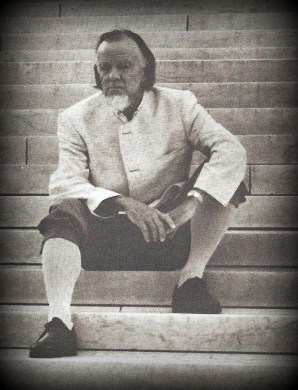
Francis Schaeffer.jpg


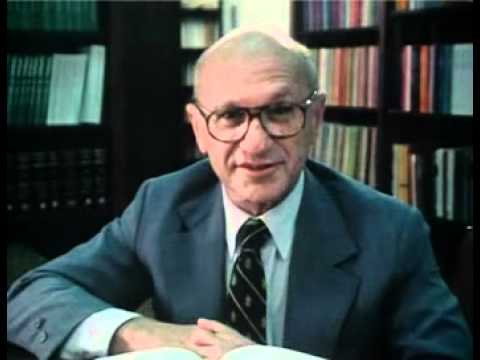
I grew up at Bellevue Baptist Church under the leadership of our pastor Adrian Rogers and I read many books by the Evangelical Philosopher Francis Schaeffer and in 1992 I heard cassette tapes of Ravi Zacharias in all his brilliance in his sessions at Harvard and have had the opportunity to contact many of the evolutionists or humanistic academics that they have mentioned in their works. Many of these scholars have taken the time to respond back to me in the last 20 years and some of the names  included are  Ernest Mayr (1904-2005), George Wald (1906-1997), Carl Sagan (1934-1996),  Robert Shapiro (1935-2011), Nicolaas Bloembergen (1920-),  Brian Charlesworth (1945-),  Francisco J. Ayala (1934-) Elliott Sober (1948-), Kevin Padian (1951-), Matt Cartmill (1943-) , Milton Fingerman (1928-), John J. Shea (1969-), , Michael A. Crawford (1938-), Paul Kurtz (1925-2012), Sol Gordon (1923-2008), Albert Ellis (1913-2007), Barbara Marie Tabler (1915-1996), Renate Vambery (1916-2005), Archie J. Bahm (1907-1996), Aron S “Gil” Martin ( 1910-1997), Matthew I. Spetter (1921-2012), H. J. Eysenck (1916-1997), Robert L. Erdmann (1929-2006), Mary Morain (1911-1999), Lloyd Morain (1917-2010),  Warren Allen Smith (1921-), Bette Chambers (1930-),  Gordon Stein (1941-1996) , Milton Friedman (1912-2006), John Hospers (1918-2011), Michael Martin (1932-).Harry Kroto (1939-), Marty E. Martin (1928-), Richard Rubenstein (1924-), James Terry McCollum (1936-), Edward O. WIlson (1929-), Lewis Wolpert (1929), Gerald Holton(1922-), Martin Rees (1942-), Alan Macfarlane (1941-),  Roald Hoffmann (1937-), Herbert Kroemer (1928-), Thomas H. Jukes(1906-1999) and  Ray T. Cragun (1976-).

 Adrian Rogers (September 12, 1931 – November 15, 2005) 

Adrian Rogers.jpg

Charles Darwin Autobiography


Francis Schaeffer “The Age of NONREASON”

——-

—-

(Above) Tony and Anne on the bench at the graveyard where their spouses are buried.

July 9, 2020 
Ricky Gervais 


Dear Ricky,  

This is the 83rd day in a row that I have written another open letter to you to comment on some of your episodes of AFTER LIFE, and then I wanted to pass along some evidence that indicates the Bible is historically accurate from Francis Schaeffer and Dr. C. Everett Koop Book WHATEVER HAPPENED TO THE HUMAN RACE?

In the 6th episode of the second season of AFTERLIFE Tony and Lenny interview a 50 year old person who pretends to be a 8 year old little girl when everyone in his family knows this person has been around for 50 years. 

Just pretending something is true does not make it true. This was true too for Jean Paul Sartre. The atheist Sartre said that this Godless universe has no meaning but “Let’s pretend the universe has meaning.” But this is just fooling ourselves. 

Let me share a portion of an article by William Lane Craig with you.

The Absurdity of Life without God

William Lane Craig

SUMMARY

Why on atheism life has no ultimate meaning, value, or purpose, and why this view is unlivable.

Francis Schaeffer has explained this point well. Modern man, says Schaeffer, resides in a two-story universe. In the lower story is the finite world without God; here life is absurd, as we have seen. In the upper story are meaning, value, and purpose. Now modern man lives in the lower story because he believes there is no God. But he cannot live happily in such an absurd world; therefore, he continually makes leaps of faith into the upper story to affirm meaning, value, and purpose, even though he has no right to, since he does not believe in God.

Let’s look again, then, at each of the three areas in which we saw life was absurd without God, to show how man cannot live consistently and happily with his atheism.

Meaning of Life

First, the area of meaning. We saw that without God, life has no meaning. Yet philosophers continue to live as though life does have meaning. For example, Sartre argued that one may create meaning for his life by freely choosing to follow a certain course of action. Sartre himself chose Marxism.

Now this is utterly inconsistent. It is inconsistent to say life is objectively absurd and then to say one may create meaning for his life. If life is really absurd, then man is trapped in the lower story. To try to create meaning in life represents a leap to the upper story. But Sartre has no basis for this leap. Without God, there can be no objective meaning in life. Sartre’s program is actually an exercise in self-delusion. Sartre is really saying, “Let’s pretend the universe has meaning.” And this is just fooling ourselves.

The point is this: if God does not exist, then life is objectively meaningless; but man cannot live consistently and happily knowing that life is meaningless; so in order to be happy he pretends life has meaning. But this is, of course, entirely inconsistent—for without God, man and the universe are without any real significance.

Value of Life

Turn now to the problem of value. Here is where the most blatant inconsistencies occur. First of all, atheistic humanists are totally inconsistent in affirming the traditional values of love and brotherhood. Camus has been rightly criticized for inconsistently holding both to the absurdity of life and the ethics of human love and brotherhood. The two are logically incompatible. Bertrand Russell, too, was inconsistent. For though he was an atheist, he was an outspoken social critic, denouncing war and restrictions on sexual freedom. Russell admitted that he could not live as though ethical values were simply a matter of personal taste, and that he therefore found his own views “incredible.” “I do not know the solution,” he confessed.” [7] The point is that if there is no God, then objective right and wrong cannot exist. As Dostoyevsky said, “All things are permitted.”

But Dostoyevsky also showed that man cannot live this way. He cannot live as though it is perfectly all right for soldiers to slaughter innocent children. He cannot live as though it is all right for dictators like Pol Pot to exterminate millions of their own countrymen. Everything in him cries out to say these acts are wrong—really wrong. But if there is no God, he cannot. So he makes a leap of faith and affirms values anyway. And when he does so, he reveals the inadequacy of a world without God.

The horror of a world devoid of value was brought home to me with new intensity a few years ago as I viewed a BBC television documentary called “The Gathering.” It concerned the reunion of survivors of the Holocaust in Jerusalem, where they rediscovered lost friendships and shared their experiences. One woman prisoner, a nurse, told of how she was made the gynecologist at Auschwitz. She observed that pregnant women were grouped together by the soldiers under the direction of Dr. Mengele and housed in the same barracks. Some time passed, and she noted that she no longer saw any of these women. She made inquiries. “Where are the pregnant women who were housed in that barracks?” “Haven’t you heard?” came the reply. “Dr. Mengele used them for vivisection.”

Another woman told of how Mengele had bound up her breasts so that she could not suckle her infant. The doctor wanted to learn how long an infant could survive without nourishment. Desperately this poor woman tried to keep her baby alive by giving it pieces of bread soaked in coffee, but to no avail. Each day the baby lost weight, a fact that was eagerly monitored by Dr. Mengele. A nurse then came secretly to this woman and told her, “I have arranged a way for you to get out of here, but you cannot take your baby with you. I have brought a morphine injection that you can give to your child to end its life.” When the woman protested, the nurse was insistent: “Look, your baby is going to die anyway. At least save yourself.” And so this mother took the life of her own baby. Dr. Mengele was furious when he learned of it because he had lost his experimental specimen, and he searched among the dead to find the baby’s discarded corpse so that he could have one last weighing.

My heart was torn by these stories. One rabbi who survived the camp summed it up well when he said that at Auschwitz it was as though there existed a world in which all the Ten Commandments were reversed. Mankind had never seen such a hell.

And yet, if God does not exist, then in a sense, our world is Auschwitz: there is no absolute right and wrong; all things are permitted. But no atheist, no agnostic, can live consistently with such a view. Nietzsche himself, who proclaimed the necessity of living beyond good and evil, broke with his mentor Richard Wagner precisely over the issue of the composer’s anti-Semitism and strident German nationalism. Similarly Sartre, writing in the aftermath of the Second World War, condemned anti-Semitism, declaring that a doctrine that leads to extermination is not merely an opinion or matter of personal taste, of equal value with its opposite. [8] In his important essay “Existentialism Is a Humanism,” Sartre struggles vainly to elude the contradiction between his denial of divinely pre-established values and his urgent desire to affirm the value of human persons. Like Russell, he could not live with the implications of his own denial of ethical absolutes.

A second problem is that if God does not exist and there is no immortality, then all the evil acts of men go unpunished and all the sacrifices of good men go unrewarded. But who can live with such a view? Richard Wurmbrand, who has been tortured for his faith in communist prisons, says,

The cruelty of atheism is hard to believe when man has no faith in the reward of good or the punishment of evil. There is no reason to be human. There is no restraint from the depths of evil which is in man. The communist torturers often said, ‘There is no God, no Hereafter, no punishment for evil. We can do what we wish.’ I have heard one torturer even say, ‘I thank God, in whom I don’t believe, that I have lived to this hour when I can express all the evil in my heart.’ He expressed it in unbelievable brutality and torture inflicted on prisoners. [9]

And the same applies to acts of self-sacrifice. A number of years ago, a terrible mid-winter air disaster occurred in which a plane leaving the Washington, D.C., airport smashed into a bridge spanning the Potomac River, plunging its passengers into the icy waters. As the rescue helicopters came, attention was focused on one man who again and again pushed the dangling rope ladder to other passengers rather than be pulled to safety himself. Six times he passed the ladder by. When they came again, he was gone. He had freely given his life that others might live. The whole nation turned its eyes to this man in respect and admiration for the selfless and good act he had performed. And yet, if the atheist is right, that man was not noble—he did the stupidest thing possible. He should have gone for the ladder first, pushed others away if necessary in order to survive. But to die for others he did not even know, to give up all the brief existence he would ever have—what for? For the atheist there can be no reason. And yet the atheist, like the rest of us, instinctively reacts with praise for this man’s selfless action. Indeed, one will probably never find an atheist who lives consistently with his system. For a universe without moral accountability and devoid of value is unimaginably terrible.

The Success of Biblical Christianity

But if atheism fails in this regard, what about biblical Christianity? According to the Christian world view, God does exist, and man’s life does not end at the grave. In the resurrection body man may enjoy eternal life and fellowship with God. Biblical Christianity therefore provides the two conditions necessary for a meaningful, valuable, and purposeful life for man: God and immortality. Because of this, we can live consistently and happily. Thus, biblical Christianity succeeds precisely where atheism breaks down.

Conclusion

Now I want to make it clear that I have not yet shown biblical Christianity to be true. But what I have done is clearly spell out the alternatives. If God does not exist, then life is futile. If the God of the Bible does exist, then life is meaningful. Only the second of these two alternatives enables us to live happily and consistently. Therefore, it seems to me that even if the evidence for these two options were absolutely equal, a rational person ought to choose biblical Christianity. It seems to me positively irrational to prefer death, futility, and destruction to life, meaningfulness, and happiness. As Pascal said, we have nothing to lose and infinity to gain.

  • [1]Kai Nielsen, “Why Should I Be Moral?” American Philosophical Quarterly 21 (1984): 90.
  • [2]Richard Taylor, Ethics, Faith, and Reason (Englewood Cliffs, NJ: Prentice Hall, 1985), 90, 84.
  • [3]H.G. Wells, The Time Machine (New York: Berkeley, 1957), chap. 11.
  • [4]W.E. Hocking, Types of Philosophy (New York: Scribner’s, 1959), 27.
  • [5]Friedrich Nietzsche, “The Gay Science,” in The Portable Nietzsche, ed. and trans. W. Kaufmann (New York: Viking, 1954), 95.
  • [6]Bertrand Russell, “A Free Man’s Worship,” in Why I Am Not a Christian, ed. P. Edwards (New York: Simon & Schuster, 1957), 107.
  • [7]Bertrand Russell, Letter to the Observer, 6 October, 1957.
  • [8]Jean Paul Sartre, “Portrait of the Antisemite,” in Existentialism from Dostoyevsky to Satre, rev. ed., ed. Walter Kaufmann (New York: New Meridian Library, 1975), p. 330.
  • [9]Richard Wurmbrand, Tortured for Christ (London: Hodder & Stoughton, 1967), 34.
  • [10]Ernst Bloch, Das Prinzip Hoffnung, 2d ed., 2 vols. (Frankfurt am Main: Suhrkamp Verlag, 1959), 2:360-1.
  • [11]Loyal D. Rue, “The Saving Grace of Noble Lies,” address to the American Academy for the Advancement of Science, February, 1991.

—-

This reminds me of an illustration from Francis Schaeffer of what existentialism means: 

When we speak of irrationalism or existentialism or the existential methodology, we are pointing to a quite simple idea. It may have been expressed in a variety of complicated ways by philosophers, but it is not a difficult concept.
Imagine that you are at the movies watching a suspense film. As the story unfolds, the tension increases until finally the hero is trapped in some impossible situation and everyone is groaning inwardly, wondering how he is going to get out of the mess. The suspense is heightened by the knowledge (of the audience, not the hero) that help is on the way in the form of the good guys. The only question is: will the good guys arrive in time?
Now imagine for a moment that the audience is slipped the information that there are no good guys, that the situation of the hero is not just desperate, but completely hopeless. Obviously, the first thing that would happen is that the suspense would be gone. You and the entire audience would simply be waiting for the axe to fall.
If the hero faced the end with courage, this would be morally edifying, but the situation itself would be tragic. If, however, the hero acted as if help were around the corner and kept buoying himself up with this thought (“Someone is on the way!” – “Help is at hand!”), all you could feel for him would be pity. It would be a means to keep hope alive within a hopeless situation. The hero’s hope would change nothing on the outside; it would be unable to manufacture, out of nothing, good guys coming to the rescue. All it would achieve would the hero’s own mental state of hopefulness rather than hopelessness.
The hopefulness itself would rest on a lie or an illusion and thus, viewed objectively, would be finally absurd. And if the hero really knew what the situation was, but consciously used the falsehood to buoy up his feelings and go whistling along, we would either say, “Poor guy!” or “He’s a fool.” It is this kind of conscious deceit that someone like Woody Allen has looked full in the face and will have none of.
Now this is what the existential methodology is about. If the universe we are living in is what the materialistic humanists say it is, then with our reason (when we stop to think about it) we could find absolutely no way to have meaning or morality or hope or beauty. This would plunge us into despair. We would have to take seriously the challenge of Albert Camus (1913-1960) in the first sentence of The Myth of Sisyphus: “There is but one truly serious philosophical problem, and that is suicide.”92 Why stay alive in an absurd universe? Ah! But that is not where we stop. We say to ourselves – “There is hope!” (even though there is no help). “We shall overcome!” (even though nothing is more certain than that we shall be destroyed, both individually at death and cosmically with the end of all conscious life). This is what confronts us on all sides today: the modern irrationalism.

Francis Schaeffer has correctly argued:

The universe was created by an infinite personal God and He brought it into existence by spoken word and made man in His own image. When man tries to reduce [philosophically in a materialistic point of view] himself to less than this [less than being made in the image of God] he will always fail and he will always be willing to make these impossible leaps into the area of nonreason even though they don’t give an answer simply because that isn’t what he is. He himself testifies that this infinite personal God, the God of the Old and New Testament is there. 

Instead of making a leap into the area of nonreason the better choice would be to investigate the claims that the Bible is a historically accurate book and that God created the universe and reached out to humankind with the Bible. Below is a piece of that evidence given by Francis Schaeffer concerning the accuracy of the Bible.

TRUTH AND HISTORY (chapter 5 of WHATEVER HAPPENED TO THE HUMAN RACE?)

We now take a jump back in time to the middle of the ninth century before Christ, that is, about 850 B.C. Most people have heard of Jezebel. She was the wife of Ahab, the king of the northern kingdom of Israel. Her wickedness has become so proverbial that we talk about someone as a “Jezebel.” She urged her husband to have Naboth killed, simply because Ahab had expressed his liking for a piece of land owned by Naboth, who would not sell it. The Bible tells us also that she introduced into Israel the worship of her homeland, the Baal worship of Tyre. This led to the opposition of Elijah the Prophet and to the famous conflict on Mount Carmel between Elijah and the priests of Baal.

Here again one finds archaeological confirmations of what the Bible says. Take for example: “As for the other events of Ahab’s reign, including all he did, the palace he built and inlaid with ivory, and the cities he fortified, are they not written in the book of the annals of the kings of Israel?” (I Kings 22:39).

This is a very brief reference in the Bible to events which must have taken a long time: building projects which probably spanned decades. Archaeological excavations at the site of Samaria, the capital, reveal something of the former splendor of the royal citadel. Remnants of the “ivory house” were found and attracted special attention (Palestinian Archaeological Museum, Jerusalem). This appears to have been a treasure pavilion in which the walls and furnishings had been adorned with colored ivory work set with inlays giving a brilliant too, with the denunciations revealed by the prophet Amos:

“I will tear down the winter house along with the summer house; the houses adorned with ivory will be destroyed and the mansions will be demolished,” declares the Lord. (Amos 3:15)

Other archaeological confirmation exists for the time of Ahab. Excavations at Hazor and Megiddo have given evidence of the the extent of fortifications carried out by Ahab. At Megiddo, in particular, Ahab’s works were very extensive including a large series of stables formerly assigned to Solomon’s time.

On the political front, Ahab had to contend with danger from the Aramacaus king of Syria who besieged Samaria, Ahab’s capital. Ben-hadad’s existence is attested by a stela (a column with writing on it) which has been discovered with his name written on it (Melquart Stela, Aleppo Museum, Syria). Again, a detail of history given in the Bible is shown to be correct.

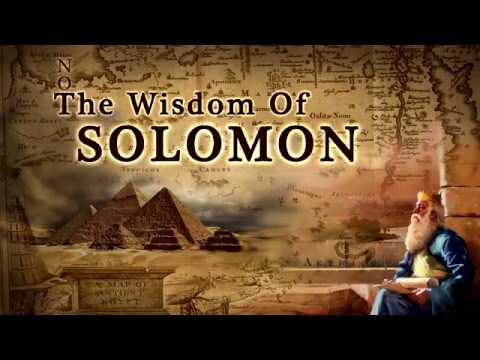
This brings me to the message of Solomon in ECCLESIASTES and below are comments by Francis Schaeffer:

Ecclesiastes 9:7-12

Go, eat your bread with joy, and drink your wine with a merry heart, for God has already approved what you do.

Let your garments be always white. Let not oil be lacking on your head.

Enjoy life with the wife whom you love, (DOES IT SOUND OPTIMISTIC? NOW COMES THE BACKLASH) all the days of your vain life that he has given you under the sun, because that is your portion in life and in your toil at which you toil under the sun. 10 Whatever your hand finds to do, do it with your might, for there is no work or thought or knowledge or wisdom in Sheol, to which you are going.

11 Again I saw that under the sun the race is not to the swift, nor the battle to the strong, nor bread to the wise, nor riches to the intelligent, nor favor to those with knowledge, but time and chance happen to them all. 12 For man does not know his time. Like fish that are taken in an evil net, and like birds that are caught in a snare, so the children of man are snared at an evil time, when it suddenly falls upon them.

Solomon when at work takes off his hat and he stands by the grave of man and he says, “ALAS. ALAS. ALAS.”

But interestingly enough the story of Ecclesiastes does not end its message here because in two places in the New Testament it is picked up and carried along and put in its proper perspective.

Luke 12:16-21

16 And he told them a parable, saying, “The land of a rich man produced plentifully, 17 and he thought to himself, ‘What shall I do, for I have nowhere to store my crops?’ 18 And he said, ‘I will do this: I will tear down my barns and build larger ones, and there I will store all my grain and my goods. 19 And I will say to my soul, “Soul, you have ample goods laid up for many years; relax,eat, drink, be merry.”’ [ALMOST EVERYONE WHO HAS PROCEEDED HERE HAS FELT CERTAINLY THAT JESUS IS DELIBERATELY REFERRING TO SOLOMON’S SOLUTION.]20 But God said to him, ‘Fool! This night your soul is required of you, and the things you have prepared, whose will they be?’ 21 So is the one who lays up treasure for himself and is not rich toward God.”

Christ here points out the reason for the failure of the logic that is involved. He points out why it fails in logic and then why it fails in reality. This view of Solomon must end in failure philosophically and also in emotional desperation.

We are not made to live in the shortened environment of UNDER THE SUN in this life only!!! Neither are we made to live only in the environment of a bare concept of afterlife [ignoring trying to make this life better]. We are made to live in the environment of a God who exists and who is the judge. This is the difference and that is what Jesus is setting forth here.

I Corinthians 15:32

32 What do I gain if, humanly speaking, I fought with beasts at Ephesus? If the dead are not raised, “Let us eat and drink, for tomorrow we die.

There is no doubt here he is reaching back to Solomon again and he is just saying if there isn’t a resurrection of the dead then let’s just follow Solomon and let’s just eat and drink for tomorrow we die!!!! If there isn’t this full structure [including the resurrection of the dead] then just have the courage to follow Solomon and we can eat and drink because tomorrow we die and that is all we have. If the full structure isn’t there then pick up the cup and drink it dry! You can say it a different way in the 20th century: If the full structure is not there then go ahead and be an EXISTENTIALIST, but don’t cheat. Drink the cup to the end. Drink it dry! That is what Paul says. Paul  the educated man. Paul the man who knew his Greek philosophy. Paul the man who understood Solomon and the dilemma. Paul said it one way or the other. There is no room for a middle ground. IF CHRISTIANS AREN’T RAISED FROM THE DEAD THEN SOLOMON IS RIGHT IN ECCLESIASTES, BUT ONLY THEN. But if he is right then you should accept all of Solomon’s despair and his conclusions. 


The answer to find meaning in life is found in putting your faith and trust in Jesus Christ. The Bible is true from cover to cover and can be trusted.

Thank you again for your time and I know how busy you are.

Sincerely,

Everette Hatcher, everettehatcher@gmail.comhttp://www.thedailyhatch.org, cell ph 501-920-5733, 13900 Cottontail Lane, Alexander, AR 72002

PS: What is the meaning of life? Find it in the end of the open letter I wrote to you on April 23, 2020. 

Below is the workforce of THE TAMBURY GAZETTE 

Seen below is the third episode of AFTERLIFE (season 1) when Matt takes Tony to a comedy club with front row seats to cheer him up but it turns into disaster!!!

——

—-

Part 1 “Why have integrity in Godless Darwinian Universe where Might makes Right?”

Part 2 “My April 14, 2016 Letter to Ricky mentioned Book of Ecclesiastes and the Meaninglessness of Life”

Part 3 Letter about Brandon Burlsworth concerning suffering and pain and evil in the world.  “Why didn’t Jesus save her [from cancer]?” (Tony’s 10 year old nephew George in episode 2)

Part 4 Letter on Solomon on Death Tony in episode one, “It should be everyone’s moral duty to kill themselves.”

Part 5 Letter on subject of Learning in Ecclesiastes “I don’t read books of fiction but mainly science and philosophy”

Part 6 Letter on Luxuries in Ecclesiastes Part 6, The Music of AFTERLIFE (Part A)

Part 7 Letter on Labor in Ecclesiastes My Letter to Ricky on Easter in 2017 concerning Book of Ecclesiastes and the legacy of a person’s life work

Part 8 Letter on Liquor in Ecclesiastes Tony’s late wife Lisa told him, “Don’t get drunk all the time alright? It will only make you feel worse in the log run!”

Part 9 Letter on Laughter in Ecclesiastes , I said of laughter, “It is foolishness;” and of mirth, “What does it accomplish?” Ecclesiastes 2:2

Part 10 Final letter to Ricky on Ladies in Ecclesiastes “I gathered a chorus of singers to entertain me with song, and—most exquisite of all pleasures— voluptuous maidens for my bed…behold, all was vanity and a striving after wind, and there was nothing to be gained under the sun” Ecclesiastes 2:8-11.

Part 11 Letter about Daniel Stanhope and optimistic humanism  “If man has been kicked up out of that which is only impersonal by chance , then those things that make him man-hope of purpose and significance, love, motions of morality and rationality, beauty and verbal communication-are ultimately unfulfillable and thus meaningless.” (Francis Schaeffer)

Part 12 Letter on how pursuit of God is only way to get Satisfaction Dan Jarrell “[In Ecclesiastes] if one seeks satisfaction they will never find it. In fact, every pleasure will be fleeting and can not be sustained, BUT IF ONE SEEKS GOD THEN ONE FINDS SATISFACTION”

Part 13 Letter to Stephen Hawking on Solomon realizing he will die just as a dog will die “For men and animals both breathe the same air, and both die. So mankind has no real advantage over the beasts; what an absurdity!” Ecclesiastes

Part 14 Letter to Stephen Hawking on 3 conclusions of humanism and Bertrand Russell destruction of optimistic humanism. “That Man is the product of causes which had no prevision of the end they were achieving; that his origin, his growth, his hopes and fears, his loves and his beliefs, are but the outcome of accidental collocations of atoms—no philosophy which rejects them can hope to stand. Only within the scaffolding of these truths, only on the firm foundation of unyielding despair, can the soul’s habitation henceforth be safely built.”(Bertrand Russell, Free Man’s Worship)

Part 15 Letter to Stephen Hawking on Leonardo da Vinci and Solomon and Meaningless of life “I hate life. As far as I can see, what happens on earth is a bad business. It’s smoke—and spitting into the wind” Ecclesiastes Book of Ecclesiastes Part 15 “I hate life. As far as I can see, what happens on earth is a bad business. It’s smoke—and spitting into the wind” Ecclesiastes 2:17

Part 16 Letter to Stephen Hawking on Solomon’s longing for death but still fear of death and 5 conclusions of humanism on life UNDER THE SUN. Francis Schaeffer “Life is just a series of continual and unending cycles and man is stuck in the middle of the cycle. Youth, old age, Death. Does Solomon at this point embrace nihilism? Yes!!! He exclaims that the hates life (Ecclesiastes 2:17), he longs for death (4:2-3) Yet he stills has a fear of death (2:14-16)”

Mandeep Dhillon as Sandy on her first assignment in ‘After Life’. (Twitter)

A still from ‘After Life’ that captures the vibe of the Tambury Gazette. (Twitter)

Michael Scott of THE OFFICE (USA) with Ricky Gervais 

After Life on Netflix

After Life on Netflix stars Ricky Gervais as a bereaved husband (Image: Netflix)

—-

Psychiatrist played by Paul Kaye seen below.

The sandy beach walk

Tony Johnson with his dog Brandi seen below:

—-

Taking on Ark Times Bloggers on various issues Part I “Old Testament Bible Prophecy” includes the film TRUTH AND HISTORY and article ” Jane Roe became pro-life”

April 12, 2013 – 5:45 am

I have gone back and forth and back and forth with many liberals on the Arkansas Times Blog on many issues such as abortion, human rights, welfare, poverty, gun control  and issues dealing with popular culture. Here is another exchange I had with them a while back. My username at the Ark Times Blog is Saline […]By Everette Hatcher III | Posted in Biblical ArchaeologyFrancis SchaefferProlife | Edit|Comments (0)

John MacArthur on fulfilled prophecy from the Bible Part 2

August 8, 2013 – 1:28 am

I have posted many of the sermons by John MacArthur. He is a great bible teacher and this sermon below is another great message. His series on the Book of Proverbs was outstanding too.  I also have posted several of the visits MacArthur made to Larry King’s Show. One of two most popular posts I […]By Everette Hatcher III | Posted in Adrian RogersCurrent Events | Edit|Comments (0)

John MacArthur on fulfilled prophecy from the Bible Part 1

August 6, 2013 – 1:24 am

I have posted many of the sermons by John MacArthur. He is a great bible teacher and this sermon below is another great message. His series on the Book of Proverbs was outstanding too.  I also have posted several of the visits MacArthur made to Larry King’s Show. One of two most popular posts I […]By Everette Hatcher III | Posted in Adrian RogersCurrent Events |Tagged Bible Prophecyjohn macarthur | Edit|Comments (0)

John MacArthur: Fulfilled prophecy in the Bible? (Ezekiel 26-28 and the story of Tyre, video clips)

April 5, 2012 – 10:39 am

Prophecy–The Biblical Prophesy About Tyre.mp4 Uploaded by TruthIsLife7 on Dec 5, 2010 A short summary of the prophecy about Tyre and it’s precise fulfillment. Go to this link and watch the whole series for the amazing fulfillment from secular sources. http://www.youtube.com/watch?v=qvt4mDZUefo________________ John MacArthur on the amazing fulfilled prophecy on Tyre and how it was fulfilled […]By Everette Hatcher III | Posted in Biblical Archaeology | Edit|Comments (1)

John MacArthur on the Bible and Science (Part 2)

August 1, 2013 – 12:10 am

John MacArthur on the Bible and Science (Part 2) I have posted many of the sermons by John MacArthur. He is a great bible teacher and this sermon below is another great message. His series on the Book of Proverbs was outstanding too.  I also have posted several of the visits MacArthur made to Larry […]By Everette Hatcher III | Posted in Current Events | Edit|Comments (0)

John MacArthur on the Bible and Science (Part 1)

July 30, 2013 – 1:32 am

John MacArthur on the Bible and Science (Part 1) I have posted many of the sermons by John MacArthur. He is a great bible teacher and this sermon below is another great message. His series on the Book of Proverbs was outstanding too.  I also have posted several of the visits MacArthur made to Larry […]By Everette Hatcher III | Posted in Current Events | Edit|Comments (0)

Adrian Rogers: “Why I believe the Bible is true”

July 9, 2013 – 8:38 am

Adrian Rogers – How you can be certain the Bible is the word of God Great article by Adrian Rogers. What evidence is there that the Bible is in fact God’s Word? I want to give you five reasons to affirm the Bible is the Word of God. First, I believe the Bible is the […]By Everette Hatcher III | Posted in Adrian RogersBiblical Archaeology | Edit|Comments (0)

The Old Testament is Filled with Fulfilled Prophecy by Jim Wallace

June 24, 2013 – 9:47 am

Is there any evidence the Bible is true? Articles By PleaseConvinceMe Apologetics Radio The Old Testament is Filled with Fulfilled Prophecy Jim Wallace A Simple Litmus Test There are many ways to verify the reliability of scripture from both internal evidences of transmission and agreement, to external confirmation through archeology and science. But perhaps the […]By Everette Hatcher III | Posted in Biblical ArchaeologyCurrent Events | Edit|Comments (0)

Taking on Ark Times Bloggers on various issues Part M “Old Testament prophecy fulfilled?”Part 3(includes film DEATH BY SOMEONE’S CHOICE)

April 19, 2013 – 1:52 am

  I have gone back and forth and back and forth with many liberals on the Arkansas Times Blog on many issues such as abortion, human rights, welfare, poverty, gun control  and issues dealing with popular culture. Here is another exchange I had with them a while back. My username at the Ark Times Blog is […]By Everette Hatcher III | Posted in Francis SchaefferProlife | Edit|Comments (0)

Evidence for the Bible

March 27, 2013 – 9:43 pm

Here is some very convincing evidence that points to the view that the Bible is historically accurate. Archaeological and External Evidence for the Bible Archeology consistently confirms the Bible! Archaeology and the Old Testament Ebla tablets—discovered in 1970s in Northern Syria. Documents written on clay tablets from around 2300 B.C. demonstrate that personal and place […]By Everette Hatcher III | Posted in Biblical Archaeology | E

——

—-


—-

—-

—-


—-

—-

—-


—-

Federal Judge Blocks Biden’s Attempt to Reinterpret Discrimination Laws 

———

Federal Judge Blocks Biden’s Attempt to Reinterpret Discrimination Laws

Justice Neil Gorsuch wrote a carefully limited majority decision in which the Supreme Court prohibited employers from firing someone based on homosexuality or transgender status. President Joe Biden took that decision and ran with it. Pictured: Gorsuch arrives at the Capitol before Biden’s inauguration Jan. 20, 2021. (Photo: Melina Mara/Pool/Getty Images)

How do you solve a problem like a rogue agency?

When a Democrat occupies the White House, you can be reasonably sure that administrative agencies will start bending rules to get results that they can’t get through normal procedures.

Witness, for example, the rise of the agency “guidance” document. These are documents that express an agency’s view of what the law is. They are not, however, formal rules that have the force of law.

Still, any regulated entity would be foolish to ignore an agency guidance document because it knows the agency will enforce its new understanding of the law. The agency’s bureaucrats in charge of dishing out fines and other administrative penalties will treat the guidance as if it’s binding.

Think of guidance not as a command, but as an implied threat. Yes, it’s not technically a rule that you have to follow, but if you don’t go along willingly, we’ll break your kneecaps … bureaucratically.

A recent decision by U.S. District Judge Charles Atchley struck a blow against these shenanigans, and that’s a good thing.

The guidance at issue in that case comprised several documents expressing the belief of the Department of Education and the Equal Employment Opportunity Commission that various laws prohibiting sex discrimination in schools and workplaces now guarantee that individuals who say they are transgender may use the bathrooms, showers, and dress codes of their choice. These laws can force others to refer to these individuals using their preferred personal pronouns.

If you read the relevant anti-discrimination laws, you won’t find anything supporting this view, however.

These agencies got the idea from the Supreme Court’s 2019 decision in Bostock v. Clayton County, where the court held that Title VII (the federal law forbidding sex discrimination in employment) prohibits employers from firing employees based on their homosexuality or transgender status.

But the court carefully limited that decision. In writing for the majority in Bostock, Justice Neil Gorsuch wrote:

The employers worry that our decision will sweep beyond Title VII to other federal or state laws that prohibit sex discrimination. And, under Title VII itself, they say sex-segregated bathrooms, locker rooms, and dress codes will prove unsustainable after our decision today. But none of these other laws are before us; we have not had the benefit of adversarial testing about the meaning of their terms, and we do not prejudge any such question today.

Under Title VII, too, we do not purport to address bathrooms, locker rooms, or anything else of the kind. The only question before us is whether an employer who fires someone simply for being homosexual or transgender has discharged or otherwise discriminated against that individual ‘because of such individual’s sex.’

The employers in that case were right to worry.

President Joe Biden took that decision and ran with it. In his executive order of Jan. 20, 2021, his first day as president, he declared that “laws that prohibit sex discrimination … prohibit discrimination on the basis of gender identity or sexual orientation,” and directed federal agencies to “fully implement” that expansive reinterpretation of the law.

In the view of the Department of Education, Bostock applies to Title IX (which forbids sex discrimination in education), so that schools may be investigated and punished for having sex-specific bathrooms, dress codes, and sports teams. In the view of the Equal Employment Opportunity Commission, Bostock also means that it is workplace sexual harassment to refer to a transgender employee by the wrong pronouns.

These are aggressive readings of Bostock, but that’s not the key problem. The key problem is that the agencies introduced these new interpretations through guidance documents and in doing so skirted a law, called the Administrative Procedure Act, that requires them to comply with a careful and deliberative process before making big legal changes.

The agencies claimed that they did not need to comply with the Administrative Procedure Actbecause the guidance was nonbinding. But Atchley saw through that deception.

The Department of Education says that its document “will guide the department in processing complaints and conducting investigations.” And the Equal Employment Opportunity Commission invites people to file complaints against employers who violate the legal view set out in its guidance document.

These are nonbinding documents in the same way that an armed robber’s “suggestion” that you hand over your wallet is nonbinding.

Thankfully, several states sued claiming that these guidance documents are, in fact, subject to the Administrative Procedure Act. That would mean that the agencies had to make them available to public comment before issuing them, which the agencies did not do.

In his ruling, Atchley said the states were likely to succeed on this claim. The guidance documents, he noted, were not truly nonbinding.

By expanding the Supreme Court’s Bostock decision, the agencies had created new rights and obligations for students, schools, employees, and employers. The Biden administration had forced the states to choose between the threat of legal consequences—enforcement action, civil penalties, and the withholding of federal funding—or altering their own laws to ensure compliance with the agency guidance and avoid any adverse action, something Atchley called an “untenable” choice.

Additionally, the Department of Education’s rule conflicts with the text of Title IX, where regulations expressly permit sex-separated bathrooms, locker rooms, and sports teams. Finally, the agencies have said that they would enforce these new interpretations.

As such, they’re not mere suggestions, they’re de facto rules. And new rules must comply with the Administrative Procedure Act.

The effect of the judge’s decision is to delay Biden’s aggressive efforts to eliminate protections for women and girls—at least until his new regulations are issued. Those regulations currently are under consideration at the Department of Education.

But more importantly, Atchley has stood up for administrative accountability.

So, how do you solve a problem like a rogue agency? Ideally, you pick a president who won’t tolerate bad administrative behavior.

But failing that, you find a judge like Judge Charles Atchley, who will hold agencies to the law.

Have an opinion about this article? To sound off, please email letters@DailySignal.com and we’ll consider publishing your edited remarks in our regular “We Hear You” feature. Remember to include the url or headline of the article plus your name and town and/or state.

Want to keep up with the 24/7 news cycle? Want to know the most important stories of the day for conservatives? Need news you can trust? Subscribe to The Daily Signal’s email newsletter. Learn more >>

————

Daily Wire and Matt Walsh’s ‘What is a Woman’ Documentary Sheds Light on Disturbing Transgender Agenda

Matt Walsh and the Daily Wire’s “What Is a Woman?” documentary discusses the gender identity crisis in America with a variety of experts and activists (Photo: The Daily Wire)

“I’ve heard people say that there are no differences between male and female. Those people are idiots.”

Thus begins the Daily Wire host Matt Walsh’s new “What Is a Woman?” documentary, which highlights the left’s ever-growing reluctance and inability to define gender. Think that defining the qualities of men and women is easy for most people today? Think again.

While some may struggle to “figure out” women, Walsh identifies that Western culture’s obsession with gender identity has paralyzed people from defining what a woman is. As the documentary progresses, we see further evidence that the transgender narrative has not only rejected the definitions of “man” and “woman” as insensitive and transphobic, but has dismantled the very concept of universal truth and reality.

Fittingly released on the first day of “Pride Month,” Walsh’s documentary is a thought-provoking, humorous, yet often emotional and disturbing film that illuminates the contradictory and dangerous narrative of the transgenderagenda.

In the documentary, Walsh interviews “the experts,” such as “gender-affirming” therapists, sex change surgeons, and gender ideology professors (most of whom are transgender themselves or members of the LGBTQ+ community), asking them, “What is a woman?” The majority of responders say they have no idea how to define womanhood or refuse to answer the question, calling it bigoted and pointless. Not only are they unable to provide a simple definition of a woman, but they find the entire concept offensive and transphobic.

The documentary begins on a humorous note, as Walsh asks a family therapist, “How do I know if I’m a woman? I mean I like scented candles and I watch ‘Sex and the City.’”

“What a great question!” the therapist (who has every indication of being a woman) says, nodding and smiling encouragingly.

“So, what is a woman?” Walsh asks. A disconcerted look enters the counselor’s eye: “Great question! But I’m not a woman, so I can’t really answer that.”

“I thought therapy would make me less confused,” Walsh said. Us too, Matt.

So, he takes to the streets to ask the common American if they can solve this conundrum. Surprisingly, most of the interviewees responded to the “what is a woman?” question with a blank stare and nervous laughter. Most said it couldn’t be defined and said they would accept Walsh as a woman if that’s what he believed he was.

Especially entertaining is Walsh’s trip to the Women’s March—surely they’ll know what a woman is if they’re marching for them, right? But no, the marching women either ignored Walsh or yelled, “Why are you here?”—insinuating that he was a man (without even asking his gender identity, the audacity!) and that a man had no right to attend a women’s march. “How can you have a women’s march if you don’t know what a woman is?” he asked. Touché.

What is the female gender, according to the transgender community? Walsh spoke with a transgender surgeon who differentiated between sex and gender, saying that sex-change surgery is “altering the physical characteristics of an individual to fit better with a gender identity that is female.” In that case, what is a woman, according to this surgeon? “A woman is a combination of your physical attributes, what you’re showing to the world and the gender clues you give, and hopefully those match your gender identity.”

As if the issue couldn’t get any more confusing, Walsh speaks with a pediatrician and professor who has worked in Planned Parenthood and advocates for “gender and reproductive justice.” She provides “gender affirmation care,” saying that a good doctor is there to listen to the patient and act on what they’re expressing. Walsh asked whether it was ethical for minors to be making life-altering decisions such as taking puberty blockers or opposite sex hormones, since children often have a fantastical, unrealistic interpretation of reality, such as believing in Santa Claus.

“Well, he’s real to them,” the pediatrician said. “But the fact that Santa exists isn’t true,” Walsh countered. “Whose truth are you talking about? It’s very real to the child,” the pediatrician responded.

The documentary makes it clear that Americans can no longer ignore the transgender movement. It is permeating every aspect of society, politics, and education and now targets children as young as preschoolers.

The push for children to define their own realities and irreversibly change their bodies is perhaps what is most disturbing about the transgender agenda. In what other sphere of medicine do patients, especially young children, prescribe both their malady and remedy to the affirmation and acceptance of a counselor or physician? As clinical psychologist Jordan Peterson said to Walsh, “It’s not my job to affirm as a therapist, you come to see me because there’s something wrong.

The fact that the transgender agenda is increasingly targeting young children is what psychiatrist Miriam Grossman finds most disturbing. Grossman explains to Walsh the history of the transgender and sex-ed movement and highlights the unethical, traumatic techniques and flawed studies that have shaped it over the years. “It’s unspeakable what these people have done to our children,” she says.

Not only is the transgender movement harming women’s sports, exposing children to inappropriate material, and encouraging them to reject science and universal truth, it is also irreparably damaging children’s bodies and destroying their futures.

The most moving and persuasive interview occurred with Scott Newgent, a biological female who transitioned to a male as an adult but passionately argues against the rise in gender surgery among children and the subjectivity of gender. “I’m a biological woman that medically transitioned to appear like a man through synthetic hormones and surgery,” Newgent said. “I will never be a man. Is it transphobic for me to tell the truth?”

Newgent describes the details and horrific side effects of gender reassignment surgery that are so conveniently hidden from public discourse. Having undergone multiple surgeries, illnesses, and painful, permanent side effects, Newgent told Walsh, “Nobody would help me, including the doctor who did this to me, because I lost my insurance. I probably won’t live very long.”

Newgent said that the possible risks and side effects were never discussed when considering gender reassignment surgery, and warns parents and anyone considering sex-change surgery that “the truth is that medical transition is experimental.”

Revealing an arm mutilated from skin grafts, Newgent broke down in tears on camera, exclaiming in horror that minor children are regularly operated on without any discussion of the risks and permanence of the surgery, or any discussion as to whether children should ethically be allowed or able to consent to such procedures.

“We’re butchering a generation of children because no one’s willing to talk about anything,” Newgent said. “This is wrong on so many levels. Kids aren’t able to consent.”

The transgender movement is ultimately an attack on scientific fact, the concept of reality, and the meaning of language. No longer are words allowed to mean one thing. No longer is the word “truth” socially acceptable, because who are we to deny “your reality” or “your truth?”

A professor of women (whatever those are, anyway) gender, and sexuality responded to Walsh’s statement that he was seeking the truth with “I’m really uncomfortable with that language of ‘getting to the truth’ because it sounds deeply transphobic to me. The word truth is condescending and rude.”

Sensing that this concept is a purely Western phenomenon, Walsh heads to Nairobi to immerse himself in the customs of a local tribe. In this culture, gender norms and roles are crucial to the survival of the tribe. The men protect and provide, and the women maintain the home and nurture the children. It’s an honor to be a man or a woman in this tribe, and every member knows their distinct duties and privileges.

A group of men laugh in disbelief when Walsh asks what they would do if a man wanted to look and act like a woman—the entire concept is ridiculous and unheard of. “The Maasai people don’t think much about gender,” Walsh observes on the way back home to America, “but they have a firm sense of their identity.”

Instead of solving gender dysphoria and body image discomfort, Americans’ infatuation with identity has only created greater societal instability and refused to answer the most foundational of questions. “What Is a Woman?” succeeds in highlighting the inconsistencies and dangerous agenda of the transgender movement.

Walsh’s angle is particularly effective, as he gives the majority of the screentime to pro-trans activists and medical professionals. The lack of data or persuasive argument for the trans community isn’t the producers’ fault, the “experts” simply couldn’t provide any. Walsh’s sarcastic, borderline-dark sense of humor in the delightfully ridiculous street interviews breaks up the more serious, unsettling information and gives a sense of hope and common sense to the insanity that’s been normalized.

Bold, humorous, thought-provoking, and undeniably chilling, “What is a Woman?” equips its audience to better face the ever-growing reality of the transgender agenda and its far-reaching effects through civil discourse, empathy, and a firm grasp of truth, science, and reality.

At the end of the film, it’s Walsh’s wife who’s the true MVP. “Hey honey, what’s a woman?” Walsh asks. “An adult human female,” she responds.

Of course, who knew it could be that simple?

Have an opinion about this article? To sound off, please email letters@DailySignal.com and we’ll consider publishing your edited remarks in our regular “We Hear You” feature. Remember to include the url or headline of the article plus your name and town and/or state.

After Life 2 – Man identifies as an 8 year old girl

—-

After Life on Netflix

——

Before I get into the fine article by Brendan O’Neill which I present in its entirety, I wanted to quote Francis Schaeffer who spent his life examining the humanism that now Ricky Gervais embraces!

All humans have moral motions and that is why Ricky Gervais knows it is wrong to let biological men use ladies’ bathrooms!!!!!!

Francis Schaffer in his book THE GOD WHO IS THERE addresses these same issues:

“[in Christianity] there is a sufficient basis for morals. Nobody has ever discovered a way of having real “morals” without a moral absolute. If there is no moral absolute, we are left with hedonism (doing what I like) or some form of the social contract theory (what is best for society as a a hole is right). However, neither of these alternative corresponds to the moral motions that men have. Talk to people long enough and deeply enough, and you will find that they consider some things are really right and something are really wrong. Without absolutes, morals as morals cease to exist, and humanistic mean starting from himself is unable to find the absolute he needs. But because the God of the Bible is there, real morals exist. Within this framework I can say one action is right and another wrong, without talking nonsense.” 117

Francis Schaeffer in the film WHATEVER HAPPENED TO THE HUMAN RACE?

Francis and Edith Schaeffer

Brendan O’Neill

Ricky Gervais is guilty of blasphemy

He has mocked identity politics – the god of our times

I have long thought that if Life of Brian came out today, it wouldn’t be Christians kicking up a fuss about it — it would be trans activists.

When Monty Python’s classic tale of a man mistaken for a Messiah came to cinemas in 1979, people of faith weren’t happy. They saw it as taking the mick out of Christ and they aired their displeasure noisily. Nuns in New York picketed cinemas. In Ireland the film was banned for eight years.

In 2022 I reckon it would be a very different story. It wouldn’t be Monty Python’s ribbing of the gospels that would outrage the chattering classes — it would be their mockery of trans people.

Life of Brian was way ahead of time. It was Terf before Terf was even a thing. There is a brilliantly observed scene in which Stan of the People’s Front of Judea — or is it the Judean People’s Front? — says he wants to become Loretta.

‘I want to be a woman. From now on, I want you all to call me Loretta’, says Stan, played by Eric Idle. When the others push back and say he can’t just become a woman, he says: ‘It’s my right as a man.’ Which was remarkably perspicacious.

‘I want to have babies’, says Stan / Loretta. ‘You can’t have babies! You haven’t got a womb!’, barks John Cleese’s Reg. Transphobic or what? To calm things down, Francis (Michael Palin) says they should accept Stan’s desire to be Loretta as being ‘symbolic of our struggle against oppression’. ‘Symbolic of his struggle against reality…’ Reg mutters.

——

Imagine if a film or TV show did something like that today. Showed an aspiring ‘trans woman’ being mocked for not having the right body parts to be a woman. Showed a man who wants to be a woman being told — for laughs, remember — that the only thing he’s struggling against is reality.

The cancel-culture mob would kick into action. There’d be a Change.org petition, maybe even a physical protest outside the offices of the production company or streaming service that was foolish enough to broadcast such trans-poking humour. ‘Jokes kill!’, we would be told, day and night.

Hell, JK Rowling can’t even very politely say ‘men aren’t women’ without being subjected to weeks of hatred and violent threats — so heaven help the film company that tried to air a Stan / Loretta skit in these febrile times.

This week, my theory about Life of Brianin 2022 was kind of proven right. For we had the pretty extraordinary sight of Ricky Gervais getting a very free ride for his God-mocking while being dragged into the Twitter stocks for his gags about trans issues.

In his new Netflix special SuperNature, Gervais vents his atheistic spleen. The Christian God is cruel and perverted, he says. Those Christian fundamentalists who believe Aids is the Almighty’s way of punishing gay sex clearly believe in a God who’s up in heaven thinking, ‘I’m sick of all this bumming’. And so just as God once said ‘Let there be light’, according to Gervais in the 1980s He said, ‘Let there be Aids’. What a rotter.

This isn’t the first time Gervais has made fun of God and those who believe in him. He’s famously an atheist. He talks about it all the time. (Rather too much, in my view.) But God-bashing is fine these days. Cool, even. Christians tend to take it in their stride. Believers have mostly kept their counsel following Gervais’s latest mockery of their wicked, ridiculous God.

The same cannot be said of trans activists and their allies. Not even remotely. They have responded with fury to Gervais’s blasphemy against the new god of genderfluidity.

He’s been called all the usual names. Transphobe, Terf, bigot. His crime? Choosing not to adhere to the ideology of transgenderism, daring to dissent from that pseudo-religious mantra we are all now pressured into saying: ‘Trans women are women.’

What’s funny about this spittle-flecked response to Gervais’s trans jokes is that he was really only saying what trans activists themselves have said. He had a bit on ‘old-fashioned women’ — ‘you know, the ones with wombs’ — complaining about born males using their bathrooms. ‘What if he rapes me?’, these women say. To which Gervais, playing the trans activist, responds: ‘What if she rapes you, you… Terf whore.’

Cutting, yes. But also incredibly accurate. Some police forces and courts do indeed refer to rapists as ‘she’ and ‘her’, if that’s how they identify. And, as feminists have pointed out, this results in rape victims being pressured to refer to their rapist with female pronouns. As for the language, anyone who has spent more than five minutes online in recent years will know that that kind of thing is said to gender-critical women all the time.

Like all great blasphemous comics, Gervais is merely shining a light on things that really are said, and things which really do happen, and inviting us, his audience, to laugh and say: ‘Yeah, that is kind of ridiculous.’ Much as Monty Python did with the Bible, in fact.

But, say Gervais’s humourless critics, while the likes of Monty Python were punching up — against God, no less — Gervais is punching down, against vulnerable, marginalised trans people. I don’t buy this at all. Gervais has made it clear that he fully supports rights for trans people. His issue is with the excesses of trans activism and the authoritarianism of identity politics more broadly.

‘I talk about Aids, famine, cancer, the Holocaust, rape, paedophilia’, he says in SuperNature. ‘But no, the one thing you mustn’t joke about is identity politics.’

Absolutely. And that’s because identitarianism is the god of our times. It’s the new religion of the elites, their means of controlling and reprimanding the masses. Ridiculing identity politics is to the 21st century what questioning the authority of God was to the 15th. The woke rage against Gervais really does echo earlier outbursts of intolerant religious fury against anyone who dared to dissent from the Word of God.

A.F. Branco for Jan 12, 2022

—-

Dennett wearing a button-up shirt and a jacket

I was referred this subject by a tweet by Daniel Dennett which referenced a fine article by Robyn E. Blumner in defense of her boss at the RICHARD DAWKINS FOUNDATION and you can read my response at this link.
Richard Dawkins Cooper Union Shankbone.jpg

Ricky Gervais is a secular humanist just like his good friend Richard Dawkins and it is the humanists who have bought into this trans-identity politics and as a result the AMERICAN HUMANIST ASSOCIATION has stripped Dawkins of his 1996 HUMANIST OF THE YEAR award.

As an evangelical I have had the opportunity to correspond with more more secular humanists that have signed the Humanist Manifestos than any other evangelical alive (at least that has been one of my goals since reading Francis Schaeffer’s books and watching his films since 1979).

Not everyone I have corresponded with is a secular humanist but  many are the top scientists and atheist thinkers of today and hold this same secular views. Many of these scholars have taken the time to respond back to me in the last 20 years and some of the names  included are  Ernest Mayr (1904-2005), George Wald (1906-1997), Carl Sagan (1934-1996),  Robert Shapiro (1935-2011), Nicolaas Bloembergen (1920-),  Brian Charlesworth (1945-),  Francisco J. Ayala (1934-) Elliott Sober (1948-), Kevin Padian (1951-), Matt Cartmill (1943-) , Milton Fingerman (1928-), John J. Shea (1969-), , Michael A. Crawford (1938-), (Paul Kurtz (1925-2012), Sol Gordon (1923-2008), Albert Ellis (1913-2007), Barbara Marie Tabler (1915-1996), Renate Vambery (1916-2005), Archie J. Bahm (1907-1996), Aron S “Gil” Martin ( 1910-1997), Matthew I. Spetter (1921-2012), H. J. Eysenck (1916-1997), Robert L. Erdmann (1929-2006), Mary Morain (1911-1999), Lloyd Morain (1917-2010),  Warren Allen Smith (1921-), Bette Chambers (1930-),  Gordon Stein (1941-1996) , Milton Friedman (1912-2006), John Hospers (1918-2011), and Michael Martin (1932-), Harry Kroto (1939-), Marty E. Martin (1928-), Richard Rubenstein (1924-), James Terry McCollum (1936-), Edward O. WIlson (1929-), Lewis Wolpert (1929), Gerald Holton(1922-), Martin Rees (1942-), Alan Macfarlane (1941-),  Roald Hoffmann (1937-), Herbert Kroemer (1928-), Thomas H. Jukes(1906-1999) and  Ray T. Cragun (1976-). 

Let me make a few points about Ricky personally and then a few about this comedy routine by the secular humanist Ricky Gervais.

Notice below in AFTER LIFE how he suspects Anne of being a Christian when she tells him “We are not just here for us. We are here for others,“

After Life Ricky GervaisRicky Gervais and Penelope Wilton in ‘After Life’ (CREDIT: Netflix)


(Above) Tony (played by Ricky) and Anne on the bench at the graveyard where their spouses are buried.

In the fourth episode of season 1 of AFTER LIFE is the following discussion between Anne and Tony:

Tony: My brother-in-law wants me to try dating again.
Anne: Oh excellent! You need some tips.
Tony: why would I need some tips?

Anne: I imagine you are awful with women…Well all men are awful with women but grumpy selfish ones are the worst.

Tony: Let me take notes. This is dynamite.

Tony: I would just be honest. Tell them my situation and tell them what I am going through. Be honest up front.
Anne: So it is all about you then?

Tony: I can’t win can I? I don’t want to date again. I don’t want to live without Lisa.

Anne: But is not just about you is it? That is what I am saying. What if a nice date made her feel good? That might feel nice right? We are just here for us. We are here for others.

Tony: I don’t do the whole God thing I am afraid.

Anne: Neither do I. It is a load of rubbish. All we got is each other. We have to help each other struggle until we die then we are done. No point in felling sorry for ourselves and making everyone else unhappy too. Might as [kill] yourself if you feel that bad.
Tony: Are you sure you want to work for the Samaritans?

Christ came to this world and his followers have changed this world for the better more than any other group that ever existed. When Anne makes the assertions, “But is not just about you is it? That is what I am saying. What if a nice date made her feel good? That might feel nice right? We are not just here for us. We are here for others,” Tony assumes she is a Christian.

If you found yourself in a dark alley late at night, with a group of rough-looking, burly young men walking swiftly toward you, would you feel better knowing they were coming from a Bible study?

If we are only cosmic accidents, how can there be any meaning in our lives? If this is true, which it is in an atheistic world view, our lives are for nothing. It would not matter in the slightest bit if I ever existed. This is why the atheist, if honest and consistent, must face death with despair. Their life is for nothing. Once they are gone, they are gone forever.

I highly recommend Ricky Gervais series AFTER LIFE which is running on NETFLIX because it reminds me of King Solomon trying to find meaning in life UNDER THE SUN without God in the picture!!!

God put Solomon’s story in Ecclesiastes in the Bible with the sole purpose of telling people like Ricky that without God in the picture you  will find out the emptiness one feels when possessions are trying to fill the void that God can only fill.

Then in the last chapter of Ecclesiastes Solomon returns to looking above the sun and he says that obeying the Lord is the proper way to live your life. The  answer to find meaning in life is found in putting your faith and trust in Jesus Christ. The Bible is true from cover to cover and can be trusted. If you need more evidence then go to You Tube and watch the short video:

NOW TO RICKY’S COMEDY:

Brendan O’Neill noted above:

‘I want to have babies’, says Stan / Loretta. ‘You can’t have babies! You haven’t got a womb!’, barks John Cleese’s Reg. Transphobic or what? To calm things down, Francis (Michael Palin) says they should accept Stan’s desire to be Loretta as being ‘symbolic of our struggle against oppression’. ‘Symbolic of his struggle against reality…’ Reg mutters….

He’s been called all the usual names. Transphobe, Terf, bigot. His crime? Choosing not to adhere to the ideology of transgenderism, daring to dissent from that pseudo-religious mantra we are all now pressured into saying: ‘Trans women are women.’

What’s funny about this spittle-flecked response to Gervais’s trans jokes is that he was really only saying what trans activists themselves have said. He had a bit on ‘old-fashioned women’ — ‘you know, the ones with wombs’ — complaining about born males using their bathrooms. ‘What if he rapes me?’, these women say. To which Gervais, playing the trans activist, responds: ‘What if she rapes you, you… Terf whore.’

Ricky  is trying to use common sense (through sarcasm) on people that “GOD GAVE…OVER to depraved [minds]. Romans 1 states:

26 For this reason (M)GOD GAVE THEM OVER  to degrading passions; for their women exchanged the natural function for that which is unnatural…

28 And just as they did not see fit to acknowledge God any longer, GOD GAVE THEM OVER to a depraved mind, to do those things which are not proper, 29 being filled with all unrighteousness, wickedness, greed, evil; full of envy, murder, strife, deceit, malice; they are…inventors of evil,

—-

Francis Schaeffer.jpg

Francis Schaeffer later in this blog post discusses what the unbelievers in Romans 1 were rejecting, but first John MacArthur discusses what the unbelievers in the Democratic Party today are affirming and how these same activities were condemned 2000 years ago in Romans 1.

Christians Cannot And MUST Not Vote Democrat – John MacArthur

A Democrat witness testifying before the HouseJudiciary Committee on abortion rights Thursday declared that men can get pregnant and have abortions. This reminds of Romans chapter 1 and also John MacArthur’s commentary on the 2022 Agenda of the Democratic Party:

25 For they exchanged the truth of God for a lie and worshiped and served the creature rather than the Creator…26 For this reason (M)GOD GAVE THEM OVER  to degrading passions; for their women exchanged the natural function for that which is unnatural, 27 and in the same way also the men abandoned the natural function of the woman and burned in their desire toward one another, men with men committing indecent acts and receiving in their own persons the due penalty of their error.28 And just as they did not see fit to acknowledge God any longer, GOD GAVE THEM OVER to a depraved mind, to do those things which are not proper, 29 being filled with all unrighteousness, wickedness, greed, evil; full of envy, murder, strife, deceit, malice; they are…inventors of evil, disobedient to parents, 31 without understanding, untrustworthy, unloving, unmerciful; 32 but also give hearty approval to those who practice them.

Here is what John MacArthur had to say:

Now, all of a sudden, not only is this characteristic of our nation, but we now promote it. One of the parties, the Democratic Party, has now made Romans 1, the sins of Romans 1, their agenda. What God condemns, they affirm.

I know from last week’s message that there was some response from people who said, “Why are you getting political?”

Romans 1 is not politics. This has to do with speaking the Word of God through the culture in which we live….it’s about iniquity and judgment. And why do we say this? Because this must be recognized for what it is–sin, serious sin, damning sin, destructive sin.

Dem witness tells House committee men can get pregnant, have abortions

‘I believe that everyone can identify for themselves,’ Aimee Arrambide tells House Judiciary Committee

Aimee Arrambide, the executive director of the abortion rights nonprofit Avow Texas, was asked by Rep. Dan Bishop, R-N.C., to define what “a woman is,” to which she responded, “I believe that everyone can identify for themselves.”
“Do you believe that men can become pregnant and have abortions?” Bishop asked.

“Yes,” Arrambide replied.

The remarks from Arrambide followed a tense exchange between Bishop and Dr. Yashica Robinson, another Democrat witness, after he similarly asked her to define “woman.”

Aimee Arrambide testifies before the House Judiciary Committee on May 11, 2020.  (YouTube screenshot)

Aimee Arrambide testifies before the House Judiciary Committee on May 11, 2020.  (YouTube screenshot) (Screenshot/ House Committee on the Judiciary)

“Dr. Robinson, I noticed in your written testimony you said that you use she/her pronouns. You’re a medical doctor – what is a woman?” Bishop asked Robinson, an OBGYN and board member with Physicians for Reproductive Health.

“I think it’s important that we educate people like you about why we’re doing the things that we do,” Robinson responded. “And so the reason that I use she and her pronouns is because I understand that there are people who become pregnant that may not identify that way. And I think it is discriminatory to speak to people or to call them in such a way as they desire not to be called.”

“Are you going to answer my question? Can you answer the question, what’s a woman?” Bishop asked.

Donna Howard and Aimee Arrambide speaks at Making Virtual Storytelling and Activism Personal during the 2022 SXSW Conference and Festivals at Austin Convention Center on March 14, 2022 in Austin, Texas.

Donna Howard and Aimee Arrambide speaks at Making Virtual Storytelling and Activism Personal during the 2022 SXSW Conference and Festivals at Austin Convention Center on March 14, 2022 in Austin, Texas. (Photo by Hubert Vestil/Getty Images for SXSW)

“I’m a woman, and I will ask you which pronouns do you use?” Robinson replied. “If you tell me that you use she and her pronouns … I’m going to respect you for how you want me to address you.”

“So you gave me an example of a woman, you say that you are a woman, can you tell me otherwise what a woman is?” Bishop asked.

“Yes, I’m telling you, I’m a woman,” Robinson responded.

“Is that as comprehensive a definition as you can give me?” Bishop asked.

“That’s as comprehensive a definition as I will give you today,” Robinson said. “Because I think that it’s important that we focus on what we’re here for, and it’s to talk about access to abortion.”

CLICK HERE TO GET THE FOX NEWS APP

“So you’re not interested in answering the question that I asked unless it’s part of a message you want to deliver…” Bishop fired back.

Wednesday’s hearing, titled, “Revoking your Rights,” addressed the threat to abortion rights after the leaked Supreme Court draft opinion signaled the high court is poised to soon strike down Roe v. Wade.
John MacArthur explains God’s Wrath on unrighteousness from Romans Chapt…

First is what Romans says:

Romans 1:18-32

New American Standard Bible (NASB)

Unbelief and Its Consequences

18 For (A)the wrath of God is revealed from heaven against all ungodliness and unrighteousness of men who (B)suppress the truth [a]in unrighteousness, 19 because (C)that which is known about God is evident [b]within them; for God made it evident to them. 20 For (D)since the creation of the world His invisible attributes, His eternal power and divine nature, have been clearly seen, (E)being understood through what has been made, so that they are without excuse. 21 For even though they knew God, they did not [c]honor Him as God or give thanks, but they became (F)futile in their speculations, and their foolish heart was darkened. 22 (G)Professing to be wise, they became fools, 23 and (H)exchanged the glory of the incorruptible God for an image in the form of corruptible man and of birds and four-footed animals and [d]crawling creatures.

24 Therefore (I)God gave them over in the lusts of their hearts to impurity, so that their bodies would be (J)dishonored among them. 25 For they exchanged the truth of God for [e]a (K)lie, and worshiped and served the creature rather than the Creator, (L)who is blessed [f]forever. Amen.

26 For this reason (M)God gave them over to (N)degrading passions; for their women exchanged the natural function for that which is [g]unnatural, 27 and in the same way also the men abandoned the natural function of the woman and burned in their desire toward one another, (O)men with men committing [h]indecent acts and receiving in [i]their own persons the due penalty of their error.

28 And just as they did not see fit [j]to acknowledge God any longer, (P)God gave them over to a depraved mind, to do those things which are not proper, 29 being filled with all unrighteousness, wickedness, greed, evil; full of envy, murder, strife, deceit, malice; they are (Q)gossips, 30 slanderers, [k](R)haters of God, insolent, arrogant, boastful, inventors of evil, (S)disobedient to parents, 31 without understanding, untrustworthy, (T)unloving, unmerciful; 32 and although they know the ordinance of God, that those who practice such things are worthy of (U)death, they not only do the same, but also (V)give hearty approval to those who practice them.

Here is what John MacArthur had to say:

Now, all of a sudden, not only is this characteristic of our nation, but we now promote it. One of the parties, the Democratic Party, has now made Romans 1, the sins of Romans 1, their agenda. What God condemns, they affirm. What God punishes, they exalt. Shocking, really. The Democratic Party has become the anti-God party, the sin-promoting party. By the way, there are seventy-two million registered Democrats in this country who have identified themselves with that party and maybe they need to rethink that identification.

I know from last week’s message that there was some response from people who said, “Why are you getting political?”

Romans 1 is not politics. The Bible is not politics. This has nothing to do with politics. This has to do with speaking the Word of God through the culture in which we live. It has nothing to do with politics. It’s not about personalities; it’s about iniquity and judgment. And why do we say this? Because this must be recognized for what it is–sin, serious sin, damning sin, destructive sin.

WHAT HAS THE DEMOCRATIC PARTY REJECTED? THE ANSWER IS THE GOD WHO HAS REVEALED HIM SELF THROUGH THE BOOK OF NATURE AND THE BOOK OF SCRIPTURE!

God Is There And He Is Not Silent
Psalm 19
Intro. 1) Francis Schaeffer lived from 1912-1984. He was one of the Christian
intellectual giants of the 20th century. He taught us that you could be a Christian and not abandon the mind. One of the books he wrote was entitled He Is There And He Is Not Silent. In that work he makes a crucial and thought provoking statement, “The infinite- personal God is there, but also he is not silent; that changes the whole world…He is there and is not a silent, nor far-off God.” (Works of F.S., Vol 1, 276).
2) God is there and He is not silent. In fact He has revealed Himself to us in 2 books: the book of nature and the book of Scripture. Francis Bacon, a 15th century scientist who is credited by many with developing the scientific method said it this way: “There are 2 books laid before us to study, to prevent us from falling into error: first the volume to the Scriptures, which reveal the will of God; then the volume of the creation, which expresses His power.”
3) Psalm 19 addresses both of God’s books, the book of nature in vs 1-6 and the book of Scripture in vs. 7-14. Described as a wisdom Psalm, its beauty, poetry and splendor led C.S. Lewis to say, “I take this to be the greatest poem in the Psalter and one of the greatest lyrics in the world” (Reflections on the Psalms, 63).
Trans. God is there and He is not silent. How should we hear and listen to the God who talks?
I. Listen To God Speak Through Nature 19:1-6
God has revealed himself to ever rational human on the earth in two ways: 1) nature and 2) conscience. We call this natural or general revelation. In vs. 1-6 David addresses the wonder of nature and creation.

Whatever Happened To The Human Race? | Episode 5 | Truth and History

Related posts:

John MacArthur on Romans 1 and the Democratic Party

First is what Romans says: Romans 1:18-32 New American Standard Bible (NASB) Unbelief and Its Consequences 18 For (A)the wrath of God is revealed from heaven against all ungodliness and unrighteousness of men who (B)suppress the truth [a]in unrighteousness, 19 because (C)that which is known about God is evident [b]within them; for God made it evident to […]

Abortion and the Campaign for Immorality (Selected Scriptures) John MacArthur

Abortion and the Campaign for Immorality (Selected Scriptures) John MacArthur Published on Sep 30, 2012 by JohnMacArthurGTY http://www.gty.org/resources/sermons/90-448 What a privilege and joy it is to worship the Lord here at Grace Church. Patricia and I miss it when we’re not here. There’s no place like this. Our hearts are full to overflowing to be […]

John MacArthur: Fulfilled prophecy in the Bible? (Ezekiel 26-28 and the story of Tyre, video clips)

Prophecy–The Biblical Prophesy About Tyre.mp4 Uploaded by TruthIsLife7 on Dec 5, 2010 A short summary of the prophecy about Tyre and it’s precise fulfillment. Go to this link and watch the whole series for the amazing fulfillment from secular sources. http://www.youtube.com/watch?v=qvt4mDZUefo ________________ John MacArthur on the amazing fulfilled prophecy on Tyre and how it was fulfilled […]

Did God kill someone that I knew? What does I John 5:14-17 mean?

1 John 5:14-17 New American Standard Bible (NASB) 14 This is (A)the confidence which we have [a]before Him, that, (B)if we ask anything according to His will, He hears us. 15 And if we know that He hears us in whatever we ask, (C)we know that we have the requests which we have asked from […]

July 20, 2022 READING A PROVERB A DAY (PROVERBS 20) VERSE 4 “Those too lazy to plow in the right season    will have no food at the harvest” Adrian Rogers Financial Freedom

Proverbs 20New Living Translation

20 Wine produces mockers; alcohol leads to brawls.
    Those led astray by drink cannot be wise.

The king’s fury is like a lion’s roar;
    to rouse his anger is to risk your life.

Avoiding a fight is a mark of honor;
    only fools insist on quarreling.

Those too lazy to plow in the right season
    will have no food at the harvest.

Though good advice lies deep within the heart,
    a person with understanding will draw it out.

Many will say they are loyal friends,
    but who can find one who is truly reliable?

The godly walk with integrity;
    blessed are their children who follow them.

When a king sits in judgment, he weighs all the evidence,
    distinguishing the bad from the good.

Who can say, “I have cleansed my heart;
    I am pure and free from sin”?

10 False weights and unequal measures[a]
    the Lord detests double standards of every kind.

11 Even children are known by the way they act,
    whether their conduct is pure, and whether it is right.

12 Ears to hear and eyes to see—
    both are gifts from the Lord.

13 If you love sleep, you will end in poverty.
    Keep your eyes open, and there will be plenty to eat!

14 The buyer haggles over the price, saying, “It’s worthless,”
    then brags about getting a bargain!

15 Wise words are more valuable
    than much gold and many rubies.

16 Get security from someone who guarantees a stranger’s debt.
    Get a deposit if he does it for foreigners.[b]

17 Stolen bread tastes sweet,
    but it turns to gravel in the mouth.

18 Plans succeed through good counsel;
    don’t go to war without wise advice.

19 A gossip goes around telling secrets,
    so don’t hang around with chatterers.

20 If you insult your father or mother,
    your light will be snuffed out in total darkness.

21 An inheritance obtained too early in life
    is not a blessing in the end.

22 Don’t say, “I will get even for this wrong.”
    Wait for the Lord to handle the matter.

23 The Lord detests double standards;
    he is not pleased by dishonest scales.

24 The Lord directs our steps,
    so why try to understand everything along the way?

25 Don’t trap yourself by making a rash promise to God
    and only later counting the cost.

26 A wise king scatters the wicked like wheat,
    then runs his threshing wheel over them.

27 The Lord’s light penetrates the human spirit,[c]
    exposing every hidden motive.

28 Unfailing love and faithfulness protect the king;
    his throne is made secure through love.

29 The glory of the young is their strength;
    the gray hair of experience is the splendor of the old.

30 Physical punishment cleanses away evil;[d]
    such discipline purifies the heart.

Financial Freedom

Be not wise in thine own eyes: fear the LORD, and depart from evil. It shall be health to thy navel, and marrow to thy bones. Honour the LORD with thy substance, and with the firstfruits of all thine increase: So shall thy barns be filled with plenty, and thy presses shall burst out with new wine.Proverbs 3:7-10

Finances are a topic everyone is interested in! In fact, perhaps your mind is racing with details of taxes. In order to have a proper perspective, take some time right now and evaluate your financial freedom.

God wants all of us to be at peace with possessions and to experience freedom from bondage to anyone or anything. He wants His children to master their money, rather than be mastered by it. So what does God’s Word say about our financial planning and how we can achieve financial freedom? What do you think?
– Are you at peace financially?
– Do you feel enslaved by financial matters or possessions? 
– Is God honored with the way you handle your money?
– Why do you think Jesus spoke more often about money and possessions than any other subject in the gospels?


The Ruin of Financial Bondage
 
There is much haggling and squabbling over money. Almost every family has experienced this. Marriages even sometimes split over debt disagreements. Perhaps you are in financial bondage; why not ask yourself the following questions:
– Do you charge daily expenditures because you don’t have enough cash to pay for them?
– Do you find yourself putting off paying bills or paying them at the last minute because of a lack of money?
– Do you borrow money to pay fixed expenses such as taxes, insurance, or rent?
– Do you find yourself unaware of just how much you owe?
– Do you have creditors and bill collectors calling or writing you about past due bills?
– Have you taken new loans to pay off old ones?
– Do you argue over finances with your spouse?
– Have you ever thought about being dishonest about money, such as cheating on income tax or participating in an unethical financial deal?
– Do you find it difficult to return God’s tithe?
– Do you rationalize withholding from His offering?

If you answered yes to several of these questions, you are in financial bondage. If you don’t agree, then how would you define financial bondage?

God is opposed to any kind of bondage that enslaves us. He wants to break those shackles and set us free to be slaves of Christ, Who is the only Master Who wants His servants to have freedom, fulfillment, prosperity, and power.

Even a wealthy person may feel the false self-assurance. You may feel you have plenty of security, so financial bondage is the least of your worries. Yet you may be in great trouble. 
– Do you find yourself putting more faith in your money than in God? 
– Do you continue to ask God for your daily bread?

If you think that is unnecessary, you are putting your faith in your wealth. If your personal goals in life are no longer God’s goals, you are in bondage.


The Avoidance of Financial Bondage
The Principle of Priority
 
God is our priority, and we shouldn’t let possessions get in the way. When this priority is maintained, life is successful. What do Deuteronomy 26:2 and Matthew 6:33 say about our priorities?

The Principle of Industry 
Many people want more money so they won’t have to work anymore. But God created us to work. As His workmanship, we have the need to work built into us. To cease being productive in life is disastrous. Even retirement simply means more time to serve God. What do Proverbs 10:4 and Proverbs 20:4 have to say about God’s attitude towards laziness?

The Principle of Generosity 
God blesses us when we learn to share. The more we share, the more we have. The more we hoard, the less we have. What do Proverbs 11:24 and Luke 6:38 say about generosity?

The Principle of Reliability 
God is reliable. As we handle our possessions and our industry, we can, and must, trust God at all times. We know He will provide and care for us. What does God say in Philippians 4:19 about relying on God?

The Principle of Integrity 
We must be faithful in what we have. Luke 16:10tells us to be faithful even in the little. What is integrity? What warning does 1 Timothy 6:9-10offer?

The Principle of Sufficiency 
God is far more than sufficient to care for His children. What does Ecclesiastes 5:19 say about our possessions? If we will honor God with what He has already given us, He will pour out more blessings than we have the ability to handle (Malachi 3:10).


Conclusion
 
Poverty is no sign of godliness, and wealth is no sign of wickedness. God wants us to have wealth with godliness. Prosperity is simply having what we need to do what God wants us to do.

Now you are armed with what God’s word says. Why not start now and evaluate your finances based on what you’ve read and if necessary, take some immediate steps to find the financial freedom that God promises and desires for you.

Related posts:

Seeing Jesus in Proverbs, Ecclesiastes, and Job

July 16, 2013 – 1:28 am

Ecclesiastes 8-10 | Still Searching After All These Years Published on Oct 9, 2012 Calvary Chapel Spring Valley | Sunday Evening | October 7, 2012 | Pastor Derek Neider _______________________ Ecclesiastes 11-12 | Solomon Finds His Way Published on Oct 30, 2012 Calvary Chapel Spring Valley | Sunday Evening | October 28, 2012 | Pastor Derek Neider […]By Everette Hatcher III | Posted in Current Events | Edit | Comments (0)

John MacArthur on Proverbs (Part 10) Summing up Proverbs study

May 30, 2013 – 1:06 am

Over and over in Proverbs you hear the words “fear the Lord.” In fact, some of he references are Proverbs 1:7, 29; 2:5; 8:13; 9:10;14:26,27; 15:16 and many more. Below is a sermon by John MacArthur from the Book of Luke on 3 reasons we should fear the Lord. (I have posted John MacArthur’s amazing […]By Everette Hatcher III | Posted in Adrian RogersCurrent Events | Edit | Comments (0)

John MacArthur on Proverbs (Part 9) “Love your neighbor”

May 28, 2013 – 1:23 am

Over and over in Proverbs you hear the words “fear the Lord.” In fact, some of he references are Proverbs 1:7, 29; 2:5; 8:13; 9:10;14:26,27; 15:16 and many more. Below is a sermon by John MacArthur from the Book of Luke on 3 reasons we should fear the Lord. (I have posted John MacArthur’s amazing […]By Everette Hatcher III | Posted in Adrian RogersCurrent Events | Edit | Comments (0)

John MacArthur on Proverbs (Part 8) “Manage your money”

May 23, 2013 – 1:35 am

Over and over in Proverbs you hear the words “fear the Lord.” In fact, some of he references are Proverbs 1:7, 29; 2:5; 8:13; 9:10;14:26,27; 15:16 and many more. Below is a sermon by John MacArthur from the Book of Luke on 3 reasons we should fear the Lord. (I have posted John MacArthur’s amazing […]By Everette Hatcher III | Posted in Adrian RogersCurrent Events | Edit | Comments (0)

John MacArthur on Proverbs (Part 7) “Pursue your work”

May 21, 2013 – 1:05 am

Over and over in Proverbs you hear the words “fear the Lord.” In fact, some of he references are Proverbs 1:7, 29; 2:5; 8:13; 9:10;14:26,27; 15:16 and many more. Below is a sermon by John MacArthur from the Book of Luke on 3 reasons we should fear the Lord. (I have posted John MacArthur’s amazing […]By Everette Hatcher III | Posted in Adrian RogersCurrent Events | Edit | Comments (0)

John MacArthur on Proverbs (Part 6) “Enjoy your wife and watch your words”

May 16, 2013 – 1:23 am

Over and over in Proverbs you hear the words “fear the Lord.” In fact, some of he references are Proverbs 1:7, 29; 2:5; 8:13; 9:10;14:26,27; 15:16 and many more. Below is a sermon by John MacArthur from the Book of Luke on 3 reasons we should fear the Lord. (I have posted John MacArthur’s amazing […]By Everette Hatcher III | Posted in Adrian RogersCurrent Events | Tagged Gene BartowJohn Wooden | Edit | Comments (0)

John MacArthur on Proverbs (Part 5) “Control your body”

May 14, 2013 – 1:44 am

Over and over in Proverbs you hear the words “fear the Lord.” In fact, some of he references are Proverbs 1:7, 29; 2:5; 8:13; 9:10;14:26,27; 15:16 and many more. Below is a sermon by John MacArthur from the Book of Luke on 3 reasons we should fear the Lord. (I have posted John MacArthur’s amazing […]By Everette Hatcher III | Posted in Adrian RogersCurrent Events | Edit | Comments (0)

John MacArthur on Proverbs (Part 4) “Bad company corrupts…”

May 9, 2013 – 1:10 am

Over and over in Proverbs you hear the words “fear the Lord.” In fact, some of he references are Proverbs 1:7, 29; 2:5; 8:13; 9:10;14:26,27; 15:16 and many more. Below is a sermon by John MacArthur from the Book of Luke on 3 reasons we should fear the Lord. (I have posted John MacArthur’s amazing […]By Everette Hatcher III | Posted in Adrian RogersCurrent Events | Edit | Comments (0)

John MacArthur on Proverbs (Part 3) “Guard your mind and obey your parents!!”

May 7, 2013 – 1:43 am

Over and over in Proverbs you hear the words “fear the Lord.” In fact, some of he references are Proverbs 1:7, 29; 2:5; 8:13; 9:10;14:26,27; 15:16 and many more. Below is a sermon by John MacArthur from the Book of Luke on 3 reasons we should fear the Lord. It is tough to guard your […]By Everette Hatcher III | Posted in Adrian RogersCurrent Events | Edit | Comments (0)

John MacArthur on Proverbs (Part 2) What does it mean to fear the Lord?

May 2, 2013 – 1:13 am

Over and over in Proverbs you hear the words “fear the Lord.” In fact, some of he references are Proverbs 1:7, 29; 2:5; 8:13; 9:10;14:26,27; 15:16 and many more. Below is a sermon by John MacArthur from the Book of Luke on 3 reasons we should fear the Lord. What does it mean to fear […]By Everette Hatcher III | Posted in Current EventsUncategorized | Edit | Comments (0)

The Wisdom of Solomon and the Book of Ecclesiastes

July 8, 2013 – 12:01 am

Ecclesiastes 6-8 | Solomon Turns Over a New Leaf Published on Oct 2, 2012 Calvary Chapel Spring Valley | Sunday Evening | September 30, 2012 | Pastor Derek Neider _____________________ I have written on the Book of Ecclesiastes and the subject of the meaning of our lives on several occasions on this blog. In this series on Ecclesiastes I […]By Everette Hatcher III | Posted in Current Events | Edit | Comments (0)

Why is Solomon so depressed in Ecclesiastes? by Brent Cunningham

July 3, 2013 – 7:00 am

Ecclesiastes 1 Published on Sep 4, 2012 Calvary Chapel Spring Valley | Sunday Evening | September 2, 2012 | Pastor Derek Neider _____________________ I have written on the Book of Ecclesiastes and the subject of the meaning of our lives on several occasions on this blog. In this series on Ecclesiastes I hope to show how […]By Everette Hatcher III | Posted in Current Events | Edit | Comments (0)

Robert Leroe on Ecclesiastes (Mentions Thomas Aquinas, Princess Diana, Mother Teresa, King Solomon, King Rehoboam, Eugene Peterson, Chuck Swindoll, and John Newton.)

June 19, 2013 – 1:30 am

Ecclesiastes 1 Published on Sep 4, 2012 Calvary Chapel Spring Valley | Sunday Evening | September 2, 2012 | Pastor Derek Neider _____________________ I have written on the Book of Ecclesiastes and the subject of the meaning of our lives on several occasions on this blog. In this series on Ecclesiastes I hope to show how […]By Everette Hatcher III | Posted in Current Events | Edit | Comments (0)

Solomon was the author of Ecclesiastes

June 11, 2013 – 1:55 am

Ecclesiastes 8-10 | Still Searching After All These Years Published on Oct 9, 2012 Calvary Chapel Spring Valley | Sunday Evening | October 7, 2012 | Pastor Derek Neider _______________________ Ecclesiastes 11-12 | Solomon Finds His Way Published on Oct 30, 2012 Calvary Chapel Spring Valley | Sunday Evening | October 28, 2012 | Pastor Derek Neider […]By Everette Hatcher III | Posted in Current Events | Edit | Comments (0)

Ecclesiastes: Solomon with Life in the Fast Lane

June 3, 2013 – 1:19 am

Ecclesiastes 6-8 | Solomon Turns Over a New Leaf Published on Oct 2, 2012 Calvary Chapel Spring Valley | Sunday Evening | September 30, 2012 | Pastor Derek Neider _____________________ I have written on the Book of Ecclesiastes and the subject of the meaning of our lives on several occasions on this blog. In this series […]By Everette Hatcher III | Posted in Current Events | Edit | Comments (0)

Ecclesiastes a scathing and self-deprecating attack on hedonism and secular humanism by Solomon

May 31, 2013 – 1:17 am

Ecclesiastes 4-6 | Solomon’s Dissatisfaction Published on Sep 24, 2012 Calvary Chapel Spring Valley | Sunday Evening | September 23, 2012 | Pastor Derek Neider ___________________ I have written on the Book of Ecclesiastes and the subject of the meaning of our lives on several occasions on this blog. In this series on Ecclesiastes I hope […]By Everette Hatcher III | Posted in Current Events | Edit | Comments (0)

Solomon was right in his cynicism–unless……unless there is a God who created us and cares about us

May 22, 2013 – 1:34 am

Ecclesiastes 8-10 | Still Searching After All These Years Published on Oct 9, 2012 Calvary Chapel Spring Valley | Sunday Evening | October 7, 2012 | Pastor Derek Neider _______________________ Ecclesiastes 11-12 | Solomon Finds His Way Published on Oct 30, 2012 Calvary Chapel Spring Valley | Sunday Evening | October 28, 2012 | Pastor Derek Neider […]By Everette Hatcher III | Posted in Current Events | Edit | Comments (0)

The Humanist takes on Solomon and the Book of Ecclesiastes

May 20, 2013 – 1:13 pm

Ecclesiastes 8-10 | Still Searching After All These Years Published on Oct 9, 2012 Calvary Chapel Spring Valley | Sunday Evening | October 7, 2012 | Pastor Derek Neider _______________________ Ecclesiastes 11-12 | Solomon Finds His Way Published on Oct 30, 2012 Calvary Chapel Spring Valley | Sunday Evening | October 28, 2012 | Pastor Derek Neider […]By Everette Hatcher III | Posted in Current Events | Edit | Comments (0)

Tom Brady , Coldplay, Kansas, Solomon and the search for satisfaction (part 3)

December 23, 2011 – 11:12 am

Tom Brady “More than this…” Uploaded by EdenWorshipCenter on Jan 22, 2008 EWC sermon illustration showing a clip from the 2005 Tom Brady 60 minutes interview. _______________________ Tom Brady ESPN Interview Tom Brady has famous wife earned over 76 million dollars last year. However, has Brady found lasting satifaction in his life? It does not […]By Everette Hatcher III | Posted in Current Events | Edit | Comments (0)

Adrian Rogers on gambling

July 18, 2013 – 12:44 am

Adrian Rogers: How to Be a Child of a Happy Mother Published on Nov 13, 2012 Series: Fortifying Your Family (To read along turn on the annotations.) Adrian Rogers looks at the 5th commandment and the relationship of motherhood in the commandment to honor your father and mother, because the faith that doesn’t begin at home, […]By Everette Hatcher III | Posted in Adrian RogersCurrent Events | Edit | Comments (0)

Book of Ecclesiastes

July 17, 2013 – 1:40 am

Ecclesiastes 1 Published on Sep 4, 2012 Calvary Chapel Spring Valley | Sunday Evening | September 2, 2012 | Pastor Derek Neider _____________________ I have written on the Book of Ecclesiastes and the subject of the meaning of our lives on several occasions on this blog. In this series on Ecclesiastes I hope to show how secular humanist man […]By Everette Hatcher III | Posted in Current Events | Edit | Comments (0)

Adrian Rogers: Are fathers necessary?

July 16, 2013 – 12:43 am

Adrian Rogers – How to Cultivate a Marriage Another great article from Adrian Rogers. Are fathers necessary? “Artificial insemination is the ideal method of producing a pregnancy, and a lesbian partner should have the same parenting rights accorded historically to biological fathers.” Quoted from the United Nations Fourth World Conference on Women, summer of 1995. […]By Everette Hatcher III | Posted in Adrian RogersCurrent Events | Edit | Comments (0)

Tom Brady, Coldplay, Kansas, Solomon and the search for satisfaction (part 2)

December 22, 2011 – 11:56 am

Tom Brady “More than this…” Uploaded by EdenWorshipCenter on Jan 22, 2008 EWC sermon illustration showing a clip from the 2005 Tom Brady 60 minutes interview. To Download this video copy the URL to http://www.vixy.net ________________ Obviously from the video clip above, Tom Brady has realized that even though he has won many Super Bowls […]

July 19, 2022 READING A PROVERB A DAY (PROVERBS 19) “The discretion of a man deferreth his anger; and it is his glory to pass over a transgression. The king’s wrath is as the roaring of a lion; but his favour is as dew upon the grass” (Proverbs 19:11-12). Adrian Rogers God’s Answer to Anger

Proverbs 19New Living Translation

19 Better to be poor and honest
    than to be dishonest and a fool.

Enthusiasm without knowledge is no good;
    haste makes mistakes.

People ruin their lives by their own foolishness
    and then are angry at the Lord.

Wealth makes many “friends”;
    poverty drives them all away.

A false witness will not go unpunished,
    nor will a liar escape.

Many seek favors from a ruler;
    everyone is the friend of a person who gives gifts!

The relatives of the poor despise them;
    how much more will their friends avoid them!
Though the poor plead with them,
    their friends are gone.

To acquire wisdom is to love yourself;
    people who cherish understanding will prosper.

A false witness will not go unpunished,
    and a liar will be destroyed.

10 It isn’t right for a fool to live in luxury
    or for a slave to rule over princes!

11 Sensible people control their temper;
    they earn respect by overlooking wrongs.

12 The king’s anger is like a lion’s roar,
    but his favor is like dew on the grass.

13 A foolish child[a] is a calamity to a father;
    a quarrelsome wife is as annoying as constant dripping.

14 Fathers can give their sons an inheritance of houses and wealth,
    but only the Lord can give an understanding wife.

15 Lazy people sleep soundly,
    but idleness leaves them hungry.

16 Keep the commandments and keep your life;
    despising them leads to death.

17 If you help the poor, you are lending to the Lord—
    and he will repay you!

18 Discipline your children while there is hope.
    Otherwise you will ruin their lives.

19 Hot-tempered people must pay the penalty.
    If you rescue them once, you will have to do it again.

20 Get all the advice and instruction you can,
    so you will be wise the rest of your life.

21 You can make many plans,
    but the Lord’s purpose will prevail.

22 Loyalty makes a person attractive.
    It is better to be poor than dishonest.

23 Fear of the Lord leads to life,
    bringing security and protection from harm.

24 Lazy people take food in their hand
    but don’t even lift it to their mouth.

25 If you punish a mocker, the simpleminded will learn a lesson;
    if you correct the wise, they will be all the wiser.

26 Children who mistreat their father or chase away their mother
    are an embarrassment and a public disgrace.

27 If you stop listening to instruction, my child,
    you will turn your back on knowledge.

28 A corrupt witness makes a mockery of justice;
    the mouth of the wicked gulps down evil.

29 Punishment is made for mockers,
    and the backs of fools are made to be beaten.

God’s Answer to Anger

There are some people who make excuses for their anger. They say, “It just runs in my family.” They are like a loaded shotgun with a hair trigger. Anytime they are jostled, they blast away. Then they say, “Oh, well, my anger only lasts a little while.” Well, so do tornadoes, but look at what damage they can cause!

Let’s see what the Bible, particularly the book of Proverbs has to say about being quick to get angry:

* “The discretion of a man deferreth his anger; and it is his glory to pass over a transgression. The king’s wrath is as the roaring of a lion; but his favour is as dew upon the grass” (Proverbs 19:11-12).

* “A wrathful man stirreth up strife: but he that is slow to anger appeaseth strife” (Proverbs 15:18).

* “Go not forth hastily to strive, lest thou know not what to do in the end thereof, when thy neighbor hath put thee to shame” (Proverbs 25:8).

When you are quick to get angry, you can lose so much — your job, friends, children, wife, health, testimony — there is nothing more debilitating to your Christian testimony than for you to fly off the handle.

Confess Our Anger
If we repress our anger rather than confess it, our anger can do all kinds of damage. You may say that you’re not angry but your stomach will keep the score. So, the first thing you must do to control your anger is to confess it to the Lord. Tell Him, “There’s something moving in me I don’t like. And I need You to take control of me and prevent me from acting uncontrollably or unrighteously.”

Someone has well said that if you repress anger it is like lighting a wastebasket, putting it in a closet, and closing the door. It may burn itself out or it may burn the house down. If you want to get control, the very first thing you need to do is open the closet door and say. “There it is, Lord. It’s in there. Put out the fire.”


Consider Our Anger

When you take a step back from your anger and begin to seek understanding from the Lord, He will show you the answer. It is so important to analyze the source of your anger, so you don’t go off half-cocked. Psalm 4:4 says, “Stand in awe, and sin not: commune with your own heart upon your bed, and be still.”

God promises He will show us the way if we will seek Him. “I will instruct thee and teach thee in the way which thou shalt go: I will guide thee with Mine eye” (Psalm 32:8). And don’t look around at the world to see how they are handling it, look to God. Romans 12:2 says, “And be not conformed to this world: but be ye transformed by the renewing of your mind, that ye may prove what is that good, and acceptable, and perfect, will of God.”

Control Your Anger
Now, you’re ready to work on controlling your anger. You say, “I can’t control it.” Oh, yes you can. One day you may be having one of those discussions that can be heard about two blocks away and suddenly the phone rings. One of you stomps over to the phone, jerks it off its base, and says, “Hellooooo.” Now, don’t tell me you can’t turn it on and off. You can! Proverbs 29:11 says, “A fool uttereth all his mind: but a wise man keepeth it in till afterwards.” Fools spout off anything and everything, but a wise man can choose to control his tongue.

There it is, confess, consider, and control. Now, I don’t guarantee that you will no longer struggle with anger, but if you can get down these basics, you are well on your way. For further study, you may want to look at ordering one of the following sermons at the LWF bookstore (http://www.lwf.org), which target residual affects of anger, including bitterness, an unforgiving spirit, and more:

2027 The Blight of Bitterness Heb. 12:14

1272 How to Turn Bitterness into Blessings II Kings 2:19

1425 Forgiveness Matt. 18:21-35

1694 The Freedom of Forgiveness Matt. 6:9-15

If you feel you have an anger issue that needs immediate professional attention, we recommend that you contact one of the following national Christian counseling referral agencies:

Rapha Christian Counseling 1-800-383-4673 
New Life Counseling 1-800-NEW-LIFE (639-5433)
American Association Of Christian Counselors 1-800-5-COUNSEL

Related posts:

Seeing Jesus in Proverbs, Ecclesiastes, and Job

July 16, 2013 – 1:28 am

Ecclesiastes 8-10 | Still Searching After All These Years Published on Oct 9, 2012 Calvary Chapel Spring Valley | Sunday Evening | October 7, 2012 | Pastor Derek Neider _______________________ Ecclesiastes 11-12 | Solomon Finds His Way Published on Oct 30, 2012 Calvary Chapel Spring Valley | Sunday Evening | October 28, 2012 | Pastor Derek Neider […]By Everette Hatcher III | Posted in Current Events | Edit | Comments (0)

John MacArthur on Proverbs (Part 10) Summing up Proverbs study

May 30, 2013 – 1:06 am

Over and over in Proverbs you hear the words “fear the Lord.” In fact, some of he references are Proverbs 1:7, 29; 2:5; 8:13; 9:10;14:26,27; 15:16 and many more. Below is a sermon by John MacArthur from the Book of Luke on 3 reasons we should fear the Lord. (I have posted John MacArthur’s amazing […]By Everette Hatcher III | Posted in Adrian RogersCurrent Events | Edit | Comments (0)

John MacArthur on Proverbs (Part 9) “Love your neighbor”

May 28, 2013 – 1:23 am

Over and over in Proverbs you hear the words “fear the Lord.” In fact, some of he references are Proverbs 1:7, 29; 2:5; 8:13; 9:10;14:26,27; 15:16 and many more. Below is a sermon by John MacArthur from the Book of Luke on 3 reasons we should fear the Lord. (I have posted John MacArthur’s amazing […]By Everette Hatcher III | Posted in Adrian RogersCurrent Events | Edit | Comments (0)

John MacArthur on Proverbs (Part 8) “Manage your money”

May 23, 2013 – 1:35 am

Over and over in Proverbs you hear the words “fear the Lord.” In fact, some of he references are Proverbs 1:7, 29; 2:5; 8:13; 9:10;14:26,27; 15:16 and many more. Below is a sermon by John MacArthur from the Book of Luke on 3 reasons we should fear the Lord. (I have posted John MacArthur’s amazing […]By Everette Hatcher III | Posted in Adrian RogersCurrent Events | Edit | Comments (0)

John MacArthur on Proverbs (Part 7) “Pursue your work”

May 21, 2013 – 1:05 am

Over and over in Proverbs you hear the words “fear the Lord.” In fact, some of he references are Proverbs 1:7, 29; 2:5; 8:13; 9:10;14:26,27; 15:16 and many more. Below is a sermon by John MacArthur from the Book of Luke on 3 reasons we should fear the Lord. (I have posted John MacArthur’s amazing […]By Everette Hatcher III | Posted in Adrian RogersCurrent Events | Edit | Comments (0)

John MacArthur on Proverbs (Part 6) “Enjoy your wife and watch your words”

May 16, 2013 – 1:23 am

Over and over in Proverbs you hear the words “fear the Lord.” In fact, some of he references are Proverbs 1:7, 29; 2:5; 8:13; 9:10;14:26,27; 15:16 and many more. Below is a sermon by John MacArthur from the Book of Luke on 3 reasons we should fear the Lord. (I have posted John MacArthur’s amazing […]By Everette Hatcher III | Posted in Adrian RogersCurrent Events | Tagged Gene BartowJohn Wooden | Edit | Comments (0)

John MacArthur on Proverbs (Part 5) “Control your body”

May 14, 2013 – 1:44 am

Over and over in Proverbs you hear the words “fear the Lord.” In fact, some of he references are Proverbs 1:7, 29; 2:5; 8:13; 9:10;14:26,27; 15:16 and many more. Below is a sermon by John MacArthur from the Book of Luke on 3 reasons we should fear the Lord. (I have posted John MacArthur’s amazing […]By Everette Hatcher III | Posted in Adrian RogersCurrent Events | Edit | Comments (0)

John MacArthur on Proverbs (Part 4) “Bad company corrupts…”

May 9, 2013 – 1:10 am

Over and over in Proverbs you hear the words “fear the Lord.” In fact, some of he references are Proverbs 1:7, 29; 2:5; 8:13; 9:10;14:26,27; 15:16 and many more. Below is a sermon by John MacArthur from the Book of Luke on 3 reasons we should fear the Lord. (I have posted John MacArthur’s amazing […]By Everette Hatcher III | Posted in Adrian RogersCurrent Events | Edit | Comments (0)

John MacArthur on Proverbs (Part 3) “Guard your mind and obey your parents!!”

May 7, 2013 – 1:43 am

Over and over in Proverbs you hear the words “fear the Lord.” In fact, some of he references are Proverbs 1:7, 29; 2:5; 8:13; 9:10;14:26,27; 15:16 and many more. Below is a sermon by John MacArthur from the Book of Luke on 3 reasons we should fear the Lord. It is tough to guard your […]By Everette Hatcher III | Posted in Adrian RogersCurrent Events | Edit | Comments (0)

John MacArthur on Proverbs (Part 2) What does it mean to fear the Lord?

May 2, 2013 – 1:13 am

Over and over in Proverbs you hear the words “fear the Lord.” In fact, some of he references are Proverbs 1:7, 29; 2:5; 8:13; 9:10;14:26,27; 15:16 and many more. Below is a sermon by John MacArthur from the Book of Luke on 3 reasons we should fear the Lord. What does it mean to fear […]By Everette Hatcher III | Posted in Current EventsUncategorized | Edit | Comments (0)

The Wisdom of Solomon and the Book of Ecclesiastes

July 8, 2013 – 12:01 am

Ecclesiastes 6-8 | Solomon Turns Over a New Leaf Published on Oct 2, 2012 Calvary Chapel Spring Valley | Sunday Evening | September 30, 2012 | Pastor Derek Neider _____________________ I have written on the Book of Ecclesiastes and the subject of the meaning of our lives on several occasions on this blog. In this series on Ecclesiastes I […]By Everette Hatcher III | Posted in Current Events | Edit | Comments (0)

Why is Solomon so depressed in Ecclesiastes? by Brent Cunningham

July 3, 2013 – 7:00 am

Ecclesiastes 1 Published on Sep 4, 2012 Calvary Chapel Spring Valley | Sunday Evening | September 2, 2012 | Pastor Derek Neider _____________________ I have written on the Book of Ecclesiastes and the subject of the meaning of our lives on several occasions on this blog. In this series on Ecclesiastes I hope to show how […]By Everette Hatcher III | Posted in Current Events | Edit | Comments (0)

Robert Leroe on Ecclesiastes (Mentions Thomas Aquinas, Princess Diana, Mother Teresa, King Solomon, King Rehoboam, Eugene Peterson, Chuck Swindoll, and John Newton.)

June 19, 2013 – 1:30 am

Ecclesiastes 1 Published on Sep 4, 2012 Calvary Chapel Spring Valley | Sunday Evening | September 2, 2012 | Pastor Derek Neider _____________________ I have written on the Book of Ecclesiastes and the subject of the meaning of our lives on several occasions on this blog. In this series on Ecclesiastes I hope to show how […]By Everette Hatcher III | Posted in Current Events | Edit | Comments (0)

Solomon was the author of Ecclesiastes

June 11, 2013 – 1:55 am

Ecclesiastes 8-10 | Still Searching After All These Years Published on Oct 9, 2012 Calvary Chapel Spring Valley | Sunday Evening | October 7, 2012 | Pastor Derek Neider _______________________ Ecclesiastes 11-12 | Solomon Finds His Way Published on Oct 30, 2012 Calvary Chapel Spring Valley | Sunday Evening | October 28, 2012 | Pastor Derek Neider […]By Everette Hatcher III | Posted in Current Events | Edit | Comments (0)

Ecclesiastes: Solomon with Life in the Fast Lane

June 3, 2013 – 1:19 am

Ecclesiastes 6-8 | Solomon Turns Over a New Leaf Published on Oct 2, 2012 Calvary Chapel Spring Valley | Sunday Evening | September 30, 2012 | Pastor Derek Neider _____________________ I have written on the Book of Ecclesiastes and the subject of the meaning of our lives on several occasions on this blog. In this series […]By Everette Hatcher III | Posted in Current Events | Edit | Comments (0)

Ecclesiastes a scathing and self-deprecating attack on hedonism and secular humanism by Solomon

May 31, 2013 – 1:17 am

Ecclesiastes 4-6 | Solomon’s Dissatisfaction Published on Sep 24, 2012 Calvary Chapel Spring Valley | Sunday Evening | September 23, 2012 | Pastor Derek Neider ___________________ I have written on the Book of Ecclesiastes and the subject of the meaning of our lives on several occasions on this blog. In this series on Ecclesiastes I hope […]By Everette Hatcher III | Posted in Current Events | Edit | Comments (0)

Solomon was right in his cynicism–unless……unless there is a God who created us and cares about us

May 22, 2013 – 1:34 am

Ecclesiastes 8-10 | Still Searching After All These Years Published on Oct 9, 2012 Calvary Chapel Spring Valley | Sunday Evening | October 7, 2012 | Pastor Derek Neider _______________________ Ecclesiastes 11-12 | Solomon Finds His Way Published on Oct 30, 2012 Calvary Chapel Spring Valley | Sunday Evening | October 28, 2012 | Pastor Derek Neider […]By Everette Hatcher III | Posted in Current Events | Edit | Comments (0)

The Humanist takes on Solomon and the Book of Ecclesiastes

May 20, 2013 – 1:13 pm

Ecclesiastes 8-10 | Still Searching After All These Years Published on Oct 9, 2012 Calvary Chapel Spring Valley | Sunday Evening | October 7, 2012 | Pastor Derek Neider _______________________ Ecclesiastes 11-12 | Solomon Finds His Way Published on Oct 30, 2012 Calvary Chapel Spring Valley | Sunday Evening | October 28, 2012 | Pastor Derek Neider […]By Everette Hatcher III | Posted in Current Events | Edit | Comments (0)

Tom Brady , Coldplay, Kansas, Solomon and the search for satisfaction (part 3)

December 23, 2011 – 11:12 am

Tom Brady “More than this…” Uploaded by EdenWorshipCenter on Jan 22, 2008 EWC sermon illustration showing a clip from the 2005 Tom Brady 60 minutes interview. _______________________ Tom Brady ESPN Interview Tom Brady has famous wife earned over 76 million dollars last year. However, has Brady found lasting satifaction in his life? It does not […]By Everette Hatcher III | Posted in Current Events | Edit | Comments (0)

Adrian Rogers on gambling

July 18, 2013 – 12:44 am

Adrian Rogers: How to Be a Child of a Happy Mother Published on Nov 13, 2012 Series: Fortifying Your Family (To read along turn on the annotations.) Adrian Rogers looks at the 5th commandment and the relationship of motherhood in the commandment to honor your father and mother, because the faith that doesn’t begin at home, […]By Everette Hatcher III | Posted in Adrian RogersCurrent Events | Edit | Comments (0)

Book of Ecclesiastes

July 17, 2013 – 1:40 am

Ecclesiastes 1 Published on Sep 4, 2012 Calvary Chapel Spring Valley | Sunday Evening | September 2, 2012 | Pastor Derek Neider _____________________ I have written on the Book of Ecclesiastes and the subject of the meaning of our lives on several occasions on this blog. In this series on Ecclesiastes I hope to show how secular humanist man […]By Everette Hatcher III | Posted in Current Events | Edit | Comments (0)

Adrian Rogers: Are fathers necessary?

July 16, 2013 – 12:43 am

Adrian Rogers – How to Cultivate a Marriage Another great article from Adrian Rogers. Are fathers necessary? “Artificial insemination is the ideal method of producing a pregnancy, and a lesbian partner should have the same parenting rights accorded historically to biological fathers.” Quoted from the United Nations Fourth World Conference on Women, summer of 1995. […]By Everette Hatcher III | Posted in Adrian RogersCurrent Events | Edit | Comments (0)

Tom Brady, Coldplay, Kansas, Solomon and the search for satisfaction (part 2)

December 22, 2011 – 11:56 am

Tom Brady “More than this…” Uploaded by EdenWorshipCenter on Jan 22, 2008 EWC sermon illustration showing a clip from the 2005 Tom Brady 60 minutes interview. To Download this video copy the URL to http://www.vixy.net ________________ Obviously from the video clip above, Tom Brady has realized that even though he has won many Super Bowls […]

RESPONDING TO HARRY KROTO’S BRILLIANT RENOWNED ACADEMICS!! (Pausing to look at the life of Steven Weinberg who was one of my favorite authors!) Part 169 U April 9, 2017 Letter to Dr. Weinberg on Solomon’s words on education and the meaning of life  

The Incredible Steven Weinberg (1933-2021) – Sixty Symbols

On the Shoulders of Giants: Steven Weinberg and the Quest to Explain the…

April 9, 2017 Letter to Dr. Weinberg on Solomon’s words on education and the meaning of life  

Sean Michael preaching on April 9, 2017 Palm Sunday at Calvary Chapel in Bauxite, Arkansas and he preached on II Corinthians chapters 4 and 5:

17 Therefore, if anyone is in Christ, he is a new creation.[f]The old has passed away; behold, the new has come. 18 All this is from God, who through Christ reconciled us to himself and gave us the ministry of reconciliation; 19 that is, in

Picture of Sean preaching here

Christ God was reconciling[g] the world to himself, not counting their trespasses against them, and entrusting to us the message of reconciliation. 20 Therefore, we are ambassadors for Christ, God making his appeal through us. We implore you on behalf of Christ, be reconciled to God. 21 For our sake he made him to be sin who knew no sin, so that in him we might become the righteousness of God.

(seen below) Sean Michel made it  to Hollywood in the 2007 AMERICAN IDOL COMPETITION while singing the Johnny Cashsong GOD’S GONNA CUT YOU DOWN

Image result for sean michel arkansas american idol

Simon was taken back by the song GOD’S GONNA CUT YOU DOWN

Image result for american idol judges 2007

Check out on You Tube the song THIS IS AMAZING GRACE (It has about 30 million views)

Image result for phil wickham in concert

Jesus paid for our sin even though he was sinless

Image result for jesus pharisees

__________

The sermon WHO IS JESUS? was preached by Adrian Rogers (pictured below)  and my good friend Larry Speaks (pictured above) gave out hundreds of CD copies of it before he died on April 7, 2017 at the age of 69.

Image result for adrian rogers jesus

____

Image result for wisdom of solomon

Blaise Pascal was one of the most brilliant scientists of all time and a believer

Image result for solomon ecclesiastes vanity of vanity education

__

Photo of Larry Joe Speaks

April 9, 2017

Professor Steven Weinberg
The University of Texas at Austin
Department of Physics
2515 Speedway Stop C1600
Austin, TX 78712-1192

Dear Dr. Weinberg,

I have the utmost most admiration for you as an intellectual, and that is why I took time to read several of your articles through the years and watch several of your video interviews on You Tube.  I especially enjoyed your book: THE FIRST THREE MINUTES.

I know  that you are a committed humanist because in 2003 you were one of 22 Nobel Laureates who signed the Humanist Manifesto.

I have also  corresponded with many intellectuals such as you who were committed humanists. For example,    (Paul Kurtz (1925-2012), Sol Gordon (1923-2008), Albert Ellis (1913-2007), Barbara Marie Tabler (1915-1996), Renate Vambery (1916-2005), Archie J. Bahm (1907-1996), Aron S “Gil” Martin ( 1910-1997), Matthew I. Spetter (1921-2012), H. J. Eysenck (1916-1997), Robert L. Erdmann (1929-2006), Mary Morain (1911-1999), Lloyd Morain (1917-2010),  Warren Allen Smith (1921-), Bette Chambers (1930-), Daniel Dennett (1942- ), and   Gordon Stein (1941-1996).

I know your secular philosophy is based on your scientific understanding of the world. Mine is too. That is why I have corresponded with many scientists too. For example, Carl Sagan (1934-1996),  Ernest Mayr (1904-2005), George Wald (1906-1997), Robert Shapiro (1935-2011), Nicolaas Bloembergen (1920-),  Brian Charlesworth (1945-),  Francisco J. Ayala (1934-) Elliott Sober (1948-), Kevin Padian (1951-), Matt Cartmill (1943-) , Milton Fingerman (1928-), John J. Shea (1969-), and  Michael A. Crawford (1938-).

 Today I want to ask you to match your wit with King Solomon’s words from 3000 years ago.

In my last letter I told you that the loss of my good friend Larry Speaks has got me thinking a lot about the meaning of life. In this letter today I want to do 3 things.

First, I will tell you what the sermon and music was about today on Palm Sunday at the church service I attended.

Second, I want to take a short look at the message WHO IS JESUS? by Adrian Rogers and Rogers interaction with a scientist from NASA.  This sermon was Larry’s favorite sermon.

Third, I want to start looking at the 6 L words that Solomonpursued UNDER THE SUN to try to get meaning and satisfaction in this life without God in the picture in the Book of Ecclesiastes. Today’s word  is LEARNING. Can one find a lasting meaning to life  in the area of education? Solomon had a lot to say about that in the Book of Ecclesiastes.

Today I was invited by our family friend Sean  Michel to come hear him preach at Calvary Chapel today in Bauxite, Arkansas. Not only did Sean Michel preach but he also helped provide some of the music. In fact, one of the songs they played was my favorite and it is called “This is Amazing Grace,” by Phil Wickham and you can check it out on You Tube.

 In Sean’s sermon we discover that it is  NOT an uneducated head that is the problem to finding God but an UNWILLING STUBBORN HEART.
II Corinthians 4:3-4 (Amplified Bible)

But even if our gospel is [in some sense] hidden [behind a veil], it is hidden [only] to those who are perishing; among them the god of this world [Satan] has blinded the minds of the unbelieving to prevent them from seeing the illuminating light of the gospel of the glory of Christ, who is the image of God. 

This verse is clarified even more by Matthew 11:25 (AMP)

25 At that time Jesus said, “I praise You, Father, Lord of heaven and earth [I openly and joyfully acknowledge Your great wisdom], that You have hidden these things [these spiritual truths] from the wise and intelligent and revealed them to infants [to new believers, to those seeking God’s will and purpose].

Here we must observe that many people don’t want to find the truth just like a thief doesn’t want to find a policeman. I now want to share a portion of the sermon WHO IS JESUS? by Adrian Rogers because this very point is made:

Here is how the story goes:

Years ago Adrian Rogers counseled with a NASA scientist and his severely depressed wife. The wife pointed to her husband and said, “My problem is him.” She went on to explain that her husband was a drinker, a liar, and an adulterer.

Dr. Rogers asked the man if he were a Christian. “No!” the man laughed. “I’m an atheist.” “Really?” Dr. Rogers replied. “That means you’re someone who knows that God does not exist.” “That’s right,” said the man. “Would it be fair to say that you don’t know all there is to know in the universe?” “Of course,” the man admitted. Dr. Rogers asked, “Would it be generous to say you know half of all there is to know?” “Yes!” Then Dr. Rogers inquired,“Wouldn’t it be possible that God’s existence might be in the half you don’t know?” The man acknowledged, “Okay, but I don’t think He exists.” Dr. Rogers replied, “Well then, you’re not an atheist; you’re an agnostic.You’re a doubter.” The man asserted, “Yes, and I’m a big one.” Then Dr. Rogers popped the question, “It doesn’t matter what size you are. I want to know what kind [of doubter] you are.” 

“What kinds are there?”

“There are honest doubters and dishonest doubters. An honest doubter is willing to search out the truth and live by the results; a dishonest doubter doesn’t want to know the truth. He can’t find God for the same reason a thief can’t find a policeman.”

“I want to know the truth.”

“Would you like to prove that God exists?”

“It can’t be done.”

“It can be done. You’ve just been in the wrong laboratory. Jesus said, ‘If any man’s will is to do His will, he will know whether my teaching is from God or whether I am speaking on my own authority’ (John 7:17). I suggest you read one chapter of the book of John each day, but before you do, pray something like this, ‘God, I don’t know if You’re there, I don’t know if the Bible is true, I don’t know if Jesus is Your Son. But if You show me that You are there, that the Bible is true, and that Jesus is Your Son, then I will follow You. My will is to do your will.”

The man agreed. About three weeks later he returned to Dr. Rogers’s office and invited Jesus Christ to be his Savior and Lord.

_________

WHAT DOES SOLOMON HAVE TO SAY ABOUT PURSUING LEARNING in the Book of Ecclesiastes?

Francis Schaeffer noted that Solomon took a look at the meaning of life on the basis of human life standing alone between birth and death “under the sun.” This phrase UNDER THE SUN appears over and over in Ecclesiastes. The Christian Scholar Ravi Zacharias noted, “The key to understanding the Book of Ecclesiastes is the term UNDER THE SUN — What that literally means is you lock God out of a closed system and you are left with only this world of Time plus Chance plus matter.” 

As you know Solomon was searching for  for meaning in life in what I call the 6 big L words in the Book of Ecclesiastes. He looked into LEARNING (1:12-18, 2:12-17), laughter, ladies, luxuries, and liquor (2:1-2, 8, 10, 11), and labor (2:4-6, 18-20).

Here is his final conclusion concerning LEARNING:

ECCLESIASTES 1:12-18, 2:12-17 LEARNING

12 I the Preacher have been king over Israel in Jerusalem. 13 And I applied my heart to seek and to search out by wisdom all that is done under heaven. It is an unhappy business that God has given to the children of man to be busy with. 14 I have seen everything that is done UNDER THE SUN, and behold, all is vanity and a striving after wind.

15 What is crooked cannot be made straight,
    and what is lacking cannot be counted.

16 I said in my heart, “I have acquired great wisdom, surpassing all who were over Jerusalem before me, and my heart has had great experience of wisdom and knowledge.17 And I applied my heart to know wisdom and to know madness and folly. I perceived that this also is but a striving after wind.

18 For in much wisdom is much vexation,
    and he who increases knowledge increases sorrow.

12 So I turned to consider wisdom and madness and folly. For what can the man do who comes after the king? Only what has already been done. 13 Then I saw that there is more gain in wisdom than in folly, as there is more gain in light than in darkness. 14 The wise person has his eyes in his head, but the fool walks in darkness. And yet I perceived that the same event happens to all of them. 15 Then I said in my heart, “What happens to the fool will happen to me also. Why then have I been so very wise?” And I said in my heart that this also is vanity. 16 For of the wise as of the fool there is no enduring remembrance, seeing that in the days to come all will have been long forgotten. How the wise dies just like the fool!1So I hated life, because what is done UNDER THE SUN was grievous to me, for all is vanity and a striving after wind.

 Ecclesiastes was written to those who wanted to examine life UNDER THE SUN without God in the picture and Solomon’s conclusion in the final chapter was found in Ecclesiastes 12 when he looked at life ABOVE THE SUN:

13 The end of the matter; all has been heard. Fear God and keep his commandments, for this is the whole duty of man. 14 For God will bring every deed into judgment, with every secret thing, whether good or evil.

In an earlier letter to you I quoted Psalms chapter 22. Why not take a few minutes and just read the short chapter of Psalms 22 that was written hundreds of years before the Romans even invented the practice of Crucifixion. 1000 years BC the Jews had the practice of stoning people but we read in this chapter a graphic description of Christ dying on the cross. How do you explain that without looking ABOVE THE SUN to God.

Thanks for your time.

Sincerely,

Everette Hatcher, everettehatcher@gmail.com, http://www.thedailyhatch.org, cell ph 501-920-5733, Box 23416, LittleRock, AR 72221

PS: Like I promised I will continue to write you and go through these 6 L words that Solomon was pursuing UNDER THE SUN in the Book of Ecclesiastes in order to find a lasting meaning to our lives.

XXXXXXXXX

Steven Weinberg Discussion (1/8) – Richard Dawkins

—-

Whatever Happened To The Human Race? (2010) | Full Movie | Michael Hordern

——

The Bill Moyers Interview – Steven Weinberg

How Should We Then Live (1977) | Full Movie | Francis Schaeffer | Edith …

Steven Weinberg Discussion (2/8) – Richard Dawkins

RESPONDING TO HARRY KROTO’S BRILLIANT RENOWNED ACADEMICS!!

Steven Weinberg – Dreams of a Final Theory

Steven Weinberg Discussion (3/8) – Richard Dawkins

Steven Weinberg, Author

How Should We Then Live | Season 1 | Episode 6 | The Scientific Age

—-

Steven Weinberg Discussion (4/8) – Richard Dawkins

I am grieved to hear of the death of Dr. Steven Weinberg who I have been familiar with since reading about him in 1979 in WHATEVER HAPPENED TO THE HUMAN RACE? by Dr. C. Everett Koop and Francis Schaeffer. I have really enjoyed reading his books and DREAMS OF A FINAL REALITY and TO EXPLAIN THE WORLD were two of my favorite!

C. Everett Koop
C. Everett Koop, 1980s.jpg

—-

Steven Weinberg Discussion (5/8) – Richard Dawkins

Francis Schaeffer : Reclaiming the World part 1, 2

The Atheism Tapes – Steven Weinberg [2/6]

The Story of Francis and Edith Schaeffer

Steven Weinberg – What Makes the Universe Fascinating?

On November 21, 2014 I received a letter from Nobel Laureate Harry Kroto and it said:

…Please click on this URL http://vimeo.com/26991975

and you will hear what far smarter people than I have to say on this matter. I agree with them.

Harry Kroto

_________________

Below you have picture of Dr. Harry Kroto:

______________

I have attempted to respond to all of Dr. Kroto’s friends arguments and I have posted my responses one per week for over a year now. Here are some of my earlier posts:

Sir David AttenboroughMark Balaguer, Patricia ChurchlandAaron CiechanoverNoam Chomsky,Alan DershowitzHubert Dreyfus, Bart EhrmanIvar Giaever , Roy GlauberRebecca GoldsteinDavid J. Gross,  Brian Greene, Susan GreenfieldAlan Guth, Jonathan HaidtHermann HauserRoald Hoffmann,  Bruce HoodHerbert Huppert,  Gareth Stedman JonesShelly KaganStuart Kauffman,  Lawrence KraussHarry Kroto, Elizabeth Loftus,  Alan MacfarlanePeter MillicanMarvin MinskyLeonard Mlodinow,  Yujin NagasawaDouglas Osheroff,   Saul PerlmutterHerman Philipse,  Robert M. PriceLisa RandallLord Martin Rees,  Oliver SacksMarcus du SautoySimon SchafferJ. L. Schellenberg,   Lee Silver Peter Singer,  Walter Sinnott-ArmstrongRonald de Sousa, Victor StengerBarry Supple,   Leonard Susskind, Raymond TallisNeil deGrasse Tyson,  .Alexander Vilenkin, Sir John WalkerFrank WilczekSteven Weinberg, and  Lewis Wolpert,

____________________________

In  the 1st video below in the 50th clip in this series are his words. 

50 Renowned Academics Speaking About God (Part 1)

Another 50 Renowned Academics Speaking About God (Part 2)

A Further 50 Renowned Academics Speaking About God (Part 3)

_________________________________

Steven Weinberg: To Explain the World

I have a friend — or had a friend, now dead — Abdus Salam, a very devout Muslim, who was trying to bring science into the universities in the Gulf states and he told me that he had a terrible time because, although they were very receptive to technology, they felt that science would be a corrosive to religious belief, and they were worried about it… and damn it, I think they were right. It is corrosive of religious belief, and it’s a good thing too.

Steven Weinberg

________

Related posts:

FRANCIS SCHAEFFER ANALYZES ART AND CULTURE Part 53 THE BEATLES (Part E, Stg. Pepper’s and John Lennon’s search in 1967 for truth was through drugs, money, laughter, etc & similar to King Solomon’s, LOTS OF PICTURES OF JOHN AND CYNTHIA) (Feature on artist Yoko Ono)

The John Lennon and the Beatles really were on a long search for meaning and fulfillment in their lives  just like King Solomon did in the Book of Ecclesiastes. Solomon looked into learning (1:12-18, 2:12-17), laughter, ladies, luxuries, and liquor (2:1-2, 8, 10, 11), and labor (2:4-6, 18-20). He fount that without God in the picture all […]

FRANCIS SCHAEFFER ANALYZES ART AND CULTURE Part 52 THE BEATLES (Part D, There is evidence that the Beatles may have been exposed to Francis Schaeffer!!!) (Feature on artist Anna Margaret Rose Freeman )

______________   George Harrison Swears & Insults Paul and Yoko Lucy in the Sky with Diamonds- The Beatles The Beatles:   I have dedicated several posts to this series on the Beatles and I don’t know when this series will end because Francis Schaeffer spent a lot of time listening to the Beatles and talking […]

FRANCIS SCHAEFFER ANALYZES ART AND CULTURE Part 51 THE BEATLES (Part C, List of those on cover of Stg.Pepper’s ) (Feature on artist Raqib Shaw )

  The Beatles in a press conference after their Return from the USA Uploaded on Nov 29, 2010 The Beatles in a press conference after their Return from the USA. The Beatles:   I have dedicated several posts to this series on the Beatles and I don’t know when this series will end because Francis […]

FRANCIS SCHAEFFER ANALYZES ART AND CULTURE Part 50 THE BEATLES (Part B, The Psychedelic Music of the Beatles) (Feature on artist Peter Blake )

__________________   Beatles 1966 Last interview I have dedicated several posts to this series on the Beatles and I don’t know when this series will end because Francis Schaeffer spent a lot of time listening to the Beatles and talking and writing about them and their impact on the culture of the 1960’s. In this […]

FRANCIS SCHAEFFER ANALYZES ART AND CULTURE Part 49 THE BEATLES (Part A, The Meaning of Stg. Pepper’s Cover) (Feature on artist Mika Tajima)

_______________ The Beatles documentary || A Long and Winding Road || Episode 5 (This video discusses Stg. Pepper’s creation I have dedicated several posts to this series on the Beatles and I don’t know when this series will end because Francis Schaeffer spent a lot of time listening to the Beatles and talking and writing about […]

FRANCIS SCHAEFFER ANALYZES ART AND CULTURE PART 48 “BLOW UP” by Michelangelo Antonioni makes Philosophic Statement (Feature on artist Nancy Holt)

_______________ Francis Schaeffer pictured below: _____________________ I have included the 27 minute  episode THE AGE OF NONREASON by Francis Schaeffer. In that video Schaeffer noted,  ” Sergeant Pepper’s Lonely Hearts Club Band…for a time it became the rallying cry for young people throughout the world. It expressed the essence of their lives, thoughts and their feelings.” How Should […]

FRANCIS SCHAEFFER ANALYZES ART AND CULTURE Part 47 Woody Allen and Professor Levy and the death of “Optimistic Humanism” from the movie CRIMES AND MISDEMEANORS Plus Charles Darwin’s comments too!!! (Feature on artist Rodney Graham)

Crimes and Misdemeanors: A Discussion: Part 1 ___________________________________ Today I will answer the simple question: IS IT POSSIBLE TO BE AN OPTIMISTIC SECULAR HUMANIST THAT DOES NOT BELIEVE IN GOD OR AN AFTERLIFE? This question has been around for a long time and you can go back to the 19th century and read this same […]

FRANCIS SCHAEFFER ANALYZES ART AND CULTURE PART 46 Friedrich Nietzsche (Featured artist is Thomas Schütte)

____________________________________ Francis Schaeffer pictured below: __________ Francis Schaeffer has written extensively on art and culture spanning the last 2000years and here are some posts I have done on this subject before : Francis Schaeffer’s “How should we then live?” Video and outline of episode 10 “Final Choices” , episode 9 “The Age of Personal Peace and Affluence”, episode 8 […]

FRANCIS SCHAEFFER ANALYZES ART AND CULTURE Part 45 Woody Allen “Reason is Dead” (Feature on artists Allora & Calzadilla )

Love and Death [Woody Allen] – What if there is no God? [PL] ___________ _______________ How Should We then Live Episode 7 small (Age of Nonreason) #02 How Should We Then Live? (Promo Clip) Dr. Francis Schaeffer 10 Worldview and Truth Two Minute Warning: How Then Should We Live?: Francis Schaeffer at 100 Francis Schaeffer […]

FRANCIS SCHAEFFER ANALYZES ART AND CULTURE Part 44 The Book of Genesis (Featured artist is Trey McCarley )

___________________________________ Francis Schaeffer pictured below: ____________________________ Francis Schaeffer “BASIS FOR HUMAN DIGNITY” Whatever…HTTHR Dr. Francis schaeffer – The flow of Materialism(from Part 4 of Whatever happened to human race?) Dr. Francis Schaeffer – The Biblical flow of Truth & History (intro) Francis Schaeffer – The Biblical Flow of History & Truth (1) Dr. Francis Schaeffer […]

__

MUSIC MONDAY Christian Rock Pioneer Larry Norman’s Songs Part 6 (Larry’s friend Steve Turner tells about John Lennon’s spiritual search)

Christian Rock Pioneer Larry Norman’s Songs Part 6 (Larry’s friend Steve Turner tells about John Lennon’s spiritual search)

I posted a lot in the past about my favorite Christian musicians such as Keith Green (I enjoyed reading Green’s monthly publications too), and 2nd Chapter of Acts and others. Today I wanted to talk about one of Larry Norman’s songs. David Rogers introduced me to Larry Norman’s music in the 1970’s and his album IN ANOTHER LAND came out in 1976 and sold an enormous amount of copies for a Christian record back then.

My Top 50 Larry Norman Songs

45.Larry Norman

Home at Last (1989)

My Feet Are On The RockIn Another Land

44.Larry Norman

In Another Land (1976)

Song For A Small Circle of FriendsUpon This Rock

43.Larry Norman

Upon This Rock (1969)

Forget Your HexagramSomething New Under the Son

42.Larry Norman

Something New Under the Son(1981)

Put Your Life Into His HandsUpon This Rock

41.Larry Norman

Upon This Rock (1969)

Larry Norman – 14 – Song for A Small Circle Of Friends – In Another Land (1976)

Larry Norman on John Lennon, Paul McCartney and the Beatles

Friday 1st December 2006

British author and Christian Steve Turner was quizzed by Tony Cummings about A Man Called Cash and The Gospel According To The Beatles.

Steve Turner

Steve Turner

As well as his many other gifts (poet, speaker and best selling children’s author) London-based Steve Turner is one of the finest ever chroniclers of popular music. Down the years he’s penned excellent works on Van Morrison, Eric Clapton, Marvin Gaye, Cliff Richard, not to mention the definitive work on the hymn “Amazing Grace”. Now two more top rate Turner books are on sale in all good book shops, A Man Called Cash – by far the best work ever penned about the country music icon – and The Gospel According To The Beatles – a brilliantly researched investigation into the myriad belief systems adopted by the most famous pop group of them all. Here are Steve’s answers to my questions.

Tony: Both the Cash and Beatles books are available through UK Christian retail though clearly are aimed primarily at the general non-church going reader. What do you think Christians can learn from the stories of Johnny Cash and the Beatles?

Steve: The story of Johnny Cash is a great story of a self-destructive, damaged man who God wouldn’t let go. The story of the Beatles can teach us a lot about where our culture has come from and how spirituality became an acceptable subject to be dealt with in pop.

Tony: What were the circumstances that led to you writing The Man Called Cash? There have been two Cash autobiographies. What made you think there was still plenty of new material to cover?

Steve: I was approached by the publisher; Cash wanted to do it, he wanted to do it with me and then he died! It was planned as a spiritual autobiography but became a biography when Johnny left us. People often think that if someone has written their own life story there is nothing left to say about them but this isn’t true. Cash’s books about himself can’t have the perspective that an outsider can have and also can’t have the observations of all those who’ve known you and have worked with you.

Tony: One of the many ‘sub plots’ touched on in the Cash book is the strange spiritual state of Kris Kristofferson. Isn’t it bizarre that a man who wrote lines like “one day at a time sweet Jesus” should not in fact be a Christian?

Steve: Kris also wrote “Why Me Lord?” I first met him in 1972 in Los Angeles on my very first trip to America. He played me the tapes of the then unreleased ‘Jesus Was A Capricorn’ album. Some country singers have a sentimental attachment to Jesus.

Tony: The film I Walk The Line disappointingly failed to show the extraordinary events in the Nickajack Caves when Johnny, according to his testimony, having gone there to die, had an encounter with God and then was miraculously guided by God through miles of tunnels back to the opening. Do you believe this event actually occurred and why do you think the filmmakers ignored such an obviously dramatic and important
incident in Cash’s life?

Steve: I think it happened although his telling of the story does raise some questions. I think the film makers decided to go for the love theme at the expense of the spiritual theme. There is a guide to screenwriting which actually talks about the major crisis in a protagonist’s life as ‘The Inner Cave’ and, like you, I thought that this was the perfect dramatic crisis. A friend of mine in California said to me, “Johnny Cash had four major loves in his life – drugs, music, Jesus and June. This film only dealt with three of them.” That’s a pretty good summary.

Tony: You offer pretty incontrovertible proof that Johnny embellished his testimony and made himself out to be considerably more violent and unpleasant in his Air Force years than he actually was. Why do you think he did this?

Steve: I think he had a tendency to over dramatise. However, he didn’t need to make himself seem more of a Prodigal Son because in subsequent years he really did slide down hill.

Tony: I was speaking to a hard core country fan who felt that until the ‘American Recordings’ and subsequent releases the rock world didn’t really give a toss about Cash. Isn’t it true that without those recordings much of the iconography surrounding Johnny wouldn’t have developed?

Steve: I think he was still a huge star and an American icon but it helped that he finished the race well. When I met him in the late 1980s he was still touring and recording but he wasn’t setting the world alight. I think the records produced by Rick Rubin confirmed his stature. Rick just gave him the opportunity to be himself.

Tony: Hasn’t there been an absolutely absurd number of Cash reissues and compilations since his death?

Steve: Yes.

Tony: How did you come to write The Gospel According To The Beatles?

Steve: I had the idea of doing John Lennon’s life as a “spiritual” journey some time ago and was later approached by WJK to do a gospel according to rock’n’roll. I felt that I had already done that with Hungry For Heaven so I suggested The Gospel According To The Beatles.

Tony: Do you think it possible that if Lennon had encountered a vibrant evangelical/charismatic fellowship in his teenage years rather than the staid broad COE church he joined he might have gone in a very different spiritual direction?

Steve: I would frequently think with each of them – if only they had met such and such a person or such and such a community. George said such great things about the importance of searching for God. His disenchantment with the Catholicism of his childhood was that he saw it was only a Sunday morning thing. It didn’t affect the lives of the people the rest of the week.

Tony: Your book clearly and helpfully codifies the myriad of beliefs subscribed to at some time or other by the Beatles and particularly John Lennon. My conviction, and that of many charismatic and evangelical Christians, is that such beliefs aren’t inert philosophies but are in some cases “doctrines of demons” and that real and tangible spiritual forces can ensnare those who enter into their disciplines and rituals. Do you agree with such a viewpoint?

Steve: I have to say “I don’t know” simply because I don’t think there is enough Biblical evidence to suggest so. Ultimately all ideas that take people away from Jesus are Devilish in that they are deceptions – I just don’t know that there are designated spiritual forces. I was fortunate to be able to travel to Rishikesh, India, a few weeks ago to see the ashram (now closed and decaying) that the Beatles studied in with Maharishi Mahesh Yogi.

Tony: Isn’t there a danger that your book overemphasises the youth impact of the Beatles? I grew up in a sizeable tribe – the soul music scene of the ’60s – which had tens of thousands of devotees for whom the Beatles were perceived as merely irritating white boys who made inferior cover versions of the Isley Brothers, Cookies, et al and later made boring albums which pretentious Times critics hailed as popular culture masterpieces while ignoring our favoured masterpieces (‘James Brown Live At The Apollo’, ‘Otis Blue’, etc). Shouldn’t we be talking about youth cultures (plural rather than singular)?

Steve: Maybe. I know that soul and Tamla had a great effect but I don’t think they transmitted as many ideas, particularly ideas about spirituality, as did the songs of the Beatles and Dylan. And, although your tribe was big, it was still a subculture in comparison with the mainstream culture that was absorbing the Beatles. My memory is that in a class of 31 you might get one or two kids who were real soul converts and of course part of the appeal was in being an elite. You didn’t need a sophisticated taste to like the Beatles. But you’re right to emphasise that some people thought the Beatles were naff and of course some others thought they were too loud, untidy and impolite!!

Tony: Do you know whether Paul McCartney or Ringo Starr have read your book?

Steve: I sent one to Ringo. Paul knows me and I gave one to his personal assistant and know that it was handed to him. Neither of them have called to comment! Geoge’s sister, Louise, has told me that she likes it though.

Tony: Like you, I echo Rookmaaker’s observation “art needs no justification” but I also believe that it is unwise and unbiblical to expose ourselves to art given over to “foreign gods.” Don’t you think it unwise for Christians to listen to George Harrison’s paeans to Krishna?

Steve: I think that we have to be discriminate but I don’t think that the sounds contain a spiritual poison that can enter our spirits without us noticing. I think that he who is within us is far greater than any anti-Christian idea. I wouldn’t on the one hand avoid this music for fear of contamination nor would I immerse myself in it. CR

About Tony Cummings

Tony CummingsTony Cummings is the music editor for Cross Rhythms website and attends Grace Church in Stoke-on-Trent.

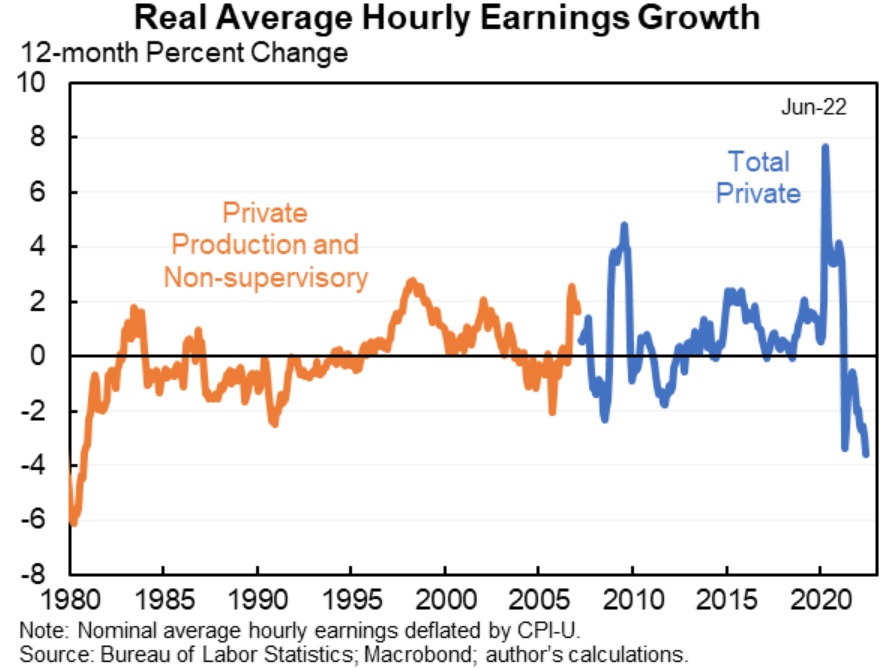
1978 Prolife Pamphlet from Keith Green’s ministry has saved the lives of many babies!!!!

Francis Schaeffer Whatever Happened to the Human Race (Episode 1) ABORTION _____________________________________ 1978 Prolife Pamphlet from Keith Green’s ministry has saved the lives of many babies!!!! Francis Schaeffer “BASIS FOR HUMAN DIGNITY” Whatever…HTTHR Dr. Francis schaeffer – The flow of Materialism(from Part 4 of Whatever happened to human race?) Dr. Francis Schaeffer – The Biblical […]

Tribute to Keith Green who died 32 years ago today!!!

This is a tribute to Keith Green who died 32 years ago today!!! On July 28, 1983 I was sitting by the radio when CBS radio news came on and gave the shocking news that Keith Green had been killed by an airplane crash in Texas with two of his children. 7 months later I […]

“Music Monday” My favorite Christian music artist of all time is Keith Green.

My favorite Christian music artist of all time is Keith Green. Sunday, May 5, 2013 You Are Celled To Go – Keith Green Keith Green – (talks about) Jesus Commands Us To Go! (live) Uploaded on May 26, 2008 Keith Green talks about “Jesus Commands Us To Go!” live at Jesus West Coast ’82 You can find […]

MUSIC MONDAY:Keith Green Story, and the song that sums up his life (Part 10)

To me this song below sums up Keith Green’s life best. 2nd Chapter of Acts – Make My Life A Prayer to You Make my life a prayer to You I want to do what You want me to No empty words and no white lies No token prayers, no compromise I want to shine […]

MUSIC MONDAY:Keith Green Story (Part 9)

Keith Green – Easter Song (live) Uploaded by monum on May 25, 2008 Keith Green performing “Easter Song” live from The Daisy Club — LA (1982) ____________________________ Keith Green was a great song writer and performer.  Here is his story below: The Lord had taken Keith from concerts of 20 or less — to stadiums […]

MUSIC MONDAY:Keith Green Story, includes my favorite song (Part 8)

Keith Green – Asleep In The Light Uploaded by keithyhuntington on Jul 23, 2006 keith green performing Asleep In The Light at Jesus West Coast 1982 __________________________ Keith Green was a great song writer and performer and the video clip above includes my favorite Keith Green song. Here is his story below: “I repent of […]

Keith Green’s article “Grumbling and Complaining–So You Wanna Go Back to Egypt?” (Part 4)

Keith Green – So You Wanna Go Back To Egypt (live) Uploaded by monum on May 25, 2008 Keith Green performing “So You Wanna Go Back To Egypt” live at West Coast 1980 ____________ This song really shows Keith’s humor, but it really has great message. Keith also had a great newsletter that went out […]

Keith Green’s article “Grumbling and Complaining–So You Wanna Go Back to Egypt?” (Part 3)

Keith Green – So You Wanna Go Back To Egypt (live) Uploaded by monum on May 25, 2008 Keith Green performing “So You Wanna Go Back To Egypt” live at West Coast 1980 ____________ This song really shows Keith’s humor, but it really has great message. Keith also had a great newsletter that went out […]

MUSIC MONDAY:Keith Green Story (Part 7)

Keith Green – Your Love Broke Through Here is something I got off the internet and this website has lots of Keith’s great songs: Keith Green: His Music, Ministry, and Legacy My mom hung up the phone and broke into tears. She had just heard the news of Keith Green’s death. I was only ten […]

Keith Green’s article “Grumbling and Complaining–So You Wanna Go Back to Egypt?” (Part 2)

Keith Green – So You Wanna Go Back To Egypt (live) Uploaded by monum on May 25, 2008 Keith Green performing “So You Wanna Go Back To Egypt” live at West Coast 1980 ____________ This song really shows Keith’s humor, but it really has great message. Keith also had a great newsletter that went out […]

July 18, 2022 READING A PROVERB A DAY (PROVERBS 18) Don’t Disintegrate — Communicate ADRIAN ROGERS Proverbs 18:21

Don’t Disintegrate — Communicate

Adrian Rogers

Proverbs 18New Living Translation

18 Unfriendly people care only about themselves;
    they lash out at common sense.

Fools have no interest in understanding;
    they only want to air their own opinions.

Doing wrong leads to disgrace,
    and scandalous behavior brings contempt.

Wise words are like deep waters;
    wisdom flows from the wise like a bubbling brook.

It is not right to acquit the guilty
    or deny justice to the innocent.

Fools’ words get them into constant quarrels;
    they are asking for a beating.

The mouths of fools are their ruin;
    they trap themselves with their lips.

Rumors are dainty morsels
    that sink deep into one’s heart.

A lazy person is as bad as
    someone who destroys things.

10 The name of the Lord is a strong fortress;
    the godly run to him and are safe.

11 The rich think of their wealth as a strong defense;
    they imagine it to be a high wall of safety.

12 Haughtiness goes before destruction;
    humility precedes honor.

13 Spouting off before listening to the facts
    is both shameful and foolish.

14 The human spirit can endure a sick body,
    but who can bear a crushed spirit?

15 Intelligent people are always ready to learn.
    Their ears are open for knowledge.

16 Giving a gift can open doors;
    it gives access to important people!

17 The first to speak in court sounds right—
    until the cross-examination begins.

18 Flipping a coin[a] can end arguments;
    it settles disputes between powerful opponents.

19 An offended friend is harder to win back than a fortified city.
    Arguments separate friends like a gate locked with bars.

20 Wise words satisfy like a good meal;
    the right words bring satisfaction.

21 The tongue can bring death or life;
    those who love to talk will reap the consequences.

22 The man who finds a wife finds a treasure,
    and he receives favor from the Lord.

23 The poor plead for mercy;
    the rich answer with insults.

24 There are “friends” who destroy each other,
    but a real friend sticks closer than a brother.

Sermon Overview

Scripture Passage: Proverbs 18:21

The most important thing to have in a Christian home, other than a love for the Lord, is communication. In fact, most of the insight found in the Book of Proverbs has to do with how we speak and listen to one another.

Have you ever heard anybody say, “Sticks and stones can break my bones, but words can never hurt me”? Don’t believe it. It’s not true.

The greatest hurts often come from spoken words. They come from forceful coercion between spouses. They come from nagging, callused words to a child, and disrespectful remarks to a parent. 

Wrong words can destroy a home.

Proverbs 18:21 says, “Death and life are in the power of the tongue…” There is great power in communication. And with great power comes a great responsibility.

Pastor and teacher Adrian Rogers says, “The highest form of fulfillment is sharing with someone else. It’s not having things. It’s not doing things. It is sharing.” 

Healthy communication peaks when we have absolute, total openness with one another, spoken in discerning kindness and gentleness. This is a very difficult level to reach. It begins with our relationship with Jesus, with realizing that He has accepted us as we are, and wants us to accept who we are, too.

This doesn’t mean we condone our sin, or excuse our shortcomings. We are still sinners, and apart from God’s grace, we have nothing to offer. But because of His grace, because He has accepted us, we are instructed to have a healthy self-acceptance.

Because when you accept yourself, you can begin to accept others. You are no longer threatened. You no longer have to push others down to build yourself up. You are free to treat others with kindness, because you are, first, kind to yourself.

Communication is an ongoing process. It evolves over time spent together, and requires tune-ups and check-in’s. Yet there is nothing more important.

Apply it to your life

Do you feel like your relationship with your family or close friends is full of heartache and misunderstanding? How is your relationship with Jesus? Today, spend some time in prayer, asking Jesus to saturate your self-esteem with His grace. Pray through Proverbs, perhaps one chapter for each day in a month, and ask the Lord to convict you for how you speak to others.

This message is a part of this audio series.

July 17, 2022 READING A PROVERB A DAY (PROVERBS 17) Adrian Rogers Fathers Who Teach Their Children to Be Wise Proverbs 1,3, 9, 13, 14, 15, 17, 19, 21, 22, 24

Proverbs 17New Living Translation

17 Better a dry crust eaten in peace
    than a house filled with feasting—and conflict.

A wise servant will rule over the master’s disgraceful son
    and will share the inheritance of the master’s children.

Fire tests the purity of silver and gold,
    but the Lord tests the heart.

Wrongdoers eagerly listen to gossip;
    liars pay close attention to slander.

Those who mock the poor insult their Maker;
    those who rejoice at the misfortune of others will be punished.

Grandchildren are the crowning glory of the aged;
    parents[a] are the pride of their children.

Eloquent words are not fitting for a fool;
    even less are lies fitting for a ruler.

A bribe is like a lucky charm;
    whoever gives one will prosper!

Love prospers when a fault is forgiven,
    but dwelling on it separates close friends.

10 A single rebuke does more for a person of understanding
    than a hundred lashes on the back of a fool.

11 Evil people are eager for rebellion,
    but they will be severely punished.

12 It is safer to meet a bear robbed of her cubs
    than to confront a fool caught in foolishness.

13 If you repay good with evil,
    evil will never leave your house.

14 Starting a quarrel is like opening a floodgate,
    so stop before a dispute breaks out.

15 Acquitting the guilty and condemning the innocent—
    both are detestable to the Lord.

16 It is senseless to pay to educate a fool,
    since he has no heart for learning.

17 A friend is always loyal,
    and a brother is born to help in time of need.

18 It’s poor judgment to guarantee another person’s debt
    or put up security for a friend.

19 Anyone who loves to quarrel loves sin;
    anyone who trusts in high walls invites disaster.

20 The crooked heart will not prosper;
    the lying tongue tumbles into trouble.

21 It is painful to be the parent of a fool;
    there is no joy for the father of a rebel.

22 A cheerful heart is good medicine,
    but a broken spirit saps a person’s strength.

23 The wicked take secret bribes
    to pervert the course of justice.

24 Sensible people keep their eyes glued on wisdom,
    but a fool’s eyes wander to the ends of the earth.

25 Foolish children[b] bring grief to their father
    and bitterness to the one who gave them birth.

26 It is wrong to punish the godly for being good
    or to flog leaders for being honest.

27 A truly wise person uses few words;
    a person with understanding is even-tempered.

28 Even fools are thought wise when they keep silent;
    with their mouths shut, they seem intelligent.

Adrian Rogers: How to Be the Father of a Wise Child (1932)

Fathers Who Teach Their Children to Be Wise

June 20, 2021 Save Article

Proverbs

Why do some children adore their fathers and others hate them? What’s the difference between fathers? Sometimes children are caught up in the mistakes and mindset of fathers who won’t do what they should to guide those children into a safe, secure haven. The fathers’ own pride and arrogance make shipwreck both of their own lives and their children’s. It doesn’t have to be this way. 

I’ve observed one characteristic in almost all fathers whose children love and follow them. I’ll tell you what it is in a moment. 

The book of Proverbs is a veritable owner’s manual on how to raise a wise child. From the first chapter, it says the proverbs were written, in large part, so we would come… 

…to know wisdom and instruction, to perceive the words of understanding, to receive the instruction of wisdom, justice, judgment, and equity; to give prudence to the simple, to the young man knowledge and discretion—A wise man will hear and increase learning, and a man of understanding will attain wise counsel…. Wisdom calls aloud outside; she raises her voice in the open squares. She cries out in the chief concourses, at the openings of the gates in the city she speaks her words: “How long, you simple [naïve, immature] ones, will you love simplicity? For scorners delight in their scorning, and fools hate knowledge. (Proverbs 1:2-5; 20-22)

Underline three words in this passage: simple, scorners, and fools. A child isn’t born a scorner or a fool. A long road leads to the evolution of a fool. 

Children need your guidance and protection.

They’re easily molded. “Simple” in verse 22 means open and naïve; children’s minds and hearts are plastic—easily shaped, innocent. 

They lack understanding. There comes a time when the child must be guided from innocence into wisdom and maturity.

They can be quickly led into error. A child is an easy target for Hollywood, false religions, and sinful friends. They’re so open, they’ll believe anything. They’re like a sponge. They can be tricked and misled; they’re living in constant danger, sitting ducks for bad influences.

“The simple believes every word…” (Proverbs 24:15). “A prudent man foresees evil and hides himself: but the simple pass on and are punished” (Proverbs 22:3). 

The young tend to think they’re indestructible, not weighing the future, easy to mislead. 

The older child needs godly correction.

Look at the word “scorner.” Little children aren’t scorners yet but heads up, dads: the older children, if not guided by dad and mom, take the next step down—they become the scorners/scoffers. 

They get their jollies from being the smart-alecky kids, the teenage cynics, the mockers at the university. It breaks my heart to say it, but most teenagers in America now are scorners. Scorners can break a parent’s heart.

They defy instruction because “scorners delight in their scorning” (Proverbs 1:22). 
“A wise son heeds his father’s instruction, but a scoffer does not listen to rebuke” (Proverbs 13:1). 

Scorners will fire back at you. (See Proverbs 9:8.) They won’t listen. It’s like talking to a brick wall—they’ll tune you out. “A scoffer does not love one who corrects him, nor will he go to the wise” (Proverbs 15:12).

He’ll never come and say, “Dad, I need help. Will you help me out?” When you try to correct the scorner, he’ll look at you and say with his eyes, “I hate your guts.”

They’re on a track for destruction
“He who despises the Word will be destroyed” (Proverbs 13:13).

If they laugh at the Word of God, they may laugh their way right into Hell. Scorners are very hard to reach, but there is yet hope; they can still be reclaimed.

Catch them before they self-destruct.

First, there was the simple—naïve, open, carefree. But if he’s not taught, he will become a scorner. We all carry that fallen nature. Then the scorner, if not restrained by parents, becomes a person the Bible designates “a fool.” The scorner is insolent, but the fool is immovable—rebellious, arrogant, and wicked. 

A fool will reject wisdom
“And fools hate knowledge” (Proverbs 1:22).

“The heart of him who has understanding seeks knowledge, but the mouth of fools feeds on foolishness” (Proverbs 15:14).

He ridicules righteousness
“Fools mock at sin” (Proverbs 14:9). 

This is why we have sitcoms that laugh at drunkenness, glorify adultery, mock marriage, promote homosexuality and relish perversion. Who does that? Fools. 

He rejoices in iniquity
“Folly is joy to him who is destitute of discernment…” (Proverbs 15:21).

His moral sense is so perverted, he calls good evil and evil good. His heart is hardened, his conscience is seared, and his mind is defiled.

He rejects reproof
God will chasten those who are His own. “For whom the Lord loves, He chastens…” (Hebrews 12:6). But reproof and correction are lost on a fool. “Rebuke is more effective for a wise man than a hundred blows on a fool” (Proverbs 17:10).

Trying to reprove the fool will get you nowhere. Don’t even try. He won’t hear you. He is intransigent. If he were wise, he would repent when God chastised him.

God gives us little children who begin life innocent and open. But if you’re not careful, society will turn them into smart alecks. 

Dad, if they’re not rescued when they become scorners or smart alecks, they’ll become fools. The fool is on the fast track to Hell.

We’re in serious trouble in America. In 1962, prayer in public schools was declared unconstitutional. In 1963, Bible reading in schools was deemed “unconstitutional,” but in 1973 the killing of pre-born children somehow became a Constitutional “right.” Then in 1980, the Ten Commandments had to be removed from where they were posted on school walls because, they said, “The child might be tempted to follow them.” 

Secular humanists have proven to be great strategists. They latched onto the one segment of life almost every child will pass through—public school—and targeted it to become their “Sunday School” for humanist philosophy. To do that, they had to purge any vestige of Christian influence.

In light of this attack on your children, how can you be the father of a wise child and keep from raising a fool?

Dads, with everything in modern culture fighting against you, you must gear up for this battle. 

7 Ways to Be the Father of Wise Children:

1. Expound truth.

Saturate them in the Proverbs. Emblazon the Ten Commandments onto their consciousness. Teach them the Beatitudes, that they might learn these simple, basic truths. It’s your God-given responsibility (See Deuteronomy 6:6-9.) to teach these commandments to your sons, daughters, and grandsons, that your family will survive and your home endure.

The battle is for the mind. As the child thinks, so is he. Get a memorization plan going and make it fun, with rewards when children commit scheduled verses to memory. Get the Word down into their hearts early.

2. Expose sin

The young and innocent will learn by example when they see discipline fall upon the scornerChildren need to see what happens when sin is exposed and consequences are suffered. 

“When the scoffer is punished, the simple is made wise” (Proverbs 21:11). 

The worst thing would be for your child to live in a sinful society where he never sees the repercussions of sin. Our children today are insulated; often they don’t see the result of sin. Help them understand. Don’t just expound truth, but expose sin. Take your child down to skid row. Take him to the prisons. Let him see the end result of bad choices. 

“Strike a scoffer, and the simple will become wary; Rebuke one who has  understanding, and he will discern knowledge” (Proverbs 19:25).

The young think they’re indestructible. You need to pull back the veil.

3. Expel scorners. 

Do not let your children hang around with scorners and fools. Just don’t do it. Help them select their friends. That means you may have to be firm and “cast out the scorner.” Show them the door. Impressionable children will succumb to peer pressure. 

Open up your house to your child’s friends. Make your home the headquarters for fun. And while they’re there, you can monitor those friends. Peer pressure is not bad if the peers are good. If there’s a smart aleck or a fool, say, “Son, there’s the sidewalk.” 

“Cast out the scoffer, and contention will leave; Yes, strife and reproach will cease” (Proverbs 22:10). 

Moms and dads, underline this, a good verse for memorization: 

“He who walks with wise men will be wise, but the companion of fools will be destroyed” (Proverbs 13:20).

4. Express love

Love your children! Delight in them. 

“For whom the Lord loves He corrects, just as a father the son in whom he  delights” (Proverbs 3:12). 

Be positive. Avoid negativism. Words can hurt your children more than a slap in the face. Learn to listen. Try to see life from their point of view. They’re facing things you never faced.

5. Be gentle

This is that one characteristic I mentioned at the beginning, which I’ve seen in all dads whose children love and follow them: They are gentle. That’s what children want out of their dad. Yes, they want a dad they can look up to, who’s the strongest, wisest, smartest, fastest, best dad in the world…but they want him to be gentle! Touch them, hug them, give them non-verbal affection.

6. Be transparent

Let them know your fears, joys, disappointments, failures, and goals. They already know you’re not perfect; they don’t want you to be a phony.

7. Be available

Make it a priority that you’re available to your child.

If you feel inadequate—so do I. None of us has what it takes to be this kind of dad. That’s why we need Jesus.

We’ve got to have Christ in our hearts! The Christian life is not difficult, it’s impossible. Only one who can do it, and that’s Jesus. 

But He will do it, in and through us, if we’ll let Him. The best thing you can do for your children is to love God with all your heart. Give your heart to Jesus.

Related Video Programs

Related posts:

Seeing Jesus in Proverbs, Ecclesiastes, and Job

July 16, 2013 – 1:28 am

Ecclesiastes 8-10 | Still Searching After All These Years Published on Oct 9, 2012 Calvary Chapel Spring Valley | Sunday Evening | October 7, 2012 | Pastor Derek Neider _______________________ Ecclesiastes 11-12 | Solomon Finds His Way Published on Oct 30, 2012 Calvary Chapel Spring Valley | Sunday Evening | October 28, 2012 | Pastor Derek Neider […]By Everette Hatcher III | Posted in Current Events | Edit | Comments (0)

John MacArthur on Proverbs (Part 10) Summing up Proverbs study

May 30, 2013 – 1:06 am

Over and over in Proverbs you hear the words “fear the Lord.” In fact, some of he references are Proverbs 1:7, 29; 2:5; 8:13; 9:10;14:26,27; 15:16 and many more. Below is a sermon by John MacArthur from the Book of Luke on 3 reasons we should fear the Lord. (I have posted John MacArthur’s amazing […]By Everette Hatcher III | Posted in Adrian RogersCurrent Events | Edit | Comments (0)

John MacArthur on Proverbs (Part 9) “Love your neighbor”

May 28, 2013 – 1:23 am

Over and over in Proverbs you hear the words “fear the Lord.” In fact, some of he references are Proverbs 1:7, 29; 2:5; 8:13; 9:10;14:26,27; 15:16 and many more. Below is a sermon by John MacArthur from the Book of Luke on 3 reasons we should fear the Lord. (I have posted John MacArthur’s amazing […]By Everette Hatcher III | Posted in Adrian RogersCurrent Events | Edit | Comments (0)

John MacArthur on Proverbs (Part 8) “Manage your money”

May 23, 2013 – 1:35 am

Over and over in Proverbs you hear the words “fear the Lord.” In fact, some of he references are Proverbs 1:7, 29; 2:5; 8:13; 9:10;14:26,27; 15:16 and many more. Below is a sermon by John MacArthur from the Book of Luke on 3 reasons we should fear the Lord. (I have posted John MacArthur’s amazing […]By Everette Hatcher III | Posted in Adrian RogersCurrent Events | Edit | Comments (0)

John MacArthur on Proverbs (Part 7) “Pursue your work”

May 21, 2013 – 1:05 am

Over and over in Proverbs you hear the words “fear the Lord.” In fact, some of he references are Proverbs 1:7, 29; 2:5; 8:13; 9:10;14:26,27; 15:16 and many more. Below is a sermon by John MacArthur from the Book of Luke on 3 reasons we should fear the Lord. (I have posted John MacArthur’s amazing […]By Everette Hatcher III | Posted in Adrian RogersCurrent Events | Edit | Comments (0)

John MacArthur on Proverbs (Part 6) “Enjoy your wife and watch your words”

May 16, 2013 – 1:23 am

Over and over in Proverbs you hear the words “fear the Lord.” In fact, some of he references are Proverbs 1:7, 29; 2:5; 8:13; 9:10;14:26,27; 15:16 and many more. Below is a sermon by John MacArthur from the Book of Luke on 3 reasons we should fear the Lord. (I have posted John MacArthur’s amazing […]By Everette Hatcher III | Posted in Adrian RogersCurrent Events | Tagged Gene BartowJohn Wooden | Edit | Comments (0)

John MacArthur on Proverbs (Part 5) “Control your body”

May 14, 2013 – 1:44 am

Over and over in Proverbs you hear the words “fear the Lord.” In fact, some of he references are Proverbs 1:7, 29; 2:5; 8:13; 9:10;14:26,27; 15:16 and many more. Below is a sermon by John MacArthur from the Book of Luke on 3 reasons we should fear the Lord. (I have posted John MacArthur’s amazing […]By Everette Hatcher III | Posted in Adrian RogersCurrent Events | Edit | Comments (0)

John MacArthur on Proverbs (Part 4) “Bad company corrupts…”

May 9, 2013 – 1:10 am

Over and over in Proverbs you hear the words “fear the Lord.” In fact, some of he references are Proverbs 1:7, 29; 2:5; 8:13; 9:10;14:26,27; 15:16 and many more. Below is a sermon by John MacArthur from the Book of Luke on 3 reasons we should fear the Lord. (I have posted John MacArthur’s amazing […]By Everette Hatcher III | Posted in Adrian RogersCurrent Events | Edit | Comments (0)

John MacArthur on Proverbs (Part 3) “Guard your mind and obey your parents!!”

May 7, 2013 – 1:43 am

Over and over in Proverbs you hear the words “fear the Lord.” In fact, some of he references are Proverbs 1:7, 29; 2:5; 8:13; 9:10;14:26,27; 15:16 and many more. Below is a sermon by John MacArthur from the Book of Luke on 3 reasons we should fear the Lord. It is tough to guard your […]By Everette Hatcher III | Posted in Adrian RogersCurrent Events | Edit | Comments (0)

John MacArthur on Proverbs (Part 2) What does it mean to fear the Lord?

May 2, 2013 – 1:13 am

Over and over in Proverbs you hear the words “fear the Lord.” In fact, some of he references are Proverbs 1:7, 29; 2:5; 8:13; 9:10;14:26,27; 15:16 and many more. Below is a sermon by John MacArthur from the Book of Luke on 3 reasons we should fear the Lord. What does it mean to fear […]By Everette Hatcher III | Posted in Current EventsUncategorized | Edit | Comments (0)

The Wisdom of Solomon and the Book of Ecclesiastes

July 8, 2013 – 12:01 am

https://bidding-test.devops.iponweb.net/automattic/dio-passback.html

Ecclesiastes 6-8 | Solomon Turns Over a New Leaf Published on Oct 2, 2012 Calvary Chapel Spring Valley | Sunday Evening | September 30, 2012 | Pastor Derek Neider _____________________ I have written on the Book of Ecclesiastes and the subject of the meaning of our lives on several occasions on this blog. In this series on Ecclesiastes I […]By Everette Hatcher III | Posted in Current Events | Edit | Comments (0)

Why is Solomon so depressed in Ecclesiastes? by Brent Cunningham

July 3, 2013 – 7:00 am

Ecclesiastes 1 Published on Sep 4, 2012 Calvary Chapel Spring Valley | Sunday Evening | September 2, 2012 | Pastor Derek Neider _____________________ I have written on the Book of Ecclesiastes and the subject of the meaning of our lives on several occasions on this blog. In this series on Ecclesiastes I hope to show how […]By Everette Hatcher III | Posted in Current Events | Edit | Comments (0)

Robert Leroe on Ecclesiastes (Mentions Thomas Aquinas, Princess Diana, Mother Teresa, King Solomon, King Rehoboam, Eugene Peterson, Chuck Swindoll, and John Newton.)

June 19, 2013 – 1:30 am

Ecclesiastes 1 Published on Sep 4, 2012 Calvary Chapel Spring Valley | Sunday Evening | September 2, 2012 | Pastor Derek Neider _____________________ I have written on the Book of Ecclesiastes and the subject of the meaning of our lives on several occasions on this blog. In this series on Ecclesiastes I hope to show how […]By Everette Hatcher III | Posted in Current Events | Edit | Comments (0)

Solomon was the author of Ecclesiastes

June 11, 2013 – 1:55 am

Ecclesiastes 8-10 | Still Searching After All These Years Published on Oct 9, 2012 Calvary Chapel Spring Valley | Sunday Evening | October 7, 2012 | Pastor Derek Neider _______________________ Ecclesiastes 11-12 | Solomon Finds His Way Published on Oct 30, 2012 Calvary Chapel Spring Valley | Sunday Evening | October 28, 2012 | Pastor Derek Neider […]By Everette Hatcher III | Posted in Current Events | Edit | Comments (0)

Ecclesiastes: Solomon with Life in the Fast Lane

June 3, 2013 – 1:19 am

Ecclesiastes 6-8 | Solomon Turns Over a New Leaf Published on Oct 2, 2012 Calvary Chapel Spring Valley | Sunday Evening | September 30, 2012 | Pastor Derek Neider _____________________ I have written on the Book of Ecclesiastes and the subject of the meaning of our lives on several occasions on this blog. In this series […]By Everette Hatcher III | Posted in Current Events | Edit | Comments (0)

Ecclesiastes a scathing and self-deprecating attack on hedonism and secular humanism by Solomon

May 31, 2013 – 1:17 am

Ecclesiastes 4-6 | Solomon’s Dissatisfaction Published on Sep 24, 2012 Calvary Chapel Spring Valley | Sunday Evening | September 23, 2012 | Pastor Derek Neider ___________________ I have written on the Book of Ecclesiastes and the subject of the meaning of our lives on several occasions on this blog. In this series on Ecclesiastes I hope […]By Everette Hatcher III | Posted in Current Events | Edit | Comments (0)

Solomon was right in his cynicism–unless……unless there is a God who created us and cares about us

May 22, 2013 – 1:34 am

Ecclesiastes 8-10 | Still Searching After All These Years Published on Oct 9, 2012 Calvary Chapel Spring Valley | Sunday Evening | October 7, 2012 | Pastor Derek Neider _______________________ Ecclesiastes 11-12 | Solomon Finds His Way Published on Oct 30, 2012 Calvary Chapel Spring Valley | Sunday Evening | October 28, 2012 | Pastor Derek Neider […]By Everette Hatcher III | Posted in Current Events | Edit | Comments (0)

The Humanist takes on Solomon and the Book of Ecclesiastes

May 20, 2013 – 1:13 pm

Ecclesiastes 8-10 | Still Searching After All These Years Published on Oct 9, 2012 Calvary Chapel Spring Valley | Sunday Evening | October 7, 2012 | Pastor Derek Neider _______________________ Ecclesiastes 11-12 | Solomon Finds His Way Published on Oct 30, 2012 Calvary Chapel Spring Valley | Sunday Evening | October 28, 2012 | Pastor Derek Neider […]By Everette Hatcher III | Posted in Current Events | Edit | Comments (0)

Tom Brady , Coldplay, Kansas, Solomon and the search for satisfaction (part 3)

December 23, 2011 – 11:12 am

Tom Brady “More than this…” Uploaded by EdenWorshipCenter on Jan 22, 2008 EWC sermon illustration showing a clip from the 2005 Tom Brady 60 minutes interview. _______________________ Tom Brady ESPN Interview Tom Brady has famous wife earned over 76 million dollars last year. However, has Brady found lasting satifaction in his life? It does not […]By Everette Hatcher III | Posted in Current Events | Edit | Comments (0)

Adrian Rogers on gambling

July 18, 2013 – 12:44 am

Adrian Rogers: How to Be a Child of a Happy Mother Published on Nov 13, 2012 Series: Fortifying Your Family (To read along turn on the annotations.) Adrian Rogers looks at the 5th commandment and the relationship of motherhood in the commandment to honor your father and mother, because the faith that doesn’t begin at home, […]By Everette Hatcher III | Posted in Adrian RogersCurrent Events | Edit | Comments (0)

Book of Ecclesiastes

July 17, 2013 – 1:40 am

https://bidding-test.devops.iponweb.net/automattic/dio-passback.html

Ecclesiastes 1 Published on Sep 4, 2012 Calvary Chapel Spring Valley | Sunday Evening | September 2, 2012 | Pastor Derek Neider _____________________ I have written on the Book of Ecclesiastes and the subject of the meaning of our lives on several occasions on this blog. In this series on Ecclesiastes I hope to show how secular humanist man […]By Everette Hatcher III | Posted in Current Events | Edit | Comments (0)

Adrian Rogers: Are fathers necessary?

July 16, 2013 – 12:43 am

Adrian Rogers – How to Cultivate a Marriage Another great article from Adrian Rogers. Are fathers necessary? “Artificial insemination is the ideal method of producing a pregnancy, and a lesbian partner should have the same parenting rights accorded historically to biological fathers.” Quoted from the United Nations Fourth World Conference on Women, summer of 1995. […]By Everette Hatcher III | Posted in Adrian RogersCurrent Events | Edit | Comments (0)

Tom Brady, Coldplay, Kansas, Solomon and the search for satisfaction (part 2)

December 22, 2011 – 11:56 am

Tom Brady “More than this…” Uploaded by EdenWorshipCenter on Jan 22, 2008 EWC sermon illustration showing a clip from the 2005 Tom Brady 60 minutes interview. To Download this video copy the URL to http://www.vixy.net ________________ Obviously from the video clip above, Tom Brady has realized that even though he has won many Super Bowls […]

July 16, 2022 READING A PROVERB A DAY (PROVERBS 16) Proverbs 16:5 reads, “Every one that is proud in heart is an abomination to the Lord.”  Adrian Rogers “The Peril of Pride”

Proverbs 16New Living Translation

16 We can make our own plans,
    but the Lord gives the right answer.

People may be pure in their own eyes,
    but the Lord examines their motives.

Commit your actions to the Lord,
    and your plans will succeed.

The Lord has made everything for his own purposes,
    even the wicked for a day of disaster.

The Lord detests the proud;
    they will surely be punished.

Unfailing love and faithfulness make atonement for sin.
    By fearing the Lord, people avoid evil.

When people’s lives please the Lord,
    even their enemies are at peace with them.

Better to have little, with godliness,
    than to be rich and dishonest.

We can make our plans,
    but the Lord determines our steps.

10 The king speaks with divine wisdom;
    he must never judge unfairly.

11 The Lord demands accurate scales and balances;
    he sets the standards for fairness.

12 A king detests wrongdoing,
    for his rule is built on justice.

13 The king is pleased with words from righteous lips;
    he loves those who speak honestly.

14 The anger of the king is a deadly threat;
    the wise will try to appease it.

15 When the king smiles, there is life;
    his favor refreshes like a spring rain.

16 How much better to get wisdom than gold,
    and good judgment than silver!

17 The path of the virtuous leads away from evil;
    whoever follows that path is safe.

18 Pride goes before destruction,
    and haughtiness before a fall.

19 Better to live humbly with the poor
    than to share plunder with the proud.

20 Those who listen to instruction will prosper;
    those who trust the Lord will be joyful.

21 The wise are known for their understanding,
    and pleasant words are persuasive.

22 Discretion is a life-giving fountain to those who possess it,
    but discipline is wasted on fools.

23 From a wise mind comes wise speech;
    the words of the wise are persuasive.

24 Kind words are like honey—
    sweet to the soul and healthy for the body.

25 There is a path before each person that seems right,
    but it ends in death.

26 It is good for workers to have an appetite;
    an empty stomach drives them on.

27 Scoundrels create trouble;
    their words are a destructive blaze.

28 A troublemaker plants seeds of strife;
    gossip separates the best of friends.

29 Violent people mislead their companions,
    leading them down a harmful path.

30 With narrowed eyes, people plot evil;
    with a smirk, they plan their mischief.

31 Gray hair is a crown of glory;
    it is gained by living a godly life.

32 Better to be patient than powerful;
    better to have self-control than to conquer a city.

33 We may throw the dice,[a]
    but the Lord determines how they fall.

The Peril of Pride

Love Worth Finding

Adrian Rogers

We’re a little more than a month into a new year, so it’s a good time to take a spiritual inventory. As a Christian, you love Jesus Christ, you thank Him for His sacrifice for you, and you want to please Him. When you have someone in your life you deeply love, you want to find out their likes and dislikes and please them with what they really like. If you find out there’s something your loved one actually hates, you try to steer clear of that!

Are you aware that there are things God actually hates? “Oh,” you say, “but God is a God of love! Surely He doesn’t hate…” Listen to Proverbs 6:16-19.

These six things doth the Lord hate: yea, seven are an abomination unto him: A proud look, a lying tongue, and hands that shed innocent blood, An heart that deviseth wicked imaginations, feet that be swift in running to mischief, A false witness that speaketh lies, and he that soweth discord among brethren. 

That’s quite an inventory. And at the top of these seven worst-of-the-worst traits is pride.

Pride is effective because it is deceptive. The more you have, the less you think you have it. Do you have a problem with pride? If your answer is yes, this study may be for you; but if your answer is no, there’s no doubt about it: this study is definitely for you!

Real pride — sinful, destructive pride — is a declaration of independence. It says, “God, I am self‑sufficient. I have everything I need. Your services are no longer required.” The truth is, we are in no way self‑sufficient.

Here are some perils of pride:

Pride Provokes Deity — Pride angers God. Proverbs 16:5 reads, “Every one that is proud in heart is an abomination to the Lord.”  Can you imagine being an abomination to the Lord? Why does God feel this way about pride? It caused Lucifer to fall from heaven (Isaiah 14:12-14). Pride made the devil what he is. Pride ruined the entire human race when the devil baited Eve (Genesis 3:1-7). Satan does the same thing today when he tempts us—he appeals to our pride.

Pride Proves Depravity Some people avoid the notable sins: they don’t “smoke, drink, chew, or run with those who do.” They feel proud of themselves! They fall into the sin worse than all of these. Proverbs 16:5 uses the phrase “proud in heart.”Pride never reaches the hands or feet. It resides within the heart. It is there from birth.

Pride Promotes Dissension — At the root of every quarrel, conflict, battle, and war is the sin of pride. Proverbs 13:10 says, “Only by pride cometh contention.” The next argument we hear, the next church that divides, the next divorce that destroys a home — we will know what is at the root in someone’s heart.

Pride Promotes Dishonor — Jesus said, “And whosoever shall exalt himself shall be abased; and he that shall humble himself shall be exalted”(Matthew 23:12). The way up is always down. Satan fell because he said, “I will ascend into heaven, I will exalt my throne above the stars of God” (Isaiah 14:13). He sought honor and dishonored himself.

How opposite was the attitude of our Lord Jesus Christ! He said, “I will descend.” Though He was God, He didn’t clutch at His divine rights. Instead He humbled Himself, and so God exalted Him. (Philippians 2:6‑11).

Here’s a quick test. Give yourself a good reality check:

· Are you irritated when you are corrected for a mistake?

· Do you find yourself accepting praise for things over which you have no control?

· Do you tend to forget Who blessed you with talents and abilities?

· When you make a mistake, are you quick with an alibi?

· Is everything someone else’s fault?

· When there is a personal conflict, are you quick to tell yourself you can get along without that person?

· Are you prone to think you can go it alone?

· Is it difficult for you to take advice? Are you extremely reluctant to seek it?

· Do you have an ungrateful spirit toward what God has given you and a bitterness about what you think you deserve?

· Is your life marked by a sense of competition? Do you measure success by victories over other people?

Do you see in yourself an independence from God and a sense of self‑sufficiency? It’s a recipe for disaster.

Pride Precedes Destruction — “The Lord will destroy the house of the proud” (Proverbs 15:25). When we’re ruled by pride, we’re taking a stand against God. Left unchecked, we can become hardened to pride and deaf to God’s calling us to repentance. Pride will eventually destroy us.There is no better day than today take a pride inventory, repent, humble yourself, and admit your total dependence upon God.

Related posts:

Seeing Jesus in Proverbs, Ecclesiastes, and Job

July 16, 2013 – 1:28 am

Ecclesiastes 8-10 | Still Searching After All These Years Published on Oct 9, 2012 Calvary Chapel Spring Valley | Sunday Evening | October 7, 2012 | Pastor Derek Neider _______________________ Ecclesiastes 11-12 | Solomon Finds His Way Published on Oct 30, 2012 Calvary Chapel Spring Valley | Sunday Evening | October 28, 2012 | Pastor Derek Neider […]By Everette Hatcher III | Posted in Current Events | Edit | Comments (0)

John MacArthur on Proverbs (Part 10) Summing up Proverbs study

May 30, 2013 – 1:06 am

Over and over in Proverbs you hear the words “fear the Lord.” In fact, some of he references are Proverbs 1:7, 29; 2:5; 8:13; 9:10;14:26,27; 15:16 and many more. Below is a sermon by John MacArthur from the Book of Luke on 3 reasons we should fear the Lord. (I have posted John MacArthur’s amazing […]By Everette Hatcher III | Posted in Adrian RogersCurrent Events | Edit | Comments (0)

John MacArthur on Proverbs (Part 9) “Love your neighbor”

May 28, 2013 – 1:23 am

Over and over in Proverbs you hear the words “fear the Lord.” In fact, some of he references are Proverbs 1:7, 29; 2:5; 8:13; 9:10;14:26,27; 15:16 and many more. Below is a sermon by John MacArthur from the Book of Luke on 3 reasons we should fear the Lord. (I have posted John MacArthur’s amazing […]By Everette Hatcher III | Posted in Adrian RogersCurrent Events | Edit | Comments (0)

John MacArthur on Proverbs (Part 8) “Manage your money”

May 23, 2013 – 1:35 am

Over and over in Proverbs you hear the words “fear the Lord.” In fact, some of he references are Proverbs 1:7, 29; 2:5; 8:13; 9:10;14:26,27; 15:16 and many more. Below is a sermon by John MacArthur from the Book of Luke on 3 reasons we should fear the Lord. (I have posted John MacArthur’s amazing […]By Everette Hatcher III | Posted in Adrian RogersCurrent Events | Edit | Comments (0)

John MacArthur on Proverbs (Part 7) “Pursue your work”

May 21, 2013 – 1:05 am

Over and over in Proverbs you hear the words “fear the Lord.” In fact, some of he references are Proverbs 1:7, 29; 2:5; 8:13; 9:10;14:26,27; 15:16 and many more. Below is a sermon by John MacArthur from the Book of Luke on 3 reasons we should fear the Lord. (I have posted John MacArthur’s amazing […]By Everette Hatcher III | Posted in Adrian RogersCurrent Events | Edit | Comments (0)

John MacArthur on Proverbs (Part 6) “Enjoy your wife and watch your words”

May 16, 2013 – 1:23 am

Over and over in Proverbs you hear the words “fear the Lord.” In fact, some of he references are Proverbs 1:7, 29; 2:5; 8:13; 9:10;14:26,27; 15:16 and many more. Below is a sermon by John MacArthur from the Book of Luke on 3 reasons we should fear the Lord. (I have posted John MacArthur’s amazing […]By Everette Hatcher III | Posted in Adrian RogersCurrent Events | Tagged Gene BartowJohn Wooden | Edit | Comments (0)

John MacArthur on Proverbs (Part 5) “Control your body”

May 14, 2013 – 1:44 am

Over and over in Proverbs you hear the words “fear the Lord.” In fact, some of he references are Proverbs 1:7, 29; 2:5; 8:13; 9:10;14:26,27; 15:16 and many more. Below is a sermon by John MacArthur from the Book of Luke on 3 reasons we should fear the Lord. (I have posted John MacArthur’s amazing […]By Everette Hatcher III | Posted in Adrian RogersCurrent Events | Edit | Comments (0)

John MacArthur on Proverbs (Part 4) “Bad company corrupts…”

May 9, 2013 – 1:10 am

Over and over in Proverbs you hear the words “fear the Lord.” In fact, some of he references are Proverbs 1:7, 29; 2:5; 8:13; 9:10;14:26,27; 15:16 and many more. Below is a sermon by John MacArthur from the Book of Luke on 3 reasons we should fear the Lord. (I have posted John MacArthur’s amazing […]By Everette Hatcher III | Posted in Adrian RogersCurrent Events | Edit | Comments (0)

John MacArthur on Proverbs (Part 3) “Guard your mind and obey your parents!!”

May 7, 2013 – 1:43 am

Over and over in Proverbs you hear the words “fear the Lord.” In fact, some of he references are Proverbs 1:7, 29; 2:5; 8:13; 9:10;14:26,27; 15:16 and many more. Below is a sermon by John MacArthur from the Book of Luke on 3 reasons we should fear the Lord. It is tough to guard your […]By Everette Hatcher III | Posted in Adrian RogersCurrent Events | Edit | Comments (0)

John MacArthur on Proverbs (Part 2) What does it mean to fear the Lord?

May 2, 2013 – 1:13 am

Over and over in Proverbs you hear the words “fear the Lord.” In fact, some of he references are Proverbs 1:7, 29; 2:5; 8:13; 9:10;14:26,27; 15:16 and many more. Below is a sermon by John MacArthur from the Book of Luke on 3 reasons we should fear the Lord. What does it mean to fear […]By Everette Hatcher III | Posted in Current EventsUncategorized | Edit | Comments (0)

The Wisdom of Solomon and the Book of Ecclesiastes

July 8, 2013 – 12:01 am

Ecclesiastes 6-8 | Solomon Turns Over a New Leaf Published on Oct 2, 2012 Calvary Chapel Spring Valley | Sunday Evening | September 30, 2012 | Pastor Derek Neider _____________________ I have written on the Book of Ecclesiastes and the subject of the meaning of our lives on several occasions on this blog. In this series on Ecclesiastes I […]By Everette Hatcher III | Posted in Current Events | Edit | Comments (0)

Why is Solomon so depressed in Ecclesiastes? by Brent Cunningham

July 3, 2013 – 7:00 am

Ecclesiastes 1 Published on Sep 4, 2012 Calvary Chapel Spring Valley | Sunday Evening | September 2, 2012 | Pastor Derek Neider _____________________ I have written on the Book of Ecclesiastes and the subject of the meaning of our lives on several occasions on this blog. In this series on Ecclesiastes I hope to show how […]By Everette Hatcher III | Posted in Current Events | Edit | Comments (0)

Robert Leroe on Ecclesiastes (Mentions Thomas Aquinas, Princess Diana, Mother Teresa, King Solomon, King Rehoboam, Eugene Peterson, Chuck Swindoll, and John Newton.)

June 19, 2013 – 1:30 am

Ecclesiastes 1 Published on Sep 4, 2012 Calvary Chapel Spring Valley | Sunday Evening | September 2, 2012 | Pastor Derek Neider _____________________ I have written on the Book of Ecclesiastes and the subject of the meaning of our lives on several occasions on this blog. In this series on Ecclesiastes I hope to show how […]By Everette Hatcher III | Posted in Current Events | Edit | Comments (0)

Solomon was the author of Ecclesiastes

June 11, 2013 – 1:55 am

Ecclesiastes 8-10 | Still Searching After All These Years Published on Oct 9, 2012 Calvary Chapel Spring Valley | Sunday Evening | October 7, 2012 | Pastor Derek Neider _______________________ Ecclesiastes 11-12 | Solomon Finds His Way Published on Oct 30, 2012 Calvary Chapel Spring Valley | Sunday Evening | October 28, 2012 | Pastor Derek Neider […]By Everette Hatcher III | Posted in Current Events | Edit | Comments (0)

Ecclesiastes: Solomon with Life in the Fast Lane

June 3, 2013 – 1:19 am

Ecclesiastes 6-8 | Solomon Turns Over a New Leaf Published on Oct 2, 2012 Calvary Chapel Spring Valley | Sunday Evening | September 30, 2012 | Pastor Derek Neider _____________________ I have written on the Book of Ecclesiastes and the subject of the meaning of our lives on several occasions on this blog. In this series […]By Everette Hatcher III | Posted in Current Events | Edit | Comments (0)

Ecclesiastes a scathing and self-deprecating attack on hedonism and secular humanism by Solomon

May 31, 2013 – 1:17 am

Ecclesiastes 4-6 | Solomon’s Dissatisfaction Published on Sep 24, 2012 Calvary Chapel Spring Valley | Sunday Evening | September 23, 2012 | Pastor Derek Neider ___________________ I have written on the Book of Ecclesiastes and the subject of the meaning of our lives on several occasions on this blog. In this series on Ecclesiastes I hope […]By Everette Hatcher III | Posted in Current Events | Edit | Comments (0)

Solomon was right in his cynicism–unless……unless there is a God who created us and cares about us

May 22, 2013 – 1:34 am

Ecclesiastes 8-10 | Still Searching After All These Years Published on Oct 9, 2012 Calvary Chapel Spring Valley | Sunday Evening | October 7, 2012 | Pastor Derek Neider _______________________ Ecclesiastes 11-12 | Solomon Finds His Way Published on Oct 30, 2012 Calvary Chapel Spring Valley | Sunday Evening | October 28, 2012 | Pastor Derek Neider […]By Everette Hatcher III | Posted in Current Events | Edit | Comments (0)

The Humanist takes on Solomon and the Book of Ecclesiastes

May 20, 2013 – 1:13 pm

Ecclesiastes 8-10 | Still Searching After All These Years Published on Oct 9, 2012 Calvary Chapel Spring Valley | Sunday Evening | October 7, 2012 | Pastor Derek Neider _______________________ Ecclesiastes 11-12 | Solomon Finds His Way Published on Oct 30, 2012 Calvary Chapel Spring Valley | Sunday Evening | October 28, 2012 | Pastor Derek Neider […]By Everette Hatcher III | Posted in Current Events | Edit | Comments (0)

Tom Brady , Coldplay, Kansas, Solomon and the search for satisfaction (part 3)

December 23, 2011 – 11:12 am

Tom Brady “More than this…” Uploaded by EdenWorshipCenter on Jan 22, 2008 EWC sermon illustration showing a clip from the 2005 Tom Brady 60 minutes interview. _______________________ Tom Brady ESPN Interview Tom Brady has famous wife earned over 76 million dollars last year. However, has Brady found lasting satifaction in his life? It does not […]By Everette Hatcher III | Posted in Current Events | Edit | Comments (0)

Adrian Rogers on gambling

July 18, 2013 – 12:44 am

Adrian Rogers: How to Be a Child of a Happy Mother Published on Nov 13, 2012 Series: Fortifying Your Family (To read along turn on the annotations.) Adrian Rogers looks at the 5th commandment and the relationship of motherhood in the commandment to honor your father and mother, because the faith that doesn’t begin at home, […]By Everette Hatcher III | Posted in Adrian RogersCurrent Events | Edit | Comments (0)

Book of Ecclesiastes

July 17, 2013 – 1:40 am

Ecclesiastes 1 Published on Sep 4, 2012 Calvary Chapel Spring Valley | Sunday Evening | September 2, 2012 | Pastor Derek Neider _____________________ I have written on the Book of Ecclesiastes and the subject of the meaning of our lives on several occasions on this blog. In this series on Ecclesiastes I hope to show how secular humanist man […]By Everette Hatcher III | Posted in Current Events | Edit | Comments (0)

Adrian Rogers: Are fathers necessary?

July 16, 2013 – 12:43 am

Adrian Rogers – How to Cultivate a Marriage Another great article from Adrian Rogers. Are fathers necessary? “Artificial insemination is the ideal method of producing a pregnancy, and a lesbian partner should have the same parenting rights accorded historically to biological fathers.” Quoted from the United Nations Fourth World Conference on Women, summer of 1995. […]By Everette Hatcher III | Posted in Adrian RogersCurrent Events | Edit | Comments (0)

Tom Brady, Coldplay, Kansas, Solomon and the search for satisfaction (part 2)

December 22, 2011 – 11:56 am

Tom Brady “More than this…” Uploaded by EdenWorshipCenter on Jan 22, 2008 EWC sermon illustration showing a clip from the 2005 Tom Brady 60 minutes interview. To Download this video copy the URL to http://www.vixy.net ________________ Obviously from the video clip above, Tom Brady has realized that even though he has won many Super Bowls […]

Dan Mitchell “I think [President Biden’s] main problem is this chart, courtesy of the Atlantic‘s Derek Thompson, which shows that prices are rising faster than earnings for the average American income!”

Biden’s Main Economic (Political) Problem

There has been plenty of bad economic news for Joe Biden, most notably rising levels of inflation.

He also is being criticized for his tax-and-spendfiscal agenda. And mocked for his assertions about red ink.

But I think his main problem is this chart, courtesy of the Atlantic‘s Derek Thompson, which shows that prices are rising faster than earnings for the average American

The bottom line is that people don’t like inflation, but they probably would not be nearly as upset if their income was rising at least as quickly as prices.

But that’s not happening. And this means the average family is enduring a pay cut, when measured in actual purchasing power.

I shared a version of these numbers back in Marchas part of a six-part series on Biden’s economic mistakes (the other five columns can be found here, here, here, here, and here).

That data also shows that inflation is rising faster than earnings. And that’s true even if fringe benefits are included.

What’s ironic about this data is that Joe Biden doesn’t deserve blame for the outbreak of inflation. Today’s rising prices are a consequence of mistakes by the Federal Reserve that took place before Biden was in the White House.

Though Biden’s subsequent appointments to the Fed suggest he either does not understand the problem of inflation or doesn’t care. So it’s not as if he deserves much sympathy.

—-

File:President Ronald Reagan and Nancy Reagan in The East Room Congratulating Milton Friedman Receiving The Presidential Medal of Freedom.jpg

This past article below from Dan Mitchell tells the story of Ronald Reagan’s successful strategy against inflation. I had a front row seat since I got to read the book and see the film FREE TO CHOOSE by Milton Friedman in 1980 who Reagan agreed with on this issue and I have included below the episode on inflation!

Ronald Reagan’s Most Under-Appreciated Triumph

It’s no secret that I’m a huge fan of Ronald Reagan.

He’s definitely the greatest president of my lifetime and, with one possible rival, he was the greatest President of the 20th century.

If his only accomplishment was ending malaise and restoring American prosperity thanks to lower tax rates and other pro-market reforms, he would be a great President.

He also restored America’s national defenses and reoriented foreign policy, both of which led to the collapse of the Soviet Empire, a stupendous achievement that makes Reagan worthy of Mount Rushmore.

But he also has another great achievement, one that doesn’t receive nearly the level of appreciation that it deserves. President Reagan demolished the economic cancer of inflation.

Even Paul Krugman has acknowledged that reining in double-digit inflation was a major positive achievement. Because of his anti-Reagan bias, though, he wants to deny the Gipper any credit.

Robert Samuelson, in a column for the Washington Post, corrects the historical record.

Krugman recently wrote a column arguing that the decline of double-digit inflation in the 1980s was the decade’s big economic event, not the cuts in tax rates usually touted by conservatives. Actually, I agree with Krugman on this. But then he asserted that Ronald Reagan had almost nothing to do with it. That’s historically incorrect. Reagan was crucial. …Krugman’s error is so glaring.

Samuelson first provides the historical context.

For those too young to remember, here’s background. From 1960 to 1980, inflation — the general rise of retail prices — marched relentlessly upward. It went from 1.4 percent in 1960 to 5.9 percent in 1969 to 13.3 percent in 1979. The higher it rose, the more unpopular it became. …Worse, government seemed powerless to defeat it. Presidents deployed complex wage and price controls and guidelines. They didn’t work. The Federal Reserve — custodian of credit policies — veered between easy money and tight money, striving both to subdue inflation and to maintain “full employment” (taken as a 4 percent to 5 percent unemployment rate). It achieved neither. From the late 1960s to the early 1980s, there were four recessions. Inflation became a monster, destabilizing the economy.

The column then explains that there was a dramatic turnaround in the early 1980s, as Fed Chairman Paul Volcker adopted a tight-money policy and inflation was squeezed out of the system much faster than almost anybody thought was possible.

But Krugman wants his readers to think that Reagan played no role in this dramatic and positive development.

Samuelson says this is nonsense. Vanquishing inflation would have been impossible without Reagan’s involvement.

What Reagan provided was political protection. The Fed’s previous failures to stifle inflation reflected its unwillingness to maintain tight-money policies long enough… Successive presidents preferred a different approach: the wage-price policies built on the pleasing (but unrealistic) premise that these could quell inflation without jeopardizing full employment. Reagan rejected this futile path. As the gruesome social costs of Volcker’s policies mounted — the monthly unemployment rate would ultimately rise to a post-World War II high of 10.8 percent — Reagan’s approval ratings plunged. In May 1981, they were at 68 percent; by January 1983, 35 percent. Still, he supported the Fed. …It’s doubtful that any other plausible presidential candidate, Republican or Democrat, would have been so forbearing.

What’s the bottom line?

What Volcker and Reagan accomplished was an economic and political triumph. Economically, ending double-digit inflation set the stage for a quarter-century of near-automatic expansion… Politically, Reagan and Volcker showed that leaders can take actions that, though initially painful and unpopular, served the country’s long-term interests. …There was no explicit bargain between them. They had what I’ve called a “compact of conviction.”

By the way, Krugman then put forth a rather lame response to Samuelson, including the rather amazing claim that “[t]he 1980s were a triumph of Keynesian economics.”

Here’s what Samuelson wrote in a follow-up columndebunking Krugman.

As preached and practiced since the 1960s, Keynesian economics promised to stabilize the economy at levels of low inflation and high employment. By the early 1980s, this vision was in tatters, and many economists were fatalistic about controlling high inflation. Maybe it could be contained. It couldn’t be eliminated, because the social costs (high unemployment, lost output) would be too great. …This was a clever rationale for tolerating high inflation, and the Volcker-Reagan monetary onslaught demolished it. High inflation was not an intrinsic condition of wealthy democracies. It was the product of bad economic policies. This was the 1980s’ true lesson, not the contrived triumph of Keynesianism.

If anything, Samuelson is being too kind.

One of the key tenets of Keynesian economics is that there’s a tradeoff between inflation and unemployment (the so-called Phillips Curve).

Yet in the 1970s we had rising inflation and rising unemployment.

While in the 1980s, we had falling inflation and falling unemployment.

But if you’re Paul Krugman and you already have a very long list of mistakes (see here, here, here, here, here, here, here, here, and here for a few examples), then why not go for the gold and try to give Keynes credit for the supply-side boom of the 1980s

P.S. Since today’s topic is Reagan, it’s a good opportunity to share my favorite poll of the past five years.

P.P.S. Here are some great videos of Reagan in action. And here’s one more if you need another Reagan fix.


Milton Friedman’s FREE TO CHOOSE “How to cure inflation” Transcript and Video (60 Minutes)

Image result for milton friedman free to choose

In 1980 I read the book FREE TO CHOOSE by Milton Friedman and it really enlightened me a tremendous amount.  I suggest checking out these episodes and transcripts of Milton Friedman’s film series FREE TO CHOOSE: “The Failure of Socialism” and “What is wrong with our schools?”  and “Created Equal”  and  From Cradle to Grave, and – Power of the Market.“If we could just stop the printing presses, we would stop inflation,” Milton Friedman says in “How to Cure Inflation” from the Free To Choose series. Now as then, there is only one cause of inflation, and that is when governments print too much money. Milton explains why it is that politicians like inflation, and why wage and price controls are not solutions to the problem.

http://www.freetochoosemedia.org/freetochoose/detail_ftc1980_transcript.php?page=9While many people have a fairly good grasp of what inflation is, few really understand its fundamental cause. There are many popular scapegoats: labor unions, big business, spendthrift consumers, greed, and international forces. Dr. Friedman explains that the actual cause is a government that has exclusive control of the money supply. Friedman says that the solution to inflation is well known among those who have the power to stop it: simply slow down the rate at which new money is printed. But government is one of the primary beneficiaries of inflation. By inflating the currency, tax revenues rise as families are pushed into higher income tax brackets. Thus, inflation transfers wealth and resources from the private to the public sector. In short, inflation is attractive to government because it is a way of increasing taxes without having to pass new legislation to raise tax rates. Inflation is in fact taxation without representation. Wage and price controls are not the cure for inflation because they treat only the symptom (rising prices) and not the disease (monetary expansion). History records that such controls do not work; instead, they have perverse effects on both prices and economic growth and undermine the fundamental productivity of the economy. There is only one cure for inflation: slow the printing presses. But the cure produces the painful side effects of a temporary increase in unemployment and reduced economic growth. It takes considerable political courage to undergo the cure. Friedman cites the example of Japan, which successfully underwent the cure in the mid-seventies but took five years to squeeze inflation out of the system. Inflation is a social disease that has the potential for destroying a free society if it is unchecked. Prolonged inflation undermines belief in the basic equity of the free market system because it tends to destroy the link between effort and reward. And it tears the social fabric because it divides society into winners and losers and sets group against group.(Taxation without representation: Getting knocked up to higher tax brackets because of inflation pt 1)http://www.youtube.com/watch?v=b1dTWDNKH3c

Volume 9 – How to Cure Inflation

Transcript:
Friedman: The Sierra Nevada’s in California 10,000 feet above sea level, in the winter temperatures drop to 40 below zero, in the summer the place bakes in the thin mountain air. In this unlikely spot the town of Body sprang up. In its day Body was filled with prostitutes, drunkards and gamblers part of a colorful history of the American West.
A century ago, this was a town of 10,000 people. What brought them here? Gold. If this were real gold, people would be scrambling for it. The series of gold strikes throughout the West brought people from all over the world, all kinds of people. They came here for one purpose and one purpose only, to strike it rich, quick. But in the process, they built towns, cities, in places where nobody would otherwise have dreamed of building a city. Gold built these cities and when the gold was exhausted, the cities collapsed and became ghost towns. Many of the people who came here ended up the way they began, broke and unhappy. But a few struck it rich. For them, gold was real wealth. But was it for the world as a whole. People couldn’t eat the gold, they couldn’t wear the gold, they couldn’t live in houses made of gold. Because there was more gold, they had to pay a little more gold to buy goods and services. The prices of things in terms of gold went up.
At tremendous cost, at sacrifice of lives, people dug gold out of the bowels of the earth. What happened to that gold? Eventually, at long last, it was transported to distant places only to be buried again under the ground. This time in the vaults of banks throughout the world. There is hardly anything that hasn’t been used for money; rock salt in Ethiopia, brass rings in West Africa, Calgary shells in Uganda, even a toy cannon. Anything can be used as money. Crocodile money in Malaysia, absurd isn’t it?
That beleaguered minority of the population that still smokes may recognize this stuff as the raw material from which their cigarettes are made. But in the early days of the colonies, long before the U.S. was established, this was money. It was the common money of Virginia, Maryland and the Carolinas. It was used for all sorts of things. The legislature voted that it could be used legally to pay taxes. It was used to buy food, clothing and housing. Indeed, one of the most interesting sites was to see the husky young fellows at that time, lug 100 pounds of it down to the docks to pay the costs of the passage of the beauteous young ladies who had come over from England to be their brides.
Now you know how money is. There’s a tendency for it to grow, for more and more of it to be produced and that’s what happened with this tobacco. As more tobacco was produced, there was more money. And as always when there’s more money, prices went up. Inflation. Indeed, at the very end of the process, prices were 40 times as high in terms of tobacco as they had been at the beginning of the process. And as always when inflation occurs, people complained. And as always, the legislature tried to do something. And as always, to very little avail. They prohibited certain classes of people from growing tobacco. They tried to reduce the total amount of tobacco grown, they required people to destroy part of their tobacco. But it did no good. Finally, many people took it into their own hands and they went around destroying other people’s tobacco fields. That was too much. Then they passed a law making it a capital offense, punishable by death, to destroy somebody else’s tobacco. Grecian’s Law, one of the oldest laws in economics, was well illustrated. That law says that cheap money drives out dear money and so it was with tobacco. Anybody who had a debt to pay, of course, tried to pay it in the worst quality of tobacco he had. He saved the good tobacco to sell overseas for hard money. The result was that bad money drove out good money.
Finally, almost a century after they had started using tobacco as money, they established warehouses in which tobacco was deposited in barrels, certified by an inspector according to his views as to it’s quality and quantity. And they issued warehouse certificates which people gave from one to another to pay for the bills that they accumulated.
These pieces of green printed paper are today’s counterparts of those tobacco certificates. Except that they bear no relation to any commodity. In this program I want to take you to Britain to see how inflation weakens the social fabric of society. Then to Tokyo, where the Japanese have the courage to cure inflation. To Berlin, where there is a lesson to be learned from the West Germans and how so called cures are often worse than the disease. And to Washington where our government keeps these machines working overtime. And I am going to show you how inflation can be cured.
The fact is that most people enjoy the early stages of the inflationary process. Britain, in the swinging 60’s, there was plenty of money around, business was brisk, jobs were plentiful and prices had not yet taken off. Everybody seemed happy at first. But by the early 70’s, as the good times rolled along, prices started to rise more and more rapidly. Soon, some of these people are going to lose their jobs. The party was coming to an end.
The story is much the same in the U.S. Only the process started a little later. We’ve had one inflationary party after another. Yet we still can’t seem to avoid them. How come?
Before every election our representatives would like to make us think we are getting a tax break. When they are able to do it, while at the same time actually raising our taxes because of a bit of magic they have in their kit bag. That magic is inflation. They reduced the tax rates but the taxes we have to pay go up because we are automatically shoved into higher brackets by the effective inflation. A neat trick. Taxation without representation.
_________________________________________
Pt 2 Many a political leader has been tempted to turn to wage and price controls despite their repeated failure in practice. On this subject they never seem to learn. But some lessons may be learned. That happened to British P
Bob Crawford: The more I work, it seems like the more they take off me. I know if I work an extra day or two extra days, what they take in federal income tax alone is almost doubled because apparently it puts you in a higher income tax bracket and it takes more off you.
Friedman: Bob Crawford lives with his wife and three children in a suburb of Pittsburgh. They’re a fairly average American family.
Mrs. Crawford: Don’t slam the door Daphne. Okay. Alright. What are you doing? Making your favorite dish.
Friedman: We went to the Crawford’s home after he had spent a couple of days working out his federal and state income taxes for the year. For our benefit, he tried to estimate all the other taxes he had paid as well. In the end, though, he didn’t discover much that would surprise anybody.
Bob Crawford: Inflation is going up, everything is getting more expensive. No matter what you do, as soon as you walk out of the house, everything went up. Your gas bills keep going up, electric bills, your gasoline, you can name a thousand things that are going up. Everything is going sky high. Your food. My wife goes to the grocery store. We used to live on say, $60 or $50 every two weeks just for our basic food. Now it’s $80 or $90 every two weeks. Things are just going out of sight as far as expense to live on. Like I say it’s getting tough. It seems like every month it gets worse and worse. And I don’t know where it’s going to end. At the end of the day that I spend nearly $6,000 of my earnings on taxes. That leaves me with a total of $12,000 to live on. It might seem like a lot of money, but five, six years ago I was earning $12,000.
Friedman: How does taxation without representation really effect how much the Crawford family has left to spend after it’s paid its income taxes. Well in 1972 Bob Crawford earned $12,000. Some of that income was not subject to income tax. After paying income tax on the rest he had this much left to spend. Six years later he was earning $18,000 a year. By 1978 the amount free from tax was larger. But he was now in a higher tax bracket so his taxes went up by a larger percentage than his income. However, those dollars weren’t worth anything like as much. Even his wages, let alone his income after taxes, hadn’t kept up with inflation. His buying power was lower than before. That is taxation without representation in practice.
Unnamed Individual: We have with us today you brothers that are sitting here today that were with us on that committee and I’d like to tell you….
Friedman: There are many traditional scapegoats blamed for inflation. How often have you heard inflation blamed on labor unions for pushing up wages. Workers, of course, don’t agree.
Unnamed Individual: But fellows this is not true. This is subterfuge. This is a myth. Your wage rates are not creating inflation.
Friedman: And he’s right. Higher wages are mostly a result of inflation rather than a cause of it. Indeed, the impression that unions cause inflation arises partly because union wages are slow to react to inflation and then there is pressure to catch up.
Worker: On a day to day basis, try to represent our own numbers. But that in fact is not the case. Not only can we not play catch up, we can’t even maintain a wage rate commensurate with the cost of living that’s gone up in this country.
Friedman: Another scapegoat for inflation is the cost of goods coming from abroad. Inflation, we’re told, is imported. Higher prices abroad driving up prices at home. It’s another way government can blame someone else for inflation. But this argument, too, is wrong. The prices of imports and the countries from which they come are not in terms of dollars, they are in terms of lira or yen or other foreign currencies. What happens to their prices in dollars depends on exchange rates which in turn reflect inflation in the United States.
Since 1973 some governments have had a field day blaming the Arabs for inflation. But if high oil prices were the cause of inflation, how is it that inflation has been less here in Germany, a country that must import every drop of oil and gas that it uses on the roads and in industry, then for example it is in the U.S. which produces half of its own oil. Japan has no oil of its own at all. Yet at the very time the Arabs were quadrupling oil prices, the Japanese people were bringing inflation down from 30 to less than 5% a year. The fallacy is to confuse particular prices like the price of oil, with prices in general. Back at home, President Nixon understood this.
Nixon: “Now here’s what I will not do. I will not take this nation down the road of wage and price controls however politically expedient that may seem. The pros of rationing may seem like an easy way out, but they are really an easy way in for more trouble. To the explosion that follows when you try to clamp a lid on a rising head of steam without turning down the fire under the pot, wage and price controls only postpone the day of reckoning. And in so doing, they rob every American of a very important part of his freedom.
Friedman: Now listen to this:
Nixon: “The time has come for decisive action. Action that will break the vicious circle of spiraling prices and costs. I am today ordering a freeze on all prices and wages throughout the United States for a period of 90 days. In addition, I call upon corporations to extend the wage price freeze to all dividends.”
Friedman: Many a political leader has been tempted to turn to wage and price controls despite their repeated failure in practice. On this subject they never seem to learn. But some lessons may be learned. That happened to British Prime Minister James Callahan who finally discovered that a very different economic myth was wrong. He told the Labor Party Conference about it in 1976.
James Callahan: “We used to think that you could use, spend your way out of a recession and increase employment by cutting taxes and boosting government spending. I tell you in all candor that option no longer exists. It only works on each occasion since the war by injecting a bigger dose of inflation into the economy followed by a higher level of unemployment as the next step. That’s the history of the last 20 years.”
Friedman: Well, it’s one thing to say it. One reason why inflation does so much harm is because it effects different groups differently. Some benefit and of course they attribute that to their own cleverness. Some are hurt, but of course they attribute that to the evil actions of other people. And the whole problem is made far worse by the false cures which government adopts, particularly wage and price control.
The garbage collectors in London felt justifiably aggrieved because their wages had not been permitted to keep pace with the cost of living. They struck, hurting not the people who impose the controls, but their friends and neighbors who had to live with mounting piles of rat infested garbage. Hospital attendants felt justifiably aggrieved because their wages had not been permitted to keep up with the cost of living. They struck, hurting not the people who impose the controls, but cancer patients who were turned out of hospital beds. The attendants behaved as a group in a way they never would have behaved as individuals. One group is set against another group. The social fabric of society is torn apart inflicting scars that it will take decades to heal and all to no avail because wage and price controls, far from being a cure for inflation, only make inflation worse.
Within the memory of most of our political leaders, there’s one vivid example of how economic ruin can be magnified by controls. And the classic demonstration of what to do when it happens.
_______________________________________________

(Wage and Price Controls don’t work)

Inflation is just like alcoholism. In both cases when you start drinking or when you start printing too much money, the good effects come first. The bad effects only come later.
That’s why in both cases there is a strong temptation to overdo it. To drink too much and to print too much money. When it comes to the cure, it’s the other way around. When you stop drinking or when you stop printing money, the bad effects come first and the good effects only come later.
Pt 3
Germany, 1945, a devastated country. A nation defeated in war. The new governing body was the Allied Control Commission, representing the United States, Britain, France and the Soviet Union. They imposed strict controls on practically every aspect of life including wages and prices. Along with the effects of war, the results were tragic. The basic economic order of the country began to collapse. Money lost its value. People reverted to primitive barter where they used cameras, fountain pens, cigarettes, whiskey as money. That was less than 40 years ago.
This is Germany as we know it today. Transformed into a place a lot of people would like to live in. How did they achieve their miraculous recovery? What did they know that we don’t know?
Early one Sunday morning, it was June 20, 1948, the German Minister of Economics, Ludwig Earhardt, a professional economist, simultaneously introduced a new currency, today’s Deutsche Mark, and in one fell swoop, abolished almost all controls on prices and wages. Why did he do it on a Sunday morning? It wasn’t as you might suppose because the Stock Markets were closed on that day, it was, as he loved to confess, because the offices of the American, the British, and the French occupation authorities were closed that day. He was sure that if he had done it when they open they would have countermanded the order. It worked like a charm. Within days, the shops were full of goods. Within months, the German economy was humming along at full steam. Economists weren’t surprised at the results, after all, that’s what a price system is for. But to the rest of the world it seemed an economic miracle that a defeated and devastated country could in little more than a decade become the strongest economy on the continent of Europe.
In a sense this city, West Berlin, is something of a unique economic test tube. Set as it is deep in Communist East Germany. Two fundamentally different economic systems collide here in Europe. Ours and theirs, separated by political philosophies, definitions of freedom and a steel and concrete wall.
To digress from inflation, economic freedom does not stand alone. It is part of a wider order. I wanted to show you how much difference it makes by letting you see how the people live on the other side of that Berlin Wall. But the East German authorities wouldn’t let us. The people over there speak the same language as the people over here. They have the same culture. They have the same for bearers. They are the same people. Yet you don’t need me to tell you how differently they live. There is one simple explanation. The political system over there cannot tolerate economic freedom. The political system over here could not exist without it.
But political freedom cannot be preserved unless inflation is kept in bounds. That’s the responsibility of government which has a monopoly over places like this. The reason we have inflation in the United States or for that matter anywhere in the world is because these pieces of paper and the accompanying book entry or their counterparts in other nations are growing more rapidly than the quantity of goods and services produced. The truth is inflation is made in one place and in one place only. Here in Washington. This is the only place were there are presses like this that turn out these pieces of paper we call money. This is the place where the power resides to determine how rapidly the amount of money shall increase.
What happened to all that noise? That’s what would happen to inflation if we stop letting the amount of money grow so rapidly. This is not a new idea. It’s not a new cure. It’s not a new problem. It’s happened over and over again in history. Sometimes inflation has been cured this way on purpose. Sometimes it’s happened by accident. During the Civil War the North, late in the Civil War, overran the place in the South where the printing presses were sitting up, where the pieces of paper were being turned out. Prior to that point, the South had a very rapid inflation. If my memory serves me right, something like 4% a month. It took the Confederacy something over two weeks to find a new place where they could set up their printing presses and start them going again. During that two week period, inflation came to a halt. After the two week period, when the presses started running again, inflation started up again. It’s that clear, that straightforward. More recently, there’s another dramatic example of the only effective way to deal with rampant inflation.
In 1973, Japanese housewives going to market were faced with an unpleasant fact. The cash in their purses seemed to be losing its value. Prices were starting to sore as the awful story of inflation began to unfold once again. The Japanese government knew what to do. What’s more, they were prepared to do it. When it was all over, economists were able to record precisely what had happened. In 1971 the quantity of money started to grow more rapidly. As always happens, inflation wasn’t affected for a time. But by late 1972 it started to respond. In early 73 the government reacted. It started to cut monetary growth. But inflation continued to soar for a time. The delayed reaction made 1973 a very tough year of recession. Inflation tumbled only when the government demonstrated its determination to keep monetary growth in check. It took five years to squeeze inflation out of the system. Japan attained relative stability. Unfortunately, there’s no way to avoid the difficult road the Japanese had to follow before they could have both low inflation and a healthy economy. First they had to live through a recession until slow monetary growth had its delayed effect on inflation.
Inflation is just like alcoholism. In both cases when you start drinking or when you start printing too much money, the good effects come first. The bad effects only come later.
That’s why in both cases there is a strong temptation to overdo it. To drink too much and to print too much money. When it comes to the cure, it’s the other way around. When you stop drinking or when you stop printing money, the bad effects come first and the good effects only come later. That’s why it’s so hard to persist with the cure. In the United States, four times in the 20 years after 1957, we undertook the cure. But each time we lacked the will to continue. As a result, we had all the bad effects and none of the good effects. Japan on the other hand, by sticking to a policy of slowing down the printing presses for five years, was by 1978 able to reap all the benefits, low inflation and a recovering economy. But there is nothing special about Japan. Every country that has had the courage to persist in a policy of slow monetary growth has been able to cure inflation and at the same time achieve a healthy economy.
___________________________________
Pt 4
The job of the Federal Reserve is not to run government spending; it’s not to run government taxation. The job of the Federal Reserve is to control the money supply and I believe, frankly, I have always believed as you know, that these are excuses and not reasons for the performance.
DISCUSSION
Participants: Robert McKenzie, Moderator; Milton Friedman; Congressman Clarence J. Brown; William M. Martin, Chairman of Federal Reserve 1951_1970; Beryl W. Sprinkel, Executive Vice President, Harris Bank, Chicago; Otmar Emminger, President, Ieutsche Bundesbank, Frankfurt West Germany
MCKENZIE: And here at the Harper Library of the University of Chicago, our distinguished guests have their own ideas, too. So, lets join them now.
BROWN: If you could control the money supply, you can certainly cut back or control the rate of inflation. I’d have to say that that prescription is a little bit easier to write than it is to fill. I think there are some other ways to do it and I would relate the money supply __ I think inflation is a measure of the relationship between money and the goods and services that money is meant to cover. And so if you can stimulate the goods, the production of goods and services, it’s helpful. It’s a little tougher to control the money supply, although I think it can be done, than just saying that you should control it, because we’ve got the growth of credit cards, which is a form of money; created, in effect, by the free enterprise system. It isn’t all just printed in Washington, but that may sound too defensive. I think he was right in saying that the inflation is Washington based.
MCKENZIE: Mr. Martin, nobody has been in the firing line longer than you, 17 years head of the Fed. Could you briefly comment on that and we’ll go around the group.
MARTIN: I want to say 19 years.
(Laughter)
MARTIN: I wouldn’t be out here if it weren’t for Milton Friedman, today. He came down and gave us advice from time to time.
FRIEDMAN: You’ve never taken it.
(Laughter)
MCKENZIE: He’s going to do some interviewing later, I warn you.
MARTIN: And I’m rather glad we didn’t take it __
(Laughter)
MARTIN: __ all the time.
SPRINKEL: In your 19 years as Chairman of the Federal Reserve, Bill, the average growth in the money supply was 3.1 percent per year. The inflation rate was 2.2 percent. Since you left, the money supply has exactly doubled. The inflation rate is average over 7 percent, and, of course, in recent times the money supply has been growing in double-digit territory as has our inflation rate.
EMMINGER: May I, first of all, confirm two facts which have been so vividly brought out in the film of Professor Friedman; namely, that at the basis of the relatively good performance of Western Germany were really two events. One, the establishment of a new sound money which we try to preserve sound afterwards. And, secondly, the jump overnight into a free market economy without any controls over prices and wages. These are the two fundamental facts. We have tried to preserve monetary stability by just trying to follow this prescription of Professor Friedman; namely, monetary discipline. Keeping monetary growth relatively moderate. I must, however, warn you it’s not so easy as it looks. If you just say, governments have to have the courage to persist in that course.
FRIEDMAN: Nobody does disagree with the proposition that excessive growth in money supply is an essential element in the inflationary process and that the real problem is not what to do, but how to have the courage and the will to do it. And I want to go and start, if I may, on that subject; because I think that’s what we ought to explore. Why is it we haven’t had the courage and don’t, and under what circumstances will we? And I want to start with Bill Martin because his experience is a very interesting experience. His 19 years was divided into different periods. In the first period, that average that Beryl Sprinkel spoke about, averaged two very different periods. An early period of very slow growth and slow inflation; a later period of what at the time was regarded as creeping inflation __ now we’d be delighted to get back to it. People don’t remember that at the time that Mr. Nixon introduced price and wage controls in 1971 to control an outrageous inflation, the rate of inflation was four-and-a-half percent per year. Today we’d regard that as a major achievement; but the part of the period when you were Chairman, was a period when the inflation rate was starting to creep up and money growth rate was also creeping up. Now if I go from your period, you were eloquent in your statements to the public, to the press, to everyone, about the evils of inflation, and about the determination on the Federal Reserve not to be the architect of inflation. Your successor, Arthur Burns, was just as eloquent. Made exactly the same kinds of statements as effectively, and again over and over again said the Federal Reserve will not be the architect of inflation. His successor, Mr. G. William Miller, made the same speeches, and the same statements, and the same protestations. His successor, Paul Volcker, he is making the same statements. Now my question to you is: Why is it that there has been such a striking difference between the excellent pronouncements of all Chairmen of the Fed, therefore it’s not personal on you. You have a lot of company, unfortunately for the country. Why is it that there has been such a wide diversion between the excellent pronouncements on the one hand and what I regard as a very poor performance on the other?
MARTIN: Because monetary policy is not the only element. Fiscal policy is equally important.
FRIEDMAN: You’re shifting the buck to the Treasury.
MARTIN: Yes.
FRIEDMAN: To the Congress. We’ll get to Mr. Brown, don’t worry.
MARTIN: Yeah, that’s right.
(Laughter)
MARTIN: The relationship of fiscal policy to monetary policy is one of the important things.
MCKENZIE: Would you remind us, the general audience, when you say “fiscal policy”, what you mean in distinction to “monetary policy”?
MARTIN: Well, taxation.
MCKENZIE: Yeah.
MARTIN: The raising revenue.
FRIEDMAN: And spending.
MARTIN: And spending.
FRIEDMAN: And deficits.
MARTIN: And deficits, yes, exactly. And I think that you have to realize that when I’ve talked for a long time about the independence of the Federal Reserve. That’s independence within the government, not independence of the government. And I’ve worked consistently with the Treasury to try to see that the government is financed. Now this gets back to spending. The government says they’re gonna spend a certain amount, and then it turns out they don’t spend that amount. It doubles.
FRIEDMAN: The job of the Federal Reserve is not to run government spending; it’s not to run government taxation. The job of the Federal Reserve is to control the money supply and I believe, frankly, I have always believed as you know, that these are excuses and not reasons for the performance.
MARTIN: Well that’s where you and I differ, because I think we would be irresponsible if we didn’t take into account the needs and what the government is saying and doing. I think if we just went on our own, irresponsibly, I say it on this, because I was in the Treasury before I came to this __
FRIEDMAN: I know. I know.
MARTIN: __ go to the Fed; and I know the other side of the picture. I think we’d be rightly condemned by the American people and by the electorate.
FRIEDMAN: Every central bank in this world, including the German Central Bank, including the Federal Reserve System, has the technical capacity to make the money supply do over a period of two or three or four months, not daily, but over a period, has the technical capacity to control it.
(Several people talking at once.)
FRIEDMAN: I cannot explain the kind of excessive money creation that has occurred, in terms of the technical incapacity of the Federal Reserve System or of the German Central Bank, or of the Bank of England, or any other central bank in the world.
EMMINGER: I wouldn’t say technically we are incapable of doing that, although we have never succeeded in controlling the money supply month that way. But I would say we can, technically, control it half yearly, from one half-year period to the next and that would be sufficient __
FRIEDMAN: That would be sufficient.
EMMINGER: __ for controlling inflation. But however I __
VOICE OFF SCREEN: It doesn’t move.
FRIEDMAN: I’m an economic scientist, and I’m trying to observe phenomena, and I observe that every Federal Reserve Chairman says one thing and does another. I don’t mean he does, the system does.
MCKENZIE: Yeah. How different is your setup in Germany? You’ve heard this problem of governments getting committed to spending and the Fed having, one way or the other, to accommodate itself to it. Now what’s your position on this very interesting problem?
EMMINGER: We are very independent of the government, from the government, but, on the other hand, we are an advisor of the government. Also on the budget deficits and they would not easily go before Parliament with a deficit which much of it is openly criticized and disapproved by the same bank. Why because we have a tradition in our country that we can also publicly criticize the government on his account. And second, as if happened in our case too, the government goes beyond what is tolerable for the sake of moral equilibrium. We have let it come through in the capital markets. That is to say they have enough interest rates that has drawn public criticism and that has had some effect on their attitude.
_________________________________________
Pt 5
 I think that is a very important point that Dr. Emminger just made because there is not a one-to-one relationship between government deficits and what happens to the money supply at all. The pressure on the Federal Reserve comes indirectly. It comes because large government deficits, if they are financed in the general capital market, will drive up interest rates and then we have the right patents in Congress and their successors pressuring the Federal Reserve to enter in and finance the deficit by printing money as a way of supposedly holding down interest rates. Now before I turn to Mr. Brown and ask him that, I just want to make one point which is very important. The Federal Reserve’s activities in trying to hold down interest rates have put us in a position where we have the highest interest rates in history. It’s another example of how, of the difference between the announced intentions of a policy, and the actual results. But now I want to come to Clarence Brown and ask him, shift the buck to him, and put him on the hot seat for a bit. The government spending has been going up rapidly, Republican administration or Democratic administration. This is a nonpartisan issue, it doesn’t matter. Government deficits have been going up rapidly. Republican administration or Democratic administration. Why is it that here again you have the difference between pronouncements and performance? There is no Congressman, no Senator, who will come out and say, “I am in favor of inflation.” There is not a single one who will say, “I am in favor of big deficits.” They’ll all say we want to balance the budget, we want to hold down spending, we want an economical government. How do you explain the difference between performance and talk on the side of Congress?
BROWN:
FRIEDMAN: I think that is a very important point that Dr. Emminger just made because there is not a one-to-one relationship between government deficits and what happens to the money supply at all. The pressure on the Federal Reserve comes indirectly. It comes because large government deficits, if they are financed in the general capital market, will drive up interest rates and then we have the right patents in Congress and their successors pressuring the Federal Reserve to enter in and finance the deficit by printing money as a way of supposedly holding down interest rates. Now before I turn to Mr. Brown and ask him that, I just want to make one point which is very important. The Federal Reserve’s activities in trying to hold down interest rates have put us in a position where we have the highest interest rates in history. It’s another example of how, of the difference between the announced intentions of a policy, and the actual results. But now I want to come to Clarence Brown and ask him, shift the buck to him, and put him on the hot seat for a bit. The government spending has been going up rapidly, Republican administration or Democratic administration. This is a nonpartisan issue, it doesn’t matter. Government deficits have been going up rapidly. Republican administration or Democratic administration. Why is it that here again you have the difference between pronouncements and performance? There is no Congressman, no Senator, who will come out and say, “I am in favor of inflation.” There is not a single one who will say, “I am in favor of big deficits.” They’ll all say we want to balance the budget, we want to hold down spending, we want an economical government. How do you explain the difference between performance and talk on the side of Congress?
BROWN: Well, first I think we have to make one point. I’m not so much with the government as I am against it.
FRIEDMAN: I understand.
BROWN: As you know, I’m a minority member of Congress.
FRIEDMAN: Again, I’m not __ I’m not directing this at you personally.
BROWN: I understand, of course; and while the administrations, as you’ve mentioned, Republican and Democratic administrations, have both been responsible for increases in spending, at least in terms of their recommendations. It is the Congress and only the Congress that appropriates the funds and determines what the taxes are. The President has no authority to do that and so one must lay it at the feet of the U.S. Congress. Now, I guess we’d have to concede that it’s a little bit more fun to give away things than it is to withhold them. And this is the reason that the Congress responds to a general public that says, “I want you to cut everybody else’s program but the one in which I am most particularly interested. Save money, but incidentally, my wife is taking care of the orphanages and so lets try to help the orphanages,” or whatever it is. Let me try to make a point, if I can, however, on what I think is a new spirit moving within the Congress and that is that inflation, as a national affliction, is beginning to have an impact on the political psychology of many Americans. Now the Germans, the Japanese and others have had this terrific postwar inflation. The Germans have been through it twice, after World War I and World War II, and it’s a part of their national psyche. But we are affected in this country by the depression. Our whole tax structure is built on the depression. The idea of the tax structure in the past has been to get the money out of the mattress where it went after the banks failed in this country and jobs were lost, and out of the woodshed or the tin box in the back yard, get it out of there and put it into circulation. Get it moving, get things going. And one of the ways to do that was to encourage inflation. Because if you held on to it, the money would depreciate; and the other way was to tax it away from people and let the government spend it. Now there’s a reaction to that and people are beginning to say, “Wait just a minute. We’re not afflicted as much as we were by depression. We’re now afflicted by inflation, and we’d like for you to get it under control.” Now you can do that in another way and that without reducing the money supply radically. I think the Joint Economic Committee has recommended that we do it gradually. But the way that you can do it is to reduce taxes and the impact of government, that is the weight of government and increase private savings so that the private savings can finance some of the debt that you have.
FRIEDMAN: There is no way you can do it without reducing, in my opinion, the rate of monetary growth. And I, recognizing the facts, even though they ought not to be that way, I wonder whether you can reduce the rate of monetary growth unless Congress actually does reduce government spending as well as government taxes.
BROWN: The problem is that every time we use demand management, we get into a kind of an iron maiden kind of situation. We twist this way and one of the spikes grabs us here, so we twist that way and a spike over here gets us. And every recession has had higher basic unemployment rates than the previous recession in the last several years and every inflation has had higher inflation. We’ve got to get that tilt out of the society.
MCKENZIE: Wouldn’t it be fair to say, though, that a fundamental difference is the Germans are more deeply fearful of a return to inflation, having had the horrifying experience between the wars, especially. We tend to be more afraid of recession turning into depression.
EMMINGER: I think there is something in it and in particular in Germany the government would have to fear very much in their electoral prospects if they went into such an election period with a high inflation rate. But there is another important difference.
MARTIN: We fear unemployment more than inflation it seems.
EMMINGER: You fear unemployment, but unemployment is feared with us, too, but inflation is just as much feared. But there is another difference; namely, once you have got into that escalating inflation, every time the base, the plateau is higher, it’s extremely difficult to get out of it. You must avoid getting into that, now that’s very cheap advice from me because you are now.
(Laughing)
EMMINGER: But we had, for the last fifteen, twenty years, always studied foreign experiences, and told ourselves we never must get into this vicious circle. Once you are in, it takes a long time to get out of it. That is what I am preaching now, that we should avoid at all costs to get again into this vicious circle as we had it already in ’73_’74. It took us, also, four years to get out of it, although we were only at eight percent inflation. Four years to get down to three percent. So you __
MCKENZIE: Those were __ yes.
EMMINGER: You have, I think, the question of whether you can do if in a gradualist way over many, many years, or whether you don’t need a sort of shock treatment.
____________________________________
her we go into a period of still higher unemployment later on and have it to do all over again. That’s the only choice we face. And when the public at large recognizes that, they will then elect people to Congress, and a President to office who is committed to less government spending and to less government printing of money and until that happens we will not cure inflation
Pt 6
SPRINKEL: The film said it took the Japanese _ what _ four years?
FRIEDMAN: Five years.
SPRINKEL: Five years. But one of my greatest concerns is that we haven’t suffered enough yet. Most of the nations that have finally got their inflations __
BROWN: Bad election speech.
SPRINKEL: __ well, I’m not running for office, Clarence.
(Laughter)
SPRINKEL: Most countries that finally got their inflation under control had 20, 30 percent or worse inflation. Germany had much worse and the public supports them. We live in a Democracy, and we’re getting constituencies that gain from inflation. You look at people that own real estate, they’ve done very well.
MCKENZIE: Yes.
SPRINKEL: And how can we get there without going through even more pain, and I doubt that we will.
FRIEDMAN: If you ask who are the constituencies that have benefited most from inflation there are no doubt, it is the homeowners.
SPRINKEL: Yes.
FRIEDMAN: But it’s also the __ it’s also the Congressmen who have been able to vote higher spending without having to vote higher taxes. They have in fact __
BROWN: That’s right.
FRIEDMAN: __ Congress has in fact voted for inflation. But you have never had a Congressman on record to that effect. It’s the government civil servants who have their own salaries are indexed and tied to inflation. They have a retirement benefit, a retirement pension that’s tied to inflation. They qualify, a large fraction of them, for Social Security as well, which is tied to inflation. So that the beneficial __
BROWN: Labor contracts that are indexed and many pricing things that are tied to it.
FRIEDMAN: But the one thing that isn’t tied to inflation and here I want to come back and ask why Congress has been so __ so bad in this area, is our taxes. It has been impossible to get Congress to index the tax system so that you don’t have the present effect where every one percent increase in inflation pushes people up into higher brackets and forces them to pay higher taxes.
BROWN: Well, as you know, I’m an advocate of that.
FRIEDMAN: I know you are.
MCKENZIE: Some countries do that, of course.
FRIEDMAN: Oh, of course.
MCKENZIE: Canada does that. Indexes the __
BROWN: And I went up to Canada on a little weekend seminar program on indexing and came back an advocate of indexing because I found out that the people who are delighted with indexing are the taxpayers.
FRIEDMAN: Absolutely.
BROWN: Because as the inflation rate goes up their tax level either maintains at the same level or goes down. The people who are least __ well, the people who are very unhappy with it are the people who have to plan government spending because it is reducing the amount of money that the government has rather than watching it go up by ten or twelve billion. You get a little dividend to spend in this country, the bureaucrats do every year, but the politicians are unhappy with it too, as Dr. Friedman points out because, you see, politicians don’t get to vote a tax reduction, it happens automatically.
MCKENZIE: Yeah.
BROWN: And so you can’t go back and in a praiseworthy way tell your constituents that I am for you, I voted a tax reduction. And I think we ought to be able to index the tax system so that tax reduction is automatic, rather than have what we’ve had in the past, and that is an automatic increase in the taxes. And the politicians say, “Well, we’re sorry about inflation, but __”.
FRIEDMAN: You’re right and I want to __ I want to go and make a very different point. I sit here and berate you and you as government officials, and so on, but I understand very well that the real culprits are not the politicians, are not the central bankers, but it’s I and my fellow citizens. I always say to people when I talk about this, “If you want to know who’s responsible for inflation, look in the mirror.” It’s not because of the way you spend you money. Inflation doesn’t arise because you got consumers who are spendthrifts; they’ve always been spendthrifts. It doesn’t arise because you’ve got businessmen who are greedy. They’ve always been greedy. Inflation arises because we as citizens have been asking you as politicians to perform an impossible task. We’ve been asking you to spend somebody else’s money on us, but not to spend our money on anybody else.
BROWN: You don’t want us to cut back those dollars for education, right?
FRIEDMAN: Right. And, therefore, __ well, no, I do.
MCKENZIE: We’ve already had a program on that.
FRIEDMAN: We’ve already had a program on that and there’s no viewer of these programs who will be in any doubt about my position on that. But the public at large has not and this is where we come to the political will that Dr. Emminger quite properly talked about. It is __ everybody talks against inflation, but what he means is that he wants the prices of the things he sells to go up and the prices of the things he buys to go down. But, sooner or later, we come to the point where it will be politically profitable to end inflation. This is the point that __
SPRINKEL: Yes.
FRIEDMAN: __ I think you were making.
SPRINKEL: The suffering idea.
FRIEDMAN: Where do you think the __ you know, what do you think the rate of inflation has to be and judged by the experience of other countries before we will be in that position and when do you think that will happen?
SPRINKEL: Well, the evidence says it’s got to be over 20 percent. Now you would think we could learn from others rather than have to repeat mistakes.
FRIEDMAN: Apparently nobody can learn from history.
SPRINKEL: But at the present time we’re going toward higher and not lower inflation.
MCKENZIE: You said earlier, if you want to see who causes inflation look in the mirror.
FRIEDMAN: Right.
MCKENZIE: Now, for everybody watching and taking part in this, there must be some moral to that. What does need __ what has to be the change of attitude of the man in the mirror you’re looking at before we can effectively implement what you call a tough policy that takes courage?
FRIEDMAN: I think that the man in the mirror has to come to recognize that inflation is the most destructive disease known to modern society. There is nothing which will destroy a society so thoroughly and so fully as letting inflation run riot. He must come to recognize that he doesn’t have any good choices. That there are no easy answers. That once you get in this situation where the economy is sick of this insidious disease, there’s gonna be no miracle drug which will enable them to be well tomorrow. That the only choices he has, do I go through a tough period for four or five years of relatively high unemployment, relatively low growth or do I try to push it off by taking some more of the hair of the dog that bit me and get around it now at the cost of still higher unemployment, as Clarence Brown said, later on. The only choice this country faces, is whether we have temporary unemployment for a short period, as a side effect of curling inflation or whether we go into a period of still higher unemployment later on and have it to do all over again. That’s the only choice we face. And when the public at large recognizes that, they will then elect people to Congress, and a President to office who is committed to less government spending and to less government printing of money and until that happens we will not cure inflation.
____________________________________
FRIEDMAN: And therefore the crucial thing is to cut down total government spending from the point of view of inflation. From the point of view of productivity, some of the other measures you were talking about are far more important.
BROWN
Pt 7
BROWN: But, Dr. Friedman, let me __
(Applause)
BROWN: Let me differ with you to this extent. I think it is important that at the time you are trying to get inflation out of the economy that you also give the man in the street, the common man, the opportunity to have a little bit more of his own resources to spend. And if you can reduce his taxes at that time and then reduce government in that process, you give him his money to spend rather than having to yield up all that money to government. If you cut his taxes in a way to encourage it, to putting that money into savings, you can encourage the additional savings in a private sense to finance the debt that you have to carry, and you can also encourage the stimulation of growth in the society, that is the investment into the capital improvements of modernization of plant, make the U.S. more competitive with other countries. And we can try to do it without as much painful unemployment as we can get by with. Don’t you think that has some merit?
FRIEDMAN: The only way __ I am all in favor, as you know, of cutting government spending. I am all in favor of getting rid of the counterproductive government regulation that reduces productivity and disrupts investment. But __
BROWN: And we do that, we can cut taxes some, can we not?
FRIEDMAN: We should __ taxes __ but you are introducing a confusion that has confused the American people. And that is the confusion between spending and taxes. The real tax on the American people is not what you label taxes. It’s total spending. If Congress spends fifty billion dollars more than it takes in, if government spends fifty billion dollars, who do you suppose pays that fifty billion dollars?
BROWN: Of course, of course.
FRIEDMAN: The Arab Sheiks aren’t paying it. Santa Claus isn’t paying it. The Tooth Fairy isn’t paying it. You and I as taxpayers are paying it indirectly through hidden taxation.
MCKENZIE: Your view __
FRIEDMAN: And therefore the crucial thing is to cut down total government spending from the point of view of inflation. From the point of view of productivity, some of the other measures you were talking about are far more important.
BROWN: But if you concede that inflation and taxes are both part and parcel of the same thing, and if you cut spending __
FRIEDMAN: They’re not part and parcel of the same thing.
BROWN: If you cut spending you __ well, but, you take the money from them in one way or another. The average citizen.
FRIEDMAN: Absolutely.
BROWN: To finance the growth of government.
FRIEDMAN: That’s right.
BROWN: So if you cut back the size of government, you can cut both their inflation and their taxes.
FRIEDMAN: That’s right.
BROWN: If you __
FRIEDMAN: I am all in favor of that.
BROWN: All right.
FRIEDMAN: All I am saying is don’t kid yourself into thinking that there is some painless way to do it. There just is not.
BROWN: One other way is productivity. If you can __ if you can increase production, then the impact of inflation is less because you have more goods chasing __
FRIEDMAN: Absolutely, but you have to have a sense of proportion. From the point of view of the real income of the American people, nothing is more important than increasing productivity. But from the point of view of inflation, it’s a bit actor. It would be a miracle if we could raise our productivity from three to five percent a year, that would reduce inflation by two percent.
BROWN: No question, it won’t happen overnight, but it’s part of the __ it’s part of a long range squeezing out of inflation.
FRIEDMAN: There is only one way to ease the __ in my opinion there is only one way to ease the pains of curing inflation and that way is not available. That way is to make it credible to the American people that you are really going to follow the policy you say you’re going to follow. Unfortunately I don’t see any way we can do that.
(Several people talking at once.)
EMMINGER: Professor Friedman, that’s exactly the point which I wanted to illustrate by our own experience. We also had to squeeze out inflation and there was a painful time of one-and-a-half years, but after that we had a continuous lowering of the inflation rate with a slow upward movement in the economy since 1975. Year by year inflation went down and we had a moderate growth rate which has led us now to full employment.
FRIEDMAN: That’s what __
EMMINGER: So you can shorten this period by just this credibility and by a consensus you must have, also with the trade unions, with the whole population that they acknowledge that policy and also play their part in it. Then the pains will be much less.
SPRINKEL: You see in our case, expectations are that inflation’s going to get worse because it always has. This means we must disappoint in a very painful way those expectations and it’s likely to take longer, at least the first time around. Now our real problem has not been that we haven’t tried. We have tried and brought inflation down. Our real problem was, we didn’t stick to it. And then you have it all to do over.
BROWN: Well I would __ I would concede that psychology plays a great, perhaps even the major part, but I do believe that if you have private savings stimulated by your tax system, rather than discouraged by your tax system, you can finance some of that public debt by private savings rather than by inflation and the result will be to ease to some degree the paint of that heavy unemployment that you seem to suggest is the only way to deal with the problem.
FRIEDMAN: The talk is fine, but the problem is that it’s used to evade the key issue: How do you make it credible to the public that you are really going to stick to a policy? Four times we’ve tried it and four times we’ve stopped before we’ve run the course.
(Several people talking at once.)
MCKENZIE: There we leave the matter for tonight, and next week’s concluding program in this series is not to be missed.
(Applause)
From Harper Library, goodbye.

Related posts:

“The Power of the Market” episode of Free to Choose in 1990 by Milton Friedman (Part 1)

Milton Friedman The Power of the Market 1-5 How can we have personal freedom without economic freedom? That is why I don’t understand why socialists who value individual freedoms want to take away our economic freedoms.  I wanted to share this info below with you from Milton Friedman who has influenced me greatly over the […]

“Friedman Friday,” EPISODE “The Failure of Socialism” of Free to Choose in 1990 by Milton Friedman (Part 1)

Milton Friedman: Free To Choose – The Failure Of Socialism With Ronald Reagan (Full) Published on Mar 19, 2012 by NoNationalityNeeded Milton Friedman’s writings affected me greatly when I first discovered them and I wanted to share with you. We must not head down the path of socialism like Greece has done. Abstract: Ronald Reagan […]

________________

“Friedman Friday” (“Free to Choose” episode 3 – Anatomy of a Crisis. part 3 of 7)

Worse still, America’s depression was to become worldwide because of what lies behind these doors. This is the vault of the Federal Reserve Bank of New York. Inside is the largest horde of gold in the world. Because the world was on a gold standard in 1929, these vaults, where the U.S. gold was stored, […]

By Everette Hatcher III | Also posted in Current Events | Edit | Comments (0)

“Friedman Friday” (Part 16) (“Free to Choose” episode 3 – Anatomy of a Crisis. part 2 of 7)

  George Eccles: Well, then we called all our employees together. And we told them to be at the bank at their place at 8:00 a.m. and just act as if nothing was happening, just have a smile on their face, if they could, and me too. And we have four savings windows and we […]

By Everette Hatcher III | Also posted in Current Events | Edit | Comments (0)

“Friedman Friday” (“Free to Choose” episode 3 – Anatomy of a Crisis. part 1of 7)

Milton Friedman’s Free to Choose (1980), episode 3 – Anatomy of a Crisis. part 1 FREE TO CHOOSE: Anatomy of Crisis Friedman Delancy Street in New York’s lower east side, hardly one of the city’s best known sites, yet what happened in this street nearly 50 years ago continues to effect all of us today. […]

By Everette Hatcher III | Also posted in Current Events | Edit | Comments (0)

____________________________

_____________


________________________________________________

_____________________________________________

Friedman Friday” Free to Choose by Milton Friedman: Episode “What is wrong with our schools?” (Part 3 of transcript and video)

Friedman Friday” Free to Choose by Milton Friedman: Episode “What is wrong with our schools?” (Part 3 of transcript and video) Here is the video clip and transcript of the film series FREE TO CHOOSE episode “What is wrong with our schools?” Part 3 of 6.   Volume 6 – What’s Wrong with our Schools Transcript: If it […]

Friedman Friday” Free to Choose by Milton Friedman: Episode “What is wrong with our schools?” (Part 2 of transcript and video)

Here is the video clip and transcript of the film series FREE TO CHOOSE episode “What is wrong with our schools?” Part 2 of 6.   Volume 6 – What’s Wrong with our Schools Transcript: Groups of concerned parents and teachers decided to do something about it. They used private funds to take over empty stores and they […]

By Everette Hatcher III | Also posted in Vouchers | Edit | Comments (1)

Friedman Friday” Free to Choose by Milton Friedman: Episode “What is wrong with our schools?” (Part 1 of transcript and video)

Here is the video clip and transcript of the film series FREE TO CHOOSE episode “What is wrong with our schools?” Part 1 of 6.   Volume 6 – What’s Wrong with our Schools Transcript: Friedman: These youngsters are beginning another day at one of America’s public schools, Hyde Park High School in Boston. What happens when […]

By Everette Hatcher III | Also posted in Vouchers | Tagged  | Edit | Comments (0)

Friedman Friday” Free to Choose by Milton Friedman: Episode “Created Equal” (Part 3 of transcript and video)

Friedman Friday” Free to Choose by Milton Friedman: Episode “Created Equal” (Part 3 of transcript and video) Liberals like President Obama want to shoot for an equality of outcome. That system does not work. In fact, our free society allows for the closest gap between the wealthy and the poor. Unlike other countries where free enterprise and other […]

Free to Choose by Milton Friedman: Episode “Created Equal” (Part 2 of transcript and video)

Free to Choose by Milton Friedman: Episode “Created Equal” (Part 2 of transcript and video) Liberals like President Obama want to shoot for an equality of outcome. That system does not work. In fact, our free society allows for the closest gap between the wealthy and the poor. Unlike other countries where free enterprise and other freedoms are […]

Free to Choose by Milton Friedman: Episode “Created Equal” (Part 1 of transcript and video)

 Milton Friedman and Ronald Reagan Liberals like President Obama (and John Brummett) want to shoot for an equality of outcome. That system does not work. In fact, our free society allows for the closest gap between the wealthy and the poor. Unlike other countries where free enterprise and other freedoms are not present.  This is a seven part series. […]

Milton Friedman Friday: (“Free to Choose” episode 4 – From Cradle to Grave, Part 3 of 7)

 I am currently going through his film series “Free to Choose” which is one the most powerful film series I have ever seen. PART 3 OF 7 Worse still, America’s depression was to become worldwide because of what lies behind these doors. This is the vault of the Federal Reserve Bank of New York. Inside […]

By Everette Hatcher III | Edit | Comments (0)

Milton Friedman Friday:(“Free to Choose” episode 4 – From Cradle to Grave, Part 2 of 7)

 I am currently going through his film series “Free to Choose” which is one the most powerful film series I have ever seen. For the past 7 years Maureen Ramsey has had to buy food and clothes for her family out of a government handout. For the whole of that time, her husband, Steve, hasn’t […]

Friedman Friday:(“Free to Choose” episode 4 – From Cradle to Grave, Part 1 of 7)

Friedman Friday:(“Free to Choose” episode 4 – From Cradle to Grave, Part 1 of 7) Volume 4 – From Cradle to Grave Abstract: Since the Depression years of the 1930s, there has been almost continuous expansion of governmental efforts to provide for people’s welfare. First, there was a tremendous expansion of public works. The Social Security Act […]

By Everette Hatcher III | Edit | Comments (0)

“Friedman Friday” (“Free to Choose” episode 1 – Power of the Market. part 3 of 7)

  _________________________   Pt3  Nowadays there’s a considerable amount of traffic at this border. People cross a little more freely than they use to. Many people from Hong Kong trade in China and the market has helped bring the two countries closer together, but the barriers between them are still very real. On this side […]

“Friedman Friday” (“Free to Choose” episode 1 – Power of the Market. part 2 of 7)

  Aside from its harbor, the only other important resource of Hong Kong is people __ over 4_ million of them. Like America a century ago, Hong Kong in the past few decades has been a haven for people who sought the freedom to make the most of their own abilities. Many of them are […]

“Friedman Friday” (“Free to Choose” episode 1 – Power of the Market. part 1of 7)

“FREE TO CHOOSE” 1: The Power of the Market (Milton Friedman) Free to Choose ^ | 1980 | Milton Friedman Posted on Monday, July 17, 2006 4:20:46 PM by Choose Ye This Day FREE TO CHOOSE: The Power of the Market Friedman: Once all of this was a swamp, covered with forest. The Canarce Indians […]

By Everette Hatcher III | Posted in Current EventsMilton Friedman | Edit | Comments (0)

“Friedman Friday,” EPISODE “The Failure of Socialism” of Free to Choose in 1990 by Milton Friedman (Part 1)

Milton Friedman: Free To Choose – The Failure Of Socialism With Ronald Reagan (Full) Published on Mar 19, 2012 by NoNationalityNeeded Milton Friedman’s writings affected me greatly when I first discovered them and I wanted to share with you. We must not head down the path of socialism like Greece has done. Abstract: Ronald Reagan […]

By Everette Hatcher III | Posted in Milton FriedmanPresident Obama | Edit | Comments (1)