Monthly Archives: July 2016

‘Cafe Society’ review: Kristen Stewart, Jesse Eisenberg enliven otherwise dull nostalgia by Michael PhillipsContact Reporter Chicago Tribune July 7, 2016

‘Cafe Society’ review: Kristen Stewart, Jesse Eisenberg enliven otherwise dull nostalgia  by Michael PhillipsContact Reporter Chicago Tribune July 7, 2016

There’s not much to “Cafe Society,” but for a while now Woody Allen has been getting by with not much happening at the keyboard. Thanks to the warm, glowing light lavished on the film by cinematographer Vittorio Storaro, shooting digitally, the writer-director’s 47th feature looks like a million bucks in that drippingly nostalgic late-period Allen way.

The dialogue? The dialogue ranges in value from a quarter-million to a buck eighty-three. Then again, the cast is pretty wonderful, particularly Jesse Eisenberg and Kristen Stewart, who conduct a stealthy acting class throughout “Cafe Society.” They remind us that even routine banter and sentiments can be made to work with a light touch, a little sincerity and the right faces in close-up.

MOST READ ENTERTAINMENT NEWS THIS HOUR

The actors look swell in their ’30s duds. (Allen regular Suzy Benzinger did the clothes; Santo Loquasto went to town on the production design.) If that sounds shallow, well, costumes matter, especially when swank escapism — Manhattan nightclubs and Hollywood parties, antidotes to the Depression — was foremost on Allen’s mind shooting “Cafe Society.” (He has acknowledged the project went over budget, completed for somewhere between $25 million and $30 million, higher than usual for Allen’s annual movie.)

Stewart and Eisenberg clicked beautifully in the lovely ’80s-set romantic fable “Adventureland,” and their subsequent film careers have become triumphs of the narrow-range but first-rate actor. All actors have their limitations, but with certain ones, dazzling versatility is neither their goal nor their forte. Eisenberg and Stewart are remarkably similar in their techniques. They hang back. They’re great listeners. Their know how to keep a scene moving, and how to pierce even an obvious moment of conflict or revelation or plain old exposition with a little arrow of truth. They have never been more appealingly glamorous than they are in Allen’s 1936-set seriocomedy, located in never-never Hollywood and grubbier, vital New York.

The story here is made up of stray stardust memories, fashioned around a fairly entertaining romantic triangle that turns into a quadrangle. Bobby Dorfman, the Eisenberg character, leaves the Bronx to make his fortune in Hollywood. He pays a visit to his big-time agent uncle (Steve Carell, playing a cliche, but not in a cliched way). Bobby falls hard for his uncle’s secretary, Vonnie (Stewart). He courts her, earnestly; she speaks of a faraway boyfriend, but she’s lying — she’s the lover of her employer, and Carell’s character, a blowhard but apparently sincere, keeps making noises about leaving his wife.

That covers one narrative line in “Cafe Society.” The other half, the East Coast half, deals with everything Bobby left behind, and why he eventually comes back. Bobby’s gangster brother (Corey Stoll) runs a sleek nightclub Bobby returns to manage. (Jeanne Berlin and Ken Stott play Bobby’s parents, and it’s too bad their material wasn’t better, more amusing, more something.) Blake Lively, currently dealing with that shark in “The Shallows,” appears on the scene as Bobby’s second chance and first wife. Then Vonnie drops back into Bobby’s life, and as Allen himself tells us in the guise of voice-over narrator, the young man has never really gotten the love of his life out of his mind.

The gangster scenes in “Cafe Society” couldn’t be flatter, or more hackneyed. The comedy works only fitfully well. But when the central players enact the scenes of courtship, and humanize even the weaker material, the movie quietly shifts into a more compelling gear. It’s strange, really. You don’t necessarily “believe” a damn thing in this movie, and to enjoy any of it, you must set aside the lingering questions of Allen’s off-screen behavior, and allegations of sexual abuse, long enough to take “Cafe Society” at face value.

This is Allen’s 47th feature in 50 years. I’ve long since given up hope that Allen wants to grapple with much of anything at this point beyond surface satisfactions. The score of “Cafe Society” leans hard on the canon of Rodgers & Hart, and “I Didn’t Know What Time It Was” opens the film, heard under the credits. “I thought I had a trick or two/ Up my imaginary sleeve,” goes one of Hart’s lyrics from that song. Does Allen believe he has a trick or two left to share? Some lines are so prosaic (“He was smitten by her face”) it’s hard to believe they made the final script.

The film’s depiction of romantic love comes down the usual: chance and timing and luck. Yes, well, can’t argue there. But then something interesting happens right at the end, not in terms of story, but tone. A complex and wisely bittersweet chord is struck, similar to the one at the end of “Vicky Cristina Barcelona” on the airport escalator, with the young women wondering what just hit them. Allen seems to recognize that wallowing in old love and seductive nostalgia has its drawbacks. “Cafe Society” is a good-looking nothing, but there are times — thanks more to Allen’s direction than his writing, and thanks mostly to the people acting out the masquerade — when “nothing” is sufficient.

Michael Phillips is a Tribune Newspapers critic.

mjphillips@tribpub.com

Twitter @phillipstribune

“Cafe Society” — 2.5 stars

MPAA rating: PG-13 (for some violence, a drug reference, suggestive material and smoking)

Running time: 1:36

Opens: Friday

Related posts:

Woody Allen: The Stand-Up Years 1964-1968 (Part 5)

___________ Fifty Years Ago, Woody Allen PlottedMidnight in Paris in This Stand-up Routine By Kyle Buchanan Follow @kylebuchanan 341Shares Share254Tweet70Share8EmailPrint When Woody Allen won the Best Original Screenplay Oscar this year for writing Midnight in Paris, he set a record at age 76 as the oldest person to ever triumph in that category. Turns out, […]

Woody Allen: The Stand-Up Years 1964-1968 (Part 4)

_____ _______ Woody Allen Stand Up Comic 1964 1968 09 The Science Fiction Film Woody Allen’s stand-up comedy albums reissued in new box set BY JOSH TERRY ON DECEMBER 16, 2014, 12:10PM 1 COMMENT FACEBOOK TWITTER TUMBLR STUMBLEUPON REDDIT Before Woody Allen became the prolific director responsible for such classics as Manhattan and Annie Hall, he was a […]

WOODY WEDNESDAY Woody Allen: The Stand-Up Years 1964-1968 (Part 3)

Woody Allen Stand Up Comic 1964 1968 15 Brooklyn Separating The Art From the Artist With Woody Allen: The Stand-Up Years By Samantha Allen January 20, 2015  |  11:30am Share Tweet Share In the liner notes for Woody Allen: The Stand-Up Years 1964-1968, longtime director and producer Robert B. Weide (Curb Your Enthusiasm) waxes nostalgic […]

WOODY WEDNESDAY Woody Allen’s Irrational Man: let’s take a rational look at the first film still

_ The first picture from Woody Allen’s new movie confirms that Joaquin Phoenix and Emma Stone are its stars. But what do we know about the bigger picture? Not saying much … Emma Stone and Joaquin Phoenix in Woody Allen’s Irrational Man. Photograph: PR Andrew Pulver @Andrew_Pulver Monday 13 April 2015 08.27 EDTLast modified on Monday […]

Woody Allen: The Stand-Up Years 1964-1968 (Part 2)

I love it when I find someone else who has a love for Woody Allen movies like I do. Evidently Paul Semel is person like that. Below is Paul Semel’s fine review:  Woody Allen Stand Up Comic 1964 1968 01 The Vodka Ad JANUARY 12, 2015 Woody Allen The Stand-Up Years 1964-1968 Review Given that he’s […]

Woody Allen: The Stand-Up Years 1964-1968 (Part 1)

Woody Allen Stand Up Comic 1964 1968 05 Mechanical Objects Standing Up and Floating Out Our favorite things this week include Woody Allen’s “The Stand-Up Years,” “Inherent Vice” by Thomas Pynchon not Paul Thomas Anderson, and “Saga” by Brian K. Vaughan. MILK & HONEY Email this page Posted January 14, 2015 Allen’s Stand-Up Roots: On […]

WOODY WEDNESDAY Woody Allen’s past movies and the subject of the Meaning of Life examined by Kyle Turner

____ Woody Allen’s past movies and the subject of the Meaning of Life examined!!! Out of the Past: Woody Allen, Nostalgia, the Meaning of Life, and Radio Days Kyle Turner Jul 25, 2014 Film, Twilight Time 1 Comment “I firmly believe, and I don’t say this as a criticism, that life is meaningless.” – Woody […]

WOODY WEDNESDAY Woody Allen Should Have Quoted Pascal: “Magic in the Moonlight” January 7, 2015 by Roger E. Olson 9 Comments

Woody Allen Should Have Quoted Pascal: “Magic in the Moonlight” January 7, 2015 by Roger E. Olson 9 Comments Woody Allen Should Have Quoted Pascal: “Magic in the Moonlight”   I am no Roger Ebert and don’t watch that many movies, but in my opinion, for what it’s worth, Woody Allen’s 2014 film “Magic in […]

WOODY WEDNESDAY My letter to Woody Allen’s Sister!!!!

______________ If anyone has read my blog for any length of time they know that I am the biggest Woody Allen fan of all time. No one except maybe Bergman has attacked the big questions in life as well as Woody Allen. Furthermore, Francis Schaeffer is my favorite Christian Philosopher and he spent a lot […]

Woody Allen to make first TV series for Amazon Prime

  ___________ Woody Allen to make first TV series for Amazon Prime ‘I’m not sure where to begin,’ says 79-year-old Oscar-winner about his small screen debut, as streaming TV service seeks to gain march on rivals with exclusive content Comment: in signing Woody Allen, Amazon Prime has delivered a nuclear blast to the competition Woody […]

MUSIC MONDAY Dan Peek’s life plus OPEN LETTER TO PAUL MCCARTNEY about Dan Peek


Dan Peek -All Things Are Possible

Dan Peek Testimony

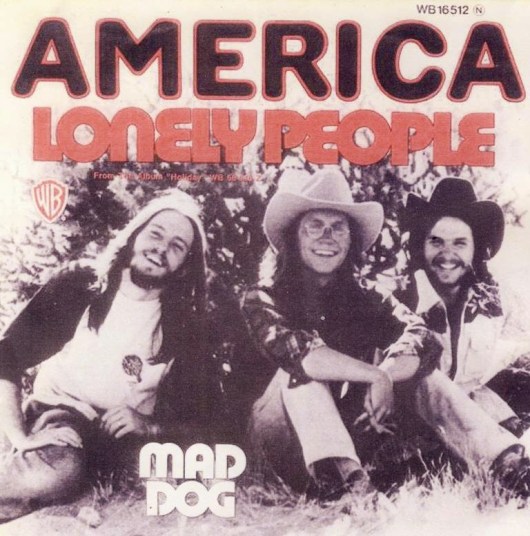
America – Lonely People

Dan Peek

From Wikipedia, the free encyclopedia
Dan Peek
Dan Peek on TopPop 1972.png

Peek performs on the AVRO show TopPop in 1972.
Background information
Birth name Daniel Milton Peek
Born November 1, 1950
Panama City, Florida
Died July 24, 2011 (aged 60)
Farmington, Missouri
Genres Folk rock, soft rock, country rock, contemporary Christian
Instruments Vocals, guitars, bass, keyboards, harmonica
Years active 1969-2011
Labels Warner Bros., Lamb & Lion
Associated acts America
Website danpeek.com

Daniel MiltonDanPeek (November 1, 1950 – July 24, 2011)[1] was a musician best known as a member of the folk rock band America from 1970 to 1977, together with Gerry Beckleyand Dewey Bunnell. He was also a “pioneer in contemporary Christian music“.[2][3]

Biography[edit]

Peek was born in Panama City, Florida[1] on November 1, 1950 while his father was in the U.S. Air Force.

When Peek was a young boy, he suffered from rheumatoid arthritis and had to be hospitalized for weeks 100 miles (160 km) away from the family home; his parents could only visit occasionally. Peek remembered this experience when, about a year before he died, he decided to dispose of five of his vintage guitars. Because the Ronald McDonald Houses exist to provide housing for families of hospitalized children close to hospitals around the United States and the world, Peek donated these five guitars to the San Diego house, which were subsequently sold to a collector, resulting in a $50,000 donation.[4]

Peek moved to England in 1963 with his family when his father was assigned to a base in London, meeting Dewey Bunnell and Gerry Beckley at London Central High School.[3]

Beginning in 1963, Peek was educated at London Central Elementary High School at Bushey Hall in North London. In 1973 he married Catherine Maberry,[5] with whom he would write a number of songs, including “Lonely People“.[6] He published an autobiography entitled An American Band, based on America’s most successful period, and his own spiritual journey.[7]

America[edit]

Peek contributed lead and backing vocals, guitars, bass, keyboards, and harmonica to their recordings during his tenure in the band. As a member of America, Peek wrote or co-wrote four Top 100 singles: “Don’t Cross the River” (No. 35), “Lonely People” (No. 5), “Woman Tonight” (No. 44), and “Today’s the Day” (No. 23), all of which he also sang lead on. “Lonely People” and “Today’s the Day” also hit No. 1 on the Billboard AC charts.[5]

Peek abused alcohol and other drugs during this period. In 2004 he released an autobiography about that era entitled An American Band: The America Story which was very difficult for him to write because of the bad memories it brought up.[1]

Contemporary Christian music[edit]

Peek left the band shortly after the February 1977 release of the Harbor album. Years of life on the road had taken a toll on him.[7] He renewed his Christian faith and had begun to seek a different artistic direction than Beckley or Bunnell. He went on to sign with Pat Boone‘s Lamb & Lion Records[7] and found modest success as a pioneering artist in the emerging Christianpop music genre.

Peek’s debut solo album, All Things Are Possible was released in 1979. Chris Christian co-wrote, produced, and contributed acoustic guitar and backing vocals on the album. The title track reached the Billboard charts, making the Top 10 in the A/C Billboard chart and number 1 in the Christian charts, becoming one of the earliest contemporary Christian music crossover hits. Another song on the album, “Love Was Just Another Word”, was recorded in Los Angeles and written by Chris Christian and Steve Kipner. Gerry Beckley and Dewey Bunnell contributed the background vocals. This was the last time the three original members of America recorded together.[citation needed] At the22nd Grammy Awards, the album was nominated,[2] losing in the Contemporary Gospel category to The Imperials album Heed the Call. Peek followed All Things Are Possible with Doer of the Word, which hit number 2 in the Christian charts. Gerry Beckley contributed background vocals, which were recorded at Chris Christian’s studio in Los Angeles while Peek was there.[8]

Peek waited five years before releasing a second solo album, 1984’s Doer of the Word. 1986 saw the release of his Electrovoice album, again to the CCM market, which included a remake of “Lonely People”, featuring a very similar lead vocal treatment and overall arrangement to the original America version. He changed some of the song’s lyrics to reflect his Christian faith,[citation needed] for example, the lines “And ride that highway in the sky” and “You never know until you try” became “And give your heart to Jesus Christ”.

Peek spent much of the 1990s in semi-retirement, occasionally recording music at his home in Bodden Town, Grand Cayman Island.[7] He released several solo projects and collaborated with Ken Marvin and Brian Gentry as “Peace” on three albums. In the years before his death, Peek released music via his website. His last musical collaboration was performing lead vocal on a track on the 2011 album Steps on the Water by Etcetera.

Death[edit]

Peek died in his sleep of fibrinous pericarditis on July 24, 2011, at age 60 at his home in Farmington, Missouri.[1][9] His interment was in Farmington’s Zolman Cemetery.

Discography[edit]

Table Key:
CCM – Contemporary Christian Music Chart
BB – Billboard Pop Singles Chart
AC – Billboard Adult Contemporary Chart
CB – Cash Box Singles Chart

Year Title
Album ————————– Single
CCM BB[10] AC[10] CB[11] Comments
1979 All Things Are Possible (album) Produced by Chris Christian
1979 “All Things Are Possible” 1 78 6 95 13 weeks at number 1. Nominated for a Grammy award.
1980 “Ready for Love” 7 Canadian Adult Contemporary Chart
1981 “Divine Lady” 23
1979 On This Christmas Night Various artists
1979 “The Star” Produced by Chris Christian
1984 Doer of the Word (album) Produced by Chris Christian
1984 “Doer of the Word” 2 Backing vocal by Gerry Beckley
1985 “Power and Glory”
1986 Electro Voice (album)
1986 “Lonely People” 2 Remake of Peek’s 1975 hit with America
1986 “Electro Voice” 7
1986 Christmas Greetings Various artists
1986 “Sleep Baby Jesus”
1987 Cross Over (album)
1987 “Cross Over” 13
1988 Best of Dan Peek Compilation
1989 Light of the World[12] With Marvin and Gentry
1997 Peace Peace with Marvin and Gentry
1998 “Summer Rain” Peace with Marvin and Gentry
1999 Bodden Town
2000 Under the Mercy Peace with Marvin and Gentry
2000 “On Wings of Eagles”
2000 Caribbean Christmas Instrumental
2001 Driftin’
2002 Guitar Man
2006 Guitar Man II Digital Internet release
2007 All American Boy Digital Internet release
2012 Greatest Hits Digital Internet release – Compilation
2012 Christian Artists Series: Dan Peek, Vol. 1 Digital Internet release – Compilation
2012 Christian Artists Series: Dan Peek, Vol. 2 Digital Internet release – Compilation
2012 Christian Artists Series: Dan Peek & Friends Digital Internet release – Compilation with Various Artists
2012 Christmas With Dan Peek and Friends Digital Internet release – Compilation with Various Artists

References[edit]

  1. ^ Jump up to:a b c d Lewis, Randy (27 July 2011). “Dan Peek dies at 60; founding member of the band America”. LA Times. Retrieved 27 July 2011.
  2. ^ Jump up to:a b “America singer Dan Peek dies aged 60”. BBC News. July 27, 2011. Retrieved 2011-07-27.
  3. ^ Jump up to:a b “Dan Peek, Co-Founder of America, Dead at 60”. Billboard magazine. July 26, 2011. Retrieved 2012-10-10. Peek was born in Panama City, Fla., to a U.S. Air Force officer father. He moved to England in 1963 when his father was assigned to a base there, meeting Bunnell and Beckley at London Central High School. Peek and Beckley played in a band called The Days, and after Peek left to attend Old Dominion University in Virginia, Bunnell took his place.
  4. Jump up^ “A first for Navy ship: Baby born on board”. The San Diego Union-Tribune. Retrieved 16 September 2015.
  5. ^ Jump up to:a b Margalit Fox (July 26, 2011). “Dan Peek, of the Rock Band America, Dies at 60”. New York Times. Dan Peek, an original member of the rock band America who later forsook the group for a life in Christian music, died on Sunday at his home in Farmington, Mo. He was 60. …
  6. Jump up^ “Lonely People” compositional info, ASCAP. Retrieved August 31, 2011.
  7. ^ Jump up to:a b c d “Dan Peek”. London: Telegraph. July 27, 2011. Retrieved 2011-07-28.
  8. Jump up^ Dan Peek recording Doer of the Word with Gerry Beckley and Chris Christian in LA on YouTube.
  9. Jump up^ Tijs, Andrew (2011-07-26). “Dan Peek of America Dies at 60 – Undercover.fm News”. Undercover.fm. Retrieved 2012-05-01.
  10. ^ Jump up to:a b “– US Billboard Music Charts”. Billboard.com. Retrieved 2011-07-27.
  11. Jump up^ “US Cash Box Charts”. CashBoxMagazine.com. Retrieved 2011-07-27.
  12. Jump up^ “Marvin & Gentry with Dan Peek – Light of the World – Amazon.com Music”. amazon.com. Retrieved 16 September 2015.

External links[edit]

______________

__

Francis and Edith Schaeffer pictured below:

___

Dan and Catherine Peek wedding day

___

Francis Schaeffer

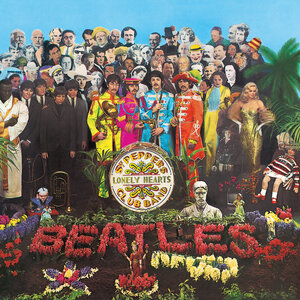
Sergeant Pepper’s Lonely Hearts Club Band

__

May 2, 2016

Paul McCartney

Dear Paul,

I so enjoyed the concert April 30th in Little Rock and you played one of my favorite Beatles songs ELEANOR RIGBY because it takes a long hard look at the loneliness felt by so many people in the world today. Another band also captured that same feel in one of their songs and it happened to be produced by your old friend GEORGE MARTIN who you also took time to recognize at the concert. The song is LONELY PEOPLE by the band AMERICA and it was written by Dan and Catherine Peek. Let’s take a look first at the lyrics of ELEANOR RIGBY:

Ah look at all the lonely people
Eleanor Rigby, picks up the rice
In the church where a wedding has been
Lives in a dream
Waits at the window, wearing the face
That she keeps in a jar by the door
Who is it for
All the lonely people
Where do they all come from?
All the lonely people
Where do they all belong?
Father McKenzie, writing the words
Of a sermon that no one will hear
No one comes near
Look at him working, darning his socks
In the night when there’s nobody there
What does he care
All the lonely people
Where do they all come from?
All the lonely people
Where do they all belong?
Ah look at all the lonely people
___
Now let’s examine the second to last sentence in the song: WHERE DO THEY ALL BELONG? What did the Beatles find the answer to that question was after all their searching in the 1960’s? Here is Francis Schaeffer’s analysis of the Beatles search:
This record,  Sergeant Pepper’s Lonely Hearts Club Band, became the rallying cry for young people throughout the world. It expressed the essence of their lives, thoughts and their feelings. 

Later came psychedelic rock, an attempt to find this experience without drugs. The younger people and the older ones tried drug taking but then turned to the eastern religions. Both drugs and the eastern religions seek truth inside one’s own head, a negation of reason. The central reason of the popularity of eastern religions in the west is a hope for a nonrational meaning to life and values….

Then the Beatles gradually came home. The last thing we find them doing is the YELLOW SUBMARINE. I sure a lot of parents thought this is much better than the old hard rock, but I thought it was a very sad thing because it really wasn’t a children’s story at all, but what it was in fact was a romantic statement and the fact is that is all there is. Just the same as [Ingmar] Bergman after he makes the movie SILENCE [1963] then he makes a comedy [ALL THESE WOMEN in 1964]. It is the same as Picasso when he pictures his child as a clown [Paul in a Clown Suit, 1924]. So we find the Beatles making the YELLOW SUBMARINE, but there is something more to it than this because Erich Segal made his reputation by writing the script for the movie version of YELLOW SUBMARINE and then he went on and wrote LOVE STORY. So what we have done is we have come around in a big circle. There was the destruction of the romantic. Students in the 1960’s said we are tired of the romantic of giving us optimistic statements with no sufficient base.

So the Beatles destroyed that and then they went through these various trips into non-reason but when they came out they had nothing left but the romantic. This is the tragedy of the young people starting with Berkeley in 1964. How right they were in saying we have largely a plastic culture.    This is something the church should have been saying. These students said give us reality. Then the students tried those trips and they weren’t trips based on reality but they were separated from reason. It was trying to find answers in one’s own head whether it was the drug  trip or the Eastern Religion trip. Then they came around in a big circle and what do we find–we end up with Segal’s LOVE STORY, just the romantic thing as one can imagine but with no adequate base at all, yet giving us a lovely romantic answer, which just like the YELLOW SUBMARINE is very, very sad because the Beatles and young people WERE GIVING UP THE SEARCH and just accepting something like this. 

Now let’s turn to the song LONELY PEOPLE by the band AMERICA but let’s look at the later Christian version of the song written by  Dan and Catherine Peek and they were the original writers of the original song. However, the original song did not have the answer to loneliness in it, but they found the answers to the big questions in life when they found Christ. Here is that Christian version of the song:

This is for all the lonely people
Thinkin’ that life has passed them by
Don’t give up until you drink from the silver cup
And give your heart to Jesus Christ

This is for all the single people
Thinkin’ that love has left them dry
Don’t give up until you drink from the silver cup
And give your heart to Jesus Christ

Well, He’s on his way
He’s coming back someday
He’s coming back to take us home

This is for all the lonely people
Thinkin’ that life has passed them by
Don’t give up until you drink from the silver cup
He’ll never take you down or He’ll never give you up
But you’ll never know until you try

Actually the answer to find meaning in life is found in putting your faith and trust in Jesus Christ. The Bible is true from cover to cover and can be trusted. Here are some of the posts I have done in the past on the subject and if you like you could just google these subjects: 1. The Babylonian Chronicleof Nebuchadnezzars Siege of Jerusalem, 2. Hezekiah’s Siloam Tunnel Inscription.13. The Pilate Inscription14. Caiaphas Ossuary14 B Pontius Pilate Part 214c. Three greatest American Archaeologists moved to accept Bible’s accuracy through archaeology.

Dan Peek, of the Rock Band America, Dies at 60

“We wanted to set ourselves apart and not be seen as English guys trying to do American music, but instead accentuate that we were an American band,” Mr. Peek told The Jerusalem Post last year.

The group’s self-titled debut album was released in Britain in 1971 and in the United States by Warner Brothers the next year.

The band won a Grammy Award in 1973 as best new artist. A string of successful albums followed, including “Homecoming,” “Holiday,” “Hearts” and “Hideaway.” Many were produced by George Martin, who produced many of the Beatles’ records.

As Mr. Peek later recalled, those early years passed in a blur of airplanes and limousines, wealth, drugs and alcohol.

“Sex, drugs and rock ’n’ roll; it was the whole cornucopia of fleshly material,” he said in an interview with the Christian Broadcasting Network show “The 700 Club.” “I tried everything. I tasted every possible thing. I had a spiritual compass, but I abandoned it completely.”

In 1977, distraught at the turn his life had taken, Mr. Peek became a born-again Christian. He renounced drugs and alcohol and left the band. He signed with Lamb & Lion Records, a label founded by Pat Boone, for which he recorded “All Things Are Possible.” His other albums of religious music include “Electro Voice,” “Cross Over” and “Caribbean Christmas.” (Mr. Peek and his wife lived in the Cayman Islands for many years.)

Sincerely,

Everette Hatcher, everettehatcher@gmail.com, http://www.thedailyhatch.org, cell ph 501-920-5733, Box 23416, LittleRock, AR 72221

Remembering Dan Peek of AMERICA – Lonely People (Christian version)

Lonely People

From Wikipedia, the free encyclopedia
For the EP by Orla Gartland, see Lonely People (EP).
“Lonely People”
Single by America
from the album Holiday
B-side “Mad Dog”
Released November 27, 1974
Genre Pop Rock
Length 2:27
Label Warner Bros. 8048
Writer(s) Dan Peek, Catherine Peek
Producer(s) George Martin
America singles chronology
Tin Man
(1974)
Lonely People
(1974)
Sister Golden Hair
(1975)

Lonely People” is a song written by the husband-and-wife team of Dan and Catherine Peek and recorded by America.

Background[edit]

“Lonely People” was the second single release from America’s 1974 album Holiday. “Lonely People” reached number five on the Billboard Hot 100,[1] Dan Peek’s only credited song to reach that chart’s top 10,[2] and was America’s second number one on the Easy Listening chart, where it stayed for one week in February 1975.[3]

“Lonely People” was not automatically earmarked for the Holiday album: Peek unsuccessfully submitted a demo of the song for John Sebastian to consider recording.[4]

“Lonely People” was written as an optimistic response to the Beatles‘ song “Eleanor Rigby“. Peek considered “Eleanor Rigby” an “overwhelming” “picture…of the masses of lost humanity, drowning in grey oblivion” and would recall being “lacerated” on first hearing the lyrics of its chorus which run “All the lonely people: where do they all come from…where do they all belong”.[4] “Lonely People” was written within a few weeks of Peek’s 1973 marriage to Catherine Mayberry: Peek- “I always felt like a melancholy, lonely person. And now [upon getting married] I felt like I’d won.”[5] The lyrics of “Lonely People” advise “all the lonely people”: “Don’t give up until you drink from the silver cup”, a metaphor which Peek thus explains: “It’s possible to drink from another’s well of experience…and be refreshed.”[4]

Dan Peek would recall that in his post-America solo career he would utilize “Lonely People” to close his concerts, introducing the song “with words to the effect” “that Jesus is the answer to loneliness”. On the advice of a fan Peek began amending the actual lyrics of the song to convey this pro-Christian message and Peek recorded a lyrically revised version of “Lonely People” for his 1986 album Electro Voice. This revised version amended the original lyrics “And ride that highway in the sky” and “You never know until you try” to “And give your heart to Jesus Christ.”[6]

Charts[edit]

Chart (1974) Peak
position
US Billboard Easy Listening 1
US Billboard Hot 100 5
US Cash Box Singles Chart 10
US Record World Singles Chart 9
US Radio & Records Singles Chart 12

Other versions[edit]

Jars of Clay remade “Lonely People” for their 2003 album Who We Are Instead. Their version was featured on The WB TV series Everwood and was on the 2004 Everwood soundtrack album.

See also[edit]

References[edit]

  1. Jump up^ America, “Lonely People” Chart Positions Retrieved March 30, 2015
  2. Jump up^ Chart Positions for Dan Peek songs Retrieved March 30, 2015
  3. Jump up^ Whitburn, Joel (2002). Top Adult Contemporary: 1961-2001. Record Research. p. 20.
  4. ^ Jump up to:a b c Peak, Dan (2004). An American Band: the America Story. Xulon Press. ISBN 1-594679-29-0.
  5. Jump up^ “America Founding Guitarist Dan Peek Dies”. The Morton Report. Retrieved March 7, 2014.
  6. Jump up^ “Dan Peek Discusses His Latest Album Electro Voice”. Billboard (The Morton Report) (vol 98 #32 (August 9, 1986)).

External links[edit]

Related posts:

MUSIC MONDAY The song LITTLE ONE sung by Rebecca St. James in the film SARAH’S CHOICE

Little One – From the Film, “Sarah’s Choice” Rebecca St James on faith and values – theDove.us Sarah’s Choice Trailer Sarah’s Choice – Behind the Scenes Rebecca St. James on Sarah’s Choice – CBN.com Rebecca St James Interview on Real Videos Sarah’s Choice – The Proposal Sarahs Choice Pregnancy Test Sarahs Choice Crossroad Sarah’s Choice […]

MUSIC MONDAY Rebecca St James

Lion – Rebecca St. James I will praise You – Rebecca St James Rebecca St James 1995 TBN – Everything I Do Rebecca St. James & Rachel Scott “Blessed Be Your Name” Rebecca St. James From Wikipedia, the free encyclopedia Rebecca St. James St. James in 2007 Background information Birth name Rebecca Jean Smallbone Also […]

MUSIC MONDAY “Foster the People” Cubbie Fink married to Rebecca St. James who is one of my favorite Christian singers!!!

Foster The People – Pumped up Kicks Foster the People From Wikipedia, the free encyclopedia Foster the People Foster the People at the 2011 MuchMusic Video Awards, from left to right: Pontius, Foster, and Fink Background information Origin Los Angeles, California, U.S. Genres Indie pop alternative rock indietronica alternative dance neo-psychedelia[1] Years active 2009–present Labels […]

MUSIC MONDAY ‘Apple gave me advice’: Coldplay’s Chris Martin turned to 11-year-old daughter for words of wisdom ahead of Superbowl 50 By DAILYMAIL.COM REPORTER PUBLISHED: 00:58 EST, 2 February 2016

‘Apple gave me advice’: Coldplay’s Chris Martin turned to 11-year-old daughter for words of wisdom ahead of Superbowl 50 By DAILYMAIL.COM REPORTER PUBLISHED: 00:58 EST, 2 February 2016 | UPDATED: 17:20 EST, 2 February 2016 n Facebook They’ve sold 80 million records and been around for 20 years. But Coldplay’s lead singer Chris Martin, 38, […]

MUSIC MONDAY Chris Martin, Lead Singer of Coldplay: 5 Fast Facts You Need to Know Published 3:44 pm EDT, February 7, 2016

__________ Chris Martin, Lead Singer of Coldplay: 5 Fast Facts You Need to Know Published 3:44 pm EDT, February 7, 2016 Updated 3:44 pm EDT, February 7, 2016 Comment By Lauren Weigle 17.6k (Getty) Chris Martin has been the front-man of the band Coldplay for about 20 years, though the band changed its name a […]

MUSIC MONDAY Christian Rock Pioneer Larry Norman’s Songs Part 14

Christian Rock Pioneer Larry Norman’s Songs Part 14 I posted a lot in the past about my favorite Christian musicians such as Keith Green (I enjoyed reading Green’s monthly publications too), and 2nd Chapter of Acts and others. Today I wanted to talk about one of Larry Norman’s songs. David Rogers introduced me to Larry […]

MUSIC MONDAY Christian Rock Pioneer Larry Norman’s Songs Part 13

Christian Rock Pioneer Larry Norman’s Songs Part 13 I posted a lot in the past about my favorite Christian musicians such as Keith Green (I enjoyed reading Green’s monthly publications too), and 2nd Chapter of Acts and others. Today I wanted to talk about one of Larry Norman’s songs. David Rogers introduced me to Larry […]

MUSIC MONDAY Christian Rock Pioneer Larry Norman’s Songs Part 12

Christian Rock Pioneer Larry Norman’s Songs Part 12 I posted a lot in the past about my favorite Christian musicians such as Keith Green (I enjoyed reading Green’s monthly publications too), and 2nd Chapter of Acts and others. Today I wanted to talk about one of Larry Norman’s songs. David Rogers introduced me to Larry […]

MUSIC MONDAY Christian Rock Pioneer Larry Norman’s Songs Part 11

Christian Rock Pioneer Larry Norman’s Songs Part 11 I posted a lot in the past about my favorite Christian musicians such as Keith Green (I enjoyed reading Green’s monthly publications too), and 2nd Chapter of Acts and others. Today I wanted to talk about one of Larry Norman’s songs. David Rogers introduced me to Larry […]

MUSIC MONDAY Christian Rock Pioneer Larry Norman’s Songs Part 10 more on Album “Only Visiting This Planet”

Christian Rock Pioneer Larry Norman’s Songs Part 10 more on Album “Only Visiting This Planet” I posted a lot in the past about my favorite Christian musicians such as Keith Green (I enjoyed reading Green’s monthly publications too), and 2nd Chapter of Acts and others. Today I wanted to talk about one of Larry Norman’s […]

RESPONDING TO HARRY KROTO’S BRILLIANT RENOWNED ACADEMICS!! Chris Hann, Social Anthropologist, “I find extremely interesting but I can’t identify with any of it (religion and spirituality) myself”

On November 21, 2014 I received a letter from Nobel Laureate Harry Kroto and it said:

…Please click on this URL http://vimeo.com/26991975

and you will hear what far smarter people than I have to say on this matter. I agree with them.

Harry Kroto

I have attempted to respond to all of Dr. Kroto’s friends arguments and I have posted my responses one per week for over a year now. Here are some of my earlier posts:

Arif Ahmed, Sir David AttenboroughMark Balaguer, Horace Barlow, Michael BatePatricia ChurchlandAaron CiechanoverNoam Chomsky,Alan DershowitzHubert Dreyfus, Bart Ehrman, Stephan FeuchtwangDavid Friend,  Riccardo GiacconiIvar Giaever , Roy GlauberRebecca GoldsteinDavid J. Gross,  Brian Greene, Susan GreenfieldStephen F Gudeman,  Alan Guth, Jonathan HaidtTheodor W. Hänsch, Brian Harrison,  Hermann HauserRoald Hoffmann,  Bruce HoodHerbert Huppert,  Gareth Stedman Jones, Steve JonesShelly KaganMichio Kaku,  Stuart Kauffman,  Lawrence KraussHarry Kroto, George LakoffElizabeth Loftus,  Alan MacfarlanePeter MillicanMarvin MinskyLeonard Mlodinow,  Yujin NagasawaAlva NoeDouglas Osheroff,  Jonathan Parry,  Saul PerlmutterHerman Philipse,  Carolyn PorcoRobert M. PriceLisa RandallLord Martin Rees,  Oliver Sacks, John SearleMarcus du SautoySimon SchafferJ. L. Schellenberg,   Lee Silver Peter Singer,  Walter Sinnott-ArmstrongRonald de Sousa, Victor StengerBarry Supple,   Leonard Susskind, Raymond TallisNeil deGrasse Tyson,  .Alexander Vilenkin, Sir John WalkerFrank WilczekSteven Weinberg, and  Lewis Wolpert,

profile image for Prof Chris HannChris Hann (born in Cardiff in 1953) was Professor of Social Anthropology at the University of Kent between 1992 and 1999, when he was appointed as one of two founding Directors of the Max Planck Institute for Social Anthropology at Halle/Saale, Germany.He had previously taught anthropology at Cambridge University and had close links with UKC staff even before coming to Kent, especially with Paul Stirling, the first Professor of Sociology and Anthropology, who pioneered the anthropological study of modern Turkey. In addition to his own fieldwork in Anatolia, Hann has worked among Turkic speakers in Central Asia (Xinjiang, North-West China). Earlier projects took him to Hungary and Poland when these countries were still socialist. At the Max Planck Institute he heads a department which specializes in investigations of the postsocialist countries of the former Soviet bloc, and also of those East Asian countries which still describe themselves as socialist. Recent themes have included rural decollectivization, religion after communism, and the transformation of social security and kinship relations in the decentralized economies of “reform socialism”.Hann is an Editor of the European Journal of Sociology, a Fellow of the Berlin-Brandenburg Academy of Sciences, and Honorary Professor at the Martin Luther University, Halle-Wittenberg, and at the University of Leipzig.Professor Hann continues to collaborate with School of Anthropology and Conservation colleagues, particularly Dr Glenn Bowman.

In  the second video below in the 96th clip in this series are his words and  my response is below them. 

50 Renowned Academics Speaking About God (Part 1)

Another 50 Renowned Academics Speaking About God (Part 2)

A Further 50 Renowned Academics Speaking About God (Part 3)

Below is my letter responding to Dr. Hann’s quotation:

________

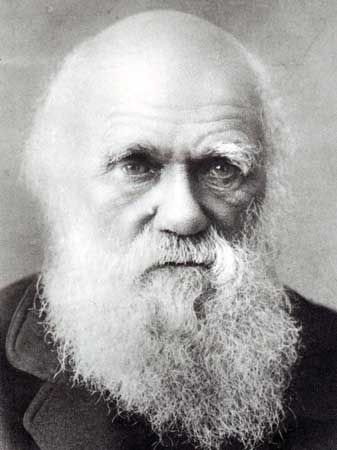
Charles Darwin

Francis and Edith Schaeffer

Rock Band KANSAS

July 8, 2016


Dear Dr. Hahn,

Let me start off by saying that this is not the first time that I have written you. Last time I talked also about Charles Darwin but today I want to directly respond to a quote you made. I think you have exaggerated  if you truly think that you CAN’T IDENTIFY WITH belief in God. Charles Darwin  also struggled with the same issue.

I just finished reading the online addition of the book Darwin, Francis ed. 1892. Charles Darwin: his life told in an autobiographical chapter, and in a selected series of his published letters [abridged edition]. London: John Murray. There are several points that Charles Darwin makes in this book that were very wise, honest, logical, shocking and some that were not so wise. The Christian Philosopher Francis Schaeffer once said of Darwin’s writings, “Darwin in his autobiography and in his letters showed that all through his life he never really came to a quietness concerning the possibility that chance really explained the situation of the biological world. You will find there is much material on this [from Darwin] extended over many many years that constantly he was wrestling with this problem.”

Quote from you:

If I take religion seriously nowadays as I do leading a number of recent projects at this institute, it is very much as social scientist interested in what holds the communities together and also in some sense in the spiritual commitments that human beings are capable of, all of that I find extremely interesting but I can’t identify with any of it myself.

Now this quote is why I thought of you when I read the words of Charles Darwin. You talk about the culture where you come from and how hardly anyone believes in God, but that is not the way it is worldwide. THERE IS AN INNER MORAL CONSCIENCE IN EVERY PERSON THAT POINTS THEM TO GOD AND EVERYONE ACTS ON MORAL MOTIONS.

When I read the book  Charles Darwin: his life told in an autobiographical chapter, and in a selected series of his published letters, I also read  a commentary on it by Francis Schaeffer and I wanted to both  quote some of Charles Darwin’s own words to you and then include the comments of Francis Schaeffer on those words. I have also enclosed a CD with two messages from Adrian Rogers and Bill Elliff concerning Darwinism.

The passages which here follow are extracts, somewhat abbreviated, from a part of the Autobiography, written in 1876, in which my father (Charles, this book was put together by Francis Darwin) gives the history of his religious views:—

CHARLES DARWIN’S WORDS:

But now the grandest scenes would not cause any such convictions  and feelings to rise in my mind. It may be truly said that I am like a man who has become colour-blind and the universal belief by men of the existence of redness makes my present loss of perception of not the least value as evidence. This argument would be a valid one if all men of all races had the same inward conviction of the existence of one God; but we know that this is very far from being the case. Therefore I cannot see that such inward convictions and feelings are of any weight as evidence of what really exists. The state of mind which grand scenes formerly excited in me, and which was intimately connected with a belief in God, did not essentially differ from that which is often called the sense of sublimity; and however difficult it may be to explain the genesis of this sense, it can hardly be advanced as an argument for the existence of God, any more than the powerful though vague and similar feelings excited by music.

Francis Schaeffer observed:

You notice that Darwin had already said he had lost his sense of music [appreciation]. However, he brings forth what I think is a false argument. I usually use it in the area of morality. I mention that materialistic anthropologists point out that different people have different moral [systems]  and this is perfectly true, but what the materialist anthropologist can never point out is why man has a sense of moral motion and that is the problem here. Therefore, it is perfectly true that men have different concepts of God and different concepts of moral motion, but Darwin himself is not satisfied in his own position and WHERE DO THEY [MORAL MOTIONS] COME FROM AT ALL? So you are wrestling with the same dilemma here in this reference as you do in the area of all things human. For these men it is not the distinction that raises the problem, but it is the overwhelming factor of the existence of the humanness of man, the mannishness of man. The simple fact is he saw that you are shut up to either God or chance, and he said basically “I don’t see how it could be chance” and at the same time he looks at a mountain or listens to a piece of music it is a testimony that really chance isn’t sufficient enough. So gradually with the sensitivity of his own inborn self conscience he kills it. He deliberately  kills the beauty so it doesn’t argue with his theory. Maybe I am being false to Darwin here. Who can say about Darwin’s subconscious thoughts? It seems to me though this is exactly the case. What you find is a man who can’t stand the argument of the external beauty and the mannishness of man so he just gives it up in this particular place.

_________________

Let make 2 points here. First, the Bible teaches that everyone knows in their heart that God exists because of the beauty of God’s creation and the conscience that God has planted in everyone’s heart (Romans 1).

Second, all humans have moral motions.

 Francis Schaffer in his book THE GOD WHO IS THERE addresses these same issues:

“[in Christianity] there is a sufficient basis for morals. Nobody has ever discovered a way of having real “morals” without a moral absolute. If there is no moral absolute, we are left with hedonism (doing what I like) or some form of the social contract theory (what is best for society as a a hole is right). However, neither of these alternative corresponds to the moral motions that men have. Talk to people long enough and deeply enough, and you will find that they consider some things are really right and something are really wrong. Without absolutes, morals as morals cease to exist, and humanistic mean starting from himself is unable to find the absolute he needs. But because the God of the Bible is there, real morals exist. Within this framework I can say one action is right and another wrong, without talking nonsense.” 117

Now back to my first point, concerning ROMANS CHAPTER ONE. It has been found that when atheists are asked with a polygraph machine if they believe in God and  they so “NO” the polygraph indicates they are lying. Claude Brown actually tested this with over 15,000 job applicants over a long period of time in his trucking line during the 1970’s and most of the 1980’s.   

Romans 1:18-19 (Amplified Bible) ” For God’s wrath and indignation are revealed from heaven against all ungodliness and unrighteousness of men, who in their wickedness REPRESS and HINDER the truth and make it inoperative. For that which is KNOWN about God is EVIDENT to them and MADE PLAIN IN THEIR INNER CONSCIOUSNESS, because God  has SHOWN IT TO THEM,”(emphasis mine). At the 37 minute mark on the CD that I sent you today Adrian Rogers noted, “”There is no such thing anywhere on earth as a true atheist. If a man says he doesn’t believe in God, then he is lying. God has put his moral consciousness into every man’s heart, and a man has to try to kick his conscience to death to say he doesn’t believe in God.”

ROMANS CHAPTER ONE IS RIGHT WHEN IT SAYS THAT GOD PUT THAT CONSCIENCE IN EVERYONE’S HEART THAT BEARS WITNESS THAT HE CREATED THEM FOR A PURPOSE AND THAT IS WHY THE VAST MAJORITY OF PEOPLE IN THE WORLD ARE ATTEMPTING TO SEEK OUT GOD!!!!

As a secularist you believe that it is sad indeed that millions of Christians are hoping for heaven but no heaven is waiting for them. Paul took a close look at this issue too:

I Corinthians 15 asserts:

12 But if it is preached that Christ has been raised from the dead, how can some of you say that there is no resurrection of the dead? 13 If there is no resurrection of the dead, then not even Christ has been raised. 14 And if Christ has not been raised, our preaching is useless and so is your faith. 15 More than that, we are then found to be false witnesses about God, for we have testified about God that he raised Christ from the dead. But he did not raise him if in fact the dead are not raised. 16 For if the dead are not raised, then Christ has not been raised either. 17 And if Christ has not been raised, your faith is futile; you are still in your sins. 18 Then those also who have fallen asleep in Christ are lost. 19 If only for this life we have hope in Christ, we are of all people most to be pitied.

I sent you a CD that starts off with the song DUST IN THE WIND by Kerry Livgren of the group KANSAS which was a hit song in 1978 when it rose to #6 on the charts because so many people connected with the message of the song. It included these words, “All we do, crumbles to the ground though we refuse to see, Dust in the Wind, All we are is dust in the wind, Don’t hang on, Nothing lasts forever but the Earth and Sky, It slips away, And all your money won’t another minute buy.”

Kerry Livgren himself said that he wrote the song because he saw where man was without a personal God in the picture. Solomon pointed out in the Book of Ecclesiastes that those who believe that God doesn’t exist must accept three things. FIRST, death is the end and SECOND, chance and time are the only guiding forces in this life.  FINALLY, power reigns in this life and the scales are never balanced. The Christian can  face death and also confront the world knowing that it is not determined by chance and time alone and finally there is a judge who will balance the scales.

Both Kerry Livgren and the bass player Dave Hope of Kansas became Christians eventually. Kerry Livgren first tried Eastern Religions and Dave Hope had to come out of a heavy drug addiction. I was shocked and elated to see their personal testimony on The 700 Club in 1981 and that same  interview can be seen on You Tube today. Livgren lives in Topeka, Kansas today where he teaches “Diggers,” a Sunday school class at Topeka Bible ChurchDAVE HOPE is the head of Worship, Evangelism and Outreach at Immanuel Anglican Church in Destin, Florida.

The answer to find meaning in life is found in putting your faith and trust in Jesus Christ. The Bible is true from cover to cover and can be trusted.

Thank you again for your time and I know how busy you are.

Everette Hatcher, everettehatcher@gmail.com, http://www.thedailyhatch.org, cell ph 501-920-5733, Box 23416, LittleRock, AR 72221, United States

PS: Is the Bible historically accurate? Here are some of the posts I have done in the past on the subject: 1. The Babylonian Chronicleof Nebuchadnezzars Siege of Jerusalem2. Hezekiah’s Siloam Tunnel Inscription. 3. Taylor Prism (Sennacherib Hexagonal Prism)4. Biblical Cities Attested Archaeologically. 5. The Discovery of the Hittites6.Shishak Smiting His Captives7. Moabite Stone8Black Obelisk of Shalmaneser III9A Verification of places in Gospel of John and Book of Acts., 9B Discovery of Ebla Tablets10. Cyrus Cylinder11. Puru “The lot of Yahali” 9th Century B.C.E.12. The Uzziah Tablet Inscription13. The Pilate Inscription14. Caiaphas Ossuary14 B Pontius Pilate Part 214c. Three greatest American Archaeologists moved to accept Bible’s accuracy through archaeology.


Related posts:


FRANCIS SCHAEFFER ANALYZES ART AND CULTURE PART 48 “BLOW UP” by Michelangelo Antonioni makes Philosophic Statement (Feature on artist Nancy Holt)

_______________ Francis Schaeffer pictured below: _____________________ I have included the 27 minute  episode THE AGE OF NONREASON by Francis Schaeffer. In that video Schaeffer noted,  ” Sergeant Pepper’s Lonely Hearts Club Band…for a time it became the rallying cry for young people throughout the world. It expressed the essence of their lives, thoughts and their feelings.” How Should […]

FRANCIS SCHAEFFER ANALYZES ART AND CULTURE Part 47 Woody Allen and Professor Levy and the death of “Optimistic Humanism” from the movie CRIMES AND MISDEMEANORS Plus Charles Darwin’s comments too!!! (Feature on artist Rodney Graham)

Crimes and Misdemeanors: A Discussion: Part 1 ___________________________________ Today I will answer the simple question: IS IT POSSIBLE TO BE AN OPTIMISTIC SECULAR HUMANIST THAT DOES NOT BELIEVE IN GOD OR AN AFTERLIFE? This question has been around for a long time and you can go back to the 19th century and read this same […]

FRANCIS SCHAEFFER ANALYZES ART AND CULTURE PART 46 Friedrich Nietzsche (Featured artist is Thomas Schütte)

____________________________________ Francis Schaeffer pictured below: __________ Francis Schaeffer has written extensively on art and culture spanning the last 2000years and here are some posts I have done on this subject before : Francis Schaeffer’s “How should we then live?” Video and outline of episode 10 “Final Choices” , episode 9 “The Age of Personal Peace and Affluence”, episode 8 […]

FRANCIS SCHAEFFER ANALYZES ART AND CULTURE Part 45 Woody Allen “Reason is Dead” (Feature on artists Allora & Calzadilla )

Love and Death [Woody Allen] – What if there is no God? [PL] ___________ _______________ How Should We then Live Episode 7 small (Age of Nonreason) #02 How Should We Then Live? (Promo Clip) Dr. Francis Schaeffer 10 Worldview and Truth Two Minute Warning: How Then Should We Live?: Francis Schaeffer at 100 Francis Schaeffer […]

FRANCIS SCHAEFFER ANALYZES ART AND CULTURE Part 44 The Book of Genesis (Featured artist is Trey McCarley )

___________________________________ Francis Schaeffer pictured below: ____________________________ Francis Schaeffer “BASIS FOR HUMAN DIGNITY” Whatever…HTTHR Dr. Francis schaeffer – The flow of Materialism(from Part 4 of Whatever happened to human race?) Dr. Francis Schaeffer – The Biblical flow of Truth & History (intro) Francis Schaeffer – The Biblical Flow of History & Truth (1) Dr. Francis Schaeffer […]

RESPONDING TO HARRY KROTO’S BRILLIANT RENOWNED ACADEMICS!! Michael Mann, UCLA Anthropologist, “My mother was a very loving, warm person who I remember her getting extremely unhappy when I told her at the age of 13 I was an atheist but she was the core of the family”

RESPONDING TO HARRY KROTO’S BRILLIANT RENOWNED ACADEMICS!! Michael Mann, UCLA Anthropologist, “My mother was a very loving, warm person who I remember her getting extremely unhappy when I told her at the age of 13 I was an atheist but she was the core of the family”


Continue reading

‘Café Society’: Designing 1930s Hollywood for Woody Allen The new film, with Jesse Eisenberg and Kristen Stewart, is full of lavish set designs By DON STEINBERG Updated July 6, 2016 7:11 p.m. ET

CAFE SOCIETY – Red Carpet – EV – Cannes 2016

‘Café Society’: Designing 1930s Hollywood for Woody Allen

The new film, with Jesse Eisenberg and Kristen Stewart, is full of lavish set designs


By DON STEINBERG
Updated July 6, 2016 7:11 p.m. ET
3 COMMENTS
Re-creating opulent 1930s Hollywood and post-Prohibition New York for Woody Allen’s new film, “Cafe Society,” Santo Loquasto found himself in comfortable territory. He’s been helping Mr. Allen depict bygone days on screen for more than three decades.

The movie, which opens on July 15, received mixed reviews when it premiered at the Cannes Film Festival in May. But critics raved about the scenery; Variety praised the “lusciously visualized period-Tinseltown backdrop,” calling it an “art deco daydream.”

Corey Stoll and Saul Stein in Woody Allen’s ‘Café Society’
Corey Stoll and Saul Stein in Woody Allen’s ‘Café Society’ PHOTO: \LIONS GATE/EVERETT COLLECTION
With 29 Allen films in his portfolio, the 71-year-old Mr. Loquasto started out doing costumes; he began to act as production designer in the late 1980s for such voyages to yesteryear as “Radio Days” and “Bullets Over Broadway,” which earned Mr. Loquasto Oscar nominations. He has done plenty of contemporary films for Mr. Allen and other directors, including Penny Marshall’s “Big.” He also worked on Broadway shows, including “Glengarry Glen Ross” and the current musical “Shuffle Along.”

–– ADVERTISEMENT ––

The big difference here is Mr. Allen’s return to celebrate Los Angeles, a town he’s had a reputation for putting down ever since his character in 1977 “Annie Hall” griped: “I don’t want to live in a city where the only cultural advantage is that you can make a right turn on a red light.” And: “I don’t respond well to mellow. If I get too mellow, I ripen and then rot.”

In truth, Mr. Allen doesn’t hate L.A. so much as he prefers to sleep at home in New York. Though the vintage Hollywood scenes look lavish, the production didn’t linger on the West Coast and used some New York set-ups to pose as L.A.
“We really shot less than a week in Los Angeles—over a weekend,” Mr. Loquasto says. That was largely a budget issue. “Comparable to period movies other people make, there’s no budget.”

Santo Loquasto, the production designer of Woody Allen’s ‘Cafe Society.’ ‘He never has savored the shots,’ Mr. Loquasto says of Mr. Allen. ‘He doesn’t really luxuriate if the joke doesn’t work.’
Santo Loquasto, the production designer of Woody Allen’s ‘Cafe Society.’ ‘He never has savored the shots,’ Mr. Loquasto says of Mr. Allen. ‘He doesn’t really luxuriate if the joke doesn’t work.’ PHOTO: LIONSGATE
The movie is about a polite and only slightly neurotic young man, Bobby Dorfman ( Jesse Eisenberg), who leaves his Bronx parents for Hollywood, where he works for his uncle, a wealthy agent ( Steve Carell), and falls in love with the agent’s assistant ( Kristen Stewart), causing some awkwardness. He retreats to New York to open a nightclub with his gangster brother ( Corey Stoll), and complications arise. The plot shares its basics with “A Second Hand Memory,” a melancholic 2004 play by Mr. Allen. Mr. Loquasto designed those sets.

There are dozens of showy shots of sunbathed L.A. exteriors and art-deco interiors—mansions, nightclubs, other hangouts. Mr. Allen doesn’t include a lot of scenery description in his screenplays, Mr. Loquasto says. “You have to draw out the information often. It’s far more conversational than you’d ever imagine. I’ll show him photos. We’ve built models. But he doesn’t really trust drawings so much.”

Jesse Eisenberg and Kristen Stewart in ‘Cafe Society’
Jesse Eisenberg and Kristen Stewart in ‘Cafe Society’ PHOTO: LIONSGATE
The opening scene originally was going to take place inside a re-creation of the extinct Cocoanut Grove nightclub in Los Angeles, to be rebuilt in a dilapidated 1930s dance hall in the Bronx. “Really in a horrible place, but quite marvelous,” Mr. Loquasto says. It would have cost too much to restore the hall, so they switched to shoot it as a poolside party at a modernist white mansion in Santa Monica once owned by Dolores Del Rio.
“The people were so accommodating,” Mr. Loquasto says of the home’s occupants. “We just didn’t go into the house. That was the deal.”

RELATED READING

Cannes 2016: This Year’s Coming Attractions (May 11, 2016)
An Interview With Woody Allen (July 8, 2015)
Amazon’s Newest Hire: Woody Allen (Jan. 13, 2015)
How Woody Allen Sees It (June 28, 2013)
For the agent-uncle’s extravagant home, they shot inside a 1928 Spanish Colonial Revival-style villa in Los Feliz. Its owners already had restored it impeccably. “Even the light switches were 1920s buttons,” Mr. Loquasto recalls. The home was sold while they were shooting, for a reported $11 million, to Patty Hearst’s daughter Lydia and comedy/podcast impresario Chris Hardwick.
The agent’s Hollywood office actually is the ornate office of the president of the Brooklyn Library. The exterior of the hotel where Bobby stays in California was in Los Feliz, but the inside was in Forest Hills, Queens, where Mr. Loquasto correctly surmised he would find homes in a style he calls “hacienda deco—plastered walls with arches and tile floors.”

In one scene, the two young lovebirds ogle Hollywood movie-star homes from the sidewalk. They’re real mansions, and Mr. Loquasto didn’t have to alter much to get a 1930s look.

“I hid security systems mostly,” he says.

Mr. Allen and cinematographer Vittorio Storaro (whose work includes Francis Ford Coppola’s “Apocalypse Now” and several Bernardo Bertolucci classics) wanted to contrast the L.A. scenes visually with those set back in Depression-era New York. Much is achieved with color. Some L.A. scenes are drenched in amber light.

“Well, there’s always that with Woody,” Mr. Loquasto says. “Honey-dipped is what I call it.”

In New York, they shot in a rundown apartment on Riverside Drive and built a small jazz club inside Reverend Ike’s United Palace theater in Harlem. The ritzy “Les Tropiques” nightclub that Bobby and his brother run was built from scratch on a Brooklyn soundstage.

Over the years, Mr. Loquasto has come to accept that Mr. Allen likes to nail the visual details, but it’s to achieve something romantic and quirky, not art for art’s sake. In the editing room after filming is done, substance tends to beat style. Mr. Allen is always most focused on telling his story.

“He never has savored the shots,” Mr. Loquasto says. “We have our long pans, but there are scenes—we have a little jazz club where I fought to get a flashing light outside the window, for the effect in the room. And he cuts just before you get to the window! He doesn’t really luxuriate if the joke doesn’t work.”

Related posts:

Woody Allen: The Stand-Up Years 1964-1968 (Part 5)

___________ Fifty Years Ago, Woody Allen PlottedMidnight in Paris in This Stand-up Routine By Kyle Buchanan Follow @kylebuchanan 341Shares Share254Tweet70Share8EmailPrint When Woody Allen won the Best Original Screenplay Oscar this year for writing Midnight in Paris, he set a record at age 76 as the oldest person to ever triumph in that category. Turns out, […]

Woody Allen: The Stand-Up Years 1964-1968 (Part 4)

_____ _______ Woody Allen Stand Up Comic 1964 1968 09 The Science Fiction Film Woody Allen’s stand-up comedy albums reissued in new box set BY JOSH TERRY ON DECEMBER 16, 2014, 12:10PM 1 COMMENT FACEBOOK TWITTER TUMBLR STUMBLEUPON REDDIT Before Woody Allen became the prolific director responsible for such classics as Manhattan and Annie Hall, he was a […]

WOODY WEDNESDAY Woody Allen: The Stand-Up Years 1964-1968 (Part 3)

Woody Allen Stand Up Comic 1964 1968 15 Brooklyn Separating The Art From the Artist With Woody Allen: The Stand-Up Years By Samantha Allen January 20, 2015  |  11:30am Share Tweet Share In the liner notes for Woody Allen: The Stand-Up Years 1964-1968, longtime director and producer Robert B. Weide (Curb Your Enthusiasm) waxes nostalgic […]

WOODY WEDNESDAY Woody Allen’s Irrational Man: let’s take a rational look at the first film still

_ The first picture from Woody Allen’s new movie confirms that Joaquin Phoenix and Emma Stone are its stars. But what do we know about the bigger picture? Not saying much … Emma Stone and Joaquin Phoenix in Woody Allen’s Irrational Man. Photograph: PR Andrew Pulver @Andrew_Pulver Monday 13 April 2015 08.27 EDTLast modified on Monday […]

Woody Allen: The Stand-Up Years 1964-1968 (Part 2)

I love it when I find someone else who has a love for Woody Allen movies like I do. Evidently Paul Semel is person like that. Below is Paul Semel’s fine review:  Woody Allen Stand Up Comic 1964 1968 01 The Vodka Ad JANUARY 12, 2015 Woody Allen The Stand-Up Years 1964-1968 Review Given that he’s […]

Woody Allen: The Stand-Up Years 1964-1968 (Part 1)

Woody Allen Stand Up Comic 1964 1968 05 Mechanical Objects Standing Up and Floating Out Our favorite things this week include Woody Allen’s “The Stand-Up Years,” “Inherent Vice” by Thomas Pynchon not Paul Thomas Anderson, and “Saga” by Brian K. Vaughan. MILK & HONEY Email this page Posted January 14, 2015 Allen’s Stand-Up Roots: On […]

WOODY WEDNESDAY Woody Allen’s past movies and the subject of the Meaning of Life examined by Kyle Turner

____ Woody Allen’s past movies and the subject of the Meaning of Life examined!!! Out of the Past: Woody Allen, Nostalgia, the Meaning of Life, and Radio Days Kyle Turner Jul 25, 2014 Film, Twilight Time 1 Comment “I firmly believe, and I don’t say this as a criticism, that life is meaningless.” – Woody […]

WOODY WEDNESDAY Woody Allen Should Have Quoted Pascal: “Magic in the Moonlight” January 7, 2015 by Roger E. Olson 9 Comments

Woody Allen Should Have Quoted Pascal: “Magic in the Moonlight” January 7, 2015 by Roger E. Olson 9 Comments Woody Allen Should Have Quoted Pascal: “Magic in the Moonlight”   I am no Roger Ebert and don’t watch that many movies, but in my opinion, for what it’s worth, Woody Allen’s 2014 film “Magic in […]

WOODY WEDNESDAY My letter to Woody Allen’s Sister!!!!

______________ If anyone has read my blog for any length of time they know that I am the biggest Woody Allen fan of all time. No one except maybe Bergman has attacked the big questions in life as well as Woody Allen. Furthermore, Francis Schaeffer is my favorite Christian Philosopher and he spent a lot […]

Woody Allen to make first TV series for Amazon Prime

  ___________ Woody Allen to make first TV series for Amazon Prime ‘I’m not sure where to begin,’ says 79-year-old Oscar-winner about his small screen debut, as streaming TV service seeks to gain march on rivals with exclusive content Comment: in signing Woody Allen, Amazon Prime has delivered a nuclear blast to the competition Woody […]

Last interview of Jimi Hendrix

__

JIMI HENDRIX : FINAL INTERVIEW .

Uploaded on Feb 5, 2011

Jimi Hendrix being interviewed in England just seven days before his death .
September 11th 1970

Hear Jimi Hendrix’s Final Interview from September 11, 1970

Hear Jimi Hendrix's Final Interview from September 11, 1970

On September 11, 1970, NME’s Keith Allston interviewed Jimi Hendrix in England. The interview turned out to be Hendrix’s last; he died a mere seven days later — forty-three years ago today, September 18, 1970 — at age 27.

You can hear the entire 30-plus-minute interview below.

It’s well known that Hendrix was set on branching out into a new musical phase in his later years, with collaborations with Miles Davis — and even Paul McCartney, apparently — in the planning or near-planning stages.

In the interview, Hendrix is contemplative and not totally sure where he’s bound next. He’s also pretty funny, as the following exchange proves:

Do you feel personally that you have enough money to live comfortably without necessarily making more as a sort of professional entertainer?

Ah, I don’t think so, not the way I’d like to live, because like I want to get up in the morning and just roll over in my bed into an indoor swimming pool and then swim to the breakfast table, come up for air and get maybe a drink of orange juice or something like that. Then just flop over from the chair into the swimming pool, swim into the bathroom and go on and shave and whatever.

You don’t want to live just comfortably, you wanna live luxuriously?

No! Is that luxurious? I was thinking about a tent, maybe, [laughs] overhanging … overhanging this … a mountain stream! [laughs].

Related posts:

MUSIC MONDAY The song LITTLE ONE sung by Rebecca St. James in the film SARAH’S CHOICE

Little One – From the Film, “Sarah’s Choice” Rebecca St James on faith and values – theDove.us Sarah’s Choice Trailer Sarah’s Choice – Behind the Scenes Rebecca St. James on Sarah’s Choice – CBN.com Rebecca St James Interview on Real Videos Sarah’s Choice – The Proposal Sarahs Choice Pregnancy Test Sarahs Choice Crossroad Sarah’s Choice […]

MUSIC MONDAY Rebecca St James

Lion – Rebecca St. James I will praise You – Rebecca St James Rebecca St James 1995 TBN – Everything I Do Rebecca St. James & Rachel Scott “Blessed Be Your Name” Rebecca St. James From Wikipedia, the free encyclopedia Rebecca St. James St. James in 2007 Background information Birth name Rebecca Jean Smallbone Also […]

MUSIC MONDAY “Foster the People” Cubbie Fink married to Rebecca St. James who is one of my favorite Christian singers!!!

Foster The People – Pumped up Kicks Foster the People From Wikipedia, the free encyclopedia Foster the People Foster the People at the 2011 MuchMusic Video Awards, from left to right: Pontius, Foster, and Fink Background information Origin Los Angeles, California, U.S. Genres Indie pop alternative rock indietronica alternative dance neo-psychedelia[1] Years active 2009–present Labels […]

MUSIC MONDAY ‘Apple gave me advice’: Coldplay’s Chris Martin turned to 11-year-old daughter for words of wisdom ahead of Superbowl 50 By DAILYMAIL.COM REPORTER PUBLISHED: 00:58 EST, 2 February 2016

‘Apple gave me advice’: Coldplay’s Chris Martin turned to 11-year-old daughter for words of wisdom ahead of Superbowl 50 By DAILYMAIL.COM REPORTER PUBLISHED: 00:58 EST, 2 February 2016 | UPDATED: 17:20 EST, 2 February 2016 n Facebook They’ve sold 80 million records and been around for 20 years. But Coldplay’s lead singer Chris Martin, 38, […]

MUSIC MONDAY Chris Martin, Lead Singer of Coldplay: 5 Fast Facts You Need to Know Published 3:44 pm EDT, February 7, 2016

__________ Chris Martin, Lead Singer of Coldplay: 5 Fast Facts You Need to Know Published 3:44 pm EDT, February 7, 2016 Updated 3:44 pm EDT, February 7, 2016 Comment By Lauren Weigle 17.6k (Getty) Chris Martin has been the front-man of the band Coldplay for about 20 years, though the band changed its name a […]

MUSIC MONDAY Christian Rock Pioneer Larry Norman’s Songs Part 14

Christian Rock Pioneer Larry Norman’s Songs Part 14 I posted a lot in the past about my favorite Christian musicians such as Keith Green (I enjoyed reading Green’s monthly publications too), and 2nd Chapter of Acts and others. Today I wanted to talk about one of Larry Norman’s songs. David Rogers introduced me to Larry […]

MUSIC MONDAY Christian Rock Pioneer Larry Norman’s Songs Part 13

Christian Rock Pioneer Larry Norman’s Songs Part 13 I posted a lot in the past about my favorite Christian musicians such as Keith Green (I enjoyed reading Green’s monthly publications too), and 2nd Chapter of Acts and others. Today I wanted to talk about one of Larry Norman’s songs. David Rogers introduced me to Larry […]

MUSIC MONDAY Christian Rock Pioneer Larry Norman’s Songs Part 12

Christian Rock Pioneer Larry Norman’s Songs Part 12 I posted a lot in the past about my favorite Christian musicians such as Keith Green (I enjoyed reading Green’s monthly publications too), and 2nd Chapter of Acts and others. Today I wanted to talk about one of Larry Norman’s songs. David Rogers introduced me to Larry […]

MUSIC MONDAY Christian Rock Pioneer Larry Norman’s Songs Part 11

Christian Rock Pioneer Larry Norman’s Songs Part 11 I posted a lot in the past about my favorite Christian musicians such as Keith Green (I enjoyed reading Green’s monthly publications too), and 2nd Chapter of Acts and others. Today I wanted to talk about one of Larry Norman’s songs. David Rogers introduced me to Larry […]

MUSIC MONDAY Christian Rock Pioneer Larry Norman’s Songs Part 10 more on Album “Only Visiting This Planet”

Christian Rock Pioneer Larry Norman’s Songs Part 10 more on Album “Only Visiting This Planet” I posted a lot in the past about my favorite Christian musicians such as Keith Green (I enjoyed reading Green’s monthly publications too), and 2nd Chapter of Acts and others. Today I wanted to talk about one of Larry Norman’s […]

RESPONDING TO HARRY KROTO’S BRILLIANT RENOWNED ACADEMICS!! Simon Blackburn, Phil Dept Cambridge, patron of the British Humanist Association, “I think science talks about the world as we have it and religion tries to talk about what lies behind or above it”


Continue reading

Chas Chandler mentored Jimi Hendrix

__________

Chas Chandler mentored Jimi Hendrix!!!

Express, Hulton Archive, Getty Images

After leaving the Animals in mid 1966, bassist Chas Chandler turned toward a new role as producer and manager. And he struck gold on his very first try. Once Chandler heard Jimi Hendrix, he knew there was something magical there. So he brought the guitarist to England later that year, hooked him up with an aspiring pair of musicians and unleashed the trio on an unsuspecting public.

Over the next two years, Chandler would serve as Hendrix’s manager and producer, working on the Experience’s singles and first two albums. His enthusiasm fueled Hendrix during the early days, but halfway through the recording of his third album in 1968, Electric Ladyland, much had changed within the band’s framework. Hendrix and the Experience were stars, and the stress was beginning to take its toll on Chandler.

“Chas and Jimi didn’t really get on in terms of how many people Jimi wanted in the control room,” recalled engineer Eddie Kramer in an interview with Uncut. “Chas felt that he, Jimi, was playing for the audience, as opposed to for the production. I think Jimi loved all that attention, and Chas thought it was a distraction. Then they split.”

Hendirx was starting to settle into the studio, turning his musical visions into reality. He spent hours recording, which Chandler thought was wasteful. “After he left, the gate was open and Jimi could experiment,” Kramer said. “The whole album was an experimental thing.”

After leaving Hendrix, Chandler took on his next project, the band Slade, who were huge in the U.K., even though they never made much of a dent in the U.S. Chandler passed away at the age of 57 from an aneurysm in 1996.

Read More: The History of Jimi Hendrix and Chas Chandler’s Split | http://ultimateclassicrock.com/chas-chandler-leaves-jimi-hendrix/?trackback=tsmclip

The Jimi Hendrix Experience – All Along The Watchtower (Official Audio)

Published on Oct 5, 2012

Click to subscribe: http://smarturl.it/SubscribeJHVevo?IQ…

Taken from the album ‘Experience Hendrix’: http://smarturl.it/ExperienceHendrix?…

Listen to Jimi Hendrix on Spotify: http://smarturl.it/JimiHSpotify?IQid=…

Album’s from Jimi Hendrix’s:
Experience Hendrix: Click here to buy
iTunes: http://smarturl.it/JH_EHBE_iTunes?IQi…
Google Play: http://smarturl.it/JH_EHBE_GP?IQid=yt…
People, Hell and Angels: Click here to buy
Amazon: http://smarturl.it/JH_PHA_Amzn?IQid=y…
iTunes: http://smarturl.it/JH_PHA_iTunes?IQid…
Google Play: http://smarturl.it/JH_PHA_GP?IQid=ytd…
Electric Ladyland: Click here to buy:
iTunes: http://smarturl.it/JH_EL_iTunes?IQid=…
Google Play: http://smarturl.it/JH_EL_GP?IQid=ytd….
Are You Experienced: Click here to buy:
iTunes: http://smarturl.it/JH_AYE_iTunes?IQid…
Google Play: http://smarturl.it/JH_AYE_GP?IQid=ytd…

More from Jimi Hendrix:
‘Foxey Lady’ – https://www.youtube.com/watch?v=_PVjc
‘Bleeding Heart’ – https://www.youtube.com/watch?v=COsVg

Follow Jimi Hendrix:
Facebook: http://smarturl.it/JH_YD_FB?IQid=ytd….
Twitter: http://smarturl.it/JH_YD_T?IQid=ytd.j…
Website: http://www.jimihendrix.com
YouTube: http://smarturl.it/JimiVEVO?IQid=ytd….

Lyrics:

All along the watchtower
Princes kept the view
While all the women came and went
Barefoot servants too
Outside in the cold distance
A wildcat did growl
Two riders were approaching
And the wind began to howl, hey
All along the watchtower

Music video by The Jimi Hendrix Experience performing All Along The Watchtower. (C) 2009 Experience Hendrix L.L.C., underexclusive license to Sony Music Entertainment

The Animals – The House of the Rising Sun Mafia III Trailer 3

Chas Chandler

From Wikipedia, the free encyclopedia
For the Hellblazer comic series character, see Chas Chandler (comics).
Chas Chandler
Birth name Bryan James Chandler
Also known as Chas Chandler
Born 18 December 1938
Heaton, Newcastle upon Tyne, England
Died 17 July 1996 (aged 57)
Newcastle upon Tyne, England
Genres Rock, R&B, psychedelic rock
Occupation(s) Musician, producer, A&R Representative
Instruments Bass guitar and vocal
Years active 1957-1996
Associated acts The Animals, the Jimi Hendrix Experience, Soft Machine, Slade
Notable instruments
Epiphone Rivoli & Gibson EB-2

Bryan James “Chas” Chandler (18 December 1938 – 17 July 1996)[1] was an English musician, record producer and manager, best known as the original bassist in the Animals. He also managed the band Slade and Jimi Hendrix, about whom he was regularly interviewed until his death in 1996.

Contents

Early life

Chandler was born in Heaton, Newcastle upon Tyne in Northumberland U.K.[citation needed] After leaving school, he worked as a turner in the Tyneside shipyards. Having originally learned to play the guitar, he became the bass player with The Alan Price Trio in 1962.[1]

With the Animals

After Eric Burdon joined the band, the Alan Price Trio was renamed the Animals. Chandler’s bass lines were rarely given critical attention but some, including the opening riff of the group’s 1965 hit “We Gotta Get Out of This Place” subsequently received praise.[2][3] Chandler was also the most prominent of the group’s backing vocalists and did occasional songwriting with Burdon. in 1966, despite commercial success, Chandler became disillusioned with the lack of money, recalling that, “We toured non-stop for three years, doing 300 gigs a year and we hardly got a penny.”[1]

Jimi Hendrix and Slade

After the Animals underwent personnel changes in 1966, Chandler turned to becoming a talent scout, artist manager, and record producer. During his final tour with the Animals, Chandler saw a then-unknown Jimi Hendrix play in Cafe Wha?, a Greenwich Village, New York City nightclub. At the time Hendrix was performing under the name “Jimmy James.” In September, Chandler convinced James to accompany him to Britain,[3] which was made possible with the help of Michael Jeffery, who suggested that he revert to his actual name, and later suggested naming the band the Jimi Hendrix Experience. In Britain, Chandler recruited bassist Noel Redding and drummer Mitch Mitchell as the other members of the Experience. His enthusiasm fueled Hendrix during the early days, but halfway through the recording of his third album in 1968, Electric Ladyland, much had changed within the band’s framework.

Chandler was a key figure in Hendrix’s rise to critical and commercial success. Chandler provided the young musician with living accommodations and financed the Experience’s first single “Hey Joe”, before they had a recording contract.[2] He was also instrumental in introducing Hendrix to Eric Clapton. It was through this introduction that Hendrix was given the opportunity to play with Clapton and Cream on stage.[4] It was Chandler’s idea for Hendrix to set his guitar on fire, which made national news when this idea was used at a concert at the Finsbury Astoria Theatre and subsequently at the Monterey Pop festival. Hendrix’s sound engineer Eddie Kramer later recalled that Chandler was very hands on with the first two Hendrix albums, adding that “he was his mentor and I think it was very necessary.”[3]

By 1968, Chandler had become fed up with the recording sessions for Hendrix’s album Electric Ladyland, claiming they were self-indulgent. He left management services in the hands of Jeffery during the following year.[1] Chandler then managed and produced the British rock band Slade[5] for twelve years, during which they achieved six number one chart hits in the UK.

Expansion of music industry interests

Chandler bought IBC Studios which he renamed Portland Recording Studios, after the studio address of 35 Portland Place, London and ran it for four years until he sold it to Don Arden. Chandler also ran a series of record labels from the studios including Barn Records[5] and Six of the Best. He formed a music publishing agency, as well as a production company and management companies.[5]

Animals reunions

In 1977, Chandler played and recorded with the Animals during a brief reunion and he joined them again for a further revival in 1983, at which point he sold his business interests, in order to concentrate on being a musician.[5] During the early 1990s, he helped finance the development of Newcastle Arena, a ten-thousand seat sports and entertainment venue that opened in 1995.[2]

Death

Chandler died of an aortic aneurysm at Newcastle General Hospital on 17 July 1996,[6] only days after performing his final solo show. Chandler’s former home at 37 Second Avenue, Heaton is remembered with a black plaque placed on the wall by Newcastle City Council, which reads: “Chas Chandler 1938–1996. Founder member of the ‘Animals’. Manager of Jimi Hendrix & Slade. Co-founder of Newcastle Arena. Lived in this house 1938–1964.”[7]

Family

Chandler had one son Steffan, from his first marriage. He later married Madeleine Stringer, with whom he had a son, Ale, and two daughters, Elizabeth and Katherine.[citation needed]

References


  1. “Chas Chandler black plaque in Newcastle upon Tyne”. openplaques.org. 18 December 2007. Retrieved 2 March 2014.
Bibliography

External links

Related posts:

MUSIC MONDAY The song LITTLE ONE sung by Rebecca St. James in the film SARAH’S CHOICE

Little One – From the Film, “Sarah’s Choice” Rebecca St James on faith and values – theDove.us Sarah’s Choice Trailer Sarah’s Choice – Behind the Scenes Rebecca St. James on Sarah’s Choice – CBN.com Rebecca St James Interview on Real Videos Sarah’s Choice – The Proposal Sarahs Choice Pregnancy Test Sarahs Choice Crossroad Sarah’s Choice […]

MUSIC MONDAY Rebecca St James

Lion – Rebecca St. James I will praise You – Rebecca St James Rebecca St James 1995 TBN – Everything I Do Rebecca St. James & Rachel Scott “Blessed Be Your Name” Rebecca St. James From Wikipedia, the free encyclopedia Rebecca St. James St. James in 2007 Background information Birth name Rebecca Jean Smallbone Also […]

MUSIC MONDAY “Foster the People” Cubbie Fink married to Rebecca St. James who is one of my favorite Christian singers!!!

Foster The People – Pumped up Kicks Foster the People From Wikipedia, the free encyclopedia Foster the People Foster the People at the 2011 MuchMusic Video Awards, from left to right: Pontius, Foster, and Fink Background information Origin Los Angeles, California, U.S. Genres Indie pop alternative rock indietronica alternative dance neo-psychedelia[1] Years active 2009–present Labels […]

MUSIC MONDAY ‘Apple gave me advice’: Coldplay’s Chris Martin turned to 11-year-old daughter for words of wisdom ahead of Superbowl 50 By DAILYMAIL.COM REPORTER PUBLISHED: 00:58 EST, 2 February 2016

‘Apple gave me advice’: Coldplay’s Chris Martin turned to 11-year-old daughter for words of wisdom ahead of Superbowl 50 By DAILYMAIL.COM REPORTER PUBLISHED: 00:58 EST, 2 February 2016 | UPDATED: 17:20 EST, 2 February 2016 n Facebook They’ve sold 80 million records and been around for 20 years. But Coldplay’s lead singer Chris Martin, 38, […]

MUSIC MONDAY Chris Martin, Lead Singer of Coldplay: 5 Fast Facts You Need to Know Published 3:44 pm EDT, February 7, 2016

__________ Chris Martin, Lead Singer of Coldplay: 5 Fast Facts You Need to Know Published 3:44 pm EDT, February 7, 2016 Updated 3:44 pm EDT, February 7, 2016 Comment By Lauren Weigle 17.6k (Getty) Chris Martin has been the front-man of the band Coldplay for about 20 years, though the band changed its name a […]

MUSIC MONDAY Christian Rock Pioneer Larry Norman’s Songs Part 14

Christian Rock Pioneer Larry Norman’s Songs Part 14 I posted a lot in the past about my favorite Christian musicians such as Keith Green (I enjoyed reading Green’s monthly publications too), and 2nd Chapter of Acts and others. Today I wanted to talk about one of Larry Norman’s songs. David Rogers introduced me to Larry […]

MUSIC MONDAY Christian Rock Pioneer Larry Norman’s Songs Part 13

Christian Rock Pioneer Larry Norman’s Songs Part 13 I posted a lot in the past about my favorite Christian musicians such as Keith Green (I enjoyed reading Green’s monthly publications too), and 2nd Chapter of Acts and others. Today I wanted to talk about one of Larry Norman’s songs. David Rogers introduced me to Larry […]

MUSIC MONDAY Christian Rock Pioneer Larry Norman’s Songs Part 12

Christian Rock Pioneer Larry Norman’s Songs Part 12 I posted a lot in the past about my favorite Christian musicians such as Keith Green (I enjoyed reading Green’s monthly publications too), and 2nd Chapter of Acts and others. Today I wanted to talk about one of Larry Norman’s songs. David Rogers introduced me to Larry […]

MUSIC MONDAY Christian Rock Pioneer Larry Norman’s Songs Part 11

Christian Rock Pioneer Larry Norman’s Songs Part 11 I posted a lot in the past about my favorite Christian musicians such as Keith Green (I enjoyed reading Green’s monthly publications too), and 2nd Chapter of Acts and others. Today I wanted to talk about one of Larry Norman’s songs. David Rogers introduced me to Larry […]

MUSIC MONDAY Christian Rock Pioneer Larry Norman’s Songs Part 10 more on Album “Only Visiting This Planet”

Christian Rock Pioneer Larry Norman’s Songs Part 10 more on Album “Only Visiting This Planet” I posted a lot in the past about my favorite Christian musicians such as Keith Green (I enjoyed reading Green’s monthly publications too), and 2nd Chapter of Acts and others. Today I wanted to talk about one of Larry Norman’s […]

RESPONDING TO HARRY KROTO’S BRILLIANT RENOWNED ACADEMICS!! Richard Robert Ernst (born August 14, 1933) is a Swiss physical chemist and Nobel Laureate Kroto: WHEN I DIE IS THAT IT? Dr. Ernst: Of course. Kroto: THERE IS NO CREATIVE ENTITY WITH ANY INTEREST IN YOU? Dr. Ernst: No.


Continue reading

As Jeffery Sachs puts it, “Sweatshops are the first rung on the ladder out of extreme poverty” (with Milton Friedman video)

Testing Milton Friedman: Free Markets – Full Video

As Jeffery Sachs puts it, “Sweatshops are the first rung on the ladder out of  extreme poverty”.

When major changes occur, especially if they’re bad, people generally will try to understand what happened so they can avoid similar bad events in the future.

This is why, when we’re looking at major economic events, it’s critical to realize that narratives matter.

For instance, generation after generation of American students were taught that the Great Depression was the fault of capitalism run amok. But we now have lots of evidence that bad government policy caused the Great Depression and that the downturn was made more severe and longer lasting thanks to further policy mistakes by Hoover and Roosevelt.

The history textbooks are probably still wrong, but at least there’s a chance that interested students (and non-students) will come across more accurate explanations of what happened in the 1930s.

More recently, the same thing happened after the financial crisis. The statists immediately tried to convince people that the 2008 mess was a consequence of “Wall Street greed” and “deregulation.”

Fortunately, many experts were available to point out that the real problem was bad government policy, specifically easy money from the Fed and the corrupt system of subsidies from Fannie Mae and Freddie Mac.

So hopefully future history books won’t be as wrong about the financial crisis as they were about the Great Depression.

I raise these examples because I want to address another historical inaccuracy.

Let’s go back about 100 years ago to the s0-called “progressive era.” The conventional story is that this was a period when politicians reined in some of the excesses of big business. And if it wasn’t for that beneficial government intervention, we’d all still be oppressed peasants working in sweatshops.

There’s just one small problem with this narrative. It’s utter nonsense.

Let’s look specifically at the issue of sweatshops. Writing for the Independent Institute, Ben Powell looks at the history of sweatshops and whether workers were being mistreated.

He starts with a bit of history.

Sweatshops are an important stage in the process of economic development. As Jeffery Sachs puts it, “[S]weatshops are the first rung on the ladder out of  extreme poverty”. …Working conditions have been harsh and standards of living low throughout most of human history. …Prior to the Industrial Revolution,  textile production was decentralized to the homes of many rural families or artisans, and output was limited to what could be produced on the  spinning wheel and hand loom. …Yarn spinning was mechanized in 1767 with the invention of the spinning jenny, and water power was harnessed shortly  thereafter. With these inventions and steam power later, large-scale textile factories that are similar to today’s sweatshops emerged. The conditions in these  early sweatshops were worse than those in many Third World sweatshops today. In some factories, workers toiled for sixteen hours a day, six days per week.

Then he looks at what actually happened in Great Britain, which is where sweatshops began.

Yet workers flocked to the mills. …sweatshop workers…were attracted by the opportunity to earn higher wages than they could elsewhere. In fact, economist Ludwig von Mises defended the factory system of the Industrial Revolution,…writing, “The factory owners did not have the power to compel anybody to take a factory job. They could only hire people who were ready to work for the wages offered to them. Low as these wage rates were, they were nonetheless more than these paupers could earn in any other field open to them.” …Mises’s argument is supported by historical evidence. Economist Joel Mokyr reports that workers earned a wage premium of 15 to 30 percent by working in the factories compared with other alternatives. The transformation of Great Britain during this time was dramatic. As economist and historian Donald McCloskey describes it, “In the 80 years or so after 1780 the population of Britain nearly tripled, the towns of Liverpool and Manchester became gigantic cities, the average income of the population more than doubled… Peter Lindert and Jeffery  Williamson similarly find impressive gains in the standard of living between 1781 and 1851. Farm labor’s standard of living went up more than 60 percent,  blue-collar workers’ standard increased more than 86 percent, and overall workers’ standard increased more than 140 percent. Along with this increase in  the standard of living came a decrease in the share of women and children working beginning sometime between 1815 and 1820.

Ben then looks at the American experience. Once again, he finds that sweatshops allowed workers to earn more income than they could by staying on the farm.

And this was part of a process that enabled the United States to become much richer over time.

…workers flocked to the mills. At first, in the cities north of Boston it was mainly rural women and girls who left the farm to populate the early textile mills.  During the 1830s in Lowell, a woman could earn $12 to $14 a month (in 1830s dollars) and after paying $5 for room and board in a company boarding house  would have the rest left over for clothing, leisure, and savings. It wasn’t uncommon for women to return home to the farm after a year with $25 to $50 in a  bank account. This was far more money than they could have earned on the farm and often more disposable cash than their fathers had. …much like in Great Britain, living standards improved over time. In 1820, before the Industrial Revolution, annual per capita income in the United States stood at a little  more than $2,000. By 1850, it had grown by 50 percent to more than $3,000 and then doubled again by 1900 to more than $6,600. Along with the rise in  incomes came improvements in working conditions and greater consumption.

Eventually, of course, the sweatshops disappeared. But Ben explains that it was because of higher living standards rather than government intervention.

Sweatshops are eliminated mainly through the process of industrialization that raises a country’s income. The increased income comes from increased  worker productivity, which raises the upper bound of compensation. The increased productivity isn’t just in one firm, but in many firms and industries, and  thus workers’ next-best alternatives improve, raising the lower bound of compensation. As the economy grows, the competitive process pushes wages up.  Because health, safety, leisure, and so on are normal goods, workers demand more of their compensation on these margins as their total compensation increases. The result is the eventual disappearance of sweatshops.

Now let’s look at the broader issue of whether the “progressive era” was bad news for big business.

The answer is yes and no. Politicians imposed lots of legislation that was bad for the free market, but the crony capitalists of that era were big supporters of intervention.

Tim Carney elaborates in a column for the Washington Examiner.

Every American knows the fable of the Progressive Era and that “trust buster” Teddy Roosevelt wielding the big stick of federal power to battle the greedy corporations. We would be better off if more people knew the work of the man who dismantled this myth: historian Gabriel Kolko… His thesis: “The dominant fact of American political life” in the Progressive Period “was that big business led the struggle for the federal regulation of the economy.”

Here’s what really happened.

Many corporate titans in the early 20th Century, buying into the pervasive hubris of the day, believed that a state-managed economy was the inevitable end of a rational society—the conclusion of what Standard Oil’s top lobbyist Samuel Dodd called the “march of civilization.” Competition, in their eyes, was destructive redundancy. “Competition is industrial war,” James Logan of the U.S. Envelope Company wrote in 1901. “Ignorant, unrestricted competition carried to its logical conclusion means death to some of the combatants and injury for all.”  Steel baron Andrew Carnegie constantly strove to turn the steel industry into a cartel and keep prices high. Competition, however, always had a way pulling prices down. As Carnegie wrote in 1908, “It always comes back to me that Government control, and that alone, will properly solve the problem.” Kolko also showed how the socialists welcomed corporate-state collusion to advance monopoly as part of “progress.”

And, as Tim explains, it’s still happening today.

This has its echoes in contemporary progressive politics… When conservatives challenged Obamacare’s individual mandate, the White House had the backing of the insurance industry and the hospital lobby. After Obama won at the Supreme Court, liberal Bill Scher wrote in the New York Times that progressive victories historically flow from the Left’s alliances with Big Business. …Liberal scholar William Galston at the Brookings Institution explains the economics at play. “Corporations have sizeable cash flows and access to credit markets, which gives them a cushion against adversity and added costs,” he wrote in 2013, explaining why the big guys often welcome regulation.

In other words, big business often is the enemy of genuine capitalism and free markets.

Not only did the big companies, including insurance and pharmaceuticals, support Obamacare.

They’re now supporting the corrupt Import-Export Bank.

And they’re perfectly happy to support higher taxes, at least when the rest of us are being victimized.

They also supported the sleazy TARP bailout.

The moral of the story is not just the big business can be just as bad as big labor. The real moral of the story is captured by this poster.

Related posts:

FRIEDMAN FRIDAY Milton Friedman’s FREE TO CHOOSE “The Tyranny of Control” Transcript and Video (60 Minutes)

Milton Friedman’s FREE TO CHOOSE “The Tyranny of Control” Transcript and Video (60 Minutes) In 1980 I read the book FREE TO CHOOSE by Milton Friedman and it really enlightened me a tremendous amount.  I suggest checking out these episodes and transcripts of Milton Friedman’s film series FREE TO CHOOSE: “The Failure of Socialism” and […]

FRIEDMAN FRIDAY “The Tyranny of Control” in Milton Friedman’s FREE TO CHOOSE Part 7 of 7 (Transcript and Video) “I’m not pro business, I’m pro free enterprise, which is a very different thing, and the reason I’m pro free enterprise”

In 1980 I read the book FREE TO CHOOSE by Milton Friedman and it really enlightened me a tremendous amount.  I suggest checking out these episodes and transcripts of Milton Friedman’s film series FREE TO CHOOSE: “The Failure of Socialism” and “What is wrong with our schools?”  and “Created Equal”  and  From Cradle to Grave, […]

FRIEDMAN FRIDAY “The Tyranny of Control” in Milton Friedman’s FREE TO CHOOSE Part 6 of 7 (Transcript and Video) “We are the ones who promote freedom, and free enterprise, and individual initiative, And what do we do? We force puny little Hong Kong to impose limits, restrictions on its exports at tariffs, in order to protect our textile workers”

In 1980 I read the book FREE TO CHOOSE by Milton Friedman and it really enlightened me a tremendous amount.  I suggest checking out these episodes and transcripts of Milton Friedman’s film series FREE TO CHOOSE: “The Failure of Socialism” and “What is wrong with our schools?”  and “Created Equal”  and  From Cradle to Grave, […]

FRIEDMAN FRIDAY “The Tyranny of Control” in Milton Friedman’s FREE TO CHOOSE Part 5 of 7 (Transcript and Video) “There is no measure whatsoever that would do more to prevent private monopoly development than complete free trade”

In 1980 I read the book FREE TO CHOOSE by Milton Friedman and it really enlightened me a tremendous amount.  I suggest checking out these episodes and transcripts of Milton Friedman’s film series FREE TO CHOOSE: “The Failure of Socialism” and “What is wrong with our schools?”  and “Created Equal”  and  From Cradle to Grave, […]

FRIEDMAN FRIDAY “The Tyranny of Control” in Milton Friedman’s FREE TO CHOOSE Part 4 of 7 (Transcript and Video) ” What we need are constitutional restraints on the power of government to interfere with free markets in foreign exchange, in foreign trade, and in many other aspects of our lives.”

In 1980 I read the book FREE TO CHOOSE by Milton Friedman and it really enlightened me a tremendous amount.  I suggest checking out these episodes and transcripts of Milton Friedman’s film series FREE TO CHOOSE: “The Failure of Socialism” and “What is wrong with our schools?”  and “Created Equal”  and  From Cradle to Grave, […]

FRIEDMAN FRIDAY “The Tyranny of Control” in Milton Friedman’s FREE TO CHOOSE Part 3 of 7 (Transcript and Video) “When anyone complains about unfair competition, consumers beware, That is really a cry for special privilege always at the expense of the consumer”

In 1980 I read the book FREE TO CHOOSE by Milton Friedman and it really enlightened me a tremendous amount.  I suggest checking out these episodes and transcripts of Milton Friedman’s film series FREE TO CHOOSE: “The Failure of Socialism” and “What is wrong with our schools?”  and “Created Equal”  and  From Cradle to Grave, […]

FRIEDMAN FRIDAY “The Tyranny of Control” in Milton Friedman’s FREE TO CHOOSE Part 2 of 7 (Transcript and Video) “As always, economic freedom promotes human freedom”

In 1980 I read the book FREE TO CHOOSE by Milton Friedman and it really enlightened me a tremendous amount.  I suggest checking out these episodes and transcripts of Milton Friedman’s film series FREE TO CHOOSE: “The Failure of Socialism” and “What is wrong with our schools?”  and “Created Equal”  and  From Cradle to Grave, […]

FRIEDMAN FRIDAY “The Tyranny of Control” Milton Friedman’s FREE TO CHOOSE Part 1 of 7 (Transcript and Video) “Adam Smith’s… key idea was that self-interest could produce an orderly society benefiting everybody, It was as though there were an invisible hand at work”

In 1980 I read the book FREE TO CHOOSE by Milton Friedman and it really enlightened me a tremendous amount.  I suggest checking out these episodes and transcripts of Milton Friedman’s film series FREE TO CHOOSE: “The Failure of Socialism” and “What is wrong with our schools?”  and “Created Equal”  and  From Cradle to Grave, […]

Open letter to President Obama (Part 654) “The Tyranny of Control” in Milton Friedman’s FREE TO CHOOSE Part 7 of 7 (Transcript and Video) “I’m not pro business, I’m pro free enterprise, which is a very different thing, and the reason I’m pro free enterprise”

Open letter to President Obama (Part 654) (Emailed to White House on July 22, 2013) President Obama c/o The White House 1600 Pennsylvania Avenue NW Washington, DC 20500 Dear Mr. President, I know that you receive 20,000 letters a day and that you actually read 10 of them every day. I really do respect you […]

Open letter to President Obama (Part 650) “The Tyranny of Control” in Milton Friedman’s FREE TO CHOOSE Part 6 of 7 (Transcript and Video) “We are the ones who promote freedom, and free enterprise, and individual initiative, And what do we do? We force puny little Hong Kong to impose limits, restrictions on its exports at tariffs, in order to protect our textile workers”

Open letter to President Obama (Part 650) (Emailed to White House on July 22, 2013) President Obama c/o The White House 1600 Pennsylvania Avenue NW Washington, DC 20500 Dear Mr. President, I know that you receive 20,000 letters a day and that you actually read 10 of them every day. I really do respect you […]

_________