Monthly Archives: May 2019

BREAKING DOWN CARL SAGAN’S LOGIC ON ABORTION Part 43 “Is it wrong to abort a pregnancy? Always? Sometimes? Never?” (My 1995 correspondence with Sagan)

_

Image result for carl sagan

223 × 373Images may be subject to copyright. Learn More

Recently I have been revisiting my correspondence in 1995 with the famous astronomer Carl Sagan who I had the privilege to correspond with in 1994, 1995 and 1996. In 1996 I had a chance to respond to his December 5, 1995letter on January 10, 1996 and I never heard back from him again since his cancer returned and he passed away later in 1996. Below is what Carl Sagan wrote to me in his December 5, 1995 letter:

Thanks for your recent letter about evolution and abortion. The correlation is hardly one to one; there are evolutionists who are anti-abortion and anti-evolutionists who are pro-abortion.You argue that God exists because otherwise we could not understand the world in our consciousness. But if you think God is necessary to understand the world, then why do you not ask the next question of where God came from? And if you say “God was always here,” why not say that the universe was always here? On abortion, my views are contained in the enclosed article (Sagan, Carl and Ann Druyan {1990}, “The Question of Abortion,” Parade Magazine, April 22.)

I was introduced to when reading a book by Francis Schaeffer called HE IS THERE AND HE IS NOT SILENT written in 1968. 

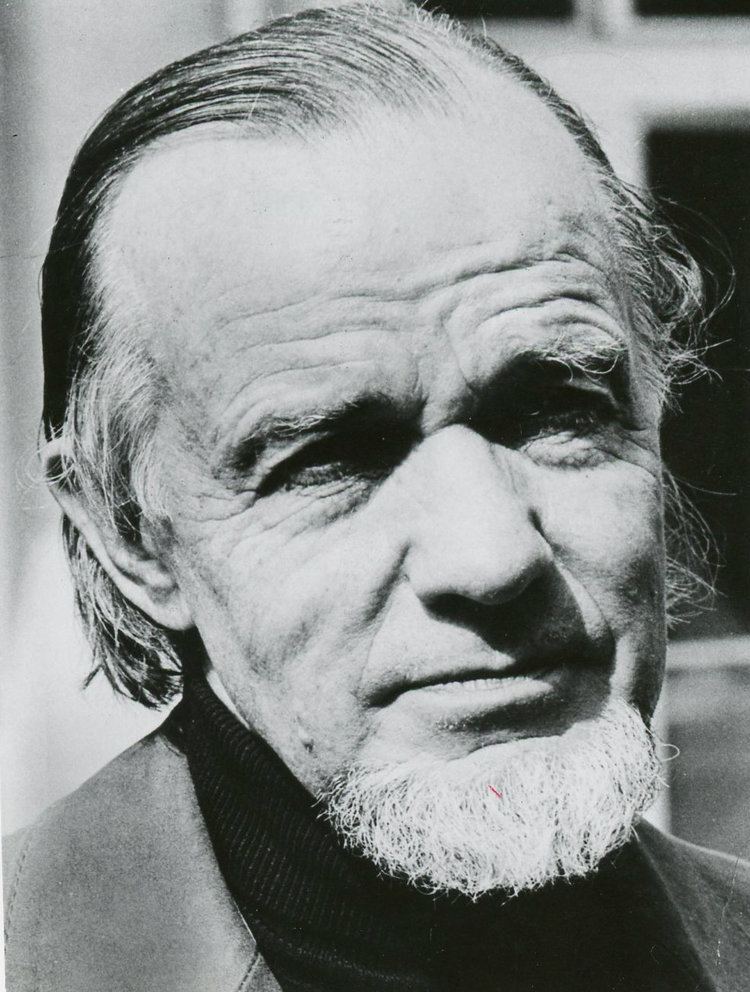
Image result for francis schaeffer


Francis Schaeffer when he was a young pastor in St. Louis pictured above.

Image result for francis schaeffer

Francis Schaeffer and Adrian Rogers

Image result for adrian rogers

(both Adrian Rogers and Francis Schaeffer mentioned Carl Sagan in their books and that prompted me to write Sagan and expose him to their views.


Carl Sagan pictured below:

Image result for carl sagan

_________

Image result for francis schaeffer

Francis Schaeffer

I mentioned earlier that I was blessed with the opportunity to correspond with Dr. Sagan. In his December 5, 1995 letter Dr. Sagan went on to tell me that he was enclosing his article “The Question of Abortion: A Search for Answers”by Carl Sagan and Ann Druyan. I am going to respond to several points made in that article. Here is a portion of Sagan’s article (here is a link to the whole article):

Image result for carl sagan and ann druyan

Carl Sagan and Ann Druyan pictured above

 “The Question of Abortion: A Search for Answers”

by Carl Sagan and Ann Druyan

For the complete text, including illustrations, introductory quote, footnotes, and commentary on the reaction to the originally published article see Billions and Billions.

The issue had been decided years ago. The court had chosen the middle ground. You’d think the fight was over. Instead, there are mass rallies, bombings and intimidation, murders of workers at abortion clinics, arrests, intense lobbying, legislative drama, Congressional hearings, Supreme Court decisions, major political parties almost defining themselves on the issue, and clerics threatening politicians with perdition. Partisans fling accusations of hypocrisy and murder. The intent of the Constitution and the will of God are equally invoked. Doubtful arguments are trotted out as certitudes. The contending factions call on science to bolster their positions. Families are divided, husbands and wives agree not to discuss it, old friends are no longer speaking. Politicians check the latest polls to discover the dictates of their consciences. Amid all the shouting, it is hard for the adversaries to hear one another. Opinions are polarized. Minds are closed.


Is it wrong to abort a pregnancy? Always? Sometimes? Never? How do we decide? We wrote this article to understand better what the contending views are and to see if we ourselves could find a position that would satisfy us both. Is there no middle ground? We had to weigh the arguments of both sides for consistency and to pose test cases, some of which are purely hypothetical. If in some of these tests we seem to go too far, we ask the reader to be patient with us–we’re trying to stress the various positions to the breaking point to see their weaknesses and where they fail.

In contemplative moments, nearly everyone recognizes that the issue is not wholly one-sided. Many partisans of differing views, we find, feel some disquiet, some unease when confronting what’s behind the opposing arguments. (This is partly why such confrontations are avoided.) And the issue surely touches on deep questions: What are our responses to one another? Should we permit the state to intrude into the most intimate and personal aspects of our lives? Where are the boundaries of freedom? What does it mean to be human?

Of the many actual points of view, it is widely held–especially in the media, which rarely have the time or the inclination to make fine distinctions–that there are only two: “pro-choice” and “pro-life.” This is what the two principal warring camps like to call themselves, and that’s what we’ll call them here. In the simplest characterization, a pro-choicer would hold that the decision to abort a pregnancy is to be made only by the woman; the state has no right to interfere. And a pro-lifer would hold that, from the moment of conception, the embryo or fetus is alive; that this life imposes on us a moral obligation to preserve it; and that abortion is tantamount to murder. Both names–pro-choice and pro-life–were picked with an eye toward influencing those whose minds are not yet made up: Few people wish to be counted either as being against freedom of choice or as opposed to life. Indeed, freedom and life are two of our most cherished values, and here they seem to be in fundamental conflict.

Let’s consider these two absolutist positions in turn. A newborn baby is surely the same being it was just before birth. There ‘s good evidence that a late-term fetus responds to sound–including music, but especially its mother’s voice. It can suck its thumb or do a somersault. Occasionally, it generates adult brain-wave patterns. Some people claim to remember being born, or even the uterine environment. Perhaps there is thought in the womb. It’s hard to maintain that a transformation to full personhood happens abruptly at the moment of birth. Why, then, should it be murder to kill an infant the day after it was born but not the day before?

As a practical matter, this isn’t very important: Less than 1 percent of all tabulated abortions in the United States are listed in the last three months of pregnancy (and, on closer investigation, most such reports turn out to be due to miscarriage or miscalculation). But third-trimester abortions provide a test of the limits of the pro-choice point of view. Does a woman’s “innate right to control her own body” encompass the right to kill a near-term fetus who is, for all intents and purposes, identical to a newborn child?

We believe that many supporters of reproductive freedom are troubled at least occasionally by this question. But they are reluctant to raise it because it is the beginning of a slippery slope. If it is impermissible to abort a pregnancy in the ninth month, what about the eighth, seventh, sixth … ? Once we acknowledge that the state can interfere at any time in the pregnancy, doesn’t it follow that the state can interfere at all times?

Abortion and the slippery slope argument above

This conjures up the specter of predominantly male, predominantly affluent legislators telling poor women they must bear and raise alone children they cannot afford to bring up; forcing teenagers to bear children they are not emotionally prepared to deal with; saying to women who wish for a career that they must give up their dreams, stay home, and bring up babies; and, worst of all, condemning victims of rape and incest to carry and nurture the offspring of their assailants. Legislative prohibitions on abortion arouse the suspicion that their real intent is to control the independence and sexuality of women…

And yet, by consensus, all of us think it proper that there be prohibitions against, and penalties exacted for, murder. It would be a flimsy defense if the murderer pleads that this is just between him and his victim and none of the government’s business. If killing a fetus is truly killing a human being, is it not the duty of the state to prevent it? Indeed, one of the chief functions of government is to protect the weak from the strong.

If we do not oppose abortion at some stage of pregnancy, is there not a danger of dismissing an entire category of human beings as unworthy of our protection and respect? And isn’t that dismissal the hallmark of sexism, racism, nationalism, and religious fanaticism? Shouldn’t those dedicated to fighting such injustices be scrupulously careful not to embrace another?

Adrian Rogers’ sermon on animal rights refutes Sagan here

There is no right to life in any society on Earth today, nor has there been at any former time… : We raise farm animals for slaughter; destroy forests; pollute rivers and lakes until no fish can live there; kill deer and elk for sport, leopards for the pelts, and whales for fertilizer; entrap dolphins, gasping and writhing, in great tuna nets; club seal pups to death; and render a species extinct every day. All these beasts and vegetables are as alive as we. What is (allegedly) protected is not life, but human life.

Genesis 3 defines being human

And even with that protection, casual murder is an urban commonplace, and we wage “conventional” wars with tolls so terrible that we are, most of us, afraid to consider them very deeply… That protection, that right to life, eludes the 40,000 children under five who die on our planet each day from preventable starvation, dehydration, disease, and neglect.

Those who assert a “right to life” are for (at most) not just any kind of life, but for–particularly and uniquely—human life. So they too, like pro-choicers, must decide what distinguishes a human being from other animals and when, during gestation, the uniquely human qualities–whatever they are–emerge.

The Bible talks about the differences between humans and animals

Despite many claims to the contrary, life does not begin at conception: It is an unbroken chain that stretches back nearly to the origin of the Earth, 4.6 billion years ago. Nor does human life begin at conception: It is an unbroken chain dating back to the origin of our species, hundreds of thousands of years ago. Every human sperm and egg is, beyond the shadow of a doubt, alive. They are not human beings, of course. However, it could be argued that neither is a fertilized egg.

In some animals, an egg develops into a healthy adult without benefit of a sperm cell. But not, so far as we know, among humans. A sperm and an unfertilized egg jointly comprise the full genetic blueprint for a human being. Under certain circumstances, after fertilization, they can develop into a baby. But most fertilized eggs are spontaneously miscarried. Development into a baby is by no means guaranteed. Neither a sperm and egg separately, nor a fertilized egg, is more than a potential baby or a potential adult. So if a sperm and egg are as human as the fertilized egg produced by their union, and if it is murder to destroy a fertilized egg–despite the fact that it’s only potentially a baby–why isn’t it murder to destroy a sperm or an egg?

Hundreds of millions of sperm cells (top speed with tails lashing: five inches per hour) are produced in an average human ejaculation. A healthy young man can produce in a week or two enough spermatozoa to double the human population of the Earth. So is masturbation mass murder? How about nocturnal emissions or just plain sex? When the unfertilized egg is expelled each month, has someone died? Should we mourn all those spontaneous miscarriages? Many lower animals can be grown in a laboratory from a single body cell. Human cells can be cloned… In light of such cloning technology, would we be committing mass murder by destroying any potentially clonable cells? By shedding a drop of blood?


All human sperm and eggs are genetic halves of “potential” human beings. Should heroic efforts be made to save and preserve all of them, everywhere, because of this “potential”? Is failure to do so immoral or criminal? Of course, there’s a difference between taking a life and failing to save it. And there’s a big difference between the probability of survival of a sperm cell and that of a fertilized egg. But the absurdity of a corps of high-minded semen-preservers moves us to wonder whether a fertilized egg’s mere “potential” to become a baby really does make destroying it murder.

Opponents of abortion worry that, once abortion is permissible immediately after conception, no argument will restrict it at any later time in the pregnancy. Then, they fear, one day it will be permissible to murder a fetus that is unambiguously a human being. Both pro-choicers and pro-lifers (at least some of them) are pushed toward absolutist positions by parallel fears of the slippery slope.


Another slippery slope is reached by those pro-lifers who are willing to make an exception in the agonizing case of a pregnancy resulting from rape or incest. But why should the right to live depend on the circumstances of conception? If the same child were to result, can the state ordain life for the offspring of a lawful union but death for one conceived by force or coercion? How can this be just? And if exceptions are extended to such a fetus, why should they be withheld from any other fetus? This is part of the reason some pro-lifers adopt what many others consider the outrageous posture of opposing abortions under any and all circumstances–only excepting, perhaps, when the life of the mother is in danger.

By far the most common reason for abortion worldwide is birth control. So shouldn’t opponents of abortion be handing out contraceptives and teaching school children how to use them? That would be an effective way to reduce the number of abortions. Instead, the United States is far behind other nations in the development of safe and effective methods of birth control–and, in many cases, opposition to such research (and to sex education) has come from the same people who oppose abortions.continue on to Part 3

For the complete text, including illustrations, introductory quote, footnotes, and commentary on the reaction to the originally published article see Billions and Billions.

The attempt to find an ethically sound and unambiguous judgment on when, if ever, abortion is permissible has deep historical roots. Often, especially in Christian tradition, such attempts were connected with the question of when the soul enters the body–a matter not readily amenable to scientific investigation and an issue of controversy even among learned theologians. Ensoulment has been asserted to occur in the sperm before conception, at conception, at the time of “quickening” (when the mother is first able to feel the fetus stirring within her), and at birth. Or even later.

Different religions have different teachings. Among hunter-gatherers, there are usually no prohibitions against abortion, and it was common in ancient Greece and Rome. In contrast, the more severe Assyrians impaled women on stakes for attempting abortion. The Jewish Talmud teaches that the fetus is not a person and has no rights. The Old and New Testaments–rich in astonishingly detailed prohibitions on dress, diet, and permissible words–contain not a word specifically prohibiting abortion. The only passage that’s remotely relevant (Exodus 21:22) decrees that if there’s a fight and a woman bystander should accidentally be injured and made to miscarry, the assailant must pay a fine.

Neither St. Augustine nor St. Thomas Aquinas considered early-term abortion to be homicide (the latter on the grounds that the embryo doesn’t look human). This view was embraced by the Church in the Council of Vienne in 1312, and has never been repudiated. The Catholic Church’s first and long-standing collection of canon law (according to the leading historian of the Church’s teaching on abortion, John Connery, S.J.) held that abortion was homicide only after the fetus was already “formed”–roughly, the end of the first trimester.

But when sperm cells were examined in the seventeenth century by the first microscopes, they were thought to show a fully formed human being. An old idea of the homunculus was resuscitated–in which within each sperm cell was a fully formed tiny human, within whose testes were innumerable other homunculi, etc., ad infinitum. In part through this misinterpretation of scientific data, in 1869 abortion at any time for any reason became grounds for excommunication. It is surprising to most Catholics and others to discover that the date was not much earlier.

From colonial times to the nineteenth century, the choice in the United States was the woman’s until “quickening.” An abortion in the first or even second trimester was at worst a misdemeanor. Convictions were rarely sought and almost impossible to obtain, because they depended entirely on the woman’s own testimony of whether she had felt quickening, and because of the jury’s distaste for prosecuting a woman for exercising her right to choose. In 1800 there was not, so far as is known, a single statute in the United States concerning abortion. Advertisements for drugs to induce abortion could be found in virtually every newspaper and even in many church publications–although the language used was suitably euphemistic, if widely understood.

But by 1900, abortion had been banned at any time in pregnancy by every state in the Union, except when necessary to save the woman’s life. What happened to bring about so striking a reversal? Religion had little to do with it.Drastic economic and social conversions were turning this country from an agrarian to an urban-industrial society. America was in the process of changing from having one of the highest birthrates in the world to one of the lowest. Abortion certainly played a role and stimulated forces to suppress it.


One of the most significant of these forces was the medical profession. Up to the mid-nineteenth century, medicine was an uncertified, unsupervised business. Anyone could hang up a shingle and call himself (or herself) a doctor. With the rise of a new, university-educated medical elite, anxious to enhance the status and influence of physicians, the American Medical Association was formed. In its first decade, the AMA began lobbying against abortions performed by anyone except licensed physicians. New knowledge of embryology, the physicians said, had shown the fetus to be human even before quickening.

Their assault on abortion was motivated not by concern for the health of the woman but, they claimed, for the welfare of the fetus. You had to be a physician to know when abortion was morally justified, because the question depended on scientific and medical facts understood only by physicians. At the same time, women were effectively excluded from the medical schools, where such arcane knowledge could be acquired. So, as things worked out, women had almost nothing to say about terminating their own pregnancies. It was also up to the physician to decide if the pregnancy posed a threat to the woman, and it was entirely at his discretion to determine what was and was not a threat. For the rich woman, the threat might be a threat to her emotional tranquillity or even to her lifestyle. The poor woman was often forced to resort to the back alley or the coat hanger.

This was the law until the 1960s, when a coalition of individuals and organizations, the AMA now among them, sought to overturn it and to reinstate the more traditional values that were to be embodied in Roe v. Wade.continue on to Part 4

If you deliberately kill a human being, it’s called murder. If you deliberately kill a chimpanzee–biologically, our closest relative, sharing 99.6 percent of our active genes–whatever else it is, it’s not murder. To date, murder uniquely applies to killing human beings. Therefore, the question of when personhood (or, if we like, ensoulment) arises is key to the abortion debate. When does the fetus become human? When do distinct and characteristic human qualities emerge?

Section 8 Sperm journey to becoming Human 

We recognize that specifying a precise moment will overlook individual differences. Therefore, if we must draw a line, it ought to be drawn conservatively–that is, on the early side. There are people who object to having to set some numerical limit, and we share their disquiet; but if there is to be a law on this matter, and it is to effect some useful compromise between the two absolutist positions, it must specify, at least roughly, a time of transition to personhood.

Every one of us began from a dot. A fertilized egg is roughly the size of the period at the end of this sentence. The momentous meeting of sperm and egg generally occurs in one of the two fallopian tubes. One cell becomes two, two become four, and so on—an exponentiation of base-2 arithmetic. By the tenth day the fertilized egg has become a kind of hollow sphere wandering off to another realm: the womb. It destroys tissue in its path. It sucks blood from capillaries. It bathes itself in maternal blood, from which it extracts oxygen and nutrients. It establishes itself as a kind of parasite on the walls of the uterus.By the third week, around the time of the first missed menstrual period, the forming embryo is about 2 millimeters long and is developing various body parts. Only at this stage does it begin to be dependent on a rudimentary placenta. It looks a little like a segmented worm.By the end of the fourth week, it’s about 5 millimeters (about 1/5 inch) long. It’s recognizable now as a vertebrate, its tube-shaped heart is beginning to beat, something like the gill arches of a fish or an amphibian become conspicuous, and there is a pronounced tail. It looks rather like a newt or a tadpole. This is the end of the first month after conception.By the fifth week, the gross divisions of the brain can be distinguished. What will later develop into eyes are apparent, and little buds appear—on their way to becoming arms and legs.By the sixth week, the embryo is 13 millimeteres (about ½ inch) long. The eyes are still on the side of the head, as in most animals, and the reptilian face has connected slits where the mouth and nose eventually will be.By the end of the seventh week, the tail is almost gone, and sexual characteristics can be discerned (although both sexes look female). The face is mammalian but somewhat piglike.By the end of the eighth week, the face resembles that of a primate but is still not quite human. Most of the human body parts are present in their essentials. Some lower brain anatomy is well-developed. The fetus shows some reflex response to delicate stimulation.By the tenth week, the face has an unmistakably human cast. It is beginning to be possible to distinguish males from females. Nails and major bone structures are not apparent until the third month.By the fourth month, you can tell the face of one fetus from that of another. Quickening is most commonly felt in the fifth month. The bronchioles of the lungs do not begin developing until approximately the sixth month, the alveoli still later.

So, if only a person can be murdered, when does the fetus attain personhood? When its face becomes distinctly human, near the end of the first trimester? When the fetus becomes responsive to stimuli–again, at the end of the first trimester? When it becomes active enough to be felt as quickening, typically in the middle of the second trimester? When the lungs have reached a stage of development sufficient that the fetus might, just conceivably, be able to breathe on its own in the outside air?

The trouble with these particular developmental milestones is not just that they’re arbitrary. More troubling is the fact that none of them involves uniquely humancharacteristics–apart from the superficial matter of facial appearance. All animals respond to stimuli and move of their own volition. Large numbers are able to breathe. But that doesn’t stop us from slaughtering them by the billions. Reflexes and motion are not what make us human.

Sagan’s conclusion based on arbitrary choice of the presence of thought by unborn baby

Other animals have advantages over us–in speed, strength, endurance, climbing or burrowing skills, camouflage, sight or smell or hearing, mastery of the air or water. Our one great advantage, the secret of our success, is thought–characteristically human thought. We are able to think things through, imagine events yet to occur, figure things out. That’s how we invented agriculture and civilization. Thought is our blessing and our curse, and it makes us who we are.

Thinking occurs, of course, in the brain–principally in the top layers of the convoluted “gray matter” called the cerebral cortex. The roughly 100 billion neurons in the brain constitute the material basis of thought. The neurons are connected to each other, and their linkups play a major role in what we experience as thinking. But large-scale linking up of neurons doesn’t begin until the 24th to 27th week of pregnancy–the sixth month.

By placing harmless electrodes on a subject’s head, scientists can measure the electrical activity produced by the network of neurons inside the skull. Different kinds of mental activity show different kinds of brain waves. But brain waves with regular patterns typical of adult human brains do not appear in the fetus until about the 30th week of pregnancy–near the beginning of the third trimester. Fetuses younger than this–however alive and active they may be–lack the necessary brain architecture. They cannot yet think.

Acquiescing in the killing of any living creature, especially one that might later become a baby, is troublesome and painful. But we’ve rejected the extremes of “always” and “never,” and this puts us–like it or not–on the slippery slope. If we are forced to choose a developmental criterion, then this is where we draw the line: when the beginning of characteristically human thinking becomes barely possible.

It is, in fact, a very conservative definition: Regular brain waves are rarely found in fetuses. More research would help… If we wanted to make the criterion still more stringent, to allow for occasional precocious fetal brain development, we might draw the line at six months. This, it so happens, is where the Supreme Court drew it in 1973–although for completely different reasons.

Its decision in the case of Roe v. Wade changed American law on abortion. It permits abortion at the request of the woman without restriction in the first trimester and, with some restrictions intended to protect her health, in the second trimester. It allows states to forbid abortion in the third trimester, except when there’s a serious threat to the life or health of the woman. In the 1989 Webster decision, the Supreme Court declined explicitly to overturn Roe v. Wade but in effect invited the 50 state legislatures to decide for themselves.

What was the reasoning in Roe v. Wade? There was no legal weight given to what happens to the children once they are born, or to the family. Instead, a woman’s right to reproductive freedom is protected, the court ruled, by constitutional guarantees of privacy. But that right is not unqualified. The woman’s guarantee of privacy and the fetus’s right to life must be weighed–and when the court did the weighing’ priority was given to privacy in the first trimester and to life in the third. The transition was decided not from any of the considerations we have been dealing with so far…–not when “ensoulment” occurs, not when the fetus takes on sufficient human characteristics to be protected by laws against murder. Instead, the criterion adopted was whether the fetus could live outside the mother. This is called “viability” and depends in part on the ability to breathe. The lungs are simply not developed, and the fetus cannot breathe–no matter how advanced an artificial lung it might be placed in—until about the 24th week, near the start of the sixth month. This is why Roe v. Wade permits the states to prohibit abortions in the last trimester. It’s a very pragmatic criterion.

If the fetus at a certain stage of gestation would be viable outside the womb, the argument goes, then the right of the fetus to life overrides the right of the woman to privacy. But just what does “viable” mean? Even a full-term newborn is not viable without a great deal of care and love. There was a time before incubators, only a few decades ago, when babies in their seventh month were unlikely to be viable. Would aborting in the seventh month have been permissible then? After the invention of incubators, did aborting pregnancies in the seventh month suddenly become immoral? What happens if, in the future, a new technology develops so that an artificial womb can sustain a fetus even before the sixth month by delivering oxygen and nutrients through the blood–as the mother does through the placenta and into the fetal blood system? We grant that this technology is unlikely to be developed soon or become available to many. But if it were available, does it then become immoral to abort earlier than the sixth month, when previously it was moral? A morality that depends on, and changes with, technology is a fragile morality; for some, it is also an unacceptable morality.

And why, exactly, should breathing (or kidney function, or the ability to resist disease) justify legal protection? If a fetus can be shown to think and feel but not be able to breathe, would it be all right to kill it? Do we value breathing more than thinking and feeling? Viability arguments cannot, it seems to us, coherently determine when abortions are permissible. Some other criterion is needed. Again, we offer for consideration the earliest onset of human thinking as that criterion.

Since, on average, fetal thinking occurs even later than fetal lung development, we find Roe v. Wade to be a good and prudent decision addressing a complex and difficult issue. With prohibitions on abortion in the last trimester–except in cases of grave medical necessity–it strikes a fair balance between the conflicting claims of freedom and life.What do you think? What have others said about Carl Sagan’s thoughts on 

END OF SAGAN’S ARTICLE

Image result for carl sagan and ann druyan
Carl Sagan with his wife Ann in the 1990’s
Image result for adrian rogers francis schaeffer
I grew up in Memphis as a member of Bellevue Baptist Church under our pastor Adrian Rogers and attended ECS High School where the books and films of Francis Schaeffer were taught. Both men dealt with current issues in the culture such as the film series COSMOS by Carl Sagan. I personally read several of Sagan’s books.  (Francis and Edith Schaeffer pictured below in their home at L’ Abri in Switzerland where Francis  taught students for 3 decades.
Image result for francis schaeffer
630 × 414Images may be subject to copyright.

Xxxxxxxxxxxxx 

Christian Ethics

Christians today are confronted with moral and ethical issues that were rarely raised in previous generations. Not only have the advances of technology and science raised ethical questions on which we must all make decisions, but moral values and perceptions have radically changed in our society. Behaviours that were mentioned only in whispers or behind closed doors are accepted as ‘normal’. Actions and relationships that were unthinkable fifty years ago are now commonplace. In addition, global communication networks impact us with the suffering of the whole world, so that, being informed, we can no longer use ignorance as an excuse for inaction.

This series of studies seeks to define and affirm the biblical ethic in the context of our contemporary post-Christian culture.

STUDY TWO: ABORTION

© Rosemary Bardsley 2006, 2016

The issue of abortion is an issue about the sanctity of human life. It also concerns other issues:

When does human life begin? At conception? At some point during the pregnancy? Or at birth? Obviously if human life begins at conception then all abortion is murder and is forbidden by the Bible.

The issue of human self-centredness.

The issue of ‘human ‘rights’.

The issue of contemporary sexual ‘freedom’.

Note: in this study the term ‘pro-choice’ is used to refer to those who maintain a woman has the right to choose to continue or discontinue her pregnancy. Some people who would not themselves abort except for genuine medical reasons, do however believe that each woman has a right to determine what happens to her own body. Effectively, pro-choice ends up equating with pro-abortion


A. ABORTION INFORMATION

A.1 Abortion in your country
You can find information about abortion and abortion law in your country here: 
https://en.wikipedia.org/wiki/Category:Abortion_by_country

From this information identify:

[1] Conditions under which abortion is legally permitted


[2] Up to which week of pregnancy


[3] Is abortion considered a criminal act?


[4] Any other relevant comment.


A.2 Position statements

You can read a United Nations position statement here – http://www.ohchr.org/Documents/Issues/Women/WRGS/SexualHealth/INFO_Abortion_WEB.pdf . It focuses on abortions carried out because of foetal abnormalities or the mother’s health.

If it is possible, find the Position Statement of the Medical Association in your country.


A.3 Abortion statistics

You can find abortion statistics for your country here: 
http://data.un.org/Data.aspx?d=GenderStat&f=inID%3A12  [abortions per 1000 women]

and here

https://www.guttmacher.org/sites/default/files/pdfs/media/resources/abortion-ratios.pdf  [regional statistics per 1000 live births]

B. WHY DO WOMEN HAVE ABORTIONS?

In the USA the following reasons are identified here: http://www.religioustolerance.org/abo_why.htm

Over 90% of abortions are sought for personal reasons: 
21% believe they don’t have enough financial resources to raise a child
21% don’t feel ready for the responsibility of raising a child
16% don’t want their life changed – eg plans for education, career, other commitments
12% because of difficulties in relationship with partner
11% say they are too young or immature to become a mother
8% don’t want to add to their family because (a) they are already grown, or (b) there are enough children already

[Influences possibly contributing to the above reasons:

The father or the woman’s parents pressure the woman to have an abortion 
Woman doesn’t feel she has the emotional and/or physical strength to go through the pregnancy and raise the child.
Woman believes that having an extra child to raise would short-change her existing children.
Woman feels raising the child would be too difficult and disruptive at her time in life.
She doesn’t want other people to know that she became pregnant.
A child would interfere with her career or education.
Fear of physical abuse from a parent if they learn of her pregnancy.
Fear of being tossed out onto the street by a parent if they learn of her pregnancy.
In the case of a multiple pregnancy, the woman may be faced with giving birth to more newborns than she feels she can deal with.

About 6% of all abortions are sought because either the woman or foetus has medical reasons:

Exposure of the foetus to high levels of toxic chemicals, medications that might be dangerous to the foetus, alcohol, drugs, etc. 
Extreme youth of the mother. 
The foetus has a genetic defect or other health problem. 
The woman may develop eclampsia. The results can be fatal to both the woman and foetus.  
Impact of multiple pregnancies on survival of foetuses and on long term health of the children after birth.

About 1% of all abortions are sought because of abusive sexual act:

The conception resulted from rape or incest.


Study the above reasons why people have abortions.  Identify and comment on reasons that fall in the following categories:
Selfish or self-centred reasons


Reasons centred on personal ‘rights’ of mother or both parents


Reasons centred on personal ‘freedom’ of mother or both parents


Genuine medical reasons

Consider/discuss which, if any, of these are biblically valid reasons for abortion

C. WHEN DOES HUMAN LIFE BEGIN?

The question ‘When does human life begin?’ evokes a wide range of answers, including:

At conception
At the first splitting of the original cell
At around day 14 of the pregnancy [after which twins can no longer be formed]
When the heart develops
When the embryo starts to ‘look’ human
When ‘brain-waves’ can be detected 
When the foetus responds to pain
When the foetus moves
When the foetus can survive out of the womb
At birth
At sometime after birth

A more extensive list of opinions can be found at http://www.religioustolerance.org/abortion-overview-2.htm .

Obviously, it is in the interest of pro-choice advocates, women’s ‘rights’ advocates and abortion clinics to see human life commencing later rather than earlier.

C.1 Does the Bible have anything to say about life in the womb?
In the scriptures below God is seen at work on life in the womb, and/or life in the womb is referred to in terms which assume or infer that life in the womb is human life:

Study these scriptures:

Job 3:10-11: Job speaks as if he existed as a person prior to birth.

Job 3:16: Where the words ‘child’ and ‘infant’ are used in reference to a baby that is born dead.

Job 31:15: ‘Did not he who made me in the womb make them? Did not the same one form us both within our mothers?’ [Job says this to indicate the value of all human life – that all humans have significance and should be treated with kindness because the same God formed all of them in their mothers’ wombs.]

Psalm 127:3: Teaches that children are a ‘heritage’ and a ‘reward’ from the Lord. The Hebrew text reads that ‘the fruit of the womb’ are a reward. [The living children only exist because they were first formed by the Lord in the womb. To abort the child in the womb is to also abort and forgo the divine reward or blessing of the living child.]

Psalm 139:13-18: Here the Psalmist describes in poetic language God’s sovereign hand in forming the infant within its mother’s womb.

Isaiah 44:2: Refers to God at work forming people within the womb.

Jeremiah 1:5: God speaks to Jeremiah telling him of his sovereign hand upon Jeremiah in the womb, and his knowledge and appointment of Jeremiah even before that.

2Kings 15:16; Hosea 13:16; Amos 1:13:    In these verses specific reference is made to the ripping open of pregnant women as a particularly horrific action of invading forces.

Galatians 1:15: In some translations, including an NIV footnote, this verse refers to God’s action on Paul prior to his birth.

In addition, the developing embryo/foetus is referred to as a ‘child’ or a ‘baby’ with the same words as used to refer to children or babies after birth.

C.2 Exodus 21:22-23
Depending on the Bible translation used, these verses are used by both pro-choice and pro-life advocates to argue their position.

Pro-choice advocates support their position from translations which infer or state that in verse 22 a miscarriage is referred to, and that this miscarriage is not considered ‘harm’ or ‘serious injury’ as this refers only to the effect on the mother. The ‘life for life’ etc of verse 23 is understood only in relation to the mother.

Pro-life advocates support their position from translations which infer or state that a premature, but live, birth results from the injury; and that the ‘harm’ or ‘serious injury’ referred to includes not only harm to the mother, but also to the child. The ‘life for life’ etc is understood to refer both to the mother and the child.

John Piper has written an excellent short study on the meaning of these verses. Go to http://www.desiringgod.org/articles/the-misuse-of-exodus-2122-25-by-pro-choice-advocates  and read what he says.

Make a brief summary of Piper’s study


For further study:
http://www.equip.org/PDF/DA365.pdf

http://www.christiananswers.net/q-eden/edn-abortioninthebible.html   [this article includes references to historical Christian pro-life viewpoints.]

http://www.christiancourier.com/questions/exodus21Abortion.htm   [this page contains links to a long list of articles on abortion.]


C.3 Various answers from science
From the pro-life perspective, and also from simple logic, the question of ‘when does human life begin?’ would seem to be beside the point. Both the spermatozoa and the ovum are human: human sperm and human ova – not some other life form. From the very earliest point of union onwards this zygote, this embryo, this foetus, is human – packed with human DNA – not the DNA of some other life form.

The question for which people are seeking an answer to either excuse or condemn abortion is not the voiced question ‘when does human life begin?’ but rather the unspoken question ‘up to what point in this pregnancy am I justified in terminating the existence of this child that is growing within me that for one reason or another I do not want?’ It is, after all, in most cases, the expected living child that is not wanted, the expected living child that is being rejected.

The article on this page https://answersingenesis.org/sanctity-of-life/when-does-life-begin/ includes reference to a range of viewpoints. You might find these helpful in trying to understand terminology and various opinions. This ‘confession’ of an ex-abortionist is very instructive: http://www.catholiceducation.org/en/controversy/abortion/confessions-of-an-ex-abortionist.html

What do you personally believe about when human life begins?


C.4 A challenge from Schaeffer
Having briefly discussed the fact that smaller and smaller premature babies are surviving due to advances in technology, and referring to the presence of human DNA immediately after the union of the sperm and the egg, Schaeffer states:

‘Our question to a pro-abortion doctor who would not kill a newborn baby is this: “Would you then kill this infant a minute before he was born, or a minute before that, or a minute before that, or a minute before that?” At what point in time can one consider life to be worthless and the next minute precious and worth saving?’ [p296f Whatever Happened to the Human Race?’]


D. IMPACTS OF ABORTION

D.1 Impact on the child – death and pain
Depending on whether you are reading material from pro-life or pro-choice advocates you will find different ‘information’ about the effect of abortion on the child. Obviously the child will not live, or if it does survive a late term abortion, it will be either deliberately killed outside of the womb or simply left to die, with the various nurses and attendants making no attempt to help it live. Its termination is the whole purpose of the abortion. Whether this termination is called the death of a child depends on the viewpoint of the writer of the article you are reading. A second issue is that of pain: if and when the developing child feels pain during the abortion procedure.

D.1.1 Methods of terminating pregnancy
Many web pages describe methods used at various stages of pregnancy. When one considers the aggressive and brutal nature of abortion methods, including late term and due date abortions, and views the images of aborted babies, one cannot avoid feelings of repulsion and horror. When one compares these practices performed upon unborn human children, with practices that government legislation punishes as cruelty to animals one can only be amazed at the contrasting standards.

For example:

The Animal Care and Protection Act 2001 [Queensland Department of Agriculture and Fisheries] lists penalties ranging from $35,340 to $235,600 or 1 to 3 years imprisonment, for the mistreatment of ‘animals’.  Note that the definition of ‘animal’ in this legislation includes the following: ‘a live pre-natal or pre-hatched creature as follows: if it is in the last half of gestation or development – (i) a mammalian or reptilian foetus; (ii) an avian, mammalian or reptilian pre-hatched young.’

Any surgery must be ‘carried out in a humane way’ and ‘for the animal’s welfare’!  

Under this Act, also, a person is considered to be cruel to an animal, and liable to prosecution if he/she kills it in a way that—
‘(i) is inhumane; or
(ii) causes it not to die quickly; or
(iii) causes it to die in unreasonable pain.’

Note that animals from mid-term pre-natal development onwards are given the same legal protection against cruelty and inhumane killing as living animals! Human embryos are not. Humane treatment and humane killing is legislated for animals and animal embryos, and totally brutal killing of unborn human children is legal! The ‘welfare’ of animal foetuses is required by law; the ‘welfare’ of the unborn human child is not under consideration in most cases of abortion.


D.1.2 Does the baby feel pain?
There is growing consensus of opinion that from at least 20 weeks on the baby does feel pain. Some experts believe that pain is felt much earlier than this.

On one level this question is irrelevant because, irrespective of when the baby begins to feel pain, it is still a human baby. [One can reasonably assume that an unborn animal would also feel pain.]

However, the knowledge that the baby does feel pain is a strong argument against abortion, from a mother’s perspective, and from a humanitarian perspective. Some politicians are working towards legislation that will make it mandatory for abortionists to inform mothers that their baby will feel pain during abortion from 20 weeks onwards, and also to make anaesthetizing the baby for late term abortions mandatory.

To research this issue of foetal pain further go to: https://www.youtube.com/watch?v=gON-8PP6zgQ . [This video, Silent Scream, is narrated by Dr Bernard Nathanson. This doctor was one of the key players in the lead up to the legalization of abortion in the USA [1968-1973]; he has performed tens of thousands of abortions. However, be became a strong anti-abortionist, maintaining that the baby responds to pain as early as 11 weeks.

D.2 Impact on the mother
The impact of abortion on the mother is also variously presented depending on the pro-life or pro-choice stance of the writer.

http://righttolifensw.org.au/be-informed/abortion/ provides a comprehensive list of impacts on the mother. It is important that you look up these lists so that you are informed of the impact or potential impact of abortion on the mother.

Immediate medical risks such as:

Damage to the womb or cervix
Uterine perforation (accidentally putting a hole in the uterus with one of the instruments used)
Excessive bleeding
Infection of the uterus or fallopian tubes
Scarring of the inside of the uterus
Reaction to the medicines or anesthesia, such as problems breathing
Not removing all of the tissue, requiring another procedure

Long term medical risks, including permanent damage to the uterus and inability to conceive.

Emotional and psycho-physical effects

Francis Schaeffer, in Whatever Happened to the Human Race? raises the following questions:

‘Why is it that so few abortion counsellors are fair to the “whole person” of the pregnant woman? ‘Why didn’t anyone tell me?” is a fair question from a girl suffering the after effects of a recommended abortion. ‘Why didn’t anyone tell me I would feel like a mother with empty arms?” ‘Why didn’t anyone tell me I risked spoiling the possibility of having a normal pregnancy, because of the damage that might be done to my body by the abortion?” These are not just theoretical questions put forth in an abstract academic debate. Abortion counsellors rarely talk about physical dangers, emotional results, and psychological consequences. They seldom tell the woman what is going to happen or what may be involved.’ [ibid p306]

D.2.1 The RU 486 abortion pill 
RU 486 is touted as putting the act of abortion in the mother’s hands rather than the surgeon’s, and as being a safer and easier method of abortion.  A comprehensive presentation of facts about this pill and its effects and side effects, can be found at http://www.ru486facts.org (click the links in the top menu), including reference to the increased emotional and psychological impact this method has on the mother.


D.3 Impact on society 
Legalization of abortion-on-demand has an impact on the attitude of a society towards abortion, but also a flow-on impact on other perceptions within a society.

D.3.1 Decrease in the perceived dignity and value of the human being
One of the arguments used to promote abortion on demand in the USA was that by eliminating unwanted children the legalization of abortion would decrease the incidence of child abuse. This, however, was far from the case.

D.3.1.1 Increase in child abuse
Schaeffer, writing in 1979, stated:

‘Those who fought for liberalized abortion policies have had their way, and since 1970 it is conservatively estimated in the United States that there are probably ten million fewer children who would now be between the ages of one and seven. Since these ten million were “unwanted” and supposedly would have been prime targets for child abuse, it would seem reasonable to look for a sharp drop in child abuse in this same period. But in fact, since the legalization of abortion-on-demand, child abuse has grown remarkably, and it is not due to just more efficient reporting.

‘This is because nationwide abortion-on-demand has what might be called an “educational impact.” The West German Federal Constitutional Court … in its February 1975 decision banning abortion-on-demand during the first twelve weeks of pregnancy stated this: “We cannot ignore the educational impact of abortion on the respect for life.” The German court reasoned that if abortion were made legal for any and every reason during the first trimester, it would prove difficult to persuade people that second- and third-trimester foetuses deserve protection simply because they are a few weeks older. The court apparently feared that what would happen to older foetuses could also happen to children after birth. As Harold O. J. Brown observes, parents, perhaps unconsciously, could reason, “I didn’t have to have him. I could have killed him before he was born. So if I want to knock him around now that he is born, isn’t that my right?”

‘Is it not logical, after all, that if one can legally kill a child a few months before birth, one should not feel too bad about roughing him up a little bit (without killing him) after he is born?’ [ibid p295]

A few pages earlier Schaeffer quoted child abuse statistics:

‘… in 1972 there were 60,000 child abuse incidents which were brought to official attention in the United States. Just four years later, in 1976, the number that received official attention passed the half-million mark. Reported cases of child abuse probably represent only about half of what really occurs.’ [ibid p292]

This increase of child abuse includes an increase of sexual crimes against children, including incest, which is considered by some to be the major form of child abuse in the USA.

D.3.1.2 Changing attitudes to infanticide
A further sanctity of life issue flowing on from the legalization or liberalization of abortion is the issue of medical infanticide, in which doctors refuse to provide life support for disabled new-borns. Consider the following:

‘… no newborn infant should be declared human until it has passed certain tests regarding its genetic endowment and that if it fails these tests is forfeits the right to live’ [Francis Crick, 1978, quoted by Schaeffer, ibid p320].

‘My personal feeling … is that… when public opinion is ready for it, no child should be admitted into the society of the living who would be certain to suffer any social handicap – for example, any physical or mental defect that would prevent marriage or would make others tolerate his company only from a sense of mercy.’ [Millard S. Everett, quoted by Schaeffer on page 320].

But these statements take us into the area of euthanasia, which is the focus of our next study.

D.3.1.3 Sale of baby parts
In D.1.1 we have already seen the desensitization that occurs when abortion-on-demand is legalized. There is yet another area in which this desensitization is taking place. Does anyone stop to ask ‘What happens to the aborted babies?”

We hear rumours of baby parts being sold in places like China, but this is also happening in the USA and Australia:

From http://newsweekly.com.au/article.php?id=265 :

‘The international trade in body parts of aborted babies and embryos is estimated by US market consultants to reach $1 billion by 2002. Melbourne IVF vivisectors, frustrated by Victorian regulations, import stem cells from embryonic humans destroyed in Singapore; other re-searchers can order specific foetal organs, excised and packaged within minutes of death, from “harvesting companies” in the US, which charge around $150 for the retrieval of a tiny liver or $500 for a trunk (with or without limbs); a spinal cord … for $325.’
   

And this from two quotes from the Australian Law Reform commission of the Australian Federal Government: [no longer available online]

‘Foetal tissue transplants: A separate, but not unrelated, subject is that of foetal tissue transplants, i.e. the transplantation of tissue taken from an aborted foetus. This form of transplantation has scientific appeal because foetal tissue appears to possess qualities in relation to tissue rejection which makes successful transplant much more likely.’

‘Status of removed tissue: What is the legal status of human tissue removed during surgery, or otherwise in the possession of a doctor or hospital?[34] Such tissue, for example, amputated limbs, placentae, etc. may be waste to be destroyed, or may be susceptible of use for medical education, research, or therapy. There is no reason to endow such tissue with the attributes of property. At present, the Commission takes the view that such tissue has no status in law. The law is silent concerning severed or removed body parts except to the extent that it deals with the subject as a matter of public health or the like.[35] It is possible to envisage the creation of legal rules treating such tissue as personal property. Allowing it to be owned, sold, bequeathed, or alienated in some other fashion. It is also possible to envisage the application to such tissue of ‘sale of goods’-type warranties and conditions. There have been persistent attempts in the United States to assimilate transfused blood to goods for legal purposes, treating it as an article of commerce.[36] There is no need at present to create statutory rules for such tissue. The creation of procedures for the lawful giving for transplant and other therapeutic use, of tissue taken from living and dead persons, should be sufficient in the Australian community today. The identification of that tissue and its investment with legal attributes of the kind mentioned above, appear to be unnecessary. This view rests upon the conclusion that, in the context of medical therapy, the Australian sees his body and its tissues not as an object of commerce but as something to be the subject of voluntary gift. We have received no information of activities which causes us to believe that legal regulation is required. Like questions of legal status will apply to the lawfully-aborted foetus, at least when aborted at a stage of development when it could not be regarded in law as a dead human being.’

But here we enter into the area of bio-ethics, the focus of a further study.

D.3.2 Reduced numbers of babies available for adoption
This is a simple fact. Yet most late term abortions are not performed for medical reasons. To continue the pregnancy for a few weeks longer would provide the child with its life and infertile couples with a child to love.

D.3.3 Impact on population
The availability of abortion reduces the birth rate. Indeed this is the desired effect of abortion laws in some countries. In countries where sons are favoured above daughters girl babies are aborted and the population has a higher percentage of males than females, creating demographic problems. Populations become aging populations; this in turn impacts national productivity and social security.

D.3.4 Increased number of abortions
In the USA prior to the legalization of abortion-on-demand there were approximately 100,000 illegal abortions annually, and very few legal ones. In the first year following legalization 750,000 legal abortions were performed. Ten years later the abortion figure for 1983 was 1.5million.


E. WHAT SHOULD CHRISTIANS DO?

E.1 Be personally convinced
Study the scriptures to provide yourself with a solid base on which to base your own attitude to abortion, and from which to speak with authority to others.

E. 2 Be informed
Keep abreast of what is happening.

In Australia, the Australian Christian Lobby website maintains up to date files concerning:

What politicians are saying about abortion
Statements/reports on abortion issues in Australian press [currently over 200]
ACL media releases [brief ACL statements] on abortion issues

Australian pro-life organizations also provide information. Most of these can be found in the Links on the ACL website.

E.3 Be heard
Writing letters to politicians, letters to editors of local or national newspapers, signing of petitions – these are easy, non-confrontational ways to help arrest the liberalization of abortion law.  This silent protest can be powerful if enough people engage in it. Whenever politicians are debating the issue, let them hear your voice.

Active involvement in a pro-life organization is a more confrontational way of speaking up for the un-born children.

Those who support abortion-on-demand are vocal. For those who oppose it to remain silent is to let the babies die.

E.4 Be compassionate
The gospel of Christ commands forgiveness, compassion and grace. Irrespective of our personal understanding of abortion we are never relieved of this responsibility towards those who support abortion or towards mothers who have had abortions.

Write a personal position statement on Abortion. Include your personal stance; reasons why you have chosen this stance; any course of action you consider appropriate for yourself in relation to the abortion debate.

——


.

Related posts:


Taking on Ark Times Bloggers on various issues Part F “Carl Sagan’s views on how God should try and contact us” includes film “The Basis for Human Dignity”

April 8, 2013 – 7:07 am

I have gone back and forth and back and forth with many liberals on the Arkansas Times Blog on many issues such as abortion, human rights, welfare, poverty, gun control  and issues dealing with popular culture. Here is another exchange I had with them a while back. My username at the Ark Times Blog is Saline […] By Everette Hatcher III | Posted in Francis SchaefferProlife | Edit | Comments (0)

Carl Sagan v. Nancy Pearcey

March 18, 2013 – 9:11 am

On March 17, 2013 at our worship service at Fellowship Bible Church, Ben Parkinson who is one of our teaching pastors spoke on Genesis 1. He spoke about an issue that I was very interested in. Ben started the sermon by reading the following scripture: Genesis 1-2:3 English Standard Version (ESV) The Creation of the […] By Everette Hatcher III | Posted in Adrian RogersAtheists ConfrontedCurrent Events | TaggedBen ParkinsonCarl Sagan | Edit | Comments (0)

Review of Carl Sagan book (Part 4 of series on Evolution)

May 24, 2012 – 1:47 am

Review of Carl Sagan book (Part 4 of series on Evolution) The Long War against God-Henry Morris, part 5 of 6 Uploaded by FLIPWORLDUPSIDEDOWN3 on Aug 30, 2010 http://www.icr.org/ http://store.icr.org/prodinfo.asp?number=BLOWA2http://store.icr.org/prodinfo.asp?number=BLOWASGhttp://www.fliptheworldupsidedown.com/blog _______________________ I got this from a blogger in April of 2008 concerning candidate Obama’s view on evolution: Q: York County was recently in the news […] By Everette Hatcher III | Posted in Atheists ConfrontedCurrent EventsPresident Obama | EditComments (0)

_

BREAKING DOWN CARL SAGAN’S LOGIC ON ABORTION Part 42 “Its decision in the case of Roe v. Wade changed American law on abortion” (My 1995 correspondence with Sagan)

_

Image result for carl sagan

223 × 373Images may be subject to copyright. Learn More

I agree with Carl Sagan that “Its decision in the case of Roe v. Wade changed American law on abortion.” Francis Schaeffer shows how Carl Sagan and his humanist friends help create the environment for this ruling in the below article.


Core Document Religion
 > Francis Schaeffer > A Christian Manifesto

INTRODUCTION

A student of J. Gresham Machen (Document 20), Schaeffer (1912–1984) was among the most forceful voices in late twentieth century American Christianity to speak against the social and political repercussions of the materialist and evolutionary view of human nature (see Documents 14, 16). This view—in which man and man alone is the apex and standard of all things—was characteristic of the modern philosophy of Humanism (sometimes referred to as Secular Humanism, to differentiate it from the Christian Humanism of the Renaissance). In this sermon, delivered on several occasions in the 1980s, and in his earlier book of the same title, Schaeffer tackled the problem of such humanist philosophy directly by attempting to instigate a religious revival that would take seriously the traditional Christian proposition that all things—temporal as well as spiritual, and political as well as moral or religious—are the gifts of a Creator God, and thus, subject to His sovereignty.

It was this theistic understanding of the nature of the world—insurgent at the time of the Reformation, and again during the American founding—that provided the only solid foundation for human flourishing, Schaeffer argued. Yet Americans had allowed scientific materialism—and its philosophical variant of “humanism”—to supplant their traditional theistic understanding of the nature of reality, and in doing so, untethered themselves from the sense of ultimate accountability. Without it, Schaeffer argued that the nation’s inherited political principles of liberty and consent were devolving into licentiousness and arbitrary majoritarianism. Schaeffer urged American Christians to remember that they were part of a heritage of cultural revolution and transformation stretching back to the Reformation and to prepare themselves for actions of civil disobedience in the name of Christ if necessary. While Schaeffer’s rhetoric is more aggressive than that of many of the others in this collection, his message is in keeping with the tradition of American exceptionalism and millennialism we see in Documents 1, 7, and 9. It is also worth comparing this sermon to Ronald Reagan’s address to the National Association of Evangelicals (Document 24).


[There has been] a change in our society, a change in our country, a change in the Western world from a Judeo‐Christian consensus to a Humanistic one. That is, instead of the final reality that exists being the infinite creator God … now largely, all else is seen as only material or energy which has existed forever in some form, shaped into its present complex form only by pure chance.

…The word Humanism should be carefully defined.… Humanism means that the man is the measure of all things.… If this other final reality of material or energy shaped by pure chance is the final reality, it gives no meaning to life. It gives no value system. It gives no basis for law, and therefore, in this case, man must be the measure of all things.… If, indeed, the final reality is silent about these values, man must generate them from himself.

So, Humanism is the absolute certain result, if we choose this other final reality and say that is what it is. You must realize that when we speak of man being the measure of all things under the Humanist label, the first thing is that man has only knowledge from himself. That he, being finite, limited, very faulty in his observation in many things, yet nevertheless, has no possible source of knowledge except what man, beginning from himself, can find out by his own observation. Specifically, in this view, there is no place for any knowledge from God.

But it is not only that man must start from himself in the area of knowledge and learning, but any value system must come arbitrarily from man himself by arbitrary choice. More frightening still, in our country, at our own moment of history, is the fact that any basis of law then becomes arbitrary—merely certain people making decisions as to what is for the good of society at the given moment.

Now this is the real reason for the breakdown in morals in our country. It’s the real reason for the breakdown in values in our country, and it is the reason that our Supreme Court now functions so thoroughly upon the fact of arbitrary law. They have no basis for law that is fixed, therefore, like the young person who decides to live hedonistically upon their own chosen arbitrary values, society is now doing the same thing legally. Certain few people come together and decide what they arbitrarily believe is for the good of society at the given moment, and that becomes law.

…It should be noticed that this new dominant world view is a view which is exactly opposite from that of the founding fathers who founded this country. Now, not all the founding fathers were individually, personally, Christians. That certainly is true. But, nevertheless, they founded the country on the base that there is a God who is the Creator … who gave the inalienable rights.

We must understand something very thoroughly. If society—if the state gives the rights, it can take them away—they’re not inalienable. If the states give the rights, they can change them and manipulate them. But this was not the view of the founding fathers of this country. They believed (although not all of them were individual Christians) that there was a Creator and that this Creator gave the inalienable rights: it is this upon which our country was founded and which has given us the freedoms which we still have—even the freedoms which are being used now to destroy the freedoms.

The reason that these freedoms were there is because they believed there was somebody who gave the inalienable rights, which indeed, therefore, limited the power of the state and the government specifically by these inalienable rights. But if we have the view that the final reality is material or energy which has existed forever in some form, we must understand that this view never, never, never would have given the rights which we now know and which, unhappily, I say to you (those of you who are Christians) that too often you take all too much for granted. You forget that the freedoms which we have had in northern Europe after the Reformation (and the United States is an extension of that, as would be Australia or Canada, New Zealand, and so on) are absolutely unique in the world. Occasionally, some of you who have gone to universities have been taught that these freedoms are rooted in the Greek city‐states. That is not true. All you have to do is read Plato’s Republic and you understand that the Greek city‐states never had any concept of the freedoms that we have. Go back into history. The freedoms which we have (the form / freedom balance of government) are unique in history and they are also unique in the world at this day.

…We are now losing those freedoms and we can expect to continue to lose them if this other world view continues to take increased force and power in our county. We can be sure of this.…

A good illustration is in the public schools. This view is taught in our public schools exclusively—by law. There is no other view that can be taught.… There is only one view of reality that can be taught, and that is that the final reality is only material or energy shaped by pure chance.

It is the same with the television programs. Public television gives us many things that many of us like culturally, but is also completely committed to a propaganda position that the last reality is only material/energy shaped by pure chance.…

The abortion ruling is a very clear one. The abortion ruling, of course, is also a natural result of this other world view because with this other world view, human life—your individual life—has no intrinsic value. You are a wart upon the face of an absolutely impersonal universe. Your aspirations have no fulfillment in the “what‐isness” of what is. Your aspirations damn you.… The universe cannot fulfill anything that you say when you say, “It is beautiful”; “I love”; “It is right”; “It is wrong.” These words are meaningless words against the backdrop of this other world view.…

In this case, human life has no distinct value whatsoever, and we find this Supreme Court in one ruling overthrew the abortion laws of all 50 states, and they made this form of killing human life (because that’s what it is) the law. The law declared that this form of killing human life was to be accepted, and for many people, because they had no set ethic, when the Supreme Court said that it was legal … it [became] ethical.

The courts of this country have forced this view and its results on the total population. What we find is that as the courts have done this, without any longer that which the founding fathers comprehended of law … that there is a law of God which gives foundation. It becomes quite natural then, that they would also cut themselves loose from a strict constructionism concerning the Constitution.

Everything is relative. So as you cut yourself loose from the Law of God, in any concept whatsoever, you also soon are cutting yourself loose from a strict constructionism and each ruling is to be seen as an arbitrary choice by a group of people as to what they may honestly think is for the sociological good of the community, of the country, for the given moment.

Now, along with that is the fact that the courts are increasingly making law and thus we find that the legislatures’ powers are increasingly diminished in relationship to the power of the courts. Now the pro‐abortion people have been very wise about this in the last, say, 10 years, and Christians very silly\ … because the courts are not subject to the people’s thinking, nor their will, either by election nor by a re‐election. Consequently, the courts have been the vehicle used to bring this whole view and to force it on our total population. It has not been largely the legislatures. It has been rather, the courts.

The result is a relativistic value system. A lack of a final meaning to life—that’s first. Why does human life have any value at all, if that is all that reality is? Not only are you going to die individually, but the whole human race is going to die, someday. It may not take the falling of the atom bombs, but someday the world will grow too hot, too cold.… Someday all you people not only will be individually dead, but the whole conscious life on this world will be dead, and nobody will see the birds fly. And there’s no meaning to life.

…It was this view that opened the door to all that followed in Germany prior to Hitler. It’s an interesting fact here that the only Supreme Court in the Western World that has ruled against easy abortion is the West German Court. The reason they did it is because they knew … that this view of human life in the medical profession and the legal profession combined, before Hitler came on the scene, is what opened the way for everything that happened in Hitler’s Germany. And so, the German Supreme Court has voted against easy abortion because they know very well where it leads.

…Abortion itself would be worth spending much of our lifetimes to fight against, because it is the killing of human life, but it’s only a symptom of the total. What we are facing is Humanism: Man, the measure of all things—viewing final reality being only material or energy shaped by chance; therefore, human life having no intrinsic value; therefore, the keeping of any individual life or any groups of human life, being purely an arbitrary choice by society at the given moment.…

I have a question to ask you, and that is: Where have the Bible‐believing Christians been in the last 40 years? … This country is almost lost because the Bible‐believing Christians, in the last 40 years, who have said that they know that the final reality is this infinite‐personal God who is the Creator and all the rest, have done nothing about it as the consensus has changed. There has been a vast silence!

Christians of this country have simply been silent.… It’s not only the Christian leaders. Where have the Christian lawyers been? Why haven’t they been challenging this change in the view of what the First Amendment means, which I’ll deal with in a second. Where have the Christian doctors been—speaking out against the rise of the abortion clinics and all the other things? Where have the Christian businessmen been—to put their lives and their work on the line concerning these things which they would say as Christians are central to them? Where have the Christian educators been—as we have lost our educational system? Where have we been? Where have each of you been? What’s happened in the last 40 years?…

Now I want to say something with great force, right here. What I have been talking about, whether you know it or not, is true spirituality. This is true spirituality. Spirituality, after you are a Christian and have accepted Christ as your Savior, means that Christ is the Lord of ALL your life—not just your religious life, and if you make a dichotomy in these things, you are denying your Lord His proper place.… All of life is spiritual and all of life is equally spiritual. That includes (as our forefathers did) standing for these things of freedom and standing for these things of human life and all these other matters that are so crucial, if indeed, this living God does exist as we know that He does exist.

We have forgotten our heritage. A lot of the evangelical complex like to talk about the old revivals and they tell us we ought to have another revival. We need another revival—you and I need revival. We need another revival in our hearts. But they have forgotten something.… That is the factor that every single revival that has ever been a real revival, whether it was the great awakening before the American Revolution; whether it was the great revivals of Scandinavia; whether it was Wesley and Whitefield; wherever you have found a great revival, it’s always had three parts. First, it has called for the individual to accept Christ as Savior, and thankfully, in all of these that I have named, thousands have been saved. Then, it has called upon the Christians to bow their hearts to God and really let the Holy Spirit have His place in fullness in their life. But there has always been, in every revival, a third element. It has always brought social change!

…It was the Great Awakening, that great revival prior to the founding of the United States, that opened the way and prepared for the founding of the United States. Every one of the great revivals had tremendous social implications. What I am saying is, that I am afraid that we have forgotten our heritage.…

…When the government negates the law of God, it abrogates its authority. God has given certain offices to restrain chaos in this fallen world, but it does not mean that these offices are autonomous, and when a government commands that which is contrary to the Law of God, it abrogates its authority.…

…At a certain point, it is not only the privilege but it is the duty of the Christian to disobey the government. Now that’s what the founding fathers did when they founded this country. That’s what the early Church did. That’s what Peter said. You heard it from the Scripture: “Should we obey man? … rather than God?” That’s what the early Christians did.

…The people of the Reformation, the founding fathers of this country, faced and acted in the realization that if there is no place for disobeying the government, that government has been put in the place of the living God. In such a case, the government has been made a false god. If there is no place for disobeying a human government, that government has been made GOD. Caesar, under some name, thinking of the early Church, has been put upon the final throne. The Bible’s answer is NO! Caesar is not to be put in the place of God and we as Christians, in the name of the Lordship of Christ, and all of life, must so think and act on the appropriate level. It should always be on the appropriate level. We have lots of room to move yet with our court cases, with the people we elect—all the things that we can do in this country. If, unhappily, we come to that place, the appropriate level must also include a disobedience to the state.

If you are not doing that, you haven’t thought it through. Jesus is not really on the throne. God is not central. You have made a false god central. Christ must be the final Lord and not society and not Caesar.

Study Questions

A. What is Schaeffer’s “manifesto” – that is, to what course of action is he calling American Christians? What does Schaeffer mean by “Humanism” and why does he see it as such a threat?

B. Is Schaeffer’s understanding of civil disobedience similar to or different from that presented by Mayhew (Document 4)? How would Schaeffer respond to Palmer (Document 11) or Hall (Document 16)?

— 

Recently I have been revisiting my correspondence in 1995 with the famous astronomer Carl Sagan who I had the privilege to correspond with in 1994, 1995 and 1996. In 1996 I had a chance to respond to his December 5, 1995letter on January 10, 1996 and I never heard back from him again since his cancer returned and he passed away later in 1996. Below is what Carl Sagan wrote to me in his December 5, 1995 letter:

Thanks for your recent letter about evolution and abortion. The correlation is hardly one to one; there are evolutionists who are anti-abortion and anti-evolutionists who are pro-abortion.You argue that God exists because otherwise we could not understand the world in our consciousness. But if you think God is necessary to understand the world, then why do you not ask the next question of where God came from? And if you say “God was always here,” why not say that the universe was always here? On abortion, my views are contained in the enclosed article (Sagan, Carl and Ann Druyan {1990}, “The Question of Abortion,” Parade Magazine, April 22.)

I was introduced to when reading a book by Francis Schaeffer called HE IS THERE AND HE IS NOT SILENT written in 1968. 

Image result for francis schaeffer


Francis Schaeffer when he was a young pastor in St. Louis pictured above.

Image result for francis schaeffer

Francis Schaeffer and Adrian Rogers

Image result for adrian rogers

(both Adrian Rogers and Francis Schaeffer mentioned Carl Sagan in their books and that prompted me to write Sagan and expose him to their views.


Carl Sagan pictured below:

Image result for carl sagan

_________

Image result for francis schaeffer

Francis Schaeffer

I mentioned earlier that I was blessed with the opportunity to correspond with Dr. Sagan. In his December 5, 1995 letter Dr. Sagan went on to tell me that he was enclosing his article “The Question of Abortion: A Search for Answers”by Carl Sagan and Ann Druyan. I am going to respond to several points made in that article. Here is a portion of Sagan’s article (here is a link to the whole article):

Image result for carl sagan and ann druyan

Carl Sagan and Ann Druyan pictured above

 “The Question of Abortion: A Search for Answers”

by Carl Sagan and Ann Druyan

For the complete text, including illustrations, introductory quote, footnotes, and commentary on the reaction to the originally published article see Billions and Billions.

The issue had been decided years ago. The court had chosen the middle ground. You’d think the fight was over. Instead, there are mass rallies, bombings and intimidation, murders of workers at abortion clinics, arrests, intense lobbying, legislative drama, Congressional hearings, Supreme Court decisions, major political parties almost defining themselves on the issue, and clerics threatening politicians with perdition. Partisans fling accusations of hypocrisy and murder. The intent of the Constitution and the will of God are equally invoked. Doubtful arguments are trotted out as certitudes. The contending factions call on science to bolster their positions. Families are divided, husbands and wives agree not to discuss it, old friends are no longer speaking. Politicians check the latest polls to discover the dictates of their consciences. Amid all the shouting, it is hard for the adversaries to hear one another. Opinions are polarized. Minds are closed.


Is it wrong to abort a pregnancy? Always? Sometimes? Never? How do we decide? We wrote this article to understand better what the contending views are and to see if we ourselves could find a position that would satisfy us both. Is there no middle ground? We had to weigh the arguments of both sides for consistency and to pose test cases, some of which are purely hypothetical. If in some of these tests we seem to go too far, we ask the reader to be patient with us–we’re trying to stress the various positions to the breaking point to see their weaknesses and where they fail.

In contemplative moments, nearly everyone recognizes that the issue is not wholly one-sided. Many partisans of differing views, we find, feel some disquiet, some unease when confronting what’s behind the opposing arguments. (This is partly why such confrontations are avoided.) And the issue surely touches on deep questions: What are our responses to one another? Should we permit the state to intrude into the most intimate and personal aspects of our lives? Where are the boundaries of freedom? What does it mean to be human?

Of the many actual points of view, it is widely held–especially in the media, which rarely have the time or the inclination to make fine distinctions–that there are only two: “pro-choice” and “pro-life.” This is what the two principal warring camps like to call themselves, and that’s what we’ll call them here. In the simplest characterization, a pro-choicer would hold that the decision to abort a pregnancy is to be made only by the woman; the state has no right to interfere. And a pro-lifer would hold that, from the moment of conception, the embryo or fetus is alive; that this life imposes on us a moral obligation to preserve it; and that abortion is tantamount to murder. Both names–pro-choice and pro-life–were picked with an eye toward influencing those whose minds are not yet made up: Few people wish to be counted either as being against freedom of choice or as opposed to life. Indeed, freedom and life are two of our most cherished values, and here they seem to be in fundamental conflict.

Let’s consider these two absolutist positions in turn. A newborn baby is surely the same being it was just before birth. There ‘s good evidence that a late-term fetus responds to sound–including music, but especially its mother’s voice. It can suck its thumb or do a somersault. Occasionally, it generates adult brain-wave patterns. Some people claim to remember being born, or even the uterine environment. Perhaps there is thought in the womb. It’s hard to maintain that a transformation to full personhood happens abruptly at the moment of birth. Why, then, should it be murder to kill an infant the day after it was born but not the day before?

As a practical matter, this isn’t very important: Less than 1 percent of all tabulated abortions in the United States are listed in the last three months of pregnancy (and, on closer investigation, most such reports turn out to be due to miscarriage or miscalculation). But third-trimester abortions provide a test of the limits of the pro-choice point of view. Does a woman’s “innate right to control her own body” encompass the right to kill a near-term fetus who is, for all intents and purposes, identical to a newborn child?

We believe that many supporters of reproductive freedom are troubled at least occasionally by this question. But they are reluctant to raise it because it is the beginning of a slippery slope. If it is impermissible to abort a pregnancy in the ninth month, what about the eighth, seventh, sixth … ? Once we acknowledge that the state can interfere at any time in the pregnancy, doesn’t it follow that the state can interfere at all times?

Abortion and the slippery slope argument above

This conjures up the specter of predominantly male, predominantly affluent legislators telling poor women they must bear and raise alone children they cannot afford to bring up; forcing teenagers to bear children they are not emotionally prepared to deal with; saying to women who wish for a career that they must give up their dreams, stay home, and bring up babies; and, worst of all, condemning victims of rape and incest to carry and nurture the offspring of their assailants. Legislative prohibitions on abortion arouse the suspicion that their real intent is to control the independence and sexuality of women…

And yet, by consensus, all of us think it proper that there be prohibitions against, and penalties exacted for, murder. It would be a flimsy defense if the murderer pleads that this is just between him and his victim and none of the government’s business. If killing a fetus is truly killing a human being, is it not the duty of the state to prevent it? Indeed, one of the chief functions of government is to protect the weak from the strong.

If we do not oppose abortion at some stage of pregnancy, is there not a danger of dismissing an entire category of human beings as unworthy of our protection and respect? And isn’t that dismissal the hallmark of sexism, racism, nationalism, and religious fanaticism? Shouldn’t those dedicated to fighting such injustices be scrupulously careful not to embrace another?

Adrian Rogers’ sermon on animal rights refutes Sagan here

There is no right to life in any society on Earth today, nor has there been at any former time… : We raise farm animals for slaughter; destroy forests; pollute rivers and lakes until no fish can live there; kill deer and elk for sport, leopards for the pelts, and whales for fertilizer; entrap dolphins, gasping and writhing, in great tuna nets; club seal pups to death; and render a species extinct every day. All these beasts and vegetables are as alive as we. What is (allegedly) protected is not life, but human life.

Genesis 3 defines being human

And even with that protection, casual murder is an urban commonplace, and we wage “conventional” wars with tolls so terrible that we are, most of us, afraid to consider them very deeply… That protection, that right to life, eludes the 40,000 children under five who die on our planet each day from preventable starvation, dehydration, disease, and neglect.

Those who assert a “right to life” are for (at most) not just any kind of life, but for–particularly and uniquely—human life. So they too, like pro-choicers, must decide what distinguishes a human being from other animals and when, during gestation, the uniquely human qualities–whatever they are–emerge.

The Bible talks about the differences between humans and animals

Despite many claims to the contrary, life does not begin at conception: It is an unbroken chain that stretches back nearly to the origin of the Earth, 4.6 billion years ago. Nor does human life begin at conception: It is an unbroken chain dating back to the origin of our species, hundreds of thousands of years ago. Every human sperm and egg is, beyond the shadow of a doubt, alive. They are not human beings, of course. However, it could be argued that neither is a fertilized egg.

In some animals, an egg develops into a healthy adult without benefit of a sperm cell. But not, so far as we know, among humans. A sperm and an unfertilized egg jointly comprise the full genetic blueprint for a human being. Under certain circumstances, after fertilization, they can develop into a baby. But most fertilized eggs are spontaneously miscarried. Development into a baby is by no means guaranteed. Neither a sperm and egg separately, nor a fertilized egg, is more than a potential baby or a potential adult. So if a sperm and egg are as human as the fertilized egg produced by their union, and if it is murder to destroy a fertilized egg–despite the fact that it’s only potentially a baby–why isn’t it murder to destroy a sperm or an egg?

Hundreds of millions of sperm cells (top speed with tails lashing: five inches per hour) are produced in an average human ejaculation. A healthy young man can produce in a week or two enough spermatozoa to double the human population of the Earth. So is masturbation mass murder? How about nocturnal emissions or just plain sex? When the unfertilized egg is expelled each month, has someone died? Should we mourn all those spontaneous miscarriages? Many lower animals can be grown in a laboratory from a single body cell. Human cells can be cloned… In light of such cloning technology, would we be committing mass murder by destroying any potentially clonable cells? By shedding a drop of blood?


All human sperm and eggs are genetic halves of “potential” human beings. Should heroic efforts be made to save and preserve all of them, everywhere, because of this “potential”? Is failure to do so immoral or criminal? Of course, there’s a difference between taking a life and failing to save it. And there’s a big difference between the probability of survival of a sperm cell and that of a fertilized egg. But the absurdity of a corps of high-minded semen-preservers moves us to wonder whether a fertilized egg’s mere “potential” to become a baby really does make destroying it murder.

Opponents of abortion worry that, once abortion is permissible immediately after conception, no argument will restrict it at any later time in the pregnancy. Then, they fear, one day it will be permissible to murder a fetus that is unambiguously a human being. Both pro-choicers and pro-lifers (at least some of them) are pushed toward absolutist positions by parallel fears of the slippery slope.


Another slippery slope is reached by those pro-lifers who are willing to make an exception in the agonizing case of a pregnancy resulting from rape or incest. But why should the right to live depend on the circumstances of conception? If the same child were to result, can the state ordain life for the offspring of a lawful union but death for one conceived by force or coercion? How can this be just? And if exceptions are extended to such a fetus, why should they be withheld from any other fetus? This is part of the reason some pro-lifers adopt what many others consider the outrageous posture of opposing abortions under any and all circumstances–only excepting, perhaps, when the life of the mother is in danger.

By far the most common reason for abortion worldwide is birth control. So shouldn’t opponents of abortion be handing out contraceptives and teaching school children how to use them? That would be an effective way to reduce the number of abortions. Instead, the United States is far behind other nations in the development of safe and effective methods of birth control–and, in many cases, opposition to such research (and to sex education) has come from the same people who oppose abortions.continue on to Part 3

For the complete text, including illustrations, introductory quote, footnotes, and commentary on the reaction to the originally published article see Billions and Billions.

The attempt to find an ethically sound and unambiguous judgment on when, if ever, abortion is permissible has deep historical roots. Often, especially in Christian tradition, such attempts were connected with the question of when the soul enters the body–a matter not readily amenable to scientific investigation and an issue of controversy even among learned theologians. Ensoulment has been asserted to occur in the sperm before conception, at conception, at the time of “quickening” (when the mother is first able to feel the fetus stirring within her), and at birth. Or even later.

Different religions have different teachings. Among hunter-gatherers, there are usually no prohibitions against abortion, and it was common in ancient Greece and Rome. In contrast, the more severe Assyrians impaled women on stakes for attempting abortion. The Jewish Talmud teaches that the fetus is not a person and has no rights. The Old and New Testaments–rich in astonishingly detailed prohibitions on dress, diet, and permissible words–contain not a word specifically prohibiting abortion. The only passage that’s remotely relevant (Exodus 21:22) decrees that if there’s a fight and a woman bystander should accidentally be injured and made to miscarry, the assailant must pay a fine.

Neither St. Augustine nor St. Thomas Aquinas considered early-term abortion to be homicide (the latter on the grounds that the embryo doesn’t look human). This view was embraced by the Church in the Council of Vienne in 1312, and has never been repudiated. The Catholic Church’s first and long-standing collection of canon law (according to the leading historian of the Church’s teaching on abortion, John Connery, S.J.) held that abortion was homicide only after the fetus was already “formed”–roughly, the end of the first trimester.

But when sperm cells were examined in the seventeenth century by the first microscopes, they were thought to show a fully formed human being. An old idea of the homunculus was resuscitated–in which within each sperm cell was a fully formed tiny human, within whose testes were innumerable other homunculi, etc., ad infinitum. In part through this misinterpretation of scientific data, in 1869 abortion at any time for any reason became grounds for excommunication. It is surprising to most Catholics and others to discover that the date was not much earlier.

From colonial times to the nineteenth century, the choice in the United States was the woman’s until “quickening.” An abortion in the first or even second trimester was at worst a misdemeanor. Convictions were rarely sought and almost impossible to obtain, because they depended entirely on the woman’s own testimony of whether she had felt quickening, and because of the jury’s distaste for prosecuting a woman for exercising her right to choose. In 1800 there was not, so far as is known, a single statute in the United States concerning abortion. Advertisements for drugs to induce abortion could be found in virtually every newspaper and even in many church publications–although the language used was suitably euphemistic, if widely understood.

But by 1900, abortion had been banned at any time in pregnancy by every state in the Union, except when necessary to save the woman’s life. What happened to bring about so striking a reversal? Religion had little to do with it.Drastic economic and social conversions were turning this country from an agrarian to an urban-industrial society. America was in the process of changing from having one of the highest birthrates in the world to one of the lowest. Abortion certainly played a role and stimulated forces to suppress it.


One of the most significant of these forces was the medical profession. Up to the mid-nineteenth century, medicine was an uncertified, unsupervised business. Anyone could hang up a shingle and call himself (or herself) a doctor. With the rise of a new, university-educated medical elite, anxious to enhance the status and influence of physicians, the American Medical Association was formed. In its first decade, the AMA began lobbying against abortions performed by anyone except licensed physicians. New knowledge of embryology, the physicians said, had shown the fetus to be human even before quickening.

Their assault on abortion was motivated not by concern for the health of the woman but, they claimed, for the welfare of the fetus. You had to be a physician to know when abortion was morally justified, because the question depended on scientific and medical facts understood only by physicians. At the same time, women were effectively excluded from the medical schools, where such arcane knowledge could be acquired. So, as things worked out, women had almost nothing to say about terminating their own pregnancies. It was also up to the physician to decide if the pregnancy posed a threat to the woman, and it was entirely at his discretion to determine what was and was not a threat. For the rich woman, the threat might be a threat to her emotional tranquillity or even to her lifestyle. The poor woman was often forced to resort to the back alley or the coat hanger.

This was the law until the 1960s, when a coalition of individuals and organizations, the AMA now among them, sought to overturn it and to reinstate the more traditional values that were to be embodied in Roe v. Wade.continue on to Part 4

If you deliberately kill a human being, it’s called murder. If you deliberately kill a chimpanzee–biologically, our closest relative, sharing 99.6 percent of our active genes–whatever else it is, it’s not murder. To date, murder uniquely applies to killing human beings. Therefore, the question of when personhood (or, if we like, ensoulment) arises is key to the abortion debate. When does the fetus become human? When do distinct and characteristic human qualities emerge?

Section 8 Sperm journey to becoming Human 

We recognize that specifying a precise moment will overlook individual differences. Therefore, if we must draw a line, it ought to be drawn conservatively–that is, on the early side. There are people who object to having to set some numerical limit, and we share their disquiet; but if there is to be a law on this matter, and it is to effect some useful compromise between the two absolutist positions, it must specify, at least roughly, a time of transition to personhood.

Every one of us began from a dot. A fertilized egg is roughly the size of the period at the end of this sentence. The momentous meeting of sperm and egg generally occurs in one of the two fallopian tubes. One cell becomes two, two become four, and so on—an exponentiation of base-2 arithmetic. By the tenth day the fertilized egg has become a kind of hollow sphere wandering off to another realm: the womb. It destroys tissue in its path. It sucks blood from capillaries. It bathes itself in maternal blood, from which it extracts oxygen and nutrients. It establishes itself as a kind of parasite on the walls of the uterus.By the third week, around the time of the first missed menstrual period, the forming embryo is about 2 millimeters long and is developing various body parts. Only at this stage does it begin to be dependent on a rudimentary placenta. It looks a little like a segmented worm.By the end of the fourth week, it’s about 5 millimeters (about 1/5 inch) long. It’s recognizable now as a vertebrate, its tube-shaped heart is beginning to beat, something like the gill arches of a fish or an amphibian become conspicuous, and there is a pronounced tail. It looks rather like a newt or a tadpole. This is the end of the first month after conception.By the fifth week, the gross divisions of the brain can be distinguished. What will later develop into eyes are apparent, and little buds appear—on their way to becoming arms and legs.By the sixth week, the embryo is 13 millimeteres (about ½ inch) long. The eyes are still on the side of the head, as in most animals, and the reptilian face has connected slits where the mouth and nose eventually will be.By the end of the seventh week, the tail is almost gone, and sexual characteristics can be discerned (although both sexes look female). The face is mammalian but somewhat piglike.By the end of the eighth week, the face resembles that of a primate but is still not quite human. Most of the human body parts are present in their essentials. Some lower brain anatomy is well-developed. The fetus shows some reflex response to delicate stimulation.By the tenth week, the face has an unmistakably human cast. It is beginning to be possible to distinguish males from females. Nails and major bone structures are not apparent until the third month.By the fourth month, you can tell the face of one fetus from that of another. Quickening is most commonly felt in the fifth month. The bronchioles of the lungs do not begin developing until approximately the sixth month, the alveoli still later.

So, if only a person can be murdered, when does the fetus attain personhood? When its face becomes distinctly human, near the end of the first trimester? When the fetus becomes responsive to stimuli–again, at the end of the first trimester? When it becomes active enough to be felt as quickening, typically in the middle of the second trimester? When the lungs have reached a stage of development sufficient that the fetus might, just conceivably, be able to breathe on its own in the outside air?

The trouble with these particular developmental milestones is not just that they’re arbitrary. More troubling is the fact that none of them involves uniquely humancharacteristics–apart from the superficial matter of facial appearance. All animals respond to stimuli and move of their own volition. Large numbers are able to breathe. But that doesn’t stop us from slaughtering them by the billions. Reflexes and motion are not what make us human.

Sagan’s conclusion based on arbitrary choice of the presence of thought by unborn baby

Other animals have advantages over us–in speed, strength, endurance, climbing or burrowing skills, camouflage, sight or smell or hearing, mastery of the air or water. Our one great advantage, the secret of our success, is thought–characteristically human thought. We are able to think things through, imagine events yet to occur, figure things out. That’s how we invented agriculture and civilization. Thought is our blessing and our curse, and it makes us who we are.

Thinking occurs, of course, in the brain–principally in the top layers of the convoluted “gray matter” called the cerebral cortex. The roughly 100 billion neurons in the brain constitute the material basis of thought. The neurons are connected to each other, and their linkups play a major role in what we experience as thinking. But large-scale linking up of neurons doesn’t begin until the 24th to 27th week of pregnancy–the sixth month.

By placing harmless electrodes on a subject’s head, scientists can measure the electrical activity produced by the network of neurons inside the skull. Different kinds of mental activity show different kinds of brain waves. But brain waves with regular patterns typical of adult human brains do not appear in the fetus until about the 30th week of pregnancy–near the beginning of the third trimester. Fetuses younger than this–however alive and active they may be–lack the necessary brain architecture. They cannot yet think.

Acquiescing in the killing of any living creature, especially one that might later become a baby, is troublesome and painful. But we’ve rejected the extremes of “always” and “never,” and this puts us–like it or not–on the slippery slope. If we are forced to choose a developmental criterion, then this is where we draw the line: when the beginning of characteristically human thinking becomes barely possible.

It is, in fact, a very conservative definition: Regular brain waves are rarely found in fetuses. More research would help… If we wanted to make the criterion still more stringent, to allow for occasional precocious fetal brain development, we might draw the line at six months. This, it so happens, is where the Supreme Court drew it in 1973–although for completely different reasons.

Its decision in the case of Roe v. Wade changed American law on abortion. It permits abortion at the request of the woman without restriction in the first trimester and, with some restrictions intended to protect her health, in the second trimester. It allows states to forbid abortion in the third trimester, except when there’s a serious threat to the life or health of the woman. In the 1989 Webster decision, the Supreme Court declined explicitly to overturn Roe v. Wade but in effect invited the 50 state legislatures to decide for themselves.

What was the reasoning in Roe v. Wade? There was no legal weight given to what happens to the children once they are born, or to the family. Instead, a woman’s right to reproductive freedom is protected, the court ruled, by constitutional guarantees of privacy. But that right is not unqualified. The woman’s guarantee of privacy and the fetus’s right to life must be weighed–and when the court did the weighing’ priority was given to privacy in the first trimester and to life in the third. The transition was decided not from any of the considerations we have been dealing with so far…–not when “ensoulment” occurs, not when the fetus takes on sufficient human characteristics to be protected by laws against murder. Instead, the criterion adopted was whether the fetus could live outside the mother. This is called “viability” and depends in part on the ability to breathe. The lungs are simply not developed, and the fetus cannot breathe–no matter how advanced an artificial lung it might be placed in—until about the 24th week, near the start of the sixth month. This is why Roe v. Wade permits the states to prohibit abortions in the last trimester. It’s a very pragmatic criterion.

If the fetus at a certain stage of gestation would be viable outside the womb, the argument goes, then the right of the fetus to life overrides the right of the woman to privacy. But just what does “viable” mean? Even a full-term newborn is not viable without a great deal of care and love. There was a time before incubators, only a few decades ago, when babies in their seventh month were unlikely to be viable. Would aborting in the seventh month have been permissible then? After the invention of incubators, did aborting pregnancies in the seventh month suddenly become immoral? What happens if, in the future, a new technology develops so that an artificial womb can sustain a fetus even before the sixth month by delivering oxygen and nutrients through the blood–as the mother does through the placenta and into the fetal blood system? We grant that this technology is unlikely to be developed soon or become available to many. But if it were available, does it then become immoral to abort earlier than the sixth month, when previously it was moral? A morality that depends on, and changes with, technology is a fragile morality; for some, it is also an unacceptable morality.

And why, exactly, should breathing (or kidney function, or the ability to resist disease) justify legal protection? If a fetus can be shown to think and feel but not be able to breathe, would it be all right to kill it? Do we value breathing more than thinking and feeling? Viability arguments cannot, it seems to us, coherently determine when abortions are permissible. Some other criterion is needed. Again, we offer for consideration the earliest onset of human thinking as that criterion.

Since, on average, fetal thinking occurs even later than fetal lung development, we find Roe v. Wade to be a good and prudent decision addressing a complex and difficult issue. With prohibitions on abortion in the last trimester–except in cases of grave medical necessity–it strikes a fair balance between the conflicting claims of freedom and life.What do you think? What have others said about Carl Sagan’s thoughts on 

END OF SAGAN’S ARTICLE

Image result for carl sagan and ann druyan
Carl Sagan with his wife Ann in the 1990’s
Image result for adrian rogers francis schaeffer
I grew up in Memphis as a member of Bellevue Baptist Church under our pastor Adrian Rogers and attended ECS High School where the books and films of Francis Schaeffer were taught. Both men dealt with current issues in the culture such as the film series COSMOS by Carl Sagan. I personally read several of Sagan’s books.  (Francis and Edith Schaeffer pictured below in their home at L’ Abri in Switzerland where Francis  taught students for 3 decades.
Image result for francis schaeffer
630 × 414Images may be subject to copyright.

Xxxxxxxxxxxxx 

https://m.youtube.com/watch?v=VfqBN9iW0_Q

——


.

Related posts:


Taking on Ark Times Bloggers on various issues Part F “Carl Sagan’s views on how God should try and contact us” includes film “The Basis for Human Dignity”

April 8, 2013 – 7:07 am

I have gone back and forth and back and forth with many liberals on the Arkansas Times Blog on many issues such as abortion, human rights, welfare, poverty, gun control  and issues dealing with popular culture. Here is another exchange I had with them a while back. My username at the Ark Times Blog is Saline […] By Everette Hatcher III | Posted in Francis SchaefferProlife | Edit | Comments (0)

Carl Sagan v. Nancy Pearcey

March 18, 2013 – 9:11 am

On March 17, 2013 at our worship service at Fellowship Bible Church, Ben Parkinson who is one of our teaching pastors spoke on Genesis 1. He spoke about an issue that I was very interested in. Ben started the sermon by reading the following scripture: Genesis 1-2:3 English Standard Version (ESV) The Creation of the […] By Everette Hatcher III | Posted in Adrian RogersAtheists ConfrontedCurrent Events | TaggedBen ParkinsonCarl Sagan | Edit | Comments (0)

Review of Carl Sagan book (Part 4 of series on Evolution)

May 24, 2012 – 1:47 am

Review of Carl Sagan book (Part 4 of series on Evolution) The Long War against God-Henry Morris, part 5 of 6 Uploaded by FLIPWORLDUPSIDEDOWN3 on Aug 30, 2010 http://www.icr.org/ http://store.icr.org/prodinfo.asp?number=BLOWA2http://store.icr.org/prodinfo.asp?number=BLOWASGhttp://www.fliptheworldupsidedown.com/blog _______________________ I got this from a blogger in April of 2008 concerning candidate Obama’s view on evolution: Q: York County was recently in the news […] By Everette Hatcher III | Posted in Atheists ConfrontedCurrent EventsPresident Obama | EditComments (0)

_

BREAKING DOWN CARL SAGAN’S LOGIC ON ABORTION Part 40 “What was the reasoning in Roe v. Wade? There was no legal weight given to what happens to the children once they are born, or to the family” (My 1995 correspondence with Sagan)

_

Image result for carl sagan

223 × 373Images may be subject to copyright. Learn More

Recently I have been revisiting my correspondence in 1995 with the famous astronomer Carl Sagan who I had the privilege to correspond with in 1994, 1995 and 1996. In 1996 I had a chance to respond to his December 5, 1995letter on January 10, 1996 and I never heard back from him again since his cancer returned and he passed away later in 1996. Below is what Carl Sagan wrote to me in his December 5, 1995 letter:

Thanks for your recent letter about evolution and abortion. The correlation is hardly one to one; there are evolutionists who are anti-abortion and anti-evolutionists who are pro-abortion.You argue that God exists because otherwise we could not understand the world in our consciousness. But if you think God is necessary to understand the world, then why do you not ask the next question of where God came from? And if you say “God was always here,” why not say that the universe was always here? On abortion, my views are contained in the enclosed article (Sagan, Carl and Ann Druyan {1990}, “The Question of Abortion,” Parade Magazine, April 22.)

I was introduced to when reading a book by Francis Schaeffer called HE IS THERE AND HE IS NOT SILENT written in 1968. 

Image result for francis schaeffer


Francis Schaeffer when he was a young pastor in St. Louis pictured above.

Image result for francis schaeffer

Francis Schaeffer and Adrian Rogers

Image result for adrian rogers

(both Adrian Rogers and Francis Schaeffer mentioned Carl Sagan in their books and that prompted me to write Sagan and expose him to their views.


Carl Sagan pictured below:

Image result for carl sagan

_________

Image result for francis schaeffer

Francis Schaeffer

I mentioned earlier that I was blessed with the opportunity to correspond with Dr. Sagan. In his December 5, 1995 letter Dr. Sagan went on to tell me that he was enclosing his article “The Question of Abortion: A Search for Answers”by Carl Sagan and Ann Druyan. I am going to respond to several points made in that article. Here is a portion of Sagan’s article (here is a link to the whole article):

Image result for carl sagan and ann druyan

Carl Sagan and Ann Druyan pictured above

 “The Question of Abortion: A Search for Answers”

by Carl Sagan and Ann Druyan

For the complete text, including illustrations, introductory quote, footnotes, and commentary on the reaction to the originally published article see Billions and Billions.

The issue had been decided years ago. The court had chosen the middle ground. You’d think the fight was over. Instead, there are mass rallies, bombings and intimidation, murders of workers at abortion clinics, arrests, intense lobbying, legislative drama, Congressional hearings, Supreme Court decisions, major political parties almost defining themselves on the issue, and clerics threatening politicians with perdition. Partisans fling accusations of hypocrisy and murder. The intent of the Constitution and the will of God are equally invoked. Doubtful arguments are trotted out as certitudes. The contending factions call on science to bolster their positions. Families are divided, husbands and wives agree not to discuss it, old friends are no longer speaking. Politicians check the latest polls to discover the dictates of their consciences. Amid all the shouting, it is hard for the adversaries to hear one another. Opinions are polarized. Minds are closed.


Is it wrong to abort a pregnancy? Always? Sometimes? Never? How do we decide? We wrote this article to understand better what the contending views are and to see if we ourselves could find a position that would satisfy us both. Is there no middle ground? We had to weigh the arguments of both sides for consistency and to pose test cases, some of which are purely hypothetical. If in some of these tests we seem to go too far, we ask the reader to be patient with us–we’re trying to stress the various positions to the breaking point to see their weaknesses and where they fail.

In contemplative moments, nearly everyone recognizes that the issue is not wholly one-sided. Many partisans of differing views, we find, feel some disquiet, some unease when confronting what’s behind the opposing arguments. (This is partly why such confrontations are avoided.) And the issue surely touches on deep questions: What are our responses to one another? Should we permit the state to intrude into the most intimate and personal aspects of our lives? Where are the boundaries of freedom? What does it mean to be human?

Of the many actual points of view, it is widely held–especially in the media, which rarely have the time or the inclination to make fine distinctions–that there are only two: “pro-choice” and “pro-life.” This is what the two principal warring camps like to call themselves, and that’s what we’ll call them here. In the simplest characterization, a pro-choicer would hold that the decision to abort a pregnancy is to be made only by the woman; the state has no right to interfere. And a pro-lifer would hold that, from the moment of conception, the embryo or fetus is alive; that this life imposes on us a moral obligation to preserve it; and that abortion is tantamount to murder. Both names–pro-choice and pro-life–were picked with an eye toward influencing those whose minds are not yet made up: Few people wish to be counted either as being against freedom of choice or as opposed to life. Indeed, freedom and life are two of our most cherished values, and here they seem to be in fundamental conflict.

Let’s consider these two absolutist positions in turn. A newborn baby is surely the same being it was just before birth. There ‘s good evidence that a late-term fetus responds to sound–including music, but especially its mother’s voice. It can suck its thumb or do a somersault. Occasionally, it generates adult brain-wave patterns. Some people claim to remember being born, or even the uterine environment. Perhaps there is thought in the womb. It’s hard to maintain that a transformation to full personhood happens abruptly at the moment of birth. Why, then, should it be murder to kill an infant the day after it was born but not the day before?

As a practical matter, this isn’t very important: Less than 1 percent of all tabulated abortions in the United States are listed in the last three months of pregnancy (and, on closer investigation, most such reports turn out to be due to miscarriage or miscalculation). But third-trimester abortions provide a test of the limits of the pro-choice point of view. Does a woman’s “innate right to control her own body” encompass the right to kill a near-term fetus who is, for all intents and purposes, identical to a newborn child?

We believe that many supporters of reproductive freedom are troubled at least occasionally by this question. But they are reluctant to raise it because it is the beginning of a slippery slope. If it is impermissible to abort a pregnancy in the ninth month, what about the eighth, seventh, sixth … ? Once we acknowledge that the state can interfere at any time in the pregnancy, doesn’t it follow that the state can interfere at all times?

Abortion and the slippery slope argument above

This conjures up the specter of predominantly male, predominantly affluent legislators telling poor women they must bear and raise alone children they cannot afford to bring up; forcing teenagers to bear children they are not emotionally prepared to deal with; saying to women who wish for a career that they must give up their dreams, stay home, and bring up babies; and, worst of all, condemning victims of rape and incest to carry and nurture the offspring of their assailants. Legislative prohibitions on abortion arouse the suspicion that their real intent is to control the independence and sexuality of women…

And yet, by consensus, all of us think it proper that there be prohibitions against, and penalties exacted for, murder. It would be a flimsy defense if the murderer pleads that this is just between him and his victim and none of the government’s business. If killing a fetus is truly killing a human being, is it not the duty of the state to prevent it? Indeed, one of the chief functions of government is to protect the weak from the strong.

If we do not oppose abortion at some stage of pregnancy, is there not a danger of dismissing an entire category of human beings as unworthy of our protection and respect? And isn’t that dismissal the hallmark of sexism, racism, nationalism, and religious fanaticism? Shouldn’t those dedicated to fighting such injustices be scrupulously careful not to embrace another?

Adrian Rogers’ sermon on animal rights refutes Sagan here

There is no right to life in any society on Earth today, nor has there been at any former time… : We raise farm animals for slaughter; destroy forests; pollute rivers and lakes until no fish can live there; kill deer and elk for sport, leopards for the pelts, and whales for fertilizer; entrap dolphins, gasping and writhing, in great tuna nets; club seal pups to death; and render a species extinct every day. All these beasts and vegetables are as alive as we. What is (allegedly) protected is not life, but human life.

Genesis 3 defines being human

And even with that protection, casual murder is an urban commonplace, and we wage “conventional” wars with tolls so terrible that we are, most of us, afraid to consider them very deeply… That protection, that right to life, eludes the 40,000 children under five who die on our planet each day from preventable starvation, dehydration, disease, and neglect.

Those who assert a “right to life” are for (at most) not just any kind of life, but for–particularly and uniquely—human life. So they too, like pro-choicers, must decide what distinguishes a human being from other animals and when, during gestation, the uniquely human qualities–whatever they are–emerge.

The Bible talks about the differences between humans and animals

Despite many claims to the contrary, life does not begin at conception: It is an unbroken chain that stretches back nearly to the origin of the Earth, 4.6 billion years ago. Nor does human life begin at conception: It is an unbroken chain dating back to the origin of our species, hundreds of thousands of years ago. Every human sperm and egg is, beyond the shadow of a doubt, alive. They are not human beings, of course. However, it could be argued that neither is a fertilized egg.

In some animals, an egg develops into a healthy adult without benefit of a sperm cell. But not, so far as we know, among humans. A sperm and an unfertilized egg jointly comprise the full genetic blueprint for a human being. Under certain circumstances, after fertilization, they can develop into a baby. But most fertilized eggs are spontaneously miscarried. Development into a baby is by no means guaranteed. Neither a sperm and egg separately, nor a fertilized egg, is more than a potential baby or a potential adult. So if a sperm and egg are as human as the fertilized egg produced by their union, and if it is murder to destroy a fertilized egg–despite the fact that it’s only potentially a baby–why isn’t it murder to destroy a sperm or an egg?

Hundreds of millions of sperm cells (top speed with tails lashing: five inches per hour) are produced in an average human ejaculation. A healthy young man can produce in a week or two enough spermatozoa to double the human population of the Earth. So is masturbation mass murder? How about nocturnal emissions or just plain sex? When the unfertilized egg is expelled each month, has someone died? Should we mourn all those spontaneous miscarriages? Many lower animals can be grown in a laboratory from a single body cell. Human cells can be cloned… In light of such cloning technology, would we be committing mass murder by destroying any potentially clonable cells? By shedding a drop of blood?


All human sperm and eggs are genetic halves of “potential” human beings. Should heroic efforts be made to save and preserve all of them, everywhere, because of this “potential”? Is failure to do so immoral or criminal? Of course, there’s a difference between taking a life and failing to save it. And there’s a big difference between the probability of survival of a sperm cell and that of a fertilized egg. But the absurdity of a corps of high-minded semen-preservers moves us to wonder whether a fertilized egg’s mere “potential” to become a baby really does make destroying it murder.

Opponents of abortion worry that, once abortion is permissible immediately after conception, no argument will restrict it at any later time in the pregnancy. Then, they fear, one day it will be permissible to murder a fetus that is unambiguously a human being. Both pro-choicers and pro-lifers (at least some of them) are pushed toward absolutist positions by parallel fears of the slippery slope.


Another slippery slope is reached by those pro-lifers who are willing to make an exception in the agonizing case of a pregnancy resulting from rape or incest. But why should the right to live depend on the circumstances of conception? If the same child were to result, can the state ordain life for the offspring of a lawful union but death for one conceived by force or coercion? How can this be just? And if exceptions are extended to such a fetus, why should they be withheld from any other fetus? This is part of the reason some pro-lifers adopt what many others consider the outrageous posture of opposing abortions under any and all circumstances–only excepting, perhaps, when the life of the mother is in danger.

By far the most common reason for abortion worldwide is birth control. So shouldn’t opponents of abortion be handing out contraceptives and teaching school children how to use them? That would be an effective way to reduce the number of abortions. Instead, the United States is far behind other nations in the development of safe and effective methods of birth control–and, in many cases, opposition to such research (and to sex education) has come from the same people who oppose abortions.continue on to Part 3

For the complete text, including illustrations, introductory quote, footnotes, and commentary on the reaction to the originally published article see Billions and Billions.

The attempt to find an ethically sound and unambiguous judgment on when, if ever, abortion is permissible has deep historical roots. Often, especially in Christian tradition, such attempts were connected with the question of when the soul enters the body–a matter not readily amenable to scientific investigation and an issue of controversy even among learned theologians. Ensoulment has been asserted to occur in the sperm before conception, at conception, at the time of “quickening” (when the mother is first able to feel the fetus stirring within her), and at birth. Or even later.

Different religions have different teachings. Among hunter-gatherers, there are usually no prohibitions against abortion, and it was common in ancient Greece and Rome. In contrast, the more severe Assyrians impaled women on stakes for attempting abortion. The Jewish Talmud teaches that the fetus is not a person and has no rights. The Old and New Testaments–rich in astonishingly detailed prohibitions on dress, diet, and permissible words–contain not a word specifically prohibiting abortion. The only passage that’s remotely relevant (Exodus 21:22) decrees that if there’s a fight and a woman bystander should accidentally be injured and made to miscarry, the assailant must pay a fine.

Neither St. Augustine nor St. Thomas Aquinas considered early-term abortion to be homicide (the latter on the grounds that the embryo doesn’t look human). This view was embraced by the Church in the Council of Vienne in 1312, and has never been repudiated. The Catholic Church’s first and long-standing collection of canon law (according to the leading historian of the Church’s teaching on abortion, John Connery, S.J.) held that abortion was homicide only after the fetus was already “formed”–roughly, the end of the first trimester.

But when sperm cells were examined in the seventeenth century by the first microscopes, they were thought to show a fully formed human being. An old idea of the homunculus was resuscitated–in which within each sperm cell was a fully formed tiny human, within whose testes were innumerable other homunculi, etc., ad infinitum. In part through this misinterpretation of scientific data, in 1869 abortion at any time for any reason became grounds for excommunication. It is surprising to most Catholics and others to discover that the date was not much earlier.

From colonial times to the nineteenth century, the choice in the United States was the woman’s until “quickening.” An abortion in the first or even second trimester was at worst a misdemeanor. Convictions were rarely sought and almost impossible to obtain, because they depended entirely on the woman’s own testimony of whether she had felt quickening, and because of the jury’s distaste for prosecuting a woman for exercising her right to choose. In 1800 there was not, so far as is known, a single statute in the United States concerning abortion. Advertisements for drugs to induce abortion could be found in virtually every newspaper and even in many church publications–although the language used was suitably euphemistic, if widely understood.

But by 1900, abortion had been banned at any time in pregnancy by every state in the Union, except when necessary to save the woman’s life. What happened to bring about so striking a reversal? Religion had little to do with it.Drastic economic and social conversions were turning this country from an agrarian to an urban-industrial society. America was in the process of changing from having one of the highest birthrates in the world to one of the lowest. Abortion certainly played a role and stimulated forces to suppress it.


One of the most significant of these forces was the medical profession. Up to the mid-nineteenth century, medicine was an uncertified, unsupervised business. Anyone could hang up a shingle and call himself (or herself) a doctor. With the rise of a new, university-educated medical elite, anxious to enhance the status and influence of physicians, the American Medical Association was formed. In its first decade, the AMA began lobbying against abortions performed by anyone except licensed physicians. New knowledge of embryology, the physicians said, had shown the fetus to be human even before quickening.

Their assault on abortion was motivated not by concern for the health of the woman but, they claimed, for the welfare of the fetus. You had to be a physician to know when abortion was morally justified, because the question depended on scientific and medical facts understood only by physicians. At the same time, women were effectively excluded from the medical schools, where such arcane knowledge could be acquired. So, as things worked out, women had almost nothing to say about terminating their own pregnancies. It was also up to the physician to decide if the pregnancy posed a threat to the woman, and it was entirely at his discretion to determine what was and was not a threat. For the rich woman, the threat might be a threat to her emotional tranquillity or even to her lifestyle. The poor woman was often forced to resort to the back alley or the coat hanger.

This was the law until the 1960s, when a coalition of individuals and organizations, the AMA now among them, sought to overturn it and to reinstate the more traditional values that were to be embodied in Roe v. Wade.continue on to Part 4

If you deliberately kill a human being, it’s called murder. If you deliberately kill a chimpanzee–biologically, our closest relative, sharing 99.6 percent of our active genes–whatever else it is, it’s not murder. To date, murder uniquely applies to killing human beings. Therefore, the question of when personhood (or, if we like, ensoulment) arises is key to the abortion debate. When does the fetus become human? When do distinct and characteristic human qualities emerge?

Section 8 Sperm journey to becoming Human 

We recognize that specifying a precise moment will overlook individual differences. Therefore, if we must draw a line, it ought to be drawn conservatively–that is, on the early side. There are people who object to having to set some numerical limit, and we share their disquiet; but if there is to be a law on this matter, and it is to effect some useful compromise between the two absolutist positions, it must specify, at least roughly, a time of transition to personhood.

Every one of us began from a dot. A fertilized egg is roughly the size of the period at the end of this sentence. The momentous meeting of sperm and egg generally occurs in one of the two fallopian tubes. One cell becomes two, two become four, and so on—an exponentiation of base-2 arithmetic. By the tenth day the fertilized egg has become a kind of hollow sphere wandering off to another realm: the womb. It destroys tissue in its path. It sucks blood from capillaries. It bathes itself in maternal blood, from which it extracts oxygen and nutrients. It establishes itself as a kind of parasite on the walls of the uterus.By the third week, around the time of the first missed menstrual period, the forming embryo is about 2 millimeters long and is developing various body parts. Only at this stage does it begin to be dependent on a rudimentary placenta. It looks a little like a segmented worm.By the end of the fourth week, it’s about 5 millimeters (about 1/5 inch) long. It’s recognizable now as a vertebrate, its tube-shaped heart is beginning to beat, something like the gill arches of a fish or an amphibian become conspicuous, and there is a pronounced tail. It looks rather like a newt or a tadpole. This is the end of the first month after conception.By the fifth week, the gross divisions of the brain can be distinguished. What will later develop into eyes are apparent, and little buds appear—on their way to becoming arms and legs.By the sixth week, the embryo is 13 millimeteres (about ½ inch) long. The eyes are still on the side of the head, as in most animals, and the reptilian face has connected slits where the mouth and nose eventually will be.By the end of the seventh week, the tail is almost gone, and sexual characteristics can be discerned (although both sexes look female). The face is mammalian but somewhat piglike.By the end of the eighth week, the face resembles that of a primate but is still not quite human. Most of the human body parts are present in their essentials. Some lower brain anatomy is well-developed. The fetus shows some reflex response to delicate stimulation.By the tenth week, the face has an unmistakably human cast. It is beginning to be possible to distinguish males from females. Nails and major bone structures are not apparent until the third month.By the fourth month, you can tell the face of one fetus from that of another. Quickening is most commonly felt in the fifth month. The bronchioles of the lungs do not begin developing until approximately the sixth month, the alveoli still later.

So, if only a person can be murdered, when does the fetus attain personhood? When its face becomes distinctly human, near the end of the first trimester? When the fetus becomes responsive to stimuli–again, at the end of the first trimester? When it becomes active enough to be felt as quickening, typically in the middle of the second trimester? When the lungs have reached a stage of development sufficient that the fetus might, just conceivably, be able to breathe on its own in the outside air?

The trouble with these particular developmental milestones is not just that they’re arbitrary. More troubling is the fact that none of them involves uniquely humancharacteristics–apart from the superficial matter of facial appearance. All animals respond to stimuli and move of their own volition. Large numbers are able to breathe. But that doesn’t stop us from slaughtering them by the billions. Reflexes and motion are not what make us human.

Sagan’s conclusion based on arbitrary choice of the presence of thought by unborn baby

Other animals have advantages over us–in speed, strength, endurance, climbing or burrowing skills, camouflage, sight or smell or hearing, mastery of the air or water. Our one great advantage, the secret of our success, is thought–characteristically human thought. We are able to think things through, imagine events yet to occur, figure things out. That’s how we invented agriculture and civilization. Thought is our blessing and our curse, and it makes us who we are.

Thinking occurs, of course, in the brain–principally in the top layers of the convoluted “gray matter” called the cerebral cortex. The roughly 100 billion neurons in the brain constitute the material basis of thought. The neurons are connected to each other, and their linkups play a major role in what we experience as thinking. But large-scale linking up of neurons doesn’t begin until the 24th to 27th week of pregnancy–the sixth month.

By placing harmless electrodes on a subject’s head, scientists can measure the electrical activity produced by the network of neurons inside the skull. Different kinds of mental activity show different kinds of brain waves. But brain waves with regular patterns typical of adult human brains do not appear in the fetus until about the 30th week of pregnancy–near the beginning of the third trimester. Fetuses younger than this–however alive and active they may be–lack the necessary brain architecture. They cannot yet think.

Acquiescing in the killing of any living creature, especially one that might later become a baby, is troublesome and painful. But we’ve rejected the extremes of “always” and “never,” and this puts us–like it or not–on the slippery slope. If we are forced to choose a developmental criterion, then this is where we draw the line: when the beginning of characteristically human thinking becomes barely possible.

It is, in fact, a very conservative definition: Regular brain waves are rarely found in fetuses. More research would help… If we wanted to make the criterion still more stringent, to allow for occasional precocious fetal brain development, we might draw the line at six months. This, it so happens, is where the Supreme Court drew it in 1973–although for completely different reasons.

Its decision in the case of Roe v. Wade changed American law on abortion. It permits abortion at the request of the woman without restriction in the first trimester and, with some restrictions intended to protect her health, in the second trimester. It allows states to forbid abortion in the third trimester, except when there’s a serious threat to the life or health of the woman. In the 1989 Webster decision, the Supreme Court declined explicitly to overturn Roe v. Wade but in effect invited the 50 state legislatures to decide for themselves.

What was the reasoning in Roe v. Wade? There was no legal weight given to what happens to the children once they are born, or to the family. Instead, a woman’s right to reproductive freedom is protected, the court ruled, by constitutional guarantees of privacy. But that right is not unqualified. The woman’s guarantee of privacy and the fetus’s right to life must be weighed–and when the court did the weighing’ priority was given to privacy in the first trimester and to life in the third. The transition was decided not from any of the considerations we have been dealing with so far…–not when “ensoulment” occurs, not when the fetus takes on sufficient human characteristics to be protected by laws against murder. Instead, the criterion adopted was whether the fetus could live outside the mother. This is called “viability” and depends in part on the ability to breathe. The lungs are simply not developed, and the fetus cannot breathe–no matter how advanced an artificial lung it might be placed in—until about the 24th week, near the start of the sixth month. This is why Roe v. Wade permits the states to prohibit abortions in the last trimester. It’s a very pragmatic criterion.

If the fetus at a certain stage of gestation would be viable outside the womb, the argument goes, then the right of the fetus to life overrides the right of the woman to privacy. But just what does “viable” mean? Even a full-term newborn is not viable without a great deal of care and love. There was a time before incubators, only a few decades ago, when babies in their seventh month were unlikely to be viable. Would aborting in the seventh month have been permissible then? After the invention of incubators, did aborting pregnancies in the seventh month suddenly become immoral? What happens if, in the future, a new technology develops so that an artificial womb can sustain a fetus even before the sixth month by delivering oxygen and nutrients through the blood–as the mother does through the placenta and into the fetal blood system? We grant that this technology is unlikely to be developed soon or become available to many. But if it were available, does it then become immoral to abort earlier than the sixth month, when previously it was moral? A morality that depends on, and changes with, technology is a fragile morality; for some, it is also an unacceptable morality.

And why, exactly, should breathing (or kidney function, or the ability to resist disease) justify legal protection? If a fetus can be shown to think and feel but not be able to breathe, would it be all right to kill it? Do we value breathing more than thinking and feeling? Viability arguments cannot, it seems to us, coherently determine when abortions are permissible. Some other criterion is needed. Again, we offer for consideration the earliest onset of human thinking as that criterion.

Since, on average, fetal thinking occurs even later than fetal lung development, we find Roe v. Wade to be a good and prudent decision addressing a complex and difficult issue. With prohibitions on abortion in the last trimester–except in cases of grave medical necessity–it strikes a fair balance between the conflicting claims of freedom and life.What do you think? What have others said about Carl Sagan’s thoughts on 

END OF SAGAN’S ARTICLE

Image result for carl sagan and ann druyan
Carl Sagan with his wife Ann in the 1990’s
Image result for adrian rogers francis schaeffer
I grew up in Memphis as a member of Bellevue Baptist Church under our pastor Adrian Rogers and attended ECS High School where the books and films of Francis Schaeffer were taught. Both men dealt with current issues in the culture such as the film series COSMOS by Carl Sagan. I personally read several of Sagan’s books.  (Francis and Edith Schaeffer pictured below in their home at L’ Abri in Switzerland where Francis  taught students for 3 decades.
Image result for francis schaeffer
630 × 414Images may be subject to copyright.

Xxxxxxxxxxxxx 

Common Abortion Fallacies

Poverty, rape, disability, and “unwantedness” do not morally justify abortion.

PAGE SUMMARY:

There are a few scenarios that are commonly pointed to in an attempt to justify abortion. Since none of them can justify the killing of a human being after birth, neither do they justify the killing of a human being before birth.

When it comes to abortion, there is no shortage of “What if…?’s.” Just when it seems the injustice of abortion has been firmly established, you’ll hear things like: What if the woman was raped?, What if she can’t afford a child?, or What if the baby is deformed? These questions don’t address the fundamental ethics of abortion, but they do introduce a host of difficult variables. Some people appeal to them earnestly. Many do not. These “hard cases” are often used as a last defense by those who actually believe abortion should be legal no matter what the circumstances. They appeal to these more emotionally-charged circumstances in an attempt to move the focus away from the heart of the issue – which is the humanity of unborn children and the violence of abortion. The best way to expose the fallacy of such claims is to simply broaden the context and apply them to children outside the womb. No matter how you frame it, the difficulty that these circumstances present do not justify the death of an innocent human being.

WHAT IF THE CHILD IS UNWANTED?

One of the historic mantras of the abortion industry goes like this: “Every Child a Wanted Child.” It sounds noble enough, until you realize what their solution to unwantedness is. If a child isn’t wanted, they argue, then it shouldn’t be born. The problem, of course, is that if the child is already conceived, the only way to keep said child from being born is to kill it. How do they justify such violence? Often by arguing that it is better for the child to be dead than for the child to be unwanted.

This is a bogus argument. It doesn’t work for the simple fact that no one makes such an argument about children after birth. Is certain death really the answer to potential neglect or abuse? If someone’s right to life truly were established or removed based simply on their “wantedness,” what would that mean for the homeless, the aged or the infirm? In the broadest sense, the whole discussion of “wantedness” ignores a substantial reality. Even if the biological parents want nothing to do with their offspring, there are families all over the nation waiting desperately to adopt a baby,families who are willing to adopt diseased babies of any race or ethnicity.

Former United States Surgeon General, C. Everett Koop, observed that the easy availability of abortion can unduly influence a woman’s feelings about being pregnant. He writes:

Obviously, many more babies are unwanted early in pregnancy than is the case later in pregnancy or after birth. It is the ready availability of abortion-on-demand, when a pregnant woman first has that natural question about how well she can handle a pregnancy, that leads to the tremendous number of abortions.1

Something as subjective as “wantedness” can never be the basis for granting someone the right to life, and abortion advocates know this. They don’t argue that mothers should be free to kill their “unwanted” children after birth because they know these children are living, human beings with full rights of personhood. The only reason they argue that mothers should be free to kill their unwanted children before birth is because they’re ignoring the scientific reality that these children, too, are living, human beings. The question is humanity, not wantedness.

WHAT IF THE MOTHER CAN’T AFFORD A CHILD?

Abortion advocates often argue that it is acceptable for a woman to abort her pregnancy if she cannot afford to raise a child. While they are careful to use noble and compassionate language, they are essentially arguing that if a baby is going to be too expensive, the mother has a right to kill it. Such rationale falls apart on many levels, but we’ll start with the most fundamental. Like so many abortion arguments, this one assumes something about the unborn embryo or fetus that it hasn’t proved. It assumes, in fact, the very thing that it must prove before the argument can hold any water.

Isn’t it true, that there are born-children, today, who are growing up in poverty? Has anyone ever heard someone argue that the mothers of these born-children should have the right to kill them, since they can’t afford to raise them? No one makes such an absurd and heartless argument because we all know that no amount of financial hardship is sufficient rationale for killing another human being, particularly an innocent child. On a practical level, there are more crisis pregnancy care centers in America today than there are abortion providers. They all function to help bring women through their pregnancies by providing them the emotional and financial assistance they need to carry to term and, if need be, place for adoption (which would relieve all future financial obligation). When help is needed, help can be found.

The only reason anyone uses the financial hardship argument to try and justify abortion is because they are assuming that human beings in the womb are qualitatively different from human beings out of the womb. But until abortion advocates can prove this to be so, financial distress can never justify abortion. Poverty is not the issue. The humanity of the unborn child is.

WHAT IF THE BABY IS DEFORMED?

Generally speaking, abortion advocates would have you believe that putting an unborn child to death is an acceptable way to treat physical or mental disability. In much the same way that they argue for aborting children who might grow up in poverty, abortion advocates also argue for the right to abort children who might grow up with a disability—as if disease or handicap somehow strips a person of their right to live and relegates them to a life of misery. Such a suggestion is barbaric and inhumane and has no place in a just society. There are children of all ages, and adults too, who are alive today and are living through all manner of disease and disability. Do these physical limitations make them less human? Is killing those who are sick really an acceptable way to treat sickness?

C. Everett Koop, who pioneered the field of pediatric surgery, points out that “some of the most unhappy children have all of their physical and mental faculties, while some of the happiest youngsters have borne burdens which most of us would find very difficult to endure.”2 He continues:

The most challenging aspect of children’s surgery is the treatment of those congenital defects that are incompatible with life, but nevertheless can be corrected by the proper surgical procedure carried out shortly after birth… Of course there are problems in raising some of these children, and they may on occasion constitute a burden for the rest of the family. [I have performed] thousands of just such operations. No family has ever asked, “Why did you work so hard to save the life of my child?” No grown child or young adult has ever asked, “Why did you struggle so hard when you knew the outcome would not be perfect?3

The only reason anyone suggests for children before birth what they would never suggest after birth is that they are again assuming what they have not proven. Anyone who argues that abortion is a necessary safeguard against a life of suffering and disability is assuming that the unborn child is not yet a living human being. But this is exactly the point that they must prove before they can even begin to make such claims. Disability isn’t the issue, it’s humanity. We do not kill people for their disabilities, period. Therefore, unless we’re not human beings before we’re born, our disabilities should no more disqualify us from life before birth than they do after birth.

Furthermore, this pressure to abort handicapped babies is built largely on conjecture, on the mere “likelihood” that a child has some kind of disability. Often, the tests prove wrong, and more often still, these children, if allowed to live, end up with lives of joy and happiness that far exceeds those of their “more healthy” peers. Suffering and hardship are not bad things. They are means to a greater end, a crucial part of the human journey. Anyone who tries to eliminate suffering by killing the “sufferers” is establishing a horrific trend. It is not for us to decide who has a life worth living and who doesn’t, and we certainly wouldn’t want someone else making that decision for us!

In the end, this whole question of disability is a mere disguise to divert attention from abortion’s true agenda. The fact is, abortion advocates support killing babies whether they have disabilities or not. They’re not arguing that abortion should be limited to fetuses with severe handicaps. They’re arguing that the mother, alone, should have the right to kill her baby for any reason under the sun, and that is the most shocking reality of all.

WHAT IF THE MOTHER IS ADDICTED TO DRUGS?

It is not uncommon to hear an abortion advocate incredulously ask something like this, “Do you really think a coke-addict should be forced to have a baby that will grow up being addicted to crack and living on the street?” This, of course, is a loaded question, with poverty and disability concerns mixed in as well. It is essentially implying that a baby is better off dead than being born with a drug addiction. As with so many of the arguments that have come before it, it is assuming what it should be proving. There are children alive today who were born with drug addictions, and who are living with mothers who continue to use cocaine, and yet these children have every bit as much of a right to life as all of their more fortunate contemporaries. Drug addiction isn’t the issue, humanity is the issue.

Do we deal with drug addiction by killing everyone who is addicted to drugs? No we don’t. And we certainly wouldn’t suggest such treatment for those whose addiction is no fault of their own. The only reason abortion is offered as a legitimate solution for a child who may grow up addicted to narcotics is because those making the suggestion are ignorant (or worse) concerning the status of unborn children.

The tragic irony in America today is that, in most states, women can be prosecuted for “fetal abuse” if they take harmful drugs during their pregnancy, but these same women are perfectly free to hire someone to kill their baby if they so choose. Mothers are free to kill, but not free to harm?! The hypocrisy of such schizophrenic laws makes a mockery of justice. Embryos and fetuses should be protected from harm and death.

WHAT IF THE WOMAN WAS RAPED?

You can’t get very far in any discussion about abortion without considering the question of rape. Whereas the vast majority of pregnancies are the result of consensual sex, rape-based pregnancies present a unique dilemma. If a woman didn’t choose to engage in sex in the first place, should she have to carry to term a child that was the result of her forced union? The question should become much clearer if we add in some hypothetical details. Let’s say the woman does carry her child to term and decides to raise her son herself. After five years, however, she decides that the little boy’s presence in her life is too much of a burden. He looks too much like his biological father. Should that mother have the right to kill her five year-old son who was born to her as a result of sexual assault?

Obviously not. No matter what the circumstances are regarding the little boy’s conception, he is a human being with a right to life that cannot be taken away from him. But what about before the child is born, does this change anything? No, it doesn’t. Abortion is an act of violence that kills a living human being. The circumstances surrounding the conception do not change this simple reality. Rape and abortion share this in common. They are both acts of violent assault against an innocent victim. Aborting a child conceived through rape simply extends this pattern of violence and victimhood. It does not “unrape” the woman, but it will almost certainly increase her regret and misery. Whereas rape is an act of violence for which she bears no responsibility, abortion is an act of violence for which she would be morally culpable. Consider the following email, which came, unsolicited, to Abort73:

I just wanted to say that I am so pleased to read your stance on abortion in the case of rape. My mother was a 14-year-old girl who was raped, and she tried to have an abortion. The only reason I am alive today is because the doctor miscalculated her due date and thought she was too far in the pregnancy to have the abortion, when in reality he was a month off (this actually happened twice). It pains me every time I hear even die hard pro-lifers say “except in the case of rape.” I know it is traumatizing for a girl or woman that is raped to have to carry a child, but it is no more traumatizing than someone who gets shot during a violent attack and has to deal with those wounds. Counseling and therapy can help heal the trauma, but the trauma will be there whether she has the abortion or not, and the abortion could even make it worse. It has caused me so much anxiety over the years to think that many pro-lifers would have approved of my mother’s abortion. By the way, she gave me up for adoption, and my adoptive parents were never able to have children. Thank you so much for this wonderful view against abortion even in the case of rape.

That’s the perspective of someone conceived through rape, but what about a mother who was the victim of rape? Here is a portion of another email we received:

I am the single mother of a beautiful, fun-loving, bright young woman of 16 years of age. This Easter we celebrated the 17th anniversary of her conception. Raped by an acquaintance, my first consideration was abortion even though I had spoken out against it all my life… I considered abortion until I [determined it wasn’t] the right thing. I perused adoption and chose parents to give my baby to. I changed my mind and chose motherhood. I have provided, educated, clothed, fed, nursed, counseled, encouraged, and loved with all my heart the daughter of a man who violated the last virtue I was cherishing, my virginity… When interviewed about my experience several years ago, I was asked what I would a tell a young woman contemplating an abortion. After some careful consideration and a determination never to water down the truth I replied, “It is the hardest thing in the world to choose what you know is right. Being a single parent is no more easy than living with the haunting memory of aborting your child. No matter how hard you wish, either way your life will never be the same. Both have their pains and their struggles, however, only one choice afforded me a profound peace… Never have we been in want.  Never have I regretted my choice.  The scars of my experience have been healed… we show no signs of lack nor neglect…

Winnie Sherwood and her son, Ezekiel

Winnie Sherwood and her son, Ezekiel.

She is not alone in her experience:

When I was raped back in spring of 2006, I was devastated. I didn’t know where to turn so I hid the memory in the back of my mind, until I found out I was pregnant, then I couldn’t hide it any more. When I went to some friends, some told me to have an abortion, seeing as how the child is from rape it would be better that way. But one true friend told me to check out Abort73. I am so thankful that I did, because when my son Ezekiel was born (pictured at left), and I held him in my arms I couldn’t imagine loving him more, even through the struggle, he brings me so much joy. I am overwhelmed knowing that he is alive today. Thanks.” – Winnie Sherwood

Whenever abortion advocates bring up this question of rape, they do so disingenuously. The fact is, they think mothers should have the right to kill their unborn children no matter what the circumstances surrounding the pregnancy might be. They only ask about the “12 year-old girl forced to carry her father’s baby” because they know they can’t win the abortion debate on the merits. They appeal to the emotion of these extremely hard and rare cases because it helps mask their true agenda, which is abortion on demand. If it is not legitimate to kill a person conceived in rape after they’re born, then it is no more legitimate to kill that same person before they’re born. The question is humanity, not rape.

WHERE ARE WE GOING TO PUT ALL THESE PEOPLE?

From time to time, abortion advocates will argue that abortion is a necessary mechanism for ensuring that the world’s population does not surge out of control. “Without abortion,” they ask, “where would we put all of these extra kids?”

Assuming that the world is facing a population crisis, the most basic question we must answer is this. Is killing innocent human beings a legitimate way to drive population numbers down? Those who suggest that abortion is a good way to control the population will quickly assert that embryos and fetuses aren’t really human beings yet. This, of course, is the very point that they must prove before they can even begin to make such an argument. Since this is a point they can’t prove, they simply assume it to be true and move on.

Beyond the fact that overpopulation is not a sufficient moral rationale for killing off a portion of the population, the fact remains that the birth rate in the U.S. is only one of the factors influencing population growth. The Washington Post reports that 2006 marked the first time in 35 years that the U.S. fertility rate was high enough to sustain a stable population.4 From 1972-2005 the U.S. birth rate was below replacement (the rate necessary for a given generation to exactly replace itself). Why is that significant? The Post article comments further:

While the rising fertility rate was unwelcome news to some environmentalists, the “replacement rate” is generally considered desirable by demographers and sociologists because it means a country is producing enough young people to replace and support aging workers without population growth being so high it taxes national resources.

“This is a noteworthy event,” said John Bongaarts of the Population Council, a New York-based think tank. “This is a sign of demographic health. Many countries would like to be at this level.”

Europe, Japan and other industrialized countries have long had fertility rates far below the replacement level, creating the prospect of labor shortages and loss of cultural identity as the proportion of native-born residents shrinks in relation to immigrant populations.5

Reporting on the 2009 birth rate, the Centers for Disease Control notes that the U.S. birth rate is again in decline. Replacement levels were achieved in 2006 and 2007, but not in 20086 or 20097. There was a 3-4% decrease in 2009, after a 1% decrease in 2008. Nevertheless, the U.S. Census Bureau reports that the U.S. population continues to grow by about one person every 12 seconds.8 Where is this growth coming from? USA Today tells us that between 2000-2005, roughly 7.9 million immigrants entered the United States.9 That is more than in any other five-year span in the nation’s history. Add to that the continued decline in the age-adjusted death rate, as reported in the Centers for Disease Control’s 2010 Health Report,10 and it becomes apparent that people in the United States are living much longer than they used to.

While birth rates have decreased, immigration and life expectancy has increased. Of the three factors that influence population growth, the number of babies being born is by far the least significant. And yet, does anyone suggest that killing immigrants or killing those over 65 is a reasonable way to limit population growth? No. So why would anyone suggest that killing unborn humans is a reasonable way to limit population growth?

WOMEN WILL DO IT ANYWAY

This final, last-ditch plea is essentially a concession that, yes, abortion is an act of violence. Yes, it kills a living human being. Yes, it is wrong, BUT… “women will do it anyway” (so it should be legal). Obviously, this is a very dangerous way to argue public policy, and it doesn’t work for two reasons.

First, every form of lawless behavior could be rationalized with this same, “people are going to do it anyway” argument. Banks are robbed every day. Does that mean we should make bank robbery legal? How about rape? Should we do away with all anti-rape legislation because women will be raped whether it’s lawful or not? Does anyone suggest doing away with red lights since people run them all the time? The list could go on and on. Laws against anti-social behavior do not eliminate such behavior altogether, but they drive the numbers way down.

Ostensibly, this argument is made in the name of safety. If women can’t abort legally, they’ll do so illegally, and it will be much more dangerous for them. While this claim is not true, even if it were, nothing would change. Abortion would still be unjustified. Wouldn’t it be absurd to try and legalize armed robbery by arguing that granting such measures would make it much safer for the burglars to obtain what they’re trying to steal? Laws must protect the potential victim, not the potential assailant.

The second problem with this “women will do it anyway” argument is that it only holds true for a small percentage of the population. One need only look at the frequency of abortion since it was first legalized to see that the legality of abortion plays a huge role in establishing a woman’s willingness to choose abortion. The Centers for Disease Control, which has tracked U.S. abortion data since 1969, reports that “[after the] nationwide legalization of abortion in 1973, the total number, rate, and ratio of reported abortions increased rapidly, reaching their highest levels in the 1980s.”11 In 1970, there were 193,491 legal abortions. In 1973, the first year in which abortion was legal in all 50 states, there were 615,831. By 1981, that number had more than doubled.12

If the legality of abortion didn’t influence a woman’s willingness to choose abortion, then we wouldn’t have seen such a massive increase in abortion frequency during the years following its legalization. And should abortion again be outlawed at a future date, it would cease to be a viable option for most American women. The evidence is clear, both as it relates to abortion and as it relates to all other anti-social behavior. Legislation cannot eliminate such behavior altogether, but it can drive the frequency way down, sparing countless innocent victims from the injustice that would otherwise be theirs.

Abortion is ethically unjust because it kills an innocent human being, and none of the scenarios listed on this page can change this simple fact.

This page was last updated on January 16, 2018. To cite this page in a research paper, visit: “Citing Abort73 as a Source.”

  1. C. Everett Koop, M.D., and Francis A. Schaeffer, Whatever Happened to the Human Race? (Fleming H. Revell Company, 1979), 49.
  2. Ibid, 56.
  3. Ibid, 69.
  4. Rob Stein. “U.S. Fertility Rate Hits 35-Year High, Stabilizing Population.” The Washington Post, http://www.washingtonpost.com/wp-dyn/content/article/2007/12/20/AR2007122002725.html (Dec 21, 2007)
  5. Ibid.
  6. Joyce A. Martin, et al. “Births: Final Data for 2008” National Vital Statistics Reports, Volume 59, Number 1, http://www.cdc.gov/nchs/data/nvsr/nvsr59/nvsr59_01.pdf (Dec 8, 2010), 1.
  7. Brady E Hamilton, et al. “Births: Preliminary Data for 2009” National Vital Statistics Reports, Volume 59, Number 3, http://www.cdc.gov/nchs/data/nvsr/nvsr59/nvsr59_03.pdf (Dec 8, 2010), 1.
  8. U.S. POPClock Projection, http://www.census.gov/population/www/popclockus.html (Sep 1, 2011)
  9. Haya El Nasser and Kathy Kiely. “Study: Immigration grows, reaching record numbers” USA Today, http://www.usatoday.com/news/nation/2005-12-12-immigration_x.htm (Dec 12, 2005)
  10. U.S. Department of Health and Human Services. Health, United States, 2010. http://www.cdc.gov/nchs/data/hus/hus10.pdf (February 2011), 135.
  11. Karen Pazol, Ph.D. et al. “Abortion Surveillance—United States, 2007” MMWR, http://www.cdc.gov/mmwr/preview/mmwrhtml/ss6001a1.htm?s_cid=ss6001a1_w (Feb 25, 2003), Table 2.
  12. Laurie D. Elam-Evans, Ph.D. et al. “Abortion Surveillance—United States, 2000” MMWR, http://www.cdc.gov/mmwr/preview/mmwrhtml/ss5212a1.htm (Nov 28, 2003), Table 2.

——


.

Related posts:

Taking on Ark Times Bloggers on various issues Part F “Carl Sagan’s views on how God should try and contact us” includes film “The Basis for Human Dignity”

April 8, 2013 – 7:07 am

I have gone back and forth and back and forth with many liberals on the Arkansas Times Blog on many issues such as abortion, human rights, welfare, poverty, gun control  and issues dealing with popular culture. Here is another exchange I had with them a while back. My username at the Ark Times Blog is Saline […] By Everette Hatcher III | Posted in Francis SchaefferProlife | Edit | Comments (0)

Carl Sagan v. Nancy Pearcey

March 18, 2013 – 9:11 am

On March 17, 2013 at our worship service at Fellowship Bible Church, Ben Parkinson who is one of our teaching pastors spoke on Genesis 1. He spoke about an issue that I was very interested in. Ben started the sermon by reading the following scripture: Genesis 1-2:3 English Standard Version (ESV) The Creation of the […] By Everette Hatcher III | Posted in Adrian RogersAtheists ConfrontedCurrent Events | TaggedBen ParkinsonCarl Sagan | Edit | Comments (0)

Review of Carl Sagan book (Part 4 of series on Evolution)

May 24, 2012 – 1:47 am

Review of Carl Sagan book (Part 4 of series on Evolution) The Long War against God-Henry Morris, part 5 of 6 Uploaded by FLIPWORLDUPSIDEDOWN3 on Aug 30, 2010 http://www.icr.org/ http://store.icr.org/prodinfo.asp?number=BLOWA2http://store.icr.org/prodinfo.asp?number=BLOWASGhttp://www.fliptheworldupsidedown.com/blog _______________________ I got this from a blogger in April of 2008 concerning candidate Obama’s view on evolution: Q: York County was recently in the news […] By Everette Hatcher III | Posted in Atheists ConfrontedCurrent EventsPresident Obama | EditComments (0)

_

BREAKING DOWN CARL SAGAN’S LOGIC ON ABORTION Part 39 “The court had chosen the middle ground” (My 1995 correspondence with Sagan)

_

Carl Sagan asserted, “The court had chosen the middle ground.” I disagree with that assessment.

Dr. Francis Beckwith exploded the latest version of this myth when he wrote, “From a strictly scientific point of view, there is no doubt that the development of an individual human life begins at conception.

Two Minute Warning: How Then Should We Live?: Francis Schaeffer at 100

Uploaded by ColsonCenter on Jan 31, 2012

Under Francis Schaeffer’s tutelage, Evangelicals like Chuck Colson learned to see life through the lens of a Christian worldview. Join Chuck as he celebrates a life well lived.

______________

Pro-Life vs Pro-Choice: Annihilating the Abortion Argument

Article ID: DA375

By: Hank Hanegraaff

The following is an excerpt from article DA375 by Hank Hanegraaff. The full article can be found by following the link below the excerpt.

Pro-Life VS Pro-Choice- R = RAPE AND INCEST

An emotional appeal designed to avoid the serious consideration of the pro-life platform, rape and incest are the hard-case “what-ifs” pro-abortionists raise in almost every public forum: “How can you deny a hurting young girl safe medical care and freedom from the terror of rape or incest by forcing her to maintain a pregnancy resulting from the cruel and criminal invasion of her body?” The emotion of this argument often deflects serious examination of its merits and is commonly used as a pretext for abortion on demand.

It is important to note that the incidence of pregnancy as a result of rape is extremely small (one study put it at 0.6 percent).17 As philosopher Francis Beckwith astutely points out, “To argue for abortion on demand from the hard cases of rape and incest is like trying to argue for the elimination of traffic laws from the fact that one might have to violate some of them in rare instances, such as when one’s spouse or child needs to be rushed to the hospital.”18 If we had legislation restricting abortion for all reasons other than rape or incest, we would save the vast majority of the 1.8 million preborn babies who die annually in America through abortion.

Furthermore, one does not obviate the real pain of rape or incest by compounding it with the murder of an innocent preborn child; two wrongs obviously do not make a right. The very thing that makes rape evil also makes abortion evil. In both cases, an innocent human being is brutally dehumanized. The real question that must be answered is whether or not preborn children are indeed fully human. As has been already documented, the answer is a resounding Yes.

Pro-Life VS Pro-Choice- T = TOLERATION

Serving as the “great commandment” of the pro-abortion movement, the argument from toleration is perhaps the most common argument pro-abortionists level against their opponents. For example: “We’re not making you have an abortion, so why can’t you be tolerant of those who choose to?” Translated: “Don’t impose your antiquated morals on me!” At first blush this argument may seem reasonable, but on closer examination its inherent weakness becomes readily apparent. Imagine applying this line of reasoning to the issue of rape by saying, “Don’t like rape? Don’t rape anyone. Just don’t impose your morality on me!”

This false standard of tolerance is frequently supported by an appeal to religious pluralism. In this context, pro-abortionists argue that government should not take one theory of life and impose it on others. The obvious problem with this line of argumentation is that not only is the pro-abortion position forced on Christians, but they are required to fund it as well. Incredibly, pro-abortionists fail to perceive their violation of this ridiculous standard: they’re intolerant of those who think tolerance is less important than preserving innocent human lives!

Yet every society has the obligation to universally impose morals on its citizens. Toleration works in the world of expressing opinions, not in a crowded movie theater when someone chooses to yell “Fire!” We may be tolerant of one’s religious views, but not if they include enslaving grandmothers or cannibalizing teenagers.

Separation between church and state does not extend to divorcing all moral values from the state. If this were the case, we would need to eliminate all legislation that has anything in common with a religious point of view — including the very idea of social law itself.

Remember, tolerance when it comes to personal relationships is a virtue, but tolerance when it comes to truth is a travesty.

Pro-Life VS Pro-Choice- I = INEQUALITY

Inequality between the sexes is one of the most bizarre arguments put forth by the pro-abortion movement. “Women who are forced to be pregnant,” it is said, “can’t compete in employment with men and so cannot be truly equal unless they have an escape from unwanted pregnancy.” Translated, this is like saying, “Women can’t be equal to men without reconstructive surgery”! How much more sexist can an argument become?

Imagine, however, applying this standard to children outside the womb. Following this “logic” would mean that women should be permitted to abandon their children whenever they pose a threat to the mother’s opportunities for advancement.

Another form of the “inequality argument” is graphically portrayed through the image of a rusty coat hanger. Prior to Roe v. Wade, pro-abortionists claimed that because of financial inequality, women who could not afford to fly to another country to get an abortion were condemned to performing abortions on themselves with rusty coat hangers. To add credibility to this assertion, statistics ranging from 5,000 to 10,000 deaths per year due to illegal abortions continue to be widely circulated.19

Dr. Bernard Nathanson, a former leader of the National Abortion Rights Action League (NARAL), had this to say about these preposterous statistics: “I confess I knew the figures were totally false, and I suppose the others did too . . . But in the ‘morality’ of the revolution, it was a useful figure” (emphasis added).20

According to the U. S. Bureau of Vital Statistics, the true figure of the women who died from illegal abortions in 1972 — the year prior to Roe v. Wade — is 39. It is also questionable whether any one of these 39 women died as a result of using a coat hanger. As unpleasant as it may be, consider for a moment the dexterity needed to dislodge a conceptus from a uterine wall using a crude tool like a coat hanger. The truth of the matter is that the pro-abortion argument from inequality is not only illogical, but deliberately deceptive as well.

Pro-Life VS Pro-Choice- O = OPERATION RESCUE

The no. 1 straw-man argument of the pro-abortion lobby, Operation Rescue has been unfairly condemned for using the same lines of argumentation and social protest popularized by the civil rights movement — a movement pro-abortion advocates usually extol. Furthermore, Operation Rescue has been grossly misrepresented, presumably to dismiss all pro-life activities as “extremist.” The truth, however, is that just as abolitionists harbored escaped slaves in defiance of the laws before the Civil War, compassionate Europeans hid Jews from the legally sanctioned extermination of the Nazis, and civil rights marchers violated segregation laws, so Operation Rescue members believe their nonviolent, peaceful interventions to protect preborn children are obeying God rather than man (see Acts 4:19). Nonetheless, it needs to be recognized that many of the mainstream pro-life groups do not approve of using civil disobedience and do not identify with Operation Rescue. Thus pro-abortionists cannot fairly cite Operation Rescue as a reason for rejecting the entire pro-life movement.

While it might be argued that the tactics of Operation Rescue are not the most effective means of stemming the tide of abortion, it is patently false to caricature members of Operation Rescue as social terrorists or worse. Any unbiased evaluation of the principles and procedures employed by the leadership of this organization must conclude that they have consistently advocated nonviolent civil disobedience. It is therefore inexcusable when pro-abortionists attempt to tie Operation Rescue and pro-lifers generally to the few tragic instances in which pro-life extremists have resorted to violence and murder.

On a personal note, I am grateful to God for the documented evidence of lives that have been saved through the self-sacrifice of dedicated men, women, and children involved in this movement.

Pro-Life VS Pro-Choice- N = NONPERSONHOOD

The emerging embryo may not have a fully developed personality, but it does have complete personhood. Nonpersonhood is perhaps the trickiest of the contemporary pro-abortion arguments. Pro-abortionists once argued that the preborn baby was not fully human. Now, however, advances in science have forced most people to concede that the “product of conception” is truly human. As a result, a new version of this argument goes something like this: “The preborn child may be a human life, but it does not possess personhood.”

Dr. Francis Beckwith exploded the latest version of this myth when he wrote, “From a strictly scientific point of view, there is no doubt that the development of an individual human life begins at conception. Consequently, it is vital that the reader understand that she did not come from a zygote, she once was a zygote; she did not come from an embryo, she once was an embryo; she did not come from a fetus, she once was a fetus; she did not come from an adolescent, she once was an adolescent.”21

The abortion epidemic ravaging America today is the tragic consequence of a decadent society that no longer values the individual human worth of each member; that worships the idol of “Selfism”; and that replaces the objective Word of God with subjective preferences and social morés.

One-third of the children conceived in America this year will be savagely slaughtered before they are born. Yet this horrifying holocaust can be halted if those who value human life, worship the true God, and obey His Word will become informed, committed, and involved.

NOTES:

17Charles R. Hayman, M.D., and Charlene Lanza, “Sexual Assault in Women and Girls,” American Journal of Obstetrics and Gynecology 109 (1971): 480-86; cited in Beckwith, 241 n. 69.18Beckwith, 69.19Bernard Nathanson, M.D., Aborting America (New York: Doubleday, 1979), 193; quoted in Beckwith, 55.20Ibid.21Beckwith, 43.

Image result for carl sagan

223 × 373Images may be subject to copyright. Learn More

Recently I have been revisiting my correspondence in 1995 with the famous astronomer Carl Sagan who I had the privilege to correspond with in 1994, 1995 and 1996. In 1996 I had a chance to respond to his December 5, 1995letter on January 10, 1996 and I never heard back from him again since his cancer returned and he passed away later in 1996. Below is what Carl Sagan wrote to me in his December 5, 1995 letter:

Thanks for your recent letter about evolution and abortion. The correlation is hardly one to one; there are evolutionists who are anti-abortion and anti-evolutionists who are pro-abortion.You argue that God exists because otherwise we could not understand the world in our consciousness. But if you think God is necessary to understand the world, then why do you not ask the next question of where God came from? And if you say “God was always here,” why not say that the universe was always here? On abortion, my views are contained in the enclosed article (Sagan, Carl and Ann Druyan {1990}, “The Question of Abortion,” Parade Magazine, April 22.)

I was introduced to when reading a book by Francis Schaeffer called HE IS THERE AND HE IS NOT SILENT written in 1968. 

Image result for francis schaeffer


Francis Schaeffer when he was a young pastor in St. Louis pictured above.

Image result for francis schaeffer

Francis Schaeffer and Adrian Rogers

Image result for adrian rogers

(both Adrian Rogers and Francis Schaeffer mentioned Carl Sagan in their books and that prompted me to write Sagan and expose him to their views.


Carl Sagan pictured below:

Image result for carl sagan

_________

Image result for francis schaeffer

Francis Schaeffer

I mentioned earlier that I was blessed with the opportunity to correspond with Dr. Sagan. In his December 5, 1995 letter Dr. Sagan went on to tell me that he was enclosing his article “The Question of Abortion: A Search for Answers”by Carl Sagan and Ann Druyan. I am going to respond to several points made in that article. Here is a portion of Sagan’s article (here is a link to the whole article):

Image result for carl sagan and ann druyan

Carl Sagan and Ann Druyan pictured above

 “The Question of Abortion: A Search for Answers”

by Carl Sagan and Ann Druyan

For the complete text, including illustrations, introductory quote, footnotes, and commentary on the reaction to the originally published article see Billions and Billions.

The issue had been decided years ago. The court had chosen the middle ground. You’d think the fight was over. Instead, there are mass rallies, bombings and intimidation, murders of workers at abortion clinics, arrests, intense lobbying, legislative drama, Congressional hearings, Supreme Court decisions, major political parties almost defining themselves on the issue, and clerics threatening politicians with perdition. Partisans fling accusations of hypocrisy and murder. The intent of the Constitution and the will of God are equally invoked. Doubtful arguments are trotted out as certitudes. The contending factions call on science to bolster their positions. Families are divided, husbands and wives agree not to discuss it, old friends are no longer speaking. Politicians check the latest polls to discover the dictates of their consciences. Amid all the shouting, it is hard for the adversaries to hear one another. Opinions are polarized. Minds are closed.


Is it wrong to abort a pregnancy? Always? Sometimes? Never? How do we decide? We wrote this article to understand better what the contending views are and to see if we ourselves could find a position that would satisfy us both. Is there no middle ground? We had to weigh the arguments of both sides for consistency and to pose test cases, some of which are purely hypothetical. If in some of these tests we seem to go too far, we ask the reader to be patient with us–we’re trying to stress the various positions to the breaking point to see their weaknesses and where they fail.

In contemplative moments, nearly everyone recognizes that the issue is not wholly one-sided. Many partisans of differing views, we find, feel some disquiet, some unease when confronting what’s behind the opposing arguments. (This is partly why such confrontations are avoided.) And the issue surely touches on deep questions: What are our responses to one another? Should we permit the state to intrude into the most intimate and personal aspects of our lives? Where are the boundaries of freedom? What does it mean to be human?

Of the many actual points of view, it is widely held–especially in the media, which rarely have the time or the inclination to make fine distinctions–that there are only two: “pro-choice” and “pro-life.” This is what the two principal warring camps like to call themselves, and that’s what we’ll call them here. In the simplest characterization, a pro-choicer would hold that the decision to abort a pregnancy is to be made only by the woman; the state has no right to interfere. And a pro-lifer would hold that, from the moment of conception, the embryo or fetus is alive; that this life imposes on us a moral obligation to preserve it; and that abortion is tantamount to murder. Both names–pro-choice and pro-life–were picked with an eye toward influencing those whose minds are not yet made up: Few people wish to be counted either as being against freedom of choice or as opposed to life. Indeed, freedom and life are two of our most cherished values, and here they seem to be in fundamental conflict.

Let’s consider these two absolutist positions in turn. A newborn baby is surely the same being it was just before birth. There ‘s good evidence that a late-term fetus responds to sound–including music, but especially its mother’s voice. It can suck its thumb or do a somersault. Occasionally, it generates adult brain-wave patterns. Some people claim to remember being born, or even the uterine environment. Perhaps there is thought in the womb. It’s hard to maintain that a transformation to full personhood happens abruptly at the moment of birth. Why, then, should it be murder to kill an infant the day after it was born but not the day before?

As a practical matter, this isn’t very important: Less than 1 percent of all tabulated abortions in the United States are listed in the last three months of pregnancy (and, on closer investigation, most such reports turn out to be due to miscarriage or miscalculation). But third-trimester abortions provide a test of the limits of the pro-choice point of view. Does a woman’s “innate right to control her own body” encompass the right to kill a near-term fetus who is, for all intents and purposes, identical to a newborn child?

We believe that many supporters of reproductive freedom are troubled at least occasionally by this question. But they are reluctant to raise it because it is the beginning of a slippery slope. If it is impermissible to abort a pregnancy in the ninth month, what about the eighth, seventh, sixth … ? Once we acknowledge that the state can interfere at any time in the pregnancy, doesn’t it follow that the state can interfere at all times?

Abortion and the slippery slope argument above

This conjures up the specter of predominantly male, predominantly affluent legislators telling poor women they must bear and raise alone children they cannot afford to bring up; forcing teenagers to bear children they are not emotionally prepared to deal with; saying to women who wish for a career that they must give up their dreams, stay home, and bring up babies; and, worst of all, condemning victims of rape and incest to carry and nurture the offspring of their assailants. Legislative prohibitions on abortion arouse the suspicion that their real intent is to control the independence and sexuality of women…

And yet, by consensus, all of us think it proper that there be prohibitions against, and penalties exacted for, murder. It would be a flimsy defense if the murderer pleads that this is just between him and his victim and none of the government’s business. If killing a fetus is truly killing a human being, is it not the duty of the state to prevent it? Indeed, one of the chief functions of government is to protect the weak from the strong.

If we do not oppose abortion at some stage of pregnancy, is there not a danger of dismissing an entire category of human beings as unworthy of our protection and respect? And isn’t that dismissal the hallmark of sexism, racism, nationalism, and religious fanaticism? Shouldn’t those dedicated to fighting such injustices be scrupulously careful not to embrace another?

Adrian Rogers’ sermon on animal rights refutes Sagan here

There is no right to life in any society on Earth today, nor has there been at any former time… : We raise farm animals for slaughter; destroy forests; pollute rivers and lakes until no fish can live there; kill deer and elk for sport, leopards for the pelts, and whales for fertilizer; entrap dolphins, gasping and writhing, in great tuna nets; club seal pups to death; and render a species extinct every day. All these beasts and vegetables are as alive as we. What is (allegedly) protected is not life, but human life.

Genesis 3 defines being human

And even with that protection, casual murder is an urban commonplace, and we wage “conventional” wars with tolls so terrible that we are, most of us, afraid to consider them very deeply… That protection, that right to life, eludes the 40,000 children under five who die on our planet each day from preventable starvation, dehydration, disease, and neglect.

Those who assert a “right to life” are for (at most) not just any kind of life, but for–particularly and uniquely—human life. So they too, like pro-choicers, must decide what distinguishes a human being from other animals and when, during gestation, the uniquely human qualities–whatever they are–emerge.

The Bible talks about the differences between humans and animals

Despite many claims to the contrary, life does not begin at conception: It is an unbroken chain that stretches back nearly to the origin of the Earth, 4.6 billion years ago. Nor does human life begin at conception: It is an unbroken chain dating back to the origin of our species, hundreds of thousands of years ago. Every human sperm and egg is, beyond the shadow of a doubt, alive. They are not human beings, of course. However, it could be argued that neither is a fertilized egg.

In some animals, an egg develops into a healthy adult without benefit of a sperm cell. But not, so far as we know, among humans. A sperm and an unfertilized egg jointly comprise the full genetic blueprint for a human being. Under certain circumstances, after fertilization, they can develop into a baby. But most fertilized eggs are spontaneously miscarried. Development into a baby is by no means guaranteed. Neither a sperm and egg separately, nor a fertilized egg, is more than a potential baby or a potential adult. So if a sperm and egg are as human as the fertilized egg produced by their union, and if it is murder to destroy a fertilized egg–despite the fact that it’s only potentially a baby–why isn’t it murder to destroy a sperm or an egg?

Hundreds of millions of sperm cells (top speed with tails lashing: five inches per hour) are produced in an average human ejaculation. A healthy young man can produce in a week or two enough spermatozoa to double the human population of the Earth. So is masturbation mass murder? How about nocturnal emissions or just plain sex? When the unfertilized egg is expelled each month, has someone died? Should we mourn all those spontaneous miscarriages? Many lower animals can be grown in a laboratory from a single body cell. Human cells can be cloned… In light of such cloning technology, would we be committing mass murder by destroying any potentially clonable cells? By shedding a drop of blood?


All human sperm and eggs are genetic halves of “potential” human beings. Should heroic efforts be made to save and preserve all of them, everywhere, because of this “potential”? Is failure to do so immoral or criminal? Of course, there’s a difference between taking a life and failing to save it. And there’s a big difference between the probability of survival of a sperm cell and that of a fertilized egg. But the absurdity of a corps of high-minded semen-preservers moves us to wonder whether a fertilized egg’s mere “potential” to become a baby really does make destroying it murder.

Opponents of abortion worry that, once abortion is permissible immediately after conception, no argument will restrict it at any later time in the pregnancy. Then, they fear, one day it will be permissible to murder a fetus that is unambiguously a human being. Both pro-choicers and pro-lifers (at least some of them) are pushed toward absolutist positions by parallel fears of the slippery slope.


Another slippery slope is reached by those pro-lifers who are willing to make an exception in the agonizing case of a pregnancy resulting from rape or incest. But why should the right to live depend on the circumstances of conception? If the same child were to result, can the state ordain life for the offspring of a lawful union but death for one conceived by force or coercion? How can this be just? And if exceptions are extended to such a fetus, why should they be withheld from any other fetus? This is part of the reason some pro-lifers adopt what many others consider the outrageous posture of opposing abortions under any and all circumstances–only excepting, perhaps, when the life of the mother is in danger.

By far the most common reason for abortion worldwide is birth control. So shouldn’t opponents of abortion be handing out contraceptives and teaching school children how to use them? That would be an effective way to reduce the number of abortions. Instead, the United States is far behind other nations in the development of safe and effective methods of birth control–and, in many cases, opposition to such research (and to sex education) has come from the same people who oppose abortions.continue on to Part 3

For the complete text, including illustrations, introductory quote, footnotes, and commentary on the reaction to the originally published article see Billions and Billions.

The attempt to find an ethically sound and unambiguous judgment on when, if ever, abortion is permissible has deep historical roots. Often, especially in Christian tradition, such attempts were connected with the question of when the soul enters the body–a matter not readily amenable to scientific investigation and an issue of controversy even among learned theologians. Ensoulment has been asserted to occur in the sperm before conception, at conception, at the time of “quickening” (when the mother is first able to feel the fetus stirring within her), and at birth. Or even later.

Different religions have different teachings. Among hunter-gatherers, there are usually no prohibitions against abortion, and it was common in ancient Greece and Rome. In contrast, the more severe Assyrians impaled women on stakes for attempting abortion. The Jewish Talmud teaches that the fetus is not a person and has no rights. The Old and New Testaments–rich in astonishingly detailed prohibitions on dress, diet, and permissible words–contain not a word specifically prohibiting abortion. The only passage that’s remotely relevant (Exodus 21:22) decrees that if there’s a fight and a woman bystander should accidentally be injured and made to miscarry, the assailant must pay a fine.

Neither St. Augustine nor St. Thomas Aquinas considered early-term abortion to be homicide (the latter on the grounds that the embryo doesn’t look human). This view was embraced by the Church in the Council of Vienne in 1312, and has never been repudiated. The Catholic Church’s first and long-standing collection of canon law (according to the leading historian of the Church’s teaching on abortion, John Connery, S.J.) held that abortion was homicide only after the fetus was already “formed”–roughly, the end of the first trimester.

But when sperm cells were examined in the seventeenth century by the first microscopes, they were thought to show a fully formed human being. An old idea of the homunculus was resuscitated–in which within each sperm cell was a fully formed tiny human, within whose testes were innumerable other homunculi, etc., ad infinitum. In part through this misinterpretation of scientific data, in 1869 abortion at any time for any reason became grounds for excommunication. It is surprising to most Catholics and others to discover that the date was not much earlier.

From colonial times to the nineteenth century, the choice in the United States was the woman’s until “quickening.” An abortion in the first or even second trimester was at worst a misdemeanor. Convictions were rarely sought and almost impossible to obtain, because they depended entirely on the woman’s own testimony of whether she had felt quickening, and because of the jury’s distaste for prosecuting a woman for exercising her right to choose. In 1800 there was not, so far as is known, a single statute in the United States concerning abortion. Advertisements for drugs to induce abortion could be found in virtually every newspaper and even in many church publications–although the language used was suitably euphemistic, if widely understood.

But by 1900, abortion had been banned at any time in pregnancy by every state in the Union, except when necessary to save the woman’s life. What happened to bring about so striking a reversal? Religion had little to do with it.Drastic economic and social conversions were turning this country from an agrarian to an urban-industrial society. America was in the process of changing from having one of the highest birthrates in the world to one of the lowest. Abortion certainly played a role and stimulated forces to suppress it.


One of the most significant of these forces was the medical profession. Up to the mid-nineteenth century, medicine was an uncertified, unsupervised business. Anyone could hang up a shingle and call himself (or herself) a doctor. With the rise of a new, university-educated medical elite, anxious to enhance the status and influence of physicians, the American Medical Association was formed. In its first decade, the AMA began lobbying against abortions performed by anyone except licensed physicians. New knowledge of embryology, the physicians said, had shown the fetus to be human even before quickening.

Their assault on abortion was motivated not by concern for the health of the woman but, they claimed, for the welfare of the fetus. You had to be a physician to know when abortion was morally justified, because the question depended on scientific and medical facts understood only by physicians. At the same time, women were effectively excluded from the medical schools, where such arcane knowledge could be acquired. So, as things worked out, women had almost nothing to say about terminating their own pregnancies. It was also up to the physician to decide if the pregnancy posed a threat to the woman, and it was entirely at his discretion to determine what was and was not a threat. For the rich woman, the threat might be a threat to her emotional tranquillity or even to her lifestyle. The poor woman was often forced to resort to the back alley or the coat hanger.

This was the law until the 1960s, when a coalition of individuals and organizations, the AMA now among them, sought to overturn it and to reinstate the more traditional values that were to be embodied in Roe v. Wade.continue on to Part 4

If you deliberately kill a human being, it’s called murder. If you deliberately kill a chimpanzee–biologically, our closest relative, sharing 99.6 percent of our active genes–whatever else it is, it’s not murder. To date, murder uniquely applies to killing human beings. Therefore, the question of when personhood (or, if we like, ensoulment) arises is key to the abortion debate. When does the fetus become human? When do distinct and characteristic human qualities emerge?

Section 8 Sperm journey to becoming Human 

We recognize that specifying a precise moment will overlook individual differences. Therefore, if we must draw a line, it ought to be drawn conservatively–that is, on the early side. There are people who object to having to set some numerical limit, and we share their disquiet; but if there is to be a law on this matter, and it is to effect some useful compromise between the two absolutist positions, it must specify, at least roughly, a time of transition to personhood.

Every one of us began from a dot. A fertilized egg is roughly the size of the period at the end of this sentence. The momentous meeting of sperm and egg generally occurs in one of the two fallopian tubes. One cell becomes two, two become four, and so on—an exponentiation of base-2 arithmetic. By the tenth day the fertilized egg has become a kind of hollow sphere wandering off to another realm: the womb. It destroys tissue in its path. It sucks blood from capillaries. It bathes itself in maternal blood, from which it extracts oxygen and nutrients. It establishes itself as a kind of parasite on the walls of the uterus.By the third week, around the time of the first missed menstrual period, the forming embryo is about 2 millimeters long and is developing various body parts. Only at this stage does it begin to be dependent on a rudimentary placenta. It looks a little like a segmented worm.By the end of the fourth week, it’s about 5 millimeters (about 1/5 inch) long. It’s recognizable now as a vertebrate, its tube-shaped heart is beginning to beat, something like the gill arches of a fish or an amphibian become conspicuous, and there is a pronounced tail. It looks rather like a newt or a tadpole. This is the end of the first month after conception.By the fifth week, the gross divisions of the brain can be distinguished. What will later develop into eyes are apparent, and little buds appear—on their way to becoming arms and legs.By the sixth week, the embryo is 13 millimeteres (about ½ inch) long. The eyes are still on the side of the head, as in most animals, and the reptilian face has connected slits where the mouth and nose eventually will be.By the end of the seventh week, the tail is almost gone, and sexual characteristics can be discerned (although both sexes look female). The face is mammalian but somewhat piglike.By the end of the eighth week, the face resembles that of a primate but is still not quite human. Most of the human body parts are present in their essentials. Some lower brain anatomy is well-developed. The fetus shows some reflex response to delicate stimulation.By the tenth week, the face has an unmistakably human cast. It is beginning to be possible to distinguish males from females. Nails and major bone structures are not apparent until the third month.By the fourth month, you can tell the face of one fetus from that of another. Quickening is most commonly felt in the fifth month. The bronchioles of the lungs do not begin developing until approximately the sixth month, the alveoli still later.

So, if only a person can be murdered, when does the fetus attain personhood? When its face becomes distinctly human, near the end of the first trimester? When the fetus becomes responsive to stimuli–again, at the end of the first trimester? When it becomes active enough to be felt as quickening, typically in the middle of the second trimester? When the lungs have reached a stage of development sufficient that the fetus might, just conceivably, be able to breathe on its own in the outside air?

The trouble with these particular developmental milestones is not just that they’re arbitrary. More troubling is the fact that none of them involves uniquely humancharacteristics–apart from the superficial matter of facial appearance. All animals respond to stimuli and move of their own volition. Large numbers are able to breathe. But that doesn’t stop us from slaughtering them by the billions. Reflexes and motion are not what make us human.

Sagan’s conclusion based on arbitrary choice of the presence of thought by unborn baby

Other animals have advantages over us–in speed, strength, endurance, climbing or burrowing skills, camouflage, sight or smell or hearing, mastery of the air or water. Our one great advantage, the secret of our success, is thought–characteristically human thought. We are able to think things through, imagine events yet to occur, figure things out. That’s how we invented agriculture and civilization. Thought is our blessing and our curse, and it makes us who we are.

Thinking occurs, of course, in the brain–principally in the top layers of the convoluted “gray matter” called the cerebral cortex. The roughly 100 billion neurons in the brain constitute the material basis of thought. The neurons are connected to each other, and their linkups play a major role in what we experience as thinking. But large-scale linking up of neurons doesn’t begin until the 24th to 27th week of pregnancy–the sixth month.

By placing harmless electrodes on a subject’s head, scientists can measure the electrical activity produced by the network of neurons inside the skull. Different kinds of mental activity show different kinds of brain waves. But brain waves with regular patterns typical of adult human brains do not appear in the fetus until about the 30th week of pregnancy–near the beginning of the third trimester. Fetuses younger than this–however alive and active they may be–lack the necessary brain architecture. They cannot yet think.

Acquiescing in the killing of any living creature, especially one that might later become a baby, is troublesome and painful. But we’ve rejected the extremes of “always” and “never,” and this puts us–like it or not–on the slippery slope. If we are forced to choose a developmental criterion, then this is where we draw the line: when the beginning of characteristically human thinking becomes barely possible.

It is, in fact, a very conservative definition: Regular brain waves are rarely found in fetuses. More research would help… If we wanted to make the criterion still more stringent, to allow for occasional precocious fetal brain development, we might draw the line at six months. This, it so happens, is where the Supreme Court drew it in 1973–although for completely different reasons.

Its decision in the case of Roe v. Wade changed American law on abortion. It permits abortion at the request of the woman without restriction in the first trimester and, with some restrictions intended to protect her health, in the second trimester. It allows states to forbid abortion in the third trimester, except when there’s a serious threat to the life or health of the woman. In the 1989 Webster decision, the Supreme Court declined explicitly to overturn Roe v. Wade but in effect invited the 50 state legislatures to decide for themselves.

What was the reasoning in Roe v. Wade? There was no legal weight given to what happens to the children once they are born, or to the family. Instead, a woman’s right to reproductive freedom is protected, the court ruled, by constitutional guarantees of privacy. But that right is not unqualified. The woman’s guarantee of privacy and the fetus’s right to life must be weighed–and when the court did the weighing’ priority was given to privacy in the first trimester and to life in the third. The transition was decided not from any of the considerations we have been dealing with so far…–not when “ensoulment” occurs, not when the fetus takes on sufficient human characteristics to be protected by laws against murder. Instead, the criterion adopted was whether the fetus could live outside the mother. This is called “viability” and depends in part on the ability to breathe. The lungs are simply not developed, and the fetus cannot breathe–no matter how advanced an artificial lung it might be placed in—until about the 24th week, near the start of the sixth month. This is why Roe v. Wade permits the states to prohibit abortions in the last trimester. It’s a very pragmatic criterion.

If the fetus at a certain stage of gestation would be viable outside the womb, the argument goes, then the right of the fetus to life overrides the right of the woman to privacy. But just what does “viable” mean? Even a full-term newborn is not viable without a great deal of care and love. There was a time before incubators, only a few decades ago, when babies in their seventh month were unlikely to be viable. Would aborting in the seventh month have been permissible then? After the invention of incubators, did aborting pregnancies in the seventh month suddenly become immoral? What happens if, in the future, a new technology develops so that an artificial womb can sustain a fetus even before the sixth month by delivering oxygen and nutrients through the blood–as the mother does through the placenta and into the fetal blood system? We grant that this technology is unlikely to be developed soon or become available to many. But if it were available, does it then become immoral to abort earlier than the sixth month, when previously it was moral? A morality that depends on, and changes with, technology is a fragile morality; for some, it is also an unacceptable morality.

And why, exactly, should breathing (or kidney function, or the ability to resist disease) justify legal protection? If a fetus can be shown to think and feel but not be able to breathe, would it be all right to kill it? Do we value breathing more than thinking and feeling? Viability arguments cannot, it seems to us, coherently determine when abortions are permissible. Some other criterion is needed. Again, we offer for consideration the earliest onset of human thinking as that criterion.

Since, on average, fetal thinking occurs even later than fetal lung development, we find Roe v. Wade to be a good and prudent decision addressing a complex and difficult issue. With prohibitions on abortion in the last trimester–except in cases of grave medical necessity–it strikes a fair balance between the conflicting claims of freedom and life.What do you think? What have others said about Carl Sagan’s thoughts on 

END OF SAGAN’S ARTICLE

Image result for carl sagan and ann druyan
Carl Sagan with his wife Ann in the 1990’s
Image result for adrian rogers francis schaeffer
I grew up in Memphis as a member of Bellevue Baptist Church under our pastor Adrian Rogers and attended ECS High School where the books and films of Francis Schaeffer were taught. Both men dealt with current issues in the culture such as the film series COSMOS by Carl Sagan. I personally read several of Sagan’s books.  (Francis and Edith Schaeffer pictured below in their home at L’ Abri in Switzerland where Francis  taught students for 3 decades.
Image result for francis schaeffer
630 × 414Images may be subject to copyright.

Xxxxxxxxxxxxx 

——

.

Related posts:

Taking on Ark Times Bloggers on various issues Part F “Carl Sagan’s views on how God should try and contact us” includes film “The Basis for Human Dignity”

April 8, 2013 – 7:07 am

I have gone back and forth and back and forth with many liberals on the Arkansas Times Blog on many issues such as abortion, human rights, welfare, poverty, gun control  and issues dealing with popular culture. Here is another exchange I had with them a while back. My username at the Ark Times Blog is Saline […] By Everette Hatcher III | Posted in Francis SchaefferProlife | Edit | Comments (0)

Carl Sagan v. Nancy Pearcey

March 18, 2013 – 9:11 am

On March 17, 2013 at our worship service at Fellowship Bible Church, Ben Parkinson who is one of our teaching pastors spoke on Genesis 1. He spoke about an issue that I was very interested in. Ben started the sermon by reading the following scripture: Genesis 1-2:3 English Standard Version (ESV) The Creation of the […] By Everette Hatcher III | Posted in Adrian RogersAtheists ConfrontedCurrent Events | TaggedBen ParkinsonCarl Sagan | Edit | Comments (0)

Review of Carl Sagan book (Part 4 of series on Evolution)

May 24, 2012 – 1:47 am

Review of Carl Sagan book (Part 4 of series on Evolution) The Long War against God-Henry Morris, part 5 of 6 Uploaded by FLIPWORLDUPSIDEDOWN3 on Aug 30, 2010 http://www.icr.org/ http://store.icr.org/prodinfo.asp?number=BLOWA2http://store.icr.org/prodinfo.asp?number=BLOWASGhttp://www.fliptheworldupsidedown.com/blog _______________________ I got this from a blogger in April of 2008 concerning candidate Obama’s view on evolution: Q: York County was recently in the news […] By Everette Hatcher III | Posted in Atheists ConfrontedCurrent EventsPresident Obama | EditComments (0)

_

BREAKING DOWN CARL SAGAN’S LOGIC ON ABORTION Part 38 “Is it wrong to abort a pregnancy? Always? Sometimes? Never?” (My 1995 correspondence with Sagan)

_

Carl Sagan asked, “Is it wrong to abort a pregnancy? Always? Sometimes? Never?” The prolife response is found later in this post in the article entitled:

Abortion: The Right to Live – Some considerations on the bioethical issues at the beginning of life

Image result for carl sagan

223 × 373Images may be subject to copyright. Learn More

Recently I have been revisiting my correspondence in 1995 with the famous astronomer Carl Sagan who I had the privilege to correspond with in 1994, 1995 and 1996. In 1996 I had a chance to respond to his December 5, 1995letter on January 10, 1996 and I never heard back from him again since his cancer returned and he passed away later in 1996. Below is what Carl Sagan wrote to me in his December 5, 1995 letter:

Thanks for your recent letter about evolution and abortion. The correlation is hardly one to one; there are evolutionists who are anti-abortion and anti-evolutionists who are pro-abortion.You argue that God exists because otherwise we could not understand the world in our consciousness. But if you think God is necessary to understand the world, then why do you not ask the next question of where God came from? And if you say “God was always here,” why not say that the universe was always here? On abortion, my views are contained in the enclosed article (Sagan, Carl and Ann Druyan {1990}, “The Question of Abortion,” Parade Magazine, April 22.)

I was introduced to when reading a book by Francis Schaeffer called HE IS THERE AND HE IS NOT SILENT written in 1968. 

Image result for francis schaeffer


Francis Schaeffer when he was a young pastor in St. Louis pictured above.

Image result for francis schaeffer

Francis Schaeffer and Adrian Rogers

Image result for adrian rogers

(both Adrian Rogers and Francis Schaeffer mentioned Carl Sagan in their books and that prompted me to write Sagan and expose him to their views.


Carl Sagan pictured below:

Image result for carl sagan

_________

Image result for francis schaeffer

Francis Schaeffer

I mentioned earlier that I was blessed with the opportunity to correspond with Dr. Sagan. In his December 5, 1995 letter Dr. Sagan went on to tell me that he was enclosing his article “The Question of Abortion: A Search for Answers”by Carl Sagan and Ann Druyan. I am going to respond to several points made in that article. Here is a portion of Sagan’s article (here is a link to the whole article):

Image result for carl sagan and ann druyan

Carl Sagan and Ann Druyan pictured above

 “The Question of Abortion: A Search for Answers”

by Carl Sagan and Ann Druyan

For the complete text, including illustrations, introductory quote, footnotes, and commentary on the reaction to the originally published article see Billions and Billions.

The issue had been decided years ago. The court had chosen the middle ground. You’d think the fight was over. Instead, there are mass rallies, bombings and intimidation, murders of workers at abortion clinics, arrests, intense lobbying, legislative drama, Congressional hearings, Supreme Court decisions, major political parties almost defining themselves on the issue, and clerics threatening politicians with perdition. Partisans fling accusations of hypocrisy and murder. The intent of the Constitution and the will of God are equally invoked. Doubtful arguments are trotted out as certitudes. The contending factions call on science to bolster their positions. Families are divided, husbands and wives agree not to discuss it, old friends are no longer speaking. Politicians check the latest polls to discover the dictates of their consciences. Amid all the shouting, it is hard for the adversaries to hear one another. Opinions are polarized. Minds are closed.


Is it wrong to abort a pregnancy? Always? Sometimes? Never? How do we decide? We wrote this article to understand better what the contending views are and to see if we ourselves could find a position that would satisfy us both. Is there no middle ground? We had to weigh the arguments of both sides for consistency and to pose test cases, some of which are purely hypothetical. If in some of these tests we seem to go too far, we ask the reader to be patient with us–we’re trying to stress the various positions to the breaking point to see their weaknesses and where they fail.

In contemplative moments, nearly everyone recognizes that the issue is not wholly one-sided. Many partisans of differing views, we find, feel some disquiet, some unease when confronting what’s behind the opposing arguments. (This is partly why such confrontations are avoided.) And the issue surely touches on deep questions: What are our responses to one another? Should we permit the state to intrude into the most intimate and personal aspects of our lives? Where are the boundaries of freedom? What does it mean to be human?

Of the many actual points of view, it is widely held–especially in the media, which rarely have the time or the inclination to make fine distinctions–that there are only two: “pro-choice” and “pro-life.” This is what the two principal warring camps like to call themselves, and that’s what we’ll call them here. In the simplest characterization, a pro-choicer would hold that the decision to abort a pregnancy is to be made only by the woman; the state has no right to interfere. And a pro-lifer would hold that, from the moment of conception, the embryo or fetus is alive; that this life imposes on us a moral obligation to preserve it; and that abortion is tantamount to murder. Both names–pro-choice and pro-life–were picked with an eye toward influencing those whose minds are not yet made up: Few people wish to be counted either as being against freedom of choice or as opposed to life. Indeed, freedom and life are two of our most cherished values, and here they seem to be in fundamental conflict.

Let’s consider these two absolutist positions in turn. A newborn baby is surely the same being it was just before birth. There ‘s good evidence that a late-term fetus responds to sound–including music, but especially its mother’s voice. It can suck its thumb or do a somersault. Occasionally, it generates adult brain-wave patterns. Some people claim to remember being born, or even the uterine environment. Perhaps there is thought in the womb. It’s hard to maintain that a transformation to full personhood happens abruptly at the moment of birth. Why, then, should it be murder to kill an infant the day after it was born but not the day before?

As a practical matter, this isn’t very important: Less than 1 percent of all tabulated abortions in the United States are listed in the last three months of pregnancy (and, on closer investigation, most such reports turn out to be due to miscarriage or miscalculation). But third-trimester abortions provide a test of the limits of the pro-choice point of view. Does a woman’s “innate right to control her own body” encompass the right to kill a near-term fetus who is, for all intents and purposes, identical to a newborn child?

We believe that many supporters of reproductive freedom are troubled at least occasionally by this question. But they are reluctant to raise it because it is the beginning of a slippery slope. If it is impermissible to abort a pregnancy in the ninth month, what about the eighth, seventh, sixth … ? Once we acknowledge that the state can interfere at any time in the pregnancy, doesn’t it follow that the state can interfere at all times?

Abortion and the slippery slope argument above

This conjures up the specter of predominantly male, predominantly affluent legislators telling poor women they must bear and raise alone children they cannot afford to bring up; forcing teenagers to bear children they are not emotionally prepared to deal with; saying to women who wish for a career that they must give up their dreams, stay home, and bring up babies; and, worst of all, condemning victims of rape and incest to carry and nurture the offspring of their assailants. Legislative prohibitions on abortion arouse the suspicion that their real intent is to control the independence and sexuality of women…

And yet, by consensus, all of us think it proper that there be prohibitions against, and penalties exacted for, murder. It would be a flimsy defense if the murderer pleads that this is just between him and his victim and none of the government’s business. If killing a fetus is truly killing a human being, is it not the duty of the state to prevent it? Indeed, one of the chief functions of government is to protect the weak from the strong.

If we do not oppose abortion at some stage of pregnancy, is there not a danger of dismissing an entire category of human beings as unworthy of our protection and respect? And isn’t that dismissal the hallmark of sexism, racism, nationalism, and religious fanaticism? Shouldn’t those dedicated to fighting such injustices be scrupulously careful not to embrace another?

Adrian Rogers’ sermon on animal rights refutes Sagan here

There is no right to life in any society on Earth today, nor has there been at any former time… : We raise farm animals for slaughter; destroy forests; pollute rivers and lakes until no fish can live there; kill deer and elk for sport, leopards for the pelts, and whales for fertilizer; entrap dolphins, gasping and writhing, in great tuna nets; club seal pups to death; and render a species extinct every day. All these beasts and vegetables are as alive as we. What is (allegedly) protected is not life, but human life.

Genesis 3 defines being human

And even with that protection, casual murder is an urban commonplace, and we wage “conventional” wars with tolls so terrible that we are, most of us, afraid to consider them very deeply… That protection, that right to life, eludes the 40,000 children under five who die on our planet each day from preventable starvation, dehydration, disease, and neglect.

Those who assert a “right to life” are for (at most) not just any kind of life, but for–particularly and uniquely—human life. So they too, like pro-choicers, must decide what distinguishes a human being from other animals and when, during gestation, the uniquely human qualities–whatever they are–emerge.

The Bible talks about the differences between humans and animals

Despite many claims to the contrary, life does not begin at conception: It is an unbroken chain that stretches back nearly to the origin of the Earth, 4.6 billion years ago. Nor does human life begin at conception: It is an unbroken chain dating back to the origin of our species, hundreds of thousands of years ago. Every human sperm and egg is, beyond the shadow of a doubt, alive. They are not human beings, of course. However, it could be argued that neither is a fertilized egg.

In some animals, an egg develops into a healthy adult without benefit of a sperm cell. But not, so far as we know, among humans. A sperm and an unfertilized egg jointly comprise the full genetic blueprint for a human being. Under certain circumstances, after fertilization, they can develop into a baby. But most fertilized eggs are spontaneously miscarried. Development into a baby is by no means guaranteed. Neither a sperm and egg separately, nor a fertilized egg, is more than a potential baby or a potential adult. So if a sperm and egg are as human as the fertilized egg produced by their union, and if it is murder to destroy a fertilized egg–despite the fact that it’s only potentially a baby–why isn’t it murder to destroy a sperm or an egg?

Hundreds of millions of sperm cells (top speed with tails lashing: five inches per hour) are produced in an average human ejaculation. A healthy young man can produce in a week or two enough spermatozoa to double the human population of the Earth. So is masturbation mass murder? How about nocturnal emissions or just plain sex? When the unfertilized egg is expelled each month, has someone died? Should we mourn all those spontaneous miscarriages? Many lower animals can be grown in a laboratory from a single body cell. Human cells can be cloned… In light of such cloning technology, would we be committing mass murder by destroying any potentially clonable cells? By shedding a drop of blood?


All human sperm and eggs are genetic halves of “potential” human beings. Should heroic efforts be made to save and preserve all of them, everywhere, because of this “potential”? Is failure to do so immoral or criminal? Of course, there’s a difference between taking a life and failing to save it. And there’s a big difference between the probability of survival of a sperm cell and that of a fertilized egg. But the absurdity of a corps of high-minded semen-preservers moves us to wonder whether a fertilized egg’s mere “potential” to become a baby really does make destroying it murder.

Opponents of abortion worry that, once abortion is permissible immediately after conception, no argument will restrict it at any later time in the pregnancy. Then, they fear, one day it will be permissible to murder a fetus that is unambiguously a human being. Both pro-choicers and pro-lifers (at least some of them) are pushed toward absolutist positions by parallel fears of the slippery slope.


Another slippery slope is reached by those pro-lifers who are willing to make an exception in the agonizing case of a pregnancy resulting from rape or incest. But why should the right to live depend on the circumstances of conception? If the same child were to result, can the state ordain life for the offspring of a lawful union but death for one conceived by force or coercion? How can this be just? And if exceptions are extended to such a fetus, why should they be withheld from any other fetus? This is part of the reason some pro-lifers adopt what many others consider the outrageous posture of opposing abortions under any and all circumstances–only excepting, perhaps, when the life of the mother is in danger.

By far the most common reason for abortion worldwide is birth control. So shouldn’t opponents of abortion be handing out contraceptives and teaching school children how to use them? That would be an effective way to reduce the number of abortions. Instead, the United States is far behind other nations in the development of safe and effective methods of birth control–and, in many cases, opposition to such research (and to sex education) has come from the same people who oppose abortions.continue on to Part 3

For the complete text, including illustrations, introductory quote, footnotes, and commentary on the reaction to the originally published article see Billions and Billions.

The attempt to find an ethically sound and unambiguous judgment on when, if ever, abortion is permissible has deep historical roots. Often, especially in Christian tradition, such attempts were connected with the question of when the soul enters the body–a matter not readily amenable to scientific investigation and an issue of controversy even among learned theologians. Ensoulment has been asserted to occur in the sperm before conception, at conception, at the time of “quickening” (when the mother is first able to feel the fetus stirring within her), and at birth. Or even later.

Different religions have different teachings. Among hunter-gatherers, there are usually no prohibitions against abortion, and it was common in ancient Greece and Rome. In contrast, the more severe Assyrians impaled women on stakes for attempting abortion. The Jewish Talmud teaches that the fetus is not a person and has no rights. The Old and New Testaments–rich in astonishingly detailed prohibitions on dress, diet, and permissible words–contain not a word specifically prohibiting abortion. The only passage that’s remotely relevant (Exodus 21:22) decrees that if there’s a fight and a woman bystander should accidentally be injured and made to miscarry, the assailant must pay a fine.

Neither St. Augustine nor St. Thomas Aquinas considered early-term abortion to be homicide (the latter on the grounds that the embryo doesn’t look human). This view was embraced by the Church in the Council of Vienne in 1312, and has never been repudiated. The Catholic Church’s first and long-standing collection of canon law (according to the leading historian of the Church’s teaching on abortion, John Connery, S.J.) held that abortion was homicide only after the fetus was already “formed”–roughly, the end of the first trimester.

But when sperm cells were examined in the seventeenth century by the first microscopes, they were thought to show a fully formed human being. An old idea of the homunculus was resuscitated–in which within each sperm cell was a fully formed tiny human, within whose testes were innumerable other homunculi, etc., ad infinitum. In part through this misinterpretation of scientific data, in 1869 abortion at any time for any reason became grounds for excommunication. It is surprising to most Catholics and others to discover that the date was not much earlier.

From colonial times to the nineteenth century, the choice in the United States was the woman’s until “quickening.” An abortion in the first or even second trimester was at worst a misdemeanor. Convictions were rarely sought and almost impossible to obtain, because they depended entirely on the woman’s own testimony of whether she had felt quickening, and because of the jury’s distaste for prosecuting a woman for exercising her right to choose. In 1800 there was not, so far as is known, a single statute in the United States concerning abortion. Advertisements for drugs to induce abortion could be found in virtually every newspaper and even in many church publications–although the language used was suitably euphemistic, if widely understood.

But by 1900, abortion had been banned at any time in pregnancy by every state in the Union, except when necessary to save the woman’s life. What happened to bring about so striking a reversal? Religion had little to do with it.Drastic economic and social conversions were turning this country from an agrarian to an urban-industrial society. America was in the process of changing from having one of the highest birthrates in the world to one of the lowest. Abortion certainly played a role and stimulated forces to suppress it.


One of the most significant of these forces was the medical profession. Up to the mid-nineteenth century, medicine was an uncertified, unsupervised business. Anyone could hang up a shingle and call himself (or herself) a doctor. With the rise of a new, university-educated medical elite, anxious to enhance the status and influence of physicians, the American Medical Association was formed. In its first decade, the AMA began lobbying against abortions performed by anyone except licensed physicians. New knowledge of embryology, the physicians said, had shown the fetus to be human even before quickening.

Their assault on abortion was motivated not by concern for the health of the woman but, they claimed, for the welfare of the fetus. You had to be a physician to know when abortion was morally justified, because the question depended on scientific and medical facts understood only by physicians. At the same time, women were effectively excluded from the medical schools, where such arcane knowledge could be acquired. So, as things worked out, women had almost nothing to say about terminating their own pregnancies. It was also up to the physician to decide if the pregnancy posed a threat to the woman, and it was entirely at his discretion to determine what was and was not a threat. For the rich woman, the threat might be a threat to her emotional tranquillity or even to her lifestyle. The poor woman was often forced to resort to the back alley or the coat hanger.

This was the law until the 1960s, when a coalition of individuals and organizations, the AMA now among them, sought to overturn it and to reinstate the more traditional values that were to be embodied in Roe v. Wade.continue on to Part 4

If you deliberately kill a human being, it’s called murder. If you deliberately kill a chimpanzee–biologically, our closest relative, sharing 99.6 percent of our active genes–whatever else it is, it’s not murder. To date, murder uniquely applies to killing human beings. Therefore, the question of when personhood (or, if we like, ensoulment) arises is key to the abortion debate. When does the fetus become human? When do distinct and characteristic human qualities emerge?

Section 8 Sperm journey to becoming Human 

We recognize that specifying a precise moment will overlook individual differences. Therefore, if we must draw a line, it ought to be drawn conservatively–that is, on the early side. There are people who object to having to set some numerical limit, and we share their disquiet; but if there is to be a law on this matter, and it is to effect some useful compromise between the two absolutist positions, it must specify, at least roughly, a time of transition to personhood.

Every one of us began from a dot. A fertilized egg is roughly the size of the period at the end of this sentence. The momentous meeting of sperm and egg generally occurs in one of the two fallopian tubes. One cell becomes two, two become four, and so on—an exponentiation of base-2 arithmetic. By the tenth day the fertilized egg has become a kind of hollow sphere wandering off to another realm: the womb. It destroys tissue in its path. It sucks blood from capillaries. It bathes itself in maternal blood, from which it extracts oxygen and nutrients. It establishes itself as a kind of parasite on the walls of the uterus.By the third week, around the time of the first missed menstrual period, the forming embryo is about 2 millimeters long and is developing various body parts. Only at this stage does it begin to be dependent on a rudimentary placenta. It looks a little like a segmented worm.By the end of the fourth week, it’s about 5 millimeters (about 1/5 inch) long. It’s recognizable now as a vertebrate, its tube-shaped heart is beginning to beat, something like the gill arches of a fish or an amphibian become conspicuous, and there is a pronounced tail. It looks rather like a newt or a tadpole. This is the end of the first month after conception.By the fifth week, the gross divisions of the brain can be distinguished. What will later develop into eyes are apparent, and little buds appear—on their way to becoming arms and legs.By the sixth week, the embryo is 13 millimeteres (about ½ inch) long. The eyes are still on the side of the head, as in most animals, and the reptilian face has connected slits where the mouth and nose eventually will be.By the end of the seventh week, the tail is almost gone, and sexual characteristics can be discerned (although both sexes look female). The face is mammalian but somewhat piglike.By the end of the eighth week, the face resembles that of a primate but is still not quite human. Most of the human body parts are present in their essentials. Some lower brain anatomy is well-developed. The fetus shows some reflex response to delicate stimulation.By the tenth week, the face has an unmistakably human cast. It is beginning to be possible to distinguish males from females. Nails and major bone structures are not apparent until the third month.By the fourth month, you can tell the face of one fetus from that of another. Quickening is most commonly felt in the fifth month. The bronchioles of the lungs do not begin developing until approximately the sixth month, the alveoli still later.

So, if only a person can be murdered, when does the fetus attain personhood? When its face becomes distinctly human, near the end of the first trimester? When the fetus becomes responsive to stimuli–again, at the end of the first trimester? When it becomes active enough to be felt as quickening, typically in the middle of the second trimester? When the lungs have reached a stage of development sufficient that the fetus might, just conceivably, be able to breathe on its own in the outside air?

The trouble with these particular developmental milestones is not just that they’re arbitrary. More troubling is the fact that none of them involves uniquely humancharacteristics–apart from the superficial matter of facial appearance. All animals respond to stimuli and move of their own volition. Large numbers are able to breathe. But that doesn’t stop us from slaughtering them by the billions. Reflexes and motion are not what make us human.

Sagan’s conclusion based on arbitrary choice of the presence of thought by unborn baby

Other animals have advantages over us–in speed, strength, endurance, climbing or burrowing skills, camouflage, sight or smell or hearing, mastery of the air or water. Our one great advantage, the secret of our success, is thought–characteristically human thought. We are able to think things through, imagine events yet to occur, figure things out. That’s how we invented agriculture and civilization. Thought is our blessing and our curse, and it makes us who we are.

Thinking occurs, of course, in the brain–principally in the top layers of the convoluted “gray matter” called the cerebral cortex. The roughly 100 billion neurons in the brain constitute the material basis of thought. The neurons are connected to each other, and their linkups play a major role in what we experience as thinking. But large-scale linking up of neurons doesn’t begin until the 24th to 27th week of pregnancy–the sixth month.

By placing harmless electrodes on a subject’s head, scientists can measure the electrical activity produced by the network of neurons inside the skull. Different kinds of mental activity show different kinds of brain waves. But brain waves with regular patterns typical of adult human brains do not appear in the fetus until about the 30th week of pregnancy–near the beginning of the third trimester. Fetuses younger than this–however alive and active they may be–lack the necessary brain architecture. They cannot yet think.

Acquiescing in the killing of any living creature, especially one that might later become a baby, is troublesome and painful. But we’ve rejected the extremes of “always” and “never,” and this puts us–like it or not–on the slippery slope. If we are forced to choose a developmental criterion, then this is where we draw the line: when the beginning of characteristically human thinking becomes barely possible.

It is, in fact, a very conservative definition: Regular brain waves are rarely found in fetuses. More research would help… If we wanted to make the criterion still more stringent, to allow for occasional precocious fetal brain development, we might draw the line at six months. This, it so happens, is where the Supreme Court drew it in 1973–although for completely different reasons.

Its decision in the case of Roe v. Wade changed American law on abortion. It permits abortion at the request of the woman without restriction in the first trimester and, with some restrictions intended to protect her health, in the second trimester. It allows states to forbid abortion in the third trimester, except when there’s a serious threat to the life or health of the woman. In the 1989 Webster decision, the Supreme Court declined explicitly to overturn Roe v. Wade but in effect invited the 50 state legislatures to decide for themselves.

What was the reasoning in Roe v. Wade? There was no legal weight given to what happens to the children once they are born, or to the family. Instead, a woman’s right to reproductive freedom is protected, the court ruled, by constitutional guarantees of privacy. But that right is not unqualified. The woman’s guarantee of privacy and the fetus’s right to life must be weighed–and when the court did the weighing’ priority was given to privacy in the first trimester and to life in the third. The transition was decided not from any of the considerations we have been dealing with so far…–not when “ensoulment” occurs, not when the fetus takes on sufficient human characteristics to be protected by laws against murder. Instead, the criterion adopted was whether the fetus could live outside the mother. This is called “viability” and depends in part on the ability to breathe. The lungs are simply not developed, and the fetus cannot breathe–no matter how advanced an artificial lung it might be placed in—until about the 24th week, near the start of the sixth month. This is why Roe v. Wade permits the states to prohibit abortions in the last trimester. It’s a very pragmatic criterion.

If the fetus at a certain stage of gestation would be viable outside the womb, the argument goes, then the right of the fetus to life overrides the right of the woman to privacy. But just what does “viable” mean? Even a full-term newborn is not viable without a great deal of care and love. There was a time before incubators, only a few decades ago, when babies in their seventh month were unlikely to be viable. Would aborting in the seventh month have been permissible then? After the invention of incubators, did aborting pregnancies in the seventh month suddenly become immoral? What happens if, in the future, a new technology develops so that an artificial womb can sustain a fetus even before the sixth month by delivering oxygen and nutrients through the blood–as the mother does through the placenta and into the fetal blood system? We grant that this technology is unlikely to be developed soon or become available to many. But if it were available, does it then become immoral to abort earlier than the sixth month, when previously it was moral? A morality that depends on, and changes with, technology is a fragile morality; for some, it is also an unacceptable morality.

And why, exactly, should breathing (or kidney function, or the ability to resist disease) justify legal protection? If a fetus can be shown to think and feel but not be able to breathe, would it be all right to kill it? Do we value breathing more than thinking and feeling? Viability arguments cannot, it seems to us, coherently determine when abortions are permissible. Some other criterion is needed. Again, we offer for consideration the earliest onset of human thinking as that criterion.

Since, on average, fetal thinking occurs even later than fetal lung development, we find Roe v. Wade to be a good and prudent decision addressing a complex and difficult issue. With prohibitions on abortion in the last trimester–except in cases of grave medical necessity–it strikes a fair balance between the conflicting claims of freedom and life.What do you think? What have others said about Carl Sagan’s thoughts on 

END OF SAGAN’S ARTICLE

Image result for carl sagan and ann druyan
Carl Sagan with his wife Ann in the 1990’s

Abortion: The Right to Live – Some considerations on the bioethical issues at the beginning of life

_

“Please Let Me live”

Abortion: The Right to Live – Some considerations on the bioethical issues at the beginning of life

by Dr Alex Tang

1.                  Introduction

A mother is expecting her sixth child. She is physically and emotionally exhausted by the demands of her large family. The home is over-crowded and she is living at the poverty-line level. It will be financially impossible to have another mouth to feed. The mother is the sole breadwinner (her husband has abandoned the family). Another baby will ruin the family.

A teenager found that she is pregnant. Being unmarried that will be severe stigma on the good name of her family. She is also emotionally not ready to bring up a baby.

An expectant mother contracted rubella (German measles) during the first trimester of her pregnancy. The doctors told her that her baby will likely to be born blind, mentally retarded and with heart problems.

A pregnancy is the result of a rape (or incest). Continuing the pregnancy with add to the emotional tragedy. The child will be an unwanted baby.

An expectant mother is a busy executive in a multinational corporation. Having a baby now will slow her climb up the corporate ladder.

These real-life problems seek abortion of the unborn foetus as a solution. What is the Christian response?  The debate on abortion has been raging since the early church. It is still going on because it is a complex issue. John Stott wrote that abortion have medical, legal, theological, ethical, social and personal aspects.[1] It often involves painful personal dilemmas. It is one of the difficult questions we Christian has to face if we are to be the ‘salt and light’ of the world.

1.1               Definition

A medical dictionary defined abortion ‘as the premature expulsion from the uterus of the products of conception- of the embryo or of a non-viable foetus’. Embryo refers to the first eight weeks of gestation after fertilisation of the ovum by the sperm. Foetus refers to the embryo after eight weeks until birth. Abortion can be a naturally occurring process. It was estimated that 50% of all conception occurs in abortion because for some reasons, the embryo was non-viable. In this paper, we shall limit our discussion to abortion involving a normal viable embryo or foetus, if left to the natural process will be delivered as a full term baby.

Abortion on demand is not available in Malaysia. Abortion can only be performed for medical reasons as provided in section 312 of the Penal Code and its has to be certified by at least two doctors. 

In Singapore abortion is available on demand. It even allows teenage girls to procure abortions without their parents’ knowledge. In Britain, abortion was illegal until the Infant Life (preservation) Act of 1929 provided that abortion was admissible if it is to save the life of the mother. This was further liberalised in the 1967 Abortion Act. By 1983 over 2 million legal abortions had been performed since the 1967 Act was passed and by 1995 over 4.5 million. In the United States, in January 1973 in Roe v. Wade case, the United Supreme Court declared by seven votes to two that it is constitutional for a woman to choose to have an abortion done on her during the first three months (first trimester) of her pregnancy and during the second and third trimester if the pregnancy affects her physical or mental health. This ruling opened a floodgate for abortions to be performed in the United States. The premise behind the ruling is that a woman has a right to decide what is to be done to her body and that includes an ‘unwanted’ foetus. This is usually described a ‘pro-choice’. ‘Pro-choice’ means a woman has total rights to decide what is done to her body.

1.2               Techniques of abortion

Most abortions are done during the first three months of pregnancy. There are a number of ways a fetus can be aborted. I have not included the herbal or other manipulations done by traditional healers and back-street abortionists.

1.2.1          Vacuum aspiration

This is used for pregnancies up to 12-14 weeks. In this technique, the cervix is dilated and a tube connected to a suction apparatus was inserted. The fetus was sucked out into a jar. The foetal body parts were examined to ensure totally removal.

1.2.2          ‘D & C’-Dilation and Curettage

This is the most popular technique. The cervix was dilated and a ‘curette’ was inserted. The walls of the womb were scraped until the foetus was cut into pieces and removed.

1.2.3          Toxic solution

In this technique, a hyperosmolar solution, usually saline was introduced into the womb by means of a needle. The saline kills the foetus that will then be expelled naturally through the vagina. This is usually used in pregnancies of 12-16 weeks.

1.2.4          Hysterectomy

This is similar to Caesarean section by which the foetus is removed through an incision in the womb. Unlike Caesarean section, the foetus is left to die.

1.2.5          ‘D and X’ – Dilation and Extraction

This is done in late stage pregnancies when the foetus is fully formed and is too strong for dismemberment by the above mentioned techniques. Here the foetus was manipulated into a breech position and labour induced by a drug, prostaglandin. The baby was partially delivered feet first until the head remains in the womb. Then the doctor creates an incision at the base of the skull and a suction catheter inserted. The brain is then sucked out through the catheter, causing the skull to collapse and then the now dead baby was removed from the womb by pulling on the feet.

1.2.6          RU 486 with prostaglandin

In 1991, it was licensed for use in the United Kingdom. It is not available in Malaysia. RU 486 can be used during all three trimesters. It produces an abortion by destroying the lining of the womb. It is often used with prostaglandin, a drug that facilitate labour and the evacuation of the abortus from the womb.

1.2.7          ‘Morning after’ pill

This pill contains a high dose of oestrogen, which makes the lining of the womb unsuitable for implantation of the fertilised ovum. It is effective if take within 72 hours after sexual intercourse.

            There are many techniques to abort an embryo or a foetus. Some techniques are relatively safe while others have certain dangers. What is important to note is that these techniques are readily available and can be done by any competent doctor. Hence there are demands from pregnant women for abortion for whatever reasons because of the easy availability and the safety of the procedures. Virginia Mollenkott wrote, “Every time a woman gives birth, she undergoes the equivalent of a major operation, whereas getting a legal abortion is seven times safer than giving birth.” [2]  A pregnant lady can check into a hospital or a clinic in the morning, have an abortion done and be home in the afternoon in time for tea.

2.                   Basic Positional Response to Abortion

There are many confused responses to abortion. Many people look to their spiritual leaders for guidance. Unfortunately many spiritual leaders themselves do not have the answer. The theologians’ stand may be different from that of the doctors who profess evangelical faith. A rape victim may think differently from a busy female executive.

The responses of various people to the emotive issue of abortion can be categorises into four basic stands:

2.1               Abortion is never justified.

There are people who believe that abortion is never justified whatever the circumstances. Proponent of this stand believes that the foetus is a human being and there is no justification whatsoever in allowing the killing of a human being. The Roman Catholic Church has denied allowing any abortions to be done, even those to save the mother’s life. Some conservative Christians also held to this view. The consideration here is of the sanctity of human life.

2.2               Therapeutic abortions.

The second group of people believe that only in one special circumstance is abortion allowed. That is if the abortion will save the mother’s life. This group also held to the view that the foetus is a human being, but a potential human being. When weighed against the life of the mother, who is a realised human being, can be sacrificed. Many conservative Christians have this view.[3] The abortion done here is called therapeutic abortion because it is used to saves lives. Consideration here is of the value of an individual.

2.3               Justifiable or ‘hard cases’ abortions.

The third group also held the view of the second group concerning the value of the foetus and the mother. However they have extended the justification to include victims of rape, incest or congenital abnormalities in the fetus. They consider these circumstances as ‘hard cases’. The consideration here is of  compassion.

2.4               Pro-choice view of abortion.

This group feels that the mother has the right to choose and that society, government and religious authorities have no right to interfere. The foetus is considered a part of her body and she has a right to decide what is to be done to her body. While some recognise the foetus as a potential human being; others regard it a lump of cells, equivalent to a tumour. As doctors remove tumours from her body, abortion is likened to be removal of a tumour. The consideration here is of the rights of an individual to choose.

            The first three groups are often called ‘pro-life’ and most evangelical Christians and Catholics will be included into this group. The last group and by far the largest group are called ‘pro-choice’. Unfortunately dialogues and attempts to understand each other’s views has not been successful. This have lead to ‘pro-life’ protests who often ends with violence with ‘pro-choice’ groups, fire bombing of abortion clinics and even murder of a doctor who performs abortion.

3.                   The Church Response to Abortion

The Church has always being pro-life working from the principle of the sanctity of human life, value of an individual and compassion. But within the Church itself, there are different views about abortions, different reasons to reject abortions and different tolerant to those members to seek abortions.

3.1               Abortion and the Early Church

The Early Church existed in the intellectual climate of the Greeks. In this period, it was generally agreed that the physicians were against non-therapeutic  abortion. The Hippocratic Oath specifically forbids the giving of a pessary to cause abortion. However social and philosophical ethics (especially those of Plato and Aristotle) endorsed it and abortion was widely practised. The Alexandrian Jewish position, which was influential in the Jewish world at that time viewed abortion as immoral and punishable.[4]

The earliest specific written references to abortion were those in the Didache and the Epistle of Barnabas. The Didache declared “Thou shalt not murder a child by abortion/destruction”. Similarly in the Epistle of Barnabas, the section “Thou shalt love thy neighbour more than thy own life”, the foetus is seen, not as part of the mother but as a neighbour.[5]

Clement of Alexandria (ca 150-ca 215) in his Prophetic Eclogues argued that foetus has a soul and is a living person.[6] Tertullian (ca 160 – ca 240) one of the most eloquent apologists in the west considered the foetus as a human being though still dependent on the mother.[7]

After the ‘Christianisation’ of the Roman Empire under Constantine, the practice of abortion increased in the church. According to Epiphanus of Cyprus (ca 315-ca 403), pagan influence in the church was the cause of the increase.[8]

In 305 AD, the Council of Elvira became the first Christian body to enact punishment for abortion and five major Church Fathers – Basil, Jerome, Ambose, Augustine and Chrysostom – commented on the practice.[9] The earliest Christian ethics seem to be consistently against abortion.

3.2               Abortion and the Catholic Church

The Roman Catholic Church has consistently held the view against abortion. It held that at the moment of conception when the sperm fertilised the ovum is the time a human being is born. This is the official position of the Roman Catholic Church today. Since abortion is the destruction of the product of conception, there is no difference from the destruction of an adult. Both are considered murder.

The destruction of the foetus is allowed only if it is the result of a foreseen but unintended consequence of another procedure, for example, removal of the uterus with a foetus inside. This is the doctrine of double effect.

3.3               Abortion in Evangelical churches

Though strongly pro-life, the church today is deeply divided polarised on their views on abortion. These view ranges from absolute prohibition to allowing abortion to save the mother’s life to allowing ‘hard cases’ that include rape victim, victim of incest, abnormal baby. ‘Hard cases’ are open to abuse, as the criteria tend to be plastic. Added to this theological potpourri is the militant ‘pro-lifer’ that would resort to violence to impose their views on ‘pro-choicers’. Because of this lack of consensus of the church’s view on abortion, the church was not too effective in influencing the society’s view on abortion. In Singapore where there is a growing Protestant movement, there is hardly any dissent at the government’s policy to make abortion available on demand. Francis Schaeffer and Everett Koop has rightly observed that the Christians has lost the opportunity to make any impact on society because of their lack on consensus on major issues.[10]

4.                   Abortion and the Bible.

The Bible has surprisingly made no reference to abortion. It does not given an answer to the most crucial aspect of the abortion issue- when is the fetus considered a human being? Attempts has been made to cite evidence that God consider the fetus to be fully human by referring to Psalm 139, Job 3:11, Jeremiah 1:5 and Luke 1:39-44.

John Stott made an ingenious argument by using Psalm 139. Firstly, using verse 14, ‘for you created my inmost being; you knit me together in my mother’s womb’, he concluded that the psalmist is already aware at his conception – creation. Secondly, in verse 1 ‘ you have searched me’ (the past), verse 2-3, ‘ you know when I sit and when I rise ..’ (the present) and verse 10,’your hand will guide me, your right hand will hold me fast..’(the future).There is continuity. And thirdly, the whole Psalm 139 spoke of communion between God and the psalmist. John Stott concluded that these three words (creation, continuity, communion) gave us the perspective to see that the fetus is already a human life, though not yet mature have the potential of growing into the fullness of humanity.[11] The point he made was that the beginning of human life is found in the pre-natal period and there is continuity from life before and life after birth.

“Why did I not perish at birth, and die as I came from the womb?”

Job 3:11 (NIV). Job 3:11 is a metaphor. It sheds no light on whether the

status of the foetus Job. It is a retroperspective view as it is the adult Job contemplating

his circumstances.

“Before I formed you in the womb I knew you, before you were born I set

you apart; I appointed you as a prophet to the nations.” Jeremiah 1:5 (NIV)

Jeremiah 1:5 is more about God calling of Jeremiah to be his prophet.

Luke 1:39-44 is about when Mary and Elizabeth met, both being pregnant. Elizabeth’s baby (John the Baptist) ‘leaped in her womb’ in respond to the presence of Mary’s baby (Jesus). The case was made here that Luke uses the same word brephos of an unborn child (1:41,44) as he later uses of he new-born baby (2:12,16) and of the little ones whom people brought to Jesus to be blessed by him (18:15). It is difficult to conceive of a principle by one Greek word.

The Scriptural passage,to which both proponents and opponents appeal to in the current debate, is Exodus 21:22-25.

“If men who are fighting hit a pregnant woman and she gives birth prematurely but there is no serious injury, the offender must be fined whatever the woman’s husband demands and the court allows.  But if there is serious injury, you are to take life for life, eye for eye, tooth for tooth, hand for hand, foot for foot, burn for burn, wound for wound, bruise for bruise.” (NIV)

This passage can be understood in different ways. Firstly, the passage may imply that the Bible makes a distinction between a fully human life (the mother) and the life of a foetus. This verse can be taken to mean a foetus is not considered to be a fully human person and is therefore of less inherent value than an already born person. Thus the death of a fetus merit a fine while the death or injury to the mother called for the application of lex talionis (life for life, eye for eye,… etc). However, it must be noted that the foetus does have value, even though it is less than that of the mother.[12]

Secondly, the passage may be interpreted the way as Jack Cottrell has done. He concludes that verse 22 does not refer to a miscarriage but to a premature birth. Thus causing a premature birth will merit a fine but death of injury to the premature baby or the mother will merit the lex talionis.  Thus he concludes,’..the life of the fetus is valued just as highly as the mother, and the lex taliois principle applied to both..’[13] R.C.Sproul has came to the same conclusion.[14]

To support this view, R.C.Sproul quoted the work of:

“Dr. Frame also examines the verb yatza, found in Exodus 21:22. The term means ‘go out’ or ‘depart’. Yatza is normally used to describe ordinary births (Gen 25:26, 38:28-30, Job 10:18; Jeremiah 1:5, 20:18). The only possible exception is the use of yatza in Numbers 12:12; Again, the Hebrew has a more accurate term for miscarriage and spontaneous abortion: shakol (Gen 31:38, Exodus 23:26, Job 2:10, Hosea 9:14, Malachi 3:11). The proper interpretation, then of the phrase weyatze’u yeladheyla in Exodus 21:22 would not be an induced miscarriage nor the death of an unborn child but an induced premature birth of a living child.

Finally Dr. Frame examines the term ason (injury) in verses 22 and 23. Had the writer intended to refer only to the woman, lah meaning ‘to her’ would have been added. The harm then refers to the woman, to her prematurely born child, or to both’”[15]

Regarding the various interpretation of the passage, Gareth Jones wrote,

“I regard this as slender basis on which to build a whole theology of the foetus. The biblical writer was dealing with the regulations within a covenant community, and his primary concern at this junction was with the nature of the punishment to be inflicted for injury following accidents or fighting. He was not dealing with the status of the foetus as such, nor with its importance relative to that of an adult human life. This passage deals with unintentional abortion brought about by personal conflict.

          There are even greater difficulties in applying this passage to the status of the embryo and early foetus. The miscarriage at the heart of Exodus 21:22-25 must have been of a relatively well-developed foetus, perhaps six months or older. Had the miscarriage been that of an embryo of just a few days’ or a few weeks’ gestation, the woman would probably not have been aware of her pregnancy, let alone of her miscarriage. To extrapolate from the miscarriage of an older foetus to the status of an embryo a few days old involves a major leap, which has to be justified on grounds of legitimate biblical interpretation. I do not consider that such justification exists.”[16]

The Bible, while silent on abortion, teaches about man and woman being created in the image of God (Gen 1:26-27). Man bears the image of God (imago dei) because God blew his breath or nephesh into man and that man has a role as co-creator. It also implies a foetus bears the image of God. Donald Lake wrote,

“ While I maintain that the image of God is present in the fetus (as is nephresh), it is not something static. Rather, it is dynamic. It develops through one’s life. The image of God refers to the total human being, shape and form as well as his role in creation. Consequently, the image of God is something that a human being grows into rather than simply is.”[17]

What is implied is that the foetus has the image of God (imago dei) and yet also it is in the process of becoming. A New Testament analogy is that we are to ‘conform’ into the image of Christ (Rom 8:29-30). It is present at spiritual birth yet also takes a life long process of growing into maturity. Donald Lake concludes, “Consequently, abortion is wrong not just because the killing of the foetus is destroying the image of God, but rather because abortion prevents the image of God from being fully manifested!”[18]

5.                   Current Discussion on Abortion: Personhood and the Right to Live

The debate on abortion continues both in the United States and in other parts of the world. But the nature and premise of the discussion has changed over the years. Where once Judeo-Christian traditions were the foundation of discussion, it has now changed to a pragmatic materialistic post-modern foundation. Where once the discussion was based on the value of an individual, it is now centred on the rights of an individual (personhood), or the lack of it. Christians has to continue to take part in this discussion or be marginalised. In this post-modern world, the voice of Christians must be heard loud and clear.

What then is a person? Robert Joyce describes  “ a person is essentially a being that is naturally gifted (not self gifted) with capabilities or potentialities to know, love, desire, and to relate to self and others in a self-reflective way. The person is- not by self but by nature- able to be aware of who he or she is and able to direct his or her own self in accord with this nature. ‘(italics author’s)[19]  Joyce went on to emphases that the stress is on the person being ‘a natural being and not simply a functional being’.  The implication is that a developing fetus is a natural being but not a functional being. It will then be reasonable to conclude that personhood begins at conception.

A human organism has the inherent potential for personhood if it is allowed to develop, with the necessary nourishment and stimulation; it will develop into a human being. Thus an unfertilised egg, or a spermatozoa, or a liver cell do not have the inherent potential for personhood. A fertilised ovum, on the other hand, with the right condition will in time develop into a human being.

Recent discussions on abortion have moved into the area of personhood and the right to live. This discussion has serious implications for the moral permissibility of abortion and infanticide. There are three theories, which can be summarised as follows:

(a)          Only beings with a developed capacity for conscious self-reflective intelligence has a right to live.

(b)          Beings with either a developed capacity   or a ‘natural potential’ for conscious self- reflective intelligence has a right to life.

(c)          All members of the human species have a right to life, whether or not there is a potential for conscious self-reflective intelligence.

These theories can be labelled respectively as the actuality principle, the potentiality principle and the species principle.[20]

5.1               The Actuality Principle

This is the most radical principle and most hotly debated at the present time. This principle holds that an individual possess a right to life only when that individual possess self-awareness and self-reflective intelligence.  This view is notorious because of the group with no right to live it will include fetus, infants and the irreversibly comatose. The implication of this principle can be summarise as follows:

Possessor of a right to life   Non-posessors of a right to life
children   foetuses
adults   infants
the reversibly comatose   the irreversibly comatose
the less severely retarded   the severely retarded
     

In this principle, there are no one ‘harmed’ in an abortion because the foetus is not a person and thus has no right to life. No one has a right to come into existence; they only have a right to remain in existence.

5.2               The Potentiality Principle

The potentiality principle endorse the concept that it is wrong to kill what will naturally and in due course will develop into a person. The potential is taken into consideration.

The implication of the principle is as follows:

Possessor of a right to life   Non-posessors of a right to life
foetuses   the irreversibly comatose
infants   the severely retarded
children    
adults    
the reversibly comatose    
the less severely retarded    

5.3               The Species Principle

 The species principle declares that human life is rendered inviolable by virtue of membership in the species Homo sapiens. Thus those who have the genetic code for a Homo sapiens will automatically have a right to life. A fertilised ovum will be included into this category.

Implication to this theory is:

Possessor of a right to life   Non-posessors of a right to life
foetuses    
infants    
children    
adults    
the reversibly comatose    
the irreversibly comatose    
the severely retarded    
the less severely retarded    

This theory is attractive because the Bible states that humans are unique, not because of their self-awareness or other special abilities but that they bear the image of God (imago dei). Thus membership in the human race confers a right to life.

The Bible is silent on the status of a foetus but there are lots of references to persons. The basis of the Christian faith is a personal relationship of a transcendent yet immanent God with his created creatures who are persons.

The three theories are interesting. Obviously, all Christians will have problem with the theory of actuality because using the criteria of personhood, it has excluded foetuses, infants, the irreversibly comatose and severely retarded from having a right to live. Most Christian thinking falls into either the potentiality theory or species theory.

The potentiality theory allows for the developing of a foetus into an adult human. It implies development. Some potential may never be realised, for example in a severely retarded child. It also implies a hierachy of values, a fully developed human has more value than an embryo or a foetus. The adult has more value because it is more of a person than an unborn foetus. This allows abortion to be done to save the life of a mother or in some ‘hard cases’.

The species theory states all members of Homo sapiens have equal value. In that case, the unborn foetus has equal value with the mother. Here there is no room to choose. One cannot sacrifice one for the other.

6.                   Christian Alternative for Abortion

If the Church can made a stand against abortion, but it must be ready to help those to whom abortion seems to be the solution to their problem. The biblical mandate of helping our neighbours and protecting the weak and the defenceless are never so important as in the abortion issue. Our neighbours are often the frightened pregnant mothers seeking a way out of their quandary. The weak and the defenceless are the foetuses. No other group of individuals are as weak and defenceless as the foetuses.

6.1               Education

The Church must be in the forefront of education concerning sexual education. There must be continual emphasis of avoiding pre-marital sexual relationships especially amongst the teenagers. There must be teaching on the type of contraceptive methods used.

6.2               Adoption

For unwanted babies done out of wedlock, rape, incest or other reasons, adoption is an option for carrying the baby to term. There are many couples who are unable to have children and the Church has a role to help them.

6.3               Love and Compassion

Counselling, love and compassion should be given to those who are seeking abortion or have had abortion. There are many Christians who have deep wounded because of a performed abortion. These wounds need to be healed.

            The issue of abortion is a good opportunity for the Church to be engaged with society and

the State. There are many frightened pregnant women seeking help. The Church should

be there to meet this need.

7.                   Other issues related to Reproductive Technology

7.1               Contraceptive

There are many ways to prevent pregnancy. Some Christians have problem with the idea of contraception because of the God’s command to be fruitful and to populate the earth (Gen 2).  Basically contraception can be divided into the following categories:

7.1.1          Methods that prevent conception

Methods that prevent conception include ‘coitus interruptus’, rhythm methods, barrier methods, the pill, Norplant and sterilisation.

‘Coitus interruptus’ and the rhythm methods may raise some concern as it interferes with the natural consequences of sexual intercourse. In the rhythm method, couples may have to abstain from sexual intercourse during certain period and the admonition of 1 Corinthians 5:7 may have to be considered.

Barrier methods usually raise no concern. In the use of the pill, it must be noted that some pills that contain only progesterone are likely to allow ovulation to occur but prevent implantation. This is considered abortion.

7.1.2          Methods that prevent implantation

Methods that prevent implantation are intra-uterine devices (IUD), morning-after pills and RU-486. All these methods entail abortion as it prevents the embryo to implant unto the lining of the womb.

7.2               In vitro Fertilisation (IVF)

 For a couple to have a baby, the husband must be able to produce adequate amount of healthy sperms and the wife must have a healthy ovaries to produce enough normal ovum (egg), patent fallopian tubes and a normal uterus. If any one of these factors is missing, the couple will be unable to produce children. Who once barrenness was considered to be a curse, one to be bore stoically, there are now technology to help these couples to produce children.

7.2.1          Sperm donation

If the husband cannot produce adequate amount of sperm or have abnormal sperm, sperm donation is possible. A donor’s sperm is used to fertilise the wife’s ovum by direct insemination (AID) or by outside in a ‘test tube’ and then transferred into the wife’s womb.

7.2.2          Egg donation

If the wife is infertile, a donor’s ovum can be fertilised by the husband’s sperm in a ‘test tube’ and then transferred to the wife’s womb.

7.2.3          Embryo donation

If both the husband and wife are infertile, it is possible to get donor’s ovum and sperm, fertilise it in a ‘test tube’ and then transfer it into the wife’s womb.

7.2.4          Womb donation – ‘surrogate motherhood’

If both the husband and wife are fertile but the wife’s womb is do damaged that she cannot bear children, it is possible to fertilise the wife’s ovum with the husband’s sperm, and transfer the embryo into another woman’s womb. The woman becomes a ‘surrogate womb’.

The technique of in vitrio fertilisation (IVF) followed by embryo transfer was first developed in the United Kingdom by Dr Robert Edwards, a Cambridge University physiologist and Dr Patrick Steptoe, a gynaecologist. Their first ‘test-tube baby’ was Louise Brown who was born in 1978.

These technologies have been helpful to many infertile couple. What is of concern to many Christians is what to do with the spare embryos. Often, many ovum and sperm are used so that as many fertilised ovum is produced. Then one or two is selected for transfer to the uterus. What happens to the rest? If we are to hold to the idea that personhood starts at fertilisation or conception, then we are left with the issue of what to do with these extra little persons. Presently most spare embryos are frozen and stored. Some are discarded or used for research.

That becomes an ethical issue. Should spare embryo be discarded or destroyed? That will be abortion. Should spare embryos be used for research?

A recent alternative to IVF is GIFT (Gamete Intra Fallopian Transfer). In this case ovum and sperm, after being mixed, are immediately transferred to the end of the fallopian tube, where conception takes place as normal. Many consider GIFT to be preferable to IVF. Technically, it is simpler and cheaper. Ethically, it precludes the production of ‘spare’ embryos for research.

7.3               Cloning

The technology for the cloning of a human being is presently not available but it soon will be. There have been tremendous advances made since the production of the sheep clone, Dolly. Dolly was cloned using a non-reproductive cell, that is, not a sperm or an egg. The genetic material for the clone was obtained from an adult sheep cell’s nucleus. This cell nucleus was inserted into an egg whose nucleus was removed. The egg was then stimulated to divide. It ultimately developed into a mature sheep identical to the original sheep.

The potential for organ donation and replacement, replacement of individual lost in death, and selection and creation of a ‘super race’ of identical individuals can become a reality. Again the Bible is silent on this. Does being co-creator with God includes manipulating with our own genetic code?  Is a clone a person? Does it have rights like other human beings? Would cloning make human clones, instruments to be exploited?  These are some of the questions the Church will have to face soon.

8.                   Concluding Remarks

Abortion is a complex issue as we have seen. The Bible did not give us specific instructions about abortion. However, from the principle of Imago Dei, we conclude that the foetus has value because of the image of God and has the potential of personhood. We have seen as Christians we would be unable to accept the actuality theory but we can embrace the potentiality and species theories. This will give us the platform to engage non-Christians in further dialogue.

The Church which is the community of Christians has a great role in this complex issue. It must reach out in compassion and love. It must offer education, support and adoption as action strategy. It must engage the State once again to defend the weak and defenceless. There is none weaker and more defenceless than an unborn child.

Recommended Reading

Jones, Gareth D., Valuing People : Human Value in a World of Medical Technology (Carlisle, Cumbria: Paternoster, 199

Soli Deo Gloria

Appendix 1

Peter Saunders, “Deadly Questions about Abortion, part 1 & 2”, Christian Medical Fellowship website http://www.cmf.org.uk/pubs/nucleus/nucapr98/deadly.htm

1. How can a non-sentient being have value?

We do not know that the fetus is ‘non-sentient’. We do know that brain function, as measured by EEG is present in the fetus at about 6 weeks after conception and that responses to tactile sensation (skin tightening, bending, fist forming) can be observed at seven to eight weeks gestation. At nine to ten weeks the fetus squints and swallows and breathing movements begin at eleven to twelve weeks. By 16 weeks he will respond violently to stimuli that you or I would find painful. Pain is a peculiarly personal and subjective experience and there is no biochemical or physiological test we can do to tell us if foetuses (or any other persons) experience it. By the same token we lack any proof that animals feel pain, but judging by their responses, it seems charitable to assume that they do. No one would dare suggest dismembering newborn kittens (which ironically are born blind, deaf and helpless at 9 weeks gestation!).

Even if they are non-sentient the Christian view is that all human beings are made in God’s image. If they lack the means to feel, think or form relationships as we do they still have dignity by virtue of the fact that they are made and known by God. Biblical morality dictates that the weak deserve special protection and in God’s economy, the strong lay down their lives for the weak Even if it could be established that foetuses feel nothing, should it really make a difference to the way we treat them?

2. Don’t women have a right to choose?

No man (or woman) is an island. We all value the opportunity of living in a free society, but also recognise that personal autonomy has its limits. Rights need protection but they are not absolute. They must be balanced against responsibilities. We are not free to do things, which limit or violate the reasonable freedoms of others. In human community abortion is not simply a matter between a woman and her doctor. There are others to consider; the father, any other citizens who may be affected by the decision and, not least, the unborn child herself.

Whether she opts for abortion, adoption or keeping the baby the decision will change her life forever. She needs to know that the fetus is not just ‘part of her body’.

3. Won’t refusing abortion simply mean those women suffer?

A common myth is that women will not change their minds about having an abortion when offered practical help and given the facts about foetal development. Many do, and pregnancy counselling organisations like CARE for Life have made a substantial contribution in helping women whose turning to abortion is simply a cry for help. But even women refused abortions do not necessarily seek them. Most unwanted pregnancies if not aborted result in wanted children. Conversely most abused children come from wanted pregnancies. Since the Abortion Act came into force in Britain in 1968 the incidence of child abuse has double.

Representatives The Royal College of Psychiatry have stated that there are no psychiatric grounds for abortion. This is in spite of the fact that most abortions are carried out on alleged grounds of damage to the mother’s mental health. In fact for suicidal pregnant women abortion will increase depression and the risk of post-abortion psychosis. What they really need is proper psychiatric treatment. In some patients post-abortion psychosis can be crippling, and those who feel ambiguous about the decision are particularly vulnerable.

4. Surely we can’t return to the days of back street abortionists?

The argument that ‘safe and legal’ abortion is necessary to stop ‘thousands of women’ dying at the hands of back street abortionists is ill founded. Claims about death rates have been wildly exaggerated. The truth is that, throughout the world, abortion deaths have fallen steeply in line with maternal deaths, owing to advances in medical science. According to WHO figures this trend has occurred regardless of whether abortion is legal or illegal in particular countries. Ireland, which has maintained an absolute law against abortion, has the lowest maternal mortality rate in the world. Prior to the Abortion Act mortality from criminal abortion in Britain was very low (approx. 20 per year); compared with the 180,000 unborn children who now die annually. This was because many so-called back street abortions were performed (albeit illegally) by doctors in relatively ‘safe’ circumstances.

5. What about abortion for rape?

If life before birth has the same status as life after birth then it follows that if we wouldn’t approve of infanticide in a given situation, then neither should we approve of abortion. These difficult cases must be seen in this light. Rape is a very serious crime that itself was a capital offence in the Old Testament. However pregnancy arising from rape is extremely rare; and even alleged rape is a factor in less than 1% of abortions. Furthermore in the only major study of pregnant rape victims ever done, 75 to 85% chooses against abortion. This is because many women who have been raped believe that abortion is immoral, that the child is simply a second innocent victim, and that if they get through the pregnancy they will have conquered the rape. Giving birth in such circumstances is a display of courage, strength and honour. Abortion, by contrast, simply sacrifices a second innocent party to the crime. However one can not advocate adoption this without at the same time realising that it puts every onus on us as Christians to do everything we can to help an equally innocent (and much sinned against) mother.

6. What about abortion for foetal handicap?

Abortions for foetal handicap make up only 1.1% of the total in Britain, but over 90 are performed on infants of viable age each year. This puts the issue in sharp perspective. Whereas profoundly handicapped 26 week old neonates are (quite rightly) given every chance of survival, older babies still in utero can be legally killed in Britain for less serious abnormalities. Abortion for foetal handicap discriminates against the handicapped. This is not to deny the often-extreme hardship incurred by those who have to care for children with special needs. It’s a responsibility that the community must share; but it is sheer nonsense to assert that people with spina bifida, Down’s syndrome, or some worse anomaly cannot, with the right support, live useful and fulfilling lives. Even those whose anomalies are incompatible with life can make a valuable contribution to the world and to others; and they are undoubtedly precious in the eyes of God.

8. What about abortion to save the life of the mother?

Usually when the mother’s life is at risk, the baby is viable and so can be saved simply by bringing forward the time of delivery. On very rare occasions it may be necessary to terminate a mid-trimester pregnancy in an emergency in order to save the life of the mother. Here we are not saying that the baby’s life is less important than that of the mother, but simply (since the baby will die regardless) that it is better to intervene to save one life rather than to stand by and watch two die. In the UK only 0.013% of all abortions are performed ‘to save the life of the mother’ and it is even questionable whether many of these require such radical action The National Maternity Hospital in Dublin investigated in detail the 21 maternal deaths which occurred among the 74,317 pregnancies managed in 1970-1979. The conclusion was that abortion wouldn’t have saved the mother’s life in a single case.

Endnotes


[1] John Stott, New Issues Facing Christians Today (London: Marshal Pickering, 1984,1990,1999) p. 345-381.

[2] David K. Clark, & Robert V. Rakestraw, Eds, Readings in Christian Ethics, Vol 2 (Grand Rapids. MI: Baker Books, 1996) p. 31

[3] John Stott, “Reverence for Human Life”, Christianity Today, 9 June 1972, p. 12

[4] Michael J. Groman, Abortion & the Early Church (Downers Grove, IL : Inter-Varsity Press, 1982) p. 38

[5] Ibid., p. 49-50

[6] Ibid., p.52-53

[7] Ibid., p. 55-59

[8] Ibid., p. 63

[9] Ibid., p. 64-73

[10] Everett Koop, & Francis Schaeffer,  Whatever Happened to the Human Race?  (Westchester, IL: Crossway Books, 1983). An insightful commentary of how Christian has lost the opportunity to have a strong voice in formulating government policy and influencing public opinion because of the lack of confuses on major important issues. Politicians have however capitalised on it. .

[11]John Stott “Abortion” All Soul’s Papers, 1 June 1980

[12] James K. Hoffmeier, “Abortion and the Old Testament Law”, James K. Hoffmeier, ed., Abortion: A Christian Understanding and Response (Grand Rapids, MI: Baker Books, 1987) p. 58.

[13] Jack W. Cottrell, “Abortion and the Mosaic Law” Clark, David K. & Rakestraw, Robert V. Eds, Readings in Christian Ethics, Vol 2 (Grand Rapids. MI: Baker Books, 1996) p. 32-35.

[14] RC. Sproul, Abortion: A Rational Look at an Emotional Issue  (Colorado Springs, CO: Navpress, 1990)

[15] Ibid., quoted the work of Dr. John M. Frame on this exegesis. p.197-198.

[16] Gareth Jones, Valuing People (Carliste, Cumbria: Paternoster Press, 1999) p. 70-71

[17] Donald Lake, “A Theological Perspective on Abortion”, James K. Hoffmeier, ed., Abortion: A Christian Understanding and Response (Grand Rapids, MI: Baker Books, 1987) p. 90.

[18] Ibid., p. 91

[19] Robert E. Joyce, “When Does a Person Begin?” Clark, David K. & Rakestraw, Robert V. eds, Readings in Christian Ethics, Vol 2 (Grand Rapids. MI: Baker Books, 1996) p. 47

[20] Robert N. Wennberg, “The Right to Life” Clark, David K. & Rakestraw, Robert V. Eds, Readings in Christian Ethics, Vol 2 (Grand Rapids. MI: Baker Books, 1996) p. 36-45

Bibliography

Barnes, Peter, Open Your Mouth for the Dumb: Abortion and the Christian  (Edinburgh: Banner of Truth Trust, 1984)

Beer, Dominic M., Christian Choices in Healthcare (Leicester: Inter-Varsity Press,1995)

Brand, Paul W., Is Life Really Sacred? (London: Christian Medical Fellowship, 1973)

Brown, Harold O.J., Death Before Birth (Nashville, Ten: Thomas Nelson, 1977)

Clark, David K. & Rakestraw, Robert V., Readings in Christian Ethics, Volume 2: Issues and Applications (Grand Rapids, MI: Baker Books, 1996)

Feinberg. John S. & Feinberg Paul D., Ethics for a Brave New World (Wheaton, Ill: Crossway Books, 1993)

Gardner, R.F.R., Abortion, The Personal Dilemma (Exeter: Paternoster Press,1972)

Goodall, Janet and Sanders, Keith, Changing World-Unchanging Values: Christian Faith in Medical Practice (Cambridge: International Christian Medical and Dental Association, 1998)

Gorman, Michael J., Abortion & the Early Church (Downers Grove, Ill: InterVarsity Press,1982)

Graduate Christian Fellowship, Abortion and the Value of Human Life (Singapore: Graduate Christian Fellowship, 1987)

Hemsley, Jeff Lane ed., The Zero People (Ann Arbor, MI: Servant, 1983

Hoffmeier, James K., Abortion: A Christian Understanding and Response (Grand Rapids, MI: Baker Books, 1987)

Jayasooria, Denison, ed., Community Caring: A Strategy for Meeting Needs in Your Community (Petaling Jaya: Malaysian CARE, 1987)

Jones, Gareth D. et al, Respect for Life: A Symposium ( London: Christian Medical Fellowship,1984)

Jones, Gareth D., Brave New People (Leicester:Inter-Varsity Press, 1984)

_____________., Manufacturing Humans (Leicester: Inter-Varsity Press, 1987)

_____________., Valuing People : Human Value in a World of Medical Technology (Carlisle, Cumbria: Paternoster, 1999)

Kilner, John F., Young, Frank E., and Pentz, Rebecca D., Genetic Ethics (Grand Rapids, MI: Eerdmans, 1997)

Koop, Everett C., The Right to Live; the Right to Die (Wheaton, Ill: Tyndale, 1976)

Koop, Everett C., and Schaeffer, Francis A., Whatever Happened to the Human Race? (Westchester, Ill: Crossway, 1983)

Land, Richard D., and Moore, Louis A., Life at Risk: The Crisis in Medical Ethics (Nashville, Ten: Broadman & Holman, 1995)

Montgomery, John Warwick, Slaughter of the Innocents (Westchester, Ill: Crossway, 1981)

O’Donovan, Oliver, The Christian and the Unborn Child (Nottingham:Grove, 1986)

Pence, Gregory E. ed., Flesh of My Flesh: The Ethics of Cloning Humans (Oxford: Rowman & Littlefield, 1998)

Walmsley, Jane & Margolis, Jonathan., Hot House People: Can We Create Super Human Beings? (London: Pan, 1987)

Watts, Fraser., ed., Christians and Bioethics (London: SPCK, 2000)

Wyatt, John., Matters of Life and Death (Leicester: Inter-Varsity Press, 1998)

Sproul, R.C., Abortion: A Rational Look at an Emotional Issue (Colorado Springs, Co: Navpress, 1990)

Steward, Gary P. et al., Basic Questions on Sexuality and Reproductive Technology (Grand Rapids, MI: Kregel,1998)

Stirrat, Gordon M., Legalised Abortion- The Continuing Dilemma (London:Christian Medical Fellowship, 1979)

Stott, John, New Issues Facing Christians Today (London: Marshall Pickering,1999

 
Image result for adrian rogers francis schaeffer
I grew up in Memphis as a member of Bellevue Baptist Church under our pastor Adrian Rogers and attended ECS High School where the books and films of Francis Schaeffer were taught. Both men dealt with current issues in the culture such as the film series COSMOS by Carl Sagan. I personally read several of Sagan’s books.  (Francis and Edith Schaeffer pictured below in their home at L’ Abri in Switzerland where Francis  taught students for 3 decades.
Image result for francis schaeffer
630 × 414Images may be subject to copyright.

Xxxxxxxxxxxxx 

https://m.youtube.com/watch?v=VfqBN9iW0_Q

——


.

Related posts:


Taking on Ark Times Bloggers on various issues Part F “Carl Sagan’s views on how God should try and contact us” includes film “The Basis for Human Dignity”

April 8, 2013 – 7:07 am

I have gone back and forth and back and forth with many liberals on the Arkansas Times Blog on many issues such as abortion, human rights, welfare, poverty, gun control  and issues dealing with popular culture. Here is another exchange I had with them a while back. My username at the Ark Times Blog is Saline […] By Everette Hatcher III | Posted in Francis SchaefferProlife | Edit | Comments (0)

Carl Sagan v. Nancy Pearcey

March 18, 2013 – 9:11 am

On March 17, 2013 at our worship service at Fellowship Bible Church, Ben Parkinson who is one of our teaching pastors spoke on Genesis 1. He spoke about an issue that I was very interested in. Ben started the sermon by reading the following scripture: Genesis 1-2:3 English Standard Version (ESV) The Creation of the […] By Everette Hatcher III | Posted in Adrian RogersAtheists ConfrontedCurrent Events | TaggedBen ParkinsonCarl Sagan | Edit | Comments (0)

Review of Carl Sagan book (Part 4 of series on Evolution)

May 24, 2012 – 1:47 am

Review of Carl Sagan book (Part 4 of series on Evolution) The Long War against God-Henry Morris, part 5 of 6 Uploaded by FLIPWORLDUPSIDEDOWN3 on Aug 30, 2010 http://www.icr.org/ http://store.icr.org/prodinfo.asp?number=BLOWA2http://store.icr.org/prodinfo.asp?number=BLOWASGhttp://www.fliptheworldupsidedown.com/blog _______________________ I got this from a blogger in April of 2008 concerning candidate Obama’s view on evolution: Q: York County was recently in the news […] By Everette Hatcher III | Posted in Atheists ConfrontedCurrent EventsPresident Obama | EditComments (0)

_

BREAKING DOWN CARL SAGAN’S LOGIC ON ABORTION Part 37 “Is it wrong to abort a pregnancy? Where are the boundaries of freedom?” (My 1995 correspondence with Sagan)

_

Carl Sagan noted, “Is it wrong to abort a pregnancy? Where are the boundaries of freedom?”

It really comes down to if the unborn baby is a human or not.


When Julia Holcomb was 16 years old she became the legal ward of Steven Tyler, lead singer of the rock band Aerosmith and current American Idol judge. At age 17, when she was 5 months pregnant with Tyler’s first child, and engaged to marry him, she barely survived a fire that burned their apartment. While still in the hospital recovering from smoke inhalation she was coerced into a horrific saline abortion. She is the author of the memoir The Light of the World – the Steven Tyler and Julia Holcomb story, published on Life Site News and credits her faith in Jesus Christ as the life-line that helped her rebuild her life after her abortion trauma.She writes, “I pray that all those who have had abortions or have participated in any way in an abortion procedure may find in my story, not judgment or condemnation, but a renewed hope in God’s steadfast love, forgiveness and peace. Marriage and the family are the building blocks of all virtuous societies. I pray that our nation may find it’s way back to God’s plan by respecting the life of unborn children and strengthening the sanctity of marriage.”Today Julia is happily married to her husband of 30 years and together they have 7 children. Julia is also an accomplished artist, having studied painting at the University of Houston and the Toronto Academy of Realist Art. She specializes in 

. I got this off of Doug Lawrence’s blog:

Hillary Clinton’s encounter with Mother Teresa began, it just so happens, at the National Prayer Breakfast, way back in 1994. That year, the keynoter was a special guest: Mother Teresa. Nearly 3,000 packed a huge room. Near the dais were the president and first lady—the Clintons.

Unlike in typical years, where the keynoter sits among the assembled waiting for others to finish speaking, Mother Teresa appeared from behind a curtain only when called to the platform, and then slowly hunched toward the microphone. She began talking about Jesus and John the Baptist in their wombs, about their mothers, and how the “unborn child” in the womb of Elizabeth—John—leapt with joy, heralding the arrival of Christ as Mary neared Elizabeth, a moment known as “The Visitation.”

Mother Teresa next spoke of love, of selfishness, of a lack of love for the unborn—and a lack of want of the unborn because of selfishness. Then, the gentle sister made this elite group uncomfortable: “But I feel that the greatest destroyer of peace today is abortion, because Jesus said, ‘If you receive a little child, you receive me.’ So every abortion is the denial of receiving Jesus.”

After an awkward silence, the entire ballroom erupted in a standing ovation that seemed to last minutes. It felt even longer to the embarrassed Clintons (and Al and Tipper Gore), who remained seated and did not clap.

Undeterred by the Clintons’ coldness, the tiny, aged lady was only warming up. Abortion was, said Mother, “really a war against the child, and I hate the killing of the innocent child, murder by the mother herself. And if we accept that the mother can kill even her own child, how can we tell other people not to kill one another? … This is why the greatest destroyer of love and peace is abortion.”

Francis Schaeffer said concerning abortion and the selfish reasons it is performed the following:The January 11 Newsweek has an article about the baby in the womb. The first 5 or 6 pages are marvelous. If you haven’t seen it, you should see if you can get that issue. It’s January 11 and about the first 5 or 6 pages show conclusively what every biologist has known all along, and that is that human life begins at conception. There is no other time for human life to begin, except at conception. Monkey life begins at conception. Donkey life begins at conception. And human life begins at conception. Biologically, there is no discussion — never should have been — from a scientific viewpoint. I am not speaking of religion now. And this 5 or 6 pages very carefully goes into the fact that human life begins at conception. But you flip the page and there is this big black headline, “But is it a person?” And I’ll read the last sentence, “The problem is not determining when actual human life begins, but when the value of that life begins to out weigh other considerations, such as the health or even the happiness of the mother.”We are not just talking about the health of the mother (it’s a propaganda line), or even the happiness of the mother. Listen! Spell that out! It means that the mother, for her own hedonistic happiness — selfish happiness — can take human life by her choice, by law. Do you understand what I have said? By law, on the basis of her individual choice of what makes her happy. She can take what has been declared to be, in the first five pages [of the article], without any question, human life. In other words, they acknowledge that human life is there, but it is an open question as to whether it is not right to kill that human life if it makes the mother happy.

Image result for carl sagan

223 × 373Images may be subject to copyright. Learn More

Recently I have been revisiting my correspondence in 1995 with the famous astronomer Carl Sagan who I had the privilege to correspond with in 1994, 1995 and 1996. In 1996 I had a chance to respond to his December 5, 1995letter on January 10, 1996 and I never heard back from him again since his cancer returned and he passed away later in 1996. Below is what Carl Sagan wrote to me in his December 5, 1995 letter:

Thanks for your recent letter about evolution and abortion. The correlation is hardly one to one; there are evolutionists who are anti-abortion and anti-evolutionists who are pro-abortion.You argue that God exists because otherwise we could not understand the world in our consciousness. But if you think God is necessary to understand the world, then why do you not ask the next question of where God came from? And if you say “God was always here,” why not say that the universe was always here? On abortion, my views are contained in the enclosed article (Sagan, Carl and Ann Druyan {1990}, “The Question of Abortion,” Parade Magazine, April 22.)

I was introduced to when reading a book by Francis Schaeffer called HE IS THERE AND HE IS NOT SILENT written in 1968. 

Image result for francis schaeffer


Francis Schaeffer when he was a young pastor in St. Louis pictured above.

Image result for francis schaeffer

Francis Schaeffer and Adrian Rogers

Image result for adrian rogers

(both Adrian Rogers and Francis Schaeffer mentioned Carl Sagan in their books and that prompted me to write Sagan and expose him to their views.


Carl Sagan pictured below:

Image result for carl sagan

_________

Image result for francis schaeffer

Francis Schaeffer

I mentioned earlier that I was blessed with the opportunity to correspond with Dr. Sagan. In his December 5, 1995 letter Dr. Sagan went on to tell me that he was enclosing his article “The Question of Abortion: A Search for Answers”by Carl Sagan and Ann Druyan. I am going to respond to several points made in that article. Here is a portion of Sagan’s article (here is a link to the whole article):

Image result for carl sagan and ann druyan

Carl Sagan and Ann Druyan pictured above

 “The Question of Abortion: A Search for Answers”

by Carl Sagan and Ann Druyan

For the complete text, including illustrations, introductory quote, footnotes, and commentary on the reaction to the originally published article see Billions and Billions.

The issue had been decided years ago. The court had chosen the middle ground. You’d think the fight was over. Instead, there are mass rallies, bombings and intimidation, murders of workers at abortion clinics, arrests, intense lobbying, legislative drama, Congressional hearings, Supreme Court decisions, major political parties almost defining themselves on the issue, and clerics threatening politicians with perdition. Partisans fling accusations of hypocrisy and murder. The intent of the Constitution and the will of God are equally invoked. Doubtful arguments are trotted out as certitudes. The contending factions call on science to bolster their positions. Families are divided, husbands and wives agree not to discuss it, old friends are no longer speaking. Politicians check the latest polls to discover the dictates of their consciences. Amid all the shouting, it is hard for the adversaries to hear one another. Opinions are polarized. Minds are closed.


Is it wrong to abort a pregnancy? Always? Sometimes? Never? How do we decide? We wrote this article to understand better what the contending views are and to see if we ourselves could find a position that would satisfy us both. Is there no middle ground? We had to weigh the arguments of both sides for consistency and to pose test cases, some of which are purely hypothetical. If in some of these tests we seem to go too far, we ask the reader to be patient with us–we’re trying to stress the various positions to the breaking point to see their weaknesses and where they fail.

In contemplative moments, nearly everyone recognizes that the issue is not wholly one-sided. Many partisans of differing views, we find, feel some disquiet, some unease when confronting what’s behind the opposing arguments. (This is partly why such confrontations are avoided.) And the issue surely touches on deep questions: What are our responses to one another? Should we permit the state to intrude into the most intimate and personal aspects of our lives? Where are the boundaries of freedom? What does it mean to be human?

Of the many actual points of view, it is widely held–especially in the media, which rarely have the time or the inclination to make fine distinctions–that there are only two: “pro-choice” and “pro-life.” This is what the two principal warring camps like to call themselves, and that’s what we’ll call them here. In the simplest characterization, a pro-choicer would hold that the decision to abort a pregnancy is to be made only by the woman; the state has no right to interfere. And a pro-lifer would hold that, from the moment of conception, the embryo or fetus is alive; that this life imposes on us a moral obligation to preserve it; and that abortion is tantamount to murder. Both names–pro-choice and pro-life–were picked with an eye toward influencing those whose minds are not yet made up: Few people wish to be counted either as being against freedom of choice or as opposed to life. Indeed, freedom and life are two of our most cherished values, and here they seem to be in fundamental conflict.

Let’s consider these two absolutist positions in turn. A newborn baby is surely the same being it was just before birth. There ‘s good evidence that a late-term fetus responds to sound–including music, but especially its mother’s voice. It can suck its thumb or do a somersault. Occasionally, it generates adult brain-wave patterns. Some people claim to remember being born, or even the uterine environment. Perhaps there is thought in the womb. It’s hard to maintain that a transformation to full personhood happens abruptly at the moment of birth. Why, then, should it be murder to kill an infant the day after it was born but not the day before?

As a practical matter, this isn’t very important: Less than 1 percent of all tabulated abortions in the United States are listed in the last three months of pregnancy (and, on closer investigation, most such reports turn out to be due to miscarriage or miscalculation). But third-trimester abortions provide a test of the limits of the pro-choice point of view. Does a woman’s “innate right to control her own body” encompass the right to kill a near-term fetus who is, for all intents and purposes, identical to a newborn child?

We believe that many supporters of reproductive freedom are troubled at least occasionally by this question. But they are reluctant to raise it because it is the beginning of a slippery slope. If it is impermissible to abort a pregnancy in the ninth month, what about the eighth, seventh, sixth … ? Once we acknowledge that the state can interfere at any time in the pregnancy, doesn’t it follow that the state can interfere at all times?

Abortion and the slippery slope argument above

This conjures up the specter of predominantly male, predominantly affluent legislators telling poor women they must bear and raise alone children they cannot afford to bring up; forcing teenagers to bear children they are not emotionally prepared to deal with; saying to women who wish for a career that they must give up their dreams, stay home, and bring up babies; and, worst of all, condemning victims of rape and incest to carry and nurture the offspring of their assailants. Legislative prohibitions on abortion arouse the suspicion that their real intent is to control the independence and sexuality of women…

And yet, by consensus, all of us think it proper that there be prohibitions against, and penalties exacted for, murder. It would be a flimsy defense if the murderer pleads that this is just between him and his victim and none of the government’s business. If killing a fetus is truly killing a human being, is it not the duty of the state to prevent it? Indeed, one of the chief functions of government is to protect the weak from the strong.

If we do not oppose abortion at some stage of pregnancy, is there not a danger of dismissing an entire category of human beings as unworthy of our protection and respect? And isn’t that dismissal the hallmark of sexism, racism, nationalism, and religious fanaticism? Shouldn’t those dedicated to fighting such injustices be scrupulously careful not to embrace another?

Adrian Rogers’ sermon on animal rights refutes Sagan here

There is no right to life in any society on Earth today, nor has there been at any former time… : We raise farm animals for slaughter; destroy forests; pollute rivers and lakes until no fish can live there; kill deer and elk for sport, leopards for the pelts, and whales for fertilizer; entrap dolphins, gasping and writhing, in great tuna nets; club seal pups to death; and render a species extinct every day. All these beasts and vegetables are as alive as we. What is (allegedly) protected is not life, but human life.

Genesis 3 defines being human

And even with that protection, casual murder is an urban commonplace, and we wage “conventional” wars with tolls so terrible that we are, most of us, afraid to consider them very deeply… That protection, that right to life, eludes the 40,000 children under five who die on our planet each day from preventable starvation, dehydration, disease, and neglect.

Those who assert a “right to life” are for (at most) not just any kind of life, but for–particularly and uniquely—human life. So they too, like pro-choicers, must decide what distinguishes a human being from other animals and when, during gestation, the uniquely human qualities–whatever they are–emerge.

The Bible talks about the differences between humans and animals

Despite many claims to the contrary, life does not begin at conception: It is an unbroken chain that stretches back nearly to the origin of the Earth, 4.6 billion years ago. Nor does human life begin at conception: It is an unbroken chain dating back to the origin of our species, hundreds of thousands of years ago. Every human sperm and egg is, beyond the shadow of a doubt, alive. They are not human beings, of course. However, it could be argued that neither is a fertilized egg.

In some animals, an egg develops into a healthy adult without benefit of a sperm cell. But not, so far as we know, among humans. A sperm and an unfertilized egg jointly comprise the full genetic blueprint for a human being. Under certain circumstances, after fertilization, they can develop into a baby. But most fertilized eggs are spontaneously miscarried. Development into a baby is by no means guaranteed. Neither a sperm and egg separately, nor a fertilized egg, is more than a potential baby or a potential adult. So if a sperm and egg are as human as the fertilized egg produced by their union, and if it is murder to destroy a fertilized egg–despite the fact that it’s only potentially a baby–why isn’t it murder to destroy a sperm or an egg?

Hundreds of millions of sperm cells (top speed with tails lashing: five inches per hour) are produced in an average human ejaculation. A healthy young man can produce in a week or two enough spermatozoa to double the human population of the Earth. So is masturbation mass murder? How about nocturnal emissions or just plain sex? When the unfertilized egg is expelled each month, has someone died? Should we mourn all those spontaneous miscarriages? Many lower animals can be grown in a laboratory from a single body cell. Human cells can be cloned… In light of such cloning technology, would we be committing mass murder by destroying any potentially clonable cells? By shedding a drop of blood?


All human sperm and eggs are genetic halves of “potential” human beings. Should heroic efforts be made to save and preserve all of them, everywhere, because of this “potential”? Is failure to do so immoral or criminal? Of course, there’s a difference between taking a life and failing to save it. And there’s a big difference between the probability of survival of a sperm cell and that of a fertilized egg. But the absurdity of a corps of high-minded semen-preservers moves us to wonder whether a fertilized egg’s mere “potential” to become a baby really does make destroying it murder.

Opponents of abortion worry that, once abortion is permissible immediately after conception, no argument will restrict it at any later time in the pregnancy. Then, they fear, one day it will be permissible to murder a fetus that is unambiguously a human being. Both pro-choicers and pro-lifers (at least some of them) are pushed toward absolutist positions by parallel fears of the slippery slope.


Another slippery slope is reached by those pro-lifers who are willing to make an exception in the agonizing case of a pregnancy resulting from rape or incest. But why should the right to live depend on the circumstances of conception? If the same child were to result, can the state ordain life for the offspring of a lawful union but death for one conceived by force or coercion? How can this be just? And if exceptions are extended to such a fetus, why should they be withheld from any other fetus? This is part of the reason some pro-lifers adopt what many others consider the outrageous posture of opposing abortions under any and all circumstances–only excepting, perhaps, when the life of the mother is in danger.

By far the most common reason for abortion worldwide is birth control. So shouldn’t opponents of abortion be handing out contraceptives and teaching school children how to use them? That would be an effective way to reduce the number of abortions. Instead, the United States is far behind other nations in the development of safe and effective methods of birth control–and, in many cases, opposition to such research (and to sex education) has come from the same people who oppose abortions.continue on to Part 3

For the complete text, including illustrations, introductory quote, footnotes, and commentary on the reaction to the originally published article see Billions and Billions.

The attempt to find an ethically sound and unambiguous judgment on when, if ever, abortion is permissible has deep historical roots. Often, especially in Christian tradition, such attempts were connected with the question of when the soul enters the body–a matter not readily amenable to scientific investigation and an issue of controversy even among learned theologians. Ensoulment has been asserted to occur in the sperm before conception, at conception, at the time of “quickening” (when the mother is first able to feel the fetus stirring within her), and at birth. Or even later.

Different religions have different teachings. Among hunter-gatherers, there are usually no prohibitions against abortion, and it was common in ancient Greece and Rome. In contrast, the more severe Assyrians impaled women on stakes for attempting abortion. The Jewish Talmud teaches that the fetus is not a person and has no rights. The Old and New Testaments–rich in astonishingly detailed prohibitions on dress, diet, and permissible words–contain not a word specifically prohibiting abortion. The only passage that’s remotely relevant (Exodus 21:22) decrees that if there’s a fight and a woman bystander should accidentally be injured and made to miscarry, the assailant must pay a fine.

Neither St. Augustine nor St. Thomas Aquinas considered early-term abortion to be homicide (the latter on the grounds that the embryo doesn’t look human). This view was embraced by the Church in the Council of Vienne in 1312, and has never been repudiated. The Catholic Church’s first and long-standing collection of canon law (according to the leading historian of the Church’s teaching on abortion, John Connery, S.J.) held that abortion was homicide only after the fetus was already “formed”–roughly, the end of the first trimester.

But when sperm cells were examined in the seventeenth century by the first microscopes, they were thought to show a fully formed human being. An old idea of the homunculus was resuscitated–in which within each sperm cell was a fully formed tiny human, within whose testes were innumerable other homunculi, etc., ad infinitum. In part through this misinterpretation of scientific data, in 1869 abortion at any time for any reason became grounds for excommunication. It is surprising to most Catholics and others to discover that the date was not much earlier.

From colonial times to the nineteenth century, the choice in the United States was the woman’s until “quickening.” An abortion in the first or even second trimester was at worst a misdemeanor. Convictions were rarely sought and almost impossible to obtain, because they depended entirely on the woman’s own testimony of whether she had felt quickening, and because of the jury’s distaste for prosecuting a woman for exercising her right to choose. In 1800 there was not, so far as is known, a single statute in the United States concerning abortion. Advertisements for drugs to induce abortion could be found in virtually every newspaper and even in many church publications–although the language used was suitably euphemistic, if widely understood.

But by 1900, abortion had been banned at any time in pregnancy by every state in the Union, except when necessary to save the woman’s life. What happened to bring about so striking a reversal? Religion had little to do with it.Drastic economic and social conversions were turning this country from an agrarian to an urban-industrial society. America was in the process of changing from having one of the highest birthrates in the world to one of the lowest. Abortion certainly played a role and stimulated forces to suppress it.


One of the most significant of these forces was the medical profession. Up to the mid-nineteenth century, medicine was an uncertified, unsupervised business. Anyone could hang up a shingle and call himself (or herself) a doctor. With the rise of a new, university-educated medical elite, anxious to enhance the status and influence of physicians, the American Medical Association was formed. In its first decade, the AMA began lobbying against abortions performed by anyone except licensed physicians. New knowledge of embryology, the physicians said, had shown the fetus to be human even before quickening.

Their assault on abortion was motivated not by concern for the health of the woman but, they claimed, for the welfare of the fetus. You had to be a physician to know when abortion was morally justified, because the question depended on scientific and medical facts understood only by physicians. At the same time, women were effectively excluded from the medical schools, where such arcane knowledge could be acquired. So, as things worked out, women had almost nothing to say about terminating their own pregnancies. It was also up to the physician to decide if the pregnancy posed a threat to the woman, and it was entirely at his discretion to determine what was and was not a threat. For the rich woman, the threat might be a threat to her emotional tranquillity or even to her lifestyle. The poor woman was often forced to resort to the back alley or the coat hanger.

This was the law until the 1960s, when a coalition of individuals and organizations, the AMA now among them, sought to overturn it and to reinstate the more traditional values that were to be embodied in Roe v. Wade.continue on to Part 4

If you deliberately kill a human being, it’s called murder. If you deliberately kill a chimpanzee–biologically, our closest relative, sharing 99.6 percent of our active genes–whatever else it is, it’s not murder. To date, murder uniquely applies to killing human beings. Therefore, the question of when personhood (or, if we like, ensoulment) arises is key to the abortion debate. When does the fetus become human? When do distinct and characteristic human qualities emerge?

Section 8 Sperm journey to becoming Human 

We recognize that specifying a precise moment will overlook individual differences. Therefore, if we must draw a line, it ought to be drawn conservatively–that is, on the early side. There are people who object to having to set some numerical limit, and we share their disquiet; but if there is to be a law on this matter, and it is to effect some useful compromise between the two absolutist positions, it must specify, at least roughly, a time of transition to personhood.

Every one of us began from a dot. A fertilized egg is roughly the size of the period at the end of this sentence. The momentous meeting of sperm and egg generally occurs in one of the two fallopian tubes. One cell becomes two, two become four, and so on—an exponentiation of base-2 arithmetic. By the tenth day the fertilized egg has become a kind of hollow sphere wandering off to another realm: the womb. It destroys tissue in its path. It sucks blood from capillaries. It bathes itself in maternal blood, from which it extracts oxygen and nutrients. It establishes itself as a kind of parasite on the walls of the uterus.By the third week, around the time of the first missed menstrual period, the forming embryo is about 2 millimeters long and is developing various body parts. Only at this stage does it begin to be dependent on a rudimentary placenta. It looks a little like a segmented worm.By the end of the fourth week, it’s about 5 millimeters (about 1/5 inch) long. It’s recognizable now as a vertebrate, its tube-shaped heart is beginning to beat, something like the gill arches of a fish or an amphibian become conspicuous, and there is a pronounced tail. It looks rather like a newt or a tadpole. This is the end of the first month after conception.By the fifth week, the gross divisions of the brain can be distinguished. What will later develop into eyes are apparent, and little buds appear—on their way to becoming arms and legs.By the sixth week, the embryo is 13 millimeteres (about ½ inch) long. The eyes are still on the side of the head, as in most animals, and the reptilian face has connected slits where the mouth and nose eventually will be.By the end of the seventh week, the tail is almost gone, and sexual characteristics can be discerned (although both sexes look female). The face is mammalian but somewhat piglike.By the end of the eighth week, the face resembles that of a primate but is still not quite human. Most of the human body parts are present in their essentials. Some lower brain anatomy is well-developed. The fetus shows some reflex response to delicate stimulation.By the tenth week, the face has an unmistakably human cast. It is beginning to be possible to distinguish males from females. Nails and major bone structures are not apparent until the third month.By the fourth month, you can tell the face of one fetus from that of another. Quickening is most commonly felt in the fifth month. The bronchioles of the lungs do not begin developing until approximately the sixth month, the alveoli still later.

So, if only a person can be murdered, when does the fetus attain personhood? When its face becomes distinctly human, near the end of the first trimester? When the fetus becomes responsive to stimuli–again, at the end of the first trimester? When it becomes active enough to be felt as quickening, typically in the middle of the second trimester? When the lungs have reached a stage of development sufficient that the fetus might, just conceivably, be able to breathe on its own in the outside air?

The trouble with these particular developmental milestones is not just that they’re arbitrary. More troubling is the fact that none of them involves uniquely humancharacteristics–apart from the superficial matter of facial appearance. All animals respond to stimuli and move of their own volition. Large numbers are able to breathe. But that doesn’t stop us from slaughtering them by the billions. Reflexes and motion are not what make us human.

Sagan’s conclusion based on arbitrary choice of the presence of thought by unborn baby

Other animals have advantages over us–in speed, strength, endurance, climbing or burrowing skills, camouflage, sight or smell or hearing, mastery of the air or water. Our one great advantage, the secret of our success, is thought–characteristically human thought. We are able to think things through, imagine events yet to occur, figure things out. That’s how we invented agriculture and civilization. Thought is our blessing and our curse, and it makes us who we are.

Thinking occurs, of course, in the brain–principally in the top layers of the convoluted “gray matter” called the cerebral cortex. The roughly 100 billion neurons in the brain constitute the material basis of thought. The neurons are connected to each other, and their linkups play a major role in what we experience as thinking. But large-scale linking up of neurons doesn’t begin until the 24th to 27th week of pregnancy–the sixth month.

By placing harmless electrodes on a subject’s head, scientists can measure the electrical activity produced by the network of neurons inside the skull. Different kinds of mental activity show different kinds of brain waves. But brain waves with regular patterns typical of adult human brains do not appear in the fetus until about the 30th week of pregnancy–near the beginning of the third trimester. Fetuses younger than this–however alive and active they may be–lack the necessary brain architecture. They cannot yet think.

Acquiescing in the killing of any living creature, especially one that might later become a baby, is troublesome and painful. But we’ve rejected the extremes of “always” and “never,” and this puts us–like it or not–on the slippery slope. If we are forced to choose a developmental criterion, then this is where we draw the line: when the beginning of characteristically human thinking becomes barely possible.

It is, in fact, a very conservative definition: Regular brain waves are rarely found in fetuses. More research would help… If we wanted to make the criterion still more stringent, to allow for occasional precocious fetal brain development, we might draw the line at six months. This, it so happens, is where the Supreme Court drew it in 1973–although for completely different reasons.

Its decision in the case of Roe v. Wade changed American law on abortion. It permits abortion at the request of the woman without restriction in the first trimester and, with some restrictions intended to protect her health, in the second trimester. It allows states to forbid abortion in the third trimester, except when there’s a serious threat to the life or health of the woman. In the 1989 Webster decision, the Supreme Court declined explicitly to overturn Roe v. Wade but in effect invited the 50 state legislatures to decide for themselves.

What was the reasoning in Roe v. Wade? There was no legal weight given to what happens to the children once they are born, or to the family. Instead, a woman’s right to reproductive freedom is protected, the court ruled, by constitutional guarantees of privacy. But that right is not unqualified. The woman’s guarantee of privacy and the fetus’s right to life must be weighed–and when the court did the weighing’ priority was given to privacy in the first trimester and to life in the third. The transition was decided not from any of the considerations we have been dealing with so far…–not when “ensoulment” occurs, not when the fetus takes on sufficient human characteristics to be protected by laws against murder. Instead, the criterion adopted was whether the fetus could live outside the mother. This is called “viability” and depends in part on the ability to breathe. The lungs are simply not developed, and the fetus cannot breathe–no matter how advanced an artificial lung it might be placed in—until about the 24th week, near the start of the sixth month. This is why Roe v. Wade permits the states to prohibit abortions in the last trimester. It’s a very pragmatic criterion.

If the fetus at a certain stage of gestation would be viable outside the womb, the argument goes, then the right of the fetus to life overrides the right of the woman to privacy. But just what does “viable” mean? Even a full-term newborn is not viable without a great deal of care and love. There was a time before incubators, only a few decades ago, when babies in their seventh month were unlikely to be viable. Would aborting in the seventh month have been permissible then? After the invention of incubators, did aborting pregnancies in the seventh month suddenly become immoral? What happens if, in the future, a new technology develops so that an artificial womb can sustain a fetus even before the sixth month by delivering oxygen and nutrients through the blood–as the mother does through the placenta and into the fetal blood system? We grant that this technology is unlikely to be developed soon or become available to many. But if it were available, does it then become immoral to abort earlier than the sixth month, when previously it was moral? A morality that depends on, and changes with, technology is a fragile morality; for some, it is also an unacceptable morality.

And why, exactly, should breathing (or kidney function, or the ability to resist disease) justify legal protection? If a fetus can be shown to think and feel but not be able to breathe, would it be all right to kill it? Do we value breathing more than thinking and feeling? Viability arguments cannot, it seems to us, coherently determine when abortions are permissible. Some other criterion is needed. Again, we offer for consideration the earliest onset of human thinking as that criterion.

Since, on average, fetal thinking occurs even later than fetal lung development, we find Roe v. Wade to be a good and prudent decision addressing a complex and difficult issue. With prohibitions on abortion in the last trimester–except in cases of grave medical necessity–it strikes a fair balance between the conflicting claims of freedom and life.What do you think? What have others said about Carl Sagan’s thoughts on 

END OF SAGAN’S ARTICLE

Image result for carl sagan and ann druyan
Carl Sagan with his wife Ann in the 1990’s
Image result for adrian rogers francis schaeffer
I grew up in Memphis as a member of Bellevue Baptist Church under our pastor Adrian Rogers and attended ECS High School where the books and films of Francis Schaeffer were taught. Both men dealt with current issues in the culture such as the film series COSMOS by Carl Sagan. I personally read several of Sagan’s books.  (Francis and Edith Schaeffer pictured below in their home at L’ Abri in Switzerland where Francis  taught students for 3 decades.
Image result for francis schaeffer
630 × 414Images may be subject to copyright.

Xxxxxxxxxxxxx 

——

.

Related posts:

Taking on Ark Times Bloggers on various issues Part F “Carl Sagan’s views on how God should try and contact us” includes film “The Basis for Human Dignity”

April 8, 2013 – 7:07 am

I have gone back and forth and back and forth with many liberals on the Arkansas Times Blog on many issues such as abortion, human rights, welfare, poverty, gun control  and issues dealing with popular culture. Here is another exchange I had with them a while back. My username at the Ark Times Blog is Saline […] By Everette Hatcher III | Posted in Francis SchaefferProlife | Edit | Comments (0)

Carl Sagan v. Nancy Pearcey

March 18, 2013 – 9:11 am

On March 17, 2013 at our worship service at Fellowship Bible Church, Ben Parkinson who is one of our teaching pastors spoke on Genesis 1. He spoke about an issue that I was very interested in. Ben started the sermon by reading the following scripture: Genesis 1-2:3 English Standard Version (ESV) The Creation of the […] By Everette Hatcher III | Posted in Adrian RogersAtheists ConfrontedCurrent Events | TaggedBen ParkinsonCarl Sagan | Edit | Comments (0)

Review of Carl Sagan book (Part 4 of series on Evolution)

May 24, 2012 – 1:47 am

Review of Carl Sagan book (Part 4 of series on Evolution) The Long War against God-Henry Morris, part 5 of 6 Uploaded by FLIPWORLDUPSIDEDOWN3 on Aug 30, 2010 http://www.icr.org/ http://store.icr.org/prodinfo.asp?number=BLOWA2http://store.icr.org/prodinfo.asp?number=BLOWASGhttp://www.fliptheworldupsidedown.com/blog _______________________ I got this from a blogger in April of 2008 concerning candidate Obama’s view on evolution: Q: York County was recently in the news […] By Everette Hatcher III | Posted in Atheists ConfrontedCurrent EventsPresident Obama | EditComments (0)

_

BREAKING DOWN CARL SAGAN’S LOGIC ON ABORTION Part 36 “Should we permit the state to intrude into the most intimate and personal aspects of our lives?” (My 1995 correspondence with Sagan)

_

Carl Sagan was upset that many states were adding stipulations onto the ability to get an abortion, but when ladies take time to look at Ultrasound then they change their mind!!!

78% of Pregnant Women Seeing an Ultrasound Reject Abortions

by Sarah Terzo | Washington, DC | LifeNews.com | 2/7/13 11:44 AM

Ultrasounds before abortions are routine in some abortion clinics. In others, they are performed only under certain circumstances.

Former Planned Parenthood worker Catherine Anthony Adair said the following in an interview:

At the time I worked for Planned Parenthood ultrasounds were only done if the woman was unsure of the dates of her last menstrual period, or if the doctor ordered one.

Women were not given the option of viewing the ultrasound.

In reality, ultrasounds before abortions are good medical practice. Besides verifying the length of the pregnancy, which determines what technique of abortion and what instruments are used, an ultrasound is one way to verify that a woman does not have a tubal or ectopic pregnancy. A woman may test positive for pregnancy, but really have a situation where the unborn baby is developing in the fallopian tubes and not in the womb. If this is not discovered, the tube can rupture, which is a major medical complication that can end in death. There have been a number of instances over the past several decades of women who have gone to abortion clinics, left thinking they were no longer pregnant, and then later died from a burst ectopic pregnancy. Some victims of this type of tragedy include Gladyss Delanoche Estanislao, 28; Sherry Emry and Yvette Poteat, both 26, and Angela Satterfield, 23. These women all died when abortion providers failed to diagnose their ectopic pregnancies.

In most cases, when ultrasounds are performed, women are not shown the images unless they specifically ask to see them, and sometimes not even then. Numerous former abortion providers have attested to this, including Dr. Joseph Randall, who was quoted saying:

They [the women] are never allowed to look at the ultrasound because we knew that if they so much as heard the heart beat, they wouldn’t want to have an abortion. (1)

The fact that Planned Parenthood and other pro-choice groups oppose any legislation that would allow a woman the option of seeing the ultrasound screen further attests to this pattern. Even in cases where the law states that the woman does not need to look at the ultrasound but must merely be given the option, Planned Parenthood has been contentious.

One pro-choice author, commenting on a proposed law in Louisiana which required a woman to see an ultrasound image of her baby before aborting it, called the ultrasound a “torture weapon” (2).

Referring to a bill supported by Rick Perry that would allow women who choose a chance to see an ultrasound of their unborn baby before going through with an abortion, Planned Parenthood president Cecile Richards said the following:

Why is Rick Perry so cruel to women? … Rick Perry is running for president, and if he wins, you can bet he’ll force this dangerous agenda on every woman in every state. If we don’t stand up to him now, women may suffer the consequences for years to come. (3)

In Planned Parenthood’s world, allowing a woman to see an image of her baby on the ultrasound screen is a “dangerous agenda.” Many women who have abortions do not know the truth about fetal development. To quote Catherine Anthony Adair again:

We never discussed fetal development. The baby was referred to as the ”contents of the uterus” or a “clump of cells.” on the rare occasion a woman asked about the size of the baby, I would tell her it was about the size of the tip of my pencil, regardless of how many weeks into her pregnancy she was.

Jewels Green, another former clinic worker, said:

When explaining the abortion, the word ‘baby’ was never used, rather ‘contents of the uterus’, ‘the pregnancy’, or “products of conception” were the preferred terms to refer to the fetus.

The language of abortion counselors is often crafted carefully to avoid any reference to the baby. Even the term “fetus” is not always used. A 2012 NPR radio program interviewed abortion workers at a facility in England. In the interviews, the clinic workers never mention the word “abortion.” Rather, abortions were referred to as “treatments” – e.g., “the treatment room,” “treatment counseling,” etc.

Ultrasounds cut through all this evasive rhetoric. They show the reality of the unborn baby. As for abortion providers’ statements that ultrasounds are “cruel” and “torture weapons,” anyone who has listened to women who regret their abortions has heard, over and over again, “I wish I’d had more information.” “If I’d known what abortion would really do to my baby, I wouldn’t have had one.”

Sometimes a woman who has had a past abortion gets pregnant again and is confronted with a picture of her new baby on an ultrasound screen. Then the lies are exposed, and she has to bear the full brunt of the knowledge of what she has consented to. Abortion providers may be able to avoid the truth when counseling women, but they will not be there to shield the woman from the truth for the rest of her life. Eventually, many of the women who are lied to in abortion clinics will learn the facts about fetal development, and the abortion providers will not be there to help them when this happens. Many times, the experience leads to depression and self-loathing.

So why do abortion providers avoid showing ultrasound images to women? Perhaps this is because up to 78% of women to see an ultrasound of their babies choose not to have abortions (4).

When abortion-minded women see ultrasounds of their babies at crisis pregnancy centers, amazing things happen. Here’s a story from one crisis pregnancy center worker in New Jersey. A woman (we’ll call her Gina) had been in the waiting room of the crisis pregnancy center while several of her friends encouraged her to keep the baby. When she came in for the appointment, however, she said:

No one can change my mind about getting an abortion! Not my friends in the waiting room and not that girl who just came in, and definitely not you.

The worker relates:

“I let Gina know that was not my intention to force her not to abort but rather to present her with her options so she could make the best, most well-informed decision.”

Gina and I met for about an hour and it was such a pleasant time. I got to know her and her family dynamics, life objectives, and relationship with the father of her baby. I reviewed information on abortion with her and invited her to listen as I discussed the options of parenting and adoption so that she could truly make the best decision for herself. She welcomed the opportunity and afterwards thanked me for helping her to think about the pregnancy from other perspectives. But even after our time together, Gina was firm in decision to abort.

Then Gina had an ultrasound, and it was life changing!

Immediately after looking at the monitor, Gina looked at our nurse and me and said, “Yo, that’s it! That’s my baby!” (This was the first time she identified “it” as a baby.) “I can do this!” It was such a turn of events…” (5)

Gina carried the pregnancy to term and kept her child.

The Woman’s Choice Network is a pro-life organization that helps women who are facing unplanned pregnancies and encourages them to choose life.

In 2011, the network assisted more than 1,500 women. Of the 172 who saw their sonogram when considering abortion, 123 continued the pregnancy.

“The sonogram is just the first step. It’s day one of a two-year journey. Most of the work we will do comes after the sonogram,” Ms. Scheuring said, citing baby supplies, mentoring, assistance finding child care and other help.”

“We really leave it up to them, and we do have an occasional woman who doesn’t want to look,” she said. “But almost every woman, most every boyfriend and almost every weepy grandma in the room looks at that screen. They want to see. And the most common response we hear is ‘We had no idea.’” (6)

It should be noted that this pro-life facility, like most pro-life facilities, offers women ongoing help after they decide to continue their pregnancies. This is in contrast to abortion clinics, which take the woman’s money, do the abortion, and send her home.

In another article, a married woman who became pregnant at age 39 after she had already had all the children she wanted weighed abortion and decided she would probably keep the baby. But:

Unfortunately, she says, her maternal instincts did not respond to reason: when a young friend placed her baby in her arms, she found herself looking with distaste into “a little scrunched face inspiring no tenderness, only intense tedium at the thought of tending him. What was I going to do with the baby I couldn’t return to his mother?” ….she was not sure – despite her reservations – what it would cost her emotionally to have an abortion if something were wrong. When told she had as much chance of having a miscarriage from the amniocentesis as she did, at her age, of having a Down syndrome child, she hoped for the miscarriage: “That is until, lying on the table where the procedure was to take place, I saw the ultrasound scan on a television monitor above me reveal the perfectly shaped head of the child I carried. I wanted that baby!” (7)

Pro-life author Randy Alcorn recounts the following story, told to him by pregnancy center workers, in his book Pro-Life Answers to Pro-Choice Arguments:

Barb came to Cobb Pregnancy Services Tuesday wanting a verification of pregnancy so she could get an abortion. She was 16 weeks pregnant. Janet, her counselor, put in a video [The Eclipse of Reason] that showed the abortion procedure for a baby of this age. When Janet returned to the room, Barb was looking down and said “I can’t have no baby.”

Janet shared her regret concerning an abortion she’s lived with for more than 25 years. She then got permission to call me to do an ultrasound and show Barb her baby. The little girl was most cooperative to show even her mom’s untrained eye that she was alive, very active and doing well insider. She opened and closed her mouth, had hiccups, laid-back as if in a beach chair, stretching her little legs. She even held up hands so Barb could count her fingers

Barb was visibly touched. When the scan was over, I asked Barb what her plans were. She replied “I am going to have my baby.” I asked if the scan had made a difference, she said, “Big time. I just came in here to get a pregnancy verification so I could go have an abortion.” (8)

A woman who was considering abortion after a pregnancy resulting from rape agreed to a free ultrasound at a pregnancy center:

She was blinking. She was just hanging out, looking around, sucking on her thumb. … It was so realistic, so lifelike. It looks like you can just reach right in there and pick up the baby.

I know they have a heartbeat at 4 to 6 weeks, but it still doesn’t feel as real to you until you see a human. It amazed me.

She kept her baby.

“I never thought I could love or bond with a child [who] was conceived under such horrible circumstances, but that’s where we don’t give God enough credit,” Oliver said. “I look at her, and I don’t even see him. She’s beautiful and perfect.” (9)

Another crisis pregnancy center worker recalls a woman who came running into the pro-life center sobbing after a Planned Parenthood worker accidentally allowed her to see the ultrasound screen before her abortion. Immediately upon seeing her baby on the screen, the woman knew she could not go through with the abortion and sought refuge in the pro-life clinic (10).

On November 2, 2012 the organization 40 Days for Life, which arranges prayer campaigns and protests outside abortion clinics, told the following story:

A woman had made the long drive from another county for an abortion appointment. She was one of the first to arrive that day, walking past the vigil participants and into the building.

As she was leaving, the volunteers noted that she might have been inside long enough for the abortion. They also noted that she was crying, so one of them asked her, “Is there anything I can do to help?”

“I couldn’t do it,” the woman said. “They were doing an ultrasound, so I asked if I could see it. At first they refused, telling me ‘you don’t really want to see it.’ But I insisted ‘yeah, I do want to see it, because if I can see it … maybe I won’t do it.’”

She was right. Once she saw her nine week baby on the ultrasound screen, she knew that she couldn’t go through with the abortion. (11)

Ultrasounds are a liability to abortion clinics in another way as well. Clinic staff can be disturbed by the picture of the baby on the ultrasound screen. By now, many people in the pro-life movement have heard the story of Abby Johnson, the Planned Parenthood director who became pro-life after watching the abortion of a 13-week-old unborn baby on the ultrasound. A lesser-known story is that of Joan Appleton, who had a similar experience. When talking during a conference in Chicago, Illinois sponsored by the Pro-Life Action League about the reason she left her abortion clinic, she said:

And I too had seen an ultrasound abortion. It was, we did first trimester, this was late first trimester, probably early second trimester, really we could look to 13.7 weeks. Give or take. I can’t remember offhand what the specific problem was, but we wanted to do the abortion by ultrasound, to make sure that we did indeed get the entire, all the baby. The terminology was that we wanted to make sure we had the entire pregnancy. I handled the ultrasound while the doctor performed the procedure, and I directed him while I was watching the screen. I saw the baby pull away. I saw the baby open his mouth. I had seen Silent Scream a number of times, but it didn’t affect me – to me it was just more pro-life propaganda. But I couldn’t deny what I saw on the screen. After that procedure, I was shaking, literally, but managed to pull it together, and continue on with the day.

Unlike Abby Johnson, Appleton did not leave her job immediately – but this incident was pivotal in convincing her that abortion was wrong.

Dr. Stuart Campbell performed abortions for years, but the new, vivid, 3-D ultrasound images changed his mind:

Even a fetus lying there dead doesn’t convey the horror that one experiences seeing a baby moving its arms and legs, opening its mouth, sucking its thumb, and then thinking, gosh, somebody wants to, you know… It looks so vital. It has changed my view. I don’t think there’s any doubt about that. (12)

Dr. Campbell no longer performs abortions.

Dr. Randall, quoted before, testified to the following:

I think the greatest thing that got to us was the ultrasound. At that time, the ultrasound, or soundwave picture which was moving, called a “real-time ultrasound,” showed the baby on TV. The baby really came alive on TV and was moving. And that picture, that picture of the baby on ultrasound bothered me more than anything else[.] … We lost two nurses. They couldn’t take looking[.]

He said this at the “Meet the Abortion Providers” conference sponsored by the Pro-Life Action League.

The phenomenon of abortion clinic workers leaving after seeing ultrasounds has been so prevalent over the past several decades that major medical publications have addressed the problem.

According to an article in ObGyn News:

[Abortion clinic] Staff members also may be affected by sonographic images and may need opportunities for venting their feelings and reconfirming their priorities[.] (13)

Alison Herwitt, NARAL Pro-Choice America’s director of government relations, told a reporter the following while discussing a bill that would allow government grants to crisis pregnancy centers to purchase ultrasound machines:

They don’t want them to go to Planned Parenthood, where they’ll get their full range of options. They just want them to go to crisis pregnancy centers, where women will be exposed to this weapon at taxpayers’ expense. (14)

Perhaps inadvertently, Herwitt has spoken the truth. Ultrasounds are a powerful weapon against the lies and deceit of the abortion industry.

1. “Pro-Choice 1990: Skeletons in the Closet” New Dimensions October 1990
2. Janet Hadley “Abortion: between Freedom and Necessity” (Great Britain: Virago Press, 1996) 150
3. Maggie Haberman “ Richards: Perry ‘so cruel’ to women” Politico, Sept 1, 2011
4. Adam Cohen“The Next Abortion Battleground: Fetal Heartbeats” Time Ideas October 17, 2011
5. Melissa Fischer “Gina’s Decision” Heartbeat Newsletter (First Choice Women’s Resource Centers, New Jersey) Summer 2012, p2
6. Ann Rodgers “Women’s center in Pittsburgh’s North Side welcomes ultrasound machine” Pittsburgh Post-Gazette August 18, 2012
7. Faith Abbott “a Tale of Two Women” Human Life Review, Spring 1993 in Tamara L Roleff. Abortion: Opposing Viewpoints (San Diego, Greenhaven Press, 1997) 111 to 112
8. Audrey Stout, Marietta Georgia, e-mail to Randy Alcorn February 12, 2000 Randy Alcorn “Pro-life Answers to Pro-Choice Arguments” (Sisters, Oregon: Multnomah Publishers, 2000) 199
9. Karla Dial “Bringing Good Things to Life”Citizen June 2003
10. Roderick P Murphy. Stopping Abortions at Death’s Door (Southbridge, Massachusetts: Taig Publishing 2009) P194
11. 40 Days For Life Blog http://40daysforlife.com/blog/?p=3755
12. Stuart Campbell “The Hidden Wonders of New Life” The Tablet October 7 2004
13. ObGyn News, Quoted in Rachel M MacNair, PhD. Achieving Peace in the Abortion War (New York: iUniverse, 2009) page 59
14. Karla Dial “Bringing Good Things to Life

LifeNews.com Note: Sarah Terzo is a pro-life liberal who runs ClinicQuotes.com, a web site devoted to exposing the abortion industry. This originally appeared at Live Action News

Image result for carl sagan

223 × 373Images may be subject to copyright. Learn More

Recently I have been revisiting my correspondence in 1995 with the famous astronomer Carl Sagan who I had the privilege to correspond with in 1994, 1995 and 1996. In 1996 I had a chance to respond to his December 5, 1995letter on January 10, 1996 and I never heard back from him again since his cancer returned and he passed away later in 1996. Below is what Carl Sagan wrote to me in his December 5, 1995 letter:

Thanks for your recent letter about evolution and abortion. The correlation is hardly one to one; there are evolutionists who are anti-abortion and anti-evolutionists who are pro-abortion.You argue that God exists because otherwise we could not understand the world in our consciousness. But if you think God is necessary to understand the world, then why do you not ask the next question of where God came from? And if you say “God was always here,” why not say that the universe was always here? On abortion, my views are contained in the enclosed article (Sagan, Carl and Ann Druyan {1990}, “The Question of Abortion,” Parade Magazine, April 22.)

I was introduced to when reading a book by Francis Schaeffer called HE IS THERE AND HE IS NOT SILENT written in 1968. 

Image result for francis schaeffer


Francis Schaeffer when he was a young pastor in St. Louis pictured above.

Image result for francis schaeffer

Francis Schaeffer and Adrian Rogers

Image result for adrian rogers

(both Adrian Rogers and Francis Schaeffer mentioned Carl Sagan in their books and that prompted me to write Sagan and expose him to their views.


Carl Sagan pictured below:

Image result for carl sagan

_________

Image result for francis schaeffer

Francis Schaeffer

I mentioned earlier that I was blessed with the opportunity to correspond with Dr. Sagan. In his December 5, 1995 letter Dr. Sagan went on to tell me that he was enclosing his article “The Question of Abortion: A Search for Answers”by Carl Sagan and Ann Druyan. I am going to respond to several points made in that article. Here is a portion of Sagan’s article (here is a link to the whole article):

Image result for carl sagan and ann druyan

Carl Sagan and Ann Druyan pictured above

 “The Question of Abortion: A Search for Answers”

by Carl Sagan and Ann Druyan

For the complete text, including illustrations, introductory quote, footnotes, and commentary on the reaction to the originally published article see Billions and Billions.

The issue had been decided years ago. The court had chosen the middle ground. You’d think the fight was over. Instead, there are mass rallies, bombings and intimidation, murders of workers at abortion clinics, arrests, intense lobbying, legislative drama, Congressional hearings, Supreme Court decisions, major political parties almost defining themselves on the issue, and clerics threatening politicians with perdition. Partisans fling accusations of hypocrisy and murder. The intent of the Constitution and the will of God are equally invoked. Doubtful arguments are trotted out as certitudes. The contending factions call on science to bolster their positions. Families are divided, husbands and wives agree not to discuss it, old friends are no longer speaking. Politicians check the latest polls to discover the dictates of their consciences. Amid all the shouting, it is hard for the adversaries to hear one another. Opinions are polarized. Minds are closed.


Is it wrong to abort a pregnancy? Always? Sometimes? Never? How do we decide? We wrote this article to understand better what the contending views are and to see if we ourselves could find a position that would satisfy us both. Is there no middle ground? We had to weigh the arguments of both sides for consistency and to pose test cases, some of which are purely hypothetical. If in some of these tests we seem to go too far, we ask the reader to be patient with us–we’re trying to stress the various positions to the breaking point to see their weaknesses and where they fail.

In contemplative moments, nearly everyone recognizes that the issue is not wholly one-sided. Many partisans of differing views, we find, feel some disquiet, some unease when confronting what’s behind the opposing arguments. (This is partly why such confrontations are avoided.) And the issue surely touches on deep questions: What are our responses to one another? Should we permit the state to intrude into the most intimate and personal aspects of our lives? Where are the boundaries of freedom? What does it mean to be human?

Of the many actual points of view, it is widely held–especially in the media, which rarely have the time or the inclination to make fine distinctions–that there are only two: “pro-choice” and “pro-life.” This is what the two principal warring camps like to call themselves, and that’s what we’ll call them here. In the simplest characterization, a pro-choicer would hold that the decision to abort a pregnancy is to be made only by the woman; the state has no right to interfere. And a pro-lifer would hold that, from the moment of conception, the embryo or fetus is alive; that this life imposes on us a moral obligation to preserve it; and that abortion is tantamount to murder. Both names–pro-choice and pro-life–were picked with an eye toward influencing those whose minds are not yet made up: Few people wish to be counted either as being against freedom of choice or as opposed to life. Indeed, freedom and life are two of our most cherished values, and here they seem to be in fundamental conflict.

Let’s consider these two absolutist positions in turn. A newborn baby is surely the same being it was just before birth. There ‘s good evidence that a late-term fetus responds to sound–including music, but especially its mother’s voice. It can suck its thumb or do a somersault. Occasionally, it generates adult brain-wave patterns. Some people claim to remember being born, or even the uterine environment. Perhaps there is thought in the womb. It’s hard to maintain that a transformation to full personhood happens abruptly at the moment of birth. Why, then, should it be murder to kill an infant the day after it was born but not the day before?

As a practical matter, this isn’t very important: Less than 1 percent of all tabulated abortions in the United States are listed in the last three months of pregnancy (and, on closer investigation, most such reports turn out to be due to miscarriage or miscalculation). But third-trimester abortions provide a test of the limits of the pro-choice point of view. Does a woman’s “innate right to control her own body” encompass the right to kill a near-term fetus who is, for all intents and purposes, identical to a newborn child?

We believe that many supporters of reproductive freedom are troubled at least occasionally by this question. But they are reluctant to raise it because it is the beginning of a slippery slope. If it is impermissible to abort a pregnancy in the ninth month, what about the eighth, seventh, sixth … ? Once we acknowledge that the state can interfere at any time in the pregnancy, doesn’t it follow that the state can interfere at all times?

Abortion and the slippery slope argument above

This conjures up the specter of predominantly male, predominantly affluent legislators telling poor women they must bear and raise alone children they cannot afford to bring up; forcing teenagers to bear children they are not emotionally prepared to deal with; saying to women who wish for a career that they must give up their dreams, stay home, and bring up babies; and, worst of all, condemning victims of rape and incest to carry and nurture the offspring of their assailants. Legislative prohibitions on abortion arouse the suspicion that their real intent is to control the independence and sexuality of women…

And yet, by consensus, all of us think it proper that there be prohibitions against, and penalties exacted for, murder. It would be a flimsy defense if the murderer pleads that this is just between him and his victim and none of the government’s business. If killing a fetus is truly killing a human being, is it not the duty of the state to prevent it? Indeed, one of the chief functions of government is to protect the weak from the strong.

If we do not oppose abortion at some stage of pregnancy, is there not a danger of dismissing an entire category of human beings as unworthy of our protection and respect? And isn’t that dismissal the hallmark of sexism, racism, nationalism, and religious fanaticism? Shouldn’t those dedicated to fighting such injustices be scrupulously careful not to embrace another?

Adrian Rogers’ sermon on animal rights refutes Sagan here

There is no right to life in any society on Earth today, nor has there been at any former time… : We raise farm animals for slaughter; destroy forests; pollute rivers and lakes until no fish can live there; kill deer and elk for sport, leopards for the pelts, and whales for fertilizer; entrap dolphins, gasping and writhing, in great tuna nets; club seal pups to death; and render a species extinct every day. All these beasts and vegetables are as alive as we. What is (allegedly) protected is not life, but human life.

Genesis 3 defines being human

And even with that protection, casual murder is an urban commonplace, and we wage “conventional” wars with tolls so terrible that we are, most of us, afraid to consider them very deeply… That protection, that right to life, eludes the 40,000 children under five who die on our planet each day from preventable starvation, dehydration, disease, and neglect.

Those who assert a “right to life” are for (at most) not just any kind of life, but for–particularly and uniquely—human life. So they too, like pro-choicers, must decide what distinguishes a human being from other animals and when, during gestation, the uniquely human qualities–whatever they are–emerge.

The Bible talks about the differences between humans and animals

Despite many claims to the contrary, life does not begin at conception: It is an unbroken chain that stretches back nearly to the origin of the Earth, 4.6 billion years ago. Nor does human life begin at conception: It is an unbroken chain dating back to the origin of our species, hundreds of thousands of years ago. Every human sperm and egg is, beyond the shadow of a doubt, alive. They are not human beings, of course. However, it could be argued that neither is a fertilized egg.

In some animals, an egg develops into a healthy adult without benefit of a sperm cell. But not, so far as we know, among humans. A sperm and an unfertilized egg jointly comprise the full genetic blueprint for a human being. Under certain circumstances, after fertilization, they can develop into a baby. But most fertilized eggs are spontaneously miscarried. Development into a baby is by no means guaranteed. Neither a sperm and egg separately, nor a fertilized egg, is more than a potential baby or a potential adult. So if a sperm and egg are as human as the fertilized egg produced by their union, and if it is murder to destroy a fertilized egg–despite the fact that it’s only potentially a baby–why isn’t it murder to destroy a sperm or an egg?

Hundreds of millions of sperm cells (top speed with tails lashing: five inches per hour) are produced in an average human ejaculation. A healthy young man can produce in a week or two enough spermatozoa to double the human population of the Earth. So is masturbation mass murder? How about nocturnal emissions or just plain sex? When the unfertilized egg is expelled each month, has someone died? Should we mourn all those spontaneous miscarriages? Many lower animals can be grown in a laboratory from a single body cell. Human cells can be cloned… In light of such cloning technology, would we be committing mass murder by destroying any potentially clonable cells? By shedding a drop of blood?


All human sperm and eggs are genetic halves of “potential” human beings. Should heroic efforts be made to save and preserve all of them, everywhere, because of this “potential”? Is failure to do so immoral or criminal? Of course, there’s a difference between taking a life and failing to save it. And there’s a big difference between the probability of survival of a sperm cell and that of a fertilized egg. But the absurdity of a corps of high-minded semen-preservers moves us to wonder whether a fertilized egg’s mere “potential” to become a baby really does make destroying it murder.

Opponents of abortion worry that, once abortion is permissible immediately after conception, no argument will restrict it at any later time in the pregnancy. Then, they fear, one day it will be permissible to murder a fetus that is unambiguously a human being. Both pro-choicers and pro-lifers (at least some of them) are pushed toward absolutist positions by parallel fears of the slippery slope.


Another slippery slope is reached by those pro-lifers who are willing to make an exception in the agonizing case of a pregnancy resulting from rape or incest. But why should the right to live depend on the circumstances of conception? If the same child were to result, can the state ordain life for the offspring of a lawful union but death for one conceived by force or coercion? How can this be just? And if exceptions are extended to such a fetus, why should they be withheld from any other fetus? This is part of the reason some pro-lifers adopt what many others consider the outrageous posture of opposing abortions under any and all circumstances–only excepting, perhaps, when the life of the mother is in danger.

By far the most common reason for abortion worldwide is birth control. So shouldn’t opponents of abortion be handing out contraceptives and teaching school children how to use them? That would be an effective way to reduce the number of abortions. Instead, the United States is far behind other nations in the development of safe and effective methods of birth control–and, in many cases, opposition to such research (and to sex education) has come from the same people who oppose abortions.continue on to Part 3

For the complete text, including illustrations, introductory quote, footnotes, and commentary on the reaction to the originally published article see Billions and Billions.

The attempt to find an ethically sound and unambiguous judgment on when, if ever, abortion is permissible has deep historical roots. Often, especially in Christian tradition, such attempts were connected with the question of when the soul enters the body–a matter not readily amenable to scientific investigation and an issue of controversy even among learned theologians. Ensoulment has been asserted to occur in the sperm before conception, at conception, at the time of “quickening” (when the mother is first able to feel the fetus stirring within her), and at birth. Or even later.

Different religions have different teachings. Among hunter-gatherers, there are usually no prohibitions against abortion, and it was common in ancient Greece and Rome. In contrast, the more severe Assyrians impaled women on stakes for attempting abortion. The Jewish Talmud teaches that the fetus is not a person and has no rights. The Old and New Testaments–rich in astonishingly detailed prohibitions on dress, diet, and permissible words–contain not a word specifically prohibiting abortion. The only passage that’s remotely relevant (Exodus 21:22) decrees that if there’s a fight and a woman bystander should accidentally be injured and made to miscarry, the assailant must pay a fine.

Neither St. Augustine nor St. Thomas Aquinas considered early-term abortion to be homicide (the latter on the grounds that the embryo doesn’t look human). This view was embraced by the Church in the Council of Vienne in 1312, and has never been repudiated. The Catholic Church’s first and long-standing collection of canon law (according to the leading historian of the Church’s teaching on abortion, John Connery, S.J.) held that abortion was homicide only after the fetus was already “formed”–roughly, the end of the first trimester.

But when sperm cells were examined in the seventeenth century by the first microscopes, they were thought to show a fully formed human being. An old idea of the homunculus was resuscitated–in which within each sperm cell was a fully formed tiny human, within whose testes were innumerable other homunculi, etc., ad infinitum. In part through this misinterpretation of scientific data, in 1869 abortion at any time for any reason became grounds for excommunication. It is surprising to most Catholics and others to discover that the date was not much earlier.

From colonial times to the nineteenth century, the choice in the United States was the woman’s until “quickening.” An abortion in the first or even second trimester was at worst a misdemeanor. Convictions were rarely sought and almost impossible to obtain, because they depended entirely on the woman’s own testimony of whether she had felt quickening, and because of the jury’s distaste for prosecuting a woman for exercising her right to choose. In 1800 there was not, so far as is known, a single statute in the United States concerning abortion. Advertisements for drugs to induce abortion could be found in virtually every newspaper and even in many church publications–although the language used was suitably euphemistic, if widely understood.

But by 1900, abortion had been banned at any time in pregnancy by every state in the Union, except when necessary to save the woman’s life. What happened to bring about so striking a reversal? Religion had little to do with it.Drastic economic and social conversions were turning this country from an agrarian to an urban-industrial society. America was in the process of changing from having one of the highest birthrates in the world to one of the lowest. Abortion certainly played a role and stimulated forces to suppress it.


One of the most significant of these forces was the medical profession. Up to the mid-nineteenth century, medicine was an uncertified, unsupervised business. Anyone could hang up a shingle and call himself (or herself) a doctor. With the rise of a new, university-educated medical elite, anxious to enhance the status and influence of physicians, the American Medical Association was formed. In its first decade, the AMA began lobbying against abortions performed by anyone except licensed physicians. New knowledge of embryology, the physicians said, had shown the fetus to be human even before quickening.

Their assault on abortion was motivated not by concern for the health of the woman but, they claimed, for the welfare of the fetus. You had to be a physician to know when abortion was morally justified, because the question depended on scientific and medical facts understood only by physicians. At the same time, women were effectively excluded from the medical schools, where such arcane knowledge could be acquired. So, as things worked out, women had almost nothing to say about terminating their own pregnancies. It was also up to the physician to decide if the pregnancy posed a threat to the woman, and it was entirely at his discretion to determine what was and was not a threat. For the rich woman, the threat might be a threat to her emotional tranquillity or even to her lifestyle. The poor woman was often forced to resort to the back alley or the coat hanger.

This was the law until the 1960s, when a coalition of individuals and organizations, the AMA now among them, sought to overturn it and to reinstate the more traditional values that were to be embodied in Roe v. Wade.continue on to Part 4

If you deliberately kill a human being, it’s called murder. If you deliberately kill a chimpanzee–biologically, our closest relative, sharing 99.6 percent of our active genes–whatever else it is, it’s not murder. To date, murder uniquely applies to killing human beings. Therefore, the question of when personhood (or, if we like, ensoulment) arises is key to the abortion debate. When does the fetus become human? When do distinct and characteristic human qualities emerge?

Section 8 Sperm journey to becoming Human 

We recognize that specifying a precise moment will overlook individual differences. Therefore, if we must draw a line, it ought to be drawn conservatively–that is, on the early side. There are people who object to having to set some numerical limit, and we share their disquiet; but if there is to be a law on this matter, and it is to effect some useful compromise between the two absolutist positions, it must specify, at least roughly, a time of transition to personhood.

Every one of us began from a dot. A fertilized egg is roughly the size of the period at the end of this sentence. The momentous meeting of sperm and egg generally occurs in one of the two fallopian tubes. One cell becomes two, two become four, and so on—an exponentiation of base-2 arithmetic. By the tenth day the fertilized egg has become a kind of hollow sphere wandering off to another realm: the womb. It destroys tissue in its path. It sucks blood from capillaries. It bathes itself in maternal blood, from which it extracts oxygen and nutrients. It establishes itself as a kind of parasite on the walls of the uterus.By the third week, around the time of the first missed menstrual period, the forming embryo is about 2 millimeters long and is developing various body parts. Only at this stage does it begin to be dependent on a rudimentary placenta. It looks a little like a segmented worm.By the end of the fourth week, it’s about 5 millimeters (about 1/5 inch) long. It’s recognizable now as a vertebrate, its tube-shaped heart is beginning to beat, something like the gill arches of a fish or an amphibian become conspicuous, and there is a pronounced tail. It looks rather like a newt or a tadpole. This is the end of the first month after conception.By the fifth week, the gross divisions of the brain can be distinguished. What will later develop into eyes are apparent, and little buds appear—on their way to becoming arms and legs.By the sixth week, the embryo is 13 millimeteres (about ½ inch) long. The eyes are still on the side of the head, as in most animals, and the reptilian face has connected slits where the mouth and nose eventually will be.By the end of the seventh week, the tail is almost gone, and sexual characteristics can be discerned (although both sexes look female). The face is mammalian but somewhat piglike.By the end of the eighth week, the face resembles that of a primate but is still not quite human. Most of the human body parts are present in their essentials. Some lower brain anatomy is well-developed. The fetus shows some reflex response to delicate stimulation.By the tenth week, the face has an unmistakably human cast. It is beginning to be possible to distinguish males from females. Nails and major bone structures are not apparent until the third month.By the fourth month, you can tell the face of one fetus from that of another. Quickening is most commonly felt in the fifth month. The bronchioles of the lungs do not begin developing until approximately the sixth month, the alveoli still later.

So, if only a person can be murdered, when does the fetus attain personhood? When its face becomes distinctly human, near the end of the first trimester? When the fetus becomes responsive to stimuli–again, at the end of the first trimester? When it becomes active enough to be felt as quickening, typically in the middle of the second trimester? When the lungs have reached a stage of development sufficient that the fetus might, just conceivably, be able to breathe on its own in the outside air?

The trouble with these particular developmental milestones is not just that they’re arbitrary. More troubling is the fact that none of them involves uniquely humancharacteristics–apart from the superficial matter of facial appearance. All animals respond to stimuli and move of their own volition. Large numbers are able to breathe. But that doesn’t stop us from slaughtering them by the billions. Reflexes and motion are not what make us human.

Sagan’s conclusion based on arbitrary choice of the presence of thought by unborn baby

Other animals have advantages over us–in speed, strength, endurance, climbing or burrowing skills, camouflage, sight or smell or hearing, mastery of the air or water. Our one great advantage, the secret of our success, is thought–characteristically human thought. We are able to think things through, imagine events yet to occur, figure things out. That’s how we invented agriculture and civilization. Thought is our blessing and our curse, and it makes us who we are.

Thinking occurs, of course, in the brain–principally in the top layers of the convoluted “gray matter” called the cerebral cortex. The roughly 100 billion neurons in the brain constitute the material basis of thought. The neurons are connected to each other, and their linkups play a major role in what we experience as thinking. But large-scale linking up of neurons doesn’t begin until the 24th to 27th week of pregnancy–the sixth month.

By placing harmless electrodes on a subject’s head, scientists can measure the electrical activity produced by the network of neurons inside the skull. Different kinds of mental activity show different kinds of brain waves. But brain waves with regular patterns typical of adult human brains do not appear in the fetus until about the 30th week of pregnancy–near the beginning of the third trimester. Fetuses younger than this–however alive and active they may be–lack the necessary brain architecture. They cannot yet think.

Acquiescing in the killing of any living creature, especially one that might later become a baby, is troublesome and painful. But we’ve rejected the extremes of “always” and “never,” and this puts us–like it or not–on the slippery slope. If we are forced to choose a developmental criterion, then this is where we draw the line: when the beginning of characteristically human thinking becomes barely possible.

It is, in fact, a very conservative definition: Regular brain waves are rarely found in fetuses. More research would help… If we wanted to make the criterion still more stringent, to allow for occasional precocious fetal brain development, we might draw the line at six months. This, it so happens, is where the Supreme Court drew it in 1973–although for completely different reasons.

Its decision in the case of Roe v. Wade changed American law on abortion. It permits abortion at the request of the woman without restriction in the first trimester and, with some restrictions intended to protect her health, in the second trimester. It allows states to forbid abortion in the third trimester, except when there’s a serious threat to the life or health of the woman. In the 1989 Webster decision, the Supreme Court declined explicitly to overturn Roe v. Wade but in effect invited the 50 state legislatures to decide for themselves.

What was the reasoning in Roe v. Wade? There was no legal weight given to what happens to the children once they are born, or to the family. Instead, a woman’s right to reproductive freedom is protected, the court ruled, by constitutional guarantees of privacy. But that right is not unqualified. The woman’s guarantee of privacy and the fetus’s right to life must be weighed–and when the court did the weighing’ priority was given to privacy in the first trimester and to life in the third. The transition was decided not from any of the considerations we have been dealing with so far…–not when “ensoulment” occurs, not when the fetus takes on sufficient human characteristics to be protected by laws against murder. Instead, the criterion adopted was whether the fetus could live outside the mother. This is called “viability” and depends in part on the ability to breathe. The lungs are simply not developed, and the fetus cannot breathe–no matter how advanced an artificial lung it might be placed in—until about the 24th week, near the start of the sixth month. This is why Roe v. Wade permits the states to prohibit abortions in the last trimester. It’s a very pragmatic criterion.

If the fetus at a certain stage of gestation would be viable outside the womb, the argument goes, then the right of the fetus to life overrides the right of the woman to privacy. But just what does “viable” mean? Even a full-term newborn is not viable without a great deal of care and love. There was a time before incubators, only a few decades ago, when babies in their seventh month were unlikely to be viable. Would aborting in the seventh month have been permissible then? After the invention of incubators, did aborting pregnancies in the seventh month suddenly become immoral? What happens if, in the future, a new technology develops so that an artificial womb can sustain a fetus even before the sixth month by delivering oxygen and nutrients through the blood–as the mother does through the placenta and into the fetal blood system? We grant that this technology is unlikely to be developed soon or become available to many. But if it were available, does it then become immoral to abort earlier than the sixth month, when previously it was moral? A morality that depends on, and changes with, technology is a fragile morality; for some, it is also an unacceptable morality.

And why, exactly, should breathing (or kidney function, or the ability to resist disease) justify legal protection? If a fetus can be shown to think and feel but not be able to breathe, would it be all right to kill it? Do we value breathing more than thinking and feeling? Viability arguments cannot, it seems to us, coherently determine when abortions are permissible. Some other criterion is needed. Again, we offer for consideration the earliest onset of human thinking as that criterion.

Since, on average, fetal thinking occurs even later than fetal lung development, we find Roe v. Wade to be a good and prudent decision addressing a complex and difficult issue. With prohibitions on abortion in the last trimester–except in cases of grave medical necessity–it strikes a fair balance between the conflicting claims of freedom and life.What do you think? What have others said about Carl Sagan’s thoughts on 

END OF SAGAN’S ARTICLE

Image result for carl sagan and ann druyan
Carl Sagan with his wife Ann in the 1990’s
Image result for adrian rogers francis schaeffer
I grew up in Memphis as a member of Bellevue Baptist Church under our pastor Adrian Rogers and attended ECS High School where the books and films of Francis Schaeffer were taught. Both men dealt with current issues in the culture such as the film series COSMOS by Carl Sagan. I personally read several of Sagan’s books.  (Francis and Edith Schaeffer pictured below in their home at L’ Abri in Switzerland where Francis  taught students for 3 decades.
Image result for francis schaeffer
630 × 414Images may be subject to copyright.

Xxxxxxxxxxxxx 

——

.

Related posts:

Taking on Ark Times Bloggers on various issues Part F “Carl Sagan’s views on how God should try and contact us” includes film “The Basis for Human Dignity”

April 8, 2013 – 7:07 am

I have gone back and forth and back and forth with many liberals on the Arkansas Times Blog on many issues such as abortion, human rights, welfare, poverty, gun control  and issues dealing with popular culture. Here is another exchange I had with them a while back. My username at the Ark Times Blog is Saline […] By Everette Hatcher III | Posted in Francis SchaefferProlife | Edit | Comments (0)

Carl Sagan v. Nancy Pearcey

March 18, 2013 – 9:11 am

On March 17, 2013 at our worship service at Fellowship Bible Church, Ben Parkinson who is one of our teaching pastors spoke on Genesis 1. He spoke about an issue that I was very interested in. Ben started the sermon by reading the following scripture: Genesis 1-2:3 English Standard Version (ESV) The Creation of the […] By Everette Hatcher III | Posted in Adrian RogersAtheists ConfrontedCurrent Events | TaggedBen ParkinsonCarl Sagan | Edit | Comments (0)

Review of Carl Sagan book (Part 4 of series on Evolution)

May 24, 2012 – 1:47 am

Review of Carl Sagan book (Part 4 of series on Evolution) The Long War against God-Henry Morris, part 5 of 6 Uploaded by FLIPWORLDUPSIDEDOWN3 on Aug 30, 2010 http://www.icr.org/ http://store.icr.org/prodinfo.asp?number=BLOWA2http://store.icr.org/prodinfo.asp?number=BLOWASGhttp://www.fliptheworldupsidedown.com/blog _______________________ I got this from a blogger in April of 2008 concerning candidate Obama’s view on evolution: Q: York County was recently in the news […] By Everette Hatcher III | Posted in Atheists ConfrontedCurrent EventsPresident Obama | EditComments (0)

_

BREAKING DOWN CARL SAGAN’S LOGIC ON ABORTION Part 35 “Is it wrong to abort a pregnancy? Is there no middle ground?” (My 1995 correspondence with Sagan)

_

Carl Sagan asked a very provocative question: “Is it wrong to abort a pregnancy? Is there no middle ground?”

I really think it comes to down if you view humans as made in the image of God or if you view them as just machines!


Great  quotes from “Whatever happened to the human race?”  by Francis Schaeffer and Dr. C. Everett Koop (from the shelter website):.

Summary


Francis Schaeffer and, former Surgeon General, C. Everette Koop deal directly with the devaluing of human life and its results in our society. It did not take place in a vacuum. It is a direct result of a worldview that has rejected the doctrine of man being created in the image of God. Man as a product of the impersonal, plus time and chance has no sufficient basis for worth.

In our time, humanism has replaced Christianity as the consensus of the west. This has had many results, not the least of which is to change people’s view of themselves and their attitudes toward other human beings. Here is how the change came about. Having rejected God, humanistic scientists, philosophers and professors began to teach that only what can be mathematically measured is real and that all reality is like a machine. Man is only one part of the larger cosmic machine. Man is more complicated than the machines people make, but is still a machine, nevertheless.
(Francis A. Schaeffer and C. Everette Koop, Whatever Happened to the Human Race?, Ch. 1)

___________________

We are all sinners and there is forgiveness. Jesus said to a judgmental bystander concerning a  promiscuous woman that wept at Christ’s feet, kissed them, and wiped them with her hair,  in Luke 7:47  “Therefore I tell you, her sins, which are many, are forgiven—for she loved much. But he who is forgiven little, loves little.” We can all have that forgiveness today. Here is a great article from Randy Alcorn on the forgiveness of Christ that I hope everyone will take time to read. Also there is a great pro-life organization called   SILENT NO MORE that a great place to go involved if you need to recover from an abortion experience and help get over the guilt through finding forgiveness. Here is a story from a person involved in that ministry now:

Jennifer O’Neill
Internationally acclaimed actress, film and television star, entrepreneur, spokeswoman, author, proud mother of three, and noted among the most beautiful women in the world, by any definition, Jennifer O’Neill is one of a kind. With thirty-plus feature films, numerous television movies and series to her credit, she continues to be a major force in the industry.Born in Rio de Janeiro, Brazil to an English mother and a Spanish-Irish father, Ms. O’Neill’s career first began when her family moved from Connecticut to New York City. Blessed with great energy and beauty, Jennifer quickly entered international modeling at age fifteen while still a student at the prestigious Dalton School in Manhattan. Having developed a passion for horses while visiting her grandparents in Brazil, Jennifer saw modeling as a way to own her first steed. The world of magazine covers quickly lead to other goals, and, after auditioning, she was accepted into the Neighborhood Playhouse, New York’s esteemed school of acting. It only took a short while before her unique qualities were noticed by the great director Howard Hawks, who cast her to star opposite John Wayne in Rio Lobo. Jennifer was a leading actress, married and a mother by age twenty-one.
After her film debut, and against the advice of her agents, Jennifer accepted a role in the “small” film, Summer of ‘42. Her hauntingly beautiful portrayal of Dorothy made Jennifer O’Neill a household name, and today Summer of ‘42 is one of home videos’ most popular titles. The film has become a true classic with Jennifer’s performance hailed as legendary, not only by the public, but by her peers.Stimulated by creative opportunities that lie behind the camera, Ms. O’Neill soon moved to Europe and placed herself under the tutelage of master Italian director Luchino Visconti, where she turned in an award winning performance in his final film, The Innocent, costarring Giancarlo Giannini. More importantly, with Visconti, she expanded her range as an actress and began to learn the art of film making from this world-renowned auteur. Returning home, Ms. O’Neill continued to star in a succession of profitable films such as Blake Edward’s The Carey Treatment, with James Coburn, Caravans, with Anthony Quinn, The Reincarnation of Peter Proud, with Michael Sarrazin, A Force of One, with Chuck Norris, Lady Ice, with Robert Duvall and Donald Sutherland, and the David Cronenberg blockbuster Scanners.The first television Movie of the Week in which she starred, Love’s Savage Fury, scored a 39 share, making it ABC’s top-rated movie of the year. Her next television project, The Other Victim, costarring William Devane for CBS, was hailed as one of the years Top 10 films, followed by her own series Cover-Up (CBS). And of course, we’ve all seen her impressive spokeswoman campaign for CoverGirl – Jennifer’s unprecedented thirty-year endorsement of the product catapulted CoverGirl into the top selling makeup line in the country.As if all this activity weren’t enough to fill the day, Ms. O’Neill is also a constant worker for charitable causes, having served as chairperson for the American Cancer Society as well as being a staunch supporter of the Retinitis Pigmetosa Foundation and the Arthritis Foundation. Most recently, she hosts a one hour special for World Vision shot in Africa concerning the HIV epidemic. In addition, she remains actively involved with her childhood love of animals, sponsoring the Jennifer O’Neill Tennis Tournament to benefit the ASPCA, and fund-raiser for Guiding Eyes for the blind. To date, Jennifer continues to successfully train and show champion horses and resides in Nashville, Tennessee.As an author, Ms. O’Neill penned her autobiography, CoverStoryto be released in 2010. Her other published works include; From Fallen To Forgiven, You’re Not Alone and her fiction series – Circle of Friends: Just Off Main. Jennifer’s newest novels,All That Glitters and Ress-Q-Pets are also set for publication and film production.Along with her books’ rave reviews have come corporate and testimonial speaking engagements that are both inspirational and practical in nature. By adding this new dimension to her roster of talents, Jennifer embraces the “one on one” sharing of life’s experiences with a passion and enthusiasm that resonates with all generations.
Image result for carl sagan

223 × 373Images may be subject to copyright. Learn More

Recently I have been revisiting my correspondence in 1995 with the famous astronomer Carl Sagan who I had the privilege to correspond with in 1994, 1995 and 1996. In 1996 I had a chance to respond to his December 5, 1995letter on January 10, 1996 and I never heard back from him again since his cancer returned and he passed away later in 1996. Below is what Carl Sagan wrote to me in his December 5, 1995 letter:

Thanks for your recent letter about evolution and abortion. The correlation is hardly one to one; there are evolutionists who are anti-abortion and anti-evolutionists who are pro-abortion.You argue that God exists because otherwise we could not understand the world in our consciousness. But if you think God is necessary to understand the world, then why do you not ask the next question of where God came from? And if you say “God was always here,” why not say that the universe was always here? On abortion, my views are contained in the enclosed article (Sagan, Carl and Ann Druyan {1990}, “The Question of Abortion,” Parade Magazine, April 22.)

I was introduced to when reading a book by Francis Schaeffer called HE IS THERE AND HE IS NOT SILENT written in 1968. 

Image result for francis schaeffer


Francis Schaeffer when he was a young pastor in St. Louis pictured above.

Image result for francis schaeffer

Francis Schaeffer and Adrian Rogers

Image result for adrian rogers

(both Adrian Rogers and Francis Schaeffer mentioned Carl Sagan in their books and that prompted me to write Sagan and expose him to their views.


Carl Sagan pictured below:

Image result for carl sagan

_________

Image result for francis schaeffer

Francis Schaeffer

I mentioned earlier that I was blessed with the opportunity to correspond with Dr. Sagan. In his December 5, 1995 letter Dr. Sagan went on to tell me that he was enclosing his article “The Question of Abortion: A Search for Answers”by Carl Sagan and Ann Druyan. I am going to respond to several points made in that article. Here is a portion of Sagan’s article (here is a link to the whole article):

Image result for carl sagan and ann druyan

Carl Sagan and Ann Druyan pictured above

 “The Question of Abortion: A Search for Answers”

by Carl Sagan and Ann Druyan

For the complete text, including illustrations, introductory quote, footnotes, and commentary on the reaction to the originally published article see Billions and Billions.

The issue had been decided years ago. The court had chosen the middle ground. You’d think the fight was over. Instead, there are mass rallies, bombings and intimidation, murders of workers at abortion clinics, arrests, intense lobbying, legislative drama, Congressional hearings, Supreme Court decisions, major political parties almost defining themselves on the issue, and clerics threatening politicians with perdition. Partisans fling accusations of hypocrisy and murder. The intent of the Constitution and the will of God are equally invoked. Doubtful arguments are trotted out as certitudes. The contending factions call on science to bolster their positions. Families are divided, husbands and wives agree not to discuss it, old friends are no longer speaking. Politicians check the latest polls to discover the dictates of their consciences. Amid all the shouting, it is hard for the adversaries to hear one another. Opinions are polarized. Minds are closed.


Is it wrong to abort a pregnancy? Always? Sometimes? Never? How do we decide? We wrote this article to understand better what the contending views are and to see if we ourselves could find a position that would satisfy us both. Is there no middle ground? We had to weigh the arguments of both sides for consistency and to pose test cases, some of which are purely hypothetical. If in some of these tests we seem to go too far, we ask the reader to be patient with us–we’re trying to stress the various positions to the breaking point to see their weaknesses and where they fail.

In contemplative moments, nearly everyone recognizes that the issue is not wholly one-sided. Many partisans of differing views, we find, feel some disquiet, some unease when confronting what’s behind the opposing arguments. (This is partly why such confrontations are avoided.) And the issue surely touches on deep questions: What are our responses to one another? Should we permit the state to intrude into the most intimate and personal aspects of our lives? Where are the boundaries of freedom? What does it mean to be human?

Of the many actual points of view, it is widely held–especially in the media, which rarely have the time or the inclination to make fine distinctions–that there are only two: “pro-choice” and “pro-life.” This is what the two principal warring camps like to call themselves, and that’s what we’ll call them here. In the simplest characterization, a pro-choicer would hold that the decision to abort a pregnancy is to be made only by the woman; the state has no right to interfere. And a pro-lifer would hold that, from the moment of conception, the embryo or fetus is alive; that this life imposes on us a moral obligation to preserve it; and that abortion is tantamount to murder. Both names–pro-choice and pro-life–were picked with an eye toward influencing those whose minds are not yet made up: Few people wish to be counted either as being against freedom of choice or as opposed to life. Indeed, freedom and life are two of our most cherished values, and here they seem to be in fundamental conflict.

Let’s consider these two absolutist positions in turn. A newborn baby is surely the same being it was just before birth. There ‘s good evidence that a late-term fetus responds to sound–including music, but especially its mother’s voice. It can suck its thumb or do a somersault. Occasionally, it generates adult brain-wave patterns. Some people claim to remember being born, or even the uterine environment. Perhaps there is thought in the womb. It’s hard to maintain that a transformation to full personhood happens abruptly at the moment of birth. Why, then, should it be murder to kill an infant the day after it was born but not the day before?

As a practical matter, this isn’t very important: Less than 1 percent of all tabulated abortions in the United States are listed in the last three months of pregnancy (and, on closer investigation, most such reports turn out to be due to miscarriage or miscalculation). But third-trimester abortions provide a test of the limits of the pro-choice point of view. Does a woman’s “innate right to control her own body” encompass the right to kill a near-term fetus who is, for all intents and purposes, identical to a newborn child?

We believe that many supporters of reproductive freedom are troubled at least occasionally by this question. But they are reluctant to raise it because it is the beginning of a slippery slope. If it is impermissible to abort a pregnancy in the ninth month, what about the eighth, seventh, sixth … ? Once we acknowledge that the state can interfere at any time in the pregnancy, doesn’t it follow that the state can interfere at all times?

Abortion and the slippery slope argument above

This conjures up the specter of predominantly male, predominantly affluent legislators telling poor women they must bear and raise alone children they cannot afford to bring up; forcing teenagers to bear children they are not emotionally prepared to deal with; saying to women who wish for a career that they must give up their dreams, stay home, and bring up babies; and, worst of all, condemning victims of rape and incest to carry and nurture the offspring of their assailants. Legislative prohibitions on abortion arouse the suspicion that their real intent is to control the independence and sexuality of women…

And yet, by consensus, all of us think it proper that there be prohibitions against, and penalties exacted for, murder. It would be a flimsy defense if the murderer pleads that this is just between him and his victim and none of the government’s business. If killing a fetus is truly killing a human being, is it not the duty of the state to prevent it? Indeed, one of the chief functions of government is to protect the weak from the strong.

If we do not oppose abortion at some stage of pregnancy, is there not a danger of dismissing an entire category of human beings as unworthy of our protection and respect? And isn’t that dismissal the hallmark of sexism, racism, nationalism, and religious fanaticism? Shouldn’t those dedicated to fighting such injustices be scrupulously careful not to embrace another?

Adrian Rogers’ sermon on animal rights refutes Sagan here

There is no right to life in any society on Earth today, nor has there been at any former time… : We raise farm animals for slaughter; destroy forests; pollute rivers and lakes until no fish can live there; kill deer and elk for sport, leopards for the pelts, and whales for fertilizer; entrap dolphins, gasping and writhing, in great tuna nets; club seal pups to death; and render a species extinct every day. All these beasts and vegetables are as alive as we. What is (allegedly) protected is not life, but human life.

Genesis 3 defines being human

And even with that protection, casual murder is an urban commonplace, and we wage “conventional” wars with tolls so terrible that we are, most of us, afraid to consider them very deeply… That protection, that right to life, eludes the 40,000 children under five who die on our planet each day from preventable starvation, dehydration, disease, and neglect.

Those who assert a “right to life” are for (at most) not just any kind of life, but for–particularly and uniquely—human life. So they too, like pro-choicers, must decide what distinguishes a human being from other animals and when, during gestation, the uniquely human qualities–whatever they are–emerge.

The Bible talks about the differences between humans and animals

Despite many claims to the contrary, life does not begin at conception: It is an unbroken chain that stretches back nearly to the origin of the Earth, 4.6 billion years ago. Nor does human life begin at conception: It is an unbroken chain dating back to the origin of our species, hundreds of thousands of years ago. Every human sperm and egg is, beyond the shadow of a doubt, alive. They are not human beings, of course. However, it could be argued that neither is a fertilized egg.

In some animals, an egg develops into a healthy adult without benefit of a sperm cell. But not, so far as we know, among humans. A sperm and an unfertilized egg jointly comprise the full genetic blueprint for a human being. Under certain circumstances, after fertilization, they can develop into a baby. But most fertilized eggs are spontaneously miscarried. Development into a baby is by no means guaranteed. Neither a sperm and egg separately, nor a fertilized egg, is more than a potential baby or a potential adult. So if a sperm and egg are as human as the fertilized egg produced by their union, and if it is murder to destroy a fertilized egg–despite the fact that it’s only potentially a baby–why isn’t it murder to destroy a sperm or an egg?

Hundreds of millions of sperm cells (top speed with tails lashing: five inches per hour) are produced in an average human ejaculation. A healthy young man can produce in a week or two enough spermatozoa to double the human population of the Earth. So is masturbation mass murder? How about nocturnal emissions or just plain sex? When the unfertilized egg is expelled each month, has someone died? Should we mourn all those spontaneous miscarriages? Many lower animals can be grown in a laboratory from a single body cell. Human cells can be cloned… In light of such cloning technology, would we be committing mass murder by destroying any potentially clonable cells? By shedding a drop of blood?


All human sperm and eggs are genetic halves of “potential” human beings. Should heroic efforts be made to save and preserve all of them, everywhere, because of this “potential”? Is failure to do so immoral or criminal? Of course, there’s a difference between taking a life and failing to save it. And there’s a big difference between the probability of survival of a sperm cell and that of a fertilized egg. But the absurdity of a corps of high-minded semen-preservers moves us to wonder whether a fertilized egg’s mere “potential” to become a baby really does make destroying it murder.

Opponents of abortion worry that, once abortion is permissible immediately after conception, no argument will restrict it at any later time in the pregnancy. Then, they fear, one day it will be permissible to murder a fetus that is unambiguously a human being. Both pro-choicers and pro-lifers (at least some of them) are pushed toward absolutist positions by parallel fears of the slippery slope.


Another slippery slope is reached by those pro-lifers who are willing to make an exception in the agonizing case of a pregnancy resulting from rape or incest. But why should the right to live depend on the circumstances of conception? If the same child were to result, can the state ordain life for the offspring of a lawful union but death for one conceived by force or coercion? How can this be just? And if exceptions are extended to such a fetus, why should they be withheld from any other fetus? This is part of the reason some pro-lifers adopt what many others consider the outrageous posture of opposing abortions under any and all circumstances–only excepting, perhaps, when the life of the mother is in danger.

By far the most common reason for abortion worldwide is birth control. So shouldn’t opponents of abortion be handing out contraceptives and teaching school children how to use them? That would be an effective way to reduce the number of abortions. Instead, the United States is far behind other nations in the development of safe and effective methods of birth control–and, in many cases, opposition to such research (and to sex education) has come from the same people who oppose abortions.continue on to Part 3

For the complete text, including illustrations, introductory quote, footnotes, and commentary on the reaction to the originally published article see Billions and Billions.

The attempt to find an ethically sound and unambiguous judgment on when, if ever, abortion is permissible has deep historical roots. Often, especially in Christian tradition, such attempts were connected with the question of when the soul enters the body–a matter not readily amenable to scientific investigation and an issue of controversy even among learned theologians. Ensoulment has been asserted to occur in the sperm before conception, at conception, at the time of “quickening” (when the mother is first able to feel the fetus stirring within her), and at birth. Or even later.

Different religions have different teachings. Among hunter-gatherers, there are usually no prohibitions against abortion, and it was common in ancient Greece and Rome. In contrast, the more severe Assyrians impaled women on stakes for attempting abortion. The Jewish Talmud teaches that the fetus is not a person and has no rights. The Old and New Testaments–rich in astonishingly detailed prohibitions on dress, diet, and permissible words–contain not a word specifically prohibiting abortion. The only passage that’s remotely relevant (Exodus 21:22) decrees that if there’s a fight and a woman bystander should accidentally be injured and made to miscarry, the assailant must pay a fine.

Neither St. Augustine nor St. Thomas Aquinas considered early-term abortion to be homicide (the latter on the grounds that the embryo doesn’t look human). This view was embraced by the Church in the Council of Vienne in 1312, and has never been repudiated. The Catholic Church’s first and long-standing collection of canon law (according to the leading historian of the Church’s teaching on abortion, John Connery, S.J.) held that abortion was homicide only after the fetus was already “formed”–roughly, the end of the first trimester.

But when sperm cells were examined in the seventeenth century by the first microscopes, they were thought to show a fully formed human being. An old idea of the homunculus was resuscitated–in which within each sperm cell was a fully formed tiny human, within whose testes were innumerable other homunculi, etc., ad infinitum. In part through this misinterpretation of scientific data, in 1869 abortion at any time for any reason became grounds for excommunication. It is surprising to most Catholics and others to discover that the date was not much earlier.

From colonial times to the nineteenth century, the choice in the United States was the woman’s until “quickening.” An abortion in the first or even second trimester was at worst a misdemeanor. Convictions were rarely sought and almost impossible to obtain, because they depended entirely on the woman’s own testimony of whether she had felt quickening, and because of the jury’s distaste for prosecuting a woman for exercising her right to choose. In 1800 there was not, so far as is known, a single statute in the United States concerning abortion. Advertisements for drugs to induce abortion could be found in virtually every newspaper and even in many church publications–although the language used was suitably euphemistic, if widely understood.

But by 1900, abortion had been banned at any time in pregnancy by every state in the Union, except when necessary to save the woman’s life. What happened to bring about so striking a reversal? Religion had little to do with it.Drastic economic and social conversions were turning this country from an agrarian to an urban-industrial society. America was in the process of changing from having one of the highest birthrates in the world to one of the lowest. Abortion certainly played a role and stimulated forces to suppress it.


One of the most significant of these forces was the medical profession. Up to the mid-nineteenth century, medicine was an uncertified, unsupervised business. Anyone could hang up a shingle and call himself (or herself) a doctor. With the rise of a new, university-educated medical elite, anxious to enhance the status and influence of physicians, the American Medical Association was formed. In its first decade, the AMA began lobbying against abortions performed by anyone except licensed physicians. New knowledge of embryology, the physicians said, had shown the fetus to be human even before quickening.

Their assault on abortion was motivated not by concern for the health of the woman but, they claimed, for the welfare of the fetus. You had to be a physician to know when abortion was morally justified, because the question depended on scientific and medical facts understood only by physicians. At the same time, women were effectively excluded from the medical schools, where such arcane knowledge could be acquired. So, as things worked out, women had almost nothing to say about terminating their own pregnancies. It was also up to the physician to decide if the pregnancy posed a threat to the woman, and it was entirely at his discretion to determine what was and was not a threat. For the rich woman, the threat might be a threat to her emotional tranquillity or even to her lifestyle. The poor woman was often forced to resort to the back alley or the coat hanger.

This was the law until the 1960s, when a coalition of individuals and organizations, the AMA now among them, sought to overturn it and to reinstate the more traditional values that were to be embodied in Roe v. Wade.continue on to Part 4

If you deliberately kill a human being, it’s called murder. If you deliberately kill a chimpanzee–biologically, our closest relative, sharing 99.6 percent of our active genes–whatever else it is, it’s not murder. To date, murder uniquely applies to killing human beings. Therefore, the question of when personhood (or, if we like, ensoulment) arises is key to the abortion debate. When does the fetus become human? When do distinct and characteristic human qualities emerge?

Section 8 Sperm journey to becoming Human 

We recognize that specifying a precise moment will overlook individual differences. Therefore, if we must draw a line, it ought to be drawn conservatively–that is, on the early side. There are people who object to having to set some numerical limit, and we share their disquiet; but if there is to be a law on this matter, and it is to effect some useful compromise between the two absolutist positions, it must specify, at least roughly, a time of transition to personhood.

Every one of us began from a dot. A fertilized egg is roughly the size of the period at the end of this sentence. The momentous meeting of sperm and egg generally occurs in one of the two fallopian tubes. One cell becomes two, two become four, and so on—an exponentiation of base-2 arithmetic. By the tenth day the fertilized egg has become a kind of hollow sphere wandering off to another realm: the womb. It destroys tissue in its path. It sucks blood from capillaries. It bathes itself in maternal blood, from which it extracts oxygen and nutrients. It establishes itself as a kind of parasite on the walls of the uterus.By the third week, around the time of the first missed menstrual period, the forming embryo is about 2 millimeters long and is developing various body parts. Only at this stage does it begin to be dependent on a rudimentary placenta. It looks a little like a segmented worm.By the end of the fourth week, it’s about 5 millimeters (about 1/5 inch) long. It’s recognizable now as a vertebrate, its tube-shaped heart is beginning to beat, something like the gill arches of a fish or an amphibian become conspicuous, and there is a pronounced tail. It looks rather like a newt or a tadpole. This is the end of the first month after conception.By the fifth week, the gross divisions of the brain can be distinguished. What will later develop into eyes are apparent, and little buds appear—on their way to becoming arms and legs.By the sixth week, the embryo is 13 millimeteres (about ½ inch) long. The eyes are still on the side of the head, as in most animals, and the reptilian face has connected slits where the mouth and nose eventually will be.By the end of the seventh week, the tail is almost gone, and sexual characteristics can be discerned (although both sexes look female). The face is mammalian but somewhat piglike.By the end of the eighth week, the face resembles that of a primate but is still not quite human. Most of the human body parts are present in their essentials. Some lower brain anatomy is well-developed. The fetus shows some reflex response to delicate stimulation.By the tenth week, the face has an unmistakably human cast. It is beginning to be possible to distinguish males from females. Nails and major bone structures are not apparent until the third month.By the fourth month, you can tell the face of one fetus from that of another. Quickening is most commonly felt in the fifth month. The bronchioles of the lungs do not begin developing until approximately the sixth month, the alveoli still later.

So, if only a person can be murdered, when does the fetus attain personhood? When its face becomes distinctly human, near the end of the first trimester? When the fetus becomes responsive to stimuli–again, at the end of the first trimester? When it becomes active enough to be felt as quickening, typically in the middle of the second trimester? When the lungs have reached a stage of development sufficient that the fetus might, just conceivably, be able to breathe on its own in the outside air?

The trouble with these particular developmental milestones is not just that they’re arbitrary. More troubling is the fact that none of them involves uniquely humancharacteristics–apart from the superficial matter of facial appearance. All animals respond to stimuli and move of their own volition. Large numbers are able to breathe. But that doesn’t stop us from slaughtering them by the billions. Reflexes and motion are not what make us human.

Sagan’s conclusion based on arbitrary choice of the presence of thought by unborn baby

Other animals have advantages over us–in speed, strength, endurance, climbing or burrowing skills, camouflage, sight or smell or hearing, mastery of the air or water. Our one great advantage, the secret of our success, is thought–characteristically human thought. We are able to think things through, imagine events yet to occur, figure things out. That’s how we invented agriculture and civilization. Thought is our blessing and our curse, and it makes us who we are.

Thinking occurs, of course, in the brain–principally in the top layers of the convoluted “gray matter” called the cerebral cortex. The roughly 100 billion neurons in the brain constitute the material basis of thought. The neurons are connected to each other, and their linkups play a major role in what we experience as thinking. But large-scale linking up of neurons doesn’t begin until the 24th to 27th week of pregnancy–the sixth month.

By placing harmless electrodes on a subject’s head, scientists can measure the electrical activity produced by the network of neurons inside the skull. Different kinds of mental activity show different kinds of brain waves. But brain waves with regular patterns typical of adult human brains do not appear in the fetus until about the 30th week of pregnancy–near the beginning of the third trimester. Fetuses younger than this–however alive and active they may be–lack the necessary brain architecture. They cannot yet think.

Acquiescing in the killing of any living creature, especially one that might later become a baby, is troublesome and painful. But we’ve rejected the extremes of “always” and “never,” and this puts us–like it or not–on the slippery slope. If we are forced to choose a developmental criterion, then this is where we draw the line: when the beginning of characteristically human thinking becomes barely possible.

It is, in fact, a very conservative definition: Regular brain waves are rarely found in fetuses. More research would help… If we wanted to make the criterion still more stringent, to allow for occasional precocious fetal brain development, we might draw the line at six months. This, it so happens, is where the Supreme Court drew it in 1973–although for completely different reasons.

Its decision in the case of Roe v. Wade changed American law on abortion. It permits abortion at the request of the woman without restriction in the first trimester and, with some restrictions intended to protect her health, in the second trimester. It allows states to forbid abortion in the third trimester, except when there’s a serious threat to the life or health of the woman. In the 1989 Webster decision, the Supreme Court declined explicitly to overturn Roe v. Wade but in effect invited the 50 state legislatures to decide for themselves.

What was the reasoning in Roe v. Wade? There was no legal weight given to what happens to the children once they are born, or to the family. Instead, a woman’s right to reproductive freedom is protected, the court ruled, by constitutional guarantees of privacy. But that right is not unqualified. The woman’s guarantee of privacy and the fetus’s right to life must be weighed–and when the court did the weighing’ priority was given to privacy in the first trimester and to life in the third. The transition was decided not from any of the considerations we have been dealing with so far…–not when “ensoulment” occurs, not when the fetus takes on sufficient human characteristics to be protected by laws against murder. Instead, the criterion adopted was whether the fetus could live outside the mother. This is called “viability” and depends in part on the ability to breathe. The lungs are simply not developed, and the fetus cannot breathe–no matter how advanced an artificial lung it might be placed in—until about the 24th week, near the start of the sixth month. This is why Roe v. Wade permits the states to prohibit abortions in the last trimester. It’s a very pragmatic criterion.

If the fetus at a certain stage of gestation would be viable outside the womb, the argument goes, then the right of the fetus to life overrides the right of the woman to privacy. But just what does “viable” mean? Even a full-term newborn is not viable without a great deal of care and love. There was a time before incubators, only a few decades ago, when babies in their seventh month were unlikely to be viable. Would aborting in the seventh month have been permissible then? After the invention of incubators, did aborting pregnancies in the seventh month suddenly become immoral? What happens if, in the future, a new technology develops so that an artificial womb can sustain a fetus even before the sixth month by delivering oxygen and nutrients through the blood–as the mother does through the placenta and into the fetal blood system? We grant that this technology is unlikely to be developed soon or become available to many. But if it were available, does it then become immoral to abort earlier than the sixth month, when previously it was moral? A morality that depends on, and changes with, technology is a fragile morality; for some, it is also an unacceptable morality.

And why, exactly, should breathing (or kidney function, or the ability to resist disease) justify legal protection? If a fetus can be shown to think and feel but not be able to breathe, would it be all right to kill it? Do we value breathing more than thinking and feeling? Viability arguments cannot, it seems to us, coherently determine when abortions are permissible. Some other criterion is needed. Again, we offer for consideration the earliest onset of human thinking as that criterion.

Since, on average, fetal thinking occurs even later than fetal lung development, we find Roe v. Wade to be a good and prudent decision addressing a complex and difficult issue. With prohibitions on abortion in the last trimester–except in cases of grave medical necessity–it strikes a fair balance between the conflicting claims of freedom and life.What do you think? What have others said about Carl Sagan’s thoughts on 

END OF SAGAN’S ARTICLE

Image result for carl sagan and ann druyan
Carl Sagan with his wife Ann in the 1990’s
Image result for adrian rogers francis schaeffer
I grew up in Memphis as a member of Bellevue Baptist Church under our pastor Adrian Rogers and attended ECS High School where the books and films of Francis Schaeffer were taught. Both men dealt with current issues in the culture such as the film series COSMOS by Carl Sagan. I personally read several of Sagan’s books.  (Francis and Edith Schaeffer pictured below in their home at L’ Abri in Switzerland where Francis  taught students for 3 decades.
Image result for francis schaeffer
630 × 414Images may be subject to copyright.

Xxxxxxxxxxxxx 

——

.

Related posts:

Taking on Ark Times Bloggers on various issues Part F “Carl Sagan’s views on how God should try and contact us” includes film “The Basis for Human Dignity”

April 8, 2013 – 7:07 am

I have gone back and forth and back and forth with many liberals on the Arkansas Times Blog on many issues such as abortion, human rights, welfare, poverty, gun control  and issues dealing with popular culture. Here is another exchange I had with them a while back. My username at the Ark Times Blog is Saline […] By Everette Hatcher III | Posted in Francis SchaefferProlife | Edit | Comments (0)

Carl Sagan v. Nancy Pearcey

March 18, 2013 – 9:11 am

On March 17, 2013 at our worship service at Fellowship Bible Church, Ben Parkinson who is one of our teaching pastors spoke on Genesis 1. He spoke about an issue that I was very interested in. Ben started the sermon by reading the following scripture: Genesis 1-2:3 English Standard Version (ESV) The Creation of the […] By Everette Hatcher III | Posted in Adrian RogersAtheists ConfrontedCurrent Events | TaggedBen ParkinsonCarl Sagan | Edit | Comments (0)

Review of Carl Sagan book (Part 4 of series on Evolution)

May 24, 2012 – 1:47 am

Review of Carl Sagan book (Part 4 of series on Evolution) The Long War against God-Henry Morris, part 5 of 6 Uploaded by FLIPWORLDUPSIDEDOWN3 on Aug 30, 2010 http://www.icr.org/ http://store.icr.org/prodinfo.asp?number=BLOWA2http://store.icr.org/prodinfo.asp?number=BLOWASGhttp://www.fliptheworldupsidedown.com/blog _______________________ I got this from a blogger in April of 2008 concerning candidate Obama’s view on evolution: Q: York County was recently in the news […] By Everette Hatcher III | Posted in Atheists ConfrontedCurrent EventsPresident Obama | EditComments (0)

_

RESPONDING TO HARRY KROTO’S BRILLIANT RENOWNED ACADEMICS!! Part 153d Bertrand Russell’s unqualified faith in an uniformity of natural causes in a closed system

RESPONDING TO HARRY KROTO’S BRILLIANT RENOWNED ACADEMICS!! Image result for bertrand russellBertrand Russell as a child.Image result for bertrand russellOn November 21, 2014 I received a letter from Nobel Laureate Harry Kroto and it said:…Please click on this URL http://vimeo.com/26991975and you will hear what far smarter people than I have to say on this matter. I agree with them.Harry KrotoImage result for harry krotoI have attempted to respond to all of Dr. Kroto’s friends arguments and I have posted my responses one per week for over a year now. Here are some of my earlier posts:Arif Ahmed, Sir David AttenboroughMark Balaguer, Horace Barlow, Michael BatePatricia ChurchlandAaron CiechanoverNoam Chomsky,Alan DershowitzHubert Dreyfus, Bart Ehrman, Stephan FeuchtwangDavid Friend,  Riccardo GiacconiIvar Giaever , Roy GlauberRebecca GoldsteinDavid J. Gross,  Brian Greene, Susan GreenfieldStephen F Gudeman,  Alan Guth, Jonathan HaidtTheodor W. Hänsch, Brian Harrison,  Hermann HauserRoald Hoffmann,  Bruce HoodHerbert Huppert,  Gareth Stedman Jones, Steve JonesShelly KaganMichio Kaku,  Stuart Kauffman,  Lawrence KraussHarry Kroto, George LakoffElizabeth Loftus,  Alan MacfarlanePeter MillicanMarvin MinskyLeonard Mlodinow,  Yujin NagasawaAlva NoeDouglas Osheroff,  Jonathan Parry,  Saul PerlmutterHerman Philipse,  Carolyn PorcoRobert M. PriceLisa RandallLord Martin Rees,  Oliver Sacks, John SearleMarcus du SautoySimon SchafferJ. L. Schellenberg,   Lee Silver Peter Singer,  Walter Sinnott-ArmstrongRonald de Sousa, Victor StengerBarry Supple,   Leonard Susskind, Raymond TallisNeil deGrasse Tyson,  .Alexander Vilenkin, Sir John WalkerFrank WilczekSteven Weinberg, and  Lewis Wolpert,In  the first video below in the 14th clip in this series are his words and I will be responding to them in the next few weeks since Sir Bertrand Russell is probably the most quoted skeptic of our time, unless it was someone like Carl Sagan or Antony Flew.  

50 Renowned Academics Speaking About God (Part 1)

Another 50 Renowned Academics Speaking About God (Part 2)

A Further 50 Renowned Academics Speaking About God (Part 3)

__

Quote from Bertrand Russell:

Q: Why are you not a Christian?Russell: Because I see no evidence whatever for any of the Christian dogmas. I’ve examined all the stock arguments in favor of the existence of God, and none of them seem to me to be logically valid.Q: Do you think there’s a practical reason for having a religious belief, for many people?Russell: Well, there can’t be a practical reason for believing what isn’t true. That’s quite… at least, I rule it out as impossible. Either the thing is true, or it isn’t. If it is true, you should believe it, and if it isn’t, you shouldn’t. And if you can’t find out whether it’s true or whether it isn’t, you should suspend judgment. But you can’t… it seems to me a fundamental dishonesty and a fundamental treachery to intellectual integrity to hold a belief because you think it’s useful, and not because you think it’s true.__ Image result for bertrand russell__

BREAKING DOWN CARL SAGAN’S LOGIC ON ABORTION Part 34 “Is it wrong to abort a pregnancy? What does it mean to be human?” (My 1995 correspondence with Sagan)

_

 Carl Sagan asserted, “Is it wrong to abort a pregnancy? What does it mean to be human?” Sagan May not always have the correct conclusions but he did ask some very perceptive questions!

Mandatory Credit: Photo by Anonymous/AP/REX/Shutterstock (6543198a) Sagan Astronomer Carl Sagan is seen in 1986 Carl Sagan 1986, USA


The Shifting Focus in the Abortion Debate: Does The Humanity of the Unborn Matter Anymore?

Article ID: DA017

By: Francis J. Beckwith

This article first appeared in the Volume 17 / Number 3 Winter 1995 issue of the Christian Research Journal. For further information or to subscribe to the Christian Research Journal go to: http://www.equip.org

Pro-lifers in the United States have always assumed that if they could demonstrate beyond a reasonable doubt that the fetus is a human person, then it would be only a matter of time before the courts and legislatures would declare nontherapeutic abortion — the willful destruction of a living fetus — unjustified homicide. Thus the pro-life view would be vindicated and nontherapeutic abortion would once again be illegal.

Even pro-abortion Supreme Court Justice Harry Blackmun, who wrote the majority opinion in Roe v. Wade (1973), agrees with this assumption: “If the suggestion of personhood [of the unborn] is established, the appellant’s case, of course, collapses, for the fetus’ right to life is then guaranteed specifically by the [Fourteenth Amendment].”The scholarly and popular literature produced by evangelicals on the issue of abortion seems to make this assumption as well.3

In 1985, however, evangelical philosopher Robert Wennbergdefended a moderate pro-choice position employing an argument first presented in 1971 by M.I.T. philosopher Judith Jarvis Thomson. Thomson argued that even if the fetus is a human person, abortion — at least in the early months of pregnancy — is still morally justified.Unfortunately, nearly all the books published by evangelical opponents of abortion since the release of Wennberg’s6 — with the exception of recent works by John and Paul Feinberg,7 Keith J. Pavlischek,and this writer— have failed to address this important argument. This is so despite the fact that this argument — though nearly a quarter of a century old — is now being suggested by a number of legal scholars as a way to circumvent the problems of fetal personhood which they believe were mishandled in Roe v. Wade.

THOS PERSONHOOD DOES NOT MATTER

In her 1971 article, which by 1986 had become “the most widely reprinted essay in all of contemporary philosophy,”10 Professor Thomson argued that even if the fetus is fully a human person with a right to life, this does not mean a woman must be forced to use her bodily organs to sustain its life. It is much the same, we are told, as the case in which one does not have a right to use another’s kidney if one’s kidney has failed. Consequently, a pregnant woman’s removal of a fetus from her body, even though it will probably result in its death, is no more immoral than an ordinary person’s refusal to donate his or her kidney to another in need of one, even though this refusal will probably result in the death of the prospective recipient. Thomson illustrates her position with the following story:

You wake up in the morning and find yourself back to back in bed with an unconscious violinist. A famous unconscious violinist. He has been found to have a fatal kidney ailment, and the Society of Music Lovers has canvassed all the available medical records and found that you alone have the right blood type to help. They have therefore kidnapped you, and last night the violinist’s circulatory system was plugged into yours, so that your kidneys can be used to extract poisons from his blood as well as your own. The director of the hospital now tells you, “Look we’re sorry the Society of Music Lovers did this to you — we would never have permitted it if we had known. But still, they did it, and the violinist now is plugged into you. To unplug you would be to kill him. But never mind, it’s only for nine months. By then he will have recovered from his ailment, and can safely be unplugged from you.” Is it morally incumbent on you to accede to this situation? No doubt it would be very nice of you if you did, a great kindness. But do you have to accede to it? What if it were not nine months, but nine years? Or still longer? What if the director of the hospital says, “Tough luck, I agree, but you’ve now got to stay in bed, with the violinist plugged into you, for the rest of your life. Because remember this. All persons have a right to life, and violinists are persons. Granted you have a right to decide what happens in and to your body, but a person’s right to life outweighs your right to decide what happens in and to your body. So you cannot ever be unplugged from him.” I imagine that you would regard this as outrageous…(emphasis in original)11

Thomson’s argument makes some very important observations that have gone virtually unnoticed. She is asking, “What happens if, for the sake of argument, we allow the premise [that the unborn are fully human or persons]? How, precisely, are we supposed to get from there to the conclusion that abortion is morally impermissible?”12 That is to say, from the fact that a certain living organism is fully a human person, how does it logically follow that it is never permissible to kill that person?

Although a near unanimous number of ethicists maintain that it is prima facie wrong to kill an innocent human person, a vast majority agree that there may be some circumstances in which taking a human life or letting a human being die is justified, such as in the event of a just war, capital punishment, self-defense, or withdrawing medical treatment. Thomson’s argument, however, includes abortion as one of these justified circumstances. She maintains that, since pregnancy constitutes an infringement by the fetus on the pregnant woman’s personal bodily autonomy, the ordinary abortion — though it results in the death of an innocent human person — is not prima facie wrong.

One can immediately appreciate the appeal of this argument, especially in light of what is arguably the most quoted passage from Roe: “We need not resolve the difficult question of when life begins. When those trained in the respective disciplines of medicine, philosophy, and theology are unable to arrive at any consensus, the judiciary, at this point in the development of man’s knowledge, is not in a position to speculate.”13 The Court, however, did not choose to employ Thomson’s argument, though there is little doubt that it was brought to its attention. Consequently, the Roe Court assumed the major premise of the pro-life position: If the fetus is a person, then abortion in almost every case is unjustified homicide. This, according to a growing number of scholars, was a fatal mistake — a mistake that energized the right-to-life movement.

It appears that the first leading legal scholar to have recommended Thomson’s argument to the judiciary was Michigan Law School professor, Donald Regan, in a law review article that appeared in 1979.14 More recently, Professor Laurence Tribe of Harvard Law School, whose influence on the Court’s liberal wing is well-known, suggested in a 1990 book on abortion that the Court should have seriously considered Thomson’s argument. Tribe writes: “Perhaps the Supreme Court’s opinion in Roe, by gratuitously insisting that the fetus cannot be deemed a ‘person,’ needlessly insulted and alienated those for whom the view that the fetus is a person represents a fundamental article of faith or a bedrock personal commitment…The Court could instead have said: Even if the fetus is a person, our Constitution forbids compelling a woman to carry it for nine months and become a mother” (emphasis in original).15

In his highly acclaimed book, The Culture of Disbelief (1993), Stephen Carter of Yale Law School also recommended Thoinstead of an approach that denies that humanity under cover of the pretense that the definition is none of the state’s business. The conclusion of fetal humanity by no means ends the argument; it simply forces the striking of a balance….My point is that the only fair way around a successful legislative effort to define the fetus as human — the only option that does not deride religiously based moral judgments as inferior to secular ones — is to argue for a right to abortion despite it. And an argument of that kind does not require an attack on the religious motivations of any abortion opponents. (emphasis in original)16

In addition to what has already been mentioned, a subtle philosophical shift seems to have occurred on the Supreme Court as well as society at large, which would indicate an openness to Thomson’s argument. First, in a 1985 article Justice Ruth Bader Ginsburg, recent Clinton appointee to the Supreme Court, chided the Court for appealing to the right to privacy rather than the equal protection clause in its grounding of abortion rights. She argued that since women are unique in their ability to be burdened by pregnancy — giving men a distinct advantage in social and political advancement — women should have the right to abortion based on the constitutional principle that all people, regardless of gender, deserve equal protection under the law. Thus, Ginsburg argued, by permitting women to undergo abortions on the basis of the equal protection clause, the Court would have made a clear stand for gender equity on firm constitutional grounds rather than basing its decision on the controversial and constitutionally vague right to privacy.17

Second, consider the recent physician-assisted suicide cases in Washington state and Michigan, in which a judge in the first case and a jury in the latter acquitted physicians who had killed consenting patients by appealing to an almost absolute principle of personal autonomy. The judge in Washington claimed she could find this principle in the 14th Amendment, the same place Justice Blackmun found the right to privacy in order to constitutionally ground Roe.

Third, in the 1992 case that upheld Roe as precedent, Casey v. Planned Parenthood, the Court asserted the following about the meaning of the 14th Amendment:

Our law affords constitutional protection to personal decisions relating to marriage, procreation, family relationships, child rearing, and education….These matters, involving the most intimate and personal choices a person may make in a lifetime, choices central to personal dignity and autonomy, are central to the liberty protected by the Fourteenth Amendment. At the heart of liberty is the right to define one’s own concept of existence, of meaning, of the universe, and of the mystery of human life. Beliefs about these matters could not define the attributes of personhood were they formed under compulsion by the State.18

Evidently the Supreme Court has chosen to abandon a rigorous defense of philosophical argument in the free marketplace of ideas only to replace it with a New Age mantra (“define your own reality”) in the convenience store of slogans.

In any event, there is little doubt that a shift is occurring in the abortion debate. This shift should be addressed by those who oppose abortion as well as those who, regardless of their stand on abortion, see Thomson’s argument as a threat to the moral force of parental obligations. Let us, therefore, take a critical look at Professor Thomson’s argument.

WHY FETAL PERSONHOOD MATTERS

Although there are a number of problems with Thomson’s argument, the following five are sufficient for the judiciary to reject it from consideration.

(1) Thomson assumes that all moral obligations are voluntary. By using the violinist story as a paradigm for all relationships, Thompson implies that moral obligations must be voluntarily accepted in order to have moral force. Thus she mistakenly infers that all true moral obligations to one’s offspring are voluntary.

Consider the following story. Suppose a couple has a sexual encounter that is fully protected by several forms of birth control short of abortion (condom, the Pill, IUD, and so forth), but nevertheless results in conception. Instead of getting an abortion, the mother of the conceptus decides to bring it to term, although the father is unaware of this decision. After the birth of the child the mother pleads with the father for child support. Because he refuses, she seeks legal action and takes him to court. Although he took every precaution to avoid fatherhood — thus showing that he did not wish to accept such a status — according to nearly all child support laws in the United States he would still be obligated to pay support precisely because of his relationship to this child.19

As Michael Levin points out, “All child-support laws make the parental body an indirect resource for the child. If the father is a construction worker, the state will intervene unless some of his calories he extends lifting equipment go to providing food for his children.”20

For this reason, Keith Pavlischek argues that “given the logic of” Thomson’s argument, “the most reasonable course to follow would be to surrender the defense of paternal support laws for those children whose fathers would rather have had their children aborted.” This “will lend some credence not only to the pro-life insistence on the corollary — that an intimate connection exists between the way we collectively relate to the unborn and the way we relate to our children after birth — but also to the claim made by pro-life feminists that the abortion mentality simply reaffirms the worst historical failings, neglect, and chauvinism ofmales.”21

(2) A case can be made that the unborn does have a prima facie right to her mother’s body. Assuming there is such a thing as a special obligation to one’s children that does not have to be voluntarily accepted to have moral force, it is not obvious that the unborn entity in ordinary circumstances (that is, with the exception of significant life-endangerment to the mother) does not have a natural prima facie claim to her mother’s body. There are several reasons to suppose that the unborn entity does have such a natural claim.

First, unlike Thomson’s violinist, who is artificially attached to another person in order to save his life and is therefore not naturally dependent on any particular human being, the unborn entity is a human being who is by her very nature dependent on her mother. This is how human beings are at this stage of their development.

Second, this period of a human being’s natural development occurs in the womb. This is the journey we all must take and is a necessary condition for any human being’s post-uterine existence. And this fact alone brings out the most glaring disanalogy between the violinist and the unborn: the womb is the unborn’s natural environment whereas being artificially hooked-up to a stranger is not the natural environment for the violinist. It would seem, then, that the unborn has a prima facie natural claim upon its mother’s body.

Third, this same entity, when it becomes a newborn, has a natural claim upon her parents to care for her, regardless of whether her parents “wanted” her (see the above story of the irresponsible father). This is why we prosecute child abusers, people who throw their babies in trashcans, and parents who abandon their children.

Although it should not be ignored that pregnancy and childbirth entail certain emotional, physical, and financial sacrifices on the part of the pregnant woman, these sacrifices are also endemic of parenthood in general (which ordinarily lasts much longer than nine months). And these sacrifices do not justify the execution of troublesome infants and younger children whose existence entails a natural claim to certain financial and bodily goods that are under the ownership of their parents. If the unborn entity is fully human, as Thomson is willing to grant, why should the unborn’s natural prima facie claim to her parents’ goods differ before birth from what it will be after departing her mother’s womb?

Of course, a court will not force a parent to donate a kidney to her dying offspring. But, as in the case of the unconscious violinist, this sort of dependence on another’s body is highly unusual and is not part of the ordinary parental obligations associated with the natural process of human development.

Professor Stephen Schwarz points out that “the very thing that makes it plausible to say that the person in bed with the violinist has no duty to sustain him; namely, that he is a stranger unnaturally hooked up to him, is precisely what is absent in the case of the mother and her child.” That is to say, the mother “does have an obligation to take care of her child, to sustain her, to protect her, and especially, to let her live in the only place where she can now be protected, nourished, and allowed to grow, namely the womb.”22

It is evident that Thomson’s violinist illustration undermines the deep natural bond between mother and child by making it seem no different than two strangers artificially hooked-up to each other so that one can “steal” the service of the other’s kidneys. Rarely if ever has something so human, so natural, so beautiful, and so wonderfully demanding of our human creativity and love been reduced to such a brutal caricature.

This is not to say that the unborn entity has an absolute natural claim to her mother’s body, but simply that she has a prima facie natural claim. For one can easily imagine a situation in which this natural claim is outweighed by other important prima facie values, such as when a pregnancy significantly endangers the mother’s life.

(3) Thomson ignores the fact that abortion is indeed killing and not merely the withholding of treatment. Thomson makes an excellent point in her use of the violinist story; namely, there are times when withholding and/or withdrawing medical treatment is morally justified. For instance, one is not morally obligated to donate his kidney to Fred (one’s next-door neighbor) simply because Fred needs a kidney in order to live. In other words, one is not obligated to risk his life so that Fred may live a few years longer. Fred should not expect that. If, however, one donates a kidney to Fred, one will have acted above and beyond the call of duty, since he will have performed a supererogatory moral act. But this case is not analogous to pregnancy and abortion.

Levin argues that there is an essential disanalogy between abortion and the unplugging of the violinist. In the case of the violinist (as well as one’s relationship to Fred’s welfare), “the person who withdraws [or withholds] his assistance is not completely responsible for the dependency on him of the person who is about to die, while the mother is completely responsible for the dependency of her fetus on her. When one is completely responsible for dependence, refusal to continue to aid is indeed killing.”

For example, “if a woman brings a newborn home from the hospital, puts it in its crib and refuses to feed it until it has starved to death, it would be absurd to say that she simply refused to assist it and had done nothing for which she should be criminally liable.”23 Just as the withholding of food kills the child after birth, in the case of abortion it is the abortion that kills the child. In neither case is there any ailment from which the child suffers and for which highly invasive medical treatment (with the cooperation of another’s bodily organs) is necessary in order to cure this ailment and save the child’s life.

Or consider the case of a person who returns home after work to find a baby at his doorstep (as was the case in the film Three Men and a Baby, starring Tom Selleck, Ted Danson, and Steve Guttenberg). Suppose that no one else is able to care for the child, but this person only has to care for the child for nine months. (After that time a couple will adopt the child.) If we assume with Thomson that the fetus is as much a person as you or me, would “withholding treatment” (i.e., nourishment and protection) from this child and its subsequent death be justified on the basis that the homeowner was only “withholding treatment” from a child who could not benefit him, and for whom he did not ask? Is any person, born or unborn, obligated to sacrifice his life because his death would benefit another person?

Is it accurate to think of abortion as the withholding of support or treatment? Professors Schwarz and R. K. Tacelli make the important point that although “a woman who has an abortion is indeed ‘withholding support’ from her unborn child….abortion is far more than that. It is the active killing of a human person — by burning him, by crushing him, by dis­membering him.”24 Euphemistically calling abortion the “withholding of support or treatment” makes about as much sense as calling suffocating someone with a pillow the withdrawing of oxygen.

(4) Thomson’s argument ignores family law. Thomson’s argument is inconsistent with the body of well-established family law, which presupposes parental responsibility of a child’s welfare. And, of course, assuming as Thomson does that the unborn are fully human, this body of law would also apply to parents’ responsibility for their unborn children. According to legal scholars Dennis J. Horan and Burke J. Balche, “All 50 states, the District of Columbia, American Samoa, Guam, and the U.S. Virgin Islands have child abuse and neglect statutes which provide for the protection of a child who does not receive needed medical care.” They further state that “a review of cases makes it clear that these statutes are properly applied to secure emergency medical treatment and sustenance (food or water, whether given orally or through intravenous or nasogastic tube) for children when parents, with or without the acquiescence of physicians, refuse to provide it.”25 Evidently, “pulling the plug” on a perfectly healthy fetus, assuming that it is a human person, would clearly violate these statutes.

In a case in New York, for example, the court ruled that the parents’ actions constituted neglect when they failed to provide medical care to a child with leukemia: “The parent…may not deprive a child of lifesaving treatment, however well-intentioned. Even when the parents’ decision to decline necessary treatment is based on constitutional grounds, such as religious beliefs, it must yield to the State’s interests, as parens patriae, in protecting the health and welfare of the child.”26 The fact is that the “courts have uniformly held that a parent has the legal responsibility of furnishing his dependent child with adequate food and medical care.”27

It is evident, then, that child-protection laws reflect our deepest moral intuitions about parental and community responsibility and the utter helplessness of infants and small children. These moral scruples are undoubtedly undermined by “brave new notions” of a socially contracted “voluntaristic” family (Thomson’s view). Without such scruples the protection of children and the natural bonds and filial obligations that undergird family life (and, through it, society itself) will become a thing of the past. This seems too high a price to pay for “bodily autonomy.”

(5) Thomson’s argument implies a “macho” view of bodily control, which is inconsistent with true feminism. Some pro-life feminists have pointed out that Thomson’s argument and/or the reasoning behind it, which is supposed to be consistent with feminism, is actually quite anti-feminist.28 In response to a similar argument from a woman’s right to control her own body, one feminist publication asked the question, “What kind of control are we talking about? A control that allows for violence against another human being is a macho, oppressive kind of control. Women rightly object when others try to have that kind of control over them, and the movement for women’s rights asserts the moral right of women to be free from the control of others.” After all, “abortion involves violence against a small, weak and dependent child. It is macho control, the very kind the feminist movement most eloquently opposes in other contexts.”29

Professor Celia Wolf-Devine makes the observation that “abortion has something…in common with the behavior ecofeminists and pacifist feminists take to be characteristically masculine; it shows a willingness to use violence in order to take control. The fetus is destroyed by being pulled apart by suction, cut in pieces, or poisoned.” Wolf-Devine goes on to point out that in terms of social thought…it is the masculine models which are most frequently employed in thinking about abortion. If masculine thought is naturally hierarchical and oriented toward power and control, then the interests of the fetus (who has no power) would naturally be suppressed in favor of the interests of the mother. But to the extent that feminist social thought is egalitarian, the question must be raised of why the mother’s interests should prevail over the child’s….Feminist thought about abortion has…been deeply pervaded by the individualism which they so ardently criticize.30

Despite the recent suggestion in legal scholarship that fetal personhood ought not be the question that determines the morality of abortion, we have seen that if such a move is carried out by the courts the result would be morally and legally disastrous. For this reason, opponents of abortion ought to master the contents of this article and be prepared to engage this old philosophical, though new legal, challenge to human dignity.

Francis J. Beckwith, Ph.D. is Lecturer in Philosophy at the University of Nevada, Las Vegas, as well as Professor at Large, Simon Greenleaf University (Anaheim, CA) and Senior Research Fellow, Nevada Policy Research Institute. He is the author of Politically Correct Death: Answering the Arguments for Abortion Rights (Baker) and co-editor of The Abortion Controversy: A Reader (Jones & Bartlett). He is on the North American editorial board of the journal Ethics and Medicine.

NOTES

1This article, under a different title, was presented at the conference, “The Christian Stake in Bioethics” (May 19-21, 1994), at Trinity Evangelical Divinity School, Deerfield, Illinois. Another version of this article (titled “From Personhood to Bodily Autonomy: The Shifting Legal Focus in the Abortion Debate”) will be published in Bioethics and the Future of Medicine, ed. Nigel Cameron, David Schiedermayer, and John Kilner (Cumbria, UK: The Pasternoster Press, 1995).

2Justice Harry Blackmun, “The 1973 Supreme Court Decisions on State Abortion Laws: Excerpts from Opinion in Roe v. Wade,” in The Problem of Abortion, 2d ed., ed. Joel Feinberg (Belmont, CA: Wadsworth, 1984), 195.

3See, for example, Harold O.J. Brown, Death Before Birth(Nashville: Thomas Nelson, 1977); Francis A. Schaeffer and C. Everett Koop, Whatever Happened to the Human Race? (Old Tappan, NJ: Revell, 1979); and John Warwick Montgomery, Slaughter of the Innocents: Abortion, Birth Control, and Divorce in the Light of Science, Law, and Theology (Westchester, IL: Crossway Books, 1981).

4Robert Wennberg, Life in the Balance: Exploring the Abortion Controversy (Grand Rapids: Eerdmans, 1985).

5Judith Jarvis Thomson, “A Defense of Abortion,” in The Problem of Abortion, 173-87. This article was originally published in Philosophy and Public Affairs 1 (1971): 47-66. All references to Thomson’s article in this article are from the Feinberg book.

6See, for example, R.C. Sproul, Abortion: A Rational Look at an Emotional Issue (Colorado Springs: NavPress, 1990); Randy Alcorn, Pro Life Answers to Pro Choice Questions (Portland, OR: Multnomah, 1992); and F. LaGard Smith, When Choice Becomes God (Eugene, OR: Harvest House, 1990).

7John S. Feinberg and Paul D. Feinberg, Ethics in a Brave New World (Wheaton, IL: Crossway Books, 1993), 66-69.

8Keith J. Pavlischek, “Abortion Logic and Paternal Responsibilities: One More Look at Judith Thomson’s ‘A Defense of Abortion,’” Public Affairs Quarterly 7 (October 1993):341-61.

9Francis J. Beckwith, Politically Correct Death: Answering the Arguments for Abortion Rights (Grand Rapids: Baker Book House, 1993), chapter 7.

10According to her editor, William Parent, in Judith Jarvis Thomson, Rights, Restitution, and Risk (Cambridge: Harvard University Press, 1986), vii.

11Thomson, “A Defense of Abortion,” 174-75.

12Ibid., 174.

13Blackmun, 195.

14Donald Regan, “Rewriting Roe v. Wade,” Michigan Law Review 77 (1979).

15Laurence Tribe, Abortion: The Clash of Absolutes (New York: W. W. Norton, 1990), 135.

16Stephen L. Carter, The Culture of Disbelief: How American Law and Politics Trivialize Religious Devotion (New York: HarperCollins, 1993), 257-58.

17Ruth Bader Ginsburg, “Some Thoughts on Autonomy and Equality in Relation to Roe v. Wade,” University of North Carolina Law Review (1985).

18Justice O’Connor, Justice Kennedy, and Justice Souter in “Planned Parenthood v. Casey (1992),” in The Abortion Controversy: A Reader, eds. Louis P. Pojman and Francis J. Beckwith (Boston: Jones & Bartlett, 1994), 54.

19See In the Best Interest of the Child: A Guide to State Child Support and Paternity Laws, eds. Carolyn Royce Kastner and Lawrence R. Young (n.p.: Child Support Enforcement Beneficial Laws Project, National Conference of State Legislatures, 1981).

20Michael Levin, review of Life in the Balance by Robert Wennberg, Constitutional Commentary 3 (Summer 1986):511.

21Pavlischek, 343.

22Stephen D. Schwarz, The Moral Question of Abortion (Chicago: Loyola University Press, 1990), 118.

23Michael Levin, Feminism and Freedom (New Brunswick: Transaction Books, 1987), 288-89.

24Stephen D. Schwarz and R. K. Tacelli, “Abortion and Some Philosophers: A Critical Examination,” Public Affairs Quarterly 3 (April 1989), 85.

25Dennis J. Horan and Burke J. Balch, Infant Doe and Baby Jane Doe: Medical Treatment of the Handicapped Newborn, Studies in Law and Medicine Series (Chicago: Americans United for Life, 1985), 2.

26In re Storar, 53 N>Y> 2d 363, 380-81, 420 N.E. 2d 64, 73, 438 N.Y.S. 2d 266, 275 (1981), as quoted in ibid., 2-3.

27Horan and Balch, 3-4.

28Although not dealing exclusively with Thomson’s argument, Celia Wolf-Devine’s article is quite helpful. “Abortion and the ‘Feminine Voice,’” Public Affairs Quarterly 3 (July 1989). See also Sidney Callahan, “Abortion and the Sexual Agenda,” Commonweal 113 (25 April 1986); and Janet Smith “Abortion as a Feminist Concern,” in The Zero People, ed. Jeff Lane Hensley (Ann Arbor: Servant, 1983).

29N.a., Sound Advice for All Pro-life Activists and Candidates Who Wish to Include a Concern for Women’s Rights in Their Pro-life Advocacy: Feminists for Life Debate Handbook (Kansas City, MO: Feminists for Life, n.d.), 15-16.

30Wolf-Devine, 86-87.

Image result for carl sagan

223 × 373Images may be subject to copyright. Learn More

Recently I have been revisiting my correspondence in 1995 with the famous astronomer Carl Sagan who I had the privilege to correspond with in 1994, 1995 and 1996. In 1996 I had a chance to respond to his December 5, 1995letter on January 10, 1996 and I never heard back from him again since his cancer returned and he passed away later in 1996. Below is what Carl Sagan wrote to me in his December 5, 1995 letter:

Thanks for your recent letter about evolution and abortion. The correlation is hardly one to one; there are evolutionists who are anti-abortion and anti-evolutionists who are pro-abortion.You argue that God exists because otherwise we could not understand the world in our consciousness. But if you think God is necessary to understand the world, then why do you not ask the next question of where God came from? And if you say “God was always here,” why not say that the universe was always here? On abortion, my views are contained in the enclosed article (Sagan, Carl and Ann Druyan {1990}, “The Question of Abortion,” Parade Magazine, April 22.)

I was introduced to when reading a book by Francis Schaeffer called HE IS THERE AND HE IS NOT SILENT written in 1968. 

Image result for francis schaeffer


Francis Schaeffer when he was a young pastor in St. Louis pictured above.

Image result for francis schaeffer

Francis Schaeffer and Adrian Rogers

Image result for adrian rogers

(both Adrian Rogers and Francis Schaeffer mentioned Carl Sagan in their books and that prompted me to write Sagan and expose him to their views.


Carl Sagan pictured below:

_________

Image result for francis schaeffer

Francis Schaeffer

I mentioned earlier that I was blessed with the opportunity to correspond with Dr. Sagan. In his December 5, 1995 letter Dr. Sagan went on to tell me that he was enclosing his article “The Question of Abortion: A Search for Answers”by Carl Sagan and Ann Druyan. I am going to respond to several points made in that article. Here is a portion of Sagan’s article (here is a link to the whole article):

Image result for carl sagan and ann druyan

Carl Sagan and Ann Druyan pictured above

 “The Question of Abortion: A Search for Answers”

by Carl Sagan and Ann Druyan

For the complete text, including illustrations, introductory quote, footnotes, and commentary on the reaction to the originally published article see Billions and Billions.

The issue had been decided years ago. The court had chosen the middle ground. You’d think the fight was over. Instead, there are mass rallies, bombings and intimidation, murders of workers at abortion clinics, arrests, intense lobbying, legislative drama, Congressional hearings, Supreme Court decisions, major political parties almost defining themselves on the issue, and clerics threatening politicians with perdition. Partisans fling accusations of hypocrisy and murder. The intent of the Constitution and the will of God are equally invoked. Doubtful arguments are trotted out as certitudes. The contending factions call on science to bolster their positions. Families are divided, husbands and wives agree not to discuss it, old friends are no longer speaking. Politicians check the latest polls to discover the dictates of their consciences. Amid all the shouting, it is hard for the adversaries to hear one another. Opinions are polarized. Minds are closed.


Is it wrong to abort a pregnancy? Always? Sometimes? Never? How do we decide? We wrote this article to understand better what the contending views are and to see if we ourselves could find a position that would satisfy us both. Is there no middle ground? We had to weigh the arguments of both sides for consistency and to pose test cases, some of which are purely hypothetical. If in some of these tests we seem to go too far, we ask the reader to be patient with us–we’re trying to stress the various positions to the breaking point to see their weaknesses and where they fail.

In contemplative moments, nearly everyone recognizes that the issue is not wholly one-sided. Many partisans of differing views, we find, feel some disquiet, some unease when confronting what’s behind the opposing arguments. (This is partly why such confrontations are avoided.) And the issue surely touches on deep questions: What are our responses to one another? Should we permit the state to intrude into the most intimate and personal aspects of our lives? Where are the boundaries of freedom? What does it mean to be human?

Of the many actual points of view, it is widely held–especially in the media, which rarely have the time or the inclination to make fine distinctions–that there are only two: “pro-choice” and “pro-life.” This is what the two principal warring camps like to call themselves, and that’s what we’ll call them here. In the simplest characterization, a pro-choicer would hold that the decision to abort a pregnancy is to be made only by the woman; the state has no right to interfere. And a pro-lifer would hold that, from the moment of conception, the embryo or fetus is alive; that this life imposes on us a moral obligation to preserve it; and that abortion is tantamount to murder. Both names–pro-choice and pro-life–were picked with an eye toward influencing those whose minds are not yet made up: Few people wish to be counted either as being against freedom of choice or as opposed to life. Indeed, freedom and life are two of our most cherished values, and here they seem to be in fundamental conflict.

Let’s consider these two absolutist positions in turn. A newborn baby is surely the same being it was just before birth. There ‘s good evidence that a late-term fetus responds to sound–including music, but especially its mother’s voice. It can suck its thumb or do a somersault. Occasionally, it generates adult brain-wave patterns. Some people claim to remember being born, or even the uterine environment. Perhaps there is thought in the womb. It’s hard to maintain that a transformation to full personhood happens abruptly at the moment of birth. Why, then, should it be murder to kill an infant the day after it was born but not the day before?

As a practical matter, this isn’t very important: Less than 1 percent of all tabulated abortions in the United States are listed in the last three months of pregnancy (and, on closer investigation, most such reports turn out to be due to miscarriage or miscalculation). But third-trimester abortions provide a test of the limits of the pro-choice point of view. Does a woman’s “innate right to control her own body” encompass the right to kill a near-term fetus who is, for all intents and purposes, identical to a newborn child?

We believe that many supporters of reproductive freedom are troubled at least occasionally by this question. But they are reluctant to raise it because it is the beginning of a slippery slope. If it is impermissible to abort a pregnancy in the ninth month, what about the eighth, seventh, sixth … ? Once we acknowledge that the state can interfere at any time in the pregnancy, doesn’t it follow that the state can interfere at all times?

Abortion and the slippery slope argument above

This conjures up the specter of predominantly male, predominantly affluent legislators telling poor women they must bear and raise alone children they cannot afford to bring up; forcing teenagers to bear children they are not emotionally prepared to deal with; saying to women who wish for a career that they must give up their dreams, stay home, and bring up babies; and, worst of all, condemning victims of rape and incest to carry and nurture the offspring of their assailants. Legislative prohibitions on abortion arouse the suspicion that their real intent is to control the independence and sexuality of women…

And yet, by consensus, all of us think it proper that there be prohibitions against, and penalties exacted for, murder. It would be a flimsy defense if the murderer pleads that this is just between him and his victim and none of the government’s business. If killing a fetus is truly killing a human being, is it not the duty of the state to prevent it? Indeed, one of the chief functions of government is to protect the weak from the strong.

If we do not oppose abortion at some stage of pregnancy, is there not a danger of dismissing an entire category of human beings as unworthy of our protection and respect? And isn’t that dismissal the hallmark of sexism, racism, nationalism, and religious fanaticism? Shouldn’t those dedicated to fighting such injustices be scrupulously careful not to embrace another?

Adrian Rogers’ sermon on animal rights refutes Sagan here

There is no right to life in any society on Earth today, nor has there been at any former time… : We raise farm animals for slaughter; destroy forests; pollute rivers and lakes until no fish can live there; kill deer and elk for sport, leopards for the pelts, and whales for fertilizer; entrap dolphins, gasping and writhing, in great tuna nets; club seal pups to death; and render a species extinct every day. All these beasts and vegetables are as alive as we. What is (allegedly) protected is not life, but human life.

Genesis 3 defines being human

And even with that protection, casual murder is an urban commonplace, and we wage “conventional” wars with tolls so terrible that we are, most of us, afraid to consider them very deeply… That protection, that right to life, eludes the 40,000 children under five who die on our planet each day from preventable starvation, dehydration, disease, and neglect.

Those who assert a “right to life” are for (at most) not just any kind of life, but for–particularly and uniquely—human life. So they too, like pro-choicers, must decide what distinguishes a human being from other animals and when, during gestation, the uniquely human qualities–whatever they are–emerge.

The Bible talks about the differences between humans and animals

Despite many claims to the contrary, life does not begin at conception: It is an unbroken chain that stretches back nearly to the origin of the Earth, 4.6 billion years ago. Nor does human life begin at conception: It is an unbroken chain dating back to the origin of our species, hundreds of thousands of years ago. Every human sperm and egg is, beyond the shadow of a doubt, alive. They are not human beings, of course. However, it could be argued that neither is a fertilized egg.

In some animals, an egg develops into a healthy adult without benefit of a sperm cell. But not, so far as we know, among humans. A sperm and an unfertilized egg jointly comprise the full genetic blueprint for a human being. Under certain circumstances, after fertilization, they can develop into a baby. But most fertilized eggs are spontaneously miscarried. Development into a baby is by no means guaranteed. Neither a sperm and egg separately, nor a fertilized egg, is more than a potential baby or a potential adult. So if a sperm and egg are as human as the fertilized egg produced by their union, and if it is murder to destroy a fertilized egg–despite the fact that it’s only potentially a baby–why isn’t it murder to destroy a sperm or an egg?

Hundreds of millions of sperm cells (top speed with tails lashing: five inches per hour) are produced in an average human ejaculation. A healthy young man can produce in a week or two enough spermatozoa to double the human population of the Earth. So is masturbation mass murder? How about nocturnal emissions or just plain sex? When the unfertilized egg is expelled each month, has someone died? Should we mourn all those spontaneous miscarriages? Many lower animals can be grown in a laboratory from a single body cell. Human cells can be cloned… In light of such cloning technology, would we be committing mass murder by destroying any potentially clonable cells? By shedding a drop of blood?


All human sperm and eggs are genetic halves of “potential” human beings. Should heroic efforts be made to save and preserve all of them, everywhere, because of this “potential”? Is failure to do so immoral or criminal? Of course, there’s a difference between taking a life and failing to save it. And there’s a big difference between the probability of survival of a sperm cell and that of a fertilized egg. But the absurdity of a corps of high-minded semen-preservers moves us to wonder whether a fertilized egg’s mere “potential” to become a baby really does make destroying it murder.

Opponents of abortion worry that, once abortion is permissible immediately after conception, no argument will restrict it at any later time in the pregnancy. Then, they fear, one day it will be permissible to murder a fetus that is unambiguously a human being. Both pro-choicers and pro-lifers (at least some of them) are pushed toward absolutist positions by parallel fears of the slippery slope.


Another slippery slope is reached by those pro-lifers who are willing to make an exception in the agonizing case of a pregnancy resulting from rape or incest. But why should the right to live depend on the circumstances of conception? If the same child were to result, can the state ordain life for the offspring of a lawful union but death for one conceived by force or coercion? How can this be just? And if exceptions are extended to such a fetus, why should they be withheld from any other fetus? This is part of the reason some pro-lifers adopt what many others consider the outrageous posture of opposing abortions under any and all circumstances–only excepting, perhaps, when the life of the mother is in danger.

By far the most common reason for abortion worldwide is birth control. So shouldn’t opponents of abortion be handing out contraceptives and teaching school children how to use them? That would be an effective way to reduce the number of abortions. Instead, the United States is far behind other nations in the development of safe and effective methods of birth control–and, in many cases, opposition to such research (and to sex education) has come from the same people who oppose abortions.continue on to Part 3

For the complete text, including illustrations, introductory quote, footnotes, and commentary on the reaction to the originally published article see Billions and Billions.

The attempt to find an ethically sound and unambiguous judgment on when, if ever, abortion is permissible has deep historical roots. Often, especially in Christian tradition, such attempts were connected with the question of when the soul enters the body–a matter not readily amenable to scientific investigation and an issue of controversy even among learned theologians. Ensoulment has been asserted to occur in the sperm before conception, at conception, at the time of “quickening” (when the mother is first able to feel the fetus stirring within her), and at birth. Or even later.

Different religions have different teachings. Among hunter-gatherers, there are usually no prohibitions against abortion, and it was common in ancient Greece and Rome. In contrast, the more severe Assyrians impaled women on stakes for attempting abortion. The Jewish Talmud teaches that the fetus is not a person and has no rights. The Old and New Testaments–rich in astonishingly detailed prohibitions on dress, diet, and permissible words–contain not a word specifically prohibiting abortion. The only passage that’s remotely relevant (Exodus 21:22) decrees that if there’s a fight and a woman bystander should accidentally be injured and made to miscarry, the assailant must pay a fine.

Neither St. Augustine nor St. Thomas Aquinas considered early-term abortion to be homicide (the latter on the grounds that the embryo doesn’t look human). This view was embraced by the Church in the Council of Vienne in 1312, and has never been repudiated. The Catholic Church’s first and long-standing collection of canon law (according to the leading historian of the Church’s teaching on abortion, John Connery, S.J.) held that abortion was homicide only after the fetus was already “formed”–roughly, the end of the first trimester.

But when sperm cells were examined in the seventeenth century by the first microscopes, they were thought to show a fully formed human being. An old idea of the homunculus was resuscitated–in which within each sperm cell was a fully formed tiny human, within whose testes were innumerable other homunculi, etc., ad infinitum. In part through this misinterpretation of scientific data, in 1869 abortion at any time for any reason became grounds for excommunication. It is surprising to most Catholics and others to discover that the date was not much earlier.

From colonial times to the nineteenth century, the choice in the United States was the woman’s until “quickening.” An abortion in the first or even second trimester was at worst a misdemeanor. Convictions were rarely sought and almost impossible to obtain, because they depended entirely on the woman’s own testimony of whether she had felt quickening, and because of the jury’s distaste for prosecuting a woman for exercising her right to choose. In 1800 there was not, so far as is known, a single statute in the United States concerning abortion. Advertisements for drugs to induce abortion could be found in virtually every newspaper and even in many church publications–although the language used was suitably euphemistic, if widely understood.

But by 1900, abortion had been banned at any time in pregnancy by every state in the Union, except when necessary to save the woman’s life. What happened to bring about so striking a reversal? Religion had little to do with it.Drastic economic and social conversions were turning this country from an agrarian to an urban-industrial society. America was in the process of changing from having one of the highest birthrates in the world to one of the lowest. Abortion certainly played a role and stimulated forces to suppress it.


One of the most significant of these forces was the medical profession. Up to the mid-nineteenth century, medicine was an uncertified, unsupervised business. Anyone could hang up a shingle and call himself (or herself) a doctor. With the rise of a new, university-educated medical elite, anxious to enhance the status and influence of physicians, the American Medical Association was formed. In its first decade, the AMA began lobbying against abortions performed by anyone except licensed physicians. New knowledge of embryology, the physicians said, had shown the fetus to be human even before quickening.

Their assault on abortion was motivated not by concern for the health of the woman but, they claimed, for the welfare of the fetus. You had to be a physician to know when abortion was morally justified, because the question depended on scientific and medical facts understood only by physicians. At the same time, women were effectively excluded from the medical schools, where such arcane knowledge could be acquired. So, as things worked out, women had almost nothing to say about terminating their own pregnancies. It was also up to the physician to decide if the pregnancy posed a threat to the woman, and it was entirely at his discretion to determine what was and was not a threat. For the rich woman, the threat might be a threat to her emotional tranquillity or even to her lifestyle. The poor woman was often forced to resort to the back alley or the coat hanger.

This was the law until the 1960s, when a coalition of individuals and organizations, the AMA now among them, sought to overturn it and to reinstate the more traditional values that were to be embodied in Roe v. Wade.continue on to Part 4

If you deliberately kill a human being, it’s called murder. If you deliberately kill a chimpanzee–biologically, our closest relative, sharing 99.6 percent of our active genes–whatever else it is, it’s not murder. To date, murder uniquely applies to killing human beings. Therefore, the question of when personhood (or, if we like, ensoulment) arises is key to the abortion debate. When does the fetus become human? When do distinct and characteristic human qualities emerge?

Section 8 Sperm journey to becoming Human 

We recognize that specifying a precise moment will overlook individual differences. Therefore, if we must draw a line, it ought to be drawn conservatively–that is, on the early side. There are people who object to having to set some numerical limit, and we share their disquiet; but if there is to be a law on this matter, and it is to effect some useful compromise between the two absolutist positions, it must specify, at least roughly, a time of transition to personhood.

Every one of us began from a dot. A fertilized egg is roughly the size of the period at the end of this sentence. The momentous meeting of sperm and egg generally occurs in one of the two fallopian tubes. One cell becomes two, two become four, and so on—an exponentiation of base-2 arithmetic. By the tenth day the fertilized egg has become a kind of hollow sphere wandering off to another realm: the womb. It destroys tissue in its path. It sucks blood from capillaries. It bathes itself in maternal blood, from which it extracts oxygen and nutrients. It establishes itself as a kind of parasite on the walls of the uterus.By the third week, around the time of the first missed menstrual period, the forming embryo is about 2 millimeters long and is developing various body parts. Only at this stage does it begin to be dependent on a rudimentary placenta. It looks a little like a segmented worm.By the end of the fourth week, it’s about 5 millimeters (about 1/5 inch) long. It’s recognizable now as a vertebrate, its tube-shaped heart is beginning to beat, something like the gill arches of a fish or an amphibian become conspicuous, and there is a pronounced tail. It looks rather like a newt or a tadpole. This is the end of the first month after conception.By the fifth week, the gross divisions of the brain can be distinguished. What will later develop into eyes are apparent, and little buds appear—on their way to becoming arms and legs.By the sixth week, the embryo is 13 millimeteres (about ½ inch) long. The eyes are still on the side of the head, as in most animals, and the reptilian face has connected slits where the mouth and nose eventually will be.By the end of the seventh week, the tail is almost gone, and sexual characteristics can be discerned (although both sexes look female). The face is mammalian but somewhat piglike.By the end of the eighth week, the face resembles that of a primate but is still not quite human. Most of the human body parts are present in their essentials. Some lower brain anatomy is well-developed. The fetus shows some reflex response to delicate stimulation.By the tenth week, the face has an unmistakably human cast. It is beginning to be possible to distinguish males from females. Nails and major bone structures are not apparent until the third month.By the fourth month, you can tell the face of one fetus from that of another. Quickening is most commonly felt in the fifth month. The bronchioles of the lungs do not begin developing until approximately the sixth month, the alveoli still later.

So, if only a person can be murdered, when does the fetus attain personhood? When its face becomes distinctly human, near the end of the first trimester? When the fetus becomes responsive to stimuli–again, at the end of the first trimester? When it becomes active enough to be felt as quickening, typically in the middle of the second trimester? When the lungs have reached a stage of development sufficient that the fetus might, just conceivably, be able to breathe on its own in the outside air?

The trouble with these particular developmental milestones is not just that they’re arbitrary. More troubling is the fact that none of them involves uniquely humancharacteristics–apart from the superficial matter of facial appearance. All animals respond to stimuli and move of their own volition. Large numbers are able to breathe. But that doesn’t stop us from slaughtering them by the billions. Reflexes and motion are not what make us human.

Sagan’s conclusion based on arbitrary choice of the presence of thought by unborn baby

Other animals have advantages over us–in speed, strength, endurance, climbing or burrowing skills, camouflage, sight or smell or hearing, mastery of the air or water. Our one great advantage, the secret of our success, is thought–characteristically human thought. We are able to think things through, imagine events yet to occur, figure things out. That’s how we invented agriculture and civilization. Thought is our blessing and our curse, and it makes us who we are.

Thinking occurs, of course, in the brain–principally in the top layers of the convoluted “gray matter” called the cerebral cortex. The roughly 100 billion neurons in the brain constitute the material basis of thought. The neurons are connected to each other, and their linkups play a major role in what we experience as thinking. But large-scale linking up of neurons doesn’t begin until the 24th to 27th week of pregnancy–the sixth month.

By placing harmless electrodes on a subject’s head, scientists can measure the electrical activity produced by the network of neurons inside the skull. Different kinds of mental activity show different kinds of brain waves. But brain waves with regular patterns typical of adult human brains do not appear in the fetus until about the 30th week of pregnancy–near the beginning of the third trimester. Fetuses younger than this–however alive and active they may be–lack the necessary brain architecture. They cannot yet think.

Acquiescing in the killing of any living creature, especially one that might later become a baby, is troublesome and painful. But we’ve rejected the extremes of “always” and “never,” and this puts us–like it or not–on the slippery slope. If we are forced to choose a developmental criterion, then this is where we draw the line: when the beginning of characteristically human thinking becomes barely possible.

It is, in fact, a very conservative definition: Regular brain waves are rarely found in fetuses. More research would help… If we wanted to make the criterion still more stringent, to allow for occasional precocious fetal brain development, we might draw the line at six months. This, it so happens, is where the Supreme Court drew it in 1973–although for completely different reasons.

Its decision in the case of Roe v. Wade changed American law on abortion. It permits abortion at the request of the woman without restriction in the first trimester and, with some restrictions intended to protect her health, in the second trimester. It allows states to forbid abortion in the third trimester, except when there’s a serious threat to the life or health of the woman. In the 1989 Webster decision, the Supreme Court declined explicitly to overturn Roe v. Wade but in effect invited the 50 state legislatures to decide for themselves.

What was the reasoning in Roe v. Wade? There was no legal weight given to what happens to the children once they are born, or to the family. Instead, a woman’s right to reproductive freedom is protected, the court ruled, by constitutional guarantees of privacy. But that right is not unqualified. The woman’s guarantee of privacy and the fetus’s right to life must be weighed–and when the court did the weighing’ priority was given to privacy in the first trimester and to life in the third. The transition was decided not from any of the considerations we have been dealing with so far…–not when “ensoulment” occurs, not when the fetus takes on sufficient human characteristics to be protected by laws against murder. Instead, the criterion adopted was whether the fetus could live outside the mother. This is called “viability” and depends in part on the ability to breathe. The lungs are simply not developed, and the fetus cannot breathe–no matter how advanced an artificial lung it might be placed in—until about the 24th week, near the start of the sixth month. This is why Roe v. Wade permits the states to prohibit abortions in the last trimester. It’s a very pragmatic criterion.

If the fetus at a certain stage of gestation would be viable outside the womb, the argument goes, then the right of the fetus to life overrides the right of the woman to privacy. But just what does “viable” mean? Even a full-term newborn is not viable without a great deal of care and love. There was a time before incubators, only a few decades ago, when babies in their seventh month were unlikely to be viable. Would aborting in the seventh month have been permissible then? After the invention of incubators, did aborting pregnancies in the seventh month suddenly become immoral? What happens if, in the future, a new technology develops so that an artificial womb can sustain a fetus even before the sixth month by delivering oxygen and nutrients through the blood–as the mother does through the placenta and into the fetal blood system? We grant that this technology is unlikely to be developed soon or become available to many. But if it were available, does it then become immoral to abort earlier than the sixth month, when previously it was moral? A morality that depends on, and changes with, technology is a fragile morality; for some, it is also an unacceptable morality.

And why, exactly, should breathing (or kidney function, or the ability to resist disease) justify legal protection? If a fetus can be shown to think and feel but not be able to breathe, would it be all right to kill it? Do we value breathing more than thinking and feeling? Viability arguments cannot, it seems to us, coherently determine when abortions are permissible. Some other criterion is needed. Again, we offer for consideration the earliest onset of human thinking as that criterion.

Since, on average, fetal thinking occurs even later than fetal lung development, we find Roe v. Wade to be a good and prudent decision addressing a complex and difficult issue. With prohibitions on abortion in the last trimester–except in cases of grave medical necessity–it strikes a fair balance between the conflicting claims of freedom and life.What do you think? What have others said about Carl Sagan’s thoughts on 

END OF SAGAN’S ARTICLE

Image result for carl sagan and ann druyan
Carl Sagan with his wife Ann in the 1990’s
Image result for adrian rogers francis schaeffer
I grew up in Memphis as a member of Bellevue Baptist Church under our pastor Adrian Rogers and attended ECS High School where the books and films of Francis Schaeffer were taught. Both men dealt with current issues in the culture such as the film series COSMOS by Carl Sagan. I personally read several of Sagan’s books.  (Francis and Edith Schaeffer pictured below in their home at L’ Abri in Switzerland where Francis  taught students for 3 decades.
Image result for francis schaeffer
630 × 414Images may be subject to copyright.

Xxxxxxxxxxxxx 

——

.

Related posts:

Taking on Ark Times Bloggers on various issues Part F “Carl Sagan’s views on how God should try and contact us” includes film “The Basis for Human Dignity”

April 8, 2013 – 7:07 am

I have gone back and forth and back and forth with many liberals on the Arkansas Times Blog on many issues such as abortion, human rights, welfare, poverty, gun control  and issues dealing with popular culture. Here is another exchange I had with them a while back. My username at the Ark Times Blog is Saline […] By Everette Hatcher III | Posted in Francis SchaefferProlife | Edit | Comments (0)

Carl Sagan v. Nancy Pearcey

March 18, 2013 – 9:11 am

On March 17, 2013 at our worship service at Fellowship Bible Church, Ben Parkinson who is one of our teaching pastors spoke on Genesis 1. He spoke about an issue that I was very interested in. Ben started the sermon by reading the following scripture: Genesis 1-2:3 English Standard Version (ESV) The Creation of the […] By Everette Hatcher III | Posted in Adrian RogersAtheists ConfrontedCurrent Events | TaggedBen ParkinsonCarl Sagan | Edit | Comments (0)

Review of Carl Sagan book (Part 4 of series on Evolution)

May 24, 2012 – 1:47 am

Review of Carl Sagan book (Part 4 of series on Evolution) The Long War against God-Henry Morris, part 5 of 6 Uploaded by FLIPWORLDUPSIDEDOWN3 on Aug 30, 2010 http://www.icr.org/ http://store.icr.org/prodinfo.asp?number=BLOWA2http://store.icr.org/prodinfo.asp?number=BLOWASGhttp://www.fliptheworldupsidedown.com/blog _______________________ I got this from a blogger in April of 2008 concerning candidate Obama’s view on evolution: Q: York County was recently in the news […] By Everette Hatcher III | Posted in Atheists ConfrontedCurrent EventsPresident Obama | EditComments (0)

_