This video hopefully will make that lesson apparent to everyone.
What a reprehensible person.
Needless to say, I don’t blame Mr. Meyer for putting his kid in a private preschool. And I won’t blame him if he then sends her to a private elementary school and a private high school.
After all, teachers in government schools presumably are very awarethat private schools do a much better job than government schools.
But it’s total hypocrisy for him to take advantage of in-person schooling for his daughter while fighting to deny that option for parents who have no choice but to rely on government schools.
Sort of like Joe Biden or Hillary Clinton wanting higher taxes on the rest of us while coming up with a clever tax strategies to protect their money from the IRS.
But I’m digressing (which is understandable since our friends on the left can be very hypocritical).
Let’s get back to our main topic. The Daily Caller has an articleabout Mr. Meyer’s despicable hypocrisy.
Viral video footage shows a California teachers union president who led school closures dropping his daughter off at a private school. …“Meet Matt Meyer. White man with dreads and president of the local teachers’ union,”the group tweeted Saturday. “He’s been saying it is unsafe for *your kid* to be back at school, all the while dropping his kid off at private school.” …The video was filmed by Berkeley area parents who did not give their names out of fear of retaliation… The video sparked a backlash among parents who want their children to return to in-person learning as soon as possible.
Again, there is absolutely nothing wrong with all of them opting to send their kids to private schools. Indeed, it’s what they should be doing given the subpar track record of government schools.
But it’s disgusting that they want to deny that same opportunityfor parents who don’t have the same financial resources. Especially since minority children are the ones who suffer most.
P.S. It’s worth pointing out that this column is an attack on teacher unions, not teachers. For what it’s worth, the main argument for school choice is that it would be better for students. That being said, good teachers also would prosper in a choice-based system.
I have a more skeptical view of unionized bureaucrats, though, because politicians (acting as “management”) have no incentive to be frugal since they’re spending our money and there’s no competitive pressure to be efficient.
So it’s no surprise that I’m unsympathetic to the striking teachers in Chicago. They earn more money than the taxpayers of the city, yet they do a terrible job of educating students.
Here are some good cartoons, beginning with a gem from Michael Ramirez.
Last but not least, I’m not even sure what we’re supposed to learn from this cartoon. But it implies thuggish tactics in Chicago, so let’s add it to the list.
The answer, of course, is that there’s a corrupt and symbiotic relationship between unions and local politicians. The kids are nothing more than collateral damage.
Max Brantley is wrong about Tom Cotton’s accusation concerning the rise of welfare spending under President Obama. Actually welfare spending has been increasing for the last 12 years and Obama did nothing during his first four years to slow down the rate of increase of welfare spending. Rachel Sheffield of the Heritage Foundation has noted: […]
I have put up lots of cartoons from Dan Mitchell’s blog before and they have got lots of hits before. Many of them have dealt with the economy, eternal unemployment benefits, socialism, Greece, welfare state or on gun control. I think Max Brantley of the Arkansas Times Blog was right to point out on 2-6-13 that Hillary […]
I thought it was great when the Republican Congress and Bill Clinton put in welfare reform but now that has been done away with and no one has to work anymore it seems. In fact, over 40% of the USA is now on the government dole. What is going to happen when that figure gets over […]
Again we have another shooting and the gun control bloggers are out again calling for more laws. I have written about this subject below and on May 23, 2012, I even got a letter back from President Obama on the subject. Now some very interesting statistics below and a cartoon follows. (Since this just hit the […]
watch?v=llQUrko0Gqw] The federal government spends about 10% on roads and public goods but with the other money in the budget a lot of harm is done including excessive regulations on business. That makes Obama’s comment the other day look very silly. A Funny Look at Obama’s You-Didn’t-Build-That Comment July 28, 2012 by Dan Mitchell I made […]
I have written a lot about this in the past and sometimes you just have to sit back and laugh. Laughing at Obama’s Bumbling Class Warfare Agenda July 13, 2012 by Dan Mitchell We know that President Obama’s class-warfare agenda is bad economic policy. We know high tax rates undermine competitiveness. And we know tax increases […]
Dan Mitchell Discussing Dishonest Budget Numbers with John Stossel Uploaded by danmitchellcato on Feb 11, 2012 No description available. ______________ Dan Mitchell of the Cato Institute has shown before how excessive spending at the federal level has increased in recent years. A Humorous Look at Obama’s Screwy Budget Math May 31, 2012 by Dan Mitchell I’ve […]
Sometimes it is so crazy that you just have to laugh a little. The European Mess, Captured by a Cartoon June 22, 2012 by Dan Mitchell The self-inflicted economic crisis in Europe has generated some good humor, as you can see from these cartoons by Michael Ramirez and Chuck Asay. But for pure laughter, I don’t […]
Another great cartoon on President Obama’s efforts to create jobs!!! A Simple Lesson about Job Creation for Barack Obama December 7, 2011 by Dan Mitchell Even though leftist economists such as Paul Krugman and Larry Summers have admitted that unemployment insurance benefits are a recipe for more joblessness, the White House is arguing that Congress should […]
Dan Mitchell hits the nail on the head and sometimes it gets so sad that you just have to laugh at it like Conan does. In order to correct this mess we got to get people off of government support and get them in the private market place!!!! Chuck Asay’s New Cartoon Nicely Captures Mentality […]
Cato Institute scholar Dan Mitchell is right about Greece and the fate of socialism: Two Pictures that Perfectly Capture the Rise and Fall of the Welfare State July 15, 2011 by Dan Mitchell In my speeches, especially when talking about the fiscal crisis in Europe (or the future fiscal crisis in America), I often warn that […]
John Stossel report “Myth: Gun Control Reduces Crime Sheriff Tommy Robinson tried what he called “Robinson roulette” from 1980 to 1984 in Central Arkansas where he would put some of his men in some stores in the back room with guns and the number of robberies in stores sank. I got this from Dan Mitchell’s […]
I have put up lots of cartons and posters from Dan Mitchell’s blog before and they have got lots of hits before. Many of them have dealt with the economy, eternal unemployment benefits, socialism, Greece, welfare state or on gun control. Amusing Gun Control Picture – Circa 1999 April 3, 2010 by Dan Mitchell Dug this gem out […]
We got to cut spending and stop raising the debt ceiling!!! When Governments Cut Spending Uploaded on Sep 28, 2011 Do governments ever cut spending? According to Dr. Stephen Davies, there are historical examples of government spending cuts in Canada, New Zealand, Sweden, and America. In these cases, despite popular belief, the government spending […]
I have put up lots of cartons and posters from Dan Mitchell’s blog before and they have got lots of hits before. Many of them have dealt with the economy, eternal unemployment benefits, socialism, Greece, welfare state or on gun control. On 2-6-13 the Arkansas Times Blogger “Sound Policy” suggested, “All churches that wish to allow concealed […]
Gun Free Zones???? Stalin and gun control On 1-31-13 ”Arkie” on the Arkansas Times Blog the following: “Remember that the biggest gun control advocate was Hitler and every other tyrant that every lived.” Except that under Hitler, Germany liberalized its gun control laws. __________ After reading the link from Wikipedia that Arkie provided then I responded: […]
On 1-31-13 I posted on the Arkansas Times Blog the following: I like the poster of the lady holding the rifle and next to her are these words: I am compensating for being smaller and weaker than more violent criminals. __________ Then I gave a link to this poster below: On 1-31-13 also I posted […]
“Neither Gov. Newsom nor any other state representative has the authority to dictate what is and what is not ‘essential’ to Christian worship,” says Steve Meister, a pastor at Immanuel Baptist Church, who organized a letter to the California governor asking him to ease restrictions on religious gatherings. (Photo: Immanuel Baptist Church)
His church building in Sacramento is little more than a mile from the California State Capitol, where stringent COVID-19 restrictions originate, so the Rev. Steve Meister easily could make it there and back on his lunch break.
Meister, a Bay Area native and lifelong California resident, has lived in various regions of the state but has called Sacramento home for 12 years, since he became a pastor at Immanuel Baptist Church.
“I love California,” Meister says.
But like many other Californians, and especially fellow Christians, Meister has struggled with the restrictions placed by Gov. Gavin Newsom on ordinary life during the pandemic.
Want to keep up with the 24/7 news cycle? Want to know the most important stories of the day for conservatives? Need news you can trust? Subscribe to The Daily Signal’s email newsletter. Learn more >>
Before Newsom, a Democrat, ordered believers to stop gathering in churches and other places of worship, Immanuel Baptist Church assembled in various ways: morning and evening Sunday services, midweek prayer, kids’ club, small groups, and other classes and meetings.
About 350 to 400 worshipers typically congregated Sundays pre-pandemic, but Newsom’s restrictions meant Immanuel Baptist had to reorganize itself into about 20 “care groups” and forsake larger, in-person gatherings for livestreamed teaching and services.
“As things wore on and uncertainty over COVID-19 became greater understanding of the real nature of the risk, we became increasingly aware of the effects of the isolation,” Meister, 41, told The Daily Signal in an email interview. “Mental health crises, marital and familial breakdown, addictive behaviors, among many other effects.”
>>> What’s the best way for America to reopen and return to business? The National Coronavirus Recovery Commission, a project of The Heritage Foundation, assembled America’s top thinkers to figure that out. So far, it has made more than 260 recommendations. Learn more here.
Meister and his wife Jenn, married 18 years, have four children themselves.
Gathering outdoors about 20 miles outside the city on Sundays during warmer weather only partially countered the damage within the congregation, he recalls.
Immanuel Baptist met outdoors weekly until early December, when churches got some relief from the California Superior Court’s decision in the case of Father Trevor Burfitt v. Gavin Newsom. Meister’s congregation then returned to meeting indoors, in smaller gatherings.
As the effects of the state restrictions on religious assembly compounded throughout 2020, Meister felt an obligation to his congregation to do something about it, to intervene with Newsom and advocate on their behalf.
“Neither Gov. Newsom nor any other state representative has the authority to dictate what is and what is not ‘essential’ to Christian worship. That prerogative belongs to Christ the Lord,” Meister told The Daily Signal.
After much deliberation, Meister concluded that the best path was to show Newsom that many of his constituents desired to reclaim their God-given right to assemble.
“As we have fully supported the purpose of our government to protect our community, we now write to ask that our state rescind its decision to ban indoor church services,” Meister wrote in a letter Jan. 4 to Newsom that also was signed by 40 other Christian leaders, 33 of them pastors, in the Sacramento area. “We believe this decision has and will ultimately harm our community.”
The pastors’ letter adds:
While livestreaming Bible teaching may have helped to ease some of the pain of isolation, [such steps] are not the worship of the church nor a substitute for it in any way. The church can only be said to worship when it’s assembled together as God’s people in God’s presence to hear God’s Word and to answer Him in prayer and praise. In a very important sense, as the church remains separated, it is not the church at all. Many activities of any church’s life can be canceled or altered to accommodate the circumstances of our day, but meeting together for worship is not one of them.
Our churches have been so aware of our need and obligation to meet for worship that we have successfully followed best practices to ensure our meetings present a very low risk of transmitting COVID-19. Even the director of Sacramento County’s Department of Health Services, Dr. Peter Beilenson, was reported as admitting, ‘Sacramento’s rising virus infection numbers have been due mainly to family gatherings in homes.’ …
Since church services present a very low risk of transmission of COVID-19, are the practice of long-standing and sincerely held religious belief, remain a legal right in the United States, and are essential to our community’s well-being, we respectfully request the state of California to recognize church gatherings as equal to other essential entities that remain open and to amend the current public health orders accordingly.
Meister estimates that the pastors who signed his letter, many of them fellow Baptists, represent about 6,000 members of churches in the Greater Sacramento Region, where COVID-19 has infected about 92,772 and killed about 1,456 in the past year.
“There is no data or scientific basis for many of the orders and policies, even by the state’s own admission,” Meister told The Daily Signal. “There is little explanation as to why people can crowd into different retailers, indoor malls, [and] spend hours on airplanes, but yet church gatherings are deemed risky. It is grievous.”
Newsom’s press office did not respond to The Daily Signal’s request for comment on the pastors’ letter, nor had his office responded to Meister after more than six weeks.
It is relatively rare for Christian pastors and ministers to engage in politics on this scale, and Meister is no exception.
“When earthly government appears to conflict with God’s commands, we are in the difficult place of sorting through all the biblical, legal, and prudential matters to proceed faithfully,” Meister said.
However, he added, “we recognize that it is the responsibility of the judicial branch to adjudicate such concerns.”
The Baptist pastor got his undergraduate degree in pre-law, but ended up going to seminary instead of law school after helping plant a new church while in college.
He says he views his decision to write Newsom about easing the COVID-19 restrictions as theological, not political.
“Even our letter is meant to be one small example of our living out the calling we have as pastors. We are giving witness to our governing leaders about the truth of God and the reality of things in our churches, for [those leaders] are accountable to God to serve for the public’s good,” Meister said, citing Romans 13:1-7.
In it, the nine justices held that churches may reopen for in-person gatherings but that California may limit attendance to 25% of capacity and enforce bans on singing and chanting.
Although the high court’s ruling was good news for churchgoers, it doesn’t do much to alleviate faith leaders’ concerns about government hypocrisy regarding different types of gatherings, Meister said:
In general, I’d say that I heartily agree with Justice Gorsuch’s remark [in the high court’s 5-4 ruling Nov. 25 against New York Gov. Andrew Cuomo’s restrictions:] ‘Who knew public health would so perfectly align with secular convenience?’ That is precisely the prejudice we are experiencing and that is flagrantly displayed by the state of California.
A glaring example, the pastor said in his email to The Daily Signal, is the governor’s tolerance even for violent protests against police last summer:
Gov. Newsom, publicly and on record, stated that one First Amendment right, that of free speech and assembly, is ‘profound and pronounced,’ and therefore to be allowed–even contravening his orders from his own office–but the other First Amendment right, to religious assembly, is not. I’m not sure how else to view this other than [as] blatant viewpoint discrimination, granting preference based on the ideology of the group [and] not the protected liberty, which he has sworn to uphold.
It is not yet clear what Newsom’s next steps are in reopening his state as more Californians are vaccinated against COVID-19.
As California continues to lag well behind in the rollout of two COVID-19 vaccines, Meister told The Daily Signal that he remains hopeful that Newsom and other state politicians will heed the concerns he and the other pastors communicated.
Copies of their letter went to nine state legislators and bureaucrats representing the Sacramento area.
“We are still praying that our leaders, both [at] the state and local levels, will take seriously these considerations and amend the orders and any enforcement accordingly,” Meister told The Daily Signal. “As for now, as the weather warms and we are still not able to gather our congregation in full capacity indoors, we are considering a return to outdoor services in the near future.”
“Above all,” the pastor added, “we are waiting on the Lord and trusting him with all that is before us.”
Have an opinion about this article? To sound off, please email letters@DailySignal.com and we will consider publishing your remarks in our regular “We Hear You” feature.
Who was Jesus? (Larry King Live with John MacArthur)
I have seen John MacArthur on Larry King Show many times and I thought you would like to see some of these episodes. I have posted several of John MacArthur’s sermons in the past and my favorite is his sermon on the Tyre prophecy.
The Bible and Archaeology (1/5) The Bible maintains several characteristics that prove it is from God. One of those is the fact that the Bible is accurate in every one of its details. The field of archaeology brings to light this amazing accuracy. _________________________- I want to make two points today. 1. There is no […]
The Book of Mormon vs The Bible, Part 6 of an indepth study of Latter Day Saints Archeology The Book of Mormon verses The Bible, Part 6 of an indepth study With the great vast amounts of evidence we find in the Bible through archeology, why is there no evidence for anything writte in the Book […]
The Book of Mormon vs The Bible, Part 5 of an indepth study of Latter Day Saints Archeology The Book of Mormon verses The Bible, Part 5 of an indepth study With the great vast amounts of evidence we find in the Bible through archeology, why is there no evidence for anything writte in the […]
The Book of Mormon vs The Bible, Part 3 of an indepth study of Latter Day Saints Archeology The Book of Mormon verses The Bible, Part 1 of an indepth study With the great vast amounts of evidence we find in the Bible through archeology, why is there no evidence for anything writte in the […]
The Book of Mormon vs The Bible, Part 2 of an indepth study of Latter Day Saints Archeology The Book of Mormon verses The Bible, Part 2 of an indepth study With the great vast amounts of evidence we find in the Bible through archeology, why is there no evidence for anything writte in the […]
“In Christ Alone” music video featuring scenes from “The Passion of the Christ”. It is sung by Lou Fellingham of Phatfish and the writer of the hymn is Stuart Townend. On this Easter Morning April 24, 2011 there is no other better time to take a look at the truth and accuracy of the Bible. […]
Critics – Part 1 By Dr In my ongoing debate with other bloggers on the Arkansas Times Blog, I had an interesting response from Dobert: You can’t have it both ways. If the Gospel writers were allowed to adapt their message to a particular audience then it can’t be claimed that God literally took their […]
The Institute for Creation Research equips believers with evidences of the Bible’s accuracy and authority through scientific research, educational programs, and media presentations, all conducted within a thoroughly biblical framework. info@icr.orghttp://www.icr.org Last night I had the opportunity to go back and forth with a couple of bloggers on the Arkansas Times Blog and this […]
This is a quick summary of the Bible’s reliability by a famous and well-respected former atheist. Please check out his website (http://www.leestrobel.com) for hundreds of FREE high quality videos investigating the critical aspects of our faith. Todd Tyszka http://www.toddtyszka.com On April 19, 2011 on the Arkansas Blog an entry of mine got this response from […]
Many Kings and important people in the Bible are also verified by secular documents. From time to time you will read articles in the Arkansas press by such writers as John Brummett, Max Brantley and Gene Lyons that poke fun at those that actually believe the Bible is historically accurate when in fact the Bible […]
Dr Price, who directs excavations at the Qumran plateau in Israel, the site of the community that produced the dead sea scrolls some 2,000 years ago, expertly guides you through the latest archaeological finds that have changed the way we understand the world of the bible. (Part 6 of 6 in the film series The Stones […]
My sons Wilson and Hunter went to California and visited Yosemite National Park with our friend Sherwood Haisty Jr. (Sherwood on left) March 21-27. Here you can see all the snow they had to deal with. Dr Price, who directs excavations at the Qumran plateau in Israel, the site of the community that produced the […]
Dr Price, who directs excavations at the Qumran plateau in Israel, the site of the community that produced the dead sea scrolls some 2,000 years ago, expertly guides you through the latest archaeological finds that have changed the way we understand the world of the bible. (Part 4 of 6 in the film series The Stones […]
I hated the Philippines As soon as we got there, it was bad, bad news
It was one of those places where you knew they were waiting for a fight
HARRISON:
It was a very negative vibe the moment we got off the plane
So we were a bit frightened
We got in this car, not even with Neil
The guy just drove off with us four. Our bags were on the runway
NEIL ASPINALL TOUR MANAGER:
Those little briefcases had the marijuana in them
so I had to…
While the confusion was going on
I put them in the boot of the limo I was going to be in
I just said “Take me to where you’ve taken the Beatles”
HARRISON:
I thought, God, this is it, we’re going to get busted
They took us away and drove us to Manila harbour and put us on a boat
and took us out to this yacht anchored in the harbour
NEIL ASPINALL TOUR MANAGER:
I never really understood why they got put on this boat
HARRISON:
I just remember Brian Epstein really flustered
He must have been with, maybe…
the Philippine promoter, agent or somebody
He was yelling and shouting and he appeared on the scene
They were all yelling and then they took us back off the boat
and drove us in the car to a hotel suite
Then we did a concert which again had a big problem
because Brian Epstein had made a contract for a stadium
Rizal Memorial Football Stadium Manila 4th July 1966 or a situation for I don’t know how many thousands of people
Maybe 2000-5000 people, something like that
When we got there, it was like the Monterey Pop Festival
Just millions – 200000 people on that site
RINGO:
We did the show and I didn’t know personally…
that Madame Marcos had invited us to dinner
LENNON:
Normally we only get invited by silly Ambassadors wanting to see us
So somebody set it up and we didn’t know about it
PAUL:
“It is indeed a great honour, but it’s our day off so we can’t go”
We were very firm. We don’t get many days off to stuff in a royal reception
RINGO:
John and I were sharing a room after the gig and in the morning…
we phoned for breakfast and newspapers as we like to read about ourselves
Can we have egg and bacon and all the newspapers?
Yes
We were just in our beds, chatting
doing whatever we were doing
Time went by so we called again “Excuse me, can we have our breakfast?”
Still nothing happened so we put the TV on
There was this horrific TV show
of Madame Marcos screaming “They’ve let me down”
All these shots of the cameramen… tip the camera on to empty plates
and up to the faces of little kids crying because the Beatles hadn’t come
HARRISON:
And the TV commentator saying “And they’re still not here yet”
“The Beatles are supposed to be here”
We were amazed, couldn’t believe it
We just watched ourselves not arriving at the Presidential Palace
I don’t recall much of what happened until the newspapers arrived
and the TV news, it was: “Beatles snub First Family”
RINGO:
Then things started to get really weird
Come on, get out of bed, get packed, we’re getting out of here
As we started to get to the car, we really had no help
We got downstairs and there was one motor bike
After this huge motorcade had brought us in, there was just one guy
At the airport there’s chanting, people hating us, all the way
PAUL:
We were put into the transit lounge
Then we got pushed from one corner to another
LENNON:
“You treated like ordinary pasenger!”
They were saying “Ordinary passenger!” He doesn’t get kicked, does he?
PAUL:
They started knocking over our road managers
That worried you? – Yeah, I swear there were 30 of them
LENNON:
What do you say they were? – I saw five in sort of outfits
that were kicking and booing and shouting
Did you get kicked? – No, I moved when they touched me
I was petrified. I could have been kicked and not known it
RINGO:
There’s the famous story of John and I hiding behind these nuns
We thought, it’s a Catholic country, they won’t beat up nuns
PAUL
We got on the British Airways plane, all kissing the seats
You know, this is a little piece of Britain
It was feeling you were in a foreign country and all the rules had changed
They did carry guns after all so you weren’t too gung-ho
Then an announcement:
HARRISON:
“Will Mr Epstein, Mr Evans and Mr Barrow…”
That was Tony Barrow, our press agent at the time
“…will they get off the plane”
And Mal, who was the nicest, gentlest person –
a big guy, but really sweet –
he went past me down the aisle of the plane, breaking out in tears
He said “Tell Lil I love her.” That’s his wife
Because he thought the plane would go and he’d be stuck in Manila
We sat there for what seemed a couple of hours
It was probably 30 minutes, maybe an hour
and they got back on the plane and it was allowed to leave
They took the money off Brian Epstein that we’d earned at the concert
And that was it, we got out of there and it was such a relief
but I felt such resentment for those people
RINGO:
It’s probably the most frightening… I’ve never been back
LENNON:
We’ll never go to any nut-houses again
PAUL:
But the nice thing about it was that in the end…
when we found out that it was Marcos and what he’d been doing to his people
and what lmelda had been doing
and the rip-off it all allegedly was
We were glad to have done it
We must have been the only people who ever dared to snub Marcos
LENNON:
Do any of you have plans to record on your own?
We do at home
HARRISON
In fact we have done. Eleanor Rigby was Paul on his own and…
LENNON:
We were just drinking tea
___________________________
BRIAN EPSTEIN: New York 6th August 1966
I have prepared a statement which I will read
which has had John Lennon’s absolute approval by telephone
This is as follows:
“The quote which John Lennon made to a London columnist three months ago
“has been quoted and represented entirely out of context”
GEORGE MARTIN:
George Martin Record Producer Early in 1966, John was interviewed in the Evening Standard
and he remarked that the Beatles were more popular than Jesus Christ
PAUL:
Was it a mistake? In the short term, yeah. Maybe not in the long term
But he said “I don’t know what’s wrong with the church
“At the moment the Beatles are bigger than Jesus Christ”
Like they’re not building Jesus enough. That was taken out of context in America
HARRISON:
There was all this big palaver going on
Anyway, we got to America. I think we did a press conference
where John, under the pressure of the cameras and the Press…
You know, just the stress
of having to deal with this thing that he in effect had caused
LENNON:
If I’d said television is more popular, I might have got away with it
Chicago 11th August 1966 I was talking to a friend. I said Beatles as a remote thing, not what I think
but as the Beatles like other people see us I just said they are having more influence on kids and things than anything, including Jesus, but I said it in the wrong way
Some teenagers have repeated your statements, saying:
“I like the Beatles more than Jesus Christ.” What about that?
Originally I pointed out that fact in reference to England
That we meant more to kids than Jesus did, or religion at that time
I wasn’t knocking it but just saying it as a fact
And it’s true, more for England than here I’m not saying we’re better or comparing us with Jesus Christ as a person or God as a thing, or whatever it is
I just said what I said and it was taken wrong, and now it’s all this
HARRISON:
The repercussions were big
Particularly what they call the Bible belt
Down the south there, they were having a field day
We’ve got footage of a disc jockey saying:
“Come and bring your Beatle trash and deposit it here”
“…to one of our 14 pickup points in Birmingham, Alabama…”
LENNON:
The photos showed middle-aged DJs and 12-year-olds burning LP covers
RINGO:
Millions of kids were burning their Beatle records
There were bonfires of them, which was OK ‘cos then they re-bought them
KKK LEADER:
The Beatles said in the newspapers that they’re getting better than Jesus
The Ku-Klux-Klan, being a religious order,
will come out here the night that they appear here
We’re going to demonstrate with different ways and tactics
to stop this performance
The Klan is going to come out here and make a stop to these accusations
This is nothing but blasphemy and we’ll stop it any terror way we can
We’re known as a terror organisation… – Terror organisation?
We have ways and means to stop this – What ways and means?
There will be a lot of surprises when they get here
______________________________________________
The Beatles Anthology 6 [Legendado/Parte 2] HD
LENNON:
My image as anti-Christ or anti-religious was wrong. I’m a most religious fella
NEWSCASTER:
Well, it looks like the bloom is off the Beatles
Last year, not an empty seat in Shea stadium-this year, thousands
Perhaps 15000 or 20000 empty seats in an arena that holds 56000
Oh dear, what a failure, we only sold 50000?
Miserable… we were dying on our feet there!
Yeah, there was big news about that, you know
They’ve only sold 50000 seats!
“It’s all over for the Beatles” says Roger Whittaker of the Dallas Times
OK – I don’t ever remember going there twice
Are you a Beatles fan, or are you here because it’s the right thing to do?
I love the Beatles
I bet there’s a group you prefer now – No group’s better than the Beatles
Aren’t they on their way out? – No, they’re still strong
Are the Beatles out of style? – They’ll never go out of style
Which group is better than the Beatles? – The Beatles, I love them
Don’t you think this craze is silly and strictly for girls?
No, they are very talented musicians and songwriters, excellent showmen
You like them? – Yeah
How long do you think they’ll last? – As long as they keep playing
You know the Beatles bring joy into the world
We forget our cares when we hear Beatle records. They’re fun
How long do you think the Beatles can last?
I wish they’d last for ever, they could bring happiness to everybody
They’re less popular than they were months ago
Is there another group you like better? – There is
Which one? – Herman and the Hermits
LENNON:
It doesn’t matter if people don’t like our records, our looks or what we say
They’re entitled to not like us
and we’re entitled not to have anything to do with them
We’ve all got our rights, you know… Harold
HARRISON:
There was this other thing of this woman…
A famous psychic she was supposed to be
She’d predicted Kennedy’s assassination and other things
She was saying in the papers the Beatles would die in a plane crash
GEORGE MARTIN:
All this time, they were getting death threats
It wasn’t long since President Kennedy had been assassinated
I remember going to one of their concerts at the Red Rock Stadium
I climbed up on a gantry overlooking the stage with Brian
and looked down at the boys during the performance
The amphitheatre at Red Rocks is such that a sniper on the hill
could pick off any of those fellows at any time, no problem
I was very aware of this. So was Brian, and so were the boys
PAUL:
How much of a good thing can you have? How long can you sustain things?
Every tour we’d done had just gone great
But we were getting fed up because we’d been at it so long
It gets gruelling, one Holiday Inn after another
HARRISON:
Just the general Beatlemania, you know… it took its toll
We were seeing it then no longer as like…
a naive kind of… just on the buzz of our fame and success
By this time, the dental experience
had made us see it from a different light It was no longer fun any more
Beatles Anthology (3/7) – Part 6
RINGO:
I don’t think anyone didn’t want to stop touring
Paul would have gone on longer than George and I
But you’ll have to ask Paul about that
PAUL:
“Touring’s good, it keeps us sharp”
“I’d keep music live.” I’d been sort of a bit that attitude
But finally I agreed with them
I think it was George and John who were particularly fed up
LENNON:
We might have been waxworks for the good we did there
Nobody heard anything, not even a basic beat
because they were too busy tearing each other up
HARRISON:
We were just tired, you know
It had been four years of legging around screaming in this mania
We were tired, we needed the rest
PAUL:
By the time we got to Candlestick Park, we knew it wasn’t fun any more
I think that was the main point
We’d always try to keep… you’ve got to keep some fun in it for yourself
In anything you do, you know
We’d been pretty good at that. We’d enjoyed touring and TV
We’d enjoyed Europe, we’d enjoyed America
Candlestick Park San Francisco 29th August 1966 But now, even America was beginning to pale
So by then it was: don’t tell anyone, but this is probably our last gig
RINGO:
There was big talk at Candlestick Park
That very period of “This has got to end. This is it”
But my… we went further than that
We got back to England before we finally said “That’s it”
HARRISON:
I certainly felt that we weren’t going to tour again like that
I never really projected into the future
I was thinking this is going to be such a relief
to not have to go through that madness
PAUL:
I don’t remember feeling negative about the band, but about touring
But you always forget the bad bits. I remember the band as being quite good
LENNON:
I’m sorry for the people who can’t see us live
Sometimes you haven’t missed anything because you wouldn’t have heard us
but sometimes I think you might have enjoyed it
The Beatles were then just four lads on that rather dimly lit stage
PAUL:
We were getting worse as a band while all those people were screaming
It was lovely that they liked us but we couldn’t hear to play
The only place we could develop was in the studio, where we could hear ourselves
HARRISON
The most important thing was the safety aspect
Soon after that, it became terrorism
When we were going, it was only us and two people
All those things happened, like people threatening Ringo
or saying the plane was… – Snipping bits of hair off and stuff
The plane would crash, hurricanes, race riots, student riots
There was always some big thing going on when we pulled into town
We’d come in the middle with this mania and it would be chaos
It was just becoming too difficult on the nervous system
PAUL:
When we’d all decided it was “What are we going to do? Announce it?”
We said no, just don’t say anything
LENNON:
But I was too scared to walk away. I was thinking it was the end
I was dead nervous, so I said yes to Dick Lester that I’d make a movie
I went to Spain for six weeks because I didn’t know what to do
What do you do when you don’t tour? There’s no life
LENNON CLIP FROM MOVIE:
Our officer calls me up and says “Musketeer Gripweed”
He was a tall chap, some would call him weedy. I did
Remember, we were some few hundred miles behind enemy lines
He said “Green, green, green.” So I did
Some bastard’s been prior, has he, Jock?
One bastard down the road stinks to high heaven
Are you a duration bloke? – You wouldn’t chuck her, would you?
Well, pack it in then. I’m a regular. It’s my sodding career, liberating, all right?
____
Ringo came to Spain, right
to Almeria when John and I were down there
RINGO
Yeah, I went and hung out because he was lonely
We really supported each other a lot
He was out there being this actor
HARRISON:
John was doing How I Won the War so I went to India for six weeks
It was a fantastic time
I would go out and look at temples and go shopping
I travelled all over, went to various places
and eventually went up to Kashmir
I stayed on a houseboat in the middle of the Himalayas
It was incredible. I’d wake up in the morning
A little Kashmiri fellow would bring us tea and biscuits
I could hear Ravi in the next room doing his practice
That was incredible times for me
NEIL ASPINALL TOUR MANAGER:
George was doing the Indian stuff. I don’t know what Paul was doing
PAUL:
To me, if you are blessed with the ability to write music…
film scores are kind of an interesting diversion
George Martin, being able to write and to orchestrate
got an offer through the Boulting Brothers
for him and me to do some film music for The Family Way
I looked at the film and thought it was a great film. I still do
A very powerful, emotional, soppy but good film for its time
We even got an lvor Novello award for the best film song that year
for Love in the Open Air
The Beatles Anthology 6 [Legendado/Parte 3] HD
LENNON:
Can I have a word?
Are the Beatles going to go their own ways in 1967?
On our own or together, we’re always involved with each other
Could you ever see a time when you weren’t working together?
I can see us working not together for a period, but we’d always get together
You need other people for ideas and we all get along fine
Will you be doing films on your own next year?
No, I don’t want to make a career of it. I just felt like doing it
Dick Lester asked me and I said yes
I wouldn’t have done it if the others hadn’t liked it, but they were on holiday
Do you foresee a time when the Beatles won’t be together?
RINGO:
No, no
Have you got tired of each other?
No
Have you got anything lined up on your own, film parts for example?
There may be one if we don’t do one together early next year
I’m sort of out of it – John and Paul can still write
even though we’re not working together
And George can learn his sitar. I’ve just been sitting around
Getting bored? – No, getting fat!
HARRISON:
Do you think that in the New Year you will be going your own ways?
No, no definitely not
PAUL:
Can I have a brief word? If you never toured again, would it worry you?
I don’t know. No, I don’t think so
But the only thing about that is, performance for us…
It’s gone downhill because we can’t develop when no one can hear us
so for us to perform, it gets more difficult each time
Do you mean they don’t listen to you so you don’t want to do that?
We want to do it, but if we’re not listened to
and we can’t even hear ourselves, we can’t get any better
But in the studio we could do StrawberryFields, Penny Lane and then Pepper
Were they the first ones out?
That was what happened once we got full-time into the studio
And saying at the time “Now our performance is that record”
GEORGE MARTIN:
That new record started with Strawberry Fields
That was going to be what became Pepper. But no one had heard of Pepper yet
But it was going to be a record made in the studio
with songs they had written which couldn’t be performed live
They were designed to be studio productions and that was the difference
PAUL: Strawberry Fields is John’s song
He used to live next door to Strawberry Fields, a Salvation Army place for kids
He used to bunk over and it was his little magic garden to play in
When I visited him, he’d tell me about Strawberry Fields
LENNON: Strawberry Fields I wrote when I was making How I Won the War in Spain
It’s a Salvation Army home
near the house I lived in with my aunty in the suburbs
Although I took the name as an image
PAUL:
We had this thing called the mellotron for the intro of Strawberry Fields
This is one. We had flutes, and this was the intro
Then the nice thing is that our stuff started to get a bit more surreal Penny Lane was a bit surreal too, although a sort of cleaner thing
I remember saying to George Martin, a very clean recording
I was into clean sounds. Mainly Beach Boy kind of things at that point
But the Fireman with his hour-glass and all that
was us trying to get into a bit of art, of surrealism, all based on real things
There was a barber called Bioletti
I think he’s still there, actually, in Penny Lane
He had the pictures all barbers have of the haircut you can have
only instead of saying “The barber with pictures of haircuts in his windows”
you’d change it round to… Every head he’s hadthe pleasure to know
A barber showing photographs like it’s an exhibition
It was like twisting it to a slightly more artsy angle
Penny Lane is not only a street, it’s a district
I lived in Penny Lane in a street called Newcastle Road
so I was the only actual person that lived in Penny Lane
Beatles Anthology (5/7) – Part 6
Right now, we’re going to say hello to John Lennon and Paul McCartney Penny Lane having failed to make No. 1 in Britain, were you at all put out?
No, the main thing is it’s fine to be kept from being number one
by a record like Release Me
because they’re not both trying to do the same kind of thing
So that’s a completely different scene altogether
But you have in the past been reported as saying
that if a record didn’t go to No. 1 you’d think of packing it all in
It was a relief
Everything we did went straight to No. 1, so there was that pressure
I believe we had six or seven in a row
It was out, in, out, you know
So within the group it took the pressure off
You obviously don’t have to write any more songs except you like doing it
But it’s always been like that – that’s the good thing
It has been a hobby and it still is
Can you tell us anything about the numbers you’re now engaged on?
Paul had been on a train or plane journey with Mal Evans
He came up with the idea of Sgt Pepperand he was kind of…
To me, we were in the studio to make the next record
and he was going on about this idea of some fictitious band Sgt Pepperis Paul after a trip to America
The whole West Coast long-named group thing was coming in
People are no longer the Beatles or the Crickets, but suddenly
‘Fred and his Incredible Sheep Shrinking Grateful Aeroplanes’
There were many such bands: Laughing Joe and his Medicine Band
Thank you wam bam mam kind of group names, you know
Colonel Tucker’s Medicinal Brew and Compound
So I thought, if there was a band, what would be a mad name for it?
It was basically Paul’s idea
He had this song, Sgt Pepper’sLonely Hearts Club Band
He was identifying it with the Beatles themselves
I think we recorded the song first
and then the idea came to make it into an album
It was also triggered by Neil Aspinall, who said at that time:
Why don’t we have Sgt Pepper as the compere?
At the beginning of the show, he introduces the band
At the end of every Beatles show, Paul always used to say:
“It’s time to go, we’ve got to go to bed and this is our last number”
Do the last number and go
I suggested Sgt Pepper should come on at the end of the album:
“Well, that’s it, we’ve got to go. Here’s our last number”
and send the album on tour instead of the band
We liked that idea
We’d read a report somewhere that said:
Elvis Presley has sent his gold-plated Cadillac out on tour
We thought that was a great idea – because we’d been sending ourselves out
We thought that’s a really good idea. You stay at home and send your car
It did go on tour and people had come and they’d pay money
They wandered around it as if it was an exhibit and he didn’t have to be there
Then, in the 60s when we thought of doing Sgt Pepper, we didn’t want to tour
The idea suddenly sounded very nifty, you know
We said we haven’t gold-plated Cadillacs, we don’t do that stuff
but we could send a record out on tour
It was Sgt Pepper and his Lonely HeartsClub Band and all these other acts
It was going to run like a rock opera
and we got as far as Sgt Pepper and Billy Shears A Little Help From My Friends, then everyone said sod it, let’s just do tracks
So from the start it was going to be something totally different
but it still kept the title
and the feel that it’s all connected
It’s called the first concept album, it doesn’t go anywhere Mr Kite – All my contributions –
had nothing to do with this idea of Sgt Pepper and his band
But it works because we said it worked and that’s how it appeared
Apart from Sgt Pepper, Billy Shears, and the so-called Reprise… that’s it
Every other song could have been on any other album A Day in the Life, Mr Kite – they could have gone anywhere
We were spending a long time in the studio
and still doing the same basic tracks
and then it would take weeks for the overdubs
The great thing about this band was whoever had the idea, that was OK
Whoever had the best idea, that’s the one we’d use
The Beatles Anthology 6 [Legendado/Parte 4] HD
PAUL:
For instance, in A Day in the Life, John had this opening verse
I think he’d got the idea from the Daily Mirroror something
LENNON:
It had two stories-the Guinness child had killed himself in a car
That was the main headline story
The next page was about 4000 holes in Blackburn, Lancashire
PAUL:
So Blackburn, Lancashire… the holes… Albert Hall
all got mixed, just a little poetic jumble that sounded nice
GEORGE MARTIN:
The momentous song, A Day in the Life began in a very simple way
And we’ve got the rehearsal take, take one, very first time we’d heard it
with John giving instructions as usual just before he starts it Have the mike on the piano, quite low to keep with my maracas
John was singing and playing his acoustic guitar, Paul was on piano
George was playing maracas, I think, and certainly Ringo was on bongos
John counts in by saying “Sugar Plum Fairy” Sugar Plum Fairy, Sugar Plum Fairy
Even in this early take
he has a voice which sends shivers down the spine
PAUL:
That was mainly a John song I read the news today, oh boy… He’d taken a lot of it from a newspaper
Then I had another bit… Woke up, fell out of bed, dragged a comb across my head
That was a little bit I had, it wasn’t doing anything
and we got the concept of building it like a mini-operetta
GEORGE MARTIN:
John said let’s shove it in the middle and see if we can’t connect them
We connected them with a series of empty bars either side of Paul’s section
before we came back into John’s as a reprise
and we knew we had to fill those bars with something sensational
To keep the 24 bars so everybody knew when to come back in
dear old Mal Evans stood by the piano counting the bars
Also, he set off an alarm clock at the end to trigger everybody back into it
They wanted an orchestral climax to fill these empty bars
A giant orgasm of sound rising from nothing at all to a most incredible noise
And this is what we came up with
With that we joined up the two parts of the song
The moment I remember best outside of him bringing the song…
PAUL:
It was obviously a gorgeous song when he brought it
I was a big fan of John’s, you’ve got to remember that
It wouldn’t just be: oh yes, professional person will write this
It would be: I can’t wait to get my hands on this
We’d learned the chords off him and we’d develop it But the moment I remember… We got to a little bit that he didn’t have where we said: I’d love to turn you on We looked at each other and thought, we know what we’re doing here, don’t we? We’re actually saying, for the first time ever, words like ‘turn you on’ which was in the culture anyway but no one had actually said it on record There was a look of recognition between us Do it, do it, get it down!
RINGO:
So the sleeve came and we wanted to dress up
To be those people, the Peppers
We had to get suits and it was flower-power coming into its fullest
That’s what it was
NEIL ASPINALL TOUR MANAGER:
Mal and I went to all the different libraries and got prints
Peter Blake blew them up and tinted them and made the colour
PAUL:
I remember the weekend it was released
getting a telegram from people like James Fox: “Long live Sgt Pepper”
People had come round and said “Great album, man”
So it got very noticed-as if “You’re making it for us,” our crowd
GEORGE MARTIN:
I think it did represent what the young people were on about
It seemed to coincide with a revolution in young people’s thinking
It was, I suppose, the epitome of the swinging ’60s It linked up with Mary Quant and mini skirts and that kind of thing And dope to a certain extent The freedom of sex, and of soft drugs like marijuana It was all a bit exciting and I thihk it did reflect this time
PAUL: I thought it was great
I thought it was a huge advance
I was very pleased as the music papers had been saying:
“What are the Beatles up to? Drying up, I suppose?”
It was nice making an album lke Pepper, thinking, yeah, drying up, that’s right
So it was lovely to have that on them
When it came out, I loved it
I had a party to celebrate. That weekend was a bit of a party as I recall
I remember getting lots of telegrams from people The biggest single tribute was that it was released on the Friday On Sunday we went to the Saville Theatre which Brian Epstein rented and ran some rock shows because nothing ever happened on a Sunday Jimi Hendrix opened with Sgt Pepper and he’d had since Friday to learn it
Beatles Anthology (7/7) – Part 6 (on drugs)
RINGO: Sgt Pepperfor me-it was great – it’s a fine album
but I did learn to play chess on it
Because I’d have so much spare time, you know
We’d do the basic track and then we’d put other stuff on, then…
but the percussion would be overdubbed later and later
HARRISON: For me it was a bit tiring, a bit boring A few moments I enjoyed but generally I didn’t like that album much My heart was still in India That was the big thing for me when that happened in ’66 After that, everything else seemed like hard work It was a job. It was doing something I didn’t really want to do I was losing interest in being fab at that point
LENNON:
It wasn’t that spectacular when you look back on it
People just had this dream about Pepper. It was good for then, you know
GEORGE MARTIN: I was very cross that the BBC decided to ban some of the tracks They wouldn’t play A Day in the Life. Why? I don’t know Lucy in the Sky with Diamonds was banned for a rumoured drug connection and Lucy in the Sky actually stood for LSD, which wasn’t true and that it was an album promoting the use of drugs among the young I was aware of them smoking pot but not that they did anything very serious In fact I was so innocent that I actually took John up to the roof when he was having an LSD trip and not knowing what it was\
LENNON: I never took it in the studio. Once I did by accident, thinking it was uppers I was not in a state of handling it but I took it and I was just so scared on the mike I said “What was it? I feel ill” I thought I was going to crack and I said I must get some air They took me up on the roof and George Martin was looking at me funny Then it dawned on me I must have taken acid
GEORGE MARTIN: The only place I could take him for fresh air was the roof We went up and it was a wonderful starry night He looked up and went to the edge of the parapet He looked up at the stars and said “Aren’t they fantastic?” To him, they would have been especially fantastic They just looked like stars to me
PAUL: Paul, how often have you taken LSD? About four times
The newscaster said “Is it true you’ve had drugs?”
I made a lightning decision, thinking:
I’m either going to try and bluff this… They’re at my door… No, go away!
Or I’m just going to tell him and I thought, sod it…
I told him, you know what’s going to happen I’m going to be blamed for telling everyone I take drugs But you are the people who’ll distribute this thing I’ll tell you but, if you are worried about it affecting kids, don’t show it
Do you think you’ve encouraged your fans to take drugs?
No, I don’t think my fans will take drugs just because I did
That’s not the point. I was asked whether I had or not
then the whole bit about how far it’s going, how many it will encourage
It is up to the newspapers and up to you on television
You’re spreading this
It’s going into all the homes in Britain and I’d rather it didn’t
But you’re asking me the question. You want me to be honest
HARRISON: It seemed strange-we’d been trying to get him to take it for 18 months
It seemed funny that one day he’s on television talking about it
RINGO:
It gave the press a field day, to be on all our cases
I didn’t think it was their business
but once he said it…
Whoever said anything in the Beatles, the other three had to deal with it
Which we did with all love because we loved each other
But I could have done without it myself
LENNON:
The point about the whole drug scene was that the press asked Paul:
“Have you taken LSD?” Otherwise we didn’t say a word about it
It was just a personal thing
RINGO: I feel to this day that we did take certain substances but never to a great extent at the sessions We took a little… but whenever we overdid our intake the music we made was absolutely sh$%
And we’d go home real happy with the tape
We’d play it when we got home and play it the next day
Every time, we’d come back to record again
we’d all say “We have to do that again”
Because it didn’t work
It didn’t work for the Beatles to be too deranged when making music
The Beatles Anthology 6 [Legendado/Parte 5(Final)] HD
HARRISON:
Somebody said we should invest some money so we thought let’s buy an island
We’ll just go there and drop out
We rented a boat
and went up and down the coast from Athens, looking at islands
We came to one we’d arranged to see
It came to nothing. We didn’t buy an island, we came home
Subtitles: Screentext
Rush Limbaugh gave rare voice to what conservatives already believed about individual liberty, personal responsibility, and limited government. Pictured: Then-first lady Melania Trump bestows the Presidential Medal of Freedom on Limbaugh during the State of the Union address Feb. 4, 2020. (Photo: Mario Tama/Getty Images)
It was news that talk radio devotees, among whom I long have counted myself, had been anticipating—make that dreading—for months. But when the news broke Wednesday shortly after noon EST, that didn’t make it any less hurtful.
When a Limbaugh came on the radio at the usual time and it was not Rush but instead his wife, Kathryn, it was painfully obvious what she was going to say. Namely, that the nationally syndicated, conservative talk show titan had lost his battle with stage 4 lung cancer at the age of 70.
Limbaugh had announced the cancer diagnosis to his millions of listeners just over a year ago, on Feb. 3, 2020. He had continued to host his three-hour program weekdays to the extent that his declining health and the medical treatments permitted, with a variety of guest hosts filling in as needed.
Rush’s last on-air appearance was Feb. 2. Kathryn served as the final guest host Wednesday, so to speak, albeit just for 10 minutes, preceding a “best of” compilation.
Want to keep up with the 24/7 news cycle? Want to know the most important stories of the day for conservatives? Need news you can trust? Subscribe to The Daily Signal’s email newsletter. Learn more >>
“I know that I am most certainly not the Limbaugh that you tuned in to listen to today. I, like you, very much wish Rush was behind this golden microphone right now,” Kathryn began, adding: “It is with profound sadness I must share with you directly that our beloved Rush … passed away this morning due to complications from lung cancer.”
She continued in a somber monologue:
On behalf of the Limbaugh family, I would personally like to thank each and every one of you who prayed for Rush and inspired him to keep going. You rallied around Rush and lifted him up when he needed you the most.
To thank Limbaugh for the thousands of hours of his unique blend of information and entertainment over the past 30-plus years, I had “rallied around Rush” late last year in the only way I could think of.
Having lost both parents and a sister to cancer after the traditional oncology regimen of surgery, radiation, and chemotherapy (which some of us deride as “cut, burn, and poison”) failed them, I sent Limbaugh an email urging him to seek out alternative, holistic medical treatment on the premise of “What do you have to lose?”
I provided contact information for a nationally known complementary medicine practitioner in Palm Beach, Florida, his own backyard.
Whether he ever reached out to that doctor’s clinic, I have no way or knowing. But I do know that he read my email, because a few weeks later, I unexpectedly received what amounted to a thank-you gift package on my doorstep from Limbaugh himself.
In it were an oversized coffee mug with Limbaugh’s signature on one side and an illustration of the U.S. flag over the words “Preserve America” on the other; two note pads; a full-sized American flag; and a mirror-framed photo of Limbaugh giving a thumbs-up during President Donald Trump’s State of the Union address on Feb. 4, 2020, where he was awarded the Presidential Medal of Freedom.
Although ultimately unsuccessful, my Rx to Rush was the least I could do as a fan who had listened to his show almost since its inception in 1988. I was working at the time at a radio station in Manchester, New Hampshire, which carried the program.
A couple of years later, when I got a job as a copy editor at the Portsmouth Herald newspaper, also in New Hampshire, I would have lunch in my car just to listen to his show.
I suppose that qualifies me as a “Dittohead,” the nickname Rush coined for his listeners. His liberal critics never understood Limbaugh’s appeal, disparagingly suggesting that his conservative listeners were taking their political marching orders from him.
But that was the exact opposite of the truth: In a media world dominated by liberals, Limbaugh gave rare voice to what we already believed about individual liberty, personal responsibility, and limited government.
He delivered it all with an irreverent humor—and with what he jokingly called “talent on loan from God”—that will be difficult to replace.
“From today on, there will be a tremendous void in our lives and, of course, on the radio,” Kathryn Limbaugh said on the air.
That’s a fact. Two other things are also undeniable: One is that Limbaugh and talk radio saved the AM dial from oblivion at a time when music was moving wholesale to FM. The other is that for all their criticism of talk radio, liberals always have been envious because it was the one information medium they don’t dominate; they sought unsuccessfully to find liberal hosts who could match Rush’s appeal.
For talk radio devotees, Rush Limbaugh’s death is like losing a member of the family—and no doubt our response resembles how longtime fans of “Jeopardy!” mourned the recent loss of Alex Trebek, who hosted the beloved game show for even longer than Rush was on national radio.
Limbaugh’s oversized shoes will be hard to fill. However, the 600-plus radio stations of his EIB (Excellence in Broadcasting) Network will need a permanent replacement host for those three hours a day, five days a week.
Succession plans presumably were discussed when it was becoming clear that Limbaugh’s cancer was incurable, but if so, the plans have yet to be announced. Plenty of potential heirs could vie for the noon-to-3 p.m. EST throne of talk radio, because Limbaugh spawned an entire generation of conservative talk radio hosts with local programs across the country.
As former Vice President Mike Pence said Wednesday: “There was only one Rush Limbaugh.” However, my nominee as his replacement would be Chris Plante, who hosts the 9 a.m.-to-noon show preceding Rush on affiliate WMAL-FM in Washington, D.C., and who shares Rush’s biting wit, pop culture savvy, and irreverent sense of humor.
As for that talent on loan from God? On Wednesday, that loan was paid back in full.
Godspeed, Rush Limbaugh.
Rush Limbaugh’s Moving Tribute To Andrew Breitbart
Rush Limbaugh’s Moving Tribute To Andrew Breitbart
_______________
I noticed that Max Brantley of the Arkansas Times Blog ignored the news of Andrew Breitbart’s death. Actually the final page of the day appeared at 3:30 pm and then disappeared on Thursday.
I had the opportunity to visit briefly with Andrew last year and share a laugh. He seems to be a very gracious person even though he is depicted by the left otherwise.
Rush Limbaugh’s Moving Tribute To Andrew Breitbart Uploaded by MrTimotheus85 on Mar 1, 2012 Rush Limbaugh’s Moving Tribute To Andrew Breitbart Related posts: Sean Hannity’s tribute to his dear friend Andrew Breitbart March 1, 2012 – 3:03 pm Uploaded by MrTimotheus85 on Mar 1, 2012 Sean Hannity – In My Fathers House There Are Many Mansion […]
Andrew Breitbart at CPAC 2012 02102012 – FULL SPEECH Uploaded by bydesign001 on Feb 10, 2012 Courtesy of Mediaite via the Right Scoop. Related posts: Sean Hannity’s tribute to his dear friend Andrew Breitbart March 1, 2012 – 3:03 pm Uploaded by MrTimotheus85 on Mar 1, 2012 Sean Hannity – In My Fathers House There Are […]
Uploaded by MrTimotheus85 on Mar 1, 2012 Sean Hannity – In My Fathers House There Are Many Mansion And I Know Andrew Is In One Of Them I got a chance to meet Andrew once and it was on May 25, 2011. He was very gracious and I really enjoyed visiting with him. Below are […]
Rep. Louie Gohmert Pays Tribute to Andrew Breitbart Uploaded by GohmertTX01 on Mar 1, 2012 Rep. Louie Gohmert (TX-01) spoke on the House floor about the life and legacy of his friend, conservative writer and American patriot, Andrew Breitbart. “Thank you, dear God, for sharing this extraordinary gift that was Andrew Breitbart with us. We […]
Andrew Breibart spoke in Little Rock on May 25, 2011 Andrew Breitbart in Arkansas The second monthly luncheon with featured speaker Andrew Breitbart was excellent. (Check out the Tolbert Report for more coverage of this event.) First, we got to hear from Dave Elswick of KARN who came up with the idea of this luncheon, […]
Andrew Breibart spoke in Little Rock on May 25, 2011 Andrew Breitbart in Arkansas Dave Elswick Chicago and Introduction.wmv Conservative film activist Andrew Breitbart spoke in Little Rock on Wednseday May 25th at the Hilton Hotel. The room was packed with conservative activist and Tea Party members. Breitbart talked about dealing with the liberal media […]
Andrew Breibart spoke in Little Rock on May 25, 2011 to a packed room. The second monthly luncheon with featured speaker Andrew Breitbart was excellent. (Check out the Tolbert Report for more coverage of this event.) First, we got to hear from Dave Elswick of KARN who came up with the idea of this luncheon, […]
Andrew Breitbart speaking in Little Rock on May 25, 2011. Andrew Breitbart – Taking Down the Corrupt and Biased, Leftist Mainstream Media Andrew Breitbart joined Hannity to talk about his new book “Righteous Indignation: Excuse Me While I Save the World!”, and about his mission to take down the corrupt and biased, leftist mainstream […]
Andrew Breitbart Andrew Breitbart CBS News reported on May 6, 2011: Conservative publisher Andrew Brietbart sat down for an extensive interview with CBSNews.com Friday in which he discussed his disdain for the mainstream media, offered his perspective on the Republican presidential field, said President Obama should have released a post-mortem photo of Osama bin Laden, and complained […]
The good news is that there is still a simple solution to America’s fiscal problems. According to the just-released Budget and Economic Outlook from the Congressional Budget Office, tax revenues will grow by an average of 4.2 percent over the next decade. So we can make progress, as illustrated by this chart, if there’s some sort of spending cap so that outlays grow at a slower pace.
But even if we have more modest aspirations (avoiding future tax increases, avoiding a future debt crisis), it’s worth noting how modest spending restraint generates powerful results in a short period of time. And the figures in the chart assume the spending restraint doesn’t even start until the 2023 fiscal year.
The main takeaway is that the budget could be balanced by 2031 if spending grows by 1.5 percent per year.
But progress is possible so long as the cap limits spending so that it grows by less than 4.2 percent annually. The greater the restraint, of course, the quicker the progress.
In other words, there’s no need to capitulate to tax increases (which, in any event, almost certainly would make a bad situation worse).
P.S. The solution to our fiscal problem is simple, but that doesn’t mean it will be easy. Long-run spending restraint inevitably will require genuine reform to deal with the entitlement crisis. Given the insights of “public choice” theory, it will be a challenge to find politicians willing to save the nation.
P.P.S. Here are real-world examples of nations that made rapid progress with spending restraint.
Calling for stimulus spending in response to COVID-19, Majority Leader Charles Schumer, D-N.Y., stated on Jan. 28, “The dangers of undershooting our response are far greater than overshooting it.” (Photo: Tom Williams/CQ-Roll Call, Inc./Getty Images)
The combination of unified control of the federal government along with the COVID-19 pandemic has seemingly caused some elected officials to think there are no consequences to new spending proposals. However, they must wake up to the dangers posed by recklessly adding to the national debt.
On Thursday, Majority Leader Charles Schumer, D-N.Y., exemplified this mindset by saying, “The dangers of undershooting our response are far greater than overshooting it. We should have learned the lesson, from 2008 and 2009, when Congress was too timid and constrained in its response to the global financial crisis.”
>>> What’s the best way for America to reopen and return to business? The National Coronavirus Recovery Commission, a project of The Heritage Foundation, assembled America’s top thinkers to figure that out. So far, it has made more than 260 recommendations. Learn more here.
This is wrong on several fronts.
The Left has declared war on our culture, but we should never back down, nor compromise our principles. Learn more now >>
First, the stimulus spending that took place in the wake of the Great Recession was ineffective at creating jobs, and in some ways slowed the economy by creating perverse incentives and crowding out private activity.
Second, despite the difficulties associated with the pandemic, the economy is currently in much better shape than it was during the last recession.
The national unemployment rate hit 10% in October 2009 and stayed above 8% through August 2012. In contrast, the COVID-19 recession caused unemployment to spike to 14.8% in April 2020, but it fell below 7% by October.
Third, Congress has already approved over $4 trillion in response to the pandemic, much of which is still available or in the process of being distributed. The idea that Congress has been “undershooting” the response is ridiculous.
Most importantly, Schumer and other leftists in Congress are ignoring the very real danger posed by adding to the $27.8 trillion federal debt, which is over $210,000 for every U.S. household.
Even after the pandemic is over and the economy returns to normal, we will face serious problems as a result of the federal government’s broken finances.
Over $21 trillion worth of federal debt obligations are traded on the open market. While interest rates are low today, Congress has no control over what those rates will be as the debt turns over and requires refinancing.
Credit rating agencies are growing concernedabout the sustainability of America’s finances. If demand for our debt goes down, that will force the Treasury to offer higher interest rates.
Higher interest rates on so much debt would add up very quickly, which makes this a serious risk to economic growth and future prosperity. That means we need to put an end to massive deficits and eventually shrink the debt, either in absolute terms or in relation to the size of the economy, to reduce the risk to current and future generations.
This will be impossible unless legislators address the driving force behind long-term debt and deficits: unsustainable benefit programs such as Social Security and Medicare.
Major trust funds will run dry all too soon. Medicare Part A (hospital insurance) goes broke in 2024, Social Security Disability Insurance in 2026, and the Social Security retirement fund in 2031. These are programs that tens of millions of people rely on, and trust fund insolvency would cause serious upheaval, especially for Social Security.
Annual deficits for the federal government and these major benefit programs are too large to close overnight. Deficits were already high during the years of strong economic growth prior to the pandemic, and then exploded in 2020.
Reforms aiming to slow the growth of spending on Social Security and Medicare can have a significant effect, but only if those reforms are in place several years before the trust funds run out. The longer we wait, the more drastic the necessary changes become.
Besides reforming large benefit programs, there are many other ways for Congress to improve the nation’s financial health. These include refocusing the federal government on core priorities, eliminating wasteful spending, returning to a regular budget process, and strengthening economic growth.
What would not help this massive and growing problem is spending trillions of dollars we don’t have on more “relief” legislation that would do little to help the economy. Hopefully Congress will come to its senses and recognize that it has a responsibility to use taxpayer dollars wisely.
Have an opinion about this article? To sound off, please email letters@DailySignal.com and we will consider publishing your remarks in our regular “We Hear You” feature.
—-
March 31, 2021
President Biden c/o The White House
1600 Pennsylvania Avenue NW
Washington, DC 20500
Dear Mr. President,
Please explain to me if you ever do plan to balance the budget while you are President? I have written these things below about you and I really do think that you don’t want to cut spending in order to balance the budget. It seems you ever are daring the Congress to stop you from spending more.
“The credit of the United States ‘is not a bargaining chip,’ Obama said on 1-14-13. However, President Obama keeps getting our country’s credit rating downgraded as he raises the debt ceiling higher and higher!!!!
Washington Could Learn a Lot from a Drug Addict
Just spend more, don’t know how to cut!!! Really!!! That is not living in the real world is it?
Making more dependent on government is not the way to go!!
Why is our government in over 16 trillion dollars in debt? There are many reasons for this but the biggest reason is people say “Let’s spend someone else’s money to solve our problems.” Liberals like Max Brantley have talked this way for years. Brantley will say that conservatives are being harsh when they don’t want the government out encouraging people to be dependent on the government. The Obama adminstration has even promoted a plan for young people to follow like Julia the Moocher.
Imagine standing a baby carrot up next to the 25-story Stephens building in Little Rock. That gives you a picture of the impact on the national debt that federal spending in Arkansas on Medicaid expansion would have, while here at home expansion would give coverage to more than 200,000 of our neediest citizens, create jobs, and save money for the state.
Here’s the thing: while more than a billion dollars a year in federal spending would represent a big-time stimulus for Arkansas, it’s not even a drop in the bucket when it comes to the national debt.
Currently, the national debt is around $16.4 trillion. In fiscal year 2015, the federal government would spend somewhere in the neighborhood of $1.2 billion to fund Medicaid expansion in Arkansas if we say yes. That’s about 1/13,700th of the debt.
It’s hard to get a handle on numbers that big, so to put that in perspective, let’s get back to the baby carrot. Imagine that the height of the Stephens building (365 feet) is the $16 trillion national debt. That $1.2 billion would be the length of a ladybug. Of course, we’re not just talking about one year if we expand. Between now and 2021, the federal government projects to contribute around $10 billion. The federal debt is projected to be around $25 trillion by then, so we’re talking about 1/2,500th of the debt. Compared to the Stephens building? That’s a baby carrot.
______________
Here is how it will all end if everyone feels they should be allowed to have their “baby carrot.”
How sad it is that liberals just don’t get this reality.
While living in Europe in the 1760s, Franklin observed: “in different countries … the more public provisions were made for the poor, the less they provided for themselves, and of course became poorer. And, on the contrary, the less was done for them, the more they did for themselves, and became richer.”
Alexander Fraser Tytler, Lord Woodhouselee(15 October 1747 – 5 January 1813) was a Scottish lawyer, writer, and professor. Tytler was also a historian, and he noted, “A democracy cannot exist as a permanent form of government. It can only exist until the majority discovers it can vote itself largess out of the public treasury. After that, the majority always votes for the candidate promising the most benefits with the result the democracy collapses because of the loose fiscal policy ensuing, always to be followed by a dictatorship, then a monarchy.”
[Jefferson affirms that the main purpose of society is to enable human beings to keep the fruits of their labor.— TGW]
To take from one, because it is thought that his own industry and that of his fathers has acquired too much, in order to spare to others, who, or whose fathers have not exercised equal industry and skill, is to violate arbitrarily the first principle of association, “the guarantee to every one of a free exercise of his industry, and the fruits acquired by it.” If the overgrown wealth of an individual be deemed dangerous to the State, the best corrective is the law of equal inheritance to all in equal degree; and the better, as this enforces a law of nature, while extra taxation violates it.
[From Writings of Thomas Jefferson, ed. Albert E. Bergh (Washington: Thomas Jefferson Memorial Association, 1904), 14:466.]
_______
Jefferson pointed out that to take from the rich and give to the poor through government is just wrong. Franklin knew the poor would have a better path upward without government welfare coming their way. Milton Friedman’s negative income tax is the best method for doing that and by taking away all welfare programs and letting them go to the churches for charity.
_____________
_________
Thank you so much for your time. I know how valuable it is. I also appreciate the fine family that you have and your commitment as a father and a husband.
Sincerely,
Everette Hatcher III, 13900 Cottontail Lane, Alexander, AR 72002, ph 501-920-5733
We got to act fast and get off this path of socialism. Morning Bell: Welfare Spending Shattering All-Time Highs Robert Rector and Amy Payne October 18, 2012 at 9:03 am It’s been a pretty big year for welfare—and a new report shows welfare is bigger than ever. The Obama Administration turned a giant spotlight […]
We need to cut Food Stamp program and not extend it. However, it seems that people tell the taxpayers back home they are going to Washington and cut government spending but once they get up there they just fall in line with everyone else that keeps spending our money. I am glad that at least […]
Government Must Cut Spending Uploaded by HeritageFoundation on Dec 2, 2010 The government can cut roughly $343 billion from the federal budget and they can do so immediately. __________ Liberals argue that the poor need more welfare programs, but I have always argued that these programs enslave the poor to the government. Food Stamps Growth […]
Milton Friedman – The Negative Income Tax Published on May 11, 2012 by LibertyPen In this 1968 interview, Milton Friedman explained the negative income tax, a proposal that at minimum would save taxpayers the 72 percent of our current welfare budget spent on administration. http://www.LibertyPen.com Source: Firing Line with William F Buckley Jr. ________________ Milton […]
Dan Mitchell Commenting on Obama’s Failure to Propose a Fiscal Plan Published on Aug 16, 2012 by danmitchellcato No description available. ___________ After the Welfare State Posted by David Boaz Cato senior fellow Tom G. Palmer, who is lecturing about freedom in Slovenia and Tbilisi this week, asked me to post this announcement of his […]
Is President Obama gutting the welfare reform that Bill Clinton signed into law? Morning Bell: Obama Denies Gutting Welfare Reform Amy Payne August 8, 2012 at 9:15 am The Obama Administration came out swinging against its critics on welfare reform yesterday, with Press Secretary Jay Carney saying the charge that the Administration gutted the successful […]
Thomas Sowell – Welfare Welfare reform was working so good. Why did we have to abandon it? Look at this article from 2003. The Continuing Good News About Welfare Reform By Robert Rector and Patrick Fagan, Ph.D. February 6, 2003 Six years ago, President Bill Clinton signed legislation overhauling part of the nation’s welfare system. […]
Uploaded by ForaTv on May 29, 2009 Complete video at: http://fora.tv/2009/05/18/James_Bartholomew_The_Welfare_State_Were_In Author James Bartholomew argues that welfare benefits actually increase government handouts by ‘ruining’ ambition. He compares welfare to a humane mousetrap. —– Welfare reform was working so good. Why did we have to abandon it? Look at this article from 2003. In the controversial […]
Thomas Sowell If the welfare reform law was successful then why change it? Wasn’t Bill Clinton the president that signed into law? Obama Guts Welfare Reform Robert Rector and Kiki Bradley July 12, 2012 at 4:10 pm Today, the Obama Department of Health and Human Services (HHS) released an official policy directive rewriting the welfare […]
I have been writing President Obama letters and have not received a personal response yet. (He reads 10 letters a day personally and responds to each of them.) However, I did receive a form letter in the form of an email on July 10, 2012. I don’t know which letter of mine generated this response so I have […]
Honoured by their country
decorated by their Queen
and loved here in America…
Here are the Beatles!
Shea Stadium New York 15th August 1965
Thank you very much. We’d like to carry on now
with a song which was one of our records a few months ago
This song is called I Feel Fine
I never felt people came to hear our show
I felt they came to see us
Because from the count-in on the first number
the volume of screams
would just drown everything out
Vox made us special big amplifiers for that tour
They were 100 watts
We went up from the 30 watt amp to the 100 watt amp
Neil Aspinall Tour Manager That was miked up, I think, to the big speakers round Shea Stadium
so the audience weren’t necessarily listening to the sound from the stage
They were listening to what was coming from the PA system
We were just working off the normal columns, which were…
So it can’t have sounded too good
Can you hear me?
We’d like to do a slow song now
It’s also off ‘Beatles VI’ or something. I don’t know what it’s off
I haven’t got it
It’s a waltz, this one. Remember that
Anyway, the song’s called, hopefully enough… aah, look at her!
It’s called Baby’s in Black
The next song we’d like to sing…
John was having a good time. He was into his comedy, which was great
The great thing about John, if there was ever a tense show –
which that undoubtedly was –
you can’t play to that many people for the first time and not be tense –
his comedy would come in and he’d start the faces
The shoulders would start going and it was very encouraging
because at least we’re not taking it seriously
If you look at that footage and see how we are acting
or reacting to the place
it’s very big, it’s very strange
I feel that on that show
John cracked up, just went mad
Not mentally ill, just got crazy
If you see him, he’s playing the electric piano with his elbows
It was a really strange thing
We did I’m Down
I did the organ on the record and decided to play it on stage for the first time
I felt naked without a guitar and George couldn’t play for laughing
I was doing it for a laugh
It was marvellous, the biggest crowd we’d ever played to
The biggest live show that I think anybody’s ever done
and it was fantastic
That was a good experience, the first really big open air…
“Wow, look at this!” you know
I didn’t think about it like that at the time
I personally didn’t realise that it was the first really big open air…
You know, 55000 people
Even now it’s a big crowd, 56000
But then-it’s like old money – it seemed like millions of people
60000 people
They told me it was 70
On one or another trip, we met Elvis
It was one of the highlights of our visit
but by the time we’d got near his house we’d forgotten where we were going
We were in this Cadillac limousine
You know, in LA, everything goes round and round and round
Then I think we were going along Mulholland…
We had a couple of cups of tea in the back of the car
By the time we got to Elvis’s house we forgot where we were going
It didn’t really matter where we were going
Bel Air, actually. The meet was arranged and we were going to see him
I was pretty excited about it all and then we arrived
We pulled up at these big gates – we’re going to see Elvis!
We all fell out of the car, just like in a Beatles cartoon
All in hysterics… trying to pretend we weren’t… silly
In the house, Elvis was sitting on a couch, playing a Fender bass –
plugged in an amplifier – watching the TV
And it was “Oh, there’s Elvis”
It was Elvis. He just looked like Elvis
He was the King, wasn’t he? It was Elvis
This is Mr Hips, you know. Hip-swivelling man!
Wow, you know, that’s Elvis!
He was playing Mohair Sam all evening
He played it endlessly on a jukebox. It was the record of the moment for him
So it was great to see he’s a music fan, he’s not just…
because that was one of our big records of the moment too
He had a TV going all the time, which is what I do anyway
In front of the TV, he had a massive Fender bass amplifier
with a big bass plugged in it
He was playing bass all the time with the picture up on the TV
so we just got in there and played with him
We plugged in whatever was around and we all played and sang
I never jammed with Elvis at all
John said he’d… – John jammed with Elvis
It must have been when we went out of the room
I think it was because he had a bass there, so I thought…
So I thought you know… bass, hey, this is interesting
Ringo played football with him – Yeah, I played football with Elvis
Round about 10 or 10.30…
Priscilla was brought in
She had a long thing on… and a tiara
I’ve got this picture of her like… as a sort of Barbie doll
with kind of purple gingham and a gingham bow in her very beehive hair
I spent most of the party trying to suss out if anybody had any reefer
I think it wouldn’t have mattered to me if she was there
Because it was him I came to see
I don’t remember the boys he had with him
All his gang-the Memphis Mafia or whatever they call them
He was surrounded by these sycophants
“I’m going to the loo now.” “OK, Elv, we’ll go with you.” Strange
I was so angry that he wasn’t making any music, as he should have been
We were asking about this, just making movies
and not doing any personal appearances or TV
I think he enjoys making movies so much
If we don’t do personal appearances, we get bored quickly
He says he misses it a bit
He was great, just how I expected him
It just sort of faded out, you couldn’t get close
It’s not like we could have become good friends, it was impossible
We weren’t buddies or anything, but he was really nice
He was a nice guy, he was very slim, you know
He was really good. I’m glad I met him
It was one of the great meetings in my life
The saddest part is now, years and years later
we found out that he tried to have us banished from America
because he was very big with the C.I.A. and everything
It’s very sad to me that he felt so threatened
That he thought, like a lot of people, that we were bad for American youth
In ’62 we were touring in a van and people were laughing at us
That’s how our careers started. They were laughing at us in Scotland
Then they got interested and got to really listen and like us
Then this screaming thing started
They used us as an excuse to go mad
The world did, then blamed it on us
We were just in the middle, in a car or hotel room. We couldn’t do much
We couldn’t go out, we couldn’t do anything
For us it was a drag – we knew they wouldn’t hear anything
because it’s just like a riot, not like a show
It felt dangerous because everybody was out of hand
Even the cops were just caught up in the mania
It was like they were this big movie
We felt trapped in the middle while everybody else was going mad
We were actually the sanest people in the whole thing
The realisation was kicking in that nobody was listening
That was OK in the beginning
but even worse than that is that we were playing so bad
We were now a big band. When we went ‘Whooahh’ and shook our heads
everyone went mad
I don’t really think it was that bad
I was playing just shit
all I could do was… hold down the off-beat
I couldn’t come off that, really
because if you went to do anything on the toms, it was just nothing
There was no noise
I just felt that we were playing really bad
I’d joined the Beatles because they were the best band in Liverpool
I wanted to play with good players and that’s what it was all about
First and foremost, we were musicians
George Martin Record Producer Their musical creativity showed no signs of flagging
On the contrary, they were becoming more and more productive
The work they were giving me was much more interesting
They were finding new frontiers all the time
Our whole attitude was changing
We’d grown up a little
I think grass was really influential in a lot of our changes
Especially with the writers
Because they were writing different stuff, we were playing differently
We were all expanding in all areas of our life
opening up to a lot of different attitudes
The Beatles Anthology 5 [Legendado/Parte 2] HD
The direction was changing away from the Thank You Girl poppy stuff
the early stuff – From Me to You, She Loves You
All the early stuff was directly relating to your fans
kind of saying, please buy this record Thank You Girl, PS I Love You, it was all very that
There came a point where we’d done enough of that and branched out
into songs that are a bit more surreal, more entertaining
Other people were arriving on the scene who were a little bit influential
I don’t really know whether we’d been influenced
Dylan was starting to influence us quite heavily at that point
When it got sort of contemporary as it were, a contemporary influence
I think Rubber Soul was about when it started happening
It was just around that period
when we were all getting into different kinds of music
George’s became Indian
We were all listening to classical music and various types of music
other than our own and our rock’n’roll roots
and George moved into the Indian thing
He’d give you a better explanation of just when it was
During the filming of Help!
there were some Indian musicians in a restaurant scene
and I kind of messed around with the sitar then
During that year, towards the end of the year
I kept hearing the name Ravi Shankar. I heard it about three times
About the third time I heard it, a friend of mine said:
“Have you heard Ravi Shankar?”
So I went out and bought the record
and that was it, I just felt…
It felt very familiar to me to listen to that music
It was around that time I bought a sitar
I bought a cheap sitar in a shop called India Craft in London
It was lying around. I hadn’t figured out what to do with it
When we were working on NorwegianWood it just needed something
and it was quite spontaneous, from what I remember
I just picked up the sitar, found the notes and just played it
We miked it up and put it on and it just seemed to hit the spot
They were getting more and more interested in unusual sounds
They were trying out new instruments and saying to me:
“What ideas have you got for this?” Yesterday had been the first time we used other instrumentalists on records
The only person who’d played with them before was me
Now we had a group of other musicians
so we weren’t averse to using other people or other sounds Rubber Soul was an indication of the way things were going. A great album
That’s my favourite-at the time I think it was the best we’d made
We certainly knew we were making a good album
You know the cover, the photo where we looked stretched
That was the kind of thing that we were all very into
That kind of random little exciting thing that would happen
The photographer, Bob Freeman, had taken pictures at John’s house
We just had our new gear on, the polo necks
We were doing straight mug shots, four of us all posing
Back in London, he was in someone’s flat
He was showing us a little carousel of slides
and he had a piece of cardboard that was album cover size
He was projecting the photographs on to it, planning an album cover
We’d just chosen the photo. We said “That one looks good”
We all liked ourselves in one particular shot
and he was just winding up when the card it was on fell back a bit
It elongated the photo and we went “Can you do it like that?”
He said “Yeah, I could print it like that” so we thought, that’s it… Rubber Soul!
So there’s no great mysterious meaning behind all of this
It was just four boys working out what to call their new album
I don’t see too much difference in Rubber Soul and Revolver
To me, they could be volume one and two
Maybe I’m wrong, I haven’t played them right back to back
but they were both very pleasant and enjoyable records for me
It has that quality because it’s the follow on
and we were just starting to really find ourselves in the studio
You know, what we could do, which was…
over just being four of us playing our instruments and the vocals
Their ideas were beginning to become much more potent in the studio
They started to tell me what they wanted and would press me for ideas
More ways of translating those ideas into reality
We’d be well into the album and we knew I’d be doing a number somewhere
We’d say “Have you got a song?” or “We’ve got this for you”
I thought it might not be a bad idea…
rather than giving him a very serious song
because he wasn’t that keen on singing
I remember the idea coming up just before going to sleep
That little twilight moment when silly ideas come into your head
I just thought of Yellow Submarine
By then, I’d started writing myself
but it was hard to bring your songs in when you had Lennon and McCartney
It was a bit of a joke because I’d bring these songs I’d written
and they’d laugh because I’d re-written an old standard again
I was great at re-writing Jerry Lee Lewis songs
I didn’t have many songs. They were more or less the ones I had written
I’ve always had a couple I was working on or thinking about
and in the later years I did have a huge backlog
but in the mid-60s I didn’t have too many
George went through the same problem as I did with his first songs
but that didn’t last long
Then we started coming up with great songs. Which one of us was on Revolver?
That was the point where you discover you’re not actually…
you’re paying more money to the taxman…
You’re so happy that you’re finally earning money, then you find out…
In those days we paid 19s.6d. out of every û1
There were 20 shillings in û1
That was with super-tax, surtax and tax-tax and stuff
It was ridiculous
A heavy penalty to pay for making money
It was on Revolverthat we have the track Tomorrow Never Knows
which was a great innovation
That’s me in my Tibetan Book of the Dead period
and the expression Tomorrow NeverKnows was another of Ringo’s
I was self-conscious about the lyrics of Tomorrow Never Knows
so I took one of Ringo’s malapropisms like Hard Day’s Night
to take the edge off the heavy philosophical lyrics
John had a song which was all on the chord of C
which we thought a perfectly good idea, like Indian music is all on one chord
I wondered how George Martin would take it-it was a radical departure
At least we’d had three chords and maybe a change for the middle eight
Suddenly this was just John strumming on C rather earnestly
In those days there was no technology like there is now
There were two guitars, bass and drums, and that was it
If we did stuff in the studio with the aid of recording tricks
then we couldn’t just reproduce them on stage
Nowadays you could do Tomorrow NeverKnows, have all the loops on a keyboard
You could have as many pianists, drummers and orchestras as you wanted
But in those days we were just a little dance hall band
and we never thought of augmenting ourselves
The hard stuff was the complicated harmonies, hard to do live on stage
Like for instance Nowhere Man Nowhere Man was OK, wasn’t it? – It was OK, but it was hard
Circus Krone Munich
Somewhere between albums and tours… I had a dentist, anyway…
One night, John and his wife Cynthia
and Patti and myself were having dinner at this guy’s house
This fellow, for some reason or other,
had obtained lysergic acid diethylamide 25
which at that time was not illegal
It was a legally obtained medication
But we didn’t really know about it
I seemed to recall that I’d heard vaguely about it
but I didn’t really know what it was
He just put it in our coffee
He didn’t know what it was, just…
It’s the thing with middle class London swingers who’d heard about it
They didn’t know it was different from pot or pills and they gave us it
He advised us to stay. We thought it was for an orgy and we didn’t want to know
It became a bit seedy to me
As if he was trying to get something happening in his house
There was some reason he didn’t want us to go
Then he said “Leave your car here, I’ll drive and you can come back later”
I said “No, we’ll go in my car,” and we drove. This guy came as well, in his car
We got to the nightclub
We were just insane. We all thought there was a fire in the lift
Just a little red light and we were all screaming, all hysterical
We went up to the floor where the discotheque was
The door opens and we all go aaaaaah!!
We felt lke the elevator was on fire or we were going into hell or something
We were all in hysterics, crazy
Then we got out at the top and everything was OK
We sat there, probably for hours, and I ended up driving everybody home
It was daylight and I was driving a Mini with John, Cynthia and Patti
I seem to remember we were doing 18 miles an hour
And I was really concentrating
Some of the time it just felt normal
then suddenly it was all crazy
I really was frightened of that kind of stuff
When you’re young, you’re taught… watch out for them devil drugs
So when acid came round, we’d heard that you’re never the same
It alters your life and you never think the same again
I think John was rather excited by that prospect. I was rather frightened
I thought this could mean that I’d never get back home
Oh geez, you know. It may not be the greatest move
So I delayed and was seen to stall a bit within the group –
because there was a lot of peer pressure Day Tripper– That was a drug song, I just liked the word The last Saturday Club show… – We’ll ever do… The last Saturday Clubbefore Christmas, we’d like… to wish everybody a very happyCrimble from all of us and thank everyone who sent cardsthis week and all the other weeks I hope you all have a happy Christmasand a very happy New Year Nice of you to drop in today, lads – Oh, we weren’t doing anything Not at all, Brian. Like you said, Merry Christmas to you We can’t ask you to work today – No, it’s not allowed We’ll play your record. Does it matter which side we play? We Can Work It Out Well, sort it out amongstyourselves then Have you got it? – Yeah, I’m putting it on now Here goes the needle on the record
Well, the mania was…
As we’ve said, it was pretty difficult to get around
Out of convenience, we decided we were not going to go in
Going to the TV studios to promote our records was too much of a hassle
We’ll just make our own little films and we’ll put them out
What was happening…
We really couldn’t fit in all the live television shows
that people wanted us to do round the world: Shindig, Ed Sullivan Show Top of the Pops, Thank Your LuckyStars and stuff in France, Germany, etc.
So to accommodate those people
we decided that if we just made – we call them promo films –
a promo film of the individual songs
and sent that to TV stations around the world
That would fulfil their obligation, or that would do the job
The idea was that we didn’t have to go out
We thought this was a great idea, to send the movies, the film
We didn’t call them videos, they were just going on TV
We thought this was a great ruse
Let’s do these and we can stay home
Ladies and gentlemen, here’s a feature taped for us in England
by Ringo Starr, Paul McCartney, John Lennon and George Harrison
Hello, Ed, how are you?
I’m sorry we can’t be there in person to do the show
but everybody’s busy these days, with the washing and the cooking…
We hope you like it. One’s called Rain and one’s called Paperback Writer
The idea was to send them to America because we can’t go everywhere
We’ll send these things out to promote the record
These days, everybody does that
It’s just part of your promotion for a single
so I suppose in a way we invented MTV
That’s the first record with backwards music on it
Haneda Airport Tokyo 30th June 1966
This is a thing we never really talked about
Everywhere we were going in those days, it was a demonstration of something
Riots were happening
Plus people were demonstrating because the Budokan
was supposed to be a spiritual hall reserved for martial arts
Some Japanese say that your performances will violate the Budokan
which is devoted to traditional Japanese martial arts
and you set a bad example to Japanese youth
by leading them astray from traditional Japanese values. What do you think?
If a dancing troupe from Japan goes to Britain
nobody tries to say they’re violating traditional laws
or that they are trying to spoil anything
We’re singing here because we’ve been asked to
I’d rather watch singing than wrestling anyway
We’re not trying to violate anything
and we’re just as traditional anyway
In any town we went to, someone always had a grievance
Something was wrong
We were locked up in the hotel for a long time with merchants coming round
and showing us ivory and stuff like this
People go to Tokyo and do shopping. We couldn’t get out of the hotel
I once tried to get out but a policeman ran after me. I did actually do it…
Paul and maybe Ringo got out one day and got in a taxi
The police caught them and made them go back to the hotel
But John and I actually got out
We made it down to the local market and it was great
We were looking at things and buying things
Then the police came and got us and said “Naughty boys!”
We were only allowed out at the time for the concert
when it was worked out like a military manoeuvre
“At 5.30 precisely we will knock on your door”
Exactly as scheduled. Then they said “You will line up outside the room”
“At 5.32 we will leave the door”
“We will now walk to the lift”
“At 5.33 we will be at the elevator”
“The elevator takes one minute and eight to get down”
“At 5.35 we’ll be down in the car park”
Then they said “You will get in car with Mr Evans”
Then they had the seating arranged in all the cars
Amazing efficiency we’d never seen the like of in Britain
Just to be… how we were
They’d knock on the door and we’d never come out
It would just totally wreck their timing
You’d see all these guys going absolutely barmy
because we hadn’t walked down the corridor at 7.14 and a third
We knew we were doing that to them
As we went to the gig, they had the fans organised
with police patrols on each corner
so there weren’t fans haphazardly waving along the streets
They’d been herded on to corners and were allowed to wave from there
So you’d go along the street and there would be a little ‘eeekk’
You would go a few more hundred yards and ‘eeekk’
It was very strange. The audience were very nice
They’re reserved but they were up on their feet, or they tried to be
but the police had telephoto lenses all around and anybody who stood up
and looked like they might run towards the stage or something
had their photograph taken
So the people were very restricted in how they could respond to us
But it was a warm reception
It was very nice but a bit clinical
Nippon Budokan Hall
Ladies and gentlemen, let’s welcome the Beatles!
The close harmonies on things like Paperback Writerand Nowhere Man
were very hard to do on stage because it was just empty
There were no guitar notes to take it from
We had an eight-track by then, that was the problem
So we had the luxury of double tracking
Also, we were competing with the Beach Boys’ Pet Sounds and all that
I think it was around that time
All the voices were really like double tracked…
There was no way of doing it on stage really
Evening Performance 30th June 1966
You’d get to the point where it was particularly bad
Then we’d do our Elvis legs and wave to the crowd
and they’d all scream and it would cover it up
I think Paul already said that the screaming
covered a lot of worrying moments
The screams did cover a lot of of sins…
and those shows, it wasn’t there
The second show was pretty good, but the first one was a bit of a shock
You mean we actually played better in the thirty minutes we had?
Yeah, I guess so
Well, that’s probably true
Afternoon Performance 1st July 1966
I think it just started to hit everybody. I remember we had one meeting…
We were mainly talking about the musicianship going downhill
Never mind the boredom of doing it
There was always so much pressure, from the minute you opened your eyes
People trying to get at you for whatever reason
To be friends or to get an interview or to do a radio
The pressure was on from the minute you started
The Philippines was almost like a mistake from the very beginning
As soon as we got there, it was bad, bad news
I hated the Philippines
It was one of those places where you knew they were waiting for a fight
They were pushing you and, if you’d done anything, they would have…
Subtitles: Screentext
The only known photograph of William Faulkner (right) with his eldest brother, John, was taken in 1949. Like his brother, John Faulkner was also a writer, though their writing styles differed considerably.
My grandfather, John Murphey, (born 1910) grew up in Oxford, Mississippi and knew both Johncy and “Bill” Faulkner. He told me that Bill was a very bashful shy man. Johncy was outgoing and would be very friendly and would love to stop and visit.
My grandfather was in the moving business and he had moved Johncy several times, but Johncy still had several outstanding bills. Then one day Johncy told my grandfather to take the bills to his brother and he would pay them in full. I don’t know the exact date, but my grandfather was told that Faulkner had got his first big check from a publisher and I am guessing that it was in the early 1930’s.
MSNBC anchor Andrea Mitchell was brutally mocked on Twitter Wednesday for her botched attempt to fact check Sen. Ted Cruz, R-Texas, over a Shakespeare quote.
During his Wednesday appearance on “America’s Newsoom,” Cruz invoked The Bard to summarize the second impeachment trial of former President Donald Trump.
“It’s reminiscent of Shakespeare [in] that it is full of sound and fury, and yet signifying nothing,” said Cruz, referencing part of a well-known soliloquy from “Macbeth.”
However, that reference was apparently lost on Mitchell.
“@SenTedCruz says #ImpeachmentTrial is like Shakespeare full of sound and fury signifying nothing. No, that’s Faulkner,” Mitchell tweeted.
Mitchell was quickly backed up by Washington Post columnist Jennifer Rubin, who wrote, “and it says volumes about his lack of soul. That’s Any Thinking Person.”
The NBC News chief Washington correspondent’s error led to a tsunami of fact-checking from critics, who pointed out that the title of William Faulkner’s 1929 novel “The Sound and the Fury” came from Shakespeare’s words.
“Oh dear Andrea, this tweet is a Scottish tragedy,” Washington Post correspondent Annie Gowen reacted.
“Faulkner wrote the book ‘The Sound and the Fury.’ But the phrase comes from Shakespeare’s Macbeth: ‘It is a tale, told by an idiot, full of sound and fury, signifying nothing.’ The whole passage is beautiful,” New York Times columnist Nicholas Kristof gently corrected Mitchell.
“Um, Andrea. You know how ‘Out, damn spot!’ might SOUND like it’s from a Tide commercial, but it’s REALLY from Macbeth? Well…” Bloomberg Opinion writer Robert George wrote.
“Unless Faulkner predates #MacBeth, @tedcruz wins this round,” Daily Caller editor Virginia Kruta declared.
“It pains me to say this but Ted Cruz wins this round,” The Nation correspondent Jeet Heer similarly admitted.
Cruz also had some fun at the expense of Mitchell and Rubin.
“Methinks she doth protest too much,” the senator reacted, adding, “One would think NBC would know the Bard. Andrea, take a look at Macbeth act 5, scene 5: ‘[Life] struts & frets his hour upon the stage, And then is heard no more. It is a tale Told by an idiot, full of sound & fury, Signifying nothing.'”
Cruz added, “Between NBC & the Washington Post, you’d think somebody would have read Macbeth.”
Mitchell eventually admitted her error and apolozied to the senator.
“I clearly studied too much American literature and not enough Macbeth. My apologies to Sen. Cruz,” the MSNBC anchor tweeted.
I just got finished watching Woody Allen’s latest movie “Midnight in Paris” and I loved it. In that movie there are several famous writers and artists that appear in the film. I am doing a series of posts that takes a look at this great writers and artists.
By the way, I know that some of you are wondering how many posts I will have before I am finished. Right now I have plans to look at Cole Porter, Fitzgerald, Heminingway, Juan Belmonte,Gertrude Stein, Gauguin, Lautrec, Geores Brague, Dali, Rodin,Coco Chanel, Modigliani, Matisse, Luis Bunuel, Josephine Baker, Van Gogh, Picasso, Man Ray, T.S. Elliot and several more.
Midnight in Paris is not only Woody Allen’s best movie in decades, it is also one of the most joyous, warm-hearted and magical movies of his entire career. A sumptuous love letter to both the city of Paris and its rich history, Allen’s romantic fantasy is also a touching ode to art and the artist that has (or had) created it. Above all that, though, the film is a look at the perils of trying to escape from an imperfect present into a mythically “perfect” era of the past.
Self-described hack Hollywood screenwriter Gil (Owen Wilson) has come to Paris with his fiance Inez (Rachel McAdams) to both help plan their upcoming wedding and to finish his first attempt at a literary novel. While Gil adores Paris and its history, Inez is contemptuous of both the city and Gil’s love for it. Inez’s mother (Mimi Kennedy) and father (Kurt Fuller) are even less supportive. The already stressed relationship between Gil and Inez cracks all the more when the couple meets the pedantic Paul (Michael Sheen), a former flame of Inez’s, and Carol (Nina Arianda).
While Inez spends more and more time with Paul, Gil just wanders Paris at night. For when the clock strikes midnight, that is when the true magic of the City of Light is revealed.
Ah, to be in 1920s Paris and to be able to rub shoulders with the likes of Ernest Hemingway (a hilarious Corey Stoll), Zelda and F. Scott Fitzgerald (Allison Pill and Tom Hiddleston, respectively), and Salvador Dali (an even more hilarious Adrien Brody). How cool would it be able to have Gertrude Stein (Kathy Bates) herself critique your first novel? Being a reader of Hemingway and Fitzgerald and a huge fan of William Faulkner (who is only mentioned in the film and not seen) I so wanted to be able to experience Owen Wilson’s lost-in-his-own-generation character’s time hoping adventure for myself. My first words to my wife after the movie ended were, “Now I want to go to Paris!”
In my review of Woody Allen’s 1987 drama September, I made note of his penchant for cynicism and pessimism, especially in his dramas. That penchant made Allen’s supposed “light” drama from last year, You Will Meet a Tall Dark Stranger, an almost soul crushing viewing experience for me. That film not only left me feeling depressed and unfulfilled, but it also had me questioning whether or not my recent career change had been the right one to make. I am guessing that, since I was struggling with a writing project of my own, I projected far too much of myself onto Josh Brolin’s washed up writer character. I wanted him to succeed in his own writing project because I wanted to succeed in my own writing project. When he did not and, in a Secret Window, Secret Garden styled plot development, the man stole another writer’s work and claimed it as his own, I was devastated.
Owen Wilson’s struggling writer character, however, is far more sympathetic and, even more important, a more honest character than Brolin’s scheming loser had been. I was rooting for him to find his way to happiness and fulfillment, which are things that Allen routinely denies his more sympathetic characters. Remembering the fate of the struggling writer in You Will Meet a Tall Dark Stranger, I spent most of the running of Midnight in Paris dreading Gil’s eventual fate. What bitter truth and/or horrible disappointment would come down on him and threaten to crush his hopes and dreams?
I will not answer that question in this review, but I will say that I left the move theater with a smile on my face and a glow in my heart.
Four stars out of four and one of the year’s best films.
After he wrote his first novel, Soldiers’ Pay, Faulkner traveled to Europe in the manner of many other young writers of the day. While in France, he adopted the look and air of a Bohemian poet by growing a beard and absorbing the art and culture of Paris’ Left Bank. One of his favorite places was in the Luxembourg Gardens, where he was photographed by William C. Odiorne. He wrote a long description of the Gardens, which he would later revise and incorporate into his novel Sanctuary.
Jimmy heard many family stories growing up and he too loved to tell stories. One of Jimmy Faulkner’s favorite stories was about how his famous uncle went to see the film Gone With The Wind seven times when it came out in 1939. “Brother Will (Faulkner was Jimmy’s uncle, but Jimmy called him Brother Will), never saw the ending,” Jimmy Faulkner said. “He always walked out the first time a Yankee came on the screen.” Jimmy also takes great pride in the often quoted description of Jimmy as “the only person who likes me (William Faulkner) for who I am.”
Jimmy Faulkner describes his taking Brother Will to the hospital the night before he died in the new introduction to his father’s book My Brother Bill . He writes, “I checked him in, and stayed with him until about 10 that night. When I was ready to leave, I went to his bedside, reached down and took his hand. I told him, ‘Brother Will, when you’re ready to come home, let me know and I’ll come get you. He said “Yes, Jim, I will.’” He never got home alive. He died around 2 in the morning on July 6, 1962.
___________________________
From left, Murry “Jack” Falkner, age eight; Sallie Murry Wilkins, age eight, the boys’ first cousin; William Faulkner, age ten; seated, John “Johncy” Falkner, age six. The picture was taken in September 1907.
1925: Faulkner travels to New Orleans. His goal is to book a freighter to Europe, hoping the expatriate experience will boost his career as it has those of writers such as Ernest Hemingway and Robert Frost. The New Orleans French Quarter is so congenial that he remains there six months, becoming friends with the writer Sherwood Anderson and launching his own career in fiction. Faulkner’s first novel, Soldiers’ Pay, receives Anderson’s blessing and is accepted by Anderson’s New York publisher, Boni and Liveright. Faulkner and his New Orleans roommate, the artist William Spratling, sail for Genoa in July, and Faulkner makes his way to Paris, his base for three months. He writes portions of two novels and several sketches, but he runs out of money and returns to Oxford, Mississippi, by Christmas.
My Great-Grandfather Murry was a kind and gentle man, to us children anyway. That is, although he was a Scot, he was (to us) neither especially pious nor stern either: he was simply a man of inflexible principles. One of them was everybody, children on up through all adults present, had to have a verse from the Bible ready and glib at tongue-tip when we gathered at the table for breakfast each morning; if you didn’t have your scripture verse ready, you didn’t have any breakfast; you would be excused long enough to leave the room and swot one up (there was a maiden aunt, a kind of sergeant-major for this duty, who retired with the culprit and gave him a brisk breezing which carried him over the jump next time).
It had to be an authentic, correct verse. While we were little, it could be the same one, once you had it down good, morning after morning, until you got a little older and bigger, when one morning (by this time you would be pretty glib at it, galloping through without even listening to yourself since you were already five or ten minutes ahead, already among the ham and steak and fried chicken and grits and sweet potatoes and two or three kinds of hot bread) you would suddenly find his eyes on you—very blue, very kind and gentle, and even now not stern so much as inflexible—and next morning you had a new verse. In a way, that was when you discovered that your childhood was over; you had outgrown it and entered the world.
An article from Biography.com below. I am currently going through all the personalities mentioned in Woody Allen’s movie “Midnight in Paris.” Today I am spending time on Coco Chanel. Coco Chanel Biography popular name of Gabrielle Chanel ( 1883 – 1971 ) Fashion designer. Born on August 19, 1883, in Saumur, France. With […]
Artists and bohemians inspired Woody Allen for ‘Midnight in Paris I love the movie “Midnight in Paris” by Woody Allen and I am going through the whole list of famous writers and artists that he included in the movie. Today we will look at Salvador Dali. In this clip below you will see when Picasso […]
2011 Roger Arpajou / Sony Pictures Classics Lea Seydoux as Gabrielle in “Midnight in Paris.” Adriana and Gil are seen above walking together in the movie “Midnight in Paris.” Adriana was a fictional character who was Picasso’s mistress in the film. Earlier she had been Georges Braque’s mistress before moving on to Picasso according to […]
How Should We Then Live 7#3 2011 Roger Arpajou / Sony Pictures Classics Owen Wilson as Gil in “Midnight in Paris.” Paul Gauguin and Henri Toulouse Lautrec were the greatest painters of the post-impressionists. They are pictured together in 1890 in Paris in Woody Allen’s new movie “Midnight in Paris.” My favorite philosopher Francis Schaeffer […]
How Should We Then Live 7#1 Dr. Francis Schaeffer examines the Age of Non-Reason and he mentions the work of Paul Gauguin. 2011 Roger Arpajou / Sony Pictures Classics Kurt Fuller as John and Mimi Kennedy as Helen in “Midnight in Paris.” I love the movie “Midnight in Paris” by Woody Allen and I am […]
Midnight In Paris – SPOILER Discussion by What The Flick?! Associated Press Gertrude Stein and Alice B. Toklas in 1934 This video clip below discusses Gertrude Stein’s friendship with Pablo Picasso: I love the movie “Midnight in Paris” by Woody Allen and I am going through the whole list of famous writers and artists that […]
2011 Roger Arpajou / Sony Pictures Classics Gad Elmaleh as Detective Tisserant in “Midnight in Paris.” I love the movie “Midnight in Paris” by Woody Allen and I am going through the whole list of famous writers and artists that he included in the movie. Juan Belmonte was the most famous bullfighter of the time […]
Woody Allen explores fantasy world with “Midnight in Paris” 2011 Roger Arpajou / Sony Pictures Classics Corey Stoll as Ernest Hemingway in “Midnight in Paris.” The New York Times Ernest Hemingway, around 1937 I love the movie “Midnight in Paris” by Woody Allen and I am going through the whole list of famous writers […]
What The Flick?!: Midnight In Paris – Review by What The Flick?! 2011 Roger Arpajou / Sony Pictures Classics Alison Pill as Zelda Fitzgerald and Tom Hiddleston as F. Scott Fitzgerald in “Midnight in Paris.” 2011 Roger Arpajou / Sony Pictures Classics Owen Wilson as Gil in “Midnight in Paris.” 2011 Roger Arpajou / Sony […]
The song used in “Midnight in Paris” I am going through the famous characters that Woody Allen presents in his excellent movie “Midnight in Paris.” This series may be a long one since there are so many great characters. De-Lovely – Movie Trailer De-Lovely – So in Love – Kevin Kline, Ashley Judd & Others […]
Photo by Phill Mullen The only known photograph of William Faulkner (right) with his eldest brother, John, was taken in 1949. Like his brother, John Faulkner was also a writer, though their writing styles differed considerably. My grandfather, John Murphey, (born 1910) grew up in Oxford, Mississippi and knew both Johncy and “Bill” Faulkner. He […]
I love the movie “Midnight in Paris” was so good that I will be doing a series on it. My favorite Woody Allen movie is Crimes and Misdemeanors and I will provide links to my earlier posts on that great movie. Movie Guide the Christian website had the following review: MIDNIGHT IN PARIS is the […]
The Associated Press reported today: The signature under the typewritten words on yellowing sheets of nearly century-old paper is unmistakable: Adolf Hitler, with the last few scribbled letters drooping downward. The date is 1919 and, decades before the Holocaust, the 30-year-old German soldier — born in Austria — penned what are believed to be […]
Here is an article I wrote a couple of years ago: Solomon, Woody Allen, Coldplay and Kansas What does King Solomon, the movie director Woody Allen and the modern rock bands Coldplay and Kansas have in common? All four took on the issues surrounding death, the meaning of life and a possible afterlife, although they all came up with their own conclusions on […]
Coldplay seeks to corner the market on earnest and expressive rock music that currently appeals to wide audiences Here is an article I wrote a couple of years ago about Chris Martin’s view of hell. He says he does not believe in it but for some reason he writes a song that teaches that it […]
Last year you visited more countries than ever – Yeah, that’s correct
Which was your favourite? – America, I think
Why, in particular? – Because you make a lot of… no!
No, because it’s good-it’s like Britain, only with buttons
There’s more people in America. You get big audiences, it’s all wild and happy
When we were going back for the second tour of America, they said:
“We’ll start in San Francisco with a ticker tape parade”
That was once when I actually said I’m not going
I’m not having a ticker tape parade
It seemed like only a year since they assassinated Kennedy
I could just imagine, you know, how mad it is in America
It was just so much fun
Everyone got into the mania
We were getting a little crazy with it all
We called it the eye of the hurricane. It was calmer right in the middle
Altogether I think it’s 30 days
Stadiums hold more people, we normally play theatres in England
Haircuts, for instance?
It just happened, you know, you wake up one day and there you are
We wrote them, we recorded them, we play them every day
Smiling-that’s all we rehearse
On this tour we don’t get much time to do anything
I’ve just liked this kind of music for about 8 years, or since it came out
It’s just good fun
I loved it
I loved all the decoy cars
and all these intricate ways of getting us to the gigs
People would say, doesn’t it drive you mad, all these girls screaming?
I’d say no. At a big football match you’ll see the men going ‘ruuhhhrrrhh’
This is the girls’ equivalent
We did the same thirty minutes
Twenty-five if we didn’t like you, we’d play it fast
You could never hear anything. We played the repetition of our singles
Just doing our hits, then we only played twenty minutes anyway
We never realised how fast we played when we were live
The adrenalin would sometimes make you, instead of…
Very fast, you know
With all the adrenalin, we’d be talking fast… and on with the next song
We’d like to carry on with a song which was on our first Capitol album
We hope you enjoy the song. It’s called All My Loving
The Hollywood Bowl 23rd August 1964
The Hollywood Bowl was pretty tatty
It’ll probably go out one day, I suppose
But we were so nervous. It was like going on at the Palladium
I wanted to have a live concert
George Martin Record Producer Capitol provided their engineers and we recorded at the Hollywood Bowl
but the techniques we had then in America was three-track half-inch
and the separation wasn’t too great
To begin with, you had the voices in the centre
and a mixture of drums, bass and guitars on separate side-tracks
But pervading the whole lot were the screams from the audience
It was like putting a microphone by a 747 jet
It was just one continual screaming sound
It was difficult to get a good recording with the techniques we had there
And in fact the Hollywood Bowl tapes weren’t issued
But many years later I dug them up and refurbished them
And we did actually issue a record
My idols were Elvis… pre-army Elvis…
I still think that was the most exciting thing going
Little Richard – I was a big fan – but we’d met him in Hamburg
so we didn’t have to go to America to meet him. He was a big idol
Chuck Berry, Jerry Lee Lewis, Fats Domino – we met Fats in New Orleans
He had a very big diamond watch in the shape of a star
which was very impressive
We started to meet people who’d been in the newspapers or on film
We were actually rubbing shoulders with them
He was one of them
He was our idol
Bob was our hero
Not an idol but we heard his record, we’d listen to his album
It really gave us a buzz and we played it over and over
I heard of Bob through John
He played the records to me. It was just great
I think it was Freewheelin’
We loved Bob Dylan
So by the time we met him we’d heard much more about him
It was a great honour to meet him. We had a crazy party the night we met
I thought I’d got the meaning to life that night
I said to our roadie “Mal, get a pencil and paper. I’ve got it ”
Mal couldn’t find a pencil and paper anywhere
Eventually he found it and I wrote down my message for the universe
I said “Keep that in your pocket”
The next morning, he asked if I wanted to see that bit of paper
“Oh yeah” and I’d written… “There are seven levels”
There were two men in the room and Bob’s the well-known one
Al Aronowitz was there – a journalist, who’s like a mate
That was the first time for me that I’d really smoked marijuana
I laughed and laughed and laughed
It was fabulous
I remember travelling with the boys
I was almost kicked out of an aircraft by reporters wanting to get on
I got stuck in a lift between floors when too many people crowded in
and being escorted by police cars
It was just a three-ring circus from which there was no let-up
Peace only came when they were alone in their hotel rooms
hearing the screams outside and watching television
That was about it. Hell of a life, really
Yeah, there was all kinds of stuff
We flew out of Montreal in order to avoid Ringo getting killed
We were playing Canada
and they decided to make an example of an English Jew
One major fault is I’m not Jewish
We were playing the gig and I was always on a high riser
I had a cop, a plain clothes policeman sitting there with me
Now for the first time I was worried, really worried
I had the cymbals a bit like this to give me a bit of protection
Usually they’re like this, but I had ’em up
Then I started getting hysterical, thinking…
if someone in the audience has a pop at me
what is this guy going to do, catch the bullet?
It was getting funnier all the time and this guy was just sitting there
All that kind of stuff was happening all the time. It was terrifying
People would set off firecrackers in the hall
and you’d think one of the others had got shot
But on stage I always feel safe, even though they break through
I just feel as though I’m all right when I’m plugged in
I don’t feel as though they’ll get me
If you look at any books that say where the Beatles were working
you’ll find we hardly ever had a day off. We’d have to complain to Brian
He had all the pressure of people wanting to book us, with high offers
We’d say “We gotta have a day off, man”
Neil Aspinall Tour Manager We didn’t get any time off-we seemed to get five minutes here and there
It might have been longer but it felt like five minutes. But that was OK
Everywhere, there were hordes of people trying to get hold of them
trying to get their autographs, trying to touch them
Everywhere they went they were brought cripples
There was a thing that went around – look out, fellows, cripples coming!
Paraplegics were wheeled in so that they could touch them, like Jesus almost
Derek Taylor Beatles’ Press Officer There was without doubt a lot of opportunism
There were people pushing wheelchairs who were bonkers
The people in the wheelchairs were victims of whatever had got them there
and also the prisoners of these people
That situation did become nightmarish
There were some really bad cases, God help them
but there was really some…
Poor little children would be brought in. Some actual basket cases
I mean they were just in baskets, you know
and also some really…
just sad thalidomide kids
It’s not very nice to be afflicted
but John had this thing that manifest as a joke
He’d always joke about it because the reality was too much for him
I think it was fear or something
You can see, actually, in all these home movies
every time the camera is on John, he goes into a spastic kind…
his interpretation of what a spastic is
John would always do daft clapping
We couldn’t really see ourselves as the sort of ‘yah’, ‘c’mon’, ‘get on’
It was all…
There was a lot of that, but it kept us sane, I think
A bit of irreverent humour. It meant we weren’t falling for the game too much
It’s dead easy. All you’ve got to do is clap hands
Clap your hands
If you don’t want to clap your hands, you can stamp your feet on the floor
When we left the screaming fans, there were screaming policemen
and the Lord Mayors and their wives
and the hotel manager and his entourage
The only place we ever got any peace was when we got in the suite
and went to the bathroom
That was about the only place where you could have a bit of peace
We’ll probably never do another tour like it
It’s been something we’ll probably remember for the rest of our days
We just nipped about very quickly and then we were back home
Today the Beatles returned from America
London Airport 21st September 1964 where they played 32 shows in 34 days in 24 different cities
But there’s no rest for the boys. In two weeks, they’ll be on the road in the UK
John had mucked around with feedback for a while. Yes, it was intentional
He found it difficult to get the right amount of feedback
I think it was the first time that feedback was used on a record
He loved things like that. He loved weird effects
It was his idea, it was great
I remember that John and George had Everly Brothers ‘Gibsons’
We had these big Gibson round sound-hole… electrics
They looked like ones the Everlys had used
They were semi-electrics. They had electric facilities on them
And John leaned his against the amp
We were starting to talk about the song and the A string started feeding back
What? Can we… can you do that?
Oh yes, I can edit it on the front
He figured how to do it. We used to do it on stage then
John figured out that you just hit the A and get it buzzing by the amp
So it was a start of all that… – In a way, he invented Jimi Hendrix
It probably was, actually
Once you see somebody messing with feedback
it’s a whole field of research, isn’t it?
But that’s how it happened. It wasn’t engineered, it came from an accident
and then we made it something we could edit on to the front
Funny chaps, who are they? Maybe I’ll find out as the show goes on
Most of the boys’ songs are taken from their latest LP called…
It’s called Beatles for Sale
It’s got eight of our songs and the rest are…
8 from 14… 9? Please, I’m not very good at counting
6, of course… yes 8 and 6
Who are the other numbers… – Kansas City for one
Two Carl Perkins, one Little Richard, one Chuck Berry and one Dr Feelgood
What’s the Chuck Berry number? – Rock and Roll Music
We like the old numbers – Sing one for us, will you?
All right then, Kansas City
Shindig TV Show London
Palais des Sports Paris
A problem with their concerts was that they couldn’t hear themselves
Today, everyone’s used to the technology and great concerts
and everyone has a fold-back speaker at their feet to hear what’s going on
Didn’t have that in those days
John, Paul and George would be standing at microphones
in front of a screaming crowd of 60000
Ringo would be at the back on the drums and he said to me:
“It was very difficult following, I couldn’t do anything clever
“I couldn’t do great drum kicks or drum rolls or fills
“I just had to keep that back beat going to keep everybody together”
Killer of demons, gorge on this flesh, our offering… drink!
Hold!
The ring, she’s not wearing the sacrificial ring
She cannot be sacrificed without the ring
We’d done the Hard Day’s Night film, which was great
Dick Lester had done this artsy black and white thing we’d all loved
So the next things was: OK, what next? Well, maybe a colour film
In colour, yeah, wow, there you see, they had more money for that one
So then things went a bit awry
We started saying:
We’ve never been to the Bahamas, could you write that in?
It was fabulous
But we went to the Bahamas for the hot scenes and it was freezing
We had to run round in shirts and thin trousers
but it was actually bloody cold!
I’ve never been skiing-could you write in a scene with skiing?
First time I’d been on skis
I loved that, not that any of us could ski
Dick Lester just put us on skis and edged us down a mountain
Boys! Are you buzzing?
I think this was beginning to get into that period
when people were giving up the drink, the stimulant of the times
and were getting into the herbal jazz cigarettes
It was changing things a bit. Things became more imaginitive, more crazy
By then we were smoking marijuana for breakfast
Nobody could communicate with us
It was just glazed eyes, giggling all the time
We had fun in those days
I think that was one reason for not learning the script
We just showed up a bit stoned, smiled and hoped we’d get through it
‘ere you are-cop this one hand
Ugly though, aren’t they? – Hands?
Some people’s are – You’re light in the kitty again
Show us your hand, Ringo
You want to chuck one in – Get on
How about drumming? – Won’t affect it
I don’t know many… – It appears I need one card…
It’s difficult when four people
all have to say lines one behind the other
If one person forgets, you’ve got to start again
and then the next person forgets
The scenes in Buckingham Palace in Help!
We were doing that scene for days
where they put some pipe… and some red smoke comes through
We shove it out of the window and all the guards fall over
It must be their tea break
That scene just went on for ever, we were in stitches, hysterics, laughing
We pushed Dick Lester to the limit of his…
He was very, very easygoing
He was a pleasure to work with
There’s one scene in the film
where Victor Spinetti and whoever else in the scene are curling
You know those big stones they do
And one of them has a bomb in it
We find out about this and we have to run away
Paul and I ran about seven miles
We just ran and ran so we could stop and have a joint and come back
We were just off… You know we’d run to Switzerland
I enjoyed filming it
I’m sort of satisfied but not smug about it, you know. It’ll do
We couldn’t do it any better because we’re not capable enough actors
We were searching around for a title
That was crucial to us, to get the titles good
We’d had the Hard Day’s Night thing
which had been Ringo just making a mistake
He jumbles his words, not meaning to
and you get a new phrase that’s better than the two he mixed
We toyed with Tomorrow Never Knows which was another of his
We ended up using that as a song title
I remember us all sitting around trying to think of stuff
I think John went home
We came up with… With Dick Lester, we came up with the idea of Help!
Then John went home and happened to write it that evening
Wait a minute, hold on. That’s wrong
John got the idea, I think, for the title Help!
From things he said later, I think it was a bit his state of mind
He was feeling a bit constricted by the whole Beatle thing
He never said that when he wrote it
He said later that was how he felt and that’s why he wrote it
But he was kind of plump
I think that he just didn’t feel right
I think it was because he felt he was a bit…
He called it his fat Elvis period
He got a bit podgy, in his own eyes
That was depressing him a bit
But I think John’s done inverviews and articles about that
I’d go into these troughs every few years
It was less noticeable in the Beatles, their image would carry you through
I was in the middle of a trough in Help! but you can’t see it
I’m singing Help! for a kick-off
But you’re protected by the image of the power of the Beatles
Big Night Out TV Show Blackpool
I used to live in a little flat at the top of a house
I had a piano by the bed and woke one morning with this tune in my head
I thought “I don’t know this tune, or do I?” An old jazz tune or something?
My dad knew a lot of old jazz, maybe I remembered it from somewhere
I went to the piano and found the chords to it
It was like G, F sharp minor 7, B…
made sure I remembered it
then said to my friends “What’s this? It’s got to be something”
I couldn’t have written it, I’d just dreamed it. You don’t get that lucky
When he’d got the lyric together, we decided to record it
I said it’s a lovely song, I can’t see what Ringo can do on it
I can’t really see what heavy electric guitars are going to do
Why don’t you sing it to me with a guitar and then decide?
It was good because all the others, the guys…
I look at them, like ooops… I mean, a solo record
They said, it doesn’t matter. There’s nothing we could add
And so for Paul McCartney of Liverpool, opportunity knocks!
Thank you, Ringo. That was wonderful
I remember John listening to it
There’s a particular bit where the cello moves into a kind of bluesy note
John thought that was terrific
It was applauded but it wasn’t really a Beatle record. I said to Brian:
It’s Paul’s song, shall we call it “Paul McCartney”? And he said, no!
I can’t remember him making that suggestion
but I wouldn’t have done that. We never entertained those ideas
It was sometimes tempting. People would flatter you and say…
you should get out front, put this solo record out, but we always said no
We didn’t even ever put it out as a single in England
We were a bit embarrassed. We were a rock’n’roll band, a little R&B combo
NME Poll Winners’ Concert London
George’s songwriting was painful for him as he had no one to collaborate with
John and Paul were such a collaborative duo
They would throw advice to George but they didn’t really work with him
Paul and I really carved up the empire between us
George didn’t even sing when we brought him in. He was a guitarist
He wasn’t in the same league for a long time. That’s not putting him down
He just hadn’t had the practice at writing that we had
They’d been writing since we were at school
They’d written all – or most of their bad songs
before we got into the recording studio
I had to come from nowhere and start writing
and to have something at least quality enough
to put in the record with all their wondrous hits
He wrote Don’t Bother Me, I remember, one of the first ones
Then he started to improve and eventually…
became very good with a classic – Something in the Way She Moves
which I think Frank Sinatra still refers to
as his favourite Lennon-McCartney song. Thanks, Frank
Now something we don’t often do
Give someone a chance to sing who doesn’t often sing
All out of key and nervous, singing Act Naturally… Ringo!
Thank you very much, everybody
It’s lovely to be here
We’d like to carry on with a song which is our record before…
This one’s called Ticket to Ride
I liked it because it was… slightly a new sound at the time
I used to like guitars. I don’t want anything else on the album –
jangling piano, or whatever
It’s a heavy record, you know
George Harrison MBE
John Lennon MBE
Ringo Starr MBE
and Paul McCartney MBE
We were in Twickenham film studios when Brian showed up
He took us to the dressing room rather secretively. What’s this about?
Brian said:
They want to give you these MBEs
We’re going to accept. What do you think, boys?
At first we were very impressed. We said, what does it mean?
You become a Member of the British Empire. We were honoured, genuinely
The lowest honour that you could possibly get
The cynicism crept in and we said, what do you get for it?
He said, û40 a year, and we said, yeah
He said, you can go into St Paul’s whispering gallery for nothing
How much does it cost, anyway? He said, about a shilling
I can’t really remember any sort of Daily Mirror reaction, ‘how dare they’
A lot of the army… that was the only other reaction…
was soldiers sent theirs back
This is a protest to the Queen because this Order is being debased
by giving this to people who are not deserving of it
The Beatles are already rewarded with a tremendous amount of money
If I had the MBE
I should be put out at being placed on the same level as a pop singer
I don’t think it was a good idea to return them
I undertand the surprise that the Beatles would be given the award
It’s a little ridiculous on both sides
One side values the honour too highly and the other too lowly
This medal raises the qustion: where is the British Empire?
It’s purely honorary. I don’t think it has any value at all
Someone always takes exception to someone else getting something
Most people were pleased
It’s a very good thing, they deserved it
They’re great
I think they deserved it
I think the MBE is a bit of a joke
Hundreds of people have got it in the past, why not the Beatles?
I think they’re great
I’m glad everyone’s delighted
They deserve everything they’ve got. They’re very clever people
They’re young, vital, and they give this country a kick and a lift
And, my God, we need it
How do you like having an MBE? – Great. We’re honoured
I thought it was really thrilling
We’re going to meet the Queen and they’re going to give us a badge
We thought, this is cool
Buckingham Palace London In days gone by, they’d storm the Royal Palace gates
demanding bread or the right to vote, or some other civil right
These days, it’s all for the Beatles
The mop-haired quartet receive their MBEs from the Queen today
It was good fun. We ended up at the Palace. Quite strange
An equerry to the Queen, a guardsman
took us into a side room and showed us what we had to do
“You approach Her Majesty like this, and never turn your back on her”
The other part I remember…
Paul and I went up together
and first she said… she felt I had started the band
I said no, I was the last to join
She said, well, how long have you been together?
Without a blink, both Paul and I said: We’ve been together nowfor forty years
She just had this strange look on her face like she wanted to…
I don’t know, laugh, or ‘off with their heads! ‘ You know what I mean
Had you met the Queen before? – No, first time
What did she think of you in the flesh? Did she tell you?
No, she’s not going to say, but she seemed pleasant, made us relaxed
We were standing in line, waiting to go through, hundreds of people
We’d been grilled by the guardsman, saying, this is what you do
We were so nervous, we went to the toilet
We smoked a cigarette there – we were all smokers in those days
But years later, I’m sure John… thinking back and remembering:
“We went in the toilet and smoked” and it turned into a reefer
Because the worst thing to do before meeting the Queen is smoke a reefer
But we never
I was too stoned to remember. I don’t know
After all we did for Great Britain
selling all that corduroy and making it swing
they just gave us a bloody old leather medal with wooden string through it
It was like the whole momentum had been going for years. It kept rolling
And now we were playing stadiums
That was in the days people were still playing the Finsbury Park Astoria
And to play at Shea Stadium…
Now, ladies and gentlemen
Honoured by their country
decorated by their Queen
and loved here in America…
Here are the Beatles!
Subtitles: Screentext
A man waits at a bus stop in Washington, D.C., that displays the national debt of the United States, June 19, 2020. (Photo: Olivier Douliery/AFP/Getty Images)
In the last 20 years, our country’s national debt has exploded.
In 2001, when George W. Bush took office, the national debt was $5.8 trillion. It took around 225 years—booms, busts, depressions, wars, etc.—to amass that much national debt. In just eight years, Bush and a compliant Congress doubled the number to $11.7 trillion. In Barack Obama’s two terms, another $8.6 trillion was added.
During the past four years, Donald Trump and Congress fought many battles, but not over this: In that time, America’s future was mortgaged to the tune of another $6.7 trillion.
Today, the national debt is around $27 trillion, a fourfold increase in the last two decades. That doesn’t count unfunded mandates. And there is no end in sight.
The Left has declared war on our culture, but we should never back down, nor compromise our principles. Learn more now >>
Whenever human beings gather to accomplish a task, any task, without strong and effective oversight, a natural evolution takes place. Whether it be in business, academia, philanthropy, or government, every activity morphs from the original goal to self-aggrandizement.
In government, this process is particularly toxic. There are no profits, let alone a profit motive. No concern with productivity. No incentive to turn off the proverbial lights. No measure of success. No motivation to end counterproductive activities.
Add to this mix the influence of public employee unions. Franklin Delano Roosevelt and Harry Truman were opposed to them for reasons that long ago became apparent. The goal of all unions is self-preservation—just as management’s is to maximize profits.
But public employee unions add two other noxious elements to the mix: (1) defending job incompetence and (2) heavy-handed involvement in the electoral process in a search for pliant politicians who can help them achieve their objectives by spending ever more of the public’s money.
Now, out of the blue, the experts-for-hire have a new scheme to justify continued fiscal irresponsibility: modern monetary theory. It holds that so long as interest rates are lower than inflation rates, politicians can spend away. That is not a theory. It is idle wordplay, and the victim of such sophistry is the American taxpayer—and future generations of American taxpayers.
Never in our history has fiscal soundness been more important. The exploding annual deficits of the last 20 years have produced a national debt as a percentage of the gross domestic product that is as high as it was during World War II even though our nation is at peace.
The passage of a 5,593-page must-pass-quickly bill in December was indisputable evidence that the national debt will never be addressed from the top down. That legislation was sent to the Senate two hours before the vote. Who can read 2,800 pages per hour, 47 pages per minute? How can responsible lawmakers vote on bills they have not read?
While our political leaders have repeatedly told us how important this bill was to the survival of so many Americans, they delayed the bill for months for political reasons.
A crucial-to-the-survival-of-so-many-Americans pork-filled bill? Some $10 million to Pakistan for “gender programs”? Another $700 million to Sudan for Lord knows what? And on and on and on.
History has a clear and repeated message: If we do not address this exploding debt, it will bring to life all-knowing leaders, leaders who Friedrich Hayek said possessed the “fatal conceit.” They think they know more than is knowable. Leaders who have all the answers for everything they define as a problem: more regulations, more government control, more taxes.
This is a noxious cure that has never succeeded, one that has left country after country in economic tatters.
Fortunately, the world in changing. Today, we have the means to address this financial irresponsibility, this threat to our country, as our Founders envisioned it. We are immersed in the Information Age, the Big Data world, the Cloud world, the Bitcoin world.
The cost of communications is close to zero. Smartphones, iPads, and computers are a crucial part of everyday life. With the touch of a finger, one click, information on every topic is available 24 hours a day.
Buy anything. Sell anything. Today, instant access to information is embedded in our culture. Why should government expenditures be exempt?
Transparency has always been the best antidote to rein in profligate government spending. Having instant information at our fingertips gives fiscally responsible Americans a powerful new weapon in the War on Waste.
Today, there is no reason why every local, state, and federal government expenditure is not online, in real time, available to every citizen. Taxpayers should be able to attend a school board meeting and pull up school expenses on their phones.
Open the Books has a formidable weapon to unleash the voting public’s ability to address this exploding national debt, this lack of transparency, this threat to our democracy—the Open the Books Government Expenditure Library, which contains over 5 billion (and growing) local, state, and federal government expenditures.
Last year, we filed 41,500 Freedom of Information Act requests. We sued several government entities to encourage them to provide us the same information we collect from other states.
The Open the Books Government Expenditure Library is open to everyone: citizens, politicians, students, academics, scholars, journalists, think tanks—everyone, 24-hours a day, seven days a week.
Transparency can be as revolutionary as the internet has been for the economic well-being of the world. Transparency cannot only enhance the odds of the survival of this, the greatest country in the history of the world, but, over time, it will contribute to our prosperity, our health, and our happiness.
Wasted taxpayer dollars are not just nonproductive. Waste allowed to exist encourages more waste. Fraud allowed to exist encourages more fraud. A financially sound economy, one that works to remove waste, fraud, duplication, and incompetence, will increase respect for government, for the rule of law.
Open the Books places the future of this great country more firmly in the hands of the voters. To ensure our elected officials realize this, we have to communicate continuously with them what we expect and how we will vote.
I suggest we begin with one clear public statement: “I will never vote for anyone who has voted for a bill they have not read.” Register that statement at OpenTheBooks.com/READTHEBILL.
Obviously, our elected officials are unwilling to address this explosive, increasingly crucial national debt problem. Fortunately, we the taxpaying voters today have a weapon at our fingertips to successfully wage a War on Waste. Successful because our political leaders will quickly recognize that if they want to be reelected, they will have to respond accordingly.
The Daily Signal publishes a variety of perspectives. Nothing written here is to be construed as representing the views of The Heritage Foundation.
Have an opinion about this article? To sound off, please email letters@DailySignal.com and we will consider publishing your remarks in our regular “We Hear You” feature.
President Biden c/o The White House
1600 Pennsylvania Avenue NW
Washington, DC 20500
Dear Mr. President,
Please explain to me if you ever do plan to balance the budget while you are President? I have written these things below about you and I really do think that you don’t want to cut spending in order to balance the budget. It seems you ever are daring the Congress to stop you from spending more.
“The credit of the United States ‘is not a bargaining chip,’ Obama said on 1-14-13. However, President Obama keeps getting our country’s credit rating downgraded as he raises the debt ceiling higher and higher!!!!
Washington Could Learn a Lot from a Drug Addict
Just spend more, don’t know how to cut!!! Really!!! That is not living in the real world is it?
Making more dependent on government is not the way to go!!
Why is our government in over 16 trillion dollars in debt? There are many reasons for this but the biggest reason is people say “Let’s spend someone else’s money to solve our problems.” Liberals like Max Brantley have talked this way for years. Brantley will say that conservatives are being harsh when they don’t want the government out encouraging people to be dependent on the government. The Obama adminstration has even promoted a plan for young people to follow like Julia the Moocher.
Imagine standing a baby carrot up next to the 25-story Stephens building in Little Rock. That gives you a picture of the impact on the national debt that federal spending in Arkansas on Medicaid expansion would have, while here at home expansion would give coverage to more than 200,000 of our neediest citizens, create jobs, and save money for the state.
Here’s the thing: while more than a billion dollars a year in federal spending would represent a big-time stimulus for Arkansas, it’s not even a drop in the bucket when it comes to the national debt.
Currently, the national debt is around $16.4 trillion. In fiscal year 2015, the federal government would spend somewhere in the neighborhood of $1.2 billion to fund Medicaid expansion in Arkansas if we say yes. That’s about 1/13,700th of the debt.
It’s hard to get a handle on numbers that big, so to put that in perspective, let’s get back to the baby carrot. Imagine that the height of the Stephens building (365 feet) is the $16 trillion national debt. That $1.2 billion would be the length of a ladybug. Of course, we’re not just talking about one year if we expand. Between now and 2021, the federal government projects to contribute around $10 billion. The federal debt is projected to be around $25 trillion by then, so we’re talking about 1/2,500th of the debt. Compared to the Stephens building? That’s a baby carrot.
______________
Here is how it will all end if everyone feels they should be allowed to have their “baby carrot.”
How sad it is that liberals just don’t get this reality.
While living in Europe in the 1760s, Franklin observed: “in different countries … the more public provisions were made for the poor, the less they provided for themselves, and of course became poorer. And, on the contrary, the less was done for them, the more they did for themselves, and became richer.”
Alexander Fraser Tytler, Lord Woodhouselee(15 October 1747 – 5 January 1813) was a Scottish lawyer, writer, and professor. Tytler was also a historian, and he noted, “A democracy cannot exist as a permanent form of government. It can only exist until the majority discovers it can vote itself largess out of the public treasury. After that, the majority always votes for the candidate promising the most benefits with the result the democracy collapses because of the loose fiscal policy ensuing, always to be followed by a dictatorship, then a monarchy.”
[Jefferson affirms that the main purpose of society is to enable human beings to keep the fruits of their labor.— TGW]
To take from one, because it is thought that his own industry and that of his fathers has acquired too much, in order to spare to others, who, or whose fathers have not exercised equal industry and skill, is to violate arbitrarily the first principle of association, “the guarantee to every one of a free exercise of his industry, and the fruits acquired by it.” If the overgrown wealth of an individual be deemed dangerous to the State, the best corrective is the law of equal inheritance to all in equal degree; and the better, as this enforces a law of nature, while extra taxation violates it.
[From Writings of Thomas Jefferson, ed. Albert E. Bergh (Washington: Thomas Jefferson Memorial Association, 1904), 14:466.]
_______
Jefferson pointed out that to take from the rich and give to the poor through government is just wrong. Franklin knew the poor would have a better path upward without government welfare coming their way. Milton Friedman’s negative income tax is the best method for doing that and by taking away all welfare programs and letting them go to the churches for charity.
_____________
_________
Thank you so much for your time. I know how valuable it is. I also appreciate the fine family that you have and your commitment as a father and a husband.
Sincerely,
Everette Hatcher III, 13900 Cottontail Lane, Alexander, AR 72002, ph 501-920-5733
We got to act fast and get off this path of socialism. Morning Bell: Welfare Spending Shattering All-Time Highs Robert Rector and Amy Payne October 18, 2012 at 9:03 am It’s been a pretty big year for welfare—and a new report shows welfare is bigger than ever. The Obama Administration turned a giant spotlight […]
We need to cut Food Stamp program and not extend it. However, it seems that people tell the taxpayers back home they are going to Washington and cut government spending but once they get up there they just fall in line with everyone else that keeps spending our money. I am glad that at least […]
Government Must Cut Spending Uploaded by HeritageFoundation on Dec 2, 2010 The government can cut roughly $343 billion from the federal budget and they can do so immediately. __________ Liberals argue that the poor need more welfare programs, but I have always argued that these programs enslave the poor to the government. Food Stamps Growth […]
Milton Friedman – The Negative Income Tax Published on May 11, 2012 by LibertyPen In this 1968 interview, Milton Friedman explained the negative income tax, a proposal that at minimum would save taxpayers the 72 percent of our current welfare budget spent on administration. http://www.LibertyPen.com Source: Firing Line with William F Buckley Jr. ________________ Milton […]
Dan Mitchell Commenting on Obama’s Failure to Propose a Fiscal Plan Published on Aug 16, 2012 by danmitchellcato No description available. ___________ After the Welfare State Posted by David Boaz Cato senior fellow Tom G. Palmer, who is lecturing about freedom in Slovenia and Tbilisi this week, asked me to post this announcement of his […]
Is President Obama gutting the welfare reform that Bill Clinton signed into law? Morning Bell: Obama Denies Gutting Welfare Reform Amy Payne August 8, 2012 at 9:15 am The Obama Administration came out swinging against its critics on welfare reform yesterday, with Press Secretary Jay Carney saying the charge that the Administration gutted the successful […]
Thomas Sowell – Welfare Welfare reform was working so good. Why did we have to abandon it? Look at this article from 2003. The Continuing Good News About Welfare Reform By Robert Rector and Patrick Fagan, Ph.D. February 6, 2003 Six years ago, President Bill Clinton signed legislation overhauling part of the nation’s welfare system. […]
Uploaded by ForaTv on May 29, 2009 Complete video at: http://fora.tv/2009/05/18/James_Bartholomew_The_Welfare_State_Were_In Author James Bartholomew argues that welfare benefits actually increase government handouts by ‘ruining’ ambition. He compares welfare to a humane mousetrap. —– Welfare reform was working so good. Why did we have to abandon it? Look at this article from 2003. In the controversial […]
Thomas Sowell If the welfare reform law was successful then why change it? Wasn’t Bill Clinton the president that signed into law? Obama Guts Welfare Reform Robert Rector and Kiki Bradley July 12, 2012 at 4:10 pm Today, the Obama Department of Health and Human Services (HHS) released an official policy directive rewriting the welfare […]
I have been writing President Obama letters and have not received a personal response yet. (He reads 10 letters a day personally and responds to each of them.) However, I did receive a form letter in the form of an email on July 10, 2012. I don’t know which letter of mine generated this response so I have […]
Calling for stimulus spending in response to COVID-19, Majority Leader Charles Schumer, D-N.Y., stated on Jan. 28, “The dangers of undershooting our response are far greater than overshooting it.” (Photo: Tom Williams/CQ-Roll Call, Inc./Getty Images)
The combination of unified control of the federal government along with the COVID-19 pandemic has seemingly caused some elected officials to think there are no consequences to new spending proposals. However, they must wake up to the dangers posed by recklessly adding to the national debt.
On Thursday, Majority Leader Charles Schumer, D-N.Y., exemplified this mindset by saying, “The dangers of undershooting our response are far greater than overshooting it. We should have learned the lesson, from 2008 and 2009, when Congress was too timid and constrained in its response to the global financial crisis.”
>>> What’s the best way for America to reopen and return to business? The National Coronavirus Recovery Commission, a project of The Heritage Foundation, assembled America’s top thinkers to figure that out. So far, it has made more than 260 recommendations. Learn more here.
This is wrong on several fronts.
The Left has declared war on our culture, but we should never back down, nor compromise our principles. Learn more now >>
First, the stimulus spending that took place in the wake of the Great Recession was ineffective at creating jobs, and in some ways slowed the economy by creating perverse incentives and crowding out private activity.
Second, despite the difficulties associated with the pandemic, the economy is currently in much better shape than it was during the last recession.
The national unemployment rate hit 10% in October 2009 and stayed above 8% through August 2012. In contrast, the COVID-19 recession caused unemployment to spike to 14.8% in April 2020, but it fell below 7% by October.
Third, Congress has already approved over $4 trillion in response to the pandemic, much of which is still available or in the process of being distributed. The idea that Congress has been “undershooting” the response is ridiculous.
Most importantly, Schumer and other leftists in Congress are ignoring the very real danger posed by adding to the $27.8 trillion federal debt, which is over $210,000 for every U.S. household.
Even after the pandemic is over and the economy returns to normal, we will face serious problems as a result of the federal government’s broken finances.
Over $21 trillion worth of federal debt obligations are traded on the open market. While interest rates are low today, Congress has no control over what those rates will be as the debt turns over and requires refinancing.
Credit rating agencies are growing concernedabout the sustainability of America’s finances. If demand for our debt goes down, that will force the Treasury to offer higher interest rates.
Higher interest rates on so much debt would add up very quickly, which makes this a serious risk to economic growth and future prosperity. That means we need to put an end to massive deficits and eventually shrink the debt, either in absolute terms or in relation to the size of the economy, to reduce the risk to current and future generations.
This will be impossible unless legislators address the driving force behind long-term debt and deficits: unsustainable benefit programs such as Social Security and Medicare.
Major trust funds will run dry all too soon. Medicare Part A (hospital insurance) goes broke in 2024, Social Security Disability Insurance in 2026, and the Social Security retirement fund in 2031. These are programs that tens of millions of people rely on, and trust fund insolvency would cause serious upheaval, especially for Social Security.
Annual deficits for the federal government and these major benefit programs are too large to close overnight. Deficits were already high during the years of strong economic growth prior to the pandemic, and then exploded in 2020.
Reforms aiming to slow the growth of spending on Social Security and Medicare can have a significant effect, but only if those reforms are in place several years before the trust funds run out. The longer we wait, the more drastic the necessary changes become.
Besides reforming large benefit programs, there are many other ways for Congress to improve the nation’s financial health. These include refocusing the federal government on core priorities, eliminating wasteful spending, returning to a regular budget process, and strengthening economic growth.
What would not help this massive and growing problem is spending trillions of dollars we don’t have on more “relief” legislation that would do little to help the economy. Hopefully Congress will come to its senses and recognize that it has a responsibility to use taxpayer dollars wisely.
Have an opinion about this article? To sound off, please email letters@DailySignal.com and we will consider publishing your remarks in our regular “We Hear You” feature.
—-
March 31, 2021
President Biden c/o The White House
1600 Pennsylvania Avenue NW
Washington, DC 20500
Dear Mr. President,
Please explain to me if you ever do plan to balance the budget while you are President? I have written these things below about you and I really do think that you don’t want to cut spending in order to balance the budget. It seems you ever are daring the Congress to stop you from spending more.
“The credit of the United States ‘is not a bargaining chip,’ Obama said on 1-14-13. However, President Obama keeps getting our country’s credit rating downgraded as he raises the debt ceiling higher and higher!!!!
Washington Could Learn a Lot from a Drug Addict
Just spend more, don’t know how to cut!!! Really!!! That is not living in the real world is it?
Making more dependent on government is not the way to go!!
Why is our government in over 16 trillion dollars in debt? There are many reasons for this but the biggest reason is people say “Let’s spend someone else’s money to solve our problems.” Liberals like Max Brantley have talked this way for years. Brantley will say that conservatives are being harsh when they don’t want the government out encouraging people to be dependent on the government. The Obama adminstration has even promoted a plan for young people to follow like Julia the Moocher.
Imagine standing a baby carrot up next to the 25-story Stephens building in Little Rock. That gives you a picture of the impact on the national debt that federal spending in Arkansas on Medicaid expansion would have, while here at home expansion would give coverage to more than 200,000 of our neediest citizens, create jobs, and save money for the state.
Here’s the thing: while more than a billion dollars a year in federal spending would represent a big-time stimulus for Arkansas, it’s not even a drop in the bucket when it comes to the national debt.
Currently, the national debt is around $16.4 trillion. In fiscal year 2015, the federal government would spend somewhere in the neighborhood of $1.2 billion to fund Medicaid expansion in Arkansas if we say yes. That’s about 1/13,700th of the debt.
It’s hard to get a handle on numbers that big, so to put that in perspective, let’s get back to the baby carrot. Imagine that the height of the Stephens building (365 feet) is the $16 trillion national debt. That $1.2 billion would be the length of a ladybug. Of course, we’re not just talking about one year if we expand. Between now and 2021, the federal government projects to contribute around $10 billion. The federal debt is projected to be around $25 trillion by then, so we’re talking about 1/2,500th of the debt. Compared to the Stephens building? That’s a baby carrot.
______________
Here is how it will all end if everyone feels they should be allowed to have their “baby carrot.”
How sad it is that liberals just don’t get this reality.
While living in Europe in the 1760s, Franklin observed: “in different countries … the more public provisions were made for the poor, the less they provided for themselves, and of course became poorer. And, on the contrary, the less was done for them, the more they did for themselves, and became richer.”
Alexander Fraser Tytler, Lord Woodhouselee(15 October 1747 – 5 January 1813) was a Scottish lawyer, writer, and professor. Tytler was also a historian, and he noted, “A democracy cannot exist as a permanent form of government. It can only exist until the majority discovers it can vote itself largess out of the public treasury. After that, the majority always votes for the candidate promising the most benefits with the result the democracy collapses because of the loose fiscal policy ensuing, always to be followed by a dictatorship, then a monarchy.”
[Jefferson affirms that the main purpose of society is to enable human beings to keep the fruits of their labor.— TGW]
To take from one, because it is thought that his own industry and that of his fathers has acquired too much, in order to spare to others, who, or whose fathers have not exercised equal industry and skill, is to violate arbitrarily the first principle of association, “the guarantee to every one of a free exercise of his industry, and the fruits acquired by it.” If the overgrown wealth of an individual be deemed dangerous to the State, the best corrective is the law of equal inheritance to all in equal degree; and the better, as this enforces a law of nature, while extra taxation violates it.
[From Writings of Thomas Jefferson, ed. Albert E. Bergh (Washington: Thomas Jefferson Memorial Association, 1904), 14:466.]
_______
Jefferson pointed out that to take from the rich and give to the poor through government is just wrong. Franklin knew the poor would have a better path upward without government welfare coming their way. Milton Friedman’s negative income tax is the best method for doing that and by taking away all welfare programs and letting them go to the churches for charity.
_____________
_________
Thank you so much for your time. I know how valuable it is. I also appreciate the fine family that you have and your commitment as a father and a husband.
Sincerely,
Everette Hatcher III, 13900 Cottontail Lane, Alexander, AR 72002, ph 501-920-5733
We got to act fast and get off this path of socialism. Morning Bell: Welfare Spending Shattering All-Time Highs Robert Rector and Amy Payne October 18, 2012 at 9:03 am It’s been a pretty big year for welfare—and a new report shows welfare is bigger than ever. The Obama Administration turned a giant spotlight […]
We need to cut Food Stamp program and not extend it. However, it seems that people tell the taxpayers back home they are going to Washington and cut government spending but once they get up there they just fall in line with everyone else that keeps spending our money. I am glad that at least […]
Government Must Cut Spending Uploaded by HeritageFoundation on Dec 2, 2010 The government can cut roughly $343 billion from the federal budget and they can do so immediately. __________ Liberals argue that the poor need more welfare programs, but I have always argued that these programs enslave the poor to the government. Food Stamps Growth […]
Milton Friedman – The Negative Income Tax Published on May 11, 2012 by LibertyPen In this 1968 interview, Milton Friedman explained the negative income tax, a proposal that at minimum would save taxpayers the 72 percent of our current welfare budget spent on administration. http://www.LibertyPen.com Source: Firing Line with William F Buckley Jr. ________________ Milton […]
Dan Mitchell Commenting on Obama’s Failure to Propose a Fiscal Plan Published on Aug 16, 2012 by danmitchellcato No description available. ___________ After the Welfare State Posted by David Boaz Cato senior fellow Tom G. Palmer, who is lecturing about freedom in Slovenia and Tbilisi this week, asked me to post this announcement of his […]
Is President Obama gutting the welfare reform that Bill Clinton signed into law? Morning Bell: Obama Denies Gutting Welfare Reform Amy Payne August 8, 2012 at 9:15 am The Obama Administration came out swinging against its critics on welfare reform yesterday, with Press Secretary Jay Carney saying the charge that the Administration gutted the successful […]
Thomas Sowell – Welfare Welfare reform was working so good. Why did we have to abandon it? Look at this article from 2003. The Continuing Good News About Welfare Reform By Robert Rector and Patrick Fagan, Ph.D. February 6, 2003 Six years ago, President Bill Clinton signed legislation overhauling part of the nation’s welfare system. […]
Uploaded by ForaTv on May 29, 2009 Complete video at: http://fora.tv/2009/05/18/James_Bartholomew_The_Welfare_State_Were_In Author James Bartholomew argues that welfare benefits actually increase government handouts by ‘ruining’ ambition. He compares welfare to a humane mousetrap. —– Welfare reform was working so good. Why did we have to abandon it? Look at this article from 2003. In the controversial […]
Thomas Sowell If the welfare reform law was successful then why change it? Wasn’t Bill Clinton the president that signed into law? Obama Guts Welfare Reform Robert Rector and Kiki Bradley July 12, 2012 at 4:10 pm Today, the Obama Department of Health and Human Services (HHS) released an official policy directive rewriting the welfare […]
I have been writing President Obama letters and have not received a personal response yet. (He reads 10 letters a day personally and responds to each of them.) However, I did receive a form letter in the form of an email on July 10, 2012. I don’t know which letter of mine generated this response so I have […]

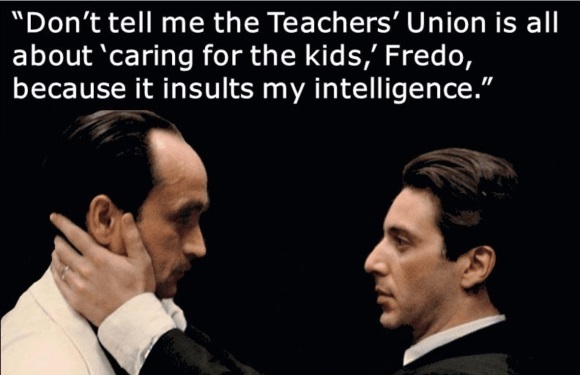 that private schools do a much better job than government schools.
the group tweeted Saturday. “He’s been saying it is unsafe for *your kid* to be back at school, all the while dropping his kid off at private school.” …The video was filmed by Berkeley area parents who did not give their names out of fear of retaliation… The video sparked a backlash among parents who want their children to return to in-person learning as soon as possible.




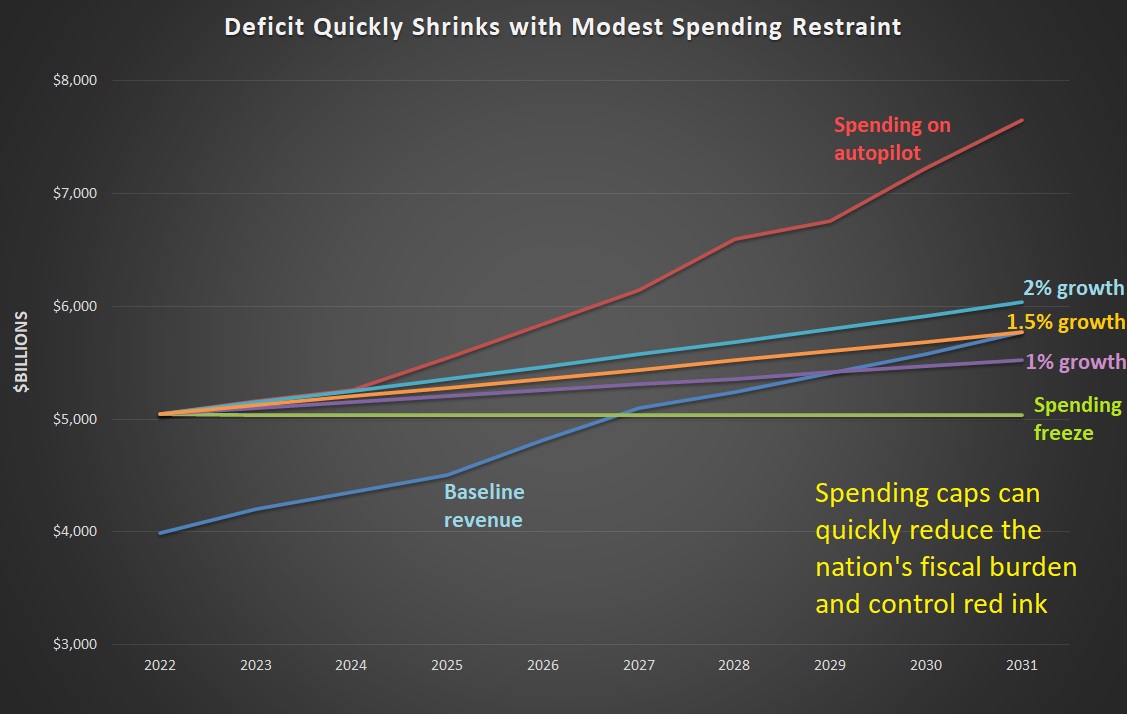



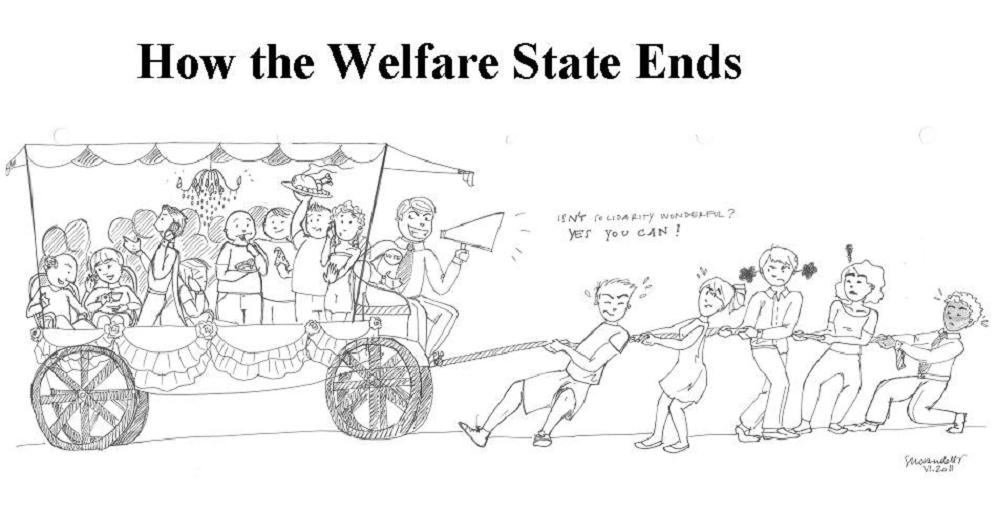



 , I made note of his penchant for cynicism and pessimism, especially in his dramas. That penchant made Allen’s supposed “light” drama from last year,
  , an almost soul crushing viewing experience for me. That film not only left me feeling depressed and unfulfilled, but it also had me questioning whether or not my recent career change had been the right one to make. I am guessing that, since I was struggling with a writing project of my own, I projected far too much of myself onto Josh Brolin’s washed up writer character. I wanted him to succeed in his own writing project because I wanted to succeed in my own writing project. When he did not and, in a
  styled plot development, the man stole another writer’s work and claimed it as his own, I was devastated.

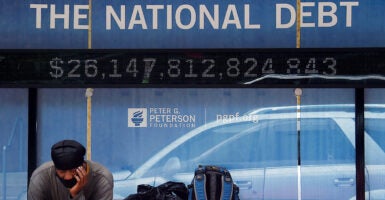


 The Daily Hatch