Monthly Archives: October 2013

One of my biggest pro-life heroes in Little Rock is my good friend Dr. Orman Simmons.

One of my biggest pro-life heroes in Little Rock is my good friend Dr. Orman Simmons.

Dr. Orman Winfield Simmons

An obstetrician/gynecologist whose faith guides his practice, Simmons says he has brought several thousand people into this world.

By Linda Haymes

This article was published June 23, 2013 at 2:55 a.m.

There has been one steadfast truth throughout Dr. Orman Simmons’ life. He has never wavered on what he was called to do in this world. Early on, even as a small child, he knew he wanted to become a physician.

“When I was 6 and living in North Little Rock, I had an injury on the top of my head that required an emergency visit to my primary care doctor,” he recalls. “He stapled it up and then sat me down and asked me, ‘Do you know what you want to be when you grow up?’

“I said, ‘Yes, I want to be a doctor like you,’ and I remember that he said, ‘Well, I hope you change your mind because it’s a hard life.’”

He didn’t. Change his mind, that is, and at 76, he’s continuing to practice at the successful Cornerstone Clinic for Women in west Little Rock that he co-founded with Dr. Doug Smith and which now features a staff of seven physicians and two obstetrics/gynecology nurse practitioners.

But Simmons, believed to be the oldest obstetrician still practicing in Arkansas, will quit delivering babies Friday, the 50th anniversary of when, as an intern, he began working as a obstetrician. He will, however, continue practice as a gynecologist.

All these decades and all these babies later — Simmons estimates he has delivered several thousand people — he has yet to become blase about the miracle of birth.

“Fifty years later it’s still a wonder to me how God does it, and to see the reaction of the family and the extended family. Dads who are having their fourth or fifth child, they’re crying, and the grandmothers are crying.”

NAMESAKE

Simmons’ childhood years were hardscrabble ones. Born to Henry and Dee Simmons, he spent his earliest years in a house with no electricity, an outhouse out back, a No. 3 washtub on the back porch, and water carried in from the pump in the yard.

Simmons says his father, who had only an eighth-grade education, worked hard to support the family.

Simmons was born in Cross County, and when he was 4, his father moved the family to North Little Rock and went to work at the munitions plant in Jacksonville. Eventually, he moved the family from near Washington Avenue into Levy, and later to the upper-middle-class Lakewood neighborhood on the money he brought home from the the plant. By example, he instilled in his son a strong work ethic so that at 14 “I went to work at the local movie theaters changing the marquees and then working the concession counter … and then I began working at Kroger when I was 16.”

He would continue working for Kroger while in high school, over summers and Christmas breaks while he attended the University of Arkansas at Fayetteville, and even his first two years of medical school.

While in college, Simmons met future wife Marilyn at the Baptist Student Union. After they spent some time together as friends but before their first date, he asked her, “Will you marry me?”

“That’s not funny,” she responded.

“I’m not trying to be funny,” he replied.

It would be another two years before the couple married.

In 1962, as a student at the University of Arkansas for Medical Sciences, Simmons delivered his first baby. It was under the aegis of the woman’s primary care doctor, who promised, “‘If you stay with the mom during the labor, I’ll let you deliver the baby.’”

As Simmons recalls, he was far more excited about the birth than was the mother, who already had 8 boys and 8 girls. Still, after the baby was born, she asked the young intern what his first name was and named her ninth son Orman.

A couple of years later, Simmons and his wife began a family of their own, and he delivered all three of his daughters — Amber, now 48; Vivian, now 46; and Calli, now 43 and a nurse in Simmons’ practice — and 16 of his grandchildren.

While serving two years as a physician in the Army, Simmons spent 11 months in Vietnam treating the wounded.

“It was life changing,” he says of the experience. “Afterward, I said that I’d seen so much blood, I’d never be afraid of blood again.”

BABIES, BABIES, BABIES

After his residency, Simmons was invited to join the practice of Dr. Bill Floyd in Little Rock.

“He was a wonderful teacher and practice companion,” Simmons recalls. “I learned so much from him, to be patient with people, and if they had a problem that was going to require surgery but it wasn’t an emergency, let them decide when they needed to have the surgery. He taught me that the mother you’re taking care of has other people at home — other children and a husband — and you don’t need to drive their decisions but instead just be a part of them.”

Through his years of practice, he has delivered a set of quadruplets from Morrilton, a few sets of triplets and even more sets of twins. He has delivered most of those babies at Baptist Health Medical Center near his current office, but has also delivered babies at St. Vincent Infirmary Medical Center. He served as chief of obstetrics at Baptist twice, once in the 1970s and again in 1983. He was appointed to the Arkansas State Medical Board by then-Gov. Mike Huckabee in 1999, serving through 2006.

“We used to listen to the baby with a fetoscope, an adaptation of a stethoscope,” he marvels. “Now we have ultrasound and electronic monitoring, which can measure the strength of the contractions.

“We can see if the water has broken, and even have a special instrument to break the water … and then there are all the drugs we have to start and stop labor. And the anesthesia we have is phenomenal.”

From his vantage point, it has been a golden era for obstetrics.

“I think I have practiced in the best era of medicine,” Simmons says. “It might get better in the future, but from where we’ve come from, it’s amazing.”

Only once, very briefly, did he have second thoughts about being a doctor. He thought about becoming a minister, but then, “I felt like I could also have a ministry in medicine — so I stayed with it and I feel like I have been able to reach others spiritually as well as medically.”

FAITH IN PRACTICE

In 1977, when a lot of obstetricians were choosing to quit delivering babies and focus their practices solely on gynecology, one of Simmons’ former medical school classmates, Dr. Doug Smith, then practicing in Fort Smith, moved to Little Rock and joined forces with him to establish a practice that would also include a ministry emphasis. They named the practice Cornerstone.

“I was not a Christian when I became a doctor, but after I became a Christian, I knew I had to make some difficult decisions on how I was going to handle my practice,” says Simmons, who currently is a member of Immanuel Baptist Church in Little Rock.

“In college, neither of us were Christians,” Smith explains. “When we met up years later by chance at a medical conference in Mexico City, we discovered we’d both become believers and decided to join together to create a practice which would also include our religious faith.”

For patients who choose to do so, the physicians often pray with those in labor or going into surgery.

Smith says the pair’s goal was not to force their convictions upon others but instead to be able to offer spiritual guidance in addition to medical care, and keep their own faith in the forefront as a reminder to focus on treating their patients as they would want to be treated.

As a vocal opponent of abortion, Simmons has shared his beliefs, testifying before legislative committees and in the courtroom about his opposition to abortions, especially the procedure known as partial-birth abortion.

“I believe that life begins at the moment of conception and we don’t have the right to take that life,” he says, adding that he has been ridiculed for his beliefs.

What are his thoughts regarding the two state laws passed by the Arkansas Legislature this past session, one banning most abortions at or after the 12th week of pregnancy and the other banning them after the 20th week?

“I think it’s a move in the right direction to make some logical sense out of all the political and emotional morass that has engulfed this whole thing,” says Simmons, who was scheduled to testify one day during the recent session before the hearing was canceled.

He does enjoy traveling with his wife and up until last year was still snow-skiing, but otherwise he doesn’t really have any hobbies. He gave up golf during the Nixon administration.

Simmons credits his wife with being a constant and steady partner in his life.

“Back in medical school, when I told her I was going into obstetrics, a lot of women would have pitched a fit because of the long, demanding hours, but she didn’t,” Simmons says.

And while his profession cost him some lost time in the evenings and weekends with his daughters as they were growing up, the memories they do share from that time are precious.

“They’ve told me that some of their sweetest memories of me are the rare occasions when I was home in the mornings and would get them out of bed and sit and rock them by the fireplace before getting them dressed and ready for school,” Simmons says, growing emotional.

While he will soon stop delivering babies, he doesn’t have any plans to completely retire anytime soon.

“For my age, I have been blessed with incredibly good health and have an abundance of energy,” he says. “I don’t know what I’d do with a lot of free time. Maybe in four years, I’ll look at that question again and re-evaluate it then,” he says with a smile.

SELF PORTRAIT

Orman Simmons

DATE AND PLACE OF BIRTH: June 20, 1937, Fair Oaks, Ark.

MY ROLE MODEL IN LIFE: My dad. He was honest to a fault and had a phenomenal work ethic.

WHEN I WAS A BOY, I WANTED TO GROW UP AND BE a doctor.

I WON’T EAT rutabaga.

MY FAVORITE MOVIE is Chariots of Fire.

THE GUESTS AT MY FANTASY DINNER PARTY: All of my family, my mom and my dad and my mother-in law and my father-in law

MOST PEOPLE DON’T KNOW I am actually shy.

EXPERIENCING A BABY ENTERING THIS WORLD IS the most wonderful experience, for the family, extended family, and all the health-care workers involved.

I WANT MY CHILDREN TO REMEMBER how much I loved their mother and love them and appreciate all of the joy they’ve added to our lives.

ONE WORD TO SUM ME UP: Blessed

High Profile, Pages 33 on 06/23/2013

Print Headline: Dr. Orman Winfield Simmons

In the film series “WHATEVER HAPPENED TO THE HUMAN RACE?” the arguments are presented  against abortion (Episode 1),  infanticide (Episode 2),   euthanasia (Episode 3), and then there is a discussion of the Christian versus Humanist worldview concerning the issue of “the basis for human dignity” in Episode 4 and then in the last episode a close look at the truth claims of the Bible.

Francis Schaeffer: How Should We Then Live? (Full-Length Documentary)

Francis Schaeffer Whatever Happened to the Human Race (Episode 1) ABORTION

Francis Schaeffer: What Ever Happened to the Human Race? (Full-Length Documentary)


Part 1 on abortion runs from 00:00 to 39:50, Part 2 on Infanticide runs from 39:50 to 1:21:30, Part 3 on Youth Euthanasia runs from 1:21:30 to 1:45:40, Part 4 on the basis of human dignity runs from 1:45:40 to 2:24:45 and Part 5 on the basis of truth runs from 2:24:45 to 3:00:04

Francis Schaeffer “BASIS FOR HUMAN DIGNITY” Whatever…HTTHR

Related posts:

The Pro-life “180″ Movie

The Pro-life “180″ Movie __________ Francis Schaeffer pictured above and a young Dr. C. Everett Koop is pictured below: I have posted many times in the past concerning the pro-life issue in the past and many of the posts have included the works of Francis Schaeffer and Dr. C. Everett Koop. I have even had […]

An Angry Reaction to the pro-life movie “180″

An Angry Reaction to the pro-life movie “180″ __________ Francis Schaeffer pictured above and a young Dr. C. Everett Koop is pictured below: I have posted many times in the past concerning the pro-life issue in the past and many of the posts have included the works of Francis Schaeffer and Dr. C. Everett Koop. […]

Pro-life Atheist Nat Hentoff’s conversation with Ken Burns about the censoring of pro-life history!!!!!

Nat Hentoff is an atheist, but he became a pro-life activist because of the scientific evidence that shows that the unborn child is a distinct and separate human being and even has a separate DNA. His perspective is a very intriguing one that I thought you would be interested in. I have shared before many   […]

“Sanctity of Life Saturday”Taking on Ark Times Bloggers on various issues Part A “The Pro-life Issue” (Francis Schaeffer Quotes Part 1 includes the film SLAUGHTER OF THE INNOCENTS) (editorial cartoon)

I have gone back and forth and back and forth with many liberals on the Arkansas Times Blog on many issues such as abortion, human rights, welfare, poverty, gun control  and issues dealing with popular culture. Here is another exchange I had with them a while back. My username at the Ark Times Blog is Saline […]


FREE TO CHOOSE “Who protects the worker?” Video and Transcript Part 6 of 7 “The source of the prosperity of this country was freedom of enterprise, freedom of employers to hire, of workers to work for whom they wanted to; and insofar as unions have played a role, they have protected some workers at the expense of others, and have retarded the prosperity of this country”

FREE TO CHOOSE “Who protects the worker?” Video and Transcript Part 6 of 7

In 1980 I read the book FREE TO CHOOSE by Milton Friedman and it really enlightened me a tremendous amount.  I suggest checking out these episodes and transcripts of Milton Friedman’s film series FREE TO CHOOSE: “The Failure of Socialism” and “What is wrong with our schools?”  and “Created Equal”  and  From Cradle to Grave, and – Power of the Market. Milton Friedman shows in this episode how the worker is best protected and it is not by the government!!!!!!!

The best point made in this part of the debate in this episode of “Free to Choose” was made by the economist Walter Williams when he stated:

“Yes. Okay, well, at least form the standpoint of teenagers, particularly minority teenagers, the minimum wage law has acted to destroy a number of employment opportunities. For example, back in 1948, the black youth between 16 and 18 had an unemployment rate of 9.4 percent and white youth was 10.4 percent or 10.2 percent. The labor force participation rates of blacks was considerably higher than that of whites. And with each increase in the minimum wage law, we had the dramatic reversal that we have now. And so the minimum wage law has the effect of saying that if you cannot produce $2.90 worth of goods an hour, you don’t deserve a job….The point is, is that, I think that both these gentlemen, we all should recognize is that unions in the United States support the minimum wage. They are the major supporters. They spend millions and millions of dollars in lobbying for the minimum wage law. They do it out of the name of concern and being in the interest of people. Now, in South Africa the unions are far more honest. That is those white racist unions over there they say we support minimum wages and equal pay for equal work so as to protect white jobs. That is to protect white jobs__”

Pt 6

MCKENZIE: Let’s raise the question, which certainly is dealt with in the film: have minimum wages __ which is a form of government intervention __ served the interests of the poor and indeed of the working class generally? Now I know you’ve spent a good deal of time looking at this __

W. WILLIAMS: Yes. Okay, well, at least form the standpoint of teenagers, particularly minority teenagers, the minimum wage law has acted to destroy a number of employment opportunities. For example, back in 1948, the black youth between 16 and 18 had an unemployment rate of 9.4 percent and white youth was 10.4 percent or 10.2 percent. The labor force participation rates of blacks was considerably higher than that of whites. And with each increase in the minimum wage law, we had the dramatic reversal that we have now. And so the minimum wage law has the effect of saying that if you cannot produce $2.90 worth of goods an hour, you don’t deserve a job.

GREEN: I don’t think __ you can’t look just at the minimum wages __

W. WILLIAMS: But __

GREEN: __ you’ve got to look at the relocation of firms. You’ve got to __ you’ve got to look at the movement of people. You’ve __ I mean you can’t __ you can’t do that.

W. WILLIAMS: Well, can’t we just __ well you look at the relocation of firms. A lot of people try to say a lot of jobs move out to the suburbs. Well, you find black an white unemployment ratios the same in the suburbs as you find in the cities. So it’s __ I mean, it’s the minimum wages.

L. WILLIAMS: Yes, but taking one element __ you’re taking one element out of a long historic development and you start comparing 1920 __

GREEN: Even if you hold constant __ if you hold constant __

(Several people talking at once.)

MCKENZIE: Lynn is next, Lynn and then Ernest Green. Come on now.

GREEN: I understand the law of educational achievement.

MCKENZIE: Lynn and then Ernest Green.

GREEN: You get a differential between black and white unemployment rates __

MCKENZIE: I’ll bang the gavel. Come on. Lynn.

L. WILLIAMS: Well you’re taking __ you’re taking one element, years ago in a situation that’s entirely different that we’re in today and drawing some conclusions__

W. WILLIAMS: Minimum wage. That’s what’s different.

L. WILLIAMS: No, no. There are many other things that are different. The enormous movement of black people in this country between 1948 and now. You can’t just wipe that out. And you can’t say that’s __

W. WILLIAMS: White people move too.

L. WILLIAMS: __ you certainly can’t say that’s the minimum wage. But you know __

MCKENZIE: Wait now. I want this case made. Has the minimum wage served the interests of the working people in this country?

L. WILLIAMS: I don’t think there’s any question __ I don’t think there’s any question that the working people of this country would be much worse off than they are today, the youth of this country would be much worse off than they are today if we didn’t have minimum wage.

MCKENZIE: All right, now, Bill Brady. You __ come on.

BRADY: No, it’s I __

MCKENZIE: On minimum wages __ good idea or not? You’re an industrialist.

BRADY: No. It’s a bad idea. It is patently one of the, one of the worst things that can __ that we can do to our youth. We prevent them from __

GREEN: Bill, how many kids do you have?

BRADY: __ we prevent __what’s that?

GREEN: How many kids do you have?

BRADY: I have two.

VOICE OFF SCREEN: It’s not important how many kids you have.

GREEN: But it is. Minimum wage doesn’t affect his industry. His wages are far above the minimum wage.

FRIEDMAN: Minimum wage doesn’t affect a single one of his members.

(Several people talking at once.)

MCKENZIE: Hold it. Hold it. Hold it. Milton has the floor.

L. WILLIAMS: We have not gone to support minimum wage legislation in this country __

MCKENZIE: Gentlemen, hold it a moment.

L. WILLIAMS: __ simply to look after our own interests in something as you describe.

MCKENZIE: Hold it a moment.

(Several people talking at once.)

MCKENZIE: Hold it a moment now. Milton __

L. WILLIAMS: Of course we have not. We are a people’s organization __

MCKENZIE: Lynn __ the Chairman has said the floor is Milton’s.

FRIEDMAN: I was saying that there is not a single one, I suspect, of the members of your union who is affected by the minimum wage. They are much higher.

L. WILLIAMS: As a matter of fact that is a deduction.

FRIEDMAN: You say that you are a public service organization.

L. WILLIAMS: I say we’re a people’s organization.

FRIEDMAN: You’re an organization of your workers. And if you aren’t representing the interests of your workers they ought to fire you.

L. WILLIAMS: And we’re out __

FRIEDMAN: If you tell us that you are going against the interests of your workers and you are simultaneously saying to your workers __ I’m not doing what you hired me for.

L. WILLIAMS: Oh, come on. This is, this is pure sophistry. I’m not __

FRIEDMAN: It’s not sophistry in the slightest.

L. WILLIAMS: __ I am not talking __

FRIEDMAN: I’m just trying to __

L. WILLIAMS: I am not talking about representing the interests of our workers. Our union represents a lot of people.

FRIEDMAN: Right. Right. It does.

L. WILLIAMS: And some of the people are the ones that you’re probably aware of, the people who work in big steel mills __

FRIEDMAN: That’s right.

L. WILLIAMS: __ and all the rest of that.

FRIEDMAN: Absolutely.

L. WILLIAMS: But we also go out and organize workers all the time and win certification votes despite Bill Brady’s comment about that and many of the workers we organize are workers who are affected by minimum wage. And the result of our organizing them is that we’re able to bring them above the minimum wage.

MCKENZIE: Yes.

W. WILLIAMS: The point is, is that, I think that both these gentlemen, we all should recognize is that unions in the United States support the minimum wage. They are the major supporters. They spend millions and millions of dollars in lobbying for the minimum wage law. They do it out of the name of concern and being in the interest of people. Now, in South Africa the unions are far more honest. That is those white racist unions over there they say we support minimum wages and equal pay for equal work so as to protect white jobs. That is to protect white jobs__

L. WILLIAMS: Are you implying __

W. WILLIAMS: __ from low price competition.

L. WILLIAMS: Are you now implying, wait, that we’re white racists?

W. WILLIAMS: No, I’m not saying that. I’m saying that it doesn’t make any difference about the intent. The effects are __ the effects are __

GREEN: Walter, the Urban League supports minimum wage the __ Ben Hooks at NAACP supports minimum wage.

MCKENZIE: The floor belongs to Ernest.

W. WILLIAMS: They have very good reasons to support minimum wage.

GREEN: Why?

W. WILLIAMS: Their group that they represent __

GREEN: Why __

W. WILLIAMS: They represent middle class blacks.

GREEN: No, no, no.

W. WILLIAMS: They don’t represent the poor blacks on the streets.

GREEN: The membership of the NAACP probably has as many __

W. WILLIAMS: And they’re owned by them. They’re owned by the AFL-CIO.

L. WILLIAMS: They aren’t owned by the AFL-CIO.

MCKENZIE: Order. Order.

L. WILLIAMS: That is a conservative’s view __

MCKENZIE: Order. Order.

L. WILLIAMS: That is a conservative’s view __

(Several people talking at once.)

MCKENZIE: Order! I’m going to __ I’m going to __ I’m going to __ I’m going to turn to Milton now. Are you saying, then, that you would advocate the repeal of minimum wage legislation?

FRIEDMAN: Of course.

MCKENZIE: You would.

FRIEDMAN: Of course I would.

MCKENZIE: Bill Brady, Bill Brady.

BRADY: I should like to ask Ernest and Lynn why they want to restrict a minimum price to labor. Why don’t you let me have a minimum price on the products that we manufacture?

L. WILLIAMS: Well we aren’t hare, as I understand it, to discuss your problems at the moment in terms of the owners __

BRADY: Is there a difference why a minimum amount of profit ___

L. WILLIAMS: Well, you’re the people I assume who are so anxious to have the free market system and to compete with each other and all the rest of it, we’re talking about the needs of the workers and we’re talking about the needs of the people who come into a society which isn’t providing enough employment for them; which clearly doesn’t seem to be able to provide enough employment for them and what are we going to do? And I think this notion that somehow if we just let every guy who is running a hamburg stand or whatever, we just let all these people exploit the young people of this nation in any way they chose, pay them any little rate they could get away with, that everybody would then go to work, would everybody then have a job, is absolute nonsense.

MCKENZIE: I want to bring Milton to one of the final stages of his film, which is Spartanburg, South Carolina.

FRIEDMAN: Sure.

MCKENZIE: And I want to know what your __ what conclusion you’re drawing from that. Would you, in effect, like to see the whole of the United States become as it were, Spartanburg writ large?

FRIEDMAN: Absolutely.

MCKENZIE: Yeah. What would that mean? And then we’ll get their reaction to it.

FRIEDMAN: It would mean a widening of the opportunity for everybody. It would mean an opportunity for employers all over to compete with one another for workers. It would mean an opportunity for workers to find jobs which can make the greatest use of their own skills and their own capacities. It would mean that consumers would be able to get better products at lower prices. You know, consumers enter into this situation, too. You might think that somehow or other, you know __one of the things that’s always a mystery to me, if a $2.90 minimum wage benefits people why wouldn’t a $6 minimum wage be better? Wouldn’t a $10 minimum wage be better? Why don’t these people come out for a $200 figure minimum wage? If all you had to do to make a country __

VOICE OFF SCREEN: You’re pretty smart __

FRIEDMAN: Two hundred dollars an hour.

W. WILLIAMS: Or extend it to babysitters.

FRIEDMAN: Yeah. If all you need to improve the lot and the conditions of people is to legislate a higher __

MCKENZIE: You’re back on minimum wages. I want to know how Spartanburg __

FRIEDMAN: All right. Spartanburg improves matters because it introduces a wider range of competition and the real thing that protects the worker is the existence of alternative employers seeking his services, just as what protects the consumer is alternative sellers.

BRADY: Milton, you omit one thing that it would do. And it would result in a very substantial increase in capital investment.

FRIEDMAN: Absolutely. It would.

BRADY: And capital is the worker’s second best friend.

____________________________________

Related posts:

“The Power of the Market” episode of Free to Choose in 1990 by Milton Friedman (Part 1)

Milton Friedman The Power of the Market 1-5 How can we have personal freedom without economic freedom? That is why I don’t understand why socialists who value individual freedoms want to take away our economic freedoms.  I wanted to share this info below with you from Milton Friedman who has influenced me greatly over the […]

“Friedman Friday,” EPISODE “The Failure of Socialism” of Free to Choose in 1990 by Milton Friedman (Part 1)

Milton Friedman: Free To Choose – The Failure Of Socialism With Ronald Reagan (Full) Published on Mar 19, 2012 by NoNationalityNeeded Milton Friedman’s writings affected me greatly when I first discovered them and I wanted to share with you. We must not head down the path of socialism like Greece has done. Abstract: Ronald Reagan […]

________________

“Friedman Friday” (“Free to Choose” episode 3 – Anatomy of a Crisis. part 3 of 7)

Worse still, America’s depression was to become worldwide because of what lies behind these doors. This is the vault of the Federal Reserve Bank of New York. Inside is the largest horde of gold in the world. Because the world was on a gold standard in 1929, these vaults, where the U.S. gold was stored, […]

“Friedman Friday” (Part 16) (“Free to Choose” episode 3 – Anatomy of a Crisis. part 2 of 7)

  George Eccles: Well, then we called all our employees together. And we told them to be at the bank at their place at 8:00 a.m. and just act as if nothing was happening, just have a smile on their face, if they could, and me too. And we have four savings windows and we […]

“Friedman Friday” (“Free to Choose” episode 3 – Anatomy of a Crisis. part 1of 7)

Milton Friedman’s Free to Choose (1980), episode 3 – Anatomy of a Crisis. part 1 FREE TO CHOOSE: Anatomy of Crisis Friedman Delancy Street in New York’s lower east side, hardly one of the city’s best known sites, yet what happened in this street nearly 50 years ago continues to effect all of us today. […]

By Everette Hatcher III | Also posted in Current Events | Edit | Comments (0)

____________________________

_____________


________________________________________________

_____________________________________________

Friedman Friday” Free to Choose by Milton Friedman: Episode “What is wrong with our schools?” (Part 3 of transcript and video)

Friedman Friday” Free to Choose by Milton Friedman: Episode “What is wrong with our schools?” (Part 3 of transcript and video) Here is the video clip and transcript of the film series FREE TO CHOOSE episode “What is wrong with our schools?” Part 3 of 6.   Volume 6 – What’s Wrong with our Schools Transcript: If it […]

Friedman Friday” Free to Choose by Milton Friedman: Episode “What is wrong with our schools?” (Part 2 of transcript and video)

Here is the video clip and transcript of the film series FREE TO CHOOSE episode “What is wrong with our schools?” Part 2 of 6.   Volume 6 – What’s Wrong with our Schools Transcript: Groups of concerned parents and teachers decided to do something about it. They used private funds to take over empty stores and they […]

By Everette Hatcher III | Also posted in Vouchers | Edit | Comments (1)

Friedman Friday” Free to Choose by Milton Friedman: Episode “What is wrong with our schools?” (Part 1 of transcript and video)

Here is the video clip and transcript of the film series FREE TO CHOOSE episode “What is wrong with our schools?” Part 1 of 6.   Volume 6 – What’s Wrong with our Schools Transcript: Friedman: These youngsters are beginning another day at one of America’s public schools, Hyde Park High School in Boston. What happens when […]

By Everette Hatcher III | Also posted in Vouchers | Tagged , , , , | Edit | Comments (0)

Friedman Friday” Free to Choose by Milton Friedman: Episode “Created Equal” (Part 3 of transcript and video)

Friedman Friday” Free to Choose by Milton Friedman: Episode “Created Equal” (Part 3 of transcript and video) Liberals like President Obama want to shoot for an equality of outcome. That system does not work. In fact, our free society allows for the closest gap between the wealthy and the poor. Unlike other countries where free enterprise and other […]

Free to Choose by Milton Friedman: Episode “Created Equal” (Part 2 of transcript and video)

Free to Choose by Milton Friedman: Episode “Created Equal” (Part 2 of transcript and video) Liberals like President Obama want to shoot for an equality of outcome. That system does not work. In fact, our free society allows for the closest gap between the wealthy and the poor. Unlike other countries where free enterprise and other freedoms are […]

Free to Choose by Milton Friedman: Episode “Created Equal” (Part 1 of transcript and video)

 Milton Friedman and Ronald Reagan Liberals like President Obama (and John Brummett) want to shoot for an equality of outcome. That system does not work. In fact, our free society allows for the closest gap between the wealthy and the poor. Unlike other countries where free enterprise and other freedoms are not present.  This is a seven part series. […]

Milton Friedman Friday: (“Free to Choose” episode 4 – From Cradle to Grave, Part 3 of 7)

 I am currently going through his film series “Free to Choose” which is one the most powerful film series I have ever seen. PART 3 OF 7 Worse still, America’s depression was to become worldwide because of what lies behind these doors. This is the vault of the Federal Reserve Bank of New York. Inside […]

By Everette Hatcher III | Edit | Comments (0)

Milton Friedman Friday:(“Free to Choose” episode 4 – From Cradle to Grave, Part 2 of 7)

 I am currently going through his film series “Free to Choose” which is one the most powerful film series I have ever seen. For the past 7 years Maureen Ramsey has had to buy food and clothes for her family out of a government handout. For the whole of that time, her husband, Steve, hasn’t […]

Friedman Friday:(“Free to Choose” episode 4 – From Cradle to Grave, Part 1 of 7)

Friedman Friday:(“Free to Choose” episode 4 – From Cradle to Grave, Part 1 of 7) Volume 4 – From Cradle to Grave Abstract: Since the Depression years of the 1930s, there has been almost continuous expansion of governmental efforts to provide for people’s welfare. First, there was a tremendous expansion of public works. The Social Security Act […]

By Everette Hatcher III | Edit | Comments (0)

“Friedman Friday” (“Free to Choose” episode 1 – Power of the Market. part 3 of 7)

  _________________________   Pt3  Nowadays there’s a considerable amount of traffic at this border. People cross a little more freely than they use to. Many people from Hong Kong trade in China and the market has helped bring the two countries closer together, but the barriers between them are still very real. On this side […]

“Friedman Friday” (“Free to Choose” episode 1 – Power of the Market. part 2 of 7)

  Aside from its harbor, the only other important resource of Hong Kong is people __ over 4_ million of them. Like America a century ago, Hong Kong in the past few decades has been a haven for people who sought the freedom to make the most of their own abilities. Many of them are […]

“Friedman Friday” (“Free to Choose” episode 1 – Power of the Market. part 1of 7)

“FREE TO CHOOSE” 1: The Power of the Market (Milton Friedman) Free to Choose ^ | 1980 | Milton Friedman Posted on Monday, July 17, 2006 4:20:46 PM by Choose Ye This Day FREE TO CHOOSE: The Power of the Market Friedman: Once all of this was a swamp, covered with forest. The Canarce Indians […]

By Everette Hatcher III | Posted in Current Events, Milton Friedman | Edit | Comments (0)

“Friedman Friday,” EPISODE “The Failure of Socialism” of Free to Choose in 1990 by Milton Friedman (Part 1)

Milton Friedman: Free To Choose – The Failure Of Socialism With Ronald Reagan (Full) Published on Mar 19, 2012 by NoNationalityNeeded Milton Friedman’s writings affected me greatly when I first discovered them and I wanted to share with you. We must not head down the path of socialism like Greece has done. Abstract: Ronald Reagan […]

By Everette Hatcher III | Posted in Milton FriedmanPresident Obama | Edit | Comments (1)

“The Failure of Socialism” episode of Free to Choose in 1990 by Milton Friedman (Part 1)

Milton Friedman: Free To Choose – The Failure Of Socialism With Ronald Reagan (Full) Published on Mar 19, 2012 by NoNationalityNeeded Milton Friedman’s writings affected me greatly when I first discovered them and I wanted to share with you. We must not head down the path of socialism like Greece has done. Abstract: Ronald Reagan […]

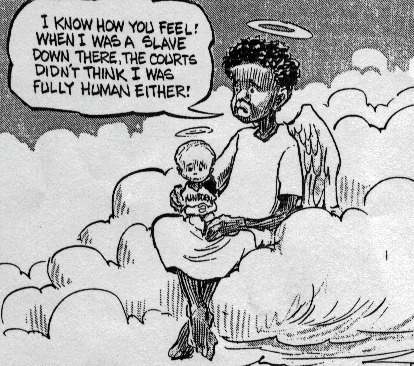
Open letter to President Obama (Part 441) (Blacks’ right to be recognized as humans was denied before civil war. Includes editorial cartoon.)

Open letter to President Obama (Part 441)

(Emailed to White House on 4-9-13.)

President Obama c/o The White House 1600 Pennsylvania Avenue NW Washington, DC 20500

Dear Mr. President,

I know that you receive 20,000 letters a day and that you actually read 10 of them every day. I really do respect you for trying to get a pulse on what is going on out here.

As you can tell below from the articles and videos that the pro-life cause was very important to the Schaeffers. Mr. President don’t you think that the unborn baby’s right to be recognized as a human being is on par with the blacks right to be recognized as humans before the civil war? There is an editorial cartoon about that below.

___________________

The Francis and Edith Schaeffer Story Pt.1 – Today’s Christian Videos

The Francis and Edith Schaeffer Story – Part 3 of 3

In the film series “WHATEVER HAPPENED TO THE HUMAN RACE?” the arguments are presented  against abortion (Episode 1),  infanticide (Episode 2),   euthanasia (Episode 3), and then there is a discussion of the Christian versus Humanist worldview concerning the issue of “the basis for human dignity” in Episode 4 and then in the last episode a close look at the truth claims of the Bible.

Francis Schaeffer: How Should We Then Live? (Full-Length Documentary)

Francis Schaeffer Whatever Happened to the Human Race (Episode 1) ABORTION

Francis Schaeffer: What Ever Happened to the Human Race? (Full-Length Documentary)

Part 1 on abortion runs from 00:00 to 39:50, Part 2 on Infanticide runs from 39:50 to 1:21:30, Part 3 on Youth Euthanasia runs from 1:21:30 to 1:45:40, Part 4 on the basis of human dignity runs from 1:45:40 to 2:24:45 and Part 5 on the basis of truth runs from 2:24:45 to 3:00:04

________________

Picture of Francis Schaeffer and his wife Edith from the 1930′s above. I was sad to read about Edith passing away on Easter weekend in 2013. I wanted to pass along this fine article below.

The Legacy of Edith and Francis Schaeffer

30 Saturday Mar 2013

Posted by in News

1 Comment

20130330-170740.jpg

By Mark Tooley @markdtooley

Edith Schaeffer, widow of the late great evangelical thinker Francis Schaeffer, and herself an intellect and formidable writer, has died, just short of age 99. Francis, who died in 1984, intellectually fathered modern conservative evangelical cultural and political activism. She was the daughter of missionaries in China, her mother having survived the Boxer Rebellion.

Francis and Edith met in 1932 at a liberal Presbyterian church outside Philadelphia, where a Unitarian was lecturing against Christ’s deity and the Bible’s authority. At that time, much of Mainline Protestantism had liberalized. At age 18, Edith was braced for debate in defense of the faith. But Francis, two years older, rose first, explaining his own transformative faith in Jesus Christ. They launched a more than 50 year partnership and marriage that was globally influential, much of it from Switzerland, where they founded l’Abri fellowship, and where she died.

In a column that was atypically moving while also more typically snide, the Schaeffer’s chronically peeved son, Franky, who has publicly excoriated his parents and their beliefs for years, honored his mother’s unfailing love while pronouncing her marriage “disastrous.” She likely disagreed.

The Schaeffers first contended against Presbyterian liberalism. After World War II, he rallied evangelicals, then very much on the cultural sidelines, against the seductively ascendant neo-orthodoxy of Karl Barth. Later the Schaeffers set themselves toward creating an alternative evangelical theological framework for renewing Western culture. Many of the Religious Right’s early leaders were deeply influenced by his call to combative yet loving advocacy for what came to be called family values. Abortion was a chief cause for the Schaeffers.

Ten years ago it was widely popular among liberal elites to warn against impending theocracy, with Schaeffer having been the original godfather. Now it’s trendy to declare religious conservatism dead and almost gone, with supposedly everybody and their grandmother anxious to bless same sex marriage and all of postmodernism’s moral ambiguity and underlying intolerance.

Interestingly our new era no longer so much requires vigorous defense of Christian doctrine like Christ’s deity, which brought the Schaeffers together. The sterile certitudes of liberal Protestantism have intellectually and demographically collapsed. Postmodernism embraces transcendence and the supernatural. But it rejects absolute truth claims (except incoherently in defense of a faux “diversity”).

So the Schaeffers won some battles and momentarily lost some others. But she no doubt was pleased by the explosive growth of Christianity in China, where as an old woman she visited the old mission station of her childhood, and throughout the global south. He would be saddened but unsurprised by the West’s current cultural malaise, yet no less delighted by global Christianity’s surge, to which he contributed at least indirectly by his long, unfashionable defense of orthodox faith. I myself, like many others, read their books appreciatively and impressionably as a young man, when their themes were provocative and bracing. May God bless their memory.

thought on “The Legacy of Edith and Francis Schaeffer”

  1. Seeing that cover reminded me of what an icon Schaeffer was to our generation of evangelicals. Something about that balding head, his bulbous nose, and his famous knickers, just seemed like the spiritual mentor we all needed, the wise old uncle whose face showed both serenity and a sorrow at the fallen state of the world God created good, also the courage to fight back against the evil in that world. I hope Schaeffer is already home with God and not aware of what his scapegrace son has done to trash his parents’ memory and all they stood for. We need more Francis Schaeffers, deep thinkers, people who know that ideas have consequences, that Christian thought and Christian feeling are both essential to the life of faith. Maybe the “communion of saints” will give us an opportunity to fellowship with Schaeffer in a deeper way.

    ______________

The film “Whatever happened to the human race?” did a great job of comparing the dehumanizing efforts of the slave owners and those of today’s abortion advocates. Here is  a great cartoon that makes the same comparison:

(Francis did a great job in his film series “How Should we then live?” in looking at how humanism has affected art and culture in the Western World in the last 2000 years. My favorite episodes include his study of the Renaissance, the Revolutionary age, the age of Nonreason, and the age of Fragmentation.)

______________________

Thank you so much for your time. I know how valuable it is. I also appreciate the fine family that you have and your commitment as a father and a husband.

Sincerely,

Everette Hatcher III, 13900 Cottontail Lane, Alexander, AR 72002, ph 501-920-5733, lowcostsqueegees@yahoo.com

Related posts:

Francis Schaeffer’s “How should we then live?” Video and outline of episode 10 “Final Choices” (Schaeffer Sundays)

E P I S O D E 1 0   Dr. Francis Schaeffer – Episode X – Final Choices 27 min FINAL CHOICES I. Authoritarianism the Only Humanistic Social Option One man or an elite giving authoritative arbitrary absolutes. A. Society is sole absolute in absence of other absolutes. B. But society has to be […]

Francis Schaeffer’s “How should we then live?” Video and outline of episode 9 “The Age of Personal Peace and Affluence” (Schaeffer Sundays)

E P I S O D E 9 Dr. Francis Schaeffer – Episode IX – The Age of Personal Peace and Affluence 27 min T h e Age of Personal Peace and Afflunce I. By the Early 1960s People Were Bombarded From Every Side by Modern Man’s Humanistic Thought II. Modern Form of Humanistic Thought Leads […]

Francis Schaeffer’s “How should we then live?” Video and outline of episode 8 “The Age of Fragmentation” (Schaeffer Sundays)

E P I S O D E 8 Dr. Francis Schaeffer – Episode VIII – The Age of Fragmentation 27 min I saw this film series in 1979 and it had a major impact on me. T h e Age of FRAGMENTATION I. Art As a Vehicle Of Modern Thought A. Impressionism (Monet, Renoir, Pissarro, Sisley, […]

Francis Schaeffer’s “How should we then live?” Video and outline of episode 7 “The Age of Non-Reason” (Schaeffer Sundays)

E P I S O D E 7 Dr. Francis Schaeffer – Episode VII – The Age of Non Reason I am thrilled to get this film series with you. I saw it first in 1979 and it had such a big impact on me. Today’s episode is where we see modern humanist man act […]

Francis Schaeffer’s “How should we then live?” Video and outline of episode 6 “The Scientific Age” (Schaeffer Sundays)

E P I S O D E 6 How Should We Then Live 6#1 Uploaded by NoMirrorHDDHrorriMoN on Oct 3, 2011 How Should We Then Live? Episode 6 of 12 ________ I am sharing with you a film series that I saw in 1979. In this film Francis Schaeffer asserted that was a shift in […]

Francis Schaeffer’s “How should we then live?” Video and outline of episode 5 “The Revolutionary Age” (Schaeffer Sundays)

E P I S O D E 5 How Should We Then Live? Episode 5: The Revolutionary Age I was impacted by this film series by Francis Schaeffer back in the 1970′s and I wanted to share it with you. Francis Schaeffer noted, “Reformation Did Not Bring Perfection. But gradually on basis of biblical teaching there […]

Francis Schaeffer’s “How should we then live?” Video and outline of episode 4 “The Reformation” (Schaeffer Sundays)

Dr. Francis Schaeffer – Episode IV – The Reformation 27 min I was impacted by this film series by Francis Schaeffer back in the 1970′s and I wanted to share it with you. Schaeffer makes three key points concerning the Reformation: “1. Erasmian Christian humanism rejected by Farel. 2. Bible gives needed answers not only as to […]

“Schaeffer Sundays” Francis Schaeffer’s “How should we then live?” Video and outline of episode 3 “The Renaissance”

Francis Schaeffer’s “How should we then live?” Video and outline of episode 3 “The Renaissance” Francis Schaeffer: “How Should We Then Live?” (Episode 3) THE RENAISSANCE I was impacted by this film series by Francis Schaeffer back in the 1970′s and I wanted to share it with you. Schaeffer really shows why we have so […]

Francis Schaeffer’s “How should we then live?” Video and outline of episode 2 “The Middle Ages” (Schaeffer Sundays)

  Francis Schaeffer: “How Should We Then Live?” (Episode 2) THE MIDDLE AGES I was impacted by this film series by Francis Schaeffer back in the 1970′s and I wanted to share it with you. Schaeffer points out that during this time period unfortunately we have the “Church’s deviation from early church’s teaching in regard […]

Francis Schaeffer’s “How should we then live?” Video and outline of episode 1 “The Roman Age” (Schaeffer Sundays)

Francis Schaeffer: “How Should We Then Live?” (Episode 1) THE ROMAN AGE   Today I am starting a series that really had a big impact on my life back in the 1970′s when I first saw it. There are ten parts and today is the first. Francis Schaeffer takes a look at Rome and why […]

Jim DeMint gives great pro-life speech at 2013 Values Voter Summit!! Francis Schaeffer influenced today’s pro-life leaders!!

_________________

Jim DeMint gives great pro-life speech at 2013 Values Voter Summit!! Francis Schaeffer influenced today’s pro-life leaders!!

DeMint: Washington’s Control Creates Division Among Americans

October 20, 2013 at 9:00 am

Sen. Jim DeMint at Values Voter Summit 2013

Freedom means that people should be able to make their own decisions, but that freedom is not achievable when government forces values upon its people, said Heritage President Jim DeMint at the Values Voter Summit.

“As we cringe at what’s going on in Washington today, particularly with Obamacare, it should remind us that every time Washington tries to control another part of our lives it creates division and diminishes the love that Americans have for our country,” DeMint said.

“They think that if everyone is forced to do the same thing and believe the same things that there will be more equality and unity,” he said. “But when people have many different values and beliefs, if they are forced to endure, pay for, or participate in activities that violate their conscience, this creates disharmony and division, even hate.”

DeMint said that Americans need to learn to love their country again, and one of the ways to do that is to give the power back to the people.

“We can unite America and restore our prosperity and our strength, but it can’t be done from Washington,” DeMint said. “We must push dollars and decisions back to the states and to the people.”

For the rest of Senator DeMint’s speech on restoring freedom to America, watch the video above.

Francis Schaeffer


______________________

In the film series “WHATEVER HAPPENED TO THE HUMAN RACE?” the arguments are presented  against abortion (Episode 1),  infanticide (Episode 2),   euthanasia (Episode 3), and then there is a discussion of the Christian versus Humanist worldview concerning the issue of “the basis for human dignity” in Episode 4 and then in the last episode a close look at the truth claims of the Bible.

Francis Schaeffer: How Should We Then Live? (Full-Length Documentary)

Francis Schaeffer Whatever Happened to the Human Race (Episode 1) ABORTION

Francis Schaeffer: What Ever Happened to the Human Race? (Full-Length Documentary)


Part 1 on abortion runs from 00:00 to 39:50, Part 2 on Infanticide runs from 39:50 to 1:21:30, Part 3 on Youth Euthanasia runs from 1:21:30 to 1:45:40, Part 4 on the basis of human dignity runs from 1:45:40 to 2:24:45 and Part 5 on the basis of truth runs from 2:24:45 to 3:00:04

Francis Schaeffer “BASIS FOR HUMAN DIGNITY” Whatever…HTTHR

Dr. Francis schaeffer – The flow of Materialism(from Part 4 of Whatever happened to human race?)

Dr. Francis Schaeffer – The Biblical flow of Truth & History (intro)

Francis Schaeffer – The Biblical Flow of History & Truth (1)

Dr. Francis Schaeffer – The Biblical Flow of Truth & History (part 2)

Related posts:

Francis Schaeffer’s prayer for us in USA

 Francis Schaeffer: “Whatever Happened to the Human Race” (Episode 1) ABORTION OF THE HUMAN RACE Published on Oct 6, 2012 by AdamMetropolis The 45 minute video above is from the film series created from Francis Schaeffer’s book “Whatever Happened to the Human Race?” with Dr. C. Everett Koop. This book  really helped develop my political views […]

Francis Schaeffer’s “How should we then live?” Video and outline of episode 10 “Final Choices” (Schaeffer Sundays)

E P I S O D E 1 0   Dr. Francis Schaeffer – Episode X – Final Choices 27 min FINAL CHOICES I. Authoritarianism the Only Humanistic Social Option One man or an elite giving authoritative arbitrary absolutes. A. Society is sole absolute in absence of other absolutes. B. But society has to be […]

Francis Schaeffer’s “How should we then live?” Video and outline of episode 9 “The Age of Personal Peace and Affluence” (Schaeffer Sundays)

E P I S O D E 9 Dr. Francis Schaeffer – Episode IX – The Age of Personal Peace and Affluence 27 min T h e Age of Personal Peace and Afflunce I. By the Early 1960s People Were Bombarded From Every Side by Modern Man’s Humanistic Thought II. Modern Form of Humanistic Thought Leads […]

Francis Schaeffer’s “How should we then live?” Video and outline of episode 8 “The Age of Fragmentation” (Schaeffer Sundays)

E P I S O D E 8 Dr. Francis Schaeffer – Episode VIII – The Age of Fragmentation 27 min I saw this film series in 1979 and it had a major impact on me. T h e Age of FRAGMENTATION I. Art As a Vehicle Of Modern Thought A. Impressionism (Monet, Renoir, Pissarro, Sisley, […]

Francis Schaeffer’s “How should we then live?” Video and outline of episode 7 “The Age of Non-Reason” (Schaeffer Sundays)

E P I S O D E 7 Dr. Francis Schaeffer – Episode VII – The Age of Non Reason I am thrilled to get this film series with you. I saw it first in 1979 and it had such a big impact on me. Today’s episode is where we see modern humanist man act […]

Francis Schaeffer’s “How should we then live?” Video and outline of episode 6 “The Scientific Age” (Schaeffer Sundays)

E P I S O D E 6 How Should We Then Live 6#1 Uploaded by NoMirrorHDDHrorriMoN on Oct 3, 2011 How Should We Then Live? Episode 6 of 12 ________ I am sharing with you a film series that I saw in 1979. In this film Francis Schaeffer asserted that was a shift in […]

Francis Schaeffer’s “How should we then live?” Video and outline of episode 5 “The Revolutionary Age” (Schaeffer Sundays)

E P I S O D E 5 How Should We Then Live? Episode 5: The Revolutionary Age I was impacted by this film series by Francis Schaeffer back in the 1970′s and I wanted to share it with you. Francis Schaeffer noted, “Reformation Did Not Bring Perfection. But gradually on basis of biblical teaching there […]

Francis Schaeffer’s “How should we then live?” Video and outline of episode 4 “The Reformation” (Schaeffer Sundays)

Dr. Francis Schaeffer – Episode IV – The Reformation 27 min I was impacted by this film series by Francis Schaeffer back in the 1970′s and I wanted to share it with you. Schaeffer makes three key points concerning the Reformation: “1. Erasmian Christian humanism rejected by Farel. 2. Bible gives needed answers not only as to […]

“Schaeffer Sundays” Francis Schaeffer’s “How should we then live?” Video and outline of episode 3 “The Renaissance”

Francis Schaeffer’s “How should we then live?” Video and outline of episode 3 “The Renaissance” Francis Schaeffer: “How Should We Then Live?” (Episode 3) THE RENAISSANCE I was impacted by this film series by Francis Schaeffer back in the 1970′s and I wanted to share it with you. Schaeffer really shows why we have so […]

Francis Schaeffer’s “How should we then live?” Video and outline of episode 2 “The Middle Ages” (Schaeffer Sundays)

  Francis Schaeffer: “How Should We Then Live?” (Episode 2) THE MIDDLE AGES I was impacted by this film series by Francis Schaeffer back in the 1970′s and I wanted to share it with you. Schaeffer points out that during this time period unfortunately we have the “Church’s deviation from early church’s teaching in regard […]

Francis Schaeffer’s “How should we then live?” Video and outline of episode 1 “The Roman Age” (Schaeffer Sundays)

Francis Schaeffer: “How Should We Then Live?” (Episode 1) THE ROMAN AGE   Today I am starting a series that really had a big impact on my life back in the 1970′s when I first saw it. There are ten parts and today is the first. Francis Schaeffer takes a look at Rome and why […]

Francis Schaeffer: “Whatever Happened to the Human Race” (Episode 5) TRUTH AND HISTORY

Francis Schaeffer: “Whatever Happened to the Human Race” (Episode 5) TRUTH AND HISTORY Published on Oct 7, 2012 by AdamMetropolis This crucial series is narrated by the late Dr. Francis Schaeffer and former Surgeon General Dr. C. Everett Koop. Today, choices are being made that undermine human rights at their most basic level. Practices once […]

Francis Schaeffer: “Whatever Happened to the Human Race” (Episode 4) THE BASIS FOR HUMAN DIGNITY

The opening song at the beginning of this episode is very insightful. Francis Schaeffer: “Whatever Happened to the Human Race” (Episode 4) THE BASIS FOR HUMAN DIGNITY Published on Oct 7, 2012 by AdamMetropolis This crucial series is narrated by the late Dr. Francis Schaeffer and former Surgeon General Dr. C. Everett Koop. Today, choices […]

Francis Schaeffer: “Whatever Happened to the Human Race” (Episode 3) DEATH BY SOMEONE’S CHOICE

Francis Schaeffer: “Whatever Happened to the Human Race” (Episode 3) DEATH BY SOMEONE’S CHOICE Published on Oct 6, 2012 by AdamMetropolis This crucial series is narrated by the late Dr. Francis Schaeffer and former Surgeon General Dr. C. Everett Koop. Today, choices are being made that undermine human rights at their most basic level. Practices […]

Francis Schaeffer: “Whatever Happened to the Human Race?” (Episode 2) SLAUGHTER OF THE INNOCENTS

Francis Schaeffer: “Whatever Happened to the Human Race?” (Episode 2) SLAUGHTER OF THE INNOCENTS Published on Oct 6, 2012 by AdamMetropolis This crucial series is narrated by the late Dr. Francis Schaeffer and former Surgeon General Dr. C. Everett Koop. Today, choices are being made that undermine human rights at their most basic level. Practices […]

Francis Schaeffer: “Whatever Happened to the Human Race” (Episode 1) ABORTION OF THE HUMAN RACE

It is not possible to know where the pro-life evangelicals are coming from unless you look at the work of the person who inspired them the most. That person was Francis Schaeffer.  I do care about economic issues but the pro-life issue is the most important to me. Several years ago Adrian Rogers (past president of […]

The following essay explores the role that Francis Schaeffer played in the rise of the pro-life movement. It examines the place of How Should We Then Live?, Whatever Happened to the Human Race?, and A Christian Manifesto in that process.

This essay below is worth the read. Schaeffer, Francis – “Francis Schaeffer and the Pro-Life Movement” [How Should We Then Live?, Whatever Happened to the Human Race?, A Christian Manifesto] Editor note: <p> </p> [The following essay explores the role that Francis Schaeffer played in the rise of the pro-life movement.  It examines the place of […]

Who was Francis Schaeffer? by Udo Middelmann

Great article on Schaeffer. Who was Dr. Francis A. Schaeffer? By Francis Schaeffer The unique contribution of Dr. Francis Schaeffer on a whole generation was the ability to communicate the truth of historic Biblical Christianity in a way that combined intellectual integrity with practical, loving care. This grew out of his extensive understanding of the Bible […]

.

Taking on Ark Times bloggers about abortion on the 40th anniversary date of Roe v. Wade (Part 7) “Poverty not good reason for abortion, why not give up for adoption?”

Dr Richard Land discusses abortion and slavery – 10/14/2004 – part 3 The best pro-life film I have ever seen below by Francis Schaeffer and Dr. C. Everett Koop “Whatever happened to the human race?” Over the years I have taken on the Ark Times liberal bloggers over and over and over concerning the issue […]

Taking on Ark Times bloggers about abortion on the 40th anniversary date of Roe v. Wade (Part 6) For many pro-abortionists ” …the problem is not determining when actual human life begins, but when the value of that life begins to out weigh other considerations”

The best pro-life film I have ever seen below by Francis Schaeffer and Dr. C. Everett Koop “Whatever happened to the human race?” Francis Schaeffer pictured above._________ The 45 minute video above is from the film series created from Francis Schaeffer’s book “Whatever Happened to the Human Race?” with Dr. C. Everett Koop. This book  really […]

Taking on Ark Times bloggers about abortion on the 40th anniversary date of Roe v. Wade (Part 5) “Slavery issue compared to rights of unborn child”

The best pro-life film I have ever seen below by Francis Schaeffer and Dr. C. Everett Koop “Whatever happened to the human race?” Over the years I have taken on the Ark Times liberal bloggers over and over and over concerning the issue of abortion. I asked over and over again for one liberal blogger […]

Taking on Ark Times bloggers about abortion on the 40th anniversary date of Roe v. Wade (Part 4) “How do pro-lifers react to the movie THE CIDER HOUSE RULES?”

Francis Schaeffer pictured above._________ The best pro-life film I have ever seen below by Francis Schaeffer and Dr. C. Everett Koop “Whatever happened to the human race?” Over the years I have taken on the Ark Times liberal bloggers over and over and over concerning the issue of abortion. I asked over and over again […]

Taking on Ark Times bloggers about abortion on the 40th anniversary date of Roe v. Wade (Part 3) “What should be the punishment for abortion doctors?”

The best pro-life film I have ever seen below by Francis Schaeffer and Dr. C. Everett Koop “Whatever happened to the human race?” On 1-24-13 I took on the child abuse argument put forth by Ark Times Blogger “Deathbyinches,” and the day before I pointed out that because the unborn baby has all the genetic code […]

Taking on Ark Times bloggers about abortion on the 40th anniversary date of Roe v. Wade (Part 2) “The pro-abortion child abuse argument destroyed here”

PHOTO BY STATON BREIDENTHAL from Pro-life march in Little Rock on 1-20-13. Tim Tebow on pro-life super bowl commercial. Over the years I have taken on the Ark Times liberal bloggers over and over and over concerning the issue of abortion. Here is another encounter below. On January 22, 2013 (on the 40th anniversary of the […]

Taking on Ark Times bloggers about abortion on the 40th anniversary date of Roe v. Wade (Part 1)

Dr Richard Land discusses abortion and slavery – 10/14/2004 – part 3 The best pro-life film I have ever seen below by Francis Schaeffer and Dr. C. Everett Koop “Whatever happened to the human race?” Over the years I have taken on the Ark Times liberal bloggers over and over and over concerning the issue […]

By Everette Hatcher III | Posted in Arkansas Times, Francis Schaeffer, Prolife | Edit | Comments (0)

Jim Morrison’s relationship with Nico

Jim Morrison’s relationship with Nico


Nico Icon documentary part 1.

Nico Icon documentary part 2.

______________

Jim Morrison at Andy Warhol’s Party.wmv (with Nico)

Uploaded on Apr 26, 2010

From the Oliver Stone movie. The Doors.

_______________________

nico discusses jim morrison.

Uploaded on Jan 2, 2008

nico discusses jim, and how he impacted her creatively, in interview. footage: “La Cicatrice Interieure,” a film she wrote (1972, director Philippe Garrel)

_______________________________

Nico and jim Morrison

Uploaded on Apr 20, 2011

No description available.

Nico and Jim Morrison

Not much is known by Doors fans about Nico, in most biographies about Jim Morrison she appears in licentious escapade with Morrison cavorting naked on a parapet of ‘The Castle’ in L.A. In Oliver Stone’s The Doors she appears as a German accented amalgam of Andy Warhol’s Factory groupies, but if Nico’s and Jim Morrison’s words can be believed their relationship was much deeper. Nico died July 18, 1988.

Nico was born Christa Pafggen October 16, 1938, it’s hard to say how her family reacted to Hitler they moved to the country possible to avoid the Nazi’s but Nico’s father enlisted in the army and later died in a concentration camp. In post-war Berlin the 13 year old Nico went to work as a seamstress but due to her statuesque good looks was soon modeling lingerie, it was around this time she was discovered by photographer Herbert Tobias who gave her the selenium Nico, he also took her to Paris where her modeling career took off.

Her modeling career led to small television appearances which, in turn, led to roles in movies most notably Frederico Fellini’s La Dolce Vita. In 1965 Nico’s music career began when she met Rolling Stones founder Brian Jones and she recorded the song I’m Not Sayin’ with a ‘B’ side of The Last Mile which was produced by Jimmy Page. Through Jones Nico met Andy Warhol who soon became enchanted with her and put her in The Velvet Underground, a then struggling rock band he had started to manage. Warhol put together a multimedia show called the Plastic Exploding Inevitable which featured Nico backed by the Velvet Underground. Warhol toured the show to Los Angeles where Nico probably met Jim Morrison for the first time.

Nico and Morrison were introduced at ‘The Castle’ a Los Angeles mansion of the 20’s which was being rented by Arthur Lee and Love and had become a hangout for the Los Angeles/Sunset Strip rock scene. They were introduced by Danny Fields (see video above) who thought they ‘would make a cute couple.’ Both Nico and Morrison had taken LSD and had an immediate attraction to one another, although it was by no means an ordinary meeting, Morrison and Nico, later that night did end up naked and walking on the parapet of ‘the castle.’

Nico’s and Morrison’s story doesn’t end there, Morrison encouraged her writing and soon Nico was calling Morrison her ‘soul brother’ and Morrison seemed to reciprocate this telling people he thought of her as a sister. Morrison eventually did return to Pam Courson, and Nico seems to have become obsessed with Morrison and realizing his preference for red-heads she dyed her hair red, and she did resemble Courson a bit. Though Nico dyed her hair Morrison didn’t pursue the relationship, but such was the obsession of Nico’s that she left her hair colored red even after Morrison’s death.

In the 70’s Nico alternated between a film career and a music career, starring in films directed by Phillipe Garrel. She also recorded the albums The Marble Index, The End, Drama of Exile, and Camera Obscura. As well as opening for bands like Tangerine Dream.

Nico died on July 18, 1988, while riding a bike she suffered a small heart attack while riding a bicycle and fell off injuring her head and causing a cerebral hemorrhage and died later that evening. She was 49.

Subscribe to get The Doors Examiner article’s as they’re published just click the subscribe button at the top of the article. Thank you for reading The Doors Examiner!

Nico Jim Morrison

Jim Morrison Nico Jim Morrison
nico andy warhol 1960s   Copy Nico Jim Morrison
tumblr mflm68mkm31s057s5o1 500 Nico Jim Morrison
67man17 Nico Jim Morrison
nico2 Nico Jim Morrison


______________

Related posts:

Pictures and Videos of Edie Sedgwick and the story of her losing battle against drugs and alcohol Part 2

Pictures and Videos of Edie Sedgwick and the story of her losing battle against drugs and alcohol Part 2 Drugs and alcohol have taken the life of many people and I have posted many times about their unfortunate deaths. Whitney Houston, Amy Winehouse, Gary Thain, Janis Joplin, Jimi Hendrix, Brian Jones, Kurt Cobain, and Jim […]

Pictures and Videos of Edie Sedgwick and the story of her losing battle against drugs and alcohol Part 1

Pictures and Videos of Edie Sedgwick and the story of her losing battle against drugs and alcohol Part 1 Factory Girl – The Real Edie Uploaded on Aug 30, 2011 Friends and family of Edie Sedgwick discuss what the factory girl was really like, and the battles and relationships she went through _____________ Edie Sedgwick Excerpt […]

Crystal Bridges Museum of American Art opens on 11-11-11

  Around 4 years ago I was in Philadelphia and the local radio station had a talk show that was blasting Alice Walton for coming into town and buying  the 1876 Thomas Eakins’ masterpiece “The Gross Clinic” which was hanging at the  Jefferson Medical College. However, the people of Philadelphia were given 45 days to […]

By Everette Hatcher III | Posted in Arkansas Times, Current Events | Tagged , , , , , , | Edit | Comments (0)


____________

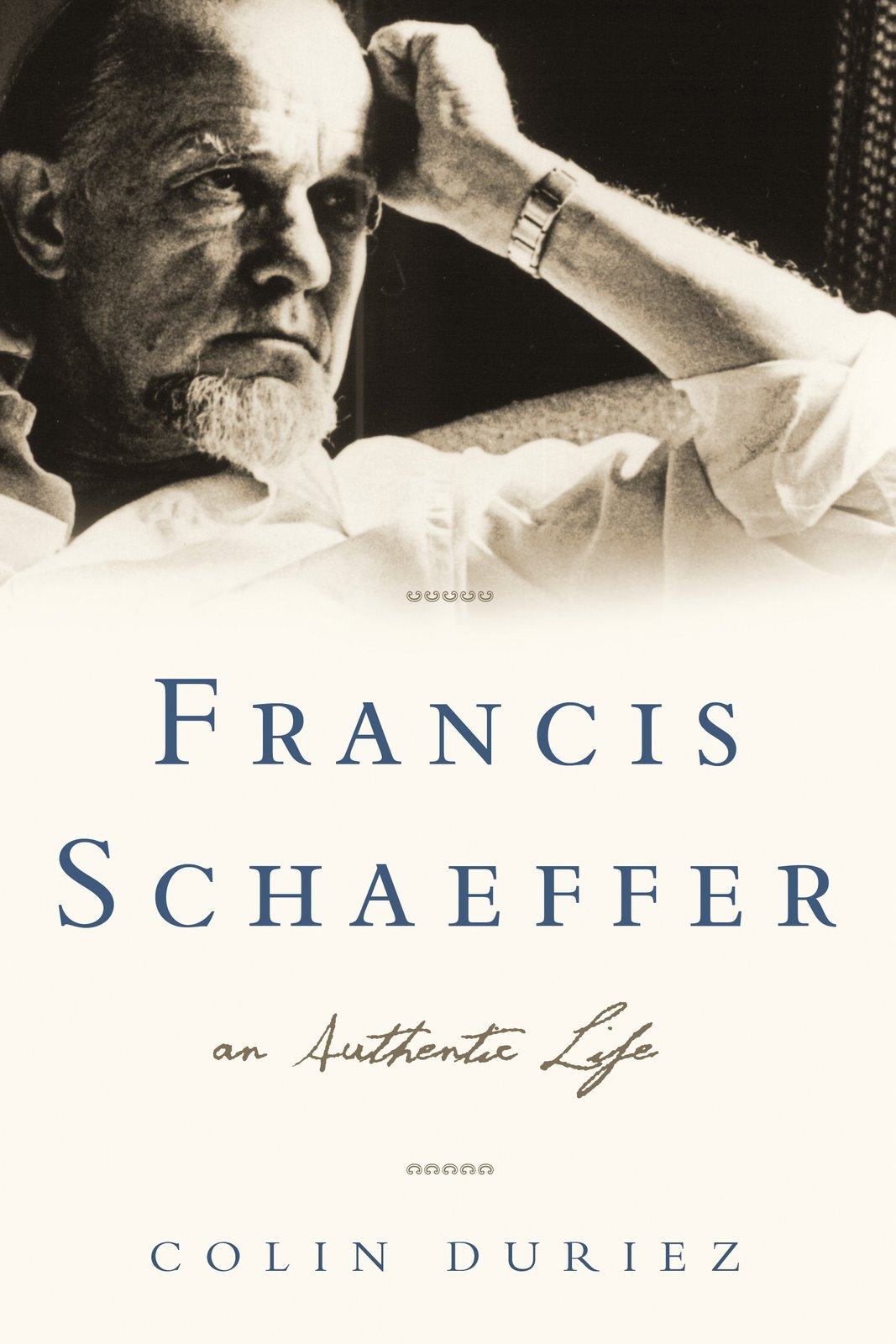
Truth Tuesday:First chapter of the book “Francis Schaeffer” by Colin Duriez

_______________

First chapter of the book “Francis Schaeffer” by Colin Duriez

Episode VII – The Age of Non Reason

____________________

Episode 8: The Age Of Fragmentation

Published on Jul 24, 2012

Dr. Schaeffer’s sweeping epic on the rise and decline of Western thought and Culture

_______________________

I love the works of Francis Schaeffer and I have been on the internet reading several blogs that talk about Schaeffer’s work and the work below   by Colin Duriez was really helpful. Schaeffer’s film series “How should we then live?  Wikipedia notes, “According to Schaeffer, How Should We Then Live traces Western history from Ancient Rome until the time of writing (1976) along three lines: the philosophic, scientific, and religious.[3] He also makes extensive references to art and architecture as a means of showing how these movements reflected changing patterns of thought through time. Schaeffer’s central premise is: when we base society on the Bible, on the infinite-personal God who is there and has spoken,[4] this provides an absolute by which we can conduct our lives and by which we can judge society.  Here are some posts I have done on this series: Francis Schaeffer’s “How should we then live?” Video and outline of episode 10 “Final Choices” episode 9 “The Age of Personal Peace and Affluence”episode 8 “The Age of Fragmentation”episode 7 “The Age of Non-Reason” episode 6 “The Scientific Age”  episode 5 “The Revolutionary Age” episode 4 “The Reformation” episode 3 “The Renaissance”episode 2 “The Middle Ages,”, and  episode 1 “The Roman Age,” .

In the film series “WHATEVER HAPPENED TO THE HUMAN RACE?” the arguments are presented  against abortion (Episode 1),  infanticide (Episode 2),   euthanasia (Episode 3), and then there is a discussion of the Christian versus Humanist worldview concerning the issue of “the basis for human dignity” in Episode 4 and then in the last episode a close look at the truth claims of the Bible.

Francis Schaeffer

  • Colin Duriez, Author
  • Thursday, July 17, 2008

EDITOR’S NOTE:  The following is an excerpt from Francis Schaeffer by Colin Duriez (Crossway).

Preface

His preferred medium was talk—conversation, whether with an individual or with a large group of people. He had the uncanny knack of addressing an individual personally, even if one was sitting with several hundred other people. His tapes, books, and films are best seen as embodiments of his conversation or table talk. The overwhelming impression of those who met him briefly or more extensively, particularly in connection with his homely yet expansive community at L’Abri in Switzerland, was his kindness, a word that constantly occurs in people’s memories of him, whether Dutch, English, American, Irish, or other nationality.

His attire was quirky and memorable, dapper in knee-breeches and colorful tops, a goatee beard he wore later in life adding to his artistic, cultured appearance, far from the stereotype of the evangelical pastor. He was cool, knew about Bob Dylan, Jackson Pollock, Merce Cunningham, the older Wittgenstein, the younger Heidegger, and neoorthodoxy and spoke of postmodernism in the sixties before it was clearly post. He bluntly challenged evangelical and fundamentalist pietism and later superspirituality as “neo-platonic.” This challenge left at least one of his students, me, wondering at the time how it was “neo” as well as “platonic,” but it had the desired effect of leading to a spiritual pilgrimage that was often painful.

Francis Schaeffer was a small man whose giant passion for truth, for reality, for God, and for the needs of people made him a key shaper of modern Christianity, larger than any label put on him. This biography portrays his formation and achievement, illuminating the complex person and his vivid teaching.

Having studied under Francis Schaeffer when young, interviewed him about the course of his life near the end of it, and heard many friends and others acknowledge their debt to him, I waited in vain for a comprehensive biography. I have therefore tried to meet this need. It is now nearly a quarter-century since his death, and it seems to me that his essential message is as topical and important as it was in his lifetime. He has some detractors, but for me, he always eludes their nets. I have attempted to give an affectionate, accurate, warts-and-all portrait of a fascinating and complex person whom people always remembered. To ensure a truthful and reasonably objective portrait, I have been guided by over 180,000 words of oral history concerning Francis Schaeffer. This oral history was gathered by the historian Christopher Catherwood, his wife (musicologist Paulette Catherwood), and myself. We carried out interviews in Switzerland, the Netherlands, England, Northern Ireland, and the USA, talking to a variety of people, including former L’Abri members, workers, helpers, students, as well as members of the immediate family.

I’ve also made use of PCA (Presbyterian Church of America) archive material, early writings of Francis Schaeffer, letters, biography and memoirs by Edith Schaeffer, writings of the novelist Frank Schaeffer, and assessments of the pastor-intellectual (including Time magazine and De Spiegel). I’ve put this into a continuous narrative so that the reader might get to know Francis Schaeffer, his vision and concerns, and the thrust of his teaching (the purpose of my book is, of course, biographical, not to give an analysis of Schaeffer’s thought).

My hope is that my book may play a little part in drawing a new generation of readers to Schaeffer’s crucial work and message—sadly, they can no longer have the benefit of the teacher in person. I emphasize teacher. Schaeffer was of the old school of teacher or master—charismatic, memorable, learned. Though he wasn’t a scholar in the usually accepted sense, he pushed those who truly listened to explore more, to learn more, to be more prepared for living as a Christian and human being in today’s post-Christian, media-rich, exciting, dangerous world. Like John Milton I believe the image of God is captured in a unique way in books, and though Schaeffer is dead, his mind and spirit are alive in his writings, even though they lack the elegance and style of a C. S. Lewis. His message can still leap from mind to mind, as it did at the time I remember as a student. Our world still cries out for his imaginative L’Abri (“The Shelter”), which can and should take many forms for differing needs.

A biography of Francis Schaeffer must account for his remarkable impact on people of many types—the intellectual, the humble laborer, the scientist, the artist, the doubting Christian, the questioning nonbeliever; man, woman, youth, and child; white, black, hairy, and smooth. After Francis Schaeffer’s first visit to Europe, still suffering from the effects of war in 1947, a wall of parochialism in his life began to collapse—a process quickened by his friendship with the Dutchman Hans Rookmaaker and his own long-standing interest in and love for art. A biography of him (or a critique, for that matter) cannot itself be parochial in any sense, intellectual or regional. He was larger than any denominational or political context.

In this book I write about Francis Schaeffer’s strengths and flaws, placing him in the context of his times, portraying the formation of his ideas and the genesis of his lectures, writings, seminars, and movies, as well as the complex person and his relationships. I portray the establishment and impact of the L’Abri community, and the deeper idea of a “shelter,” as Schaeffer’s most representative and abiding achievement, showing the development of this unique phenomenon and revealing its importance in the context of church and recent cultural history. The man himself is pictured as in essence undivided, rather than consisting of two or even three Schaeffers, though he went through sometimes anguished change and growth. Even his late and very emphatic association with the American church in the Reagan years was for him a development from the L’Abri work, not a capitulation to what he called the “middle-class church.”

Though Francis Schaeffer is undivided, the distinct phases of his life are all portrayed here, each illuminating the other phases: his working-class childhood in Germantown, Pennsylvania; his intellectual and cultural awakening and student and seminary years; the ten years as a “separated” pastor in eastern and midwestern America; his early years in Europe working with his wife Edith for Children for Christ and speaking widely on the dangers of a new, deceptive liberalism as regards the Bible; the crisis in his faith resulting in a deep experience of the Holy Spirit; the birth and early struggles of L’Abri in Switzerland; the gradual opening up of a wider ministry through taped lectures, international speaking, books, and the formation of new L’Abri centers, first in England, then in other countries; and, at the end of his life, the dramatic, celebrity phase of the movies and large seminars, in which Schaeffer extended his cultural analysis to the sphere of politics, law, and government, putting his long-standing role as a compassionate controversialist into the spotlight, with all its distortions of view.

As I was completing this book, Frank Schaeffer’s Crazy for God was published. This is a confessional memoir of his life. While it vividly and sometimes poignantly portrays Frank’s own life and journey, it added little to what I had already documented about his father—as a biographer I knew his strengths and weaknesses. Many of those interviewed for this book spoke of them openly. What I must remark on is Frank’s portrayal of his father as keeping up a façade of conviction about his faith, especially in his final years. This bears no relation to what was the case. Francis Schaeffer was always open about his personal struggles and failings—this was the secret of his strength as a pastor and as a counselor. He emphatically did not divorce his inner and public life. When I was a young student, on my first or second visit to his L’Abri community in Switzerland, I once joined him on the descent to the chalet-style chapel for his regular Saturday night discussion. Suddenly he confided, “Colin, I feel like I’m about to jump out of an airplane without a parachute.”

In an unpublished letter to his close friend and peer Hans Rookmaaker, perhaps that same year, he confided that he was low after working hard on the manuscript of The God Who Is There with an editor: “I am so very much behind in every aspect of the work that I feel in a rather depressed mood which means of course that it is a difficult time. However, the Lord continues to open doors and we are thankful. . . . I would be glad if you would continue to pray for me personally because . . . this is a bit of a low period for me. However, I suppose I will be dug out in a couple of weeks and then I will feel better.”1

As my book reveals, Francis Schaeffer in the twilight of his life was as convinced of the truth-claims of Christianity and the efficacy of what he called the finished work of Christ as he was after his struggles in the early 1950s and even immediately after his conversion in 1930. Indeed, his conviction continued to deepen into his closing years, allowing him no respite from his grief over the lost condition of human beings and still expanding his empathy for those whom he encountered. In his final film series, Whatever Happened to the Human Race? He included a powerful episode about the historical underpinnings of Christian conviction.

What is the essence of Francis Schaeffer? Is it his system of theology, his books, his political campaigning, the existence of L’Abri? Ironically, though he attacked first the “old” modernism, then the “new” modernism of existentialism, neo-orthodoxy, and even, in anticipation, postmodernism, he demonstrates what might be called an existential Christianity—living in the moment; embracing the reality of existence; seeing the underpinning certainty of Christian faith in the historical death and resurrection of Jesus Christ; and reckoning on the specific intervention of the Holy Spirit in conversion at a point in time in a person’s life, after which he or she passes from death to life. Schaeffer might be dismissed as a scholar or even original thinker (though it can be argued he was both, but particularly the latter), but his realistic, existential Christianity is remarkable and perhaps unique for someone of his biblical orthodoxy in his generation and is the secret, perhaps, of his impact on many people of diverse backgrounds and nationalities.

A full list of acknowledgments appears toward the end of this book, but I must here especially express my thanks to Christopher and Paulette Catherwood, for their brilliant and enthusiastic help with the interviewing for this book; to Ted Griffin, for his wise and thorough editing; to others who added to this book in a very special way, including Lane Dennis, John and Prisca Sandri, Ranald and Susan Macaulay, and Udo and Deborah Middelmann. Though not well enough to give me more than a warm smile and greeting, Edith Schaeffer’s published records of the family and L’Abri history, and unpublished Family Letters must have a special mention. While Christopher, Paulette, and I interviewed, we received kindness and hospitality of a Dutch, Swiss, English, Irish, and American variety. I particularly remember the kindness of Marleen and Albert Hengelaar and the inspiring memories of the late Anky Rookmaaker as she reached back in her mind to the war years; the events she recounted seemed as yesterday. It is a privilege even to share a little in others’ lives.

Francis Schaeffer
Copyright © 2008 by Colin Duriez
Published by Crossway Books, a publishing ministry of Good News Publishers
1300 Crescent Street Wheaton, Illinois 60187

Related posts:

Francis Schaeffer’s wife Edith passes away on Easter weekend 2013 Part 7 (includes pro-life editorial cartoon)

The Francis and Edith Schaeffer Story Pt.1 – Today’s Christian Videos The Francis and Edith Schaeffer Story – Part 3 of 3 Francis Schaeffer: “Whatever Happened to the Human Race” (Episode 1) ABORTION OF THE HUMAN RACE Published on Oct 6, 2012 by AdamMetropolis ________________ Picture of Francis Schaeffer and his wife Edith from the […]

The Mark of the Christian by Francis Schaeffer Part 1

  THE MARK OF A CHRISTIAN – CLASS 1 – Introduction Published on Mar 7, 2012 This is the introductory class on “The Mark Of A Christian” by Francis Schaeffer. The class was originally taught at Redeemer Presbyterian Church in Overland Park, KS by Dan Guinn from FrancisSchaefferStudies.org as part of the adult Sunday School hour […]

Francis Schaeffer’s wife Edith passes away on Easter weekend 2013 Part 6 (includes pro-life editorial cartoon and tribute from son-in-law Ranald Macaulay)

The Francis and Edith Schaeffer Story Pt.1 – Today’s Christian Videos The Francis and Edith Schaeffer Story – Part 3 of 3 Francis Schaeffer: “Whatever Happened to the Human Race” (Episode 1) ABORTION OF THE HUMAN RACE Published on Oct 6, 2012 by AdamMetropolis ________________ Picture of Francis Schaeffer and his wife Edith from the […]

Francis Schaeffer’s wife Edith passes away on Easter weekend 2013 Part 5 (includes pro-life editorial cartoon)

The Francis and Edith Schaeffer Story Pt.1 – Today’s Christian Videos The Francis and Edith Schaeffer Story – Part 3 of 3 Francis Schaeffer: “Whatever Happened to the Human Race” (Episode 1) ABORTION OF THE HUMAN RACE Published on Oct 6, 2012 by AdamMetropolis ________________ Picture of Francis Schaeffer and his wife Edith from the […]

Francis Schaeffer’s wife Edith passes away on Easter weekend 2013 Part 4 (includes pro-life editorial cartoon)

The Francis and Edith Schaeffer Story Pt.1 – Today’s Christian Videos The Francis and Edith Schaeffer Story – Part 3 of 3 Francis Schaeffer: “Whatever Happened to the Human Race” (Episode 1) ABORTION OF THE HUMAN RACE Published on Oct 6, 2012 by AdamMetropolis ________________ Picture of Francis Schaeffer and his wife Edith from the […]

Francis Schaeffer’s wife Edith passes away on Easter weekend 2013 Part 3 (includes pro-life editorial cartoon)

The Francis and Edith Schaeffer Story Pt.1 – Today’s Christian Videos The Francis and Edith Schaeffer Story – Part 3 of 3 Francis Schaeffer: “Whatever Happened to the Human Race” (Episode 1) ABORTION OF THE HUMAN RACE Published on Oct 6, 2012 by AdamMetropolis ________________ Picture of Francis Schaeffer and his wife Edith from the […]

“Schaeffer Sundays” Francis Schaeffer’s own words concerning humanist dominated public schools in USA even though country was founded on a Christian base

Francis Schaeffer: “Whatever Happened to the Human Race?” (Episode 2) SLAUGHTER OF THE INNOCENTS Published on Oct 6, 2012 by AdamMetropolis The 45 minute video above is from the film series created from Francis Schaeffer’s book “Whatever Happened to the Human Race?” with Dr. C. Everett Koop. This book  really helped develop my political views concerning […]

“Schaeffer Sundays” Francis Schaeffer’s own words concerning where the Bible-believing Christians been the last few decades

Francis Schaeffer: “Whatever Happened to the Human Race” (Episode 1) ABORTION OF THE HUMAN RACE Published on Oct 6, 2012 by AdamMetropolis The 45 minute video above is from the film series created from Francis Schaeffer’s book “Whatever Happened to the Human Race?” with Dr. C. Everett Koop. This book  really helped develop my political views […]

Taking on Ark Times Bloggers on various issues Part E “Moral absolutes and abortion” Francis Schaeffer Quotes part 5(includes the film SLAUGHTER OF THE INNOCENTS) (editorial cartoon)

I have gone back and forth and back and forth with many liberals on the Arkansas Times Blog on many issues such as abortion, human rights, welfare, poverty, gun control  and issues dealing with popular culture. Here is another exchange I had with them a while back. My username at the Ark Times Blog is Saline […]

“Schaeffer Sundays” Francis Schaeffer’s own words concerning religious liberals and humanists

Francis Schaeffer: “Whatever Happened to the Human Race” (Episode 5) TRUTH AND HISTORY Published on Oct 7, 2012 by AdamMetropolis The 45 minute video above is from the film series created from Francis Schaeffer’s book “Whatever Happened to the Human Race?” with Dr. C. Everett Koop. This book  really helped develop my political views concerning abortion, […]

“Music Monday” Lykke Li Part 1

Lykke Li “I’m Good, I’m Gone”

Uploaded on Jan 30, 2008

Acoustic live version with guests: Robyn, Adam & Bebban (Shout Out Louds), Daniel (The Concretes), Lars (Laakso) and Mikael (Hjalmar). Director: Ted Malmros + Christian Haag

Album “Youth Novels” out jan 30 2008.

________________________

Lykke Li – Will You Still Love Me Tomorrow?

Wikipedia has this story below:

Lykke Li (Swedish pronunciation: [ˈlʏ.ˈkɛ ˈliː]; born Li Lykke Timotej Svensson Zachrisson; born 18 March 1986 in Ystad), is a Swedish singer-songwriter. Her music often blends elements of popindie rock and electronic; various instruments can also be found in her songs, including violinssynthesizerstambourinestrumpetssaxophones and cellos.[1] Li possesses the vocal range of a soprano.[2] Her debut album, Youth Novels, was released in 2008.

Contents

[hide]

Early life [edit]

Studio self-portrait

Li Lykke Timotej Svensson was born in YstadSkåne; her mother is a photographer and her father, a musician, is a member of Dag Vag.[3] The family moved to Stockholm when Zachrisson was a toddler and when she was six moved to a mountaintop in Portugal where they lived for five years. The family also spent time in Lisbon and Morocco, and winters in Nepal and India.[3][4] She moved to the neighborhood ofBushwick, Brooklyn in New York for three months when she was 19.[5][6][7] She returned when she was 21 to record her album.[8]

Career [edit]

Music career [edit]

Performing at Paradiso, 2011

Lykke Li in Nouveau Casino

Lykke had some success with the EP “Little Bit” in 2007. Stereogum named her an artist to watch in October 2007 and described her music as a mix of soulelectro and “powdered-sugar pop”.[9]

Lykke’s debut album, Youth Novels, was released on LL Recordings in the Nordic region on 30 January 2008 and received a wider European release in June 2008. The album was produced by Björn Yttling ofPeter Bjorn and John and Lasse Mårtén and was reportedly inspired by a previous relationship of three years.[10] It was released in the United States on 19 August 2008. The album was released in the UK and Ireland in June 2008, promoted by a performances of “Little Bit” on Later… with Jools Holland on 25 May 2008.

Live, her performances were as startling as they were riveting: armed with a paired down drum kit, a necklace made out of percussive instruments, a guitar, a bass and a microphone, many were confounded by how much energy, emotion and heart came out of one very simple set-up and one hell of a singer. Youth Novels skyrocketed to the top of many of the year’s Best Of lists and saw Lykke Li sell out tours across the globe, including lauded sets at massive festivals such as Glastonbury FestivalCoachella FestivalLollapalooza, also her appearances on Late Night with Conan O’Brien.[11]

She appeared on Swedish musician Kleerup‘s self titled album, contributing vocals to the track “Until We Bleed”. She also worked with Norwegian electronic duo Röyksopp on their 2009 album Junior, contributing vocals to “Miss It So Much” and “Were You Ever Wanted”.

Lykke appeared on Last Call with Carson Daly on 18 February 2009. She covered “Knocked Up”, originally recorded by Kings of Leon who had approached Lykke to cover a song of her choice, and “Gifted” in which she performs with Kanye West. Lykke performed at the 2009 Coachella Valley Music and Arts Festival on 19 April, as well as the 2009 Lollapalooza festival on 8 August as part of the promotional tour for Youth Novels.

A remixed version of her song “I’m Good, I’m Gone” was featured in the 2009 horror film Sorority Row.

The song “Possibility” was written for the 2009 film The Twilight Saga: New Moon. Lykke had been asked to write a song to the film soundtrack but she was reluctant to commit to the project. It was after she had seen an early screening of the film that she decided she wanted to contribute to the soundtrack. The soundtrack was released on 16 October 2009.

The song “Get Some” was featured in the fifteenth episode of the first season of Hawaii Five-0 titled “Kai e’e” which aired January 23, 2011. The song was also used in ABC Family‘s drama Pretty Little Liarsin the eighteenth episode of the second season which was titled “A Kiss Before Lying” which aired January 30, 2012. The song was also used in the nineteenth episode of the second season of The CW‘sVampire Diaries, titled “Klaus” and originally aired April 21, 2011,[12] as well as the sixth episode of the first season of Teen Wolf, titled “Heart Monitor” and originally aired July 4, 2011.[13] The song was also used in Premium Rush movie as one of its soundtracks.

Lykke’s song “Melodies and Desires” was featured in the 2010 Australian film Griff the Invisible and an edited version of “Get Some” was featured in the Catwoman trailer for the video game, Batman: Arkham City.

She collaborated with singer Kleerup on the song “Until We Bleed”, which was featured on an episode of UK TV series Misfits and an episode of the television series Ringer.

Her second album Wounded Rhymes was released in 2011. The album was featured on several lists of 2011’s best albums, including QMojoThe ObserverThe New York TimesThe Huffington Post and Rolling Stone.[14]

On 30 April 2011, she performed on Later… with Jools Holland in the UK, playing “Get Some”, “Sadness Is a Blessing” and “I Follow Rivers“. Lykke played at the 2011 Latitude Festival, held between 14 and 18 July 2011 at Henham Park in Suffolk, England. She appeared with her band on US late night talk show The Tonight Show with Jay Leno in August 2011 and on the Late Show with David Letterman in November 2011.

The Magician remix version of “I Follow Rivers” is featured in Jacques Audiard‘s 2012 film De rouille et d’os in competition at the Cannes festival.

Lykke Li contributed on the 2012 compilation “Volym 1” with the track “Come Near” released by the swedish artist collective and record label INGRID where she’s a founding member. She also contributed a cover of “Silver Springs” to a 2012 Fleetwood Mac tribute album, which also included renditions from the likes of Best CoastMarianne Faithfull, and MGMT.[15]

Model career [edit]

In September 2010, she was announced as the official face of the Levi’s Curve ID Collection, alongside Pixie Geldof and Miss Nine.[16] In January 2012, she signed up to the books of the Viva Model Management agency.[17]

Discography [edit]

Main article: Lykke Li discography

Awards and nominations [edit]

Year Recipient Award Result
2009 Lykke Li 2009 Meteor Music Award for Best International Female Nominated
Studio8’s Female Voice of February 2009 Won
2012 Swedish Grammys Awards – Best Artist Won
Swedish Grammy Awards – Best Album “Wounded Rhymes” Won
European Festivals Awards – Festival Anthem of The Year “I Follow Rivers” Won

In 2009 Lykke Li won an EBBA Award. Every year the European Border Breakers Awards (EBBA) recognize the success of ten emerging artists or groups who reached audiences outside their own countries with their first internationally released album in the past year.

Remixes [edit]

  • “I’m Good, I’m Gone” was remixed by Fred Falke and featured in Hed Kandi‘s Lounge 2009.[18]
  • “I’m Good, I’m Gone” was covered by British group Friendly Fires in 2009.[19]
  • “Little Bit” was remixed by Drake.
  • “Little Bit” has a bootleg remix by AutoErotique in 2008.
  • “Little Bit” was sampled and remixed by Charles Hamilton.
  • “Until We Bleed” was remixed by QuESt and NHKFF & Joey Lacroix.[20]
  • “Dance, Dance, Dance” was remixed by Buraka Som Sistema and Dada life.[21]
  • “I’m Good, I’m Gone” was also remixed by 3OH!3 as a collaboration.[22]
  • I Follow Rivers” was remixed by rapper Tyler, The Creator.
  • I Follow Rivers” was remixed by The Magician and has been a huge club success in Europe, taking the track to number 1 in Romania, number 2 in Ireland and number 7 in Greece.
  • “Get Some” was remixed by artist Beck.

See also [edit]

References [edit]

  1. ^ Youth Novels (CD liner notes). Lykke Li. LL Recordings. 2008. 520279.
  2. ^ Empire, Kitty (17 April 2011). “Lykke Li – review”The Guardian. Retrieved 26 July 2012.
  3. a b Cripps, Charlotte (2008-06-23). “Lykke Li: The Swedish pop sensation shows wisdom beyond her years”. The Independent (London). Retrieved 2008-06-28.
  4. ^ Parkin, Chris (2008-01-28). “Lykke Li: interview”. Time Out (London). Retrieved 2008-06-28.
  5. ^ Gale, Ezra (2009-05-27). “Lykke Li on Nearly Getting Mugged in Bushwick”. The Village Voice. Retrieved 2009-06-01.
  6. ^ Paphides, Pete (2008-05-16). “Swede unsoured: Lykke Li Zachrison on pursuit of the breakthrough”. The Times (London). Retrieved 2008-06-28.
  7. ^ Toms, Katie (2008-06-01). “Meet the Swede sensation”. The Guardian (London). Retrieved 2008-06-28.
  8. ^ Michelle (9 September 2008). “Killahbeez exclusive: an interview with Lykke Li”. Killahbeez. Retrieved 3 September 2010.
  9. ^ Stereogum Artist to Watch
  10. ^ Interview by Charlotte Cripps (2008-06-23). “Lykke Li: The Swedish pop sensation shows wisdom beyond her years – Features – Music”. The Independent. Retrieved 2012-09-16.
  11. ^ http://www.facebook.com/lykkeli/info Retrieved April 21, 2013
  12. ^ “Vampire Diaries Music site”CWTV.com. Retrieved 10 May 2011.
  13. ^ “Teen Wolf Music Site”. Retrieved 11 July 2011.
  14. ^ Almassi, Hannah (January 11, 2012). “Lykke Li Is Signed By Viva Model Management – Music Girls Are Taking Over Fashiondom!”Grazia. Retrieved January 27, 2012.
  15. ^ “Lykke Li – Silver Springs [Best Fit Premiere”. The Line Of Best Fit. Retrieved 2012-09-16.
  16. ^ “Levi’s Curve ID recruits Pixie Geldof, Miss Nine and Lykke Li | Catwalk Queen”. Catwalkqueen.tv. 2010-09-03. Retrieved 2012-09-16.
  17. ^ “Lykke Li signs with Viva Model Management”NME. January 12, 2012. Retrieved January 27, 2012.
  18. ^ “?”. Hed Kandi. Retrieved 3 September 2010.[dead link]
  19. ^ “Friendly fieres Kiss of Life video”. Retrieved 3 September 2010.
  20. ^ NHKFF & Joey Lacroix. “Lykke Li – Until we bleed (NHKFF & Joey Lacroix Remix)”. Retrieved 23 December 2012.
  21. ^ “Lykke Li Remixed by Buraka Som Sistema”. imyouare.com. Retrieved 3 September 2010.
  22. ^ 3OH!3

Related posts:

Music MONDAY: Lou Graham knows what love is

Double Vision – Foreigner Foreigner- Urgent Foreigner – Cold As Ice _____________________________ The Lou Gramm Band – Redeemer (great song) Uploaded by SacredWarrior1991 on May 2, 2011 This song is taken from The Lou Gramm Band (LGB – 2009). ____________________________________ Lou Gramm Knows What Love Is – CBN.com Uploaded by CBNonline on Nov 4, 2009 […]

“Music Monday” Katy Perry

    Katy Perry Dedicates Song to Tim Tebow at Super Bowl Party Sun, Feb. 05, 2012 Posted: 07:01 PM EDT Flamboyant pop star Katy Perry dedicated suggestive song “Peacock” to evangelical quarterback Tim Tebow at a pre-Super Bowl party Saturday night. Perry, the daughter of Christian ministers, said “This one goes out to Tim […]

“Music Monday” Blondie

Wikipedia reported: Blondie Chris Stein and Deborah Harry in 2008 Background information Origin New York City, US Genres New Wave punk rock[1][2] dance-rock[3] pop punk[3][4] post-punk power pop Years active 1974–1982 1997–present Labels Chrysalis/EMI Beyond/BMG Epic Sanctuary Private Stock Website http://www.blondie.net Members Debbie Harry Chris Stein Clem Burke Leigh Foxx Matt Katz-Bohen Tommy Kessler Jimmy […]

MUSIC MONDAY:Chynna Phillips is open about her Christian faith

Chynna Phillips is open about her Christian faith jh31 “Dancing with the Stars” (DWTS) is a  very popular show.  I have only watched it a little, but I am a big fan of Chynna Phillips. I love a lot of her music. Dancing With the Stars: Chynna Phillips Speaks Openly About Her Christian Faith Actress […]

“Music Monday” Avril Lavigne’s best songs

“Keep holding on” is my favorite Avril Lavigne song. Enjoy this clip of it followed by a 2007 interview of Lavigne.

“Music Monday” All-American Rejects Part 4 (Leadsingers Tyson Ritter and Gene Simmons have something in common)

In-Studio Interviews – Tyson Ritter ‘The All American Rejects’ Interview: Kids In The Street I enjoyed the concert in Little Rock on 12-13-12, and lead singer Tyson Ritter wrote a song on his latest cd that we should all pay attention to because it covers an issue that both him and many other lead singers […]

“Music Monday” All-American Rejects Part 3 (Lessons from Tyson Ritter and the path of sexual impurity)

The Poison – The All-American Rejects Avril Lavigne and Tyson Ritter from All American Rejects Talk Almost Alice The All-American Rejects – Dirty Little Secret Tyson Ritter, the leadsinger of the All-American Rejects has admitted that he was a jerk for the last couple of years when he lived a sexually impure life by sleeping […]

“Music Monday” All-American Rejects Part 2 (“Finding Satisfaction in Life”)

The All-American Rejects Music Interview Tyson Ritter Full Band only on The Artist Spotlight The All-American Rejects – The Last Song The All-American Rejects – It Ends Tonight I got to go hear the All-American Rejects in Little Rock on 12-13-12. Here are some of my reactions. Tyson Ritter admitted that he lost his way […]

“Music Monday” All-American Rejects Part 1 (Lifestyles of two Oklahoma boys contrasted: Tyson Ritter and Landry Jones)

The All-American Rejects – Swing, Swing The All-American Rejects – Move Along Tyson Ritter in Little Rock below: Sent from my iPhone On 12-13-12 I got to hear the All-American Rejects and their lead singer Tyson Ritter play at Juanita’s in Little Rock on Clinton Ave. The performance of music was very good. However, Tyson’s […]

“Music Monday” Videos of those in 27 club

I’m In A Rock ‘N’ Roll Band – The Singer (Part 1) Jim Morrison – books on tape – w subtitles Light My Fire – The Doors The Rolling Stones – Satisfaction ________________________ The Rolling Stones – The Breakthrough The Rolling Stones – Brian Jones The Rolling Stones- Paint it Black Nirvana – Smells Like […]

Open letter to President Obama (Part 440) A suggestion to cut some wasteful spending out of the government Part 6 (includes editorial cartoon)

(Emailed to White House on 3-15-13.)

President Obama c/o The White House
1600 Pennsylvania Avenue NW
Washington, DC 20500

Dear Mr. President,

I know that you receive 20,000 letters a day and that you actually read 10 of them every day. I really do respect you for trying to get a pulse on what is going on out here.

I know that you are looking at cutting spending in order to try and get deficit reduction. I am glad that you have that as your goal and I wanted to pass on a suggestion on where to cut spending.

Funding Government by the Minute

Published on Mar 28, 2012

At the rate the federal government spends, it runs out of money on July 31. What programs should be cut to balance the budget and fund the government for the remaining five months of the year? Cutting NASA might buy two days; cutting the Navy could buy fifteen. It seems that balancing the budget may require more than just cutting government programs. What should be done?

____________________

We got to cut wasteful spending out of the government and here is another fine suggestion from the Heritage Foundation.

Todd Thurman

March 12, 2013 at 5:40 pm

Newscom

The massive spending bill, or continuing resolution, released by the Senate this week continues spending on programs which are inappropriate or wasteful and fails to adopt good policies in many areas. Here’s a rundown of some of the worst offenders in the Senate bill:

Postal Service Saturday delivery: $2 billion. The Senate CR continues—by omission—the prior year’s ban on using the Postal Service’s small appropriation to reduce service levels, effectively mandating Saturday service. This, along with other such congressional restriction, limits the Postal Service’s ability to reduce costs and increases the risk of massive federal subsidies in the near future.

—James Gattuso, Senior Research Fellow in Regulatory Policy

NASA Manned Spacecraft: $1.2 billion. The Orion Multi-Purpose Crew Vehicle is the new manned spacecraft NASA is developing for exploration of the Moon and Mars and for other purposes. Manned space flight is vastly more expensive than robotic exploration and is largely a public relations showcase for NASA to market itself to the American people. NASA’s budget should be pared back to a tight focus on cost-effective projects to advance its core missions.

—J. D. Foster, Norman B. Ture Senior Fellow in the Economics of Fiscal Policy

Regular readers know that I get very excited when I see signs that more and more people are realizing that the real fiscal problem is big government. Even if the sound analysis comes from foreigners or international bureaucracies.

Deficits and debt are bad, to be sure, but they are best understood as symptoms of the underlying disease of excessive spending.

With that in mind, we have two cartoons that correctly identify the real threat to America’s future.

Here’s Lisa Benson showing the President enjoying a dance with his first love at the inaugural.

Big Government Dance Cartoon

And here’s a Jerry Holbert cartoon capturing the rapacious appetite of a bloated public sector and the impact on society.

Big Government Child Cartoon

As you can see here and here, it’s quite similar to the theme used with great effectiveness by Eric Allie.

Except Holbert seems to emphasize deliberate destructiveness, rather than the blundering incompetence in the Allie cartoons.

But the net effect is still the same. Big government is counter-productive government.

___________

Thank you so much for your time. I know how valuable it is. I also appreciate the fine family that you have and your commitment as a father and a husband.

Sincerely,

Everette Hatcher III, 13900 Cottontail Lane, Alexander, AR 72002, ph 501-920-5733, lowcostsqueegees@yahoo.com

The Affordable Health Care Act and Euthanasia

A very good article.

The Affordable Health Care Act and Euthanasia

Rate This

Quantcast

Well, the title alone probably tells you what I’m thinking in this article, but I’ll embellish anyways. I sense the confluence of several strong forces coming together that will significantly challenge how Christians manage their businesses in the coming years. There will be significant tradeoff choices that will reveal who we are as individuals and what we really value. The Affordable Health Care Act – more commonly known as ObamaCare – is a symptom of a larger problem in our culture, but will be the vehicle through which Christian business owners may be forced to make difficult choices.

In this post, I’ll discuss a long-forgotten work by Francis Schaeffer and C. Everett Koop, then connect their thinking and predictions to what is probably (in my estimation) in Obamacare and then end with an outline of the key challenges that those of us who are disciples of Jesus Christ will likely face. In all honesty, I hope that I’m wrong in the predictive points in this post. But I posit this information as a way for our society to look at ourselves in the mirror and ask if this is what we seriously want our country to be like.

In the revised copy of Schaeffer’s book, Whatever Happened to the Human Race, Koop joins Schaeffer in discussing critical beliefs in America in the early 80′s. Nearly 30 years later, we are dangerously close to reaping the fruits of seeds sown back in the 60′s and 70′s. I’ll quote at length from several sections of their book:

The human life issues will define our own time. For far from being only single issues, abortion, infanticide, and euthanasia strike at the heart of our most basic beliefs about God and man. The way in which we ultimately decide them will determine the future for all of us. As Mother Teresa has said, “If a mother can kill her own children, then what can be next?” Indeed, what can be next for all of us? If we can take one life because it does not measure up to our standards of perfection, what is to stop us from taking any life-simply for our own convenience? Abortion and infanticide are only the beginning steps on a slippery slope that will lead to death for all but the planned and perfect members of our society.

Francis A. Schaeffer;C. Everett Koop. Whatever Happened to the Human Race? (Revised Edition) (Kindle Locations 40-45). Kindle Edition.

Abortion, infanticide, and euthanasia are not only questions for women and other relatives directly involved-nor are they the prerogatives of a few people who have thought through the wider ramifications. They are life-and-death issues that concern the whole human race and should be addressed as such. Putting pressure on the public and on legislators to accept a lower view of human beings, small groups of people often argue their case by using a few extreme examples to gain sympathy for ideas and practices that later are not limited to extreme cases. These then become the common practice of the day. Abortion, for example, has moved from something once considered unusual and now in many cases is an accepted form of “birth control.” Infanticide is following the same pattern. The argument begins with people who have a so-called vegetative existence. There then follows a tendency to expand the indications and eliminate almost any child who is unwanted for some reason. The same movement can be seen with euthanasia. The arguments now being put forward center on the “miserable” person in old age-one dying of cancer, for instance. But once the doors are open, there is no reason why the aged, weak, and infirm will not find that as they become economic burdens they will be eliminated under one pretext or another.

Francis A. Schaeffer;C. Everett Koop. Whatever Happened to the Human Race? (Revised Edition) (Kindle Locations 542-549). Kindle Edition.

The concern about euthanasia and the use of that term in our common vocabulary lead to a degradation of the elderly and, ultimately, to inferior health care for the elderly-as well as encouraging the thought that those who do not want to “shuffle off” quickly are somehow failing in their contribution to society. Economic considerations then creep in, and old folks are made to feel-in this crazy, schizophrenic society of ours-that they are in some way depriving younger and more deserving people of the medical care that is now being provided them at the same cost. For example, one of the undersecretaries of the Department of Health, Education and Welfare suggested in 1977 that the various states that did not enact living-will legislation be penalized by having withdrawn or curtailed the federal funds that would ordinarily supplement state funds allocated for certain major programs.”

Francis A. Schaeffer;C. Everett Koop. Whatever Happened to the Human Race? (Revised Edition) (Kindle Locations 829-834). Kindle Edition.

Now, consider the reporting that questioned whether or not Vice President Dick Cheney should have received his heart transplant, given how old he is. Because ObamaCare will ultimately ration health care based on political factors that try to answer the question about who should receive care relative to age and/or habit, we can be confident that these decisionswill be life and death decisions that are based on political considerations.

I’m telling you now: ObamaCare coupled with our lack of commitment to following God, will lead to euthanasia because old people will be deemed “not worthy” of expensive care because of their diminished utility and value to society. Just like babies are killed in the womb for the convenience of the mother, elderly people who need expensive care to keep living will be cast aside – perhaps nicely – but still cast aside and denied the care they need because it will be deemed too expensive and/or an impairment on the care of someone else who is more useful to society. And God forbid that the care of the elderly inconvenience anyone in this “it’s all about me” age. As costs (predictably) skyrocket for health care once the government is in full control, we’ll find that the concepts of euthanasia will become more and more acceptable to society. It might take another 30 – 50 years, but it will become acceptable.

Add to this the coming wars between the generations as the older folks demand the goodies and benefits from the government that they believe they are entitled to and the younger generation fighting tooth and nail to not have their taxes raised anymore to pay for programs that are obviously going bankrupt.

Folks, I’m not usually a pessimist, but I see significant class, generational and health care warfare
emerging in the county in the coming 30 years. It will not surprise me at all if many in their 40′s and 50′s – including myself – will find ourselves in the middle of a storm as politicians continue to pit groups against each other based on class, income, health care, generational issues and so forth. And the timing and method of the ending of our lives may rest in the hands of a bureaucrat whose job it is to figure out who should and should not receive immediate care due to scarce resources and government mandates.

What does the Bible have to say about all of this? Briefly, in the Scriptures we find that:

  • The younger members of a family should look after the elderly in their family and the church should look after widows who are unable to provide for themselves. The church has allowed itself to neglect clear teaching from the Bible because they have forfeited their responsibility to the government.
  • Retirement is not a Biblical concept. American Christians have bought into the lie that they deserve to spend their final years in the lap of convenience and leisure. Neither is commanded or advocated in the Bible.
  • Personal responsibility is an assumed value and principle behind nearly every command in Scripture. For example, “let him who stole steal no more, but rather, let him work with his hands, so that he will have something to give”. Think about it. You can’t move from being a thief to being a giver without taking personal responsibility both for stealing and for giving. However, if my stealing is classified as a compulsion or is explained by a life of poverty or abuse during my childhood, then I’m no longer responsible for my actions. To the extent that our government and/or society diminishes our responsibility to own our words and actions and the results from our words and actions, to that extent, the Scriptures are being supplanted with human foolishness. Our society is filled with people who honestly believe that the government is responsible to make them happy, to provide for them, to ameliorate their pain and to give them what they lack. We won’t survive as a country if we continue to allow ourselves to grow a dependency class who lack a sense of personal responsibility

What is incredibly frightening is that some of this future rests literally in the hands of one man – one justice of the Supreme Court – who will probably be the deciding vote on whether Obamacare lives or dies. One vote. I don’t think I’m overstating it when I say that the quality of our future rests literally in the hands of a few unelected people who may make a legal judgment based primarily on their own political views. AS our country moves farther and farther from the Lord, our views of God and man continue to deteriorate. The logical conclusion of a society that has jettisoned God is one where government assumes the role of God.

Interestingly enough, Christians alone can change this future – without taking political sides. 2 Chronicles tells us that if we simply forsake our sin, call on God’s name, humble ourselves and pray, He will hear our prayers and will heal our land. This is such a strong promise that I wonder if we honestly believe it can happen. The future that Schaeffer, Koop and I have outlined need not become reality if Christians will simply forsake our sin and call on the Lord in humility.

I’m speaking to Christians now – the rest of you can eavesdrop – are you willing to get on your knees and cry out to God for your sin and the sin of this nation? Are you willing to be inconvenienced in order to help drive healing in this nation? Do you take 2 Chronicles 7.14 seriously?

I’m sure some who have read this will think that my post is over the top – it may be hard to pull your eyes out from under your forehead. I get it. But in the absence of our nation returning to God, I believe it is predictable that we will end up not only killing our unborn for the sake of convenience, but we’ll also (effectively) kill our elderly to save on costs and to not inconvenience ourselves too much should they consume too much health care resources.

Bill English, CEO

Open letter to President Obama (Part 439) Remembering Koop part 6 (includes funniest cartoon ever during Koop’s tenure)

(Emailed to White House on 3-4-13.)

President Obama c/o The White House
1600 Pennsylvania Avenue NW
Washington, DC 20500

Dear Mr. President,

I know that you receive 20,000 letters a day and that you actually read 10 of them every day. I really do respect you for trying to get a pulse on what is going on out here.

I wanted to share with you some about my pro-life perspective.

Dr. C. Everett Koop on Baby Doe, euthanasia, abortion

Uploaded on Nov 3, 2008

Dr. Koop answers questions on Baby Doe, euthanasia and abortion during interview at Wheaton College, Wheaton, IL http://www.christianethics.org

Dr. Koop.

C. Everett Koop

On June 8, 1988 Ralph Dunagin of the LA Times came out with the funniest editorial cartoon I have ever seen about Dr. C. Everett Koop time in office as Surgeon General. It is found below.

On 2-25-13 we lost a great man when we lost Dr. C. Everett Koop. I have written over and over the last few years quoting Dr. C. Everett Koop and his good friend Francis Schaeffer. They both came together for the first time in 1973 when Dr. Koop operated on Schaeffer’s daughter and as a result they became close friends. That led to their involvement together in the book and film series “WHATEVER HAPPENED TO THE HUMAN RACE?” in 1979.

In the film series “WHATEVER HAPPENED TO THE HUMAN RACE?” the arguments are presented  against abortion (Episode 1),  infanticide (Episode 2),   euthenasia (Episode 3), and then there is a discussion of the Christian versus Humanist worldview concerning the issue of “the basis for human dignity” in Episode 4 and then in the last episode a close look at the truth claims of the Bible.

In this 1979 film series they dealt with the big social issues and predicted what social problems we have in the future because of humanism. For instance, they knew that the Jack Kevorkians of the world would be coming down the pike. They predicted that there was a slippery slope from abortion to infanticide to youth euthanasia brought on by the materialistic worldview.

C. Everett Koop dies

February 26, 2013 By 7 Comments

C. Everett Koop, the Surgeon General under President Reagan, has died at age 96.  The mainstream obituaries are hailing his work to battle smoking and the AIDS epidemic.  But he was also a devout Christian and a crusader against abortion.  Koop  collaborated with  Francis Schaeffer on the book and video series Whatever Happened to the Human Race?, a work that helped mobilize Christians for the pro-life cause.

C. Everett Koop '37

From Former Surgeon General C. Everett Koop dies at age 96 – CNN.com:

Former U.S. Surgeon General C. Everett Koop, a pediatric surgeon turned public health advocate, died Monday. He was 96.

Koop served as surgeon general from 1982 to 1989, under Presidents Ronald Reagan and George H.W. Bush.

He was outspoken on controversial public health issues and did much to raise the profile the office of the surgeon general.

He died peacefully at his home in Hanover, New Hampshire, Dartmouth College said in a news release announcing his death.

“Dr. Koop did more than take care of his individual patients — he taught all of us about critical health issues that affect our larger society,” said Dartmouth President Carol L. Folt. “Through that knowledge, he empowered each of us to improve our own well-being and quality of life. Dr. Koop’s commitment to education allowed him to do something most physicians can only dream of: improving the health of millions of people worldwide.”

Koop, called “Chick” by his friends, was perhaps best known for his work around HIV/AIDS. He wrote a brochure about the disease that was sent to 107 million households in the United States in 1988. It was the largest public health mailing ever, according to a biography of Koop on a website of the surgeon general.

He was also well-known for his work around tobacco, calling for a “smoke-free” society. His 1986 surgeon general’s report on the dangers of secondhand smoke was seminal.

“That was the shot heard around the world, and it began to change public policy everywhere,” said John Seffrin, chief executive officer of the American Cancer Society.

The report started the move toward prohibiting smoking on airplanes, restaurants and at workplaces.

“The legacy of C. Everett Koop is how a wonderful, famous pediatric surgeon, who’d already made a name for himself, was willing at a relatively advanced age to do public service and show bold leadership that would have dramatic impact and change the world,” Seffrin said.

Prior to his tenure as surgeon general, Koop was surgeon-in-chief at the Children’s Hospital of Philadelphia, where he was a pioneer in the field of pediatric surgery and helped to establish the country’s first neonatal intensive care nursery. He was also the founding editor-in-chief of the Journal of Pediatric Surgery, Dartmouth said.

Koop was born in Brooklyn, New York, and attended Dartmouth, Weill Cornell Medical College and the Perelman School of Medicine at the University of Pennsylvania.

He was the author of more than 200 articles and books and the recipient of various awards. In 1991, Koop won an Emmy for a five-part series on health care reform, Dartmouth said. He was awarded the Presidential Medal of Freedom in 1995.

Again, this says nothing about his faith or his pro-life influence.  I actually met him, finding myself sitting with him at a banquet.  He projected the bedside manner of a trusted family doctor and played that role for the whole nation.

Title:
If Anything Comes in the Mail from the Surgeon General, Don’t Open It!

(normal size jpg)(high resolution jpg) High resolution version (11,797,840 Bytes)

Description:
Item is a photocopy.
Number of Image Pages:
1 (349,060 Bytes)
Date Supplied:
8 June 1988?
Creator:
Dunagin, Ralph
Los Angeles Times


In the film series “WHATEVER HAPPENED TO THE HUMAN RACE?” the arguments are presented  against abortion (Episode 1),  infanticide (Episode 2),   euthanasia (Episode 3), and then there is a discussion of the Christian versus Humanist worldview concerning the issue of “the basis for human dignity” in Episode 4 and then in the last episode a close look at the truth claims of the Bible.

Francis Schaeffer: How Should We Then Live? (Full-Length Documentary)

Francis Schaeffer Whatever Happened to the Human Race (Episode 1) ABORTION

Francis Schaeffer: What Ever Happened to the Human Race? (Full-Length Documentary)

Part 1 on abortion runs from 00:00 to 39:50, Part 2 on Infanticide runs from 39:50 to 1:21:30, Part 3 on Youth Euthanasia runs from 1:21:30 to 1:45:40, Part 4 on the basis of human dignity runs from 1:45:40 to 2:24:45 and Part 5 on the basis of truth runs from 2:24:45 to 3:00:04

Thank you so much for your time. I know how valuable it is. I also appreciate the fine family that you have and your commitment as a father and a husband.

Sincerely,

Everette Hatcher III, 13900 Cottontail Lane, Alexander, AR 72002, ph 501-920-5733, lowcostsqueegees@yahoo.com

Related posts:

Open letter to President Obama (Part 232 B) Dr. C. Everett Koop and Reagan pictured together

Dr. C. Everett Koop with Ronald Reagan. Dr. Koop was delayed in his confirmation by Ted Kennedy because of his film Whatever Happened to the Human Race? President Obama c/o The White House 1600 Pennsylvania Avenue NW Washington, DC 20500 Dear Mr. President, I know that you receive 20,000 letters a day and that you […]

“Sanctity of Life Saturday” Francis Schaeffer and Dr. C. Everett Koop asked Reagan to issue pro-life proclamation in 1983 (includes video ABORTION OF THE HUMAN RACE)

In the film series “WHATEVER HAPPENED TO THE HUMAN RACE?” the arguments are presented  against abortion (Episode 1),  infanticide (Episode 2),   euthenasia (Episode 3), and then there is a discussion of the Christian versus Humanist worldview concerning the issue of “the basis for human dignity” in Episode 4 and then in the last episode a close […]

Dr. C. Everett Koop on abortion’s 1973 Roe v. Wade impact on child abuse

Dr. C. Everett Koop with Ronald Reagan. Dr. Koop was delayed in his confirmation by Ted Kennedy because of his film Whatever Happened to the Human Race? Watch the film below starting at the 19 minute mark and that will lead into a powerful question from Dr. C. Everett Koop. This 1979 film is WHATEVER […]

Open letter to President Obama (Part 221 B) Dr. C. Everett Koop and Francis Schaeffer rightly called abortion “the watershed issue of our era”

 Dr. Koop was delayed in his confirmation by Ted Kennedy because of his film Whatever Happened to the Human Race? Francis Schaeffer February 21, 1982 (Part 1) Uploaded by DeBunker7 on Feb 21, 2008 READ THIS FIRST: In decline of all civilizations we first see a war against the freedom of ideas. Discussion is limited […]

Francis Schaeffer and C. Everette Koop on the Hippocratic oath (March for Life January 20, 2013)

Dr. C. Everett Koop was appointed to the Reagan administration but was held up in the Senate in his confirmation hearings by Ted Kennedy because of his work in pro-life causes. I was thinking about the March for Life that is coming up on Jan 20, 2013  and that is why I posted this today […]

Ronald Wilson Reagan pictured with Dr. C. Everett Koop

High resolution version (11,426,583 Bytes) Description: The photograph is signed by President Ronald Reagan with the inscription “To Chick Koop, With Best Wishes.” Chick, from chicken coop, was the nickname Koop gained will attending Dartmouth College in the mid-1930s. Koop maintained a cordial relationship with President Reagan, despite his disappointment over Reagan’s refusal to address […]

Francis Schaeffer and C. Everett Koop were prophetic (jh29)

Francis Schaeffer and C. Everett Koop were prophetic (jh29) What Ever Happened to the Human Race? I recently heard this Breakpoint Commentary by Chuck Colson and it just reminded me of how prophetic Francis Schaeffer and C. Everett Koop were in the late 1970′s with their book and film series “Whatever happened to the human […]

Should Michele Bachmann be punished for taking pro-life views from Schaeffer and Koop? (March for Life January 20, 2013)

  Dr. C. Everett Koop I was thinking about the March for Life that is coming up on Jan 20, 2013  and that is why I posted this today Secular leaps of faith 39 Comments Written by Janie B. Cheaney August 15, 2011, 2:17 PM I’m willing to cut Ryan Lizza some slack. His profile […]

“Schaeffer Sundays” Francis Schaeffer’s own words concerning humanism and its bad results

Francis Schaeffer: “Whatever Happened to the Human Race?” (Episode 2) SLAUGHTER OF THE INNOCENTS Published on Oct 6, 2012 by AdamMetropolis The 45 minute video above is from the film series created from Francis Schaeffer’s book “Whatever Happened to the Human Race?” with Dr. C. Everett Koop. This book  really helped develop my political views concerning […]

“Sanctity of Life Saturday”:Derek Melleby’s review of the book “Francis Schaeffer: An Authentic Life” (includes film THE BASIS FOR HUMAN DIGNITY)

  I truly believe that many of the problems we have today in the USA are due to the advancement of humanism in the last few decades in our society. Ronald Reagan appointed the evangelical Dr. C. Everett Koop to the position of Surgeon General in his administration. He partnered with Dr. Francis Schaeffer in making […]

Taking on Ark Times bloggers about abortion on the 40th anniversary date of Roe v. Wade (Part 5) “Slavery issue compared to rights of unborn child”

The best pro-life film I have ever seen below by Francis Schaeffer and Dr. C. Everett Koop “Whatever happened to the human race?” Over the years I have taken on the Ark Times liberal bloggers over and over and over concerning the issue of abortion. I asked over and over again for one liberal blogger […]

Taking on Ark Times bloggers about abortion on the 40th anniversary date of Roe v. Wade (Part 4) “How do pro-lifers react to the movie THE CIDER HOUSE RULES?”

Francis Schaeffer pictured above._________ The best pro-life film I have ever seen below by Francis Schaeffer and Dr. C. Everett Koop “Whatever happened to the human race?” Over the years I have taken on the Ark Times liberal bloggers over and over and over concerning the issue of abortion. I asked over and over again […]

Taking on Ark Times bloggers about abortion on the 40th anniversary date of Roe v. Wade (Part 3) “What should be the punishment for abortion doctors?”

The best pro-life film I have ever seen below by Francis Schaeffer and Dr. C. Everett Koop “Whatever happened to the human race?” On 1-24-13 I took on the child abuse argument put forth by Ark Times Blogger “Deathbyinches,” and the day before I pointed out that because the unborn baby has all the genetic code […]

Taking on Ark Times bloggers about abortion on the 40th anniversary date of Roe v. Wade (Part 2) “The pro-abortion child abuse argument destroyed here”

PHOTO BY STATON BREIDENTHAL from Pro-life march in Little Rock on 1-20-13. Tim Tebow on pro-life super bowl commercial. Over the years I have taken on the Ark Times liberal bloggers over and over and over concerning the issue of abortion. Here is another encounter below. On January 22, 2013 (on the 40th anniversary of the […]

Taking on Ark Times bloggers about abortion on the 40th anniversary date of Roe v. Wade (Part 6) For many pro-abortionists ” …the problem is not determining when actual human life begins, but when the value of that life begins to out weigh other considerations”

The best pro-life film I have ever seen below by Francis Schaeffer and Dr. C. Everett Koop “Whatever happened to the human race?” Francis Schaeffer pictured above._________ The 45 minute video above is from the film series created from Francis Schaeffer’s book “Whatever Happened to the Human Race?” with Dr. C. Everett Koop. This book  really […]

Taking on Ark Times bloggers about abortion on the 40th anniversary date of Roe v. Wade (Part 7) “Poverty not good reason for abortion, why not give up for adoption?”

Dr Richard Land discusses abortion and slavery – 10/14/2004 – part 3 The best pro-life film I have ever seen below by Francis Schaeffer and Dr. C. Everett Koop “Whatever happened to the human race?” Over the years I have taken on the Ark Times liberal bloggers over and over and over concerning the issue […]

Taking on Ark Times bloggers about abortion on the 40th anniversary date of Roe v. Wade (Part 1)

Dr Richard Land discusses abortion and slavery – 10/14/2004 – part 3 The best pro-life film I have ever seen below by Francis Schaeffer and Dr. C. Everett Koop “Whatever happened to the human race?” Over the years I have taken on the Ark Times liberal bloggers over and over and over concerning the issue […]

Paul Greenberg became pro-life because we are all “endowed with certain unalienable rights”

On January 20, 2013 I heard Paul Greenberg talk about the words of Thomas Jefferson that we are all “endowed with certain unalienable rights” and the most important one is the right to life. He mentioned this also in this speech below from 2011: Paul Greenberg Dinner Speech 2011 Fall 2011 Issue Some of you […]

How Pulitzer Prize-winning Paul Greenberg, one of the most respected and honored commentators in America, changed his mind about abortion and endorses now the pro-life view

It is not possible to know where the pro-life evangelicals are coming from unless you look at the work of the person who inspired them the most. That person was Francis Schaeffer.  I do care about economic issues but the pro-life issue is the most important to me. Several years ago Adrian Rogers (past president of […]