
___________
1. Yahweh inscription, c. 1400 BC
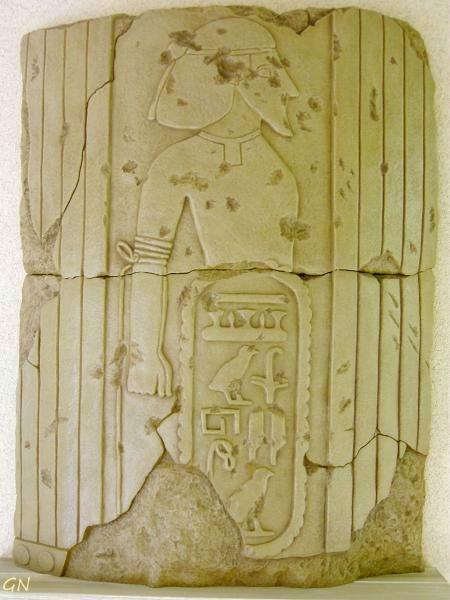
This photo displays a reproduction of the oldest known inscription of the name “Yahweh,” the personal name of God (cf. Exodus 3). The writing is in hieroglyphs and is dated to c. 1400 BC. The inscription was discovered in the temple built by the Egyptian Pharaoh Amenhotep III in Soleb, which is in modern day Sudan. The text refers to a group of wandering followers of Yahweh who are possibly the Israelites; however, this is uncertain at this time.
NOTE: The inscription shown here is not related to the purported inscription from Jebel al-Lawz. Though Jebel al-Lawz may someday prove to be the Biblical Mt. Sinai, the purported inscription from there currently lacks scholarly support.
PHOTO USED WITH PERMISSION: © Benny Bonte and http://www.godsnaam.be/

2. Israel outside of the Bible
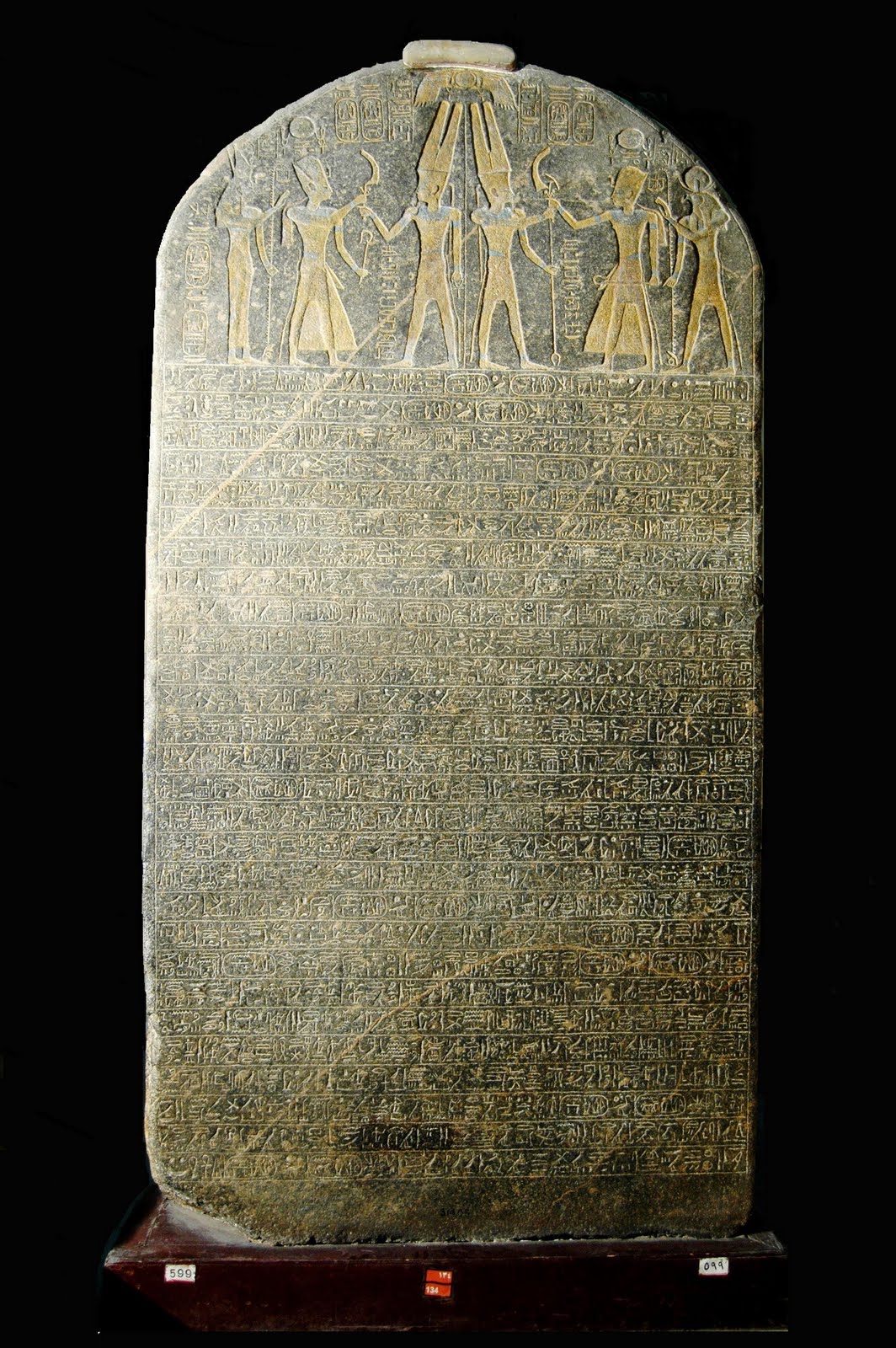 This engraved slab of granite is more than ten feet tall and was found in 1896 in Western Thebes, Egypt. It contains the oldest* certain reference to “Israel” outside of the Bible, and is referred to as the Merneptah Stela. It was carved c. 1210 BC in hieroglyphs and is currently located in the Egyptian Museum, Cairo. (Note: the word “Israel” is the darkened section in the second line from the bottom, which can be seen more clearly by clicking on the photo to enlarge it.)
*The Berlin Pedestal may contain a reference to Israel that is older than the Merneptah Stela.
PHOTO USED WITH PERMISSION: © Greg Gulbrandsen
3. King David
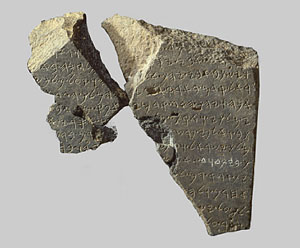
PHOTO USED WITH PERMISSION: © Z.Radovan/www.BibleLandPictures.com
4. King Solomon
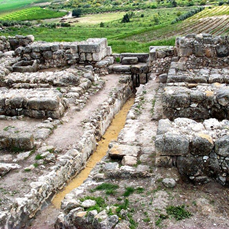 In the Biblical passage found in 1 Kings 9:15 it notes that King Solomon constructed the city wall for the town of Gezer. Archaeologists working at the site have now identified Solomon’s wall, and the photo displayed here shows the remains of the gated portion.
5. Pharaoh Shishak
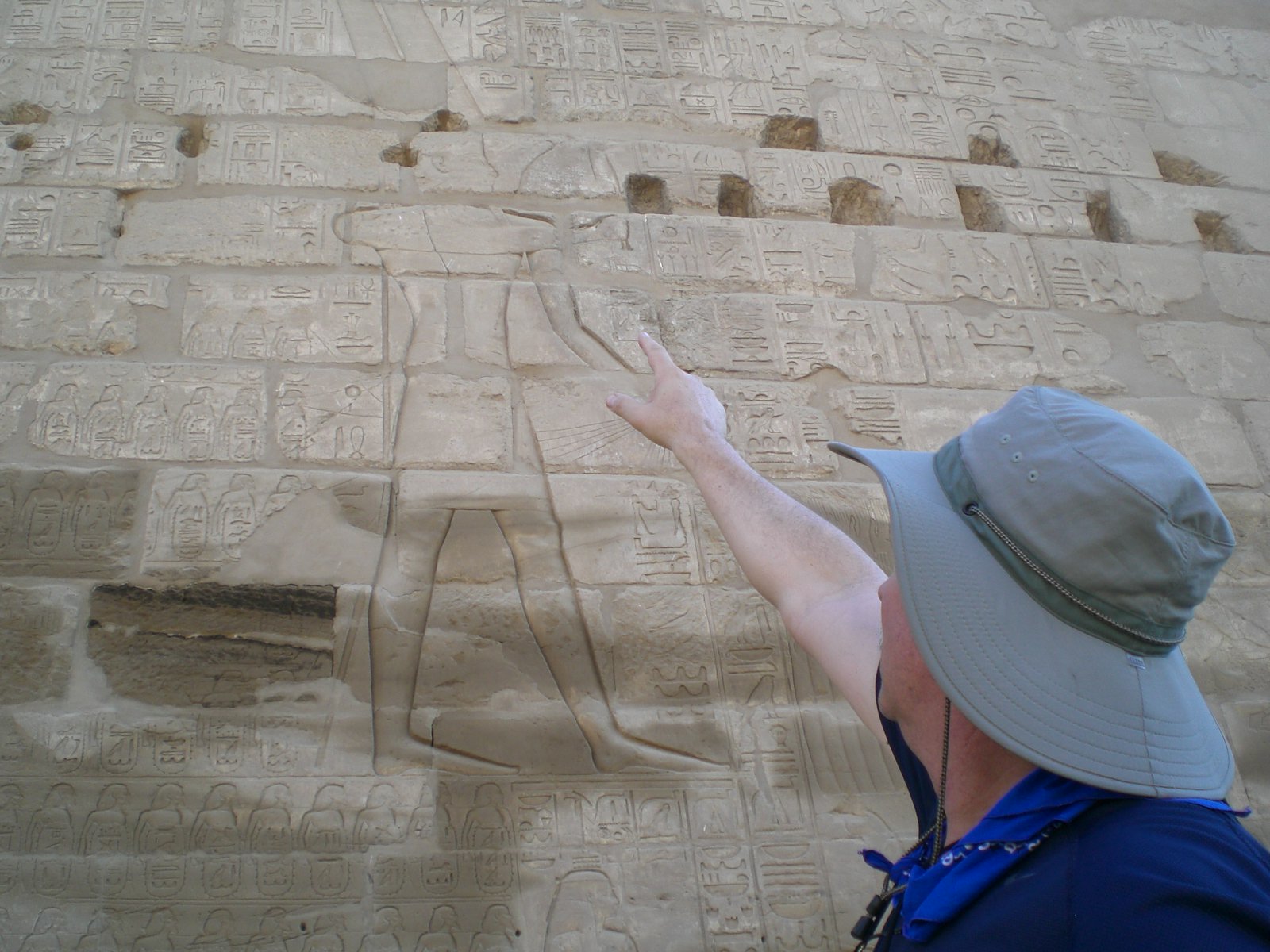
PHOTO: © Michael J. Caba
6. King Ahab
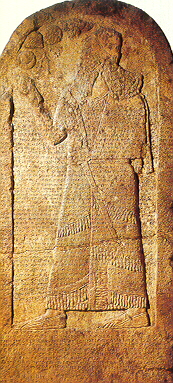
PHOTO RELEASED TO THE PUBLIC DOMAIN: Yuber (Thank you)
7. Moabite Stone
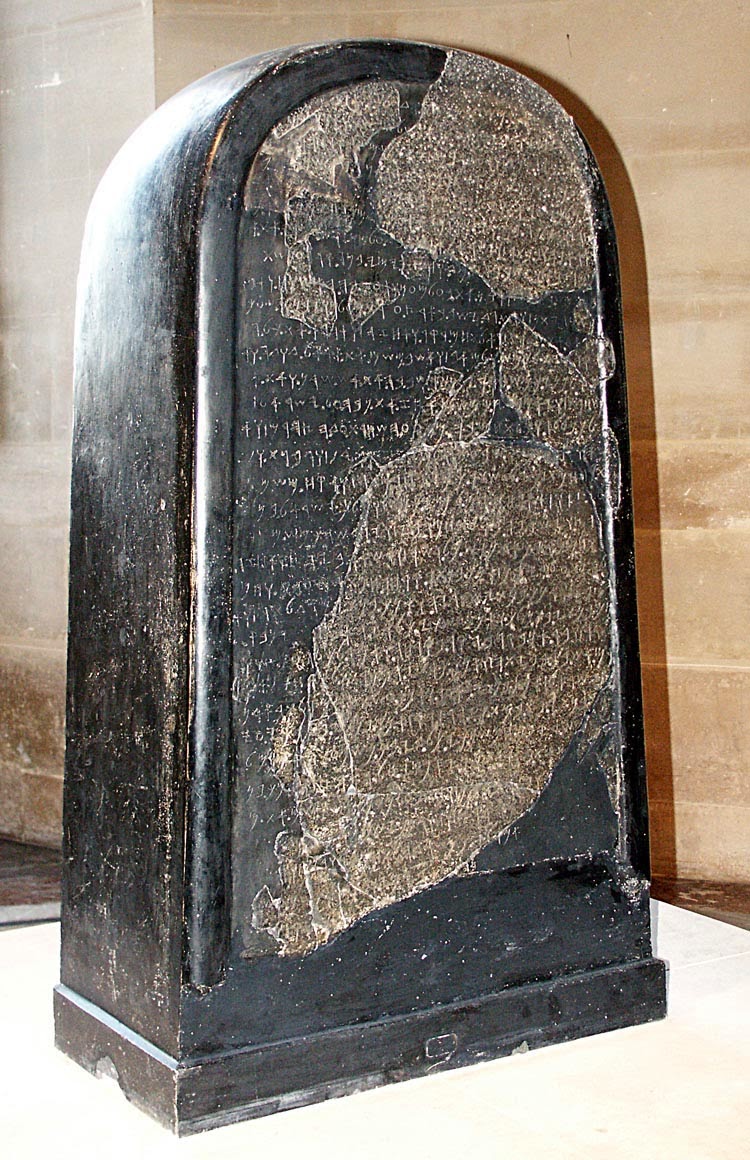 The Moabite Stone, also called the Mesha Stela, is an inscribed black basalt monument written in the Moabite language in c. 835 BC. It stands nearly four feet tall and was found in 1868 in the land of ancient Moab, now modern Jordan. It contains references to Biblical figures such as Israelite King Omri and Moabite King Mesha (cf. 1 and 2 Kings), as well as the covenant name of God, YHWH (cf. Exodus 3). It is now located in the Louvre.
PHOTO USED WITH PERMISSION: © Michael Luddeni
8. Israelite kings
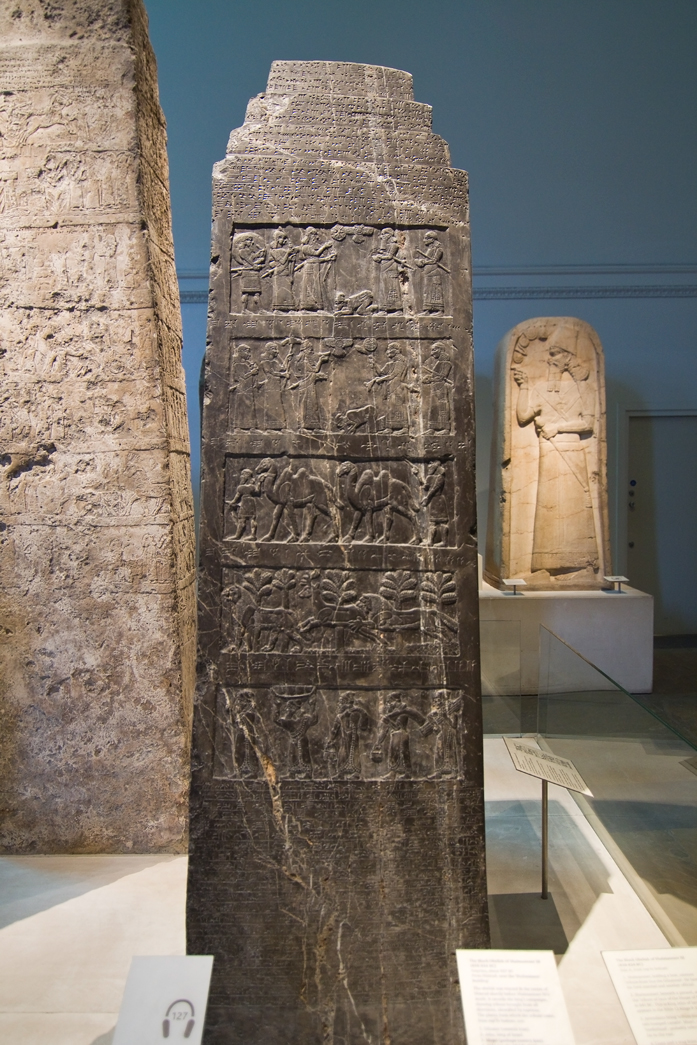 The Black Obelisk of Shalmaneser III was made in c. 827 BC in ancient Assyria. It is about six and a half feet in height and is made of fine grained black limestone. The cuneiform text reads, “Tribute of Jehu, son of Omri….” Both Jehu and Omri were Israelite kings who are referred to in the Bible (cf. 1 & 2 Kings). A close-up photo showing an Israelite, possibly Jehu, bowing to the king of Assyria can be seen by clicking “Read more” below. The obelisk was found in 1846 in Nimrud and is now in the British Museum.
PHOTO USED WITH PERMISSION: © Al Sandalow
9. King Hazael
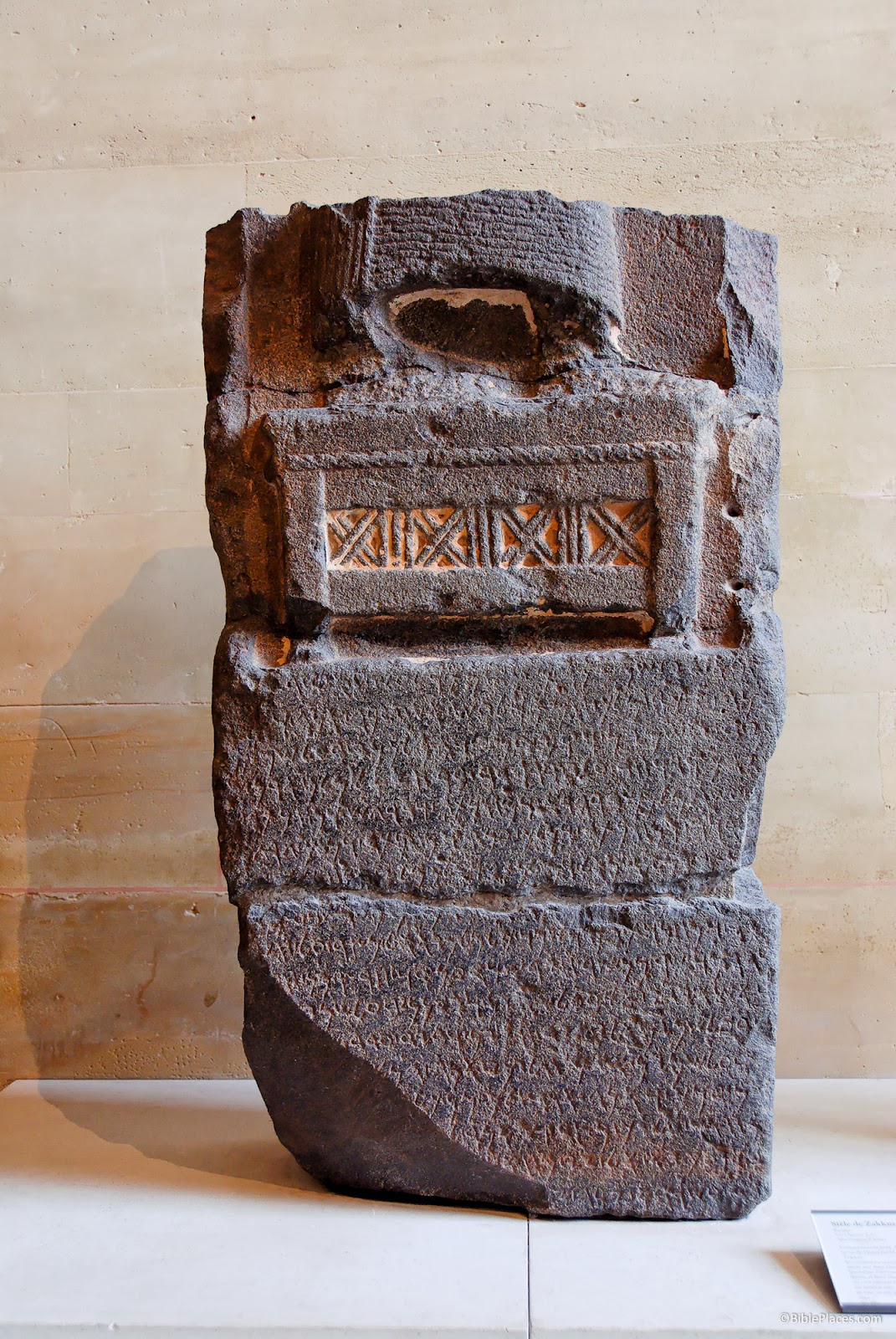 This inscribed basalt slab is known as the Stela of Zakkur. It refers to the Aramaic king Hazael who is also referred to in the Bible in such passages as 1 Kings 19:15. The item was discovered in 1903 at Tel Afis in Syria and dates to approximately 800 BC. The artifact is about 24 inches tall and the language is Aramaic. It is now located in the Louvre.
10. King Jeroboam II
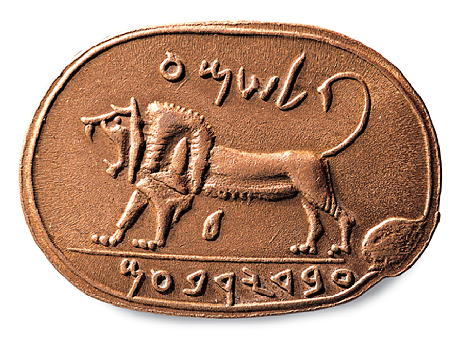 This seal is a bronze cast replica of the original found at Megiddo in c. 1904. The Hebrew lettering reads, “belonging to Shema, servant of Jeroboam.” Scholars believe that the original seal was from King Jeroboam II* who is referred to in such passages as 2 Kings 13:13. The original was made in the 8th century BC of jasper and measured about 1 x 1.5 inches. Unfortunately, the original is now lost but the replica remains in a private collection.
PHOTO USED WITH PERMISSION: © Z.Radovan/www.BibleLandPictures.com
11. King Ahaz
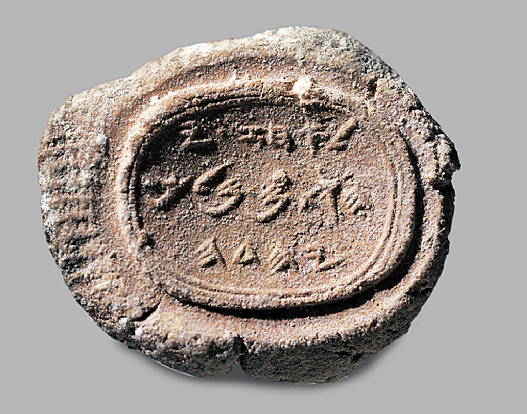 This clay seal impression from the 8th century BC contains the Hebrew text, “Belonging to Ahaz [son of] Jotham, King of Judah.” Ahaz was a Biblical king referred to in the books of 2 Kings and Isaiah. Fingerprints can be seen on the left side of the impression, possibly those of Ahaz himself. The artifact is roughly one-half inch in size and is now in a private collection. Click on “Read more” below to see how a seal such as this, along with a string, were used to secure a papyrus document.
12. Sargon II
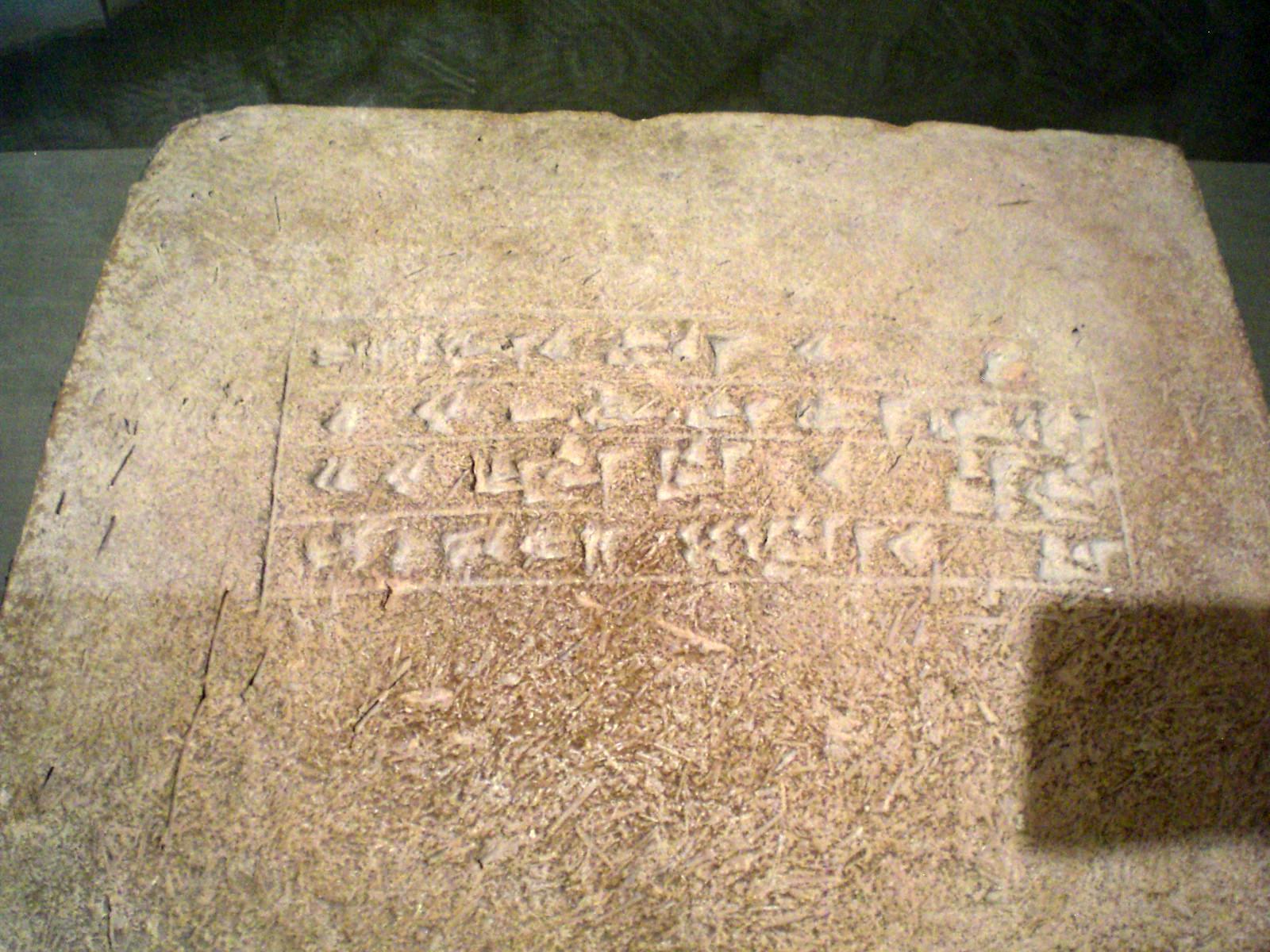 This brick refers to the Assyrian King Sargon II who reigned from 721 to 705 BC. It is inscribed in cuneiform text and is located in the Oriental Institute Museum at the University of Chicago. The brick was found in the ancient Assyrian city of Khorsabad during excavations that took place from 1929 to 1935. Sargon is also referred to in the Bible in Isaiah 20:1. Click “Read more” below to see a giant lammasu, the winged bull deity from ancient Assyria.
PHOTO: © Michael J. Caba
13. Hezekiah’s Tunnel (probable)
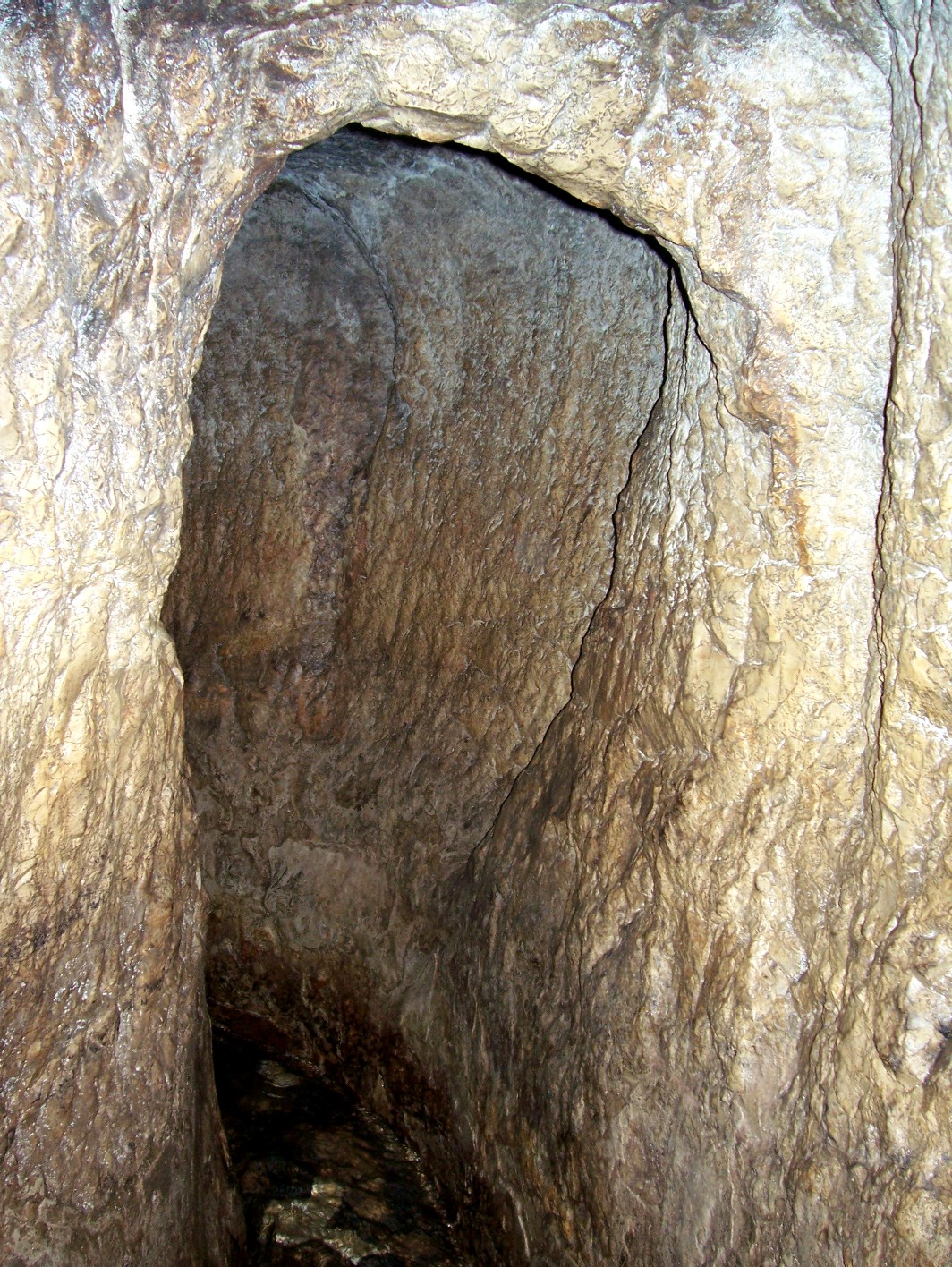
In the Biblical passage found in 2 Kings 20:20 there is a reference to a “tunnel” built by King Hezekiah in Jerusalem to bring water into the city c. 700 BC. A tunnel in Jerusalem, likely built by Hezekiah, is still open and visitors can walk through it. It is about one-third of a mile long, and the water is roughly knee deep. Some scholars question if this is the exact tunnel built by Hezekiah; but, in any case an ancient Hebrew inscription was found in the tunnel showing Jewish presence in Jerusalem in antiquity. Click “Read more” below to see a picture of the ancient inscription.
PHOTO USED WITH PERMISSION: © Greg Gulbrandsen
14. Sennacherib Prism
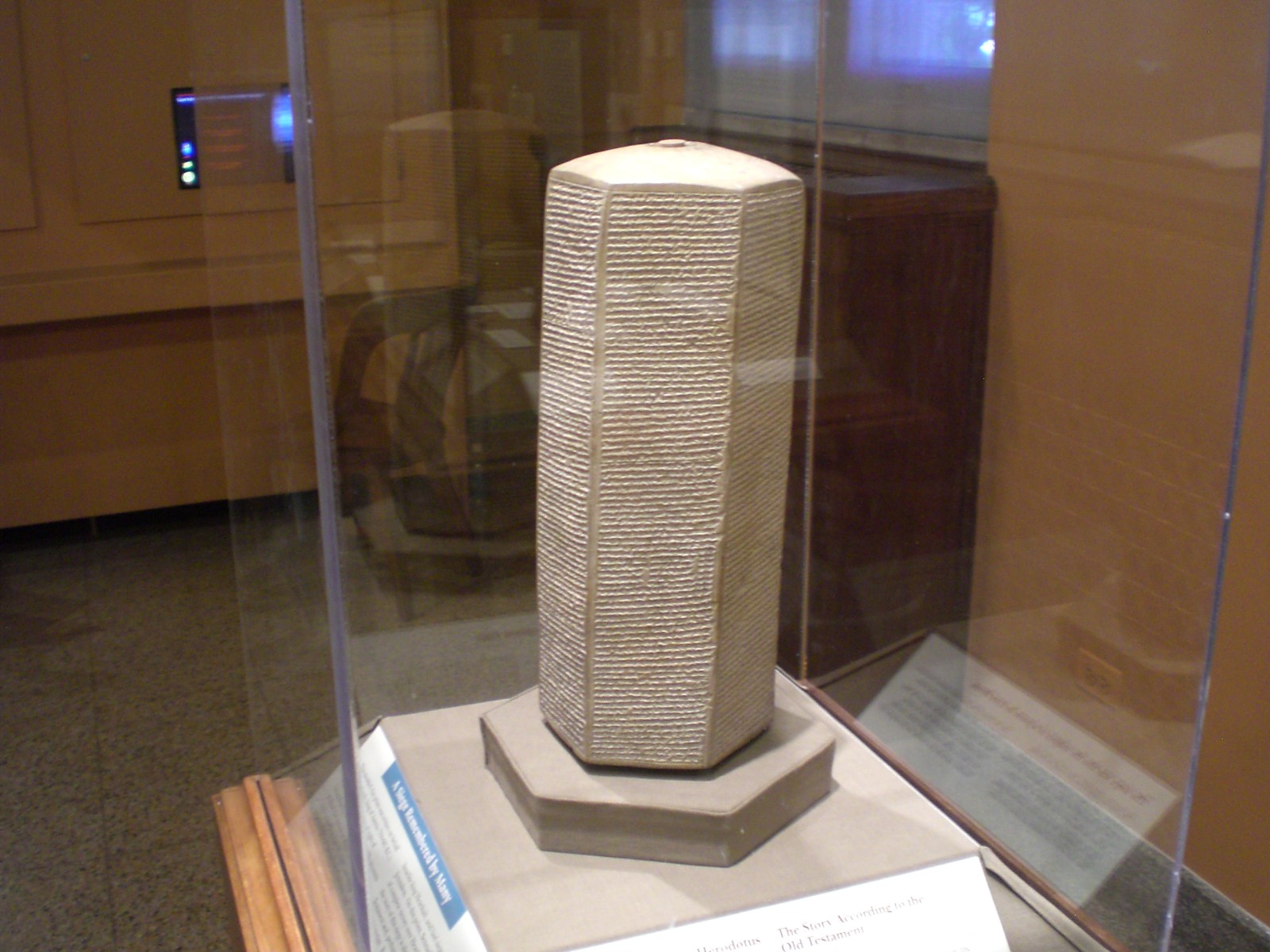 This artifact is known as the Sennacherib Prism. It was made in ancient Assyria in c. 700 BC of baked clay and is approximately 15 inches tall. The cuneiform script in the Akkadian language refers to Israelite King Hezekiah and to Assyrian King Sennacherib, both of whom are in the Biblical text (cf. 2 Kings 19:9). In the inscription the Assyrian talks about trapping Hezekiah in Jerusalem like a caged bird. The artifact was purchased from a Baghdad antiquities dealer in c. 1919 and is now in the Oriental Institute Museum, University of Chicago. It is one of eight such prisms found so far (e.g. Taylor Prism, British Museum).
PHOTO: © Michael J. Caba
15. Siege of Lachish
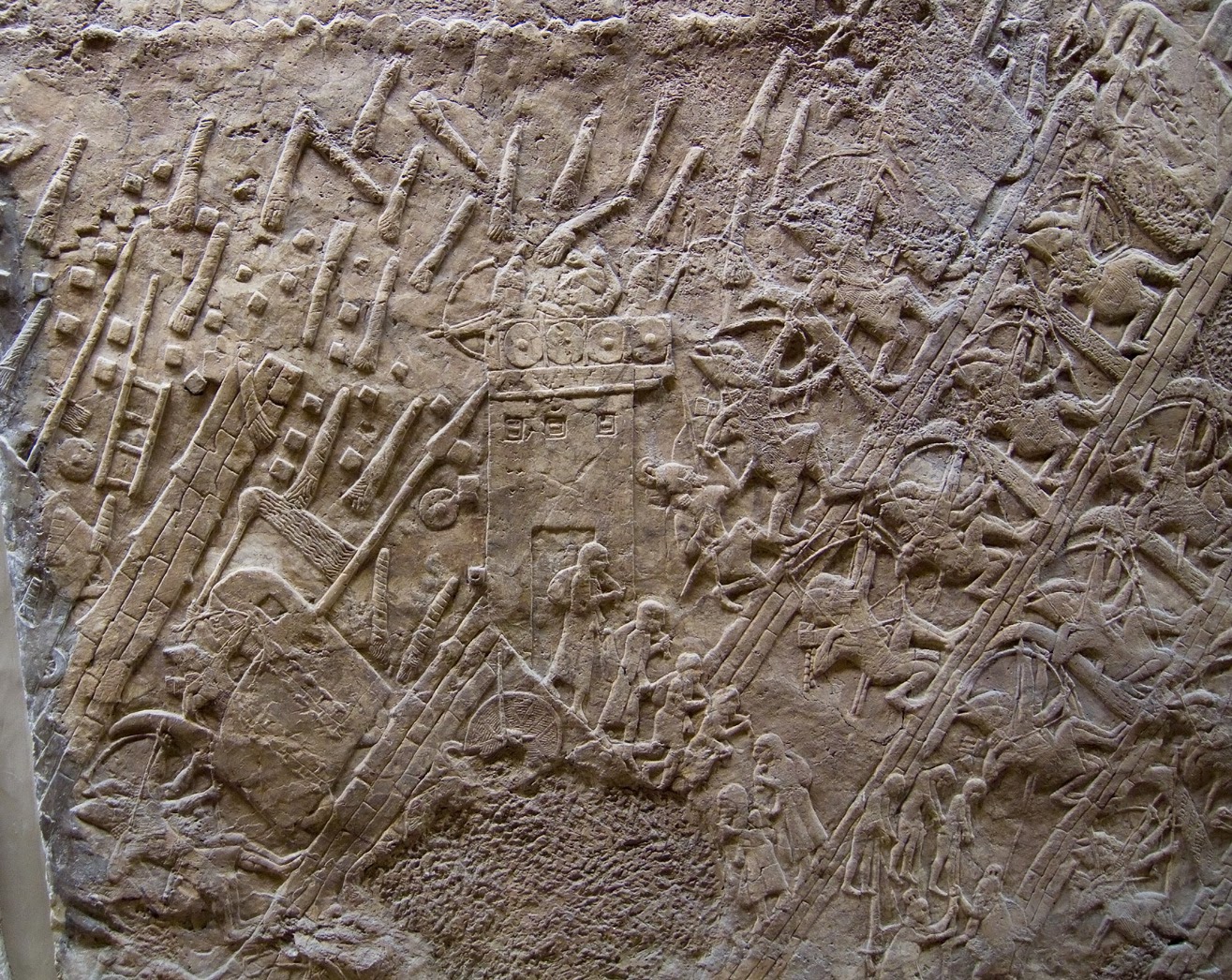 This wall relief carving depicts the siege of Lachish, telling the story from the Assyrian point of view. The carving was created in c. 700 BC and was discovered in the 1850s in the ancient city of Nineveh, Assyria. The full original panel measured sixty-two feet in length and was nearly nine feet tall. The same events are recorded in the Bible in 2 Kings 18-19. The relief now resides in the British Museum.
16. King Manasseh
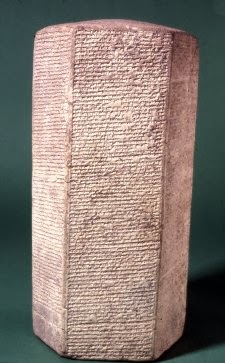 This clay prism, known as the Esarhaddon Prism, was made by the Assyrian king Esarhaddon in 673-672 BC. It refers to “Manasseh king of Judah,” who is also frequently referred to in the Bible in such passages as 2 Kings 20:21. The prism is written in cuneiform script and was found in the 1920s in the ruins of Nineveh. It is made of clay and is about 13 inches high. It is now located in the British Museum.
PHOTO: © Trustees of the British Museum
17. Pharaoh Tirhakah
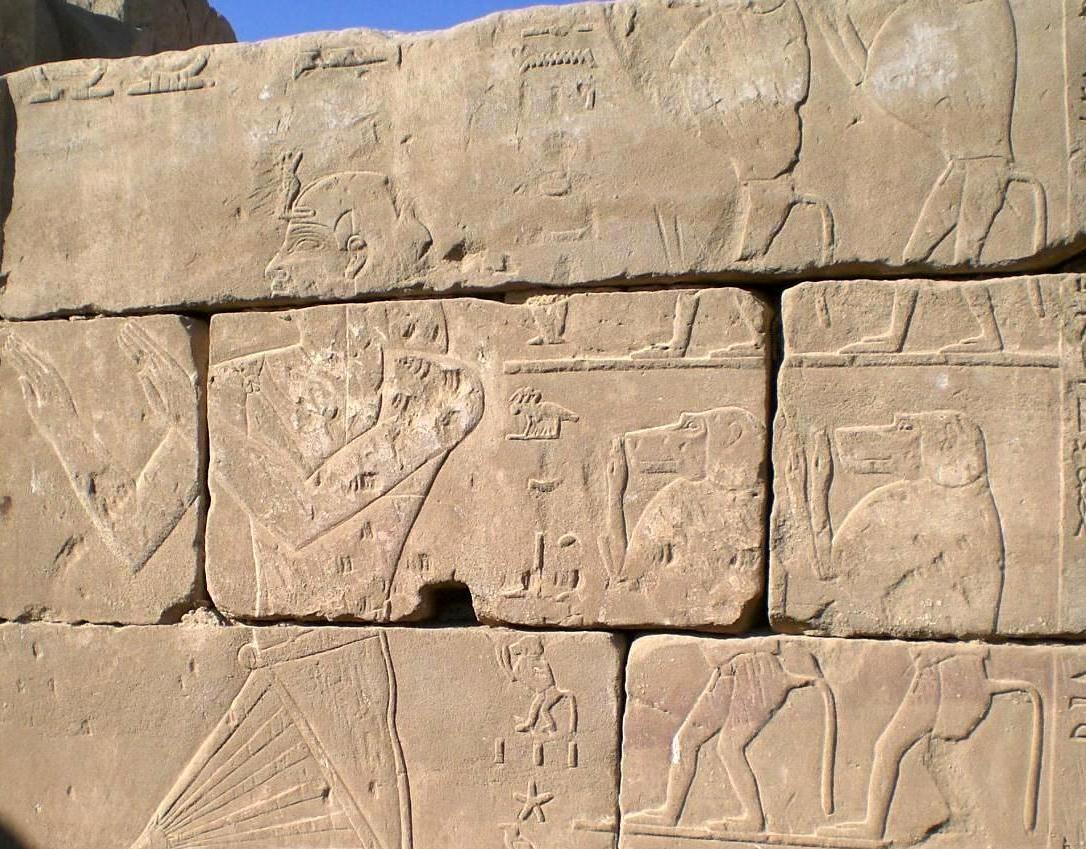
This wall carving was fashioned in the 7th century BC in the Edifice of Tirhakah in the Karnak Temple complex, which is located in modern day Luxor, Egypt. The building is made of sandstone and the carving shows Pharaoh Tirhakah on the left and baboons on the right worshipping the Egyptian god Re. Pharaoh Tirhakah, originally from the Kingdom of Cush, is referred to in the Bible in both 2 Kings 19:9 and Isaiah 37:9.
PHOTO: © Michael J. Caba
The Bible and Archaeology – Is the Bible from God? (Kyle Butt 42 min)
You want some evidence that indicates that the Bible is true? Here is a good place to start and that is taking a closer look at the archaeology of the Old Testament times. Is the Bible historically accurate? Here are some of the posts I have done in the past on the subject: 1. The Babylonian Chronicle, of Nebuchadnezzars Siege of Jerusalem, 2. Hezekiah’s Siloam Tunnel Inscription. 3. Taylor Prism (Sennacherib Hexagonal Prism), 4. Biblical Cities Attested Archaeologically. 5. The Discovery of the Hittites, 6.Shishak Smiting His Captives, 7. Moabite Stone, 8. Black Obelisk of Shalmaneser III, 9A Verification of places in Gospel of John and Book of Acts., 9B Discovery of Ebla Tablets. 10. Cyrus Cylinder, 11. Puru “The lot of Yahali” 9th Century B.C.E., 12. The Uzziah Tablet Inscription, 13. The Pilate Inscription, 14. Caiaphas Ossuary, 14 B Pontius Pilate Part 2, 14c. Three greatest American Archaeologists moved to accept Bible’s accuracy through archaeology.,
Related posts:
Taking on Ark Times Bloggers on various issues Part I “Old Testament Bible Prophecy” includes the film TRUTH AND HISTORY and article ” Jane Roe became pro-life”
I have gone back and forth and back and forth with many liberals on the Arkansas Times Blog on many issues such as abortion, human rights, welfare, poverty, gun control and issues dealing with popular culture. Here is another exchange I had with them a while back. My username at the Ark Times Blog is Saline […]
John MacArthur on fulfilled prophecy from the Bible Part 2
I have posted many of the sermons by John MacArthur. He is a great bible teacher and this sermon below is another great message. His series on the Book of Proverbs was outstanding too. I also have posted several of the visits MacArthur made to Larry King’s Show. One of two most popular posts I […]
John MacArthur on fulfilled prophecy from the Bible Part 1
I have posted many of the sermons by John MacArthur. He is a great bible teacher and this sermon below is another great message. His series on the Book of Proverbs was outstanding too. I also have posted several of the visits MacArthur made to Larry King’s Show. One of two most popular posts I […]
John MacArthur: Fulfilled prophecy in the Bible? (Ezekiel 26-28 and the story of Tyre, video clips)
Prophecy–The Biblical Prophesy About Tyre.mp4 Uploaded by TruthIsLife7 on Dec 5, 2010 A short summary of the prophecy about Tyre and it’s precise fulfillment. Go to this link and watch the whole series for the amazing fulfillment from secular sources. http://www.youtube.com/watch?v=qvt4mDZUefo ________________ John MacArthur on the amazing fulfilled prophecy on Tyre and how it was fulfilled […]
John MacArthur on the Bible and Science (Part 2)
John MacArthur on the Bible and Science (Part 2) I have posted many of the sermons by John MacArthur. He is a great bible teacher and this sermon below is another great message. His series on the Book of Proverbs was outstanding too. I also have posted several of the visits MacArthur made to Larry […]
John MacArthur on the Bible and Science (Part 1)
John MacArthur on the Bible and Science (Part 1) I have posted many of the sermons by John MacArthur. He is a great bible teacher and this sermon below is another great message. His series on the Book of Proverbs was outstanding too. I also have posted several of the visits MacArthur made to Larry […]
Adrian Rogers: “Why I believe the Bible is true”
Adrian Rogers – How you can be certain the Bible is the word of God Great article by Adrian Rogers. What evidence is there that the Bible is in fact God’s Word? I want to give you five reasons to affirm the Bible is the Word of God. First, I believe the Bible is the […]
The Old Testament is Filled with Fulfilled Prophecy by Jim Wallace
Is there any evidence the Bible is true? Articles By PleaseConvinceMe Apologetics Radio The Old Testament is Filled with Fulfilled Prophecy Jim Wallace A Simple Litmus Test There are many ways to verify the reliability of scripture from both internal evidences of transmission and agreement, to external confirmation through archeology and science. But perhaps the […]
Taking on Ark Times Bloggers on various issues Part M “Old Testament prophecy fulfilled?”Part 3(includes film DEATH BY SOMEONE’S CHOICE)
I have gone back and forth and back and forth with many liberals on the Arkansas Times Blog on many issues such as abortion, human rights, welfare, poverty, gun control and issues dealing with popular culture. Here is another exchange I had with them a while back. My username at the Ark Times Blog is […]
Evidence for the Bible
Here is some very convincing evidence that points to the view that the Bible is historically accurate. Archaeological and External Evidence for the Bible Archeology consistently confirms the Bible! Archaeology and the Old Testament Ebla tablets—discovered in 1970s in Northern Syria. Documents written on clay tablets from around 2300 B.C. demonstrate that personal and place […]
_______


 The Daily Hatch
Comments
Reblogged this on Talmidimblogging.
Fascinating archaeological finds!