
I love going to the Heritage Foundation website for articles like this:
Obama’s Debt Reduction and Tax Proposal
Heritage Responds to Obama’s Debt Reduction and Tax Proposal
September 19, 2011 at 11:16 am
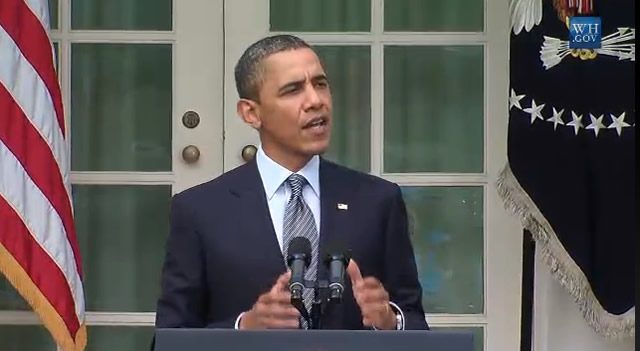
Heritage’s experts watched President Barack Obama’s debt reduction and tax increase proposal. Here are their immediate reactions:
_______________
Raising Investment Uncertainty Will Prolong Economic Stagnation
One of the pillars of the President’s deficit reduction plan unveiled this morning is a new minimum tax rate for millionaires. Targeting American earners whose income often comes from investment profits, the President is proposing a special tax, the “Buffett Rule,” to increase the tax burden on investors.
Investment drives productivity and economic growth. Already, many investors are shying away from markets at this uncertain time, choosing instead to preserve their principal wealth in bonds and commodities such as gold. Proposing higher taxes on investment only increases uncertainty for investors and means that even less investment will occur. Even a little less investment leads to lower productivity, slower economic growth, weaker wages and salaries, and lower household wealth. This is the exact opposite of a jobs plan. It’s a plan to prolong the economic stagnation.
Holding necessary entitlement reforms hostage to higher taxation undermines debt reduction and economic recovery. According to the Heritage Foundation,
While it is currently popular to target high-income individuals for higher taxation, it is economic folly to target investment income. Raising the tax burden on investment income further damages the economy and ultimately affects all members of society. Investment income is highly elusive, as individuals and businesses can alter the timing of investment income and forego investment altogether if their returns fall below required levels. The current economic uncertainty, which increases risk premiums, is already causing many investments to be delayed or foregone. Policymakers are scrambling to encourage businesses and entrepreneurs to start investing again. Why they would then threaten to tax the income from these investments to pay for new entitlements is not clear. […] Taxing investment income would […] reduce investment in the economy, which is dangerous during a period of recovery.
The President is correct in that our tax system is too complex. However, the President’s proposal to increase taxes on investors is the wrong way to reform our tax system.
Romina Boccia
Want to Tackle Spending? Obamacare Has Got to Go.
President Obama pointed to changes already enacted into law under Obamacare to reduce federal health spending, but the fact is, Obamacare will increase deficit spending significantly. To fix the health care system and restore fiscal responsibility in Washington, Obamacare has got to go.
The new health law relies on tax hikes and dubious savings from broken programs to cover the cost of a major Medicaid expansion and new health entitlement spending, despite the fact that serious reform is needed to rein in the cost of the health entitlements we already struggle to pay for (which the President rejected in his speech). New Obamacare entitlement spending includes a generous taxpayer-funded subsidy to offset the cost of coverage for several million Americans, and a new, government-run long-term care insurance program already acknowledged by independent experts to be unworkable and likely to require a taxpayer bailout (in other words, more deficit spending). Obamacare originally received a favorable CBO score only because of the budget gimmicks included in the legislation. Looking beyond the smoke and mirrors shows that not only will Obamacare fail to fix our health care system, but we simply cannot afford it. Repeal is the only solution.
The President also pointed to his signature health care legislation to control the cost of health, but the new law does not tackle the main drivers of runaway health care spending and will not control costs or make health care more affordable. It leaves in place a flawed system which insulates patients from the cost of their health care decisions and encourages unnecessary spending. It keeps health care consumers from choosing the health plan that best suits their needs and from seeking the best available value for the medical goods and services they require. Obamacare increases the role of government in every corner of the health care system and grows dependency on flawed government health care programs.
Kathryn Nix


 The Daily Hatch